You enter 192.168.1.1 expecting router settings, but the page does not open or the password fails. The fix is to confirm the device is on the router network, use the correct local address, then follow the login path for your router brand. Start with the fastest browser check, then move to the brand-specific and reset steps below.
1. Open the 192.168.1.1 admin page directly
Connect your phone or computer to the router by Wi-Fi or Ethernet.
Open Chrome, Safari, Firefox, or Edge.
Click the browser Address bar.
Type http://192.168.1.1, then press Enter. Do not enter it in a search box.
Enter the router admin username and password, or the local admin password created during setup.
Use this first when your router's LAN or admin address is 192.168.1.1, including supported NETGEAR and Linksys routers. If a local HTTPS router page shows a certificate warning, use Advanced and Proceed only while connected to your own router network.
2. Find the real router address before trying again
192.168.1.1 is not universal, so use a connected device to find the router address before trying again.
On Windows, search the taskbar for Command Prompt.
Select Run as administrator, then select Yes.
Type ipconfig, then press Enter.
Under the active Wi-Fi or Ethernet adapter, find Default gateway.
Open a browser, click the Address bar, enter that gateway address, then press Enter.
On a Mac, use Apple menu > System Settings > Wi-Fi > Details next to the connected network, then enter the listed router address in your browser.
On iPhone or iPad, go to Settings > Wi-Fi, tap the Info button next to the connected network, use the Router value shown in the network details, then open Safari and enter that address.
3. Use the current login path for your router brand
NETGEAR: Connect to the router network, open a browser, enter routerlogin.net or http://192.168.1.1, then sign in. The user name is admin, and the password is the one specified during setup.
Linksys: Connect to the Linksys router Wi-Fi or LAN, open a browser, enter 192.168.1.1 or myrouter.local, enter the Router Password, then click Sign In. If unchanged, the default password is admin.
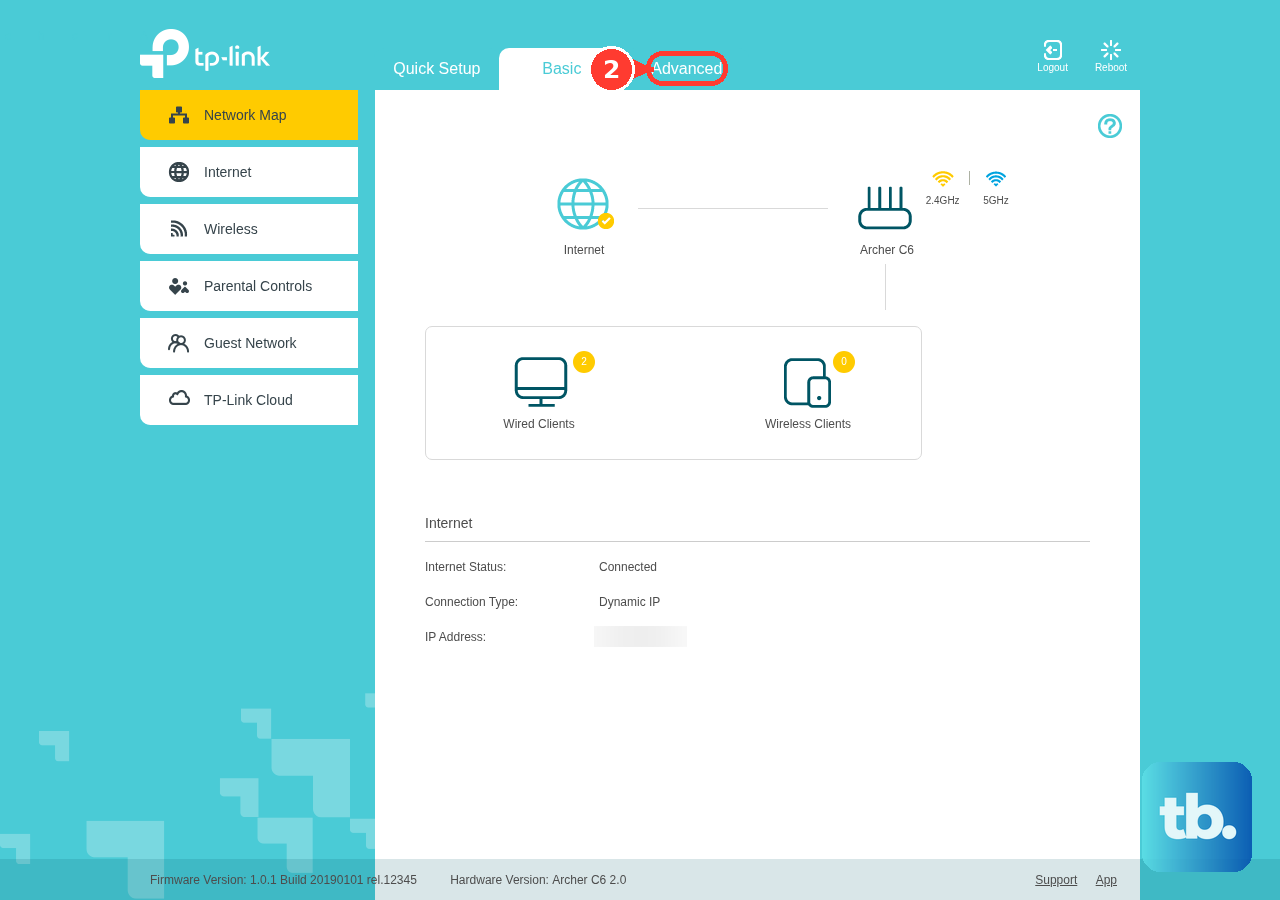
TP-Link: Connect by Ethernet or Wi-Fi, open Chrome, Firefox, or Edge, enter tplinkwifi.net or 192.168.0.1, then press Enter. If those fail, enter 192.168.1.1. Enter the local admin password, create one on first login, or switch to TP-Link ID when the router is linked to one.
ASUS: Connect to the ASUS router, open a browser, enter http://www.asusrouter.com or the router LAN IP, such as http://192.168.50.1, then enter the router username and password. After a first setup or factory reset, create the router login account and password first.
D-Link: Connect to the D-Link router by Ethernet or wireless, open a browser, enter http://192.168.0.1 or http://dlinkrouter.local, then use username admin with no password if the DIR-series router is still at default.
Match the route to the router label or app to avoid wasting time on an address your model does not use.
4. Switch to the official router app when required
Some routers use the vendor app as the main control path.
For supported NETGEAR routers, install the Nighthawk app, connect the mobile device to the NETGEAR router's Wi-Fi, launch the app, then log in with the NETGEAR account.
For compatible TP-Link routers, xDSL routers, and range extenders, install TP-Link Tether, connect the phone to the TP-Link router Wi-Fi, open Tether, sign in if prompted, then select the router. Tether does not work from a guest network.
ASUS users can install the ASUS Router app, turn on the router, then follow the in-app quick setup guide to set up or manage the router or ZenWiFi system.
Linksys users can open the Linksys app and tap Manage Your Wi-Fi on iOS or Log in on Android.
5. Recover access when the admin password fails
Use password recovery before a factory reset when the router supports it. A reset erases personalized router settings and sends the router back through setup.
For NETGEAR, open routerlogin.net or the router web URL from a device on the router Wi-Fi.
Enter incorrect credentials three times.
On Router Password Reset, enter the router serial number, click CONTINUE, answer the two security questions, click CONTINUE, choose a new admin password and security questions, then click NEXT.
If NETGEAR password recovery does not work, press and hold the physical Reset button on the back or side for 15 seconds, then set up the router again.
For TP-Link, recovery without a reset works only if you turned on Password Recovery ahead of time under Advanced > System/System Tools > Administration.
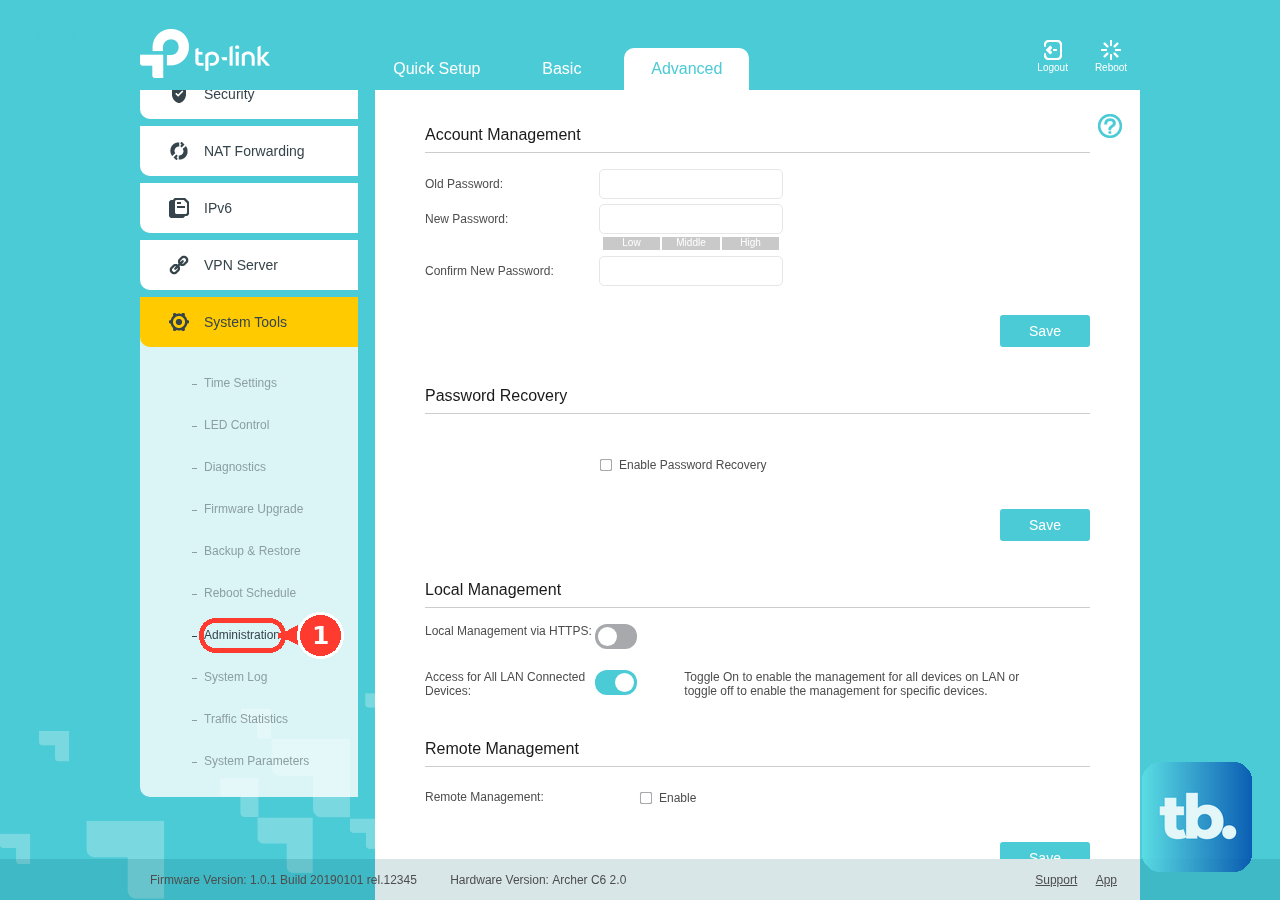
If you did, open tplinkwifi.net, click Forgot Password?, then follow the prompts to verify by email or security question and set a new password; security questions vary by model, and logging in with a TP-Link ID disables the email method.
If you never set it up, the password cannot be recovered or looked up: press and hold the router Reset button for about 10 seconds while the router is powered on, then set it up again from factory defaults.
For ASUS, a forgotten router username or password requires a reset.
Press and hold the physical RESET button for 5 to 10 seconds until the power LED starts to flash, wait for the LEDs to come back on, then set up the router again through the Web GUI or ASUS Router app.
For Linksys cloud access in the app, tap Email, tap Forgot password?, enter the email address, then tap Send Email.
For offline or local router password reset in the app, tap Router Password > Reset password, follow the prompts, then enter the recovery key from the router product label.
6. Manage app-only mesh systems the right way
eero's verified consumer management surface is the eero app for setup, password changes, and network updates; treat the app as the router control panel instead of looking for a 192.168.1.1 admin page.
Google Nest Wifi Pro, Nest Wifi, and Google Wifi are managed through the Google Home app.
For setup, open Google Home, tap Add > Device, scan the QR code or tap Use setup code, then finish the in-app steps.
Apple Home-compatible router controls are limited to accessory security, and they require an Apple Home-enabled router plus an Apple TV 4K or HomePod set up as a home hub.
With that in place, set up the router with the manufacturer's app, open Home, tap More > Home Settings > Wi-Fi Network & Routers, turn on Apple Home Accessory Security, tap an accessory, then choose Restrict to Home, Automatic, or No Restriction.
7. Avoid outdated default password shortcuts
Do not use admin with admin or password as a universal 192.168.1.1 fix.
Current vendor guidance is brand-specific: NETGEAR uses admin as the user name and the setup password; newer TP-Link models require a custom admin password; ASUS creates router credentials after reset; Linksys uses admin as the unchanged local password; and D-Link DIR-series guidance lists admin with a blank password at default.
If the router or device belongs to a school or workplace, contact the network or device administrator. Managed devices and networks can enforce Wi-Fi, Ethernet, VPN, cellular, certificate, and restriction settings that block access or prevent local administration.
8. Check ISP gateway addresses
Xfinity: Use http://10.0.0.1 for the Admin Tool.
To enable browser access in the Xfinity app, open WiFi > View WiFi equipment > Advanced Settings > Admin Tool online access.
AT&T: Use http://192.168.1.254.
For All-Fi Hub Wi-Fi settings, select Home Network > Wi-Fi, then enter the Device Access Code printed on the hub when prompted.
Leased internet gateways from Xfinity and AT&T use different official admin addresses, so 192.168.1.1 sends you to the wrong place. If your router came from your internet provider, use the provider gateway address before changing anything on the router hardware.
9. Allow local router access on your device
Local router pages can trigger browser warnings or permission prompts, and the fix depends on the device or browser.
On TP-Link pages, click Advanced, then choose Proceed to tplinkwifi.net (unsafe) or Proceed to 192.168.0.1 (unsafe).
On Mac, allow the browser or router app through Apple menu > System Settings > Privacy & Security > Local Network.
On iPhone or iPad, open Settings > Privacy & Security > Local Network, then turn on access for the router app.
In Microsoft Edge, first open edge://flags/#local-network-access-check, set it to Enabled or Enabled (Blocking), and click Restart.
Then open Settings and more > Settings > Privacy, search, and services > Site permissions > All permissions > Local network access, turn on Ask before accessing (recommended), and allow local network access for the router page when prompted.
Frequently Asked Questions
Why does 192.168.1.1 not open on my phone or computer?
Your router uses a different address or an app-only management surface. Find the router address from your device network details, then enter that address directly in the browser address bar.
Is 192.168.1.1 the same as my Wi-Fi password?
No. 192.168.1.1 opens the router admin login. The admin password controls router settings, while the Wi-Fi password connects devices to the wireless network.
Which router brands use 192.168.1.1?
NETGEAR and Linksys list 192.168.1.1 as a supported browser login address. TP-Link uses it as a fallback or on certain modem and mobile-router models, while ASUS and D-Link commonly document other addresses in the verified guidance here.
What happens if I factory reset my router?
A factory reset erases personalized settings and returns the router to setup mode. Afterward, set up the router again and create or enter the admin credentials required by that model.