Spyware is a type of malware that quietly gathers sensitive information, such as browsing and computing habits, and reports it to unauthorized third parties. That is how the Cybersecurity and Infrastructure Security Agency (CISA) describes it. The Federal Trade Commission (FTC) lists spyware next to viruses and ransomware as a common type of malware, meaning harmful software installed without your knowledge.
How spyware gets onto a device
The FTC's malware guidance names several risks: deceptive links and attachments in email, bogus software ads, unfamiliar free-download websites and peer-to-peer downloads. Joint CISA and FBI guidance from May 2024, written for civil society groups, says attackers use phishing to gain access to mobile devices, often by text message, and also use apps that seem legitimate but contain malicious software. The attackers may then install spyware. See What Is Smishing?
Warning signs the FTC lists
The FTC says the following could be a sign of malware:
- Performance: the device slows down, freezes or crashes, or shows repeated operating system errors.
- Browser changes: a new homepage, unwanted redirects, or toolbars and add-ons you did not expect.
- Pop-ups: a large number of them.
- System tools: tools that have been disabled.
- Messages: emails or social posts sent from your accounts that you did not create.
In its stalkerware guidance, the FTC adds phone changes worth investigating: a battery that drains faster, data use that rises unexpectedly, overheating, and unexpected shutdowns or restarts.
Stalkerware is a safety matter
The FTC describes stalkerware as software secretly installed on a phone or other device. It says stalkerware can expose your location, phone conversations, texts, emails and photos. The agency asks whether an abuser knows places you went, private conversations, who you message or which websites you visited without being told, and whether that person had access to the phone when you were not watching.
The FTC warns that seeking help or changing the phone can alert an abuser, who may escalate the abuse. Its stalkerware guidance advises contacting an advocate from a different device before removing stalkerware. The FTC lists the National Domestic Violence Hotline at 1-800-799-7233, at thehotline.org, or by texting START to 88788. The FBI's Internet Crime Complaint Center (IC3) website directs anyone in immediate danger to call 911 or local police.
The FTC also says to preserve evidence of abuse before replacing or resetting a phone. It says a factory reset may remove stalkerware, but restoring old app backups could reinstall it.
The FTC has acted against sellers. It announced its first case against developers of stalking apps on October 22, 2019. On December 21, 2021, it announced a final order banning a stalkerware provider and its CEO from offering, promoting, selling or advertising any surveillance app, service or business.
What the FTC, CISA and phone makers advise
If you suspect malware, the FTC lays out a sequence:
- Stop sensitive logins: do not sign in to sensitive accounts on that device.
- Update and scan: update your security software, then run a scan to remove malware.
- Secure accounts: change your passwords and turn on two-factor authentication.
For prevention, the FTC advises keeping security software updated and setting it to scan automatically. CISA's malware tip card says to keep security software, browsers and operating systems updated, treat suspicious links with caution and keep backups. For an infected device, CISA points to help from a reputable security expert or legitimate malware removal software.
To guard a phone against stalkerware, the FTC advises keeping physical control of it, using automatic locking with a passcode of at least six digits, updating software, and protecting accounts with strong passwords and two-factor authentication. The FTC takes reports of ads, websites and emails suspected of spreading malware at ReportFraud.ftc.gov.
On Android, Google says Play Protect checks Play Store apps before download and periodically scans the device for potentially harmful apps from other sources. If it finds one, it may notify you, disable the app until it is uninstalled or remove it automatically. Google says Play Protect is on by default and recommends keeping it on.
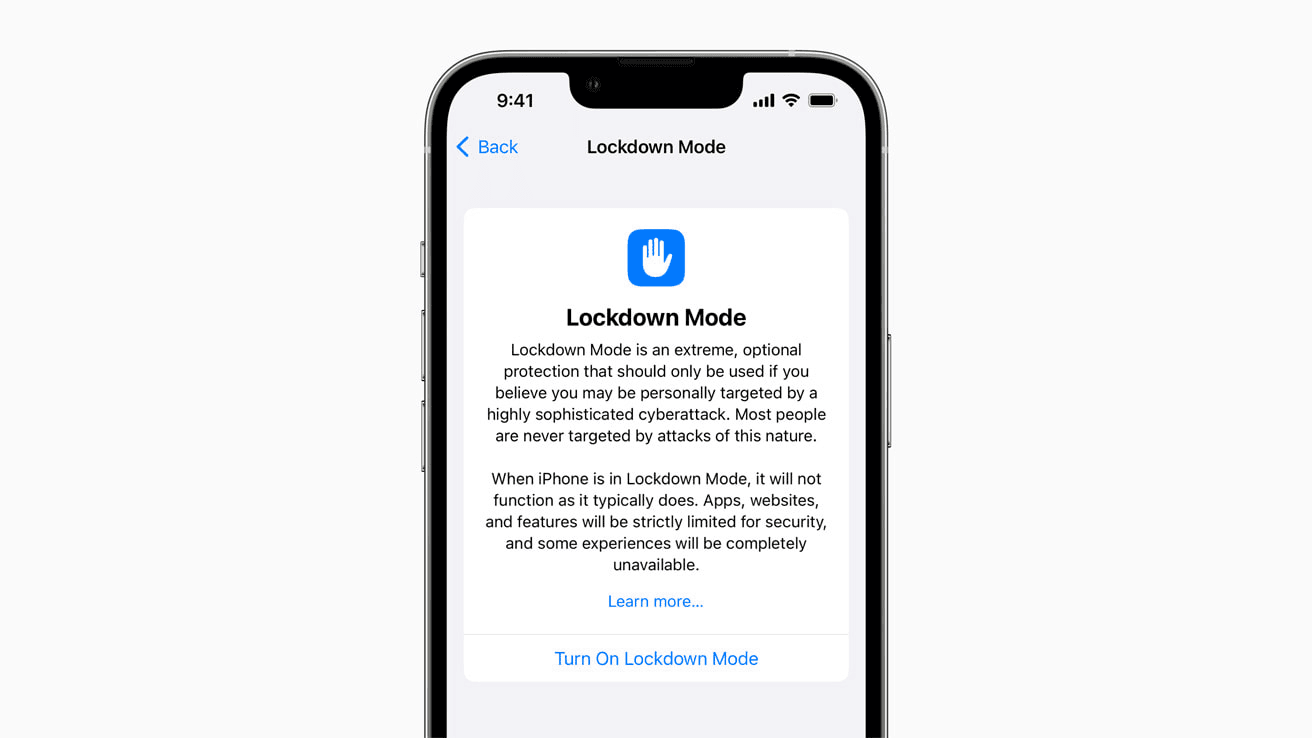
Apple describes Lockdown Mode as an optional, extreme protection for the small number of people who may be targeted by sophisticated digital threats, including mercenary spyware. Apple says most people are never targeted by attacks of this nature. Apple also sends threat notifications, which it calls high-confidence alerts that a user has been individually targeted by mercenary spyware. It says they never ask you to click links, open files or install apps, and that you can verify one by signing in at account.apple.com.
What to do
See how to check your computer for malware and Is Malwarebytes Safe?
If you think an abuser is monitoring your phone, the FTC advises contacting an advocate from a different device before removing stalkerware, and preserving evidence before replacing or resetting the phone. See What Is a Keylogger?