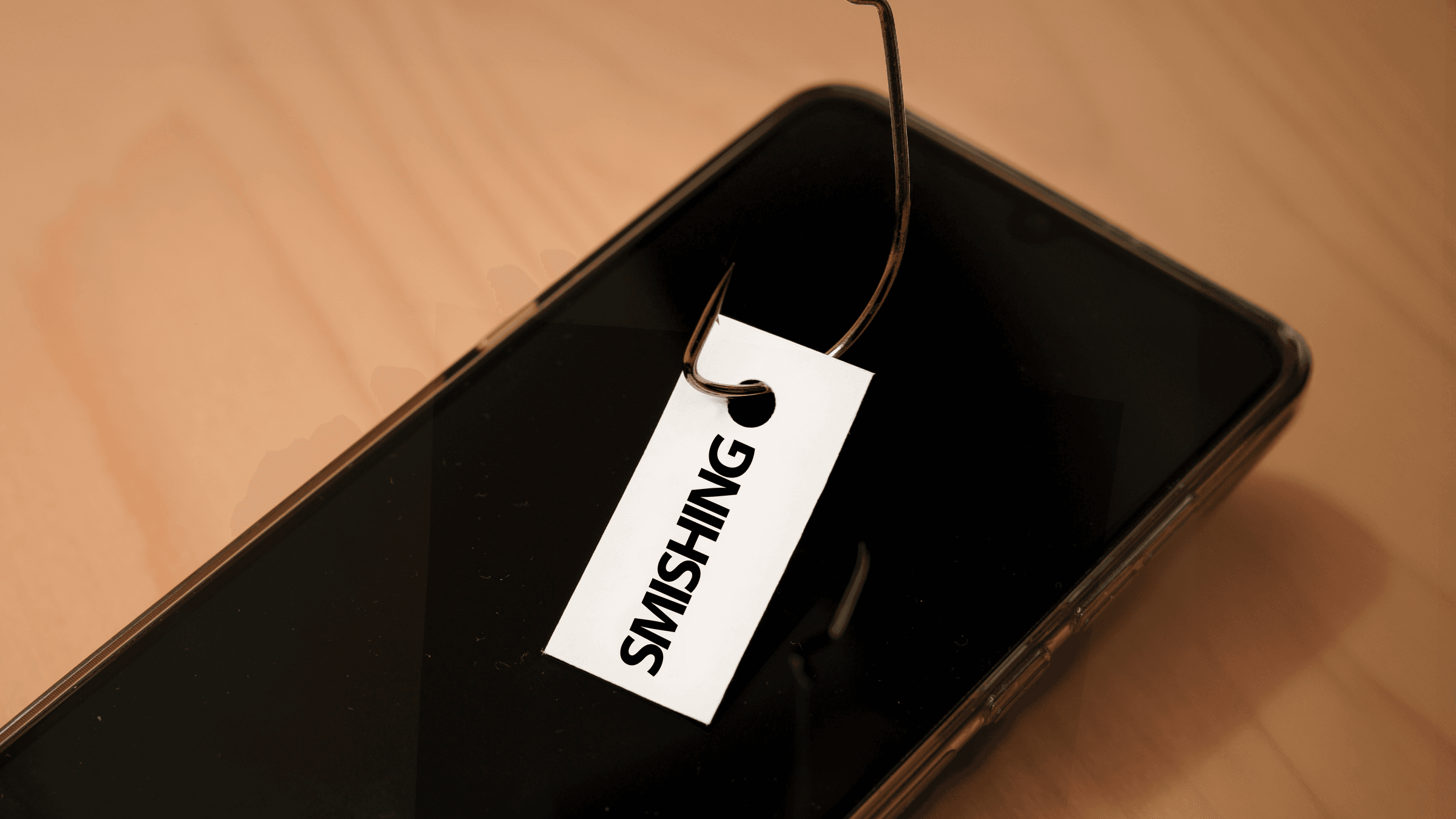
Smishing is phishing by text message. The FCC uses the word for scam texts, and CISA defines it as phishing via text messages. The FBI describes it as a social engineering attack that uses fake texts to get people to download malware, share sensitive information or send money to criminals.
How smishing works
The FTC says scammers send fake text messages to get passwords, account numbers, Social Security numbers and other personal information.
CISA says these texts are meant to get the recipient to click a link, download a file or an application, or start a conversation. In a consumer alert dated July 28, 2022, the FCC described three aims: getting money, collecting personal information, or confirming that a phone number is active. The same alert says the messages sometimes lean on fear or curiosity to draw a response.
Forms the agencies describe
The agencies describe a handful of recurring stories. Each one is built to get the recipient to engage.
- Package delivery: the FTC lists fake package delivery notifications among scam texts, and the FCC alert mentions false claims about delivery problems.
- Bank and payment accounts: the FTC says phishing texts may pose as a bank, a credit card company, a utility or a payment service and claim a problem with an account or a payment.
- Account alerts: the FTC describes made-up notices of suspicious activity, problems with payment information and invoices for purchases the recipient never made.
- Bills and legal threats: the FCC alert describes false claims about unpaid bills, bank account problems or law enforcement action.
- Unpaid tolls: in a public service announcement dated April 12, 2024, the FBI described texts that claim an unpaid toll debt and link to websites impersonating state toll services.
Warning signs
The FTC flags unexpected texts that ask for personal or financial information. Its guidance on spam text messages says not to click the links in them. To check whether a message is real, the FTC says to reach the company through contact details you already know to be genuine, not the ones in the text.
For any message that asks for a link click or an opened attachment, the FTC suggests one question: do you have an account with the company, or know the person who contacted you? A familiar company name on its own does not show that a message is authentic.
How to report a smishing text
The FTC says to copy the unwanted text and forward it to 7726, which spells SPAM. That helps the wireless provider identify and block similar messages.
The FTC also takes reports of unwanted texts at ReportFraud.ftc.gov. For toll texts, the FBI's 2024 announcement directs recipients to file a complaint with the IC3 at ic3.gov, and to include the phone number the text came from and the website listed in it.
Phone settings that filter unknown senders
On iPhone, Apple's support page for iOS 26 gives the path as Messages, then Filters, Manage Filtering, Unknown Senders and Screen Unknown Senders. Turning it on places messages from unknown senders in the Unknown Senders filter. Apple says the setting is off by default unless it carried over from iOS 18 with the setting already on. Filtering does not apply to any sender you have replied to three times or more.
As of November 2026, in Google Messages, the spam controls sit under your profile picture or initials, then Messages settings, Protection & Safety and Spam and scam protection, where available. The choices are Enhanced protection, Standard protection and No protection, and Google says Standard is on by default. Suspected spam can be hidden in Spam & blocked. Google Messages also has Known and Unknown inbox filters, and it counts senders as Known when they are saved in Contacts.
What to do next
If a text arrives unexpectedly and asks for personal or financial details, the FTC's advice points one way: leave the link alone and contact the company through details you already know. If texts from unknown senders keep arriving, the Apple and Google filters above fit, because Apple says Screen Unknown Senders places those messages in the Unknown Senders filter and Google Messages has Known and Unknown inbox filters.
If a scam text has already cost you money, see How to Get Your Money Back After a Zelle Scam or How to Get Your Money Back After a Wire Transfer Scam. The FTC names passwords among the things these texts are after. See What Is a Passkey?