DSL stands for Digital Subscriber Line. The FCC describes it as a wired technology that sends data over the traditional copper telephone lines already running to homes and businesses. In the US it is still sold at some addresses, but AT&T says it no longer offers DSL service, and Verizon says it is replacing copper-based services with fiber and wireless alternatives.
ADSL and VDSL, the two names you will see
ADSL is asymmetric DSL. Frontier explains that it gives more bandwidth to downloading than to uploading. For upload speeds, see What Is a Good Upload Speed?
VDSL stands for very high-speed or very high-bitrate DSL. Frontier says it operates faster than ADSL2+, which is an upgraded version of ADSL.
CenturyLink lists these tested wired speeds for its C4000 modems. They are tested maximum speeds, not typical customer speeds or guarantees:
- ADSL: up to 7 Mbps.
- ADSL2+: up to 20 Mbps, or up to 40 Mbps when paired.
- VDSL: up to 100 Mbps, or up to 140 Mbps when paired.
How fast DSL is
The FCC's 2024 Communications Marketplace Report gives two figures. The weighted mean advertised DSL download speed was 31 Mbps for participants in its Measuring Broadband America program, using September to October 2022 data. For residential DSL connections in December 2023 subscription data, the weighted mean maximum advertised download speed was approximately 33 Mbps. Both are advertised speeds from past years, not measurements of what a line delivers today.
Providers publish very different ranges. CenturyLink advertises DSL speeds as high as 100 Mbps, subject to availability at your address. Verizon's network performance page lists four DSL tiers, from 0.5 to 1 Mbps down and 0.192 to 0.384 Mbps up at the bottom, to 7.1 to 15 Mbps down and 0.5 to 1 Mbps up at the top.
Distance is one reason for the spread. Verizon says the performance of its copper-based High Speed Internet varies with factors that include distance from switching stations. Frontier's disclosure for legacy DSL tiers (revised June 2022) says it anticipates wired speeds generally between 50% and 100% of the provisioned speed.
DSL vs cable vs fiber
The FCC's fixed technology codes list copper DSL, coaxial cable and fiber as fixed wireline services. DSL uses copper telephone lines. AT&T's internet glossary says cable internet uses the same coaxial cables used for cable TV service.
Verizon's fiber FAQ says fiber sends data as pulses of light through tiny glass strands. See What Is Fiber Internet?
Who still sells DSL, and who is retiring copper
As of November 2026, the picture differs by provider:
- AT&T: its consumer DSL page says it no longer offers DSL service. Its October 2026 earnings remarks state a target of discontinuing copper-based services in 50% of its wire centers outside California by the end of 2027, and in substantially all of those wire centers by the end of 2029.
- Verizon: its network modernization page says eligible customers may move voice and internet service to fiber or wireless replacements where those are available, and that affected customers get advance written notice. One example is a February 2026 notice covering remaining copper facilities in 16 Delaware wire centers, with a planned implementation date on or after May 20, 2026.
- CenturyLink: it continues to advertise DSL service.
- Frontier: its DSL page describes a DSL plan and has an address checker. Its residential agreement allows it to stop offering DSL at a location when it can provide fiber there, and to offer fiber at the rates and terms that apply at that time.
How to check DSL at your address
The FCC National Broadband Map lists providers by street address. Search your address, then look at the Fixed Broadband results for each provider's technology and maximum advertised download and upload speeds. The Service Filters can select DSL.
The FCC's help page says the default map does not show services with download speeds below 25 Mbps, so use the filters to reveal slower DSL. The map also shows availability that providers report, not actual connection performance or affordability.
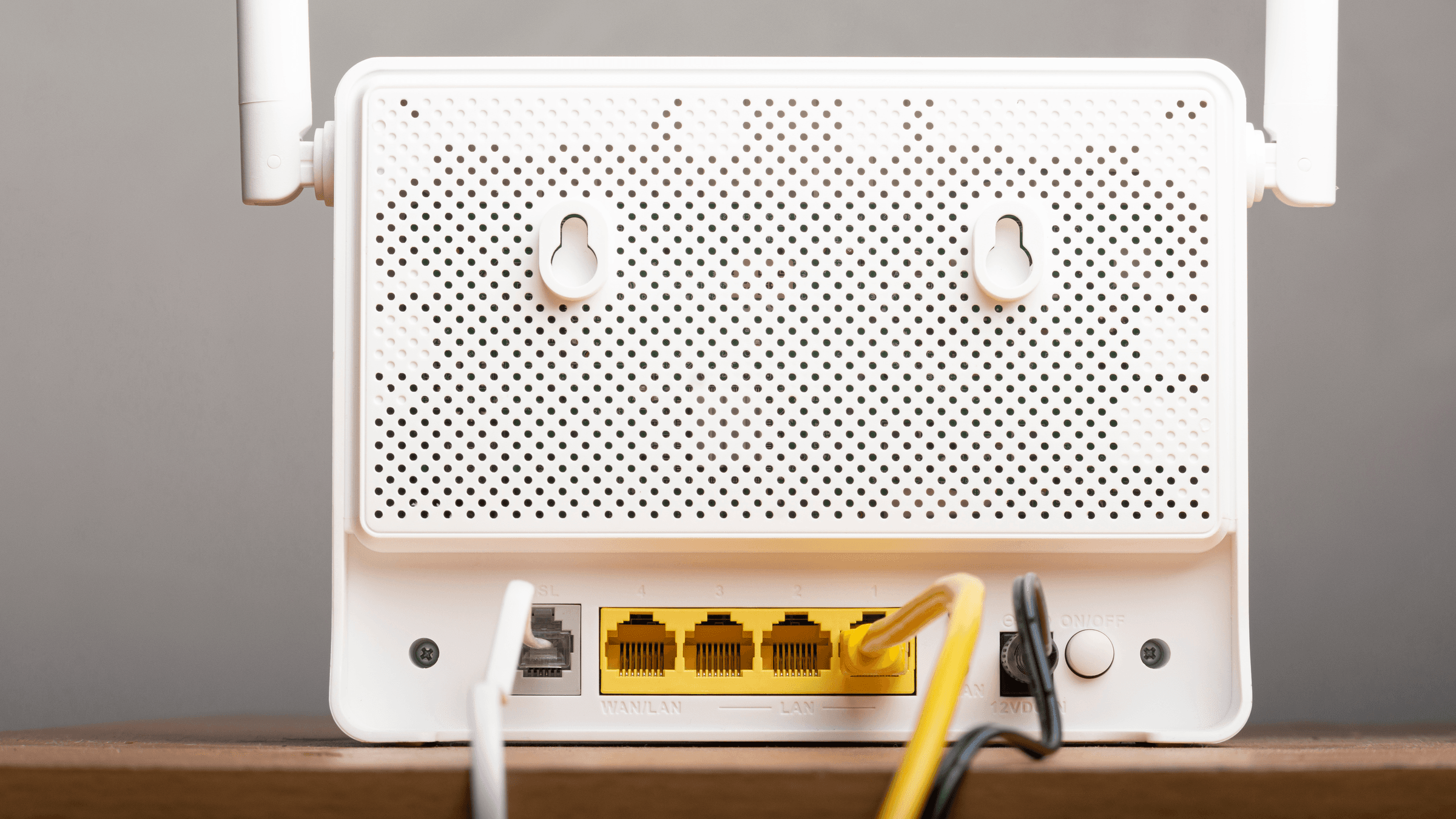
If the map lists DSL you cannot actually buy, the Availability Challenge link below your address opens a form to dispute it. CenturyLink's list shows different tested modem speeds for different DSL types. For the hardware, see Modem vs Router, What Is the Difference? If your provider has sent a copper retirement notice, check which fiber or wireless replacement it offers at your address before the date in the notice.