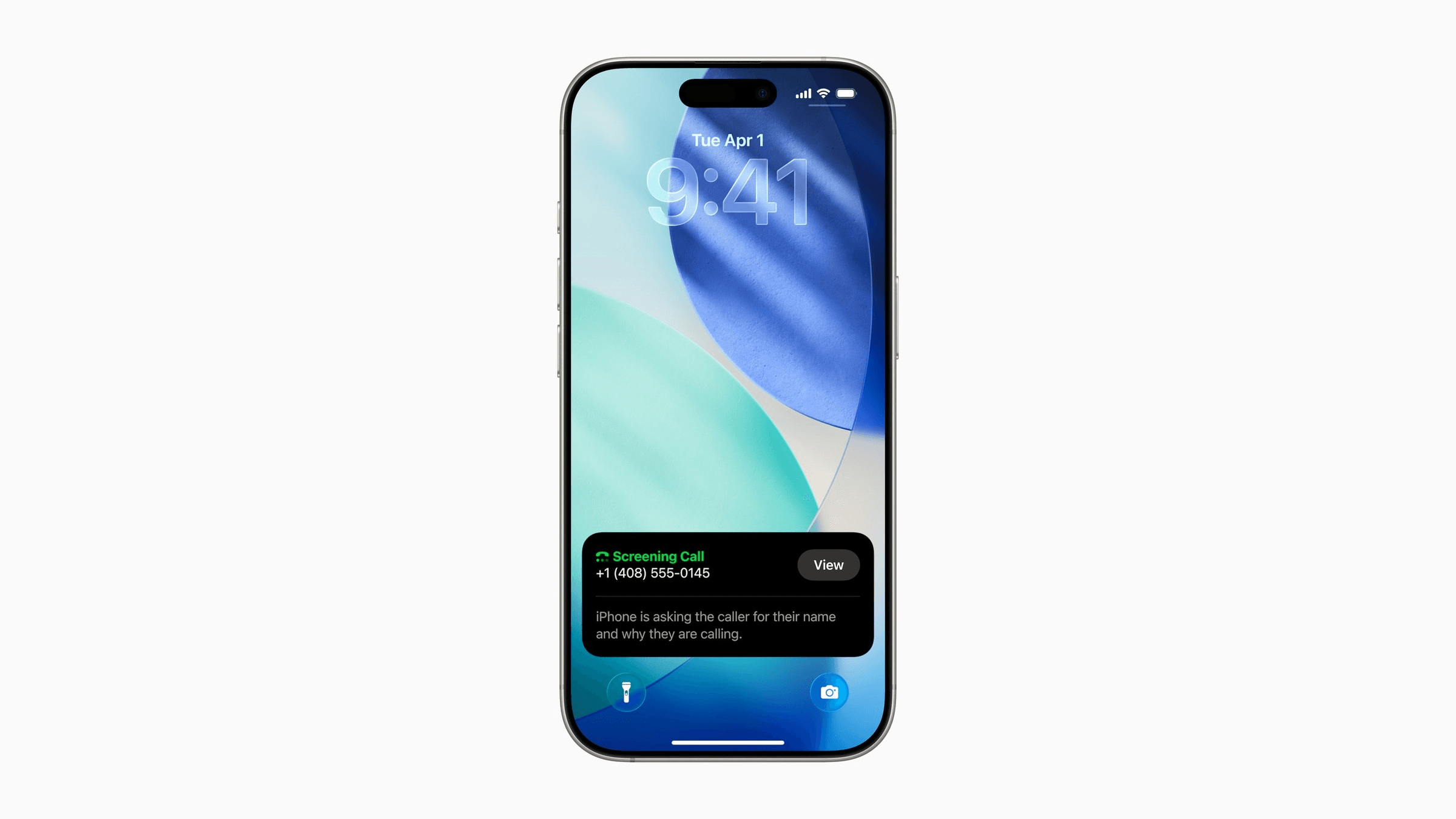

An unlocked phone is a phone with no carrier lock on it. The FCC describes a carrier lock as software that prevents a handset from operating on another provider's technologically compatible network. Unlocking disables that software restriction, so the phone can be activated with a different provider.
What locked and unlocked mean
Those definitions come from an FCC order dated January 12, 2026. Google's US store defines an unlocked phone as one that is not tied to a specific carrier.
Unlocked does not mean guaranteed to work everywhere. The same FCC order says an unlocked handset may fail to work, or have limited functionality, on another network because technologies differ.
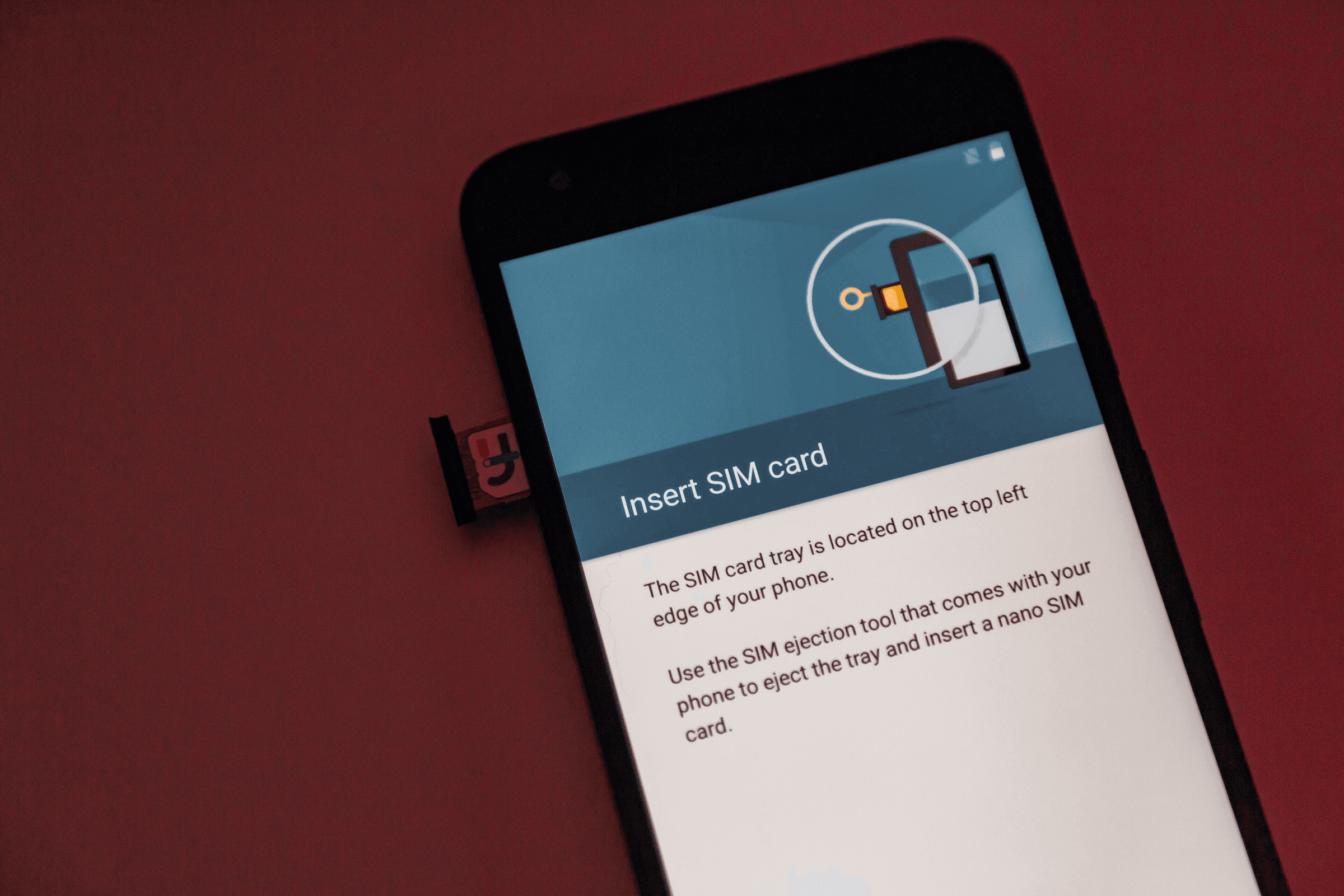
A carrier lock is also a separate thing from the SIM. Apple's US store page says the iPhone 18 Pro activates only using eSIM, and Apple also says an iPhone bought from Apple and financed through the AT&T Installment Plan, T-Mobile Equipment Installment Plan or Verizon Device Payment Program stays locked to the carrier until it is paid in full. An eSIM-only iPhone can therefore still be carrier locked. See What Is an eSIM and How Does It Work? and eSIM vs Physical SIM.
The rules carriers follow
The FCC describes six voluntary industry unlocking commitments, established in 2013 and incorporated into CTIA's Consumer Code. Under the code, participating carriers publish their unlocking policies for postpaid and prepaid devices on their websites.
- Postpaid: upon request, carriers unlock eligible devices for qualifying owners after the contract or financing obligations are fulfilled, or an applicable early termination fee is paid.
- Prepaid: upon request, carriers unlock prepaid devices within one year of initial activation, subject to reasonable time, payment or usage requirements.
- Notice and fees: carriers notify customers when a device is eligible, or unlock it remotely, without an additional fee. For prepaid customers, the notice may come at the point of sale or through the policy on the carrier's website. Reasonable fees may apply to people who were never customers.
- Response time: within two business days of a request, carriers unlock the device, start a manufacturer unlock, or explain why it is ineligible or needs more processing time.
- Deployed military: carriers unlock devices for deployed military customers in good standing who provide deployment papers.
The code also lets carriers refuse requests they reasonably believe involve fraud or a stolen device.
How Verizon, AT&T and T-Mobile unlock phones
Verizon's rule changed in 2026. The FCC had required Verizon to unlock handsets 60 days after activation, then waived that requirement for handsets becoming active from January 13, 2026, pending an industry-wide approach. Verizon's own FAQ says devices activated before January 27, 2026 unlocked automatically after 60 days.
- Verizon: its unlocking policy, dated February 18, 2026, says devices unlock automatically when bought at full retail price or when financing is fully paid, once any lost or stolen report is cleared. The policy says immediate unlocking requires a secure payment method, and that using a Verizon Gift Card to buy or pay off a smartphone delays unlocking by 35 days.
- AT&T: its support article, dated June 29, 2026, says a postpaid device must have been purchased more than 60 days ago, be fully paid, not be active on another AT&T account, and not be tied to loss, theft or fraud. Eligible Apple, Samsung and Google devices should then unlock by themselves.
- T-Mobile: its unlock policy, as of November 2026, requires a device sold by T-Mobile, at least 40 active days on the requesting line, and full payment of financing or lease obligations. Unlocking is free for eligible devices.
For prepaid devices, as of November 2026, AT&T requires 12 months of paid service. T-Mobile's standard threshold is 365 days since activation, or more than $100 in refills per active line and more than 14 days since purchase. Verizon's policy page says prepaid devices unlock automatically after 365 days of paid and active service, while its FAQ says the unlock is upon request after 365 days from purchase and 12 months of paid service.
Buying a phone that is already unlocked
Apple lists paying in full, Apple Upgrade leasing and Apple Card Monthly Installments as ways to get an unlocked iPhone. Samsung markets "Unlocked by Samsung" phones for use on most major US networks, and Google says most phones in the Google Store come unlocked.
As of November 2026, Apple's price for the iPhone 18 Pro 256GB with the connect-later option is $1,199. Samsung's regular price for the unlocked Galaxy S26 256GB is $999.99, and Google's regular starting price for the Pixel 11 is $899. All three are before tax.
What to check before you switch
On an iPhone, go to Settings, then General, then About. Apple's support page says an unlocked iPhone shows "No SIM restrictions" beside Carrier Lock, and that only the carrier can unlock a locked one.
For AT&T, see How to Request an Official AT&T Phone Unlock. For Verizon, see Visible vs Verizon. Because an unlocked phone can still have limited functionality on a different network, confirm compatibility with the new carrier before you move your number.