
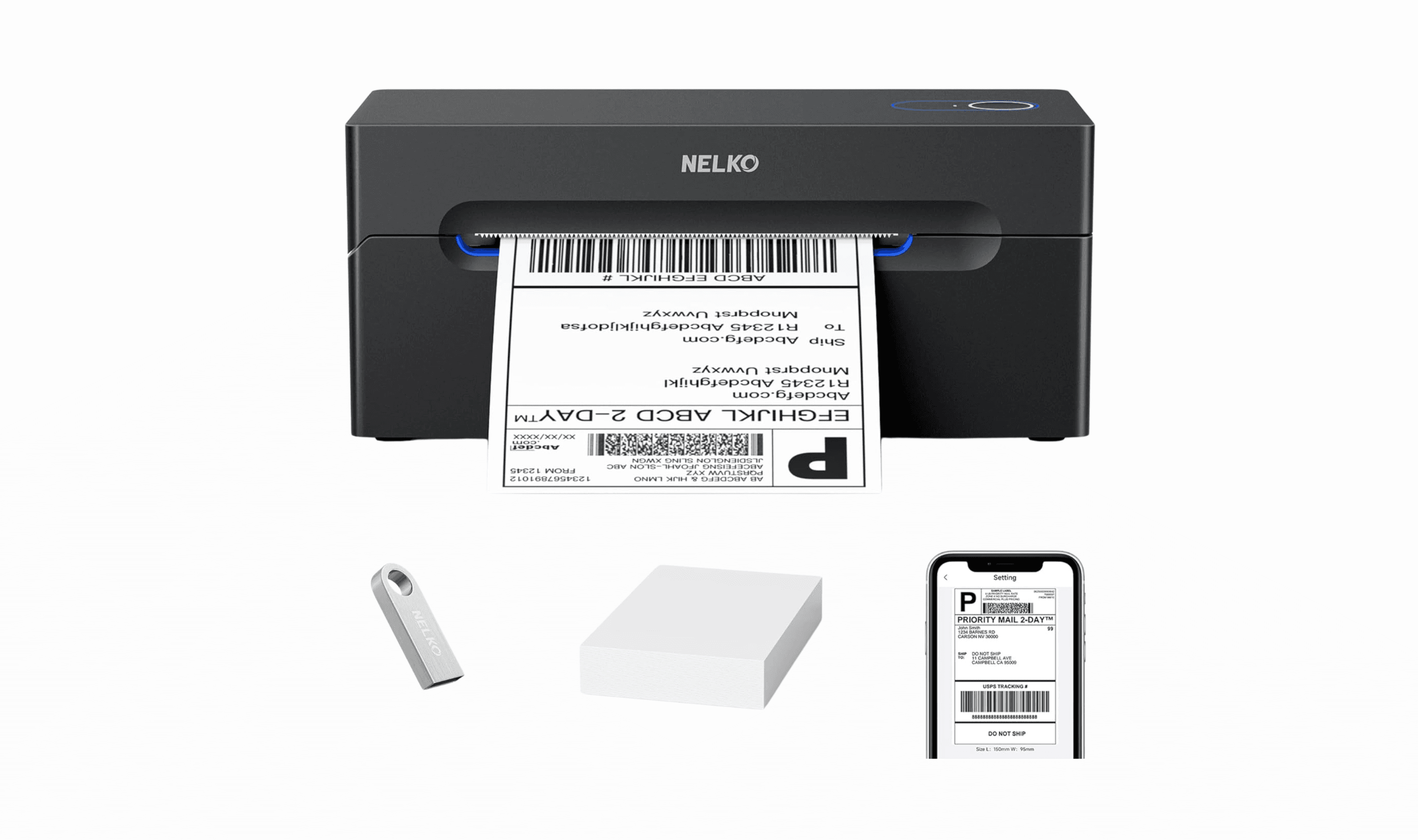
Thermal printers save time and money by eliminating ink costs while printing labels faster than traditional printers. The Nelko Bluetooth Thermal Printer stands out for most small businesses with its reliable wireless connectivity and platform compatibility. This list helps e-commerce sellers, crafters, and mobile professionals choose the right thermal printer for their specific shipping and labeling needs.
Technobezz is supported by its audience. We may get a commission from retail offers.
10 Best Thermal Printers for 2026
The best thermal printers for shipping and labels in 2026, led by the wireless Nelko around $70, plus picks from Rollo, KNAON, Brother and more.
T
Technobezz
Editorial Team
Updated September 5, 2026Sep 5, 2026
•8 min read

Get Deals Like These in Your Inbox
The best prices, straight to your inbox.
At a Glance
| Category | Product | Why We Picked It |
|---|---|---|
| Best overall | Nelko Bluetooth Thermal Printer | Reliable wireless printing with platform compatibility |
| Best value | KNAON Y813BT | Budget-friendly wireless option with fast printing |
| Best for shipping labels | Rollo Wireless X1040 | Commercial-grade speed and reliability |
| Best for portability | NULLTONEX Y813 | Ultra-compact design for mobile use |
| Best for creative labeling | Phomemo M220 | Extensive template library for custom designs |
| Also recommended | Brother QL-1110NWBc | 4-inch-wide label printing with Wi-Fi, Ethernet, and Bluetooth |
| Also recommended | TATTMUSE A285M | Portable document printing with a built-in paper bin |
| Also recommended | MUNBYN RW403B | Whisper-quiet and precise for label calibration |
| Also recommended | JADENS JD268BT-CA | Great cross-platform compatibility and consistent prints |
| Also recommended | Westinghouse WHTP203e | Reliable office-grade printer with ethernet connectivity |
How we chose
We evaluated thermal printers based on print quality, speed, connectivity options, and platform compatibility. Our assessment considers real-world business needs like shipping label production, mobile printing capabilities, and long-term cost savings. We prioritize products that work reliably with major e-commerce platforms while offering straightforward setup and maintenance.
The best thermal printers right now
Nelko Bluetooth Thermal Printer - Best overall
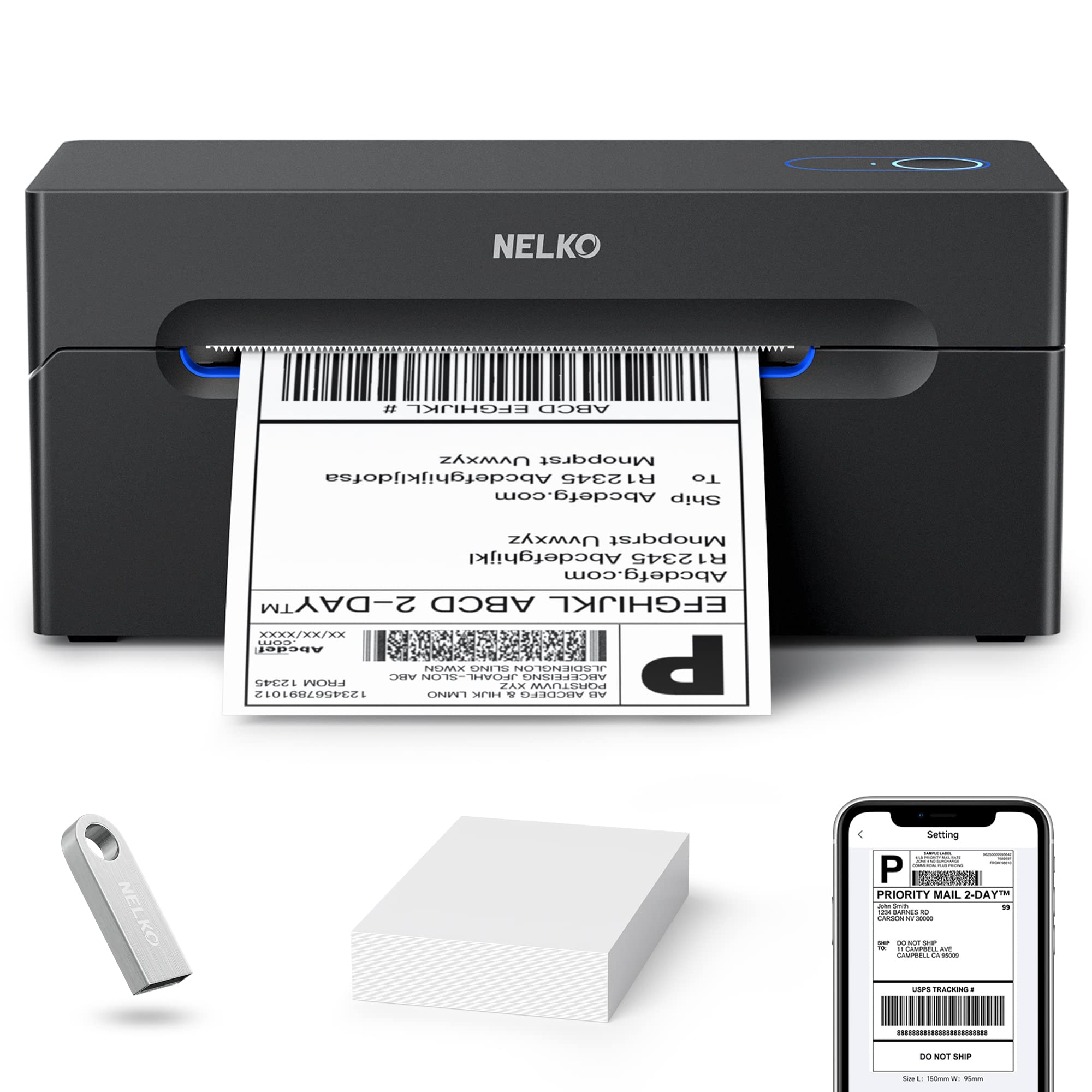
This printer delivers reliable wireless printing with excellent platform compatibility at a reasonable price. It handles shipping labels efficiently while working seamlessly with major e-commerce platforms.
Key highlights
- Wireless Bluetooth connectivity for mobile printing
- Works with Amazon, Etsy, Shopify, and other major platforms
- Prints up to 72 labels per minute at 203 DPI resolution
- Compact design fits well in home offices
- No ink required, reducing long-term costs
Pros
- Stable Bluetooth connection maintains up to 30-foot range
- Platform integration works without complicated setup
- Consistent print quality produces scannable barcodes
- Energy-efficient design uses minimal power
Cons
- Windows driver installation can be challenging
- Mobile printing requires dedicated app
- Limited to black and white printing
Who it is for: Small business owners shipping 10-100 packages weekly who need reliable wireless printing across multiple platforms.
Skip if
You need Ethernet connectivity or print more than 200 labels daily.
Rollo Wireless X1040 - Best for shipping labels
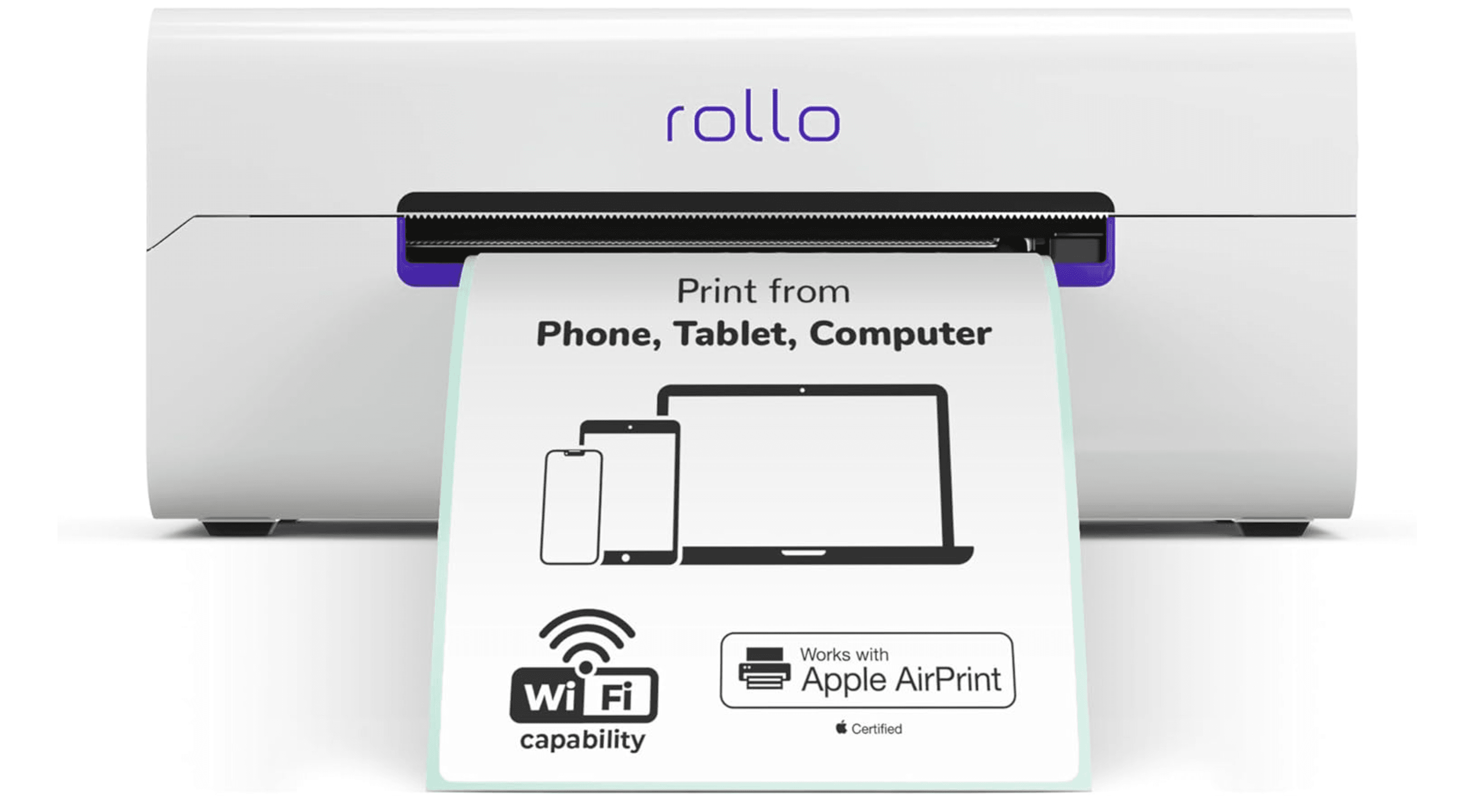
This commercial-grade printer offers exceptional speed and reliability for high-volume shipping operations. Its auto-detection technology and compatibility with third-party labels make it a workhorse for serious e-commerce businesses.
Key highlights
- Prints at 150mm/s speed for rapid label production
- Auto-detects label size without manual calibration
- Works with any brand of direct thermal labels
- Compact yet durable construction
- Wi-Fi connectivity for network printing
Pros
- Handles 500+ labels daily without performance issues
- No proprietary label requirements save money
- Easy setup with plug-and-play functionality
- Consistent print quality even during long runs
Cons
- Higher initial investment than budget models
- Mobile printing uses Wi-Fi rather than Bluetooth
- Larger footprint than ultra-compact options
Who it is for: Established e-commerce businesses shipping 50+ packages daily who prioritize speed and reliability.
Skip if
You specifically need Bluetooth printing or have limited desk space.
NULLTONEX Y813 - Best for portability
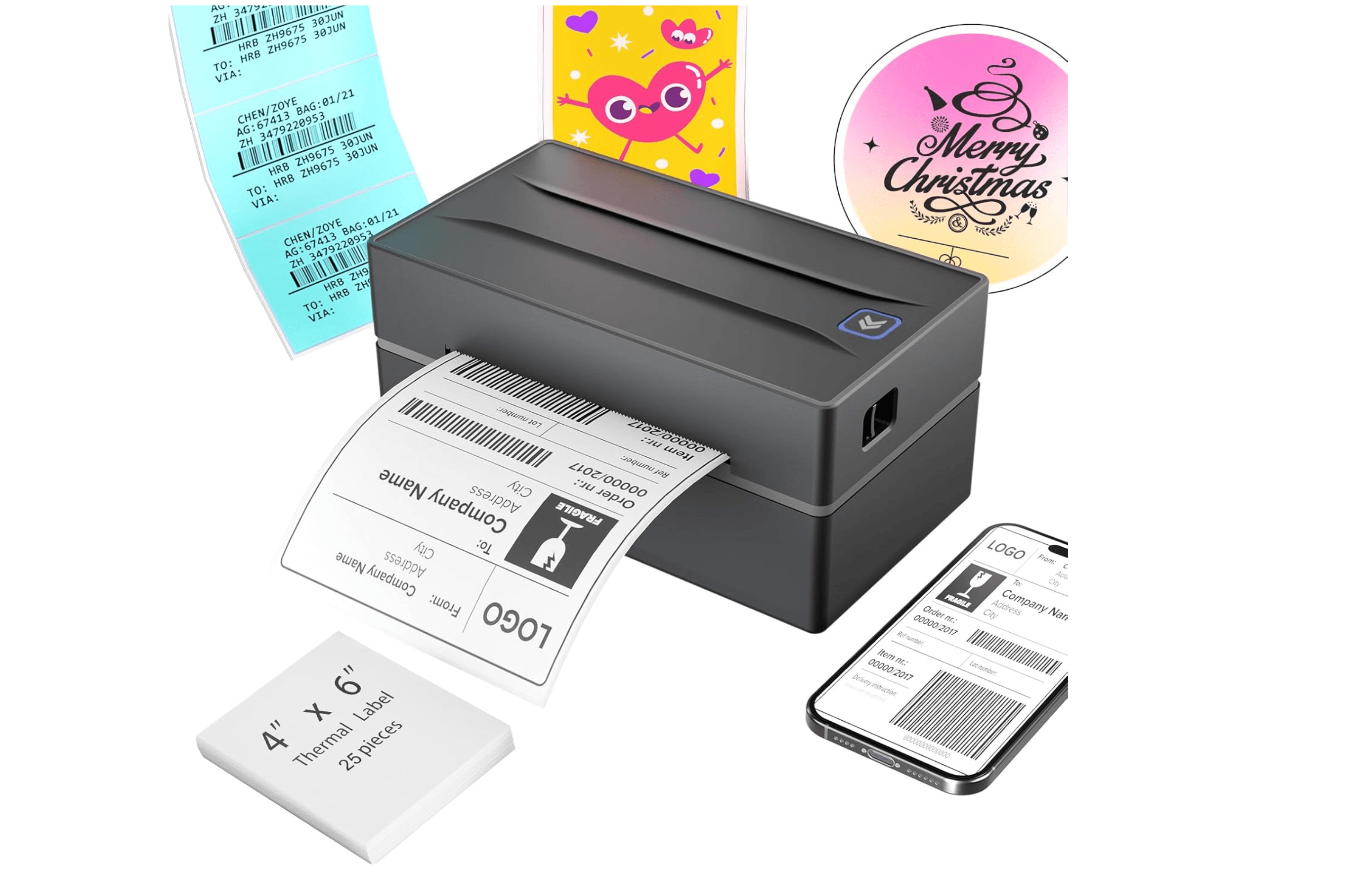
At just 1.17 pounds, this ultra-compact printer delivers full functionality in a highly portable package. It's perfect for mobile businesses, craft fairs, and sellers with limited workspace.
Key highlights
- Extremely lightweight design for easy transport
- Supports label widths from 1.57" to 4.3", including 4x6, 3x2, and custom sizes
- Prints 4x6 labels at up to 72 labels per minute at 203 DPI
- Pairs with Windows, macOS, iOS, Android, and Chromebook
- Includes 25 sheets of waterproof label paper to get started
Pros
- Fits easily in backpacks or small workspaces
- Stable power connection with compatible adapter
- Quick setup with minimal configuration needed
- Good customer support with multiple contact options
Cons
- No Bluetooth support for Mac or Chromebook
- External label feed requires careful placement
- Limited to basic black and white printing
Who it is for: Mobile sellers, craft fair vendors, and businesses with limited desk space needing portable labeling solutions.
Skip if
You require network connectivity or primarily use Mac devices wirelessly.
KNAON Y813BT - Best value
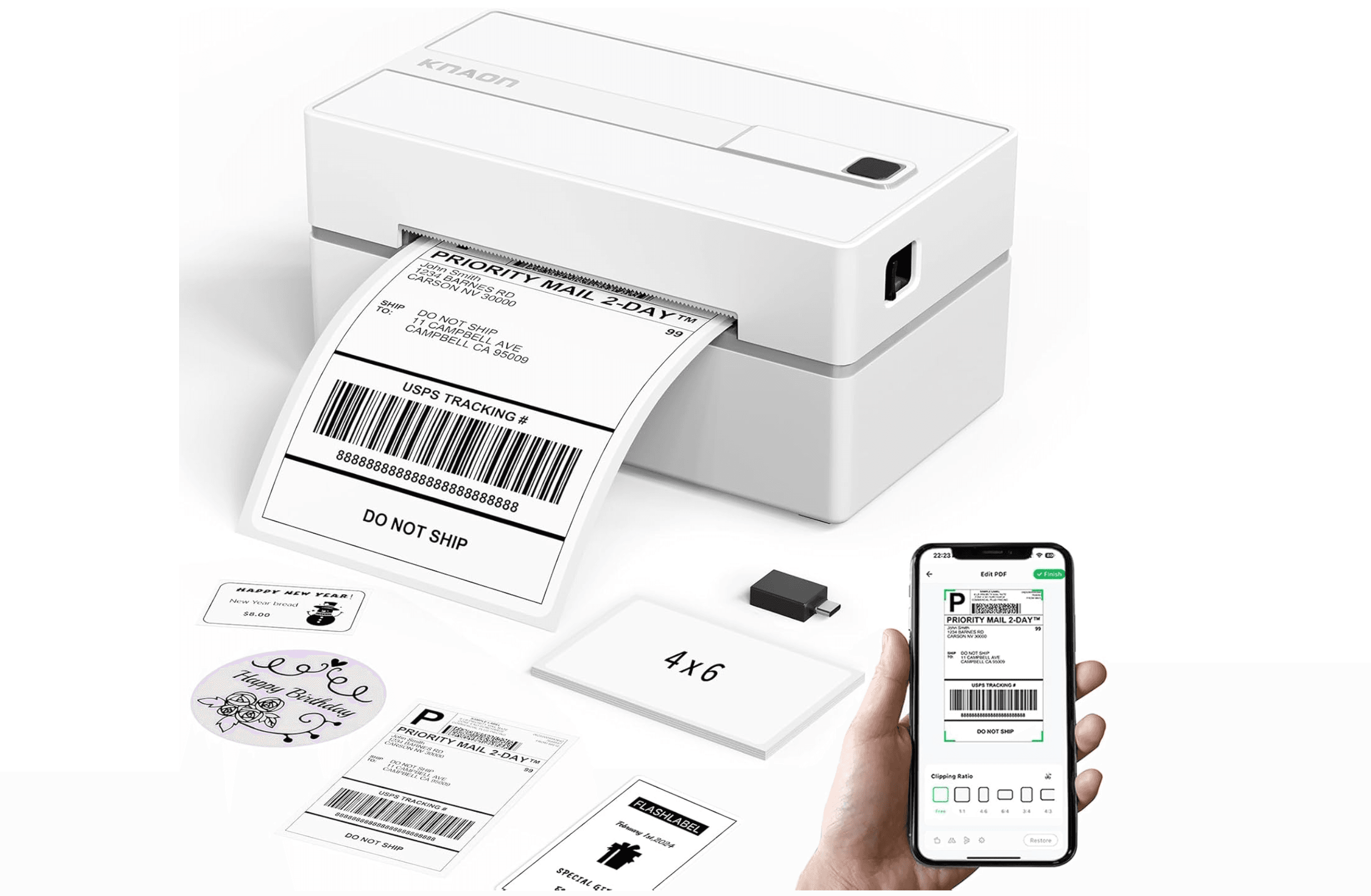
This budget-friendly option delivers wireless thermal printing without sacrificing essential features. It offers fast printing speeds and compact design at an accessible price point.
Key highlights
- Fast 180mm/s printing speed for quick label production
- Compact footprint saves valuable desk space
- Bluetooth and USB connectivity options
- Works with major e-commerce platforms
- No ink costs with thermal printing technology
Pros
- Affordable entry point for new businesses
- Fast printing keeps up with moderate shipping volumes
- Simple setup with straightforward app interface
- Includes a 24V power adapter
Cons
- Mobile printing requires dedicated app
- Occasional Bluetooth disconnections reported
- Mobile shipping labels must be imported into the app as PDFs
Who it is for: Budget-conscious startups and home-based businesses needing basic wireless printing capabilities.
Skip if
You need Wi-Fi or Ethernet connectivity.
Phomemo M220 - Best for creative labeling
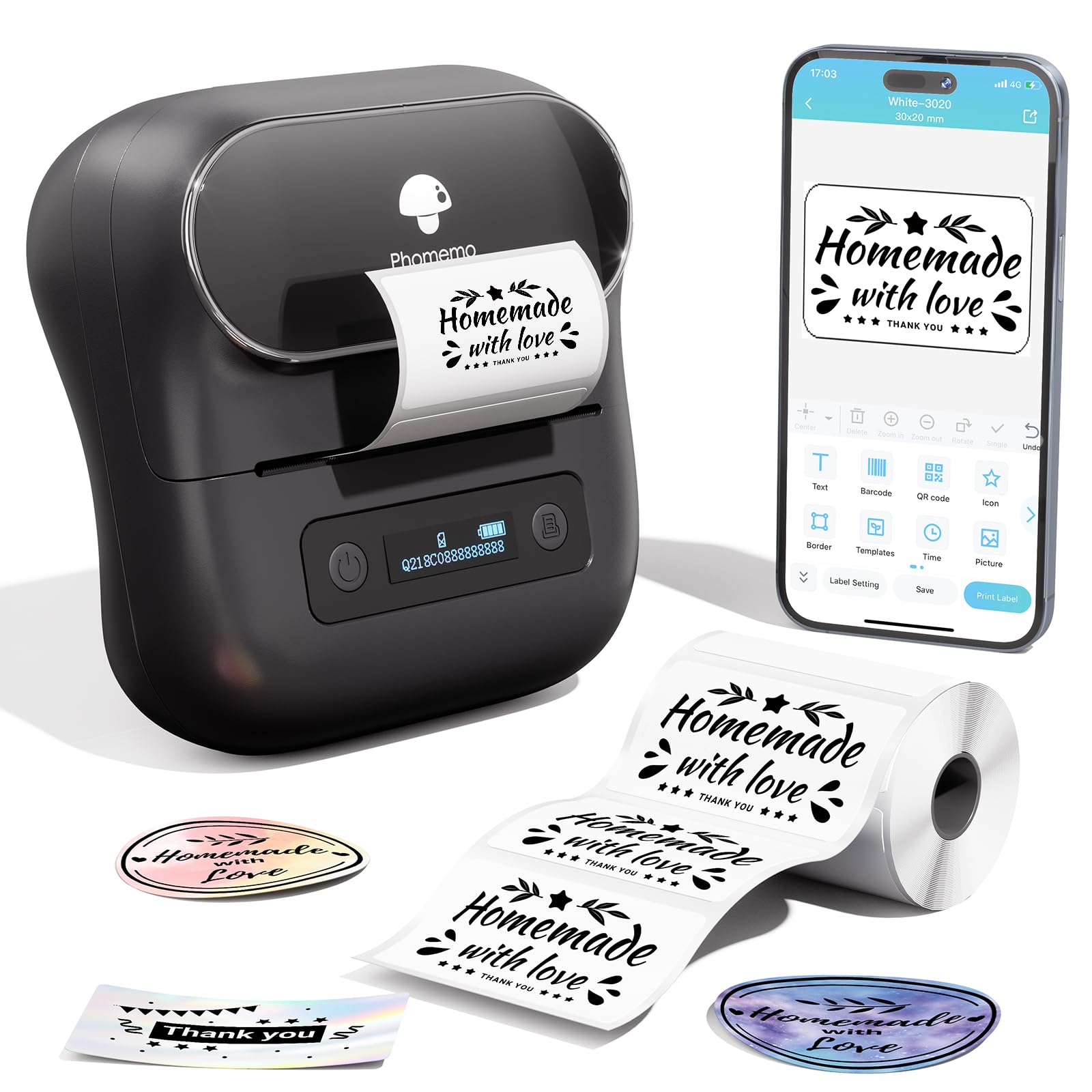
This specialized printer focuses on creative labeling with an extensive template library and design tools. It's ideal for businesses wanting branded labels and custom designs.
Key highlights
- 6000+ icons and 700+ templates for creative designs
- Compact, lightweight design with built-in battery
- OCR function extracts text from images
- Excel import for batch label creation
- Supports label widths up to 3.14 inches
Pros
- Extensive design options for custom branding
- Portable operation with rechargeable battery
- Intuitive app with drag-and-drop functionality
- Good for organization and product labeling
Cons
- Maximum 3.14-inch width limits shipping label use
- Some premium features require subscription
- Photo printing quality appears grainy
Who it is for: Crafters, teachers, and businesses needing creative labeling beyond basic shipping tags.
Skip if
Your primary need is 4x6 shipping labels or you want to avoid subscription fees.
Also Good
- Brother QL-1110NWBc - prints labels up to 4 inches wide, with Wi-Fi, Ethernet, and Bluetooth connectivity.
- TATTMUSE A285M - portable document printer with a built-in paper bin and support for US Letter and A4 thermal paper.
- MUNBYN RW403B - whisper-quiet and precise for label calibration.
- JADENS JD268BT-CA - great cross-platform compatibility and consistent prints.
- Westinghouse WHTP203e - reliable office-grade printer with ethernet connectivity.
How to Choose
Consider your daily label volume first. Under 20 labels weekly works with budget models, while 100+ daily needs commercial-grade reliability. Platform compatibility matters for e-commerce sellers - verify your printer works with Amazon, Etsy, or Shopify before buying. Connectivity options depend on your workspace: Bluetooth for mobile use, USB for single-computer setups, and Ethernet or Wi-Fi for shared offices. Label costs add up over time, so choose printers accepting third-party labels to save money. Finally, consider desk space - compact models fit small areas but may lack features like internal label storage.
FAQ
Do thermal printers need ink?
No, thermal printers use heat to create images on specially treated paper, eliminating ink and toner costs entirely. This makes them significantly more economical for label printing compared to traditional printers.
How long do thermal printers last?
Most thermal printers last 3-5 years with regular use, while commercial models can last 5-7 years. Print heads typically need replacement after 2-5 years depending on usage volume. Proper maintenance extends lifespan.
Can thermal printers print in color?
Standard thermal printers only print in black and white. Some specialized models like the Brother QL-800 can print in black and red using Brother DK-2251 black/red-on-white thermal paper tape, but full-color printing requires different technology.
What's the difference between direct thermal and thermal transfer?
Direct thermal printers apply heat directly to chemically treated paper, creating labels that may fade over 6-12 months. Thermal transfer uses a heated ribbon to melt ink onto labels, producing more durable prints that last years. Most shipping label printers use direct thermal.
Are thermal printers worth the investment for small businesses?
Yes, for businesses printing 15+ labels weekly, thermal printers typically pay for themselves within 3-4 months through ink savings alone. They also print faster and produce more professional, smudge-proof labels than traditional printers.
Published March 11, 2026 Last updated September 5, 2026
Share this article
More on printers
Buying guide
Best HP Printers in 2026
Buying guide
7 Best 3D Printers for 2026
Deal
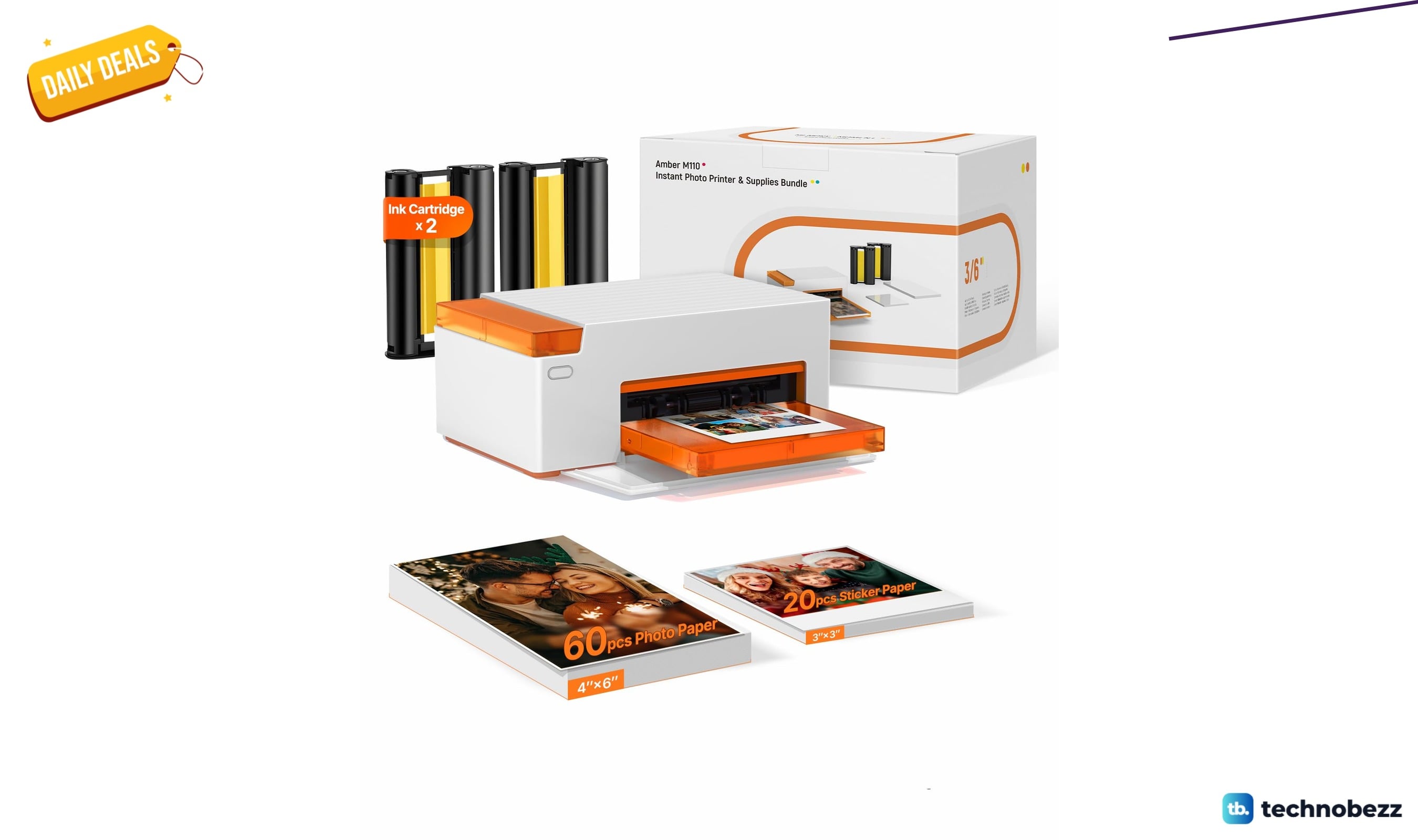
Liene Amber M110 Bluetooth Photo Printer 80 on sale for $144.49
Buying guide
7 Best All-in-One Printers for Home in 2026
More buying guides
Buying guideBest Translation Earbuds for 2026Buying guideBest Laptops for Graphic Design in 2026Buying guide6 Best Travel Laptops From Budget Picks to Premium ModelsBuying guide9 Best Desktops Under $1500 for 2026Buying guide7 Best Laptops for High School Students in 2026Buying guide7 Best Noise Cancelling Headphones to Buy in 2026Buying guide9 Best Keyboards From Top Brands in 2026Buying guide8 Best 60 Percent Keyboards of 2026