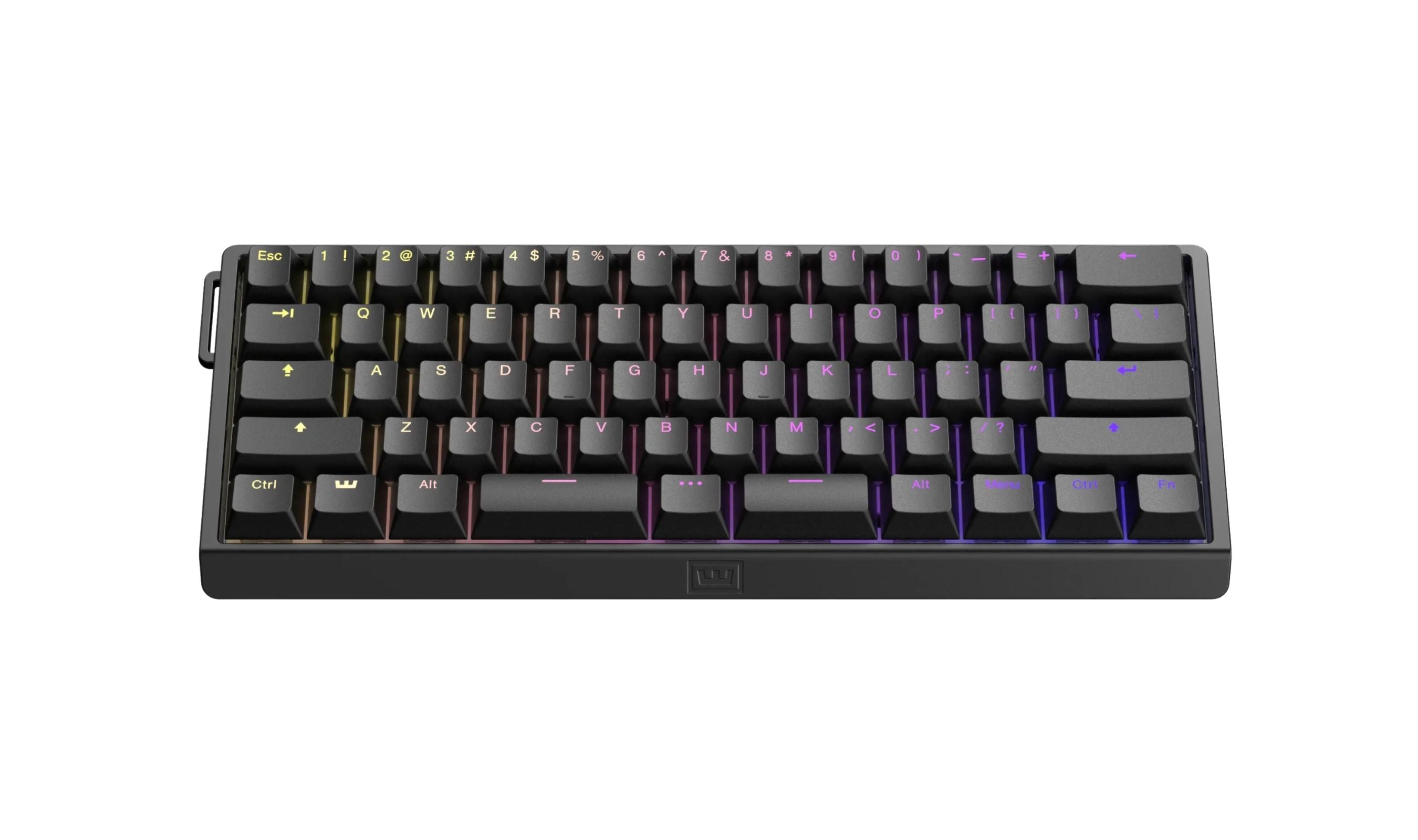
If you want more mouse space, a cleaner desk, and a keyboard that fits in your backpack, a 60 percent layout is the move. The Wooting 60HE v2 leads the pack with the best rapid trigger implementation and software on the market, but there are strong options across every budget for gamers, typists, and anyone looking to downsize.
Technobezz is supported by its audience. We may get a commission from retail offers.
7 Best 60 Percent Keyboards of 2026
The Wooting 60HE v2 tops our list of the 8 best 60 percent keyboards of 2026, with rapid trigger and software unmatched for gamers and typists.
T
Technobezz
Editorial Team
Updated September 28, 2026Sep 28, 2026
•9 min read

Get Deals Like These in Your Inbox
The best prices, checked by our editors.
At a Glance
| Category | Product | Why We Picked It |
|---|---|---|
| Best overall | Wooting 60HE v2 | Unmatched rapid trigger and pro adoption |
| Best value | MonsGeek FUN60 Pro | Adjustable Hall effect switches and 8,000Hz wired polling |
| Best wireless | Logitech G PRO X 60 Lightspeed | Tournament-ready with a carry case |
| Best for esports | Razer Huntsman V3 Pro Mini | Snap Tap and analog optical switches |
| Best budget entry | Royal Kludge RK61 | Hot-swappable switches and wired USB-C connectivity |
| Also recommended | HyperX Alloy Origins 60 | Sturdy aluminum with smooth linear switches |
| Also recommended | AULA WIN60 HE | Crazy cheap for Hall effect and 8kHz |
How we chose
We evaluated 60 percent keyboards based on switch performance, build quality, connectivity options, software capabilities, and value across multiple price tiers. Our assessment considered feedback from competitive gaming communities, verified spec sheets, and long-term reliability reports. We prioritized keyboards that deliver meaningful features at their price point, from Hall effect rapid trigger boards to dependable budget-friendly mechanical options.
The best 60 percent keyboards right now
Wooting 60HE v2 - Best overall
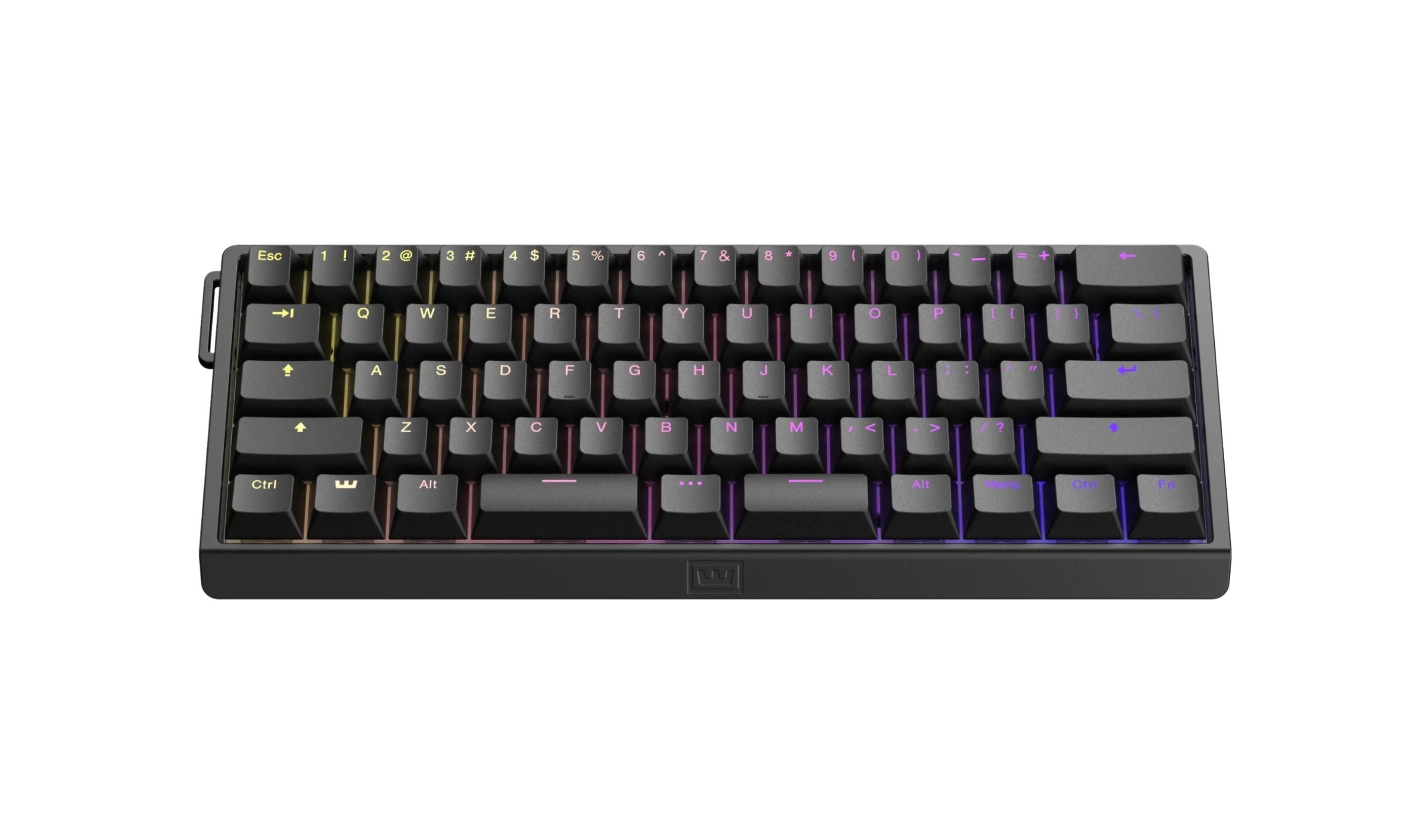
The Wooting 60HE v2 is the gold standard for competitive 60 percent keyboards. With Lekker Tikken Hall effect switches, 8,000Hz polling in Tachyon mode, and per-key rapid trigger down to 0.1mm, it delivers the fastest and most responsive typing experience in this class. The aluminum-case version includes interchangeable sound-dampening layers, and the Wootility software remains the most intuitive configuration tool available. Wooting is the most-used keyboard brand among tracked VALORANT pros, where the earlier 60HE+ holds the top spot.
Key highlights
- Lekker Tikken Hall effect switches with per-key adjustable actuation
- 8,000Hz polling rate with Tachyon mode for minimal input delay
- Choice of ABS or aluminum case, with interchangeable dampening layers on the aluminum version
- Wootility web-based software with rapid trigger, DKS, and SOCD settings
- Available in 61-key and split-spacebar 63-key layouts
Pros
- Best rapid trigger implementation on the market
- Excellent build quality and acoustics
- Software is intuitive and genuinely useful for competitive play
Cons
- Wired only, no wireless option
- Premium price point
- Tachyon mode disables animated RGB effects
Who it is for: Competitive FPS players who want every possible edge in reaction time and input speed.
Skip if
You need wireless connectivity or prefer a larger layout with dedicated arrow keys and function row.
MonsGeek FUN60 Pro - Best value
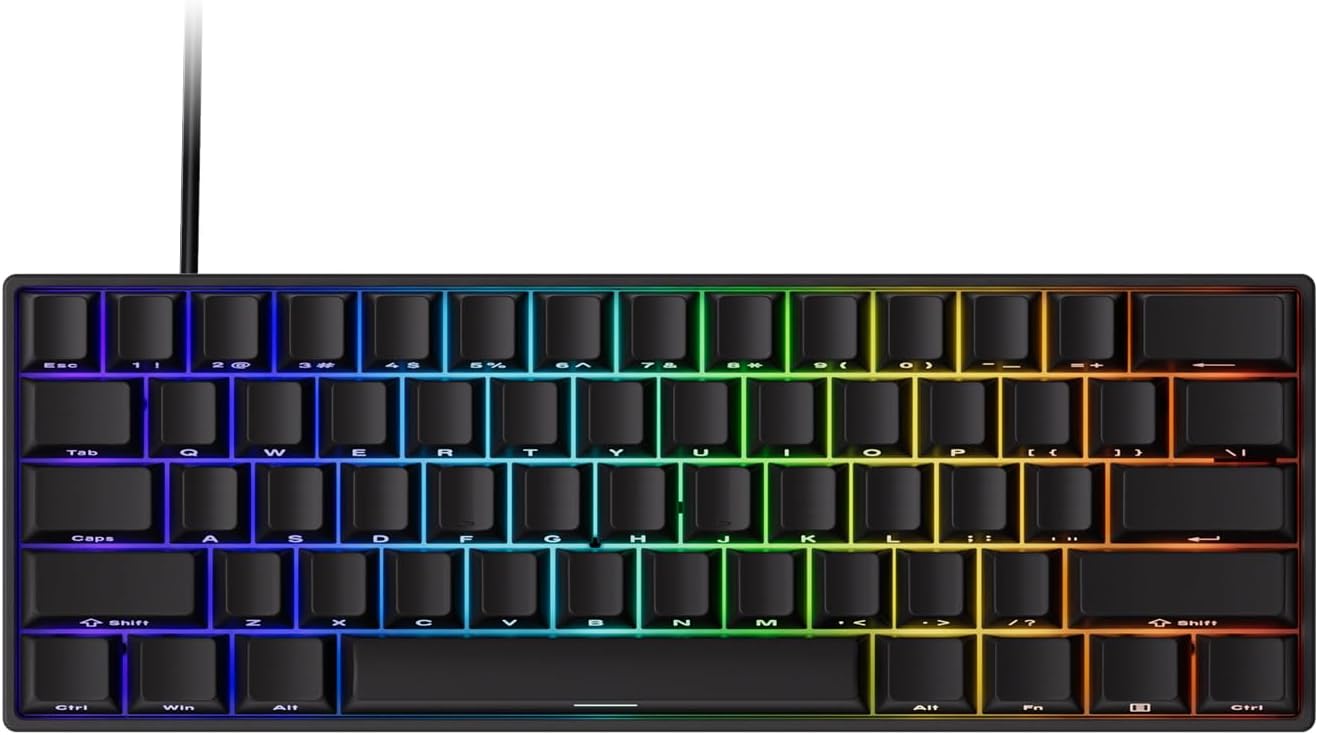
The MonsGeek FUN60 Pro brings adjustable Hall effect switches and rapid trigger to the best-value slot. This wired version offers 8,000Hz polling and adjustable actuation from 0.1mm to 3.3mm in a compact 60 percent layout. Its ABS plastic case keeps the construction simple, while the MonsGeek driver provides key remapping, lighting controls and advanced functions such as Dynamic Keystrokes and Mod-Tap.
Key highlights
- Hall effect magnetic switches with rapid trigger
- Adjustable actuation from 0.1mm to 3.3mm
- 8,000Hz polling rate over the wired connection
- ABS plastic case and compact 60 percent layout
- Key remapping, Dynamic Keystrokes and Mod-Tap
Pros
- Adjustable actuation and rapid trigger
- 8,000Hz wired polling
- Programmable keys and lighting
Cons
- This listing is wired only
- Plastic case
- Replacement magnetic switches require compatibility checks and calibration
Who it is for: Gamers who want adjustable actuation and rapid trigger in a compact wired keyboard.
Skip if
You need wireless connectivity or an aluminum case.
Logitech G PRO X 60 Lightspeed - Best wireless
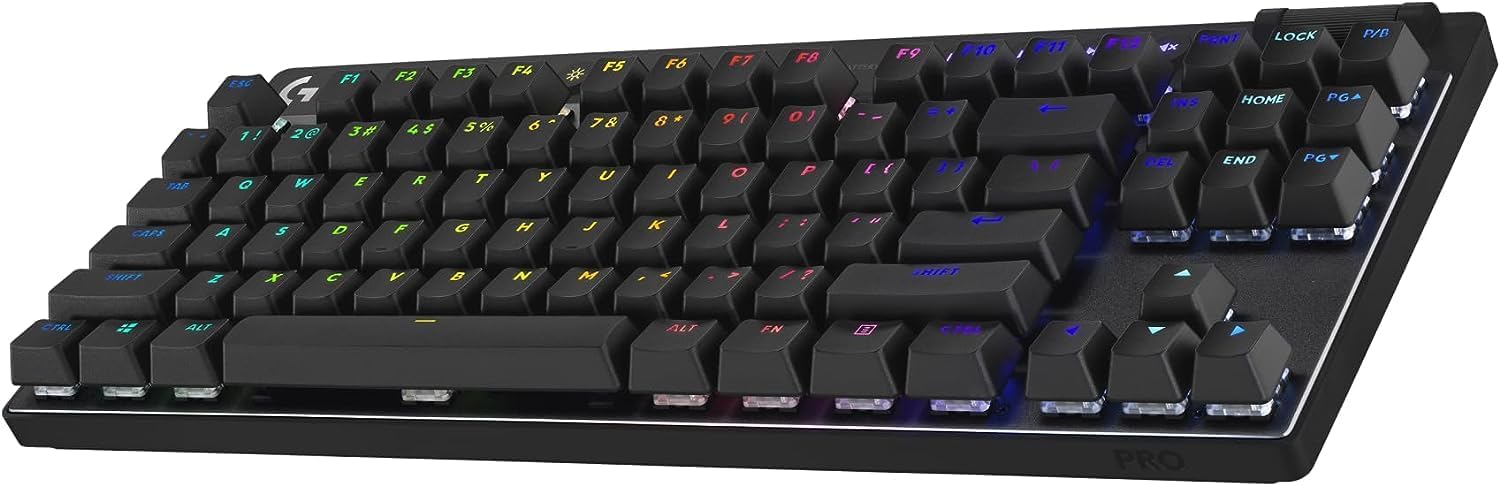
The Logitech G PRO X 60 Lightspeed brings esports-grade wireless to the 60 percent format. LIGHTSPEED technology delivers a 1ms response that feels identical to wired, and the compact design makes it the obvious choice for tournament travel. The KEYCONTROL system allows up to five programmable actions per key across multiple layers, and the side-mounted volume roller is a thoughtful touch for a compact board. Battery life is excellent for a compact board.
Key highlights
- LIGHTSPEED wireless with 1ms response time
- KEYCONTROL with five customizable actions per key
- Excellent battery life for a compact board
- Compact design for travel
- GX optical tactile switches
Pros
- Wireless performance is indistinguishable from wired
- Excellent battery life for a compact board
- Travel-friendly compact design
Cons
- No rapid trigger or adjustable actuation
- Not hot-swappable
- Premium price without Hall effect features
Who it is for: Competitive players who need reliable wireless and travel frequently to LANs or tournaments.
Skip if
You want rapid trigger functionality or prefer a hot-swappable PCB for switch experimentation.
Razer Huntsman V3 Pro Mini - Best for esports
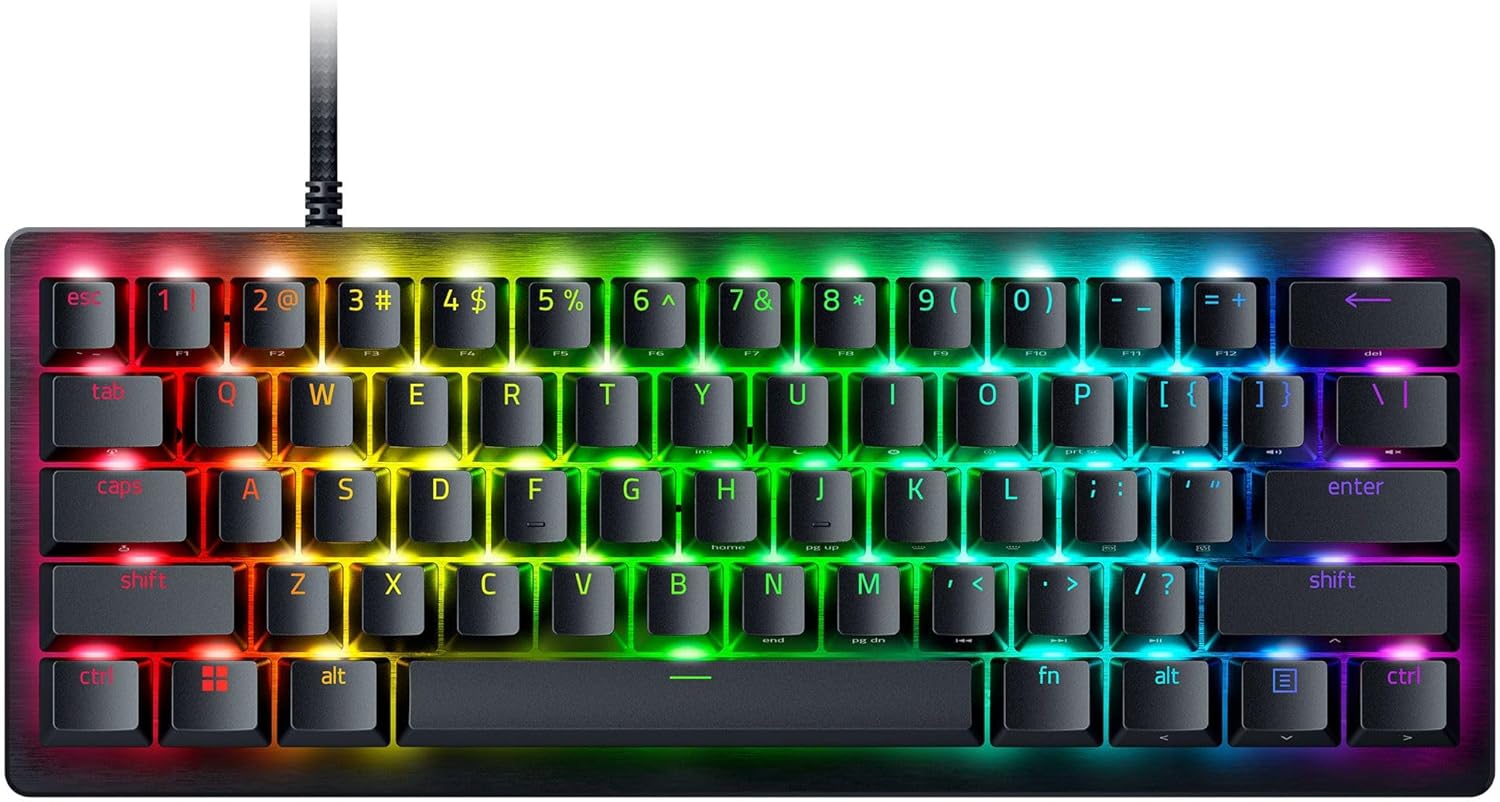
The Razer Huntsman V3 Pro Mini delivers analog optical Gen-2 switches with fully adjustable actuation from 0.1mm to 4.0mm, rapid trigger, and Snap Tap (Razer's SOCD implementation). Everything is configurable through onboard FN shortcuts, so you don't need to open software to fine-tune your settings. The dual-purpose mod keys double as arrow keys when tapped, adding everyday usability to the compact layout. At its frequent sale price of around $133, it offers serious value for competitive play.
Key highlights
- Razer Analog Optical Gen-2 switches with adjustable actuation
- Rapid trigger at 0.1mm sensitivity
- Snap Tap for directional input conflict resolution
- Onboard adjustment without software
- Doubleshot PBT keycaps
Pros
- Fully adjustable actuation and rapid trigger onboard
- Snap Tap gives a competitive edge in FPS games
- Solid build at a reasonable sale price
Cons
- Wired only, no wireless
- 1,000Hz polling (not 8K)
- Not hot-swappable
Who it is for: Esports players who want rapid trigger and Snap Tap in a proven, established brand without relying on third-party software.
Skip if
You need wireless, want hot-swappable switches, or prefer the deeper customization of the Wooting ecosystem.
Royal Kludge RK61 - Best budget entry
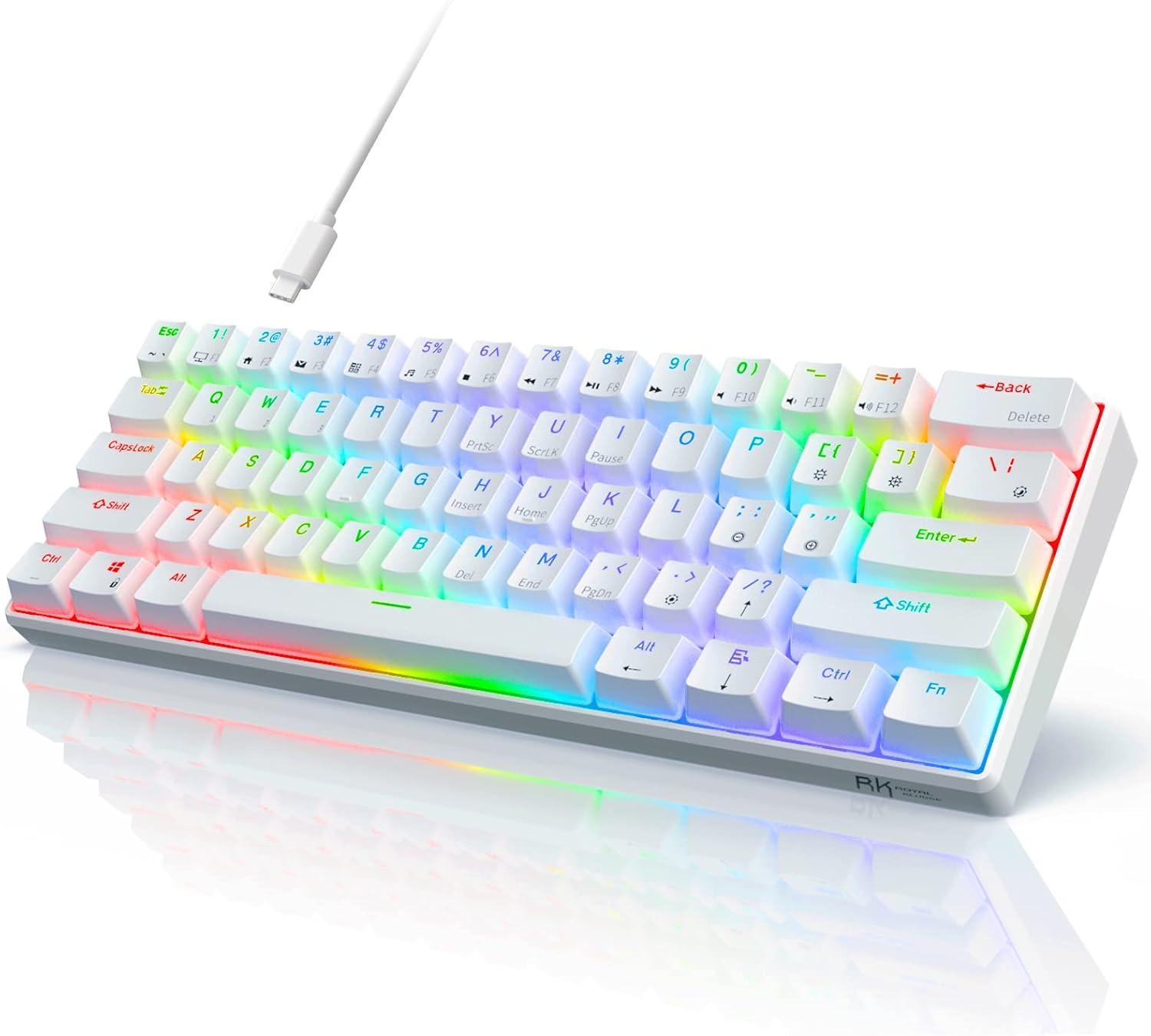
The Royal Kludge RK61 has been a staple entry point into 60 percent keyboards for years, and for good reason. At $35 to $60 depending on the variant, it offers hot-swappable switches, wired connectivity via Type-C, and a clean 60 percent layout. It is not a competitive gaming powerhouse, but it is a reliable, affordable way to see if the 60 percent form factor works for you before committing to a more expensive board.
Key highlights
- Hot-swappable switches (RK Red, Brown, or Blue)
- Wired connectivity via Type-C
- 61-key compact layout
- 18 RGB backlight modes
- Compatible with Windows, macOS, and Linux
Pros
- Incredible value for a mechanical keyboard
- Hot-swappable PCB for easy switch upgrades
- Reliable wired connectivity at a budget price
Cons
- ABS keycaps develop shine over time
- Stock stabilizers can be rattly
- No rapid trigger or advanced gaming features
Who it is for: Anyone new to 60 percent keyboards who wants a low-cost, low-risk way to try the format.
Skip if
You need competitive gaming features like rapid trigger, or you want premium build materials out of the box.
Also Good
- HyperX Alloy Origins 60 - sturdy aluminum with smooth linear switches.
- AULA WIN60 HE - crazy cheap for Hall effect and 8kHz.
How to Choose
- Switch type matters most. Linear switches are the standard for competitive gaming because they offer smooth, uninterrupted key travel. Tactile switches provide feedback for typing accuracy. Clicky switches are loud and satisfying but not ideal for fast double-tapping. If you are unsure, go linear.
- Rapid trigger is a real advantage. This feature registers a key release the moment you start lifting your finger, not when the switch fully resets. For strafing and counter-strafing in FPS games, it translates to faster, more responsive movement. If you play competitively, it is worth prioritizing.
- Wired versus wireless. Wired keyboards offer the lowest possible latency and no battery concerns. Modern 2.4GHz wireless (Logitech LIGHTSPEED, Razer HyperSpeed) is close enough that most players cannot tell the difference. Bluetooth is fine for typing but not for competitive gaming.
- Build quality and keycaps. Aluminum cases add weight and durability. PBT keycaps resist shine and wear far better than ABS. Hot-swappable PCBs let you change switches without soldering, which extends the keyboard's useful life significantly.
- Layout trade-offs are real. A 60 percent keyboard has no function row, no arrow keys, and no numpad. You access these through function layers. Most people adapt within a week, but if you use arrow keys constantly for work or navigation, consider a 65 percent layout instead.
FAQ
Do pro gamers actually use 60 percent keyboards?
Yes, extensively. The Wooting 60HE family is the second most-used keyboard among tracked pro players, and the clear number one in VALORANT with well over 100 tracked pro players using it.
Is rapid trigger worth it?
For competitive FPS games, absolutely. Rapid trigger resets a key as you lift it and allows another input as you press down again, based on your sensitivity settings. It is one of the most meaningful gaming keyboard upgrades available.
How do I use arrow keys on a 60 percent keyboard?
Most 60 percent keyboards use a function layer, typically Fn plus I, J, K, L for arrow keys. Some models like the Razer Huntsman V3 Pro Mini use dual-purpose keys that act as modifiers normally and arrows when tapped.
What is the difference between 60 percent and 65 percent?
A 65 percent keyboard adds a column of keys on the right side, usually including dedicated arrow keys and sometimes Delete, Page Up, and Page Down. The 60 percent layout drops those entirely, saving about 15mm of desk width.
Are 60 percent keyboards good for typing?
Yes, once you adjust to the function layers. The compact layout keeps your hands closer together, which can improve posture. Programmable layers also let you customize shortcuts for efficiency.
Published April 29, 2026 Last updated September 29, 2026
Share this article
More in News
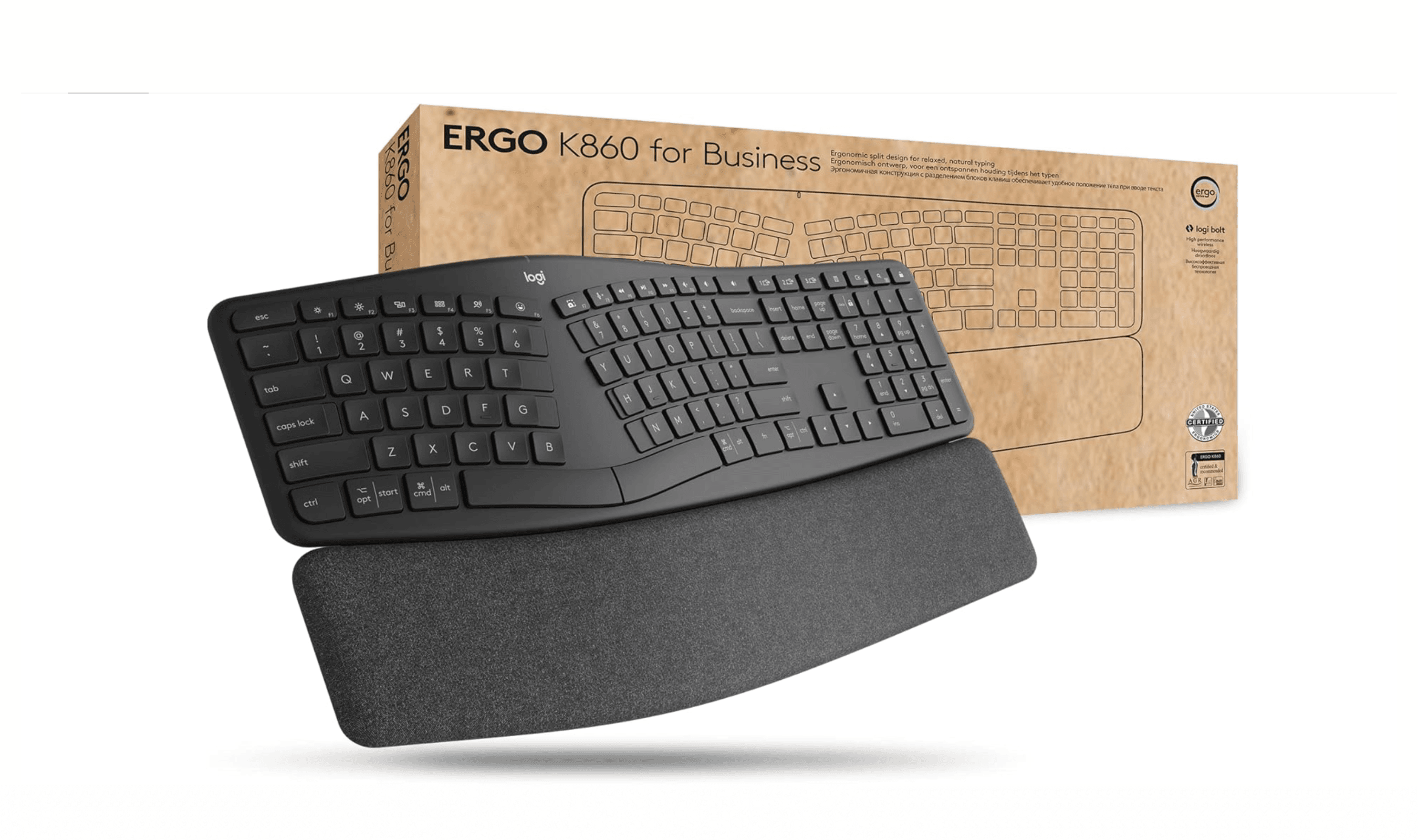
5 Best Ergonomic Keyboards for 2026
Logitech Ergo K860 leads our picks for the best ergonomic keyboards. See top models for comfort, value, and mechanical feel in 2026.
5 min read
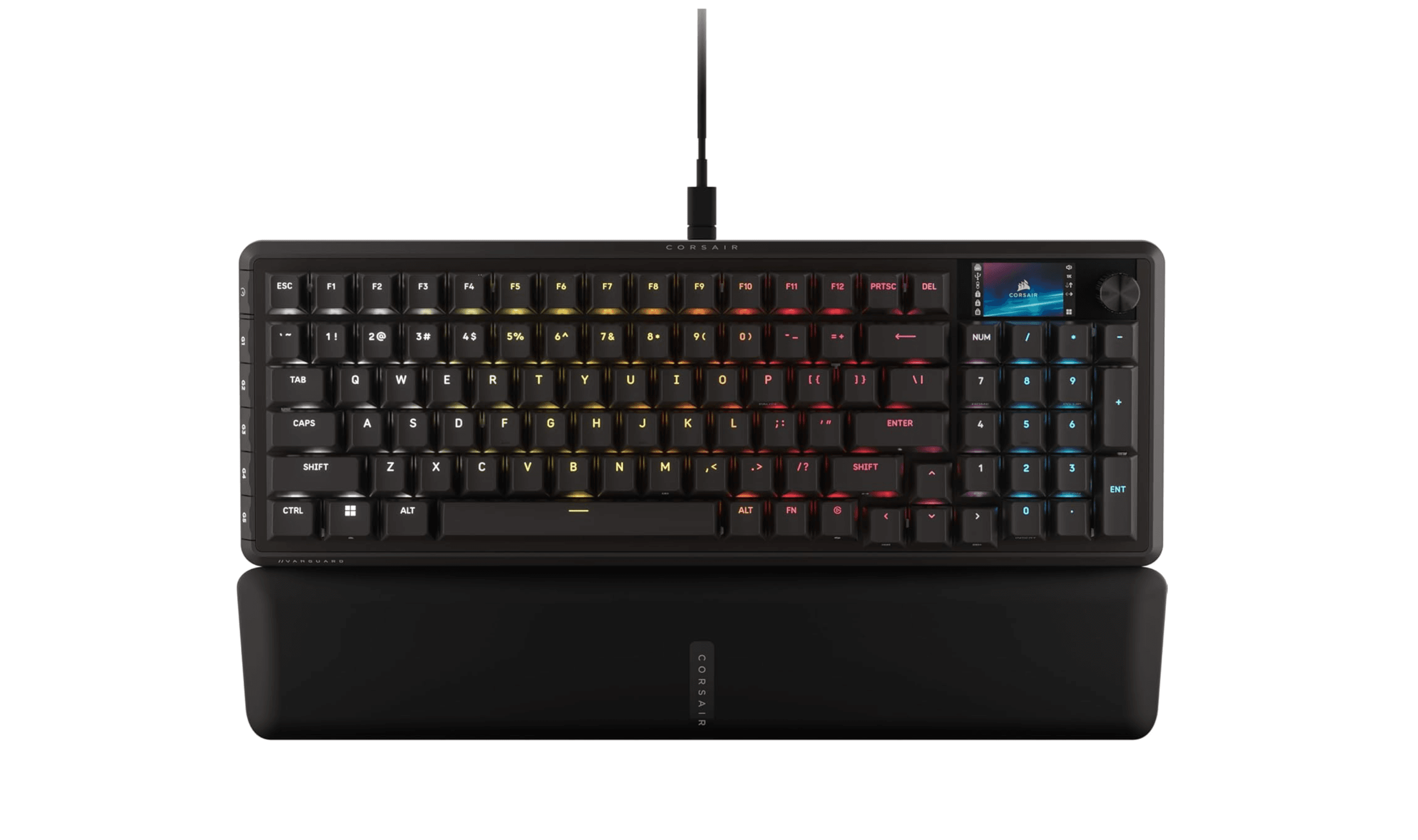
Best Gaming Keyboards for 2026
The best gaming keyboards for 2026, from the Corsair Vanguard Pro 96 magnetic flagship to budget, wireless, TKL and 60% competitive picks tested for speed and feel.
5 min read
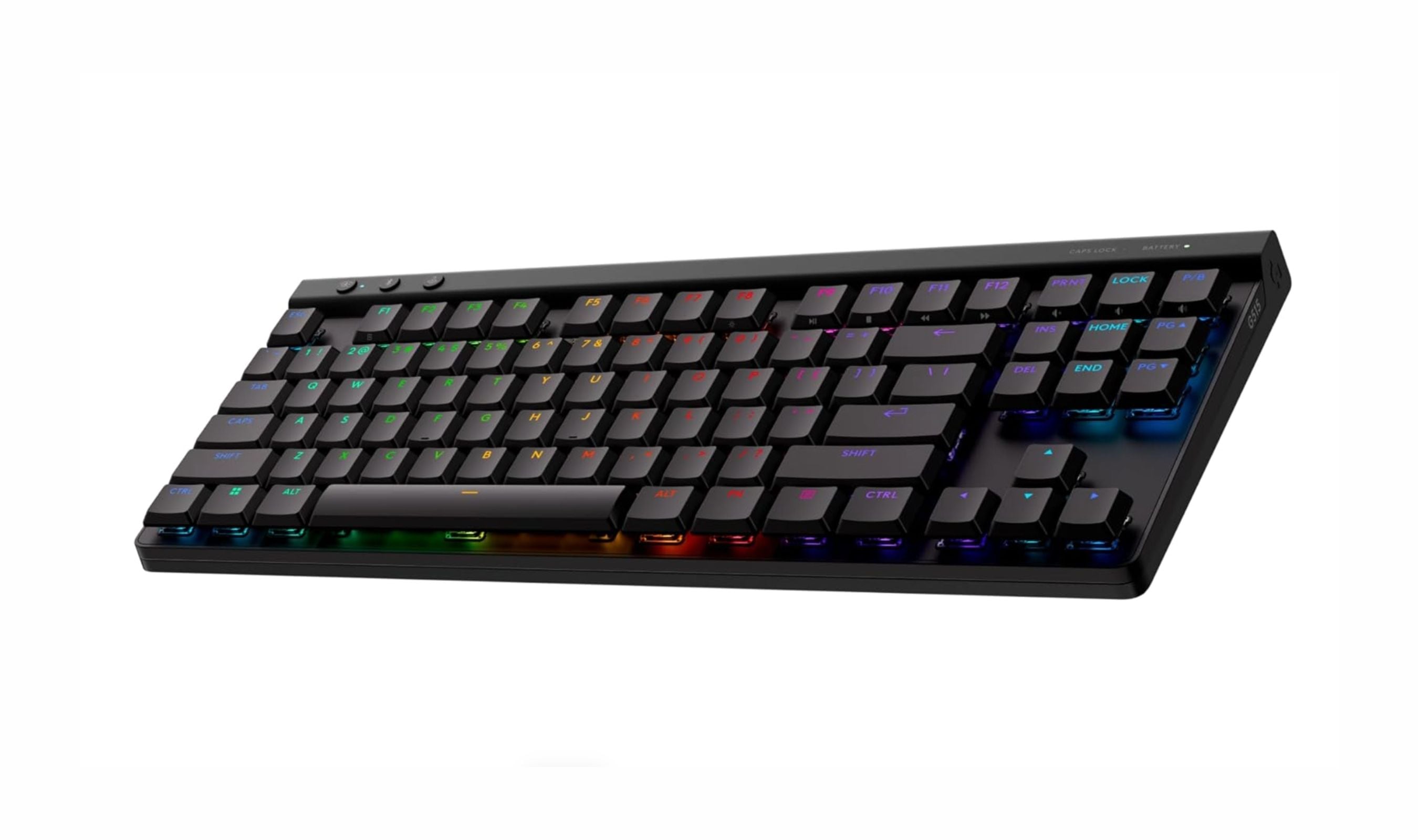
Best Low Profile Mechanical Keyboards in 2026
The Logitech G515 TKL Lightspeed tops our list of the best low profile mechanical keyboards in 2026, offering speed, build quality, and wireless performance in a slim 22mm chassis.
3 min read
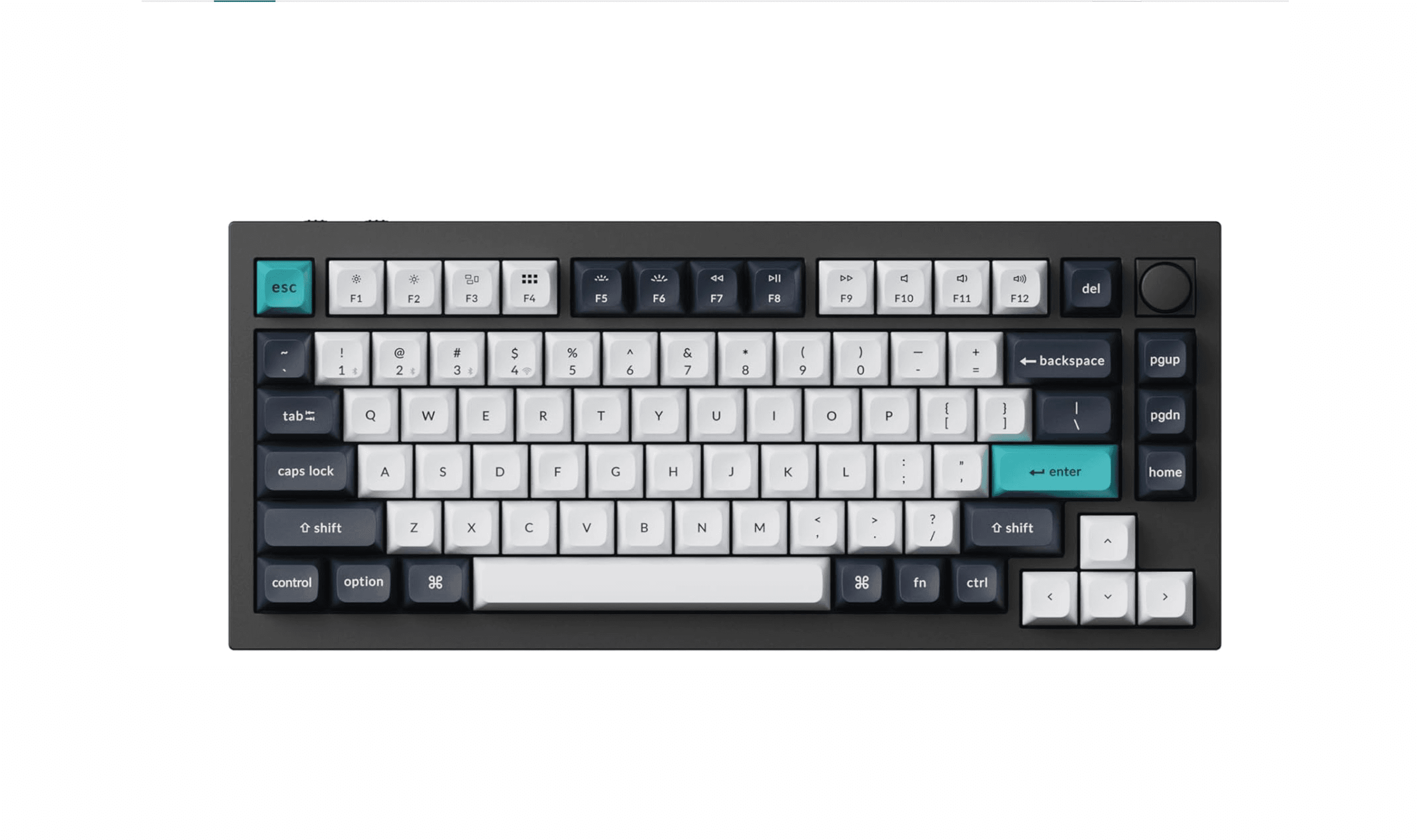
10 Best Mechanical Keyboards to Buy in 2026
Keychron Q1 Max leads our 2026 picks for the best mechanical keyboards. Compare top models for gaming, typing, and value in our expert guide.
3 min read
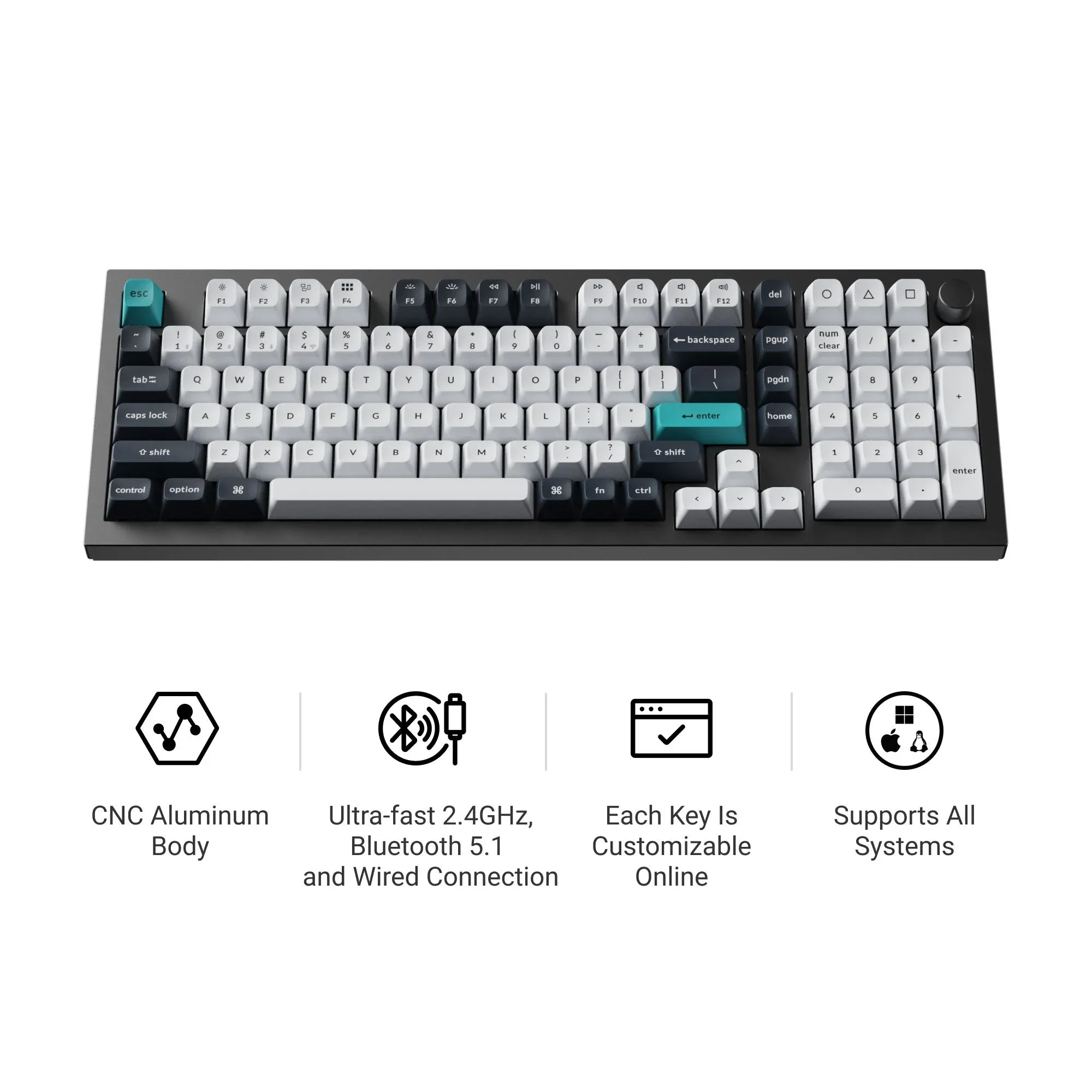
Best Keyboards for Programming in 2026: Top Picks for Developers
3 min read
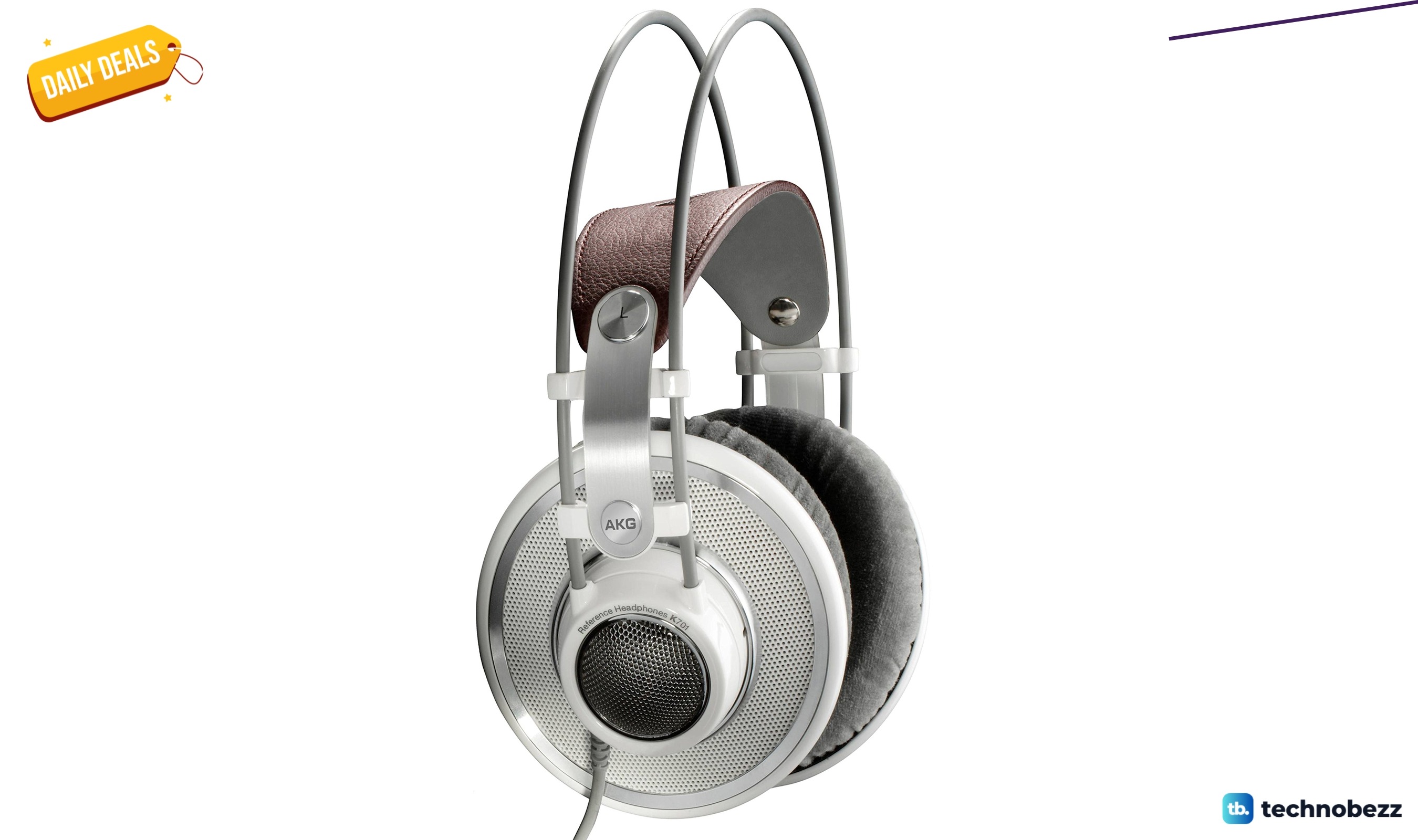
AKG K 701 Ultra Reference Class Stereo discounted to $247.37
5 min read
Apple Watch SE 3 GPS 40mm Smartwatch discounted to $189.97
5 min read
Cleer Audio Enduro ANC Noise Canceling Headphones price drops to $94.99
3 min read

Lenovo coupon codes and deals
5 min read

Woot coupon codes and deals
3 min read
Samsung coupon codes and deals
5 min read

Best tech coupon codes and online deals
4 min read