If you need reliable internet on the go, a dedicated portable WiFi hotspot beats phone tethering every time. The SIMO Solis Hero 4G LTE Hotspot takes our top spot for its global coverage and no-SIM simplicity, but the right choice depends on whether you prioritize speed, battery life, or budget. This list helps travelers, remote workers, and families find the right balance.
Technobezz is supported by its audience. We may get a commission from retail offers.
5 Best Portable Wi-Fi Hotspots for 2026
SIMO Solis Hero leads our picks for the best portable Wi-Fi hotspots of 2026.
T
Technobezz
Editorial Team
Updated September 4, 2026Sep 4, 2026
•9 min read

Get Deals Like These in Your Inbox
The best prices, reviewed weekly.
At a Glance
| Category | Product | Why We Picked It |
|---|---|---|
| Best overall | SIMO Solis Hero 4G LTE Hotspot | Works in 140+ countries without SIM cards |
| Best for speed | Netgear Nighthawk M7 | Delivers 5G and WiFi 7 for power users |
| Best value | TravelWifi Sapphire Touch 4 | Includes 5GB starter data plus 1GB monthly for three years |
| Best for international travel | GlocalMe Numen Air | Offers CloudSIM coverage in 200+ countries, with 5G where supported |
| Best for battery life | RoamWiFi | Provides up to 18 hours of continuous use |
How we chose
We evaluated portable WiFi hotspots based on real-world performance data and user experiences. Our assessment considers coverage area, connection reliability, battery duration, and data plan flexibility. We prioritize products that work across multiple countries without requiring local SIM cards, and we look for devices that balance performance with practical travel needs. The evaluation includes analysis of network compatibility, security features, and overall value for different types of users.
The best portable WiFi hotspots right now
SIMO Solis Hero 4G LTE Hotspot - Best overall
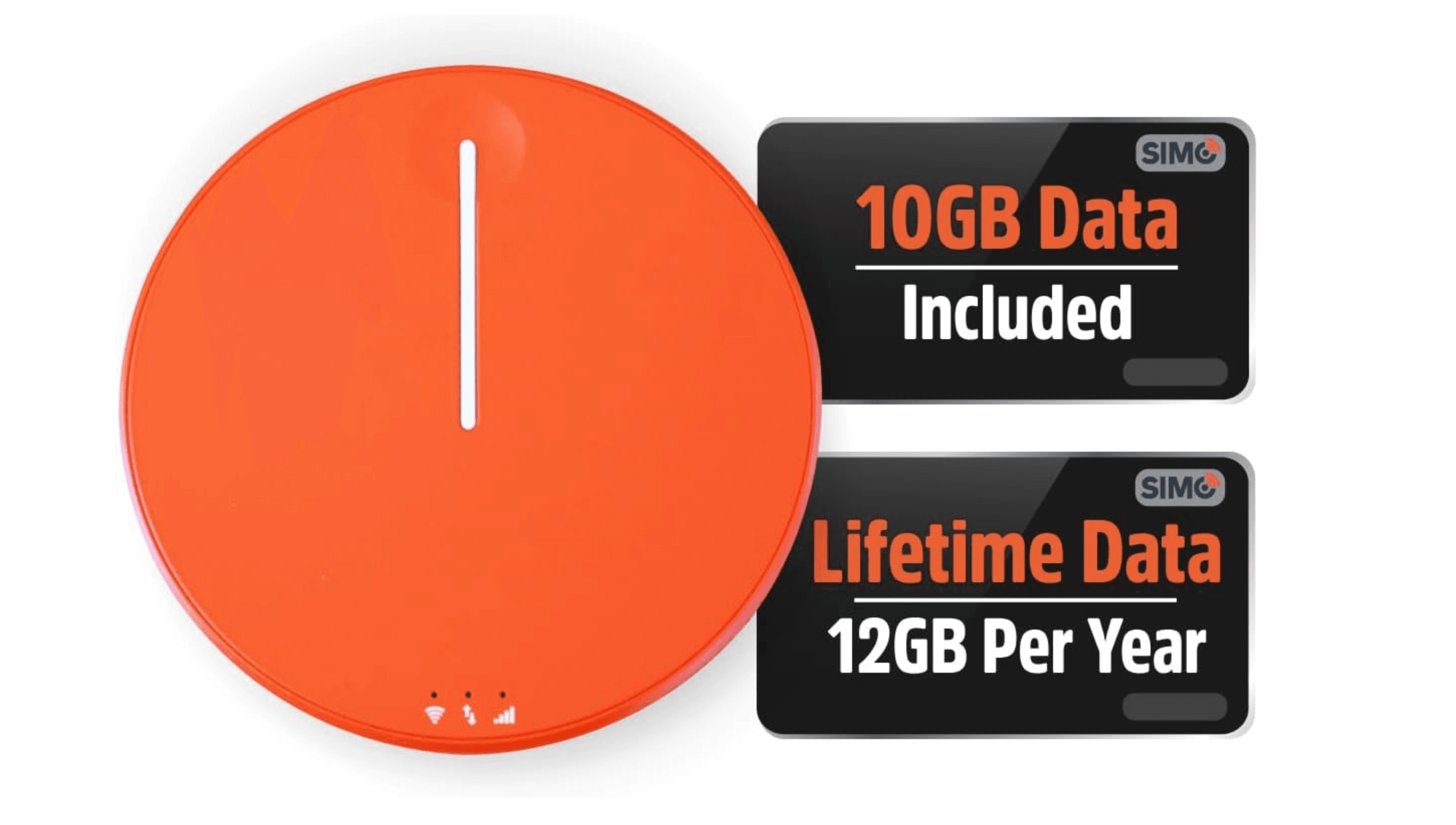
This compact hotspot delivers reliable 4G LTE connectivity across 140+ countries without requiring SIM cards or contracts. It's the easiest way to stay connected while traveling internationally.
Key highlights
- Works in over 140 countries using 300+ carrier networks
- No SIM card needed, connects automatically to strongest signal
- Up to 18 hours of battery life with power bank functionality
- Supports up to 10 connected devices simultaneously
- Includes 1GB of free data each month for the life of the device, plus a one-time 30GB global data pack that expires in 30 days
Pros
- Extremely simple setup with no technical knowledge required
- Doubles as a portable charger for your other devices
- Flexible data plans with day passes and monthly options
- Compact puck design fits easily in pockets or bags
Cons
- Limited to 4G LTE speeds, no 5G support
- Monthly data allowance may be insufficient for heavy users
- Data plans can become expensive with frequent use
Who it is for: Frequent international travelers, digital nomads, and anyone who wants hassle-free connectivity without dealing with local SIM cards.
Skip if
You need 5G speeds for data-intensive work or regularly stream high-definition video.
Netgear Nighthawk M7 - Best for speed

For users who demand maximum performance, this hotspot delivers 5G connectivity and WiFi 7 support for up to 32 devices. It's essentially a portable office router.
Key highlights
- 5G and WiFi 7 support for the latest wireless standard
- Connects up to 32 devices simultaneously
- Works in 140+ countries with unlocked 5G/4G LTE
- Up to 10 hours of battery life with eSIM or physical SIM support
- 2.4-inch color display with setup through the app or web interface
Pros
- Professional-grade performance suitable for remote work
- Global eSIM and SIM support for flexible carrier use
- Excellent for families or groups traveling together
- WPA3 encryption, firewall protection and automatic firmware updates
Cons
- Requires a data plan via eSIM or a physical SIM card
- Significantly more expensive than other options
- Larger and heavier than compact travel hotspots
Who it is for: Remote workers, digital nomads, and tech professionals who need reliable high-speed internet for video calls, large file transfers, and data-intensive tasks.
Skip if
You're looking for a simple plug-and-play solution or want to avoid purchasing separate data plans.
TravelWifi Sapphire Touch 4 - Best value

This 4G+ hotspot includes 5GB of starter data and 1GB monthly for three years, with coverage in 200+ countries.
Key highlights
- 5GB starter data plus 1GB monthly for three years
- 4G+ Cat 13 with download speeds up to 390 Mbps
- SIM-free coverage in 200+ countries with an optional physical SIM slot
- Connects up to 10 devices
- Touchscreen controls and up to 15 hours of battery life
Pros
- Starter and recurring monthly data included
- Manage data usage and connections from the touchscreen
- Choose SIM-free service or a compatible physical SIM
- No contract required
Cons
- No 5G connectivity
- Included monthly data is limited to 1GB
- Free monthly data ends after three years
Who it is for: Travelers and families who want included data and international coverage without a contract.
Skip if
You need 5G or connections for more than 10 devices.
GlocalMe Numen Air - Best for international travel
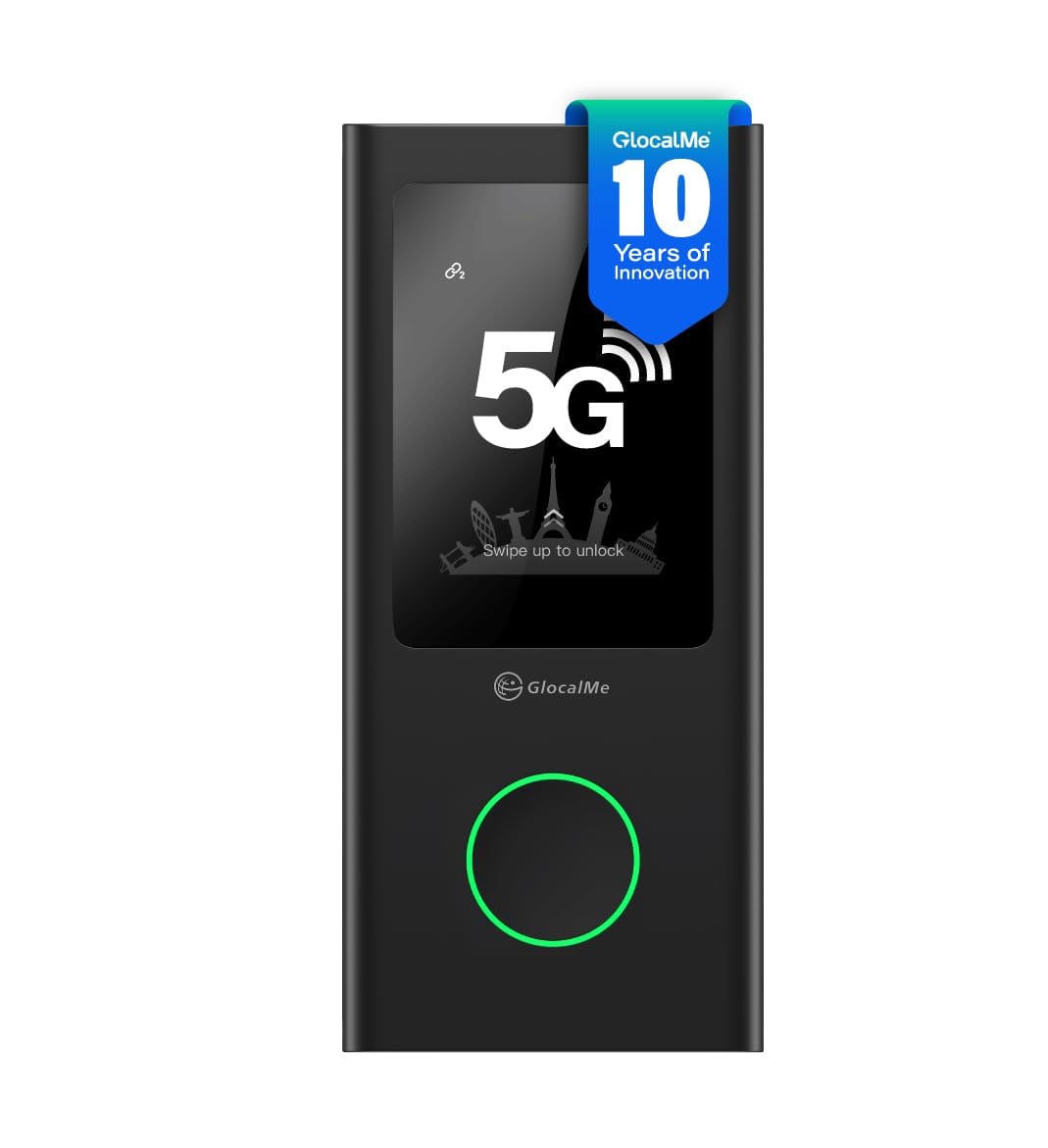
This 5G-capable hotspot provides global coverage with CloudSIM service and an optional physical SIM, offering flexibility for different travel scenarios.
Key highlights
- 5G support in compatible countries alongside 4G LTE
- Works with CloudSIM service or a physical SIM card
- Coverage in 200+ countries, with 5G available in supported destinations
- Supports up to 16 connected devices
Pros
- Future-proof with 5G capability where available
- CloudSIM service and a physical SIM slot provide flexibility
- No contracts with pay-as-you-go data plans
- Compact design suitable for frequent travel
Cons
- 5G availability depends on destination country infrastructure
- Data plans through provider can be expensive
- No built-in VPN for enhanced security
Who it is for: Tech-savvy travelers who want 5G capability, international business travelers, and users who prefer having both CloudSIM and physical SIM options.
Skip if
You only travel to regions without 5G coverage or need to connect more than 16 devices.
RoamWiFi - Best for battery life
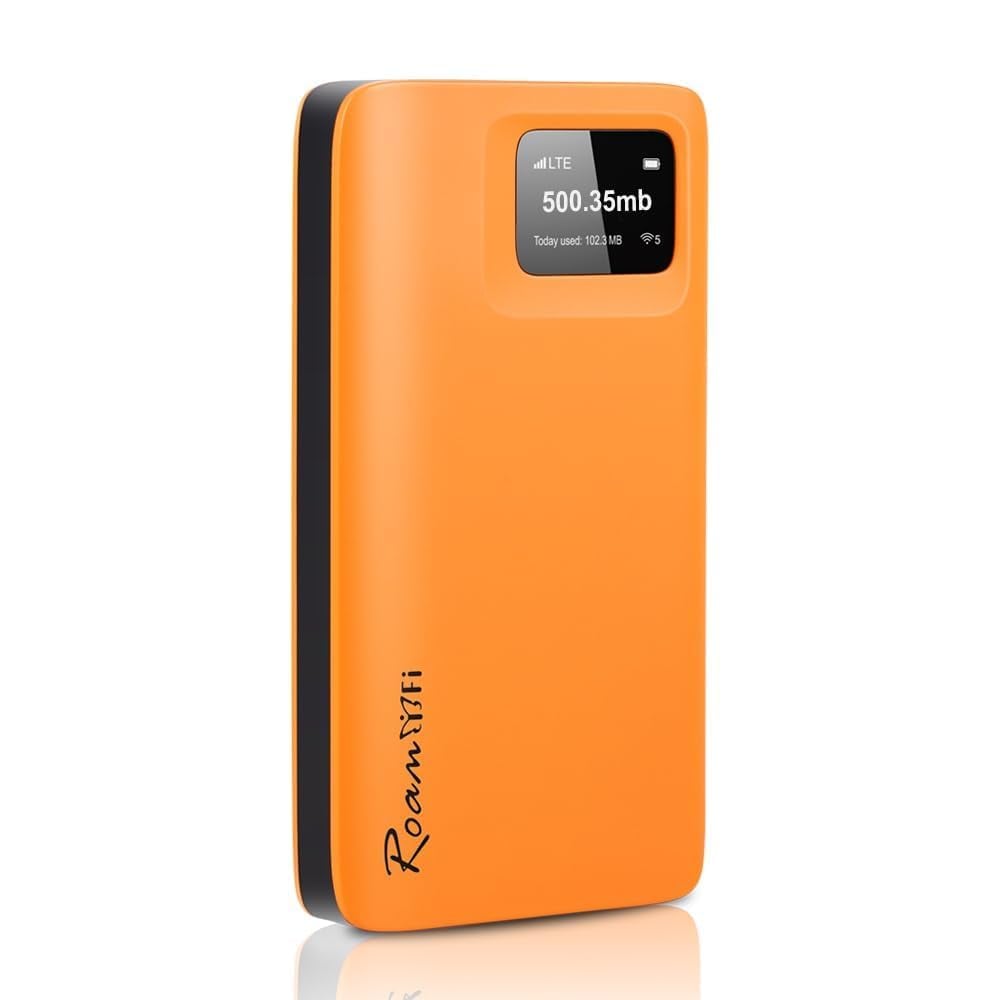
With an impressive 18-hour battery life, this hotspot keeps you connected through long travel days without needing frequent recharges.
Key highlights
- Up to 18 hours of continuous battery life
- Works in 170+ countries globally
- Supports up to 10 connected devices
- 4G LTE speeds for reliable connectivity
- Simple interface with on-device display
Pros
- Exceptional battery duration for all-day use
- Extensive global coverage across six continents
- Competitive data pricing with flexible plans
- Durable construction suitable for travel
Cons
- Some users report app connectivity issues
- No 5G support, limited to 4G LTE
Who it is for: Travelers who spend long days away from power outlets, backpackers, outdoor enthusiasts, and anyone prioritizing battery life over maximum speed.
Skip if
You require 5G speeds for work.
How to Choose
Consider these factors when selecting a portable WiFi hotspot:
Coverage area: Check which countries the device works in. Some cover 130+ countries, others are region-specific. If you travel internationally frequently, global coverage is essential.
Connection type: Decide between 4G LTE and 5G. 5G offers faster speeds but isn't available everywhere and costs more. 4G LTE provides reliable performance in most locations.
Battery life: Look for at least 8-12 hours for full-day use. Some devices double as power banks, which can be useful for charging phones and tablets.
Device connections: Consider how many gadgets you'll connect simultaneously. Most support 5-10 devices, but some premium models handle 32+ for families or groups.
Data plans: Evaluate whether you prefer SIM-free operation, eSIM flexibility, or bringing your own SIM. Pay-as-you-go plans offer flexibility, while monthly plans can be more cost-effective for frequent travelers.
FAQ
How does a portable WiFi hotspot differ from using my phone's hotspot?
Portable hotspots have dedicated antennas for better signal strength, longer battery life since they're not also running phone functions, and typically support more simultaneous connections. They also don't interrupt your phone calls or drain your primary device's battery.
Do I need a SIM card for portable WiFi hotspots?
It depends on the device. Some use built-in eSIM technology that connects automatically to local networks, while others require physical SIM cards. SIM-free options are more convenient for international travel but may have more expensive data plans.
Can I use portable WiFi hotspots on airplanes or cruise ships?
Generally no, as these devices rely on cellular networks. Some cruise ships offer satellite-based WiFi, but portable hotspots won't work over open water or at cruising altitude. Always check with your specific device provider for limitations.
How much data do I need for travel?
For basic browsing, email, and messaging, 1-2GB per week is usually sufficient. For video calls, streaming, or frequent large file transfers, plan for 5-10GB per week. Many hotspots offer flexible plans so you can adjust as needed.
Are portable WiFi hotspots secure?
Yes, they create private, password-protected networks unlike public WiFi. Some models include built-in VPNs for additional security. Always use strong passwords and keep device firmware updated for maximum protection.
Published March 15, 2026 Last updated September 5, 2026
Share this article
More in News
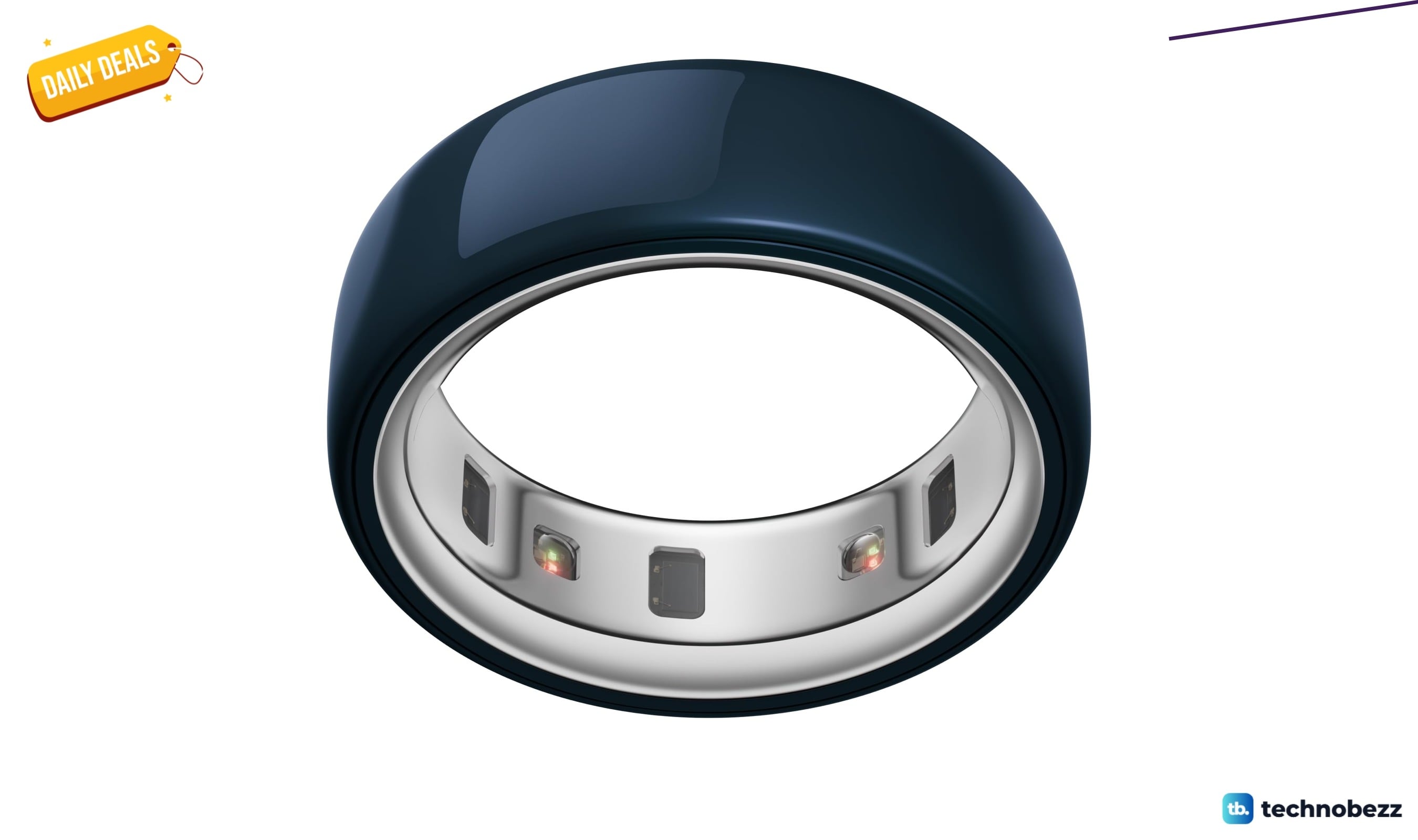
OURA Ring 4 Smart Ring Ceramic down to $349 in latest price cut
Save $50 on the Oura Ring 4 Ceramic at Amazon, now $349, its lowest sustained price in months for the current-gen smart ring.
5 min read
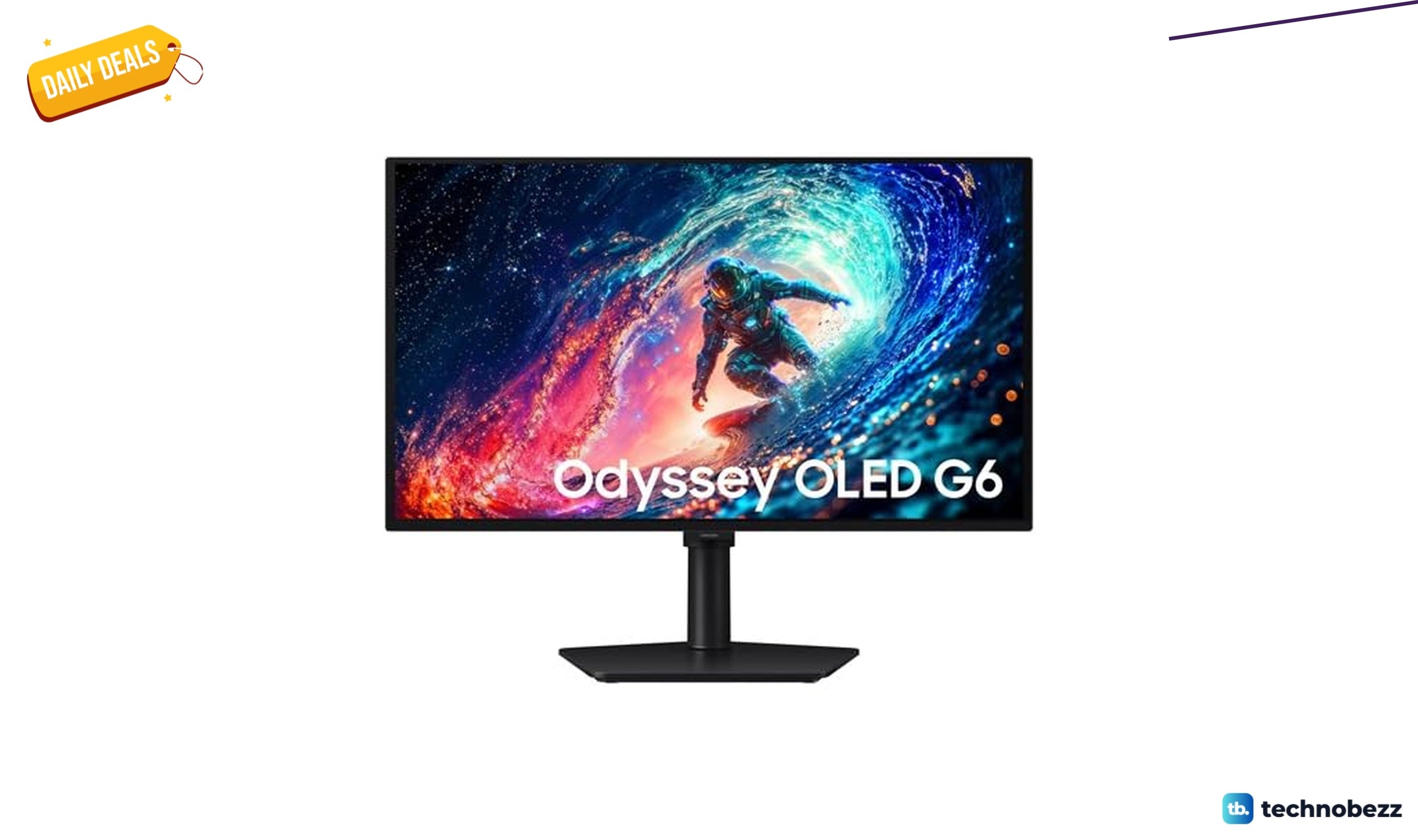
Samsung 27" Odyssey QHD-OLED G6 Gaming Monitor is $349.99 at Woot
Samsung 27" Odyssey QHD-OLED G6 Gaming Monitor is $349.99 at Woot in new condition, with a $799.99 Woot Reference Price.
5 min read
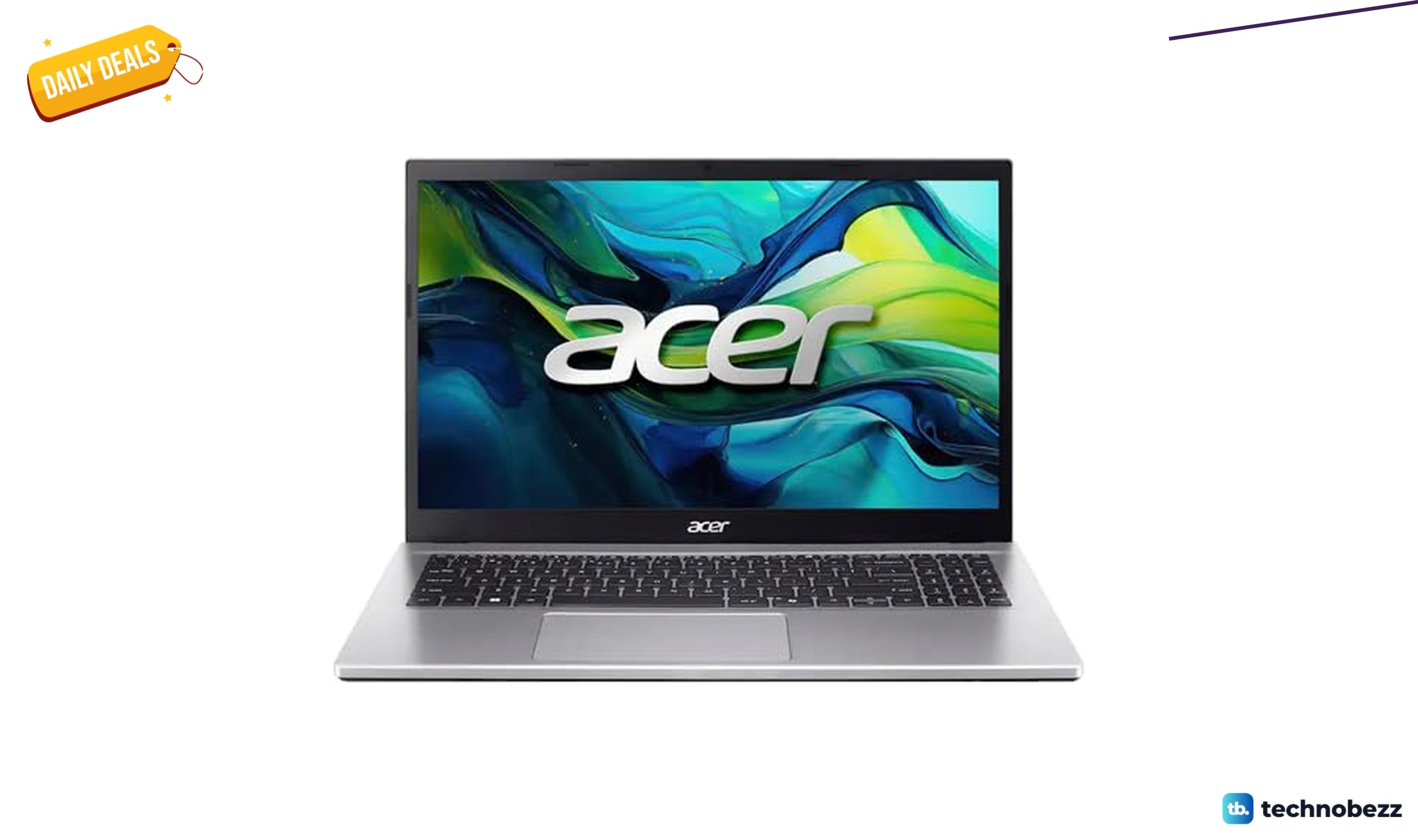
Acer Aspire Go 15.6" Ryzen 7 16GB 512GB Laptop is $599.99 at Woot
Acer Aspire Go 15.6" Ryzen 7 16GB 512GB Laptop is $599.99 at Woot in new condition, with a $699.99 Woot Reference Price.
4 min read
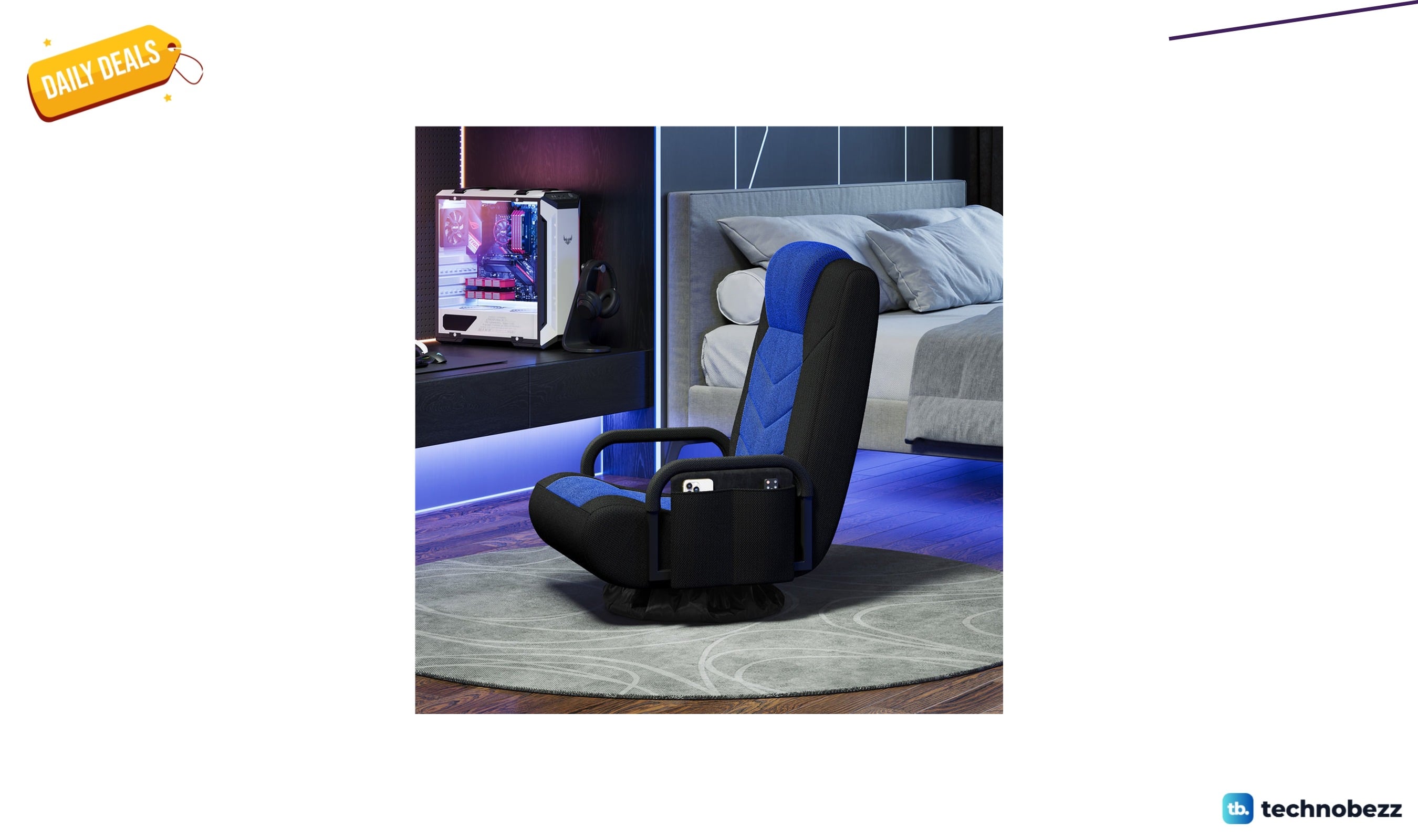
Yaheetech reclining floor gaming chair for $97.99 at Wayfair
Yaheetech reclining floor gaming chair costs $97.99 at Wayfair, saving $61.90 against its listed previous price. See the features and buyer fit.
4 min read
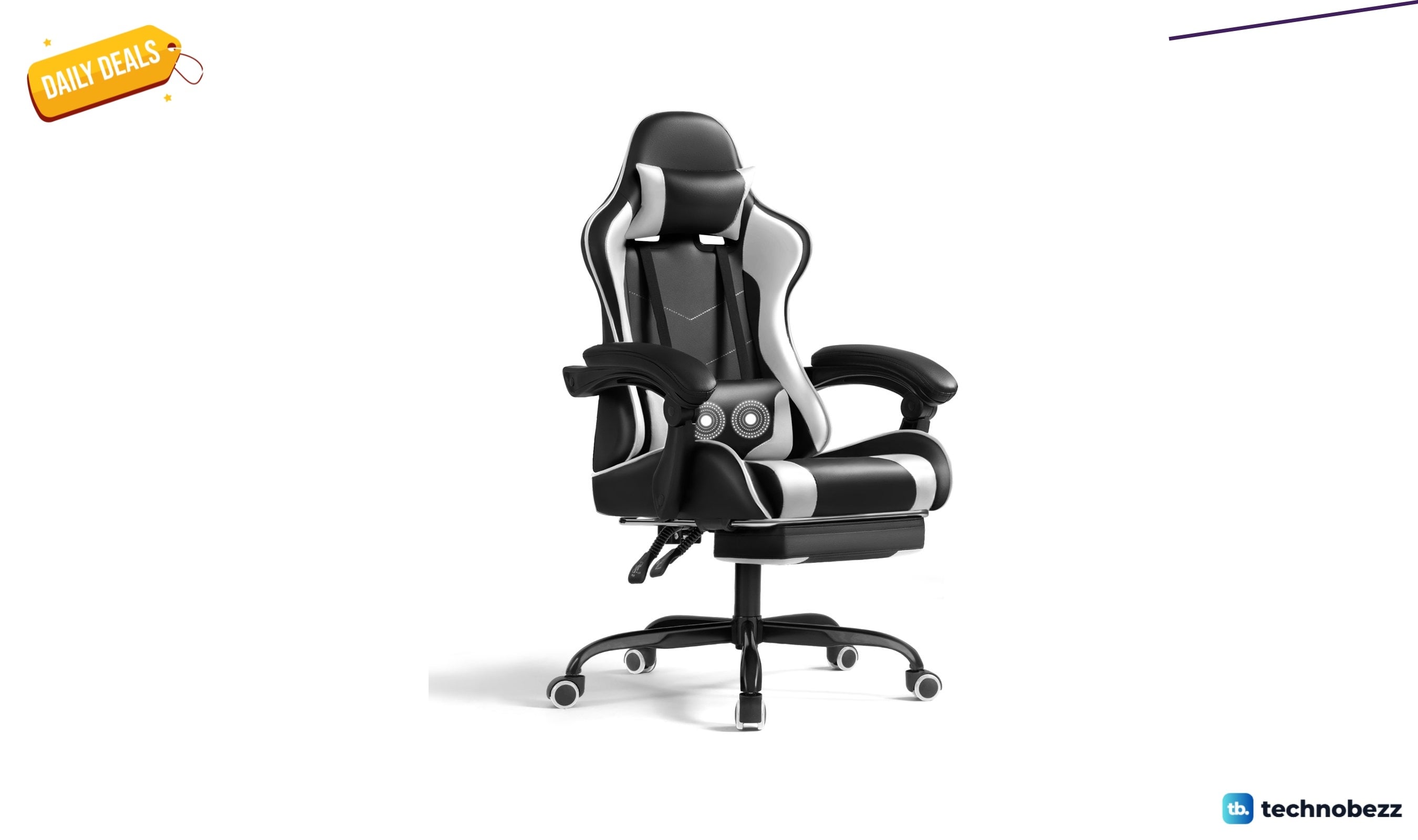
Freeport Park reclining video gaming chair with footrest for $105.99 at Wayfair
3 min read

Ivy Bronx Khambrel desk lamp for $59.99 at Wayfair
5 min read
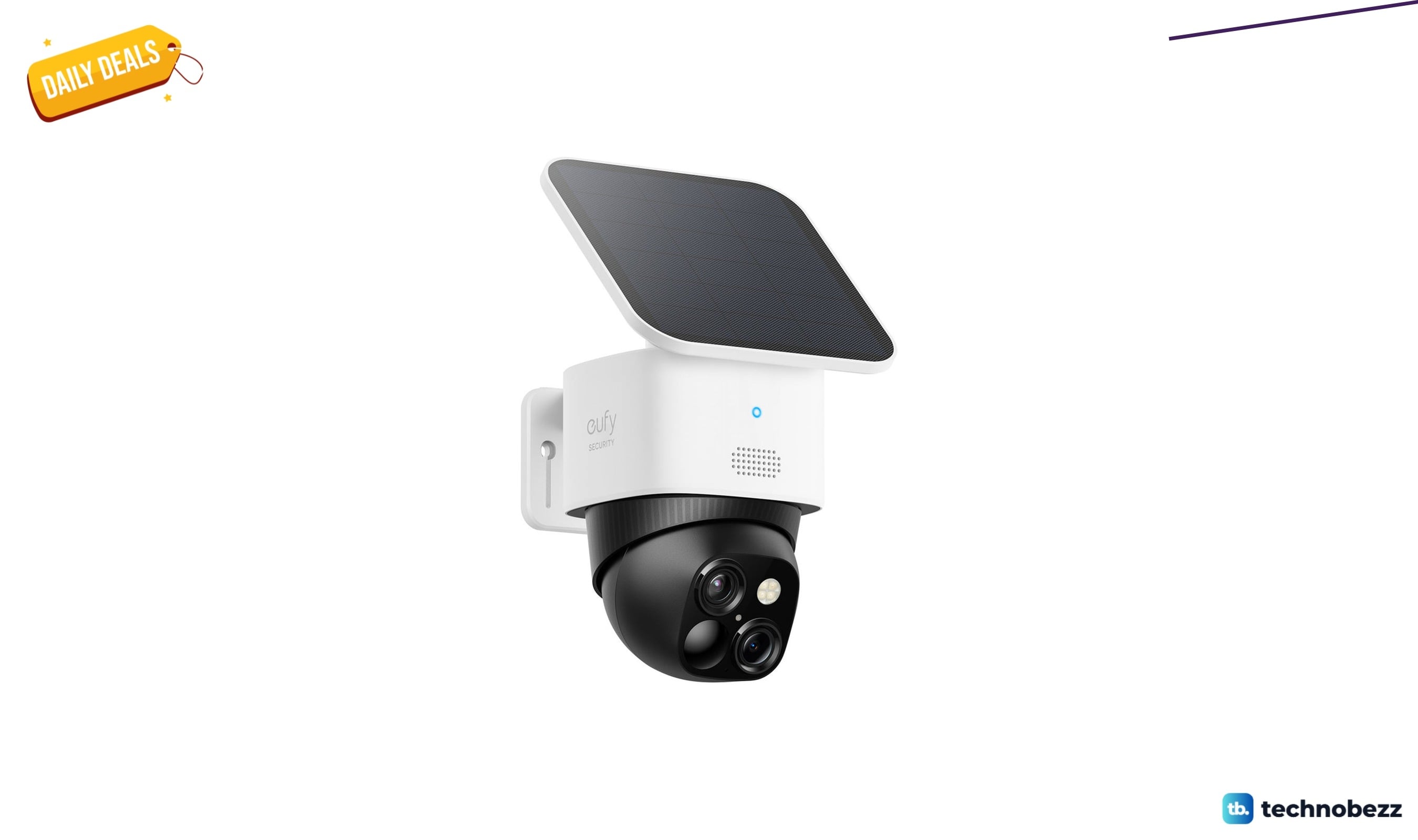
eufy SoloCam S340 solar security camera for $159.99 at Wayfair
5 min read
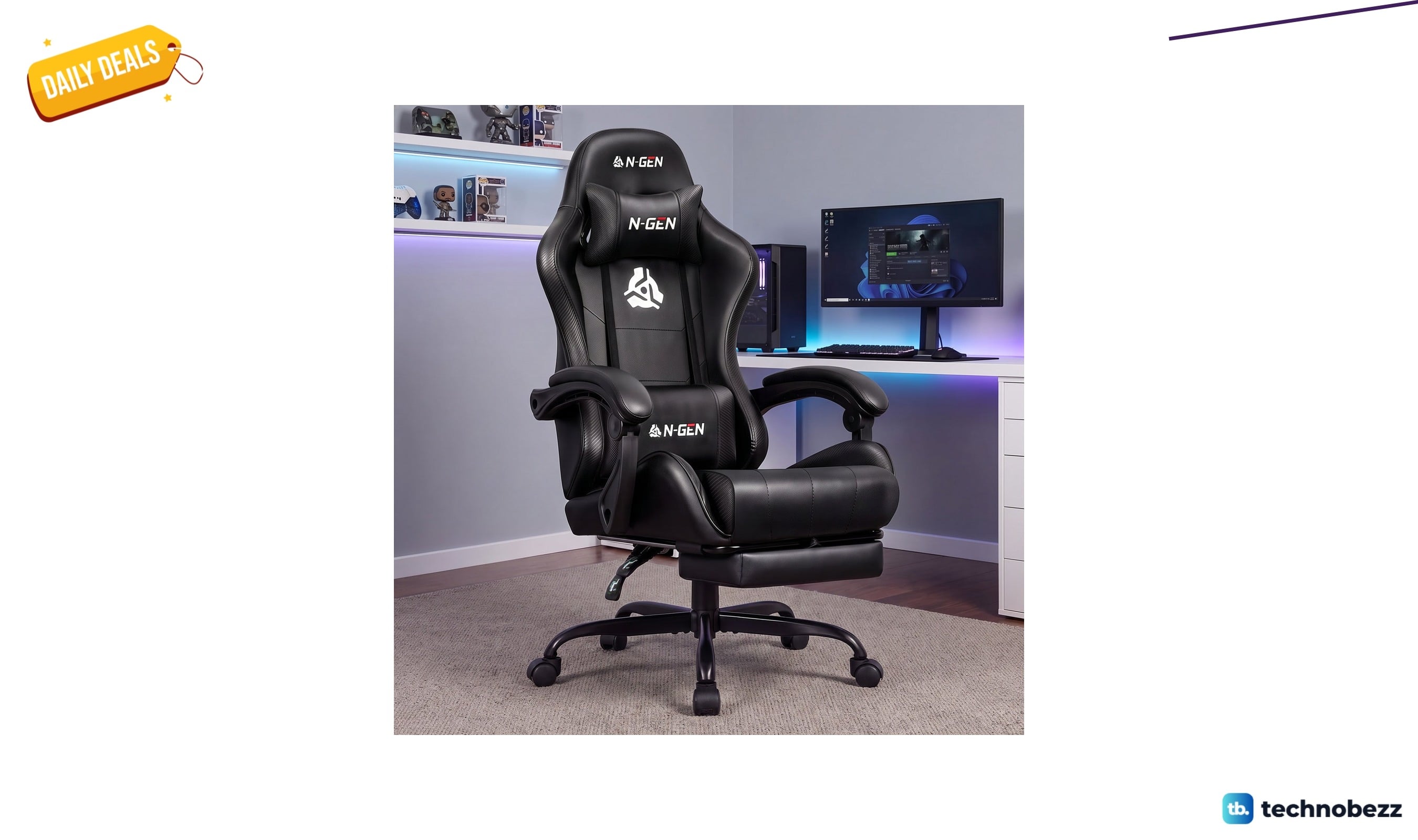
Neo Chair N-GEN reclining gaming chair for $107.99 at Wayfair
4 min read
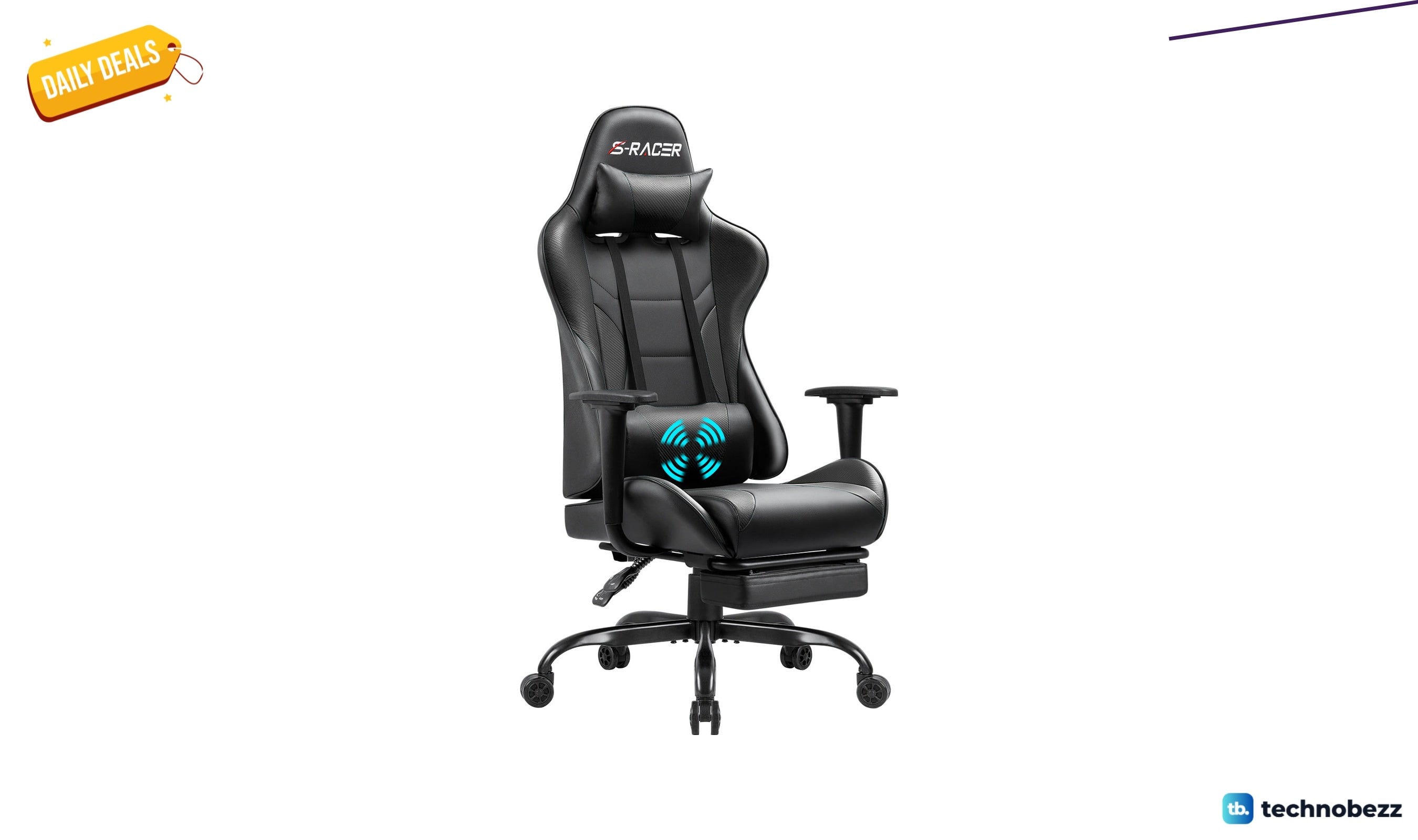
Homall high-back reclining gaming chair with footrest for $95.99 at Wayfair
3 min read

Ophelia & Co. Lundgren faux leather task chair for $169.99 at Wayfair
5 min read
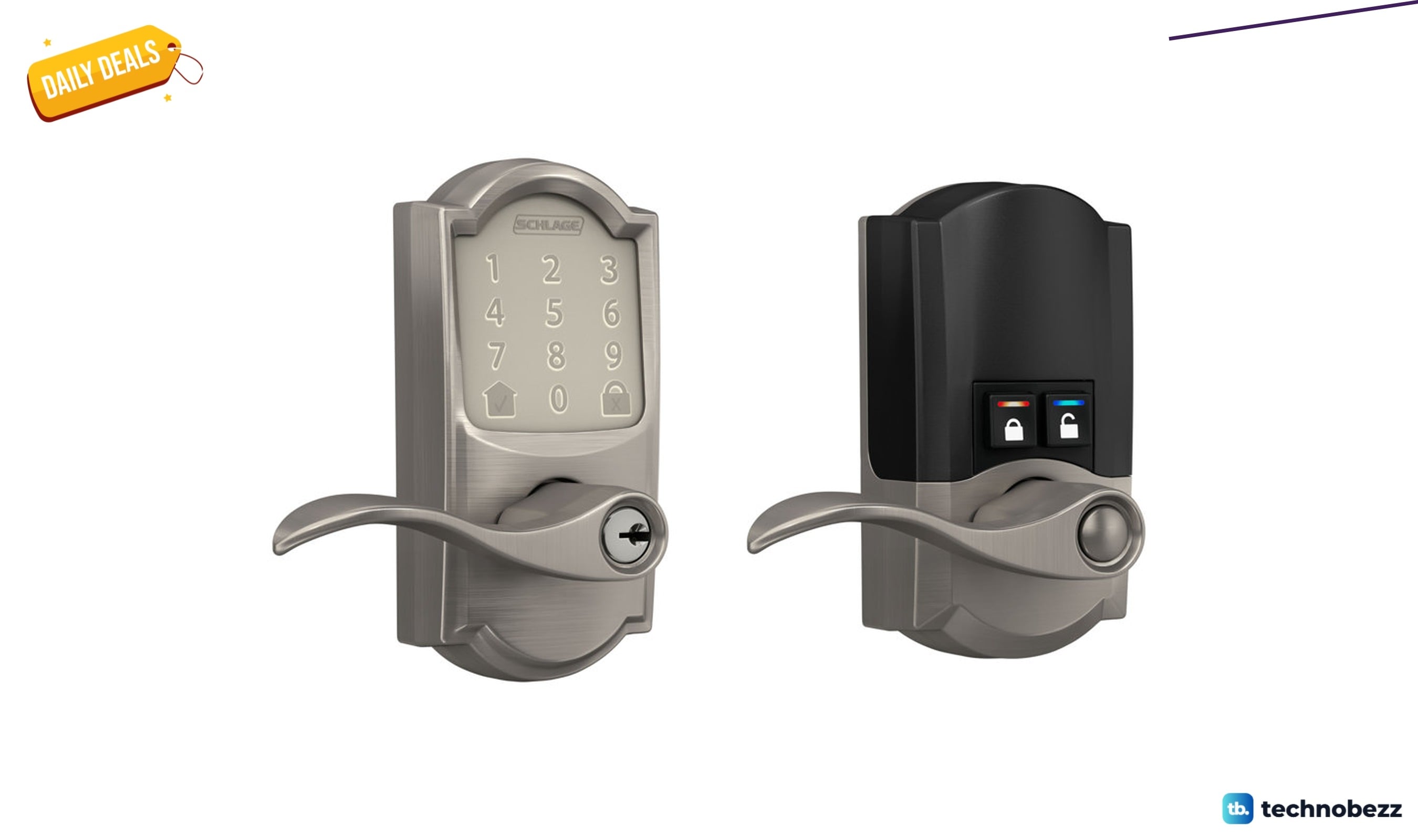
Schlage Encode Smart Wi-Fi lever for $289.99 at Wayfair
4 min read
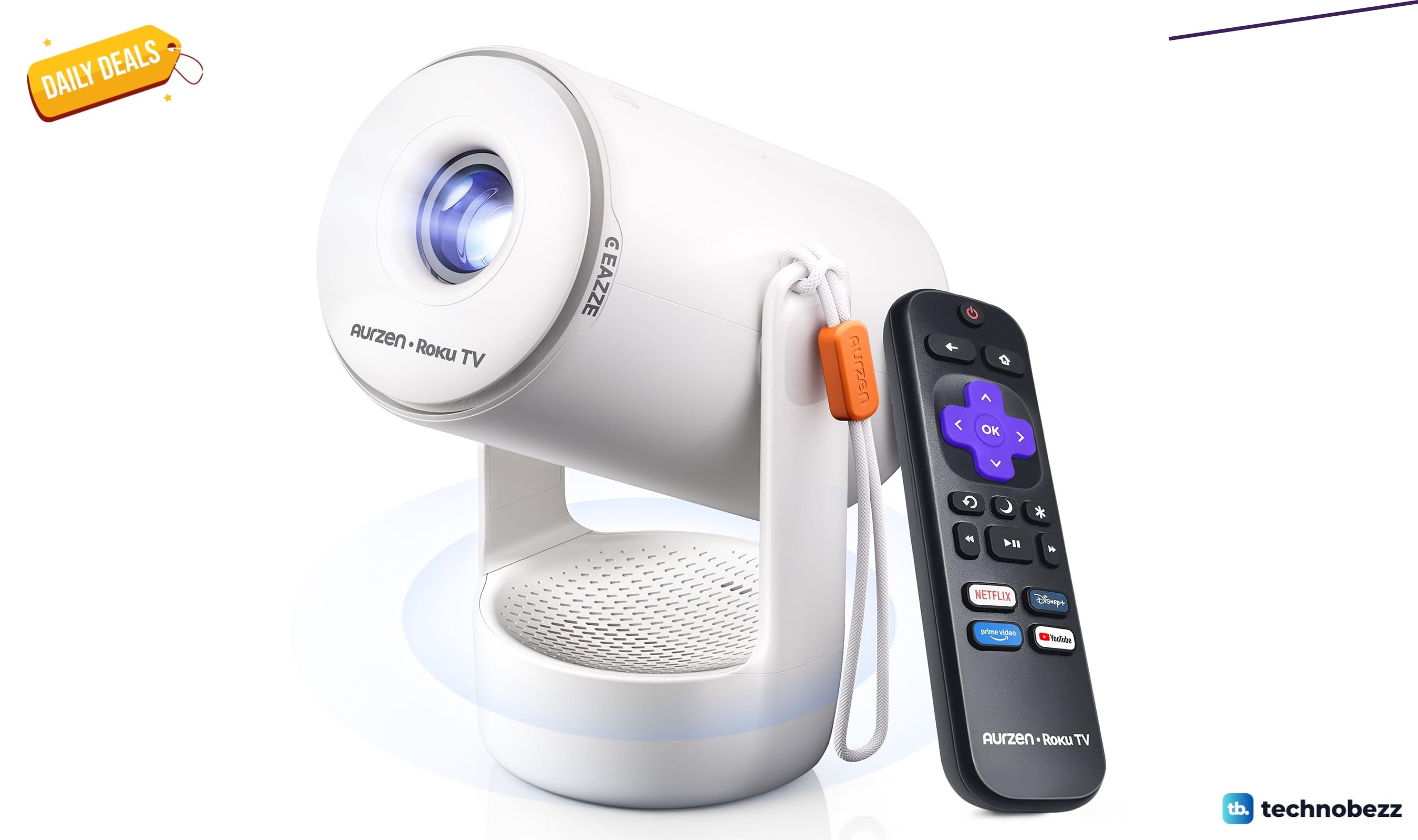
Aurzen Roku TV E1R Smart Portable Mini Projector now selling for $89.98
3 min read