Studio headphones have one job that consumer headphones do not: to show you what is really on a recording so you can make decisions about it. The first choice is the design. Closed-back models keep sound in and room noise out, which matters when a microphone is open. Open-back models are built for mixing and producing in a quiet room.
Technobezz is supported by its audience. We may get a commission from retail offers.
5 Best Studio Headphones in 2026
The beyerdynamic DT 770 PRO (80 Ohm) leads our picks of the best studio headphones in 2026, with open-back mixing models and closed-back tracking options.
T
Technobezz
Editorial Team
Updated November 10, 2026Nov 10, 2026
•11 min read

Get Deals Like These in Your Inbox
The best prices, straight to your inbox.
Add Technobezz on Google:Preferred SourceGoogle Discover
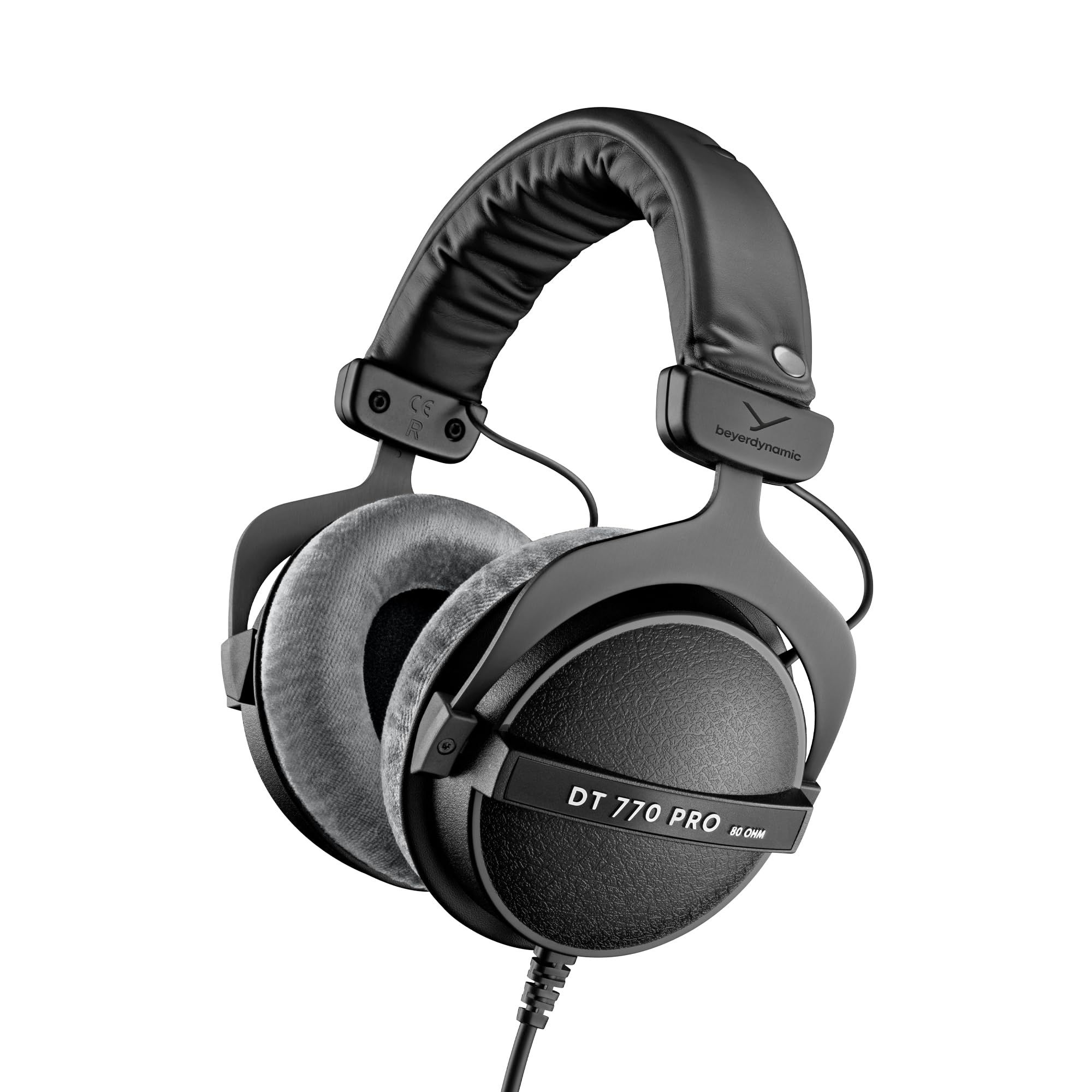
The beyerdynamic DT 770 PRO (80 Ohm) is the best overall pick. It is a closed-back, over-ear design that beyerdynamic labels for universal studio use, with a 5 to 35,000 Hz frequency response, replaceable velour ear pads and parts that can be replaced if needed.
This page is for home studio owners, podcasters, video creators and musicians who need one pair for recording, or a second pair for mixing. The other picks cover open-back mixing, a premium open-back with two cables and two ear pad sets, strong isolation for loud rooms, and an on-camera closed-back.
At a Glance
| Category | Product | Why We Picked It |
|---|---|---|
| Best overall | beyerdynamic DT 770 PRO (80 Ohm) | Closed-back design for universal studio use with replaceable parts |
| Best for mixing | Sennheiser HD 490 PRO | Open-back, 260 g, with separate mixing and producing ear pads |
| Best premium open-back | beyerdynamic DT 1990 PRO MKII (30 Ohm) | 30-ohm TESLA.45 driver, two cables, two pad sets and a hard case |
| Best for isolation | Sennheiser HD 280 PRO | Up to 32 dB of ambient noise attenuation in a foldable closed-back |
| Best for on-camera work | Shure SRH440A | Closed-back with a detachable cable and a design made to be seen |
How we chose
We compared the maker specifications for closed-back and open-back studio headphones, looking at design, frequency response, impedance, weight, cable type and what comes in the box. We then checked that each pick is sold new on Amazon and gave each one the slot its published specs suit best.
The best Studio Headphones right now
beyerdynamic DT 770 PRO (80 Ohm) - Best overall
The beyerdynamic DT 770 PRO (80 Ohm) earns the top spot because a closed-back design covers the widest range of studio jobs, from recording vocals with an open microphone to checking a mix late at night. beyerdynamic sells the DT 770 PRO in 32, 80 and 250 ohm versions and lists the 80 ohm model for universal studio use, which is the version linked here.
The maker lists a 5 to 35,000 Hz frequency response, a 96 dB nominal sound pressure level and a weight of 375 grams including the cable. The 80 ohm version uses grey velour ear pads, which are replaceable, and beyerdynamic says all the components are replaceable if necessary. The cable is fixed, with a 3.5 mm mini-jack plug and a 1/4-inch adapter (beyerdynamic's page calls it straight in the specs and coiled in its FAQ, so check the listing), and the headphones are handcrafted in Germany.
Key highlights
- Closed-back, over-ear design
- 80 ohm nominal impedance (32 and 250 ohm versions are sold separately)
- 5 to 35,000 Hz frequency response
- 96 dB nominal sound pressure level
- 375 g including cable
- Grey velour ear pads on the 80 and 250 ohm versions; the 32 ohm version uses black leatherette
- Fixed cable with 3.5 mm plug and 1/4-inch adapter
Pros
- Closed-back design suits recording near open microphones
- 80 ohm version is the one beyerdynamic designates for universal studio use
- Replaceable ear pads and replaceable components support a long service life
- Handcrafted in Germany
Cons
- The cable is fixed, not a plug-in cable you can swap by hand
- The maker page does not list a cable length
- Ear pad material and impedance change by version, so the exact listing matters
Who it is for: Anyone who wants one pair of closed-back headphones for recording, editing and general studio monitoring.
Skip if
You mainly mix in a quiet room and want an open-back design, or you need a detachable cable.
Sennheiser HD 490 PRO - Best for mixing
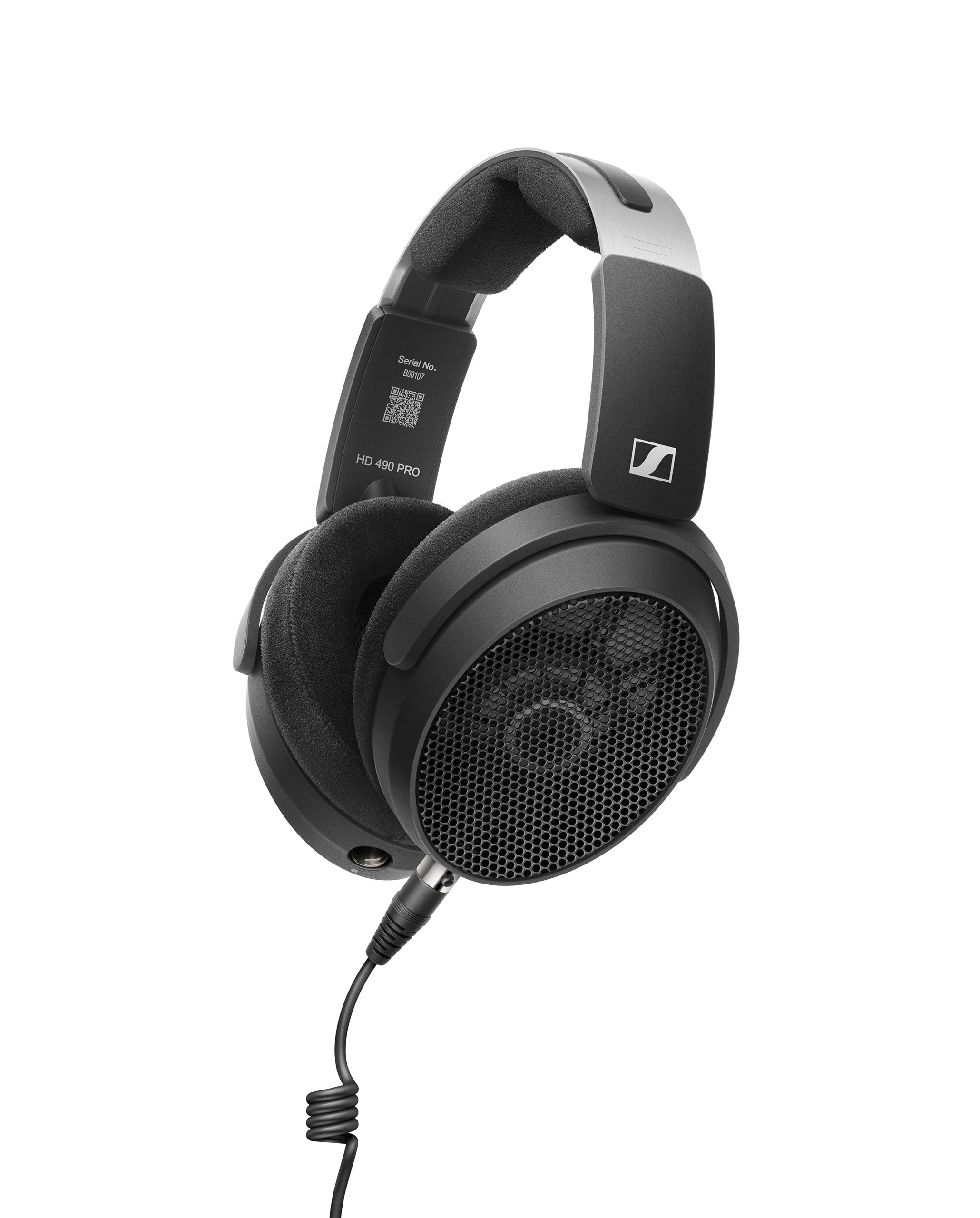
The Sennheiser HD 490 PRO is an open-back reference headphone aimed at producers and mix engineers working in a quiet room. Sennheiser describes an uncolored frequency response and a wide sound stage, and ships it with two sets of ear pads, one for mixing and one for producing, each with its own sound signature. Both sets are washable and replaceable.
The listed frequency response is 5 to 36,000 Hz (-10 dB), with 130 ohms impedance, a 128 dB maximum sound pressure level and a weight of 260 g, the lightest of the picks with a published weight. The 1.8 m cable is detachable and can plug into either the left or right ear cup, and a 3.5 mm to 6.3 mm adapter is in the box. Sennheiser says the headphones are engineered in Germany and hand-assembled in Romania.
Key highlights
- Open-back, over-ear design
- 5 to 36,000 Hz frequency response (-10 dB)
- 130 ohms impedance
- 128 dB maximum sound pressure level
- 260 g weight
- Two sets of ear pads for mixing and producing
- Detachable 1.8 m cable with left or right ear jack
Pros
- Lightest published weight here at 260 g
- Two included ear pad sets for different kinds of work
- Cable can be connected on either side
- Washable, replaceable ear pads
Cons
- Open-back design lets sound out, so it is a poor fit for recording near an open microphone
- At 130 ohms it has the highest published impedance of these picks, so a proper audio interface or headphone amp is a sensible partner
- Only one cable, at 1.8 m, comes in the box
Who it is for: Producers and mix engineers who want a light open-back headphone with ear pad options for long sessions.
Skip if
You record vocals or instruments in the same room, or you work somewhere noisy.
beyerdynamic DT 1990 PRO MKII (30 Ohm) - Best premium open-back
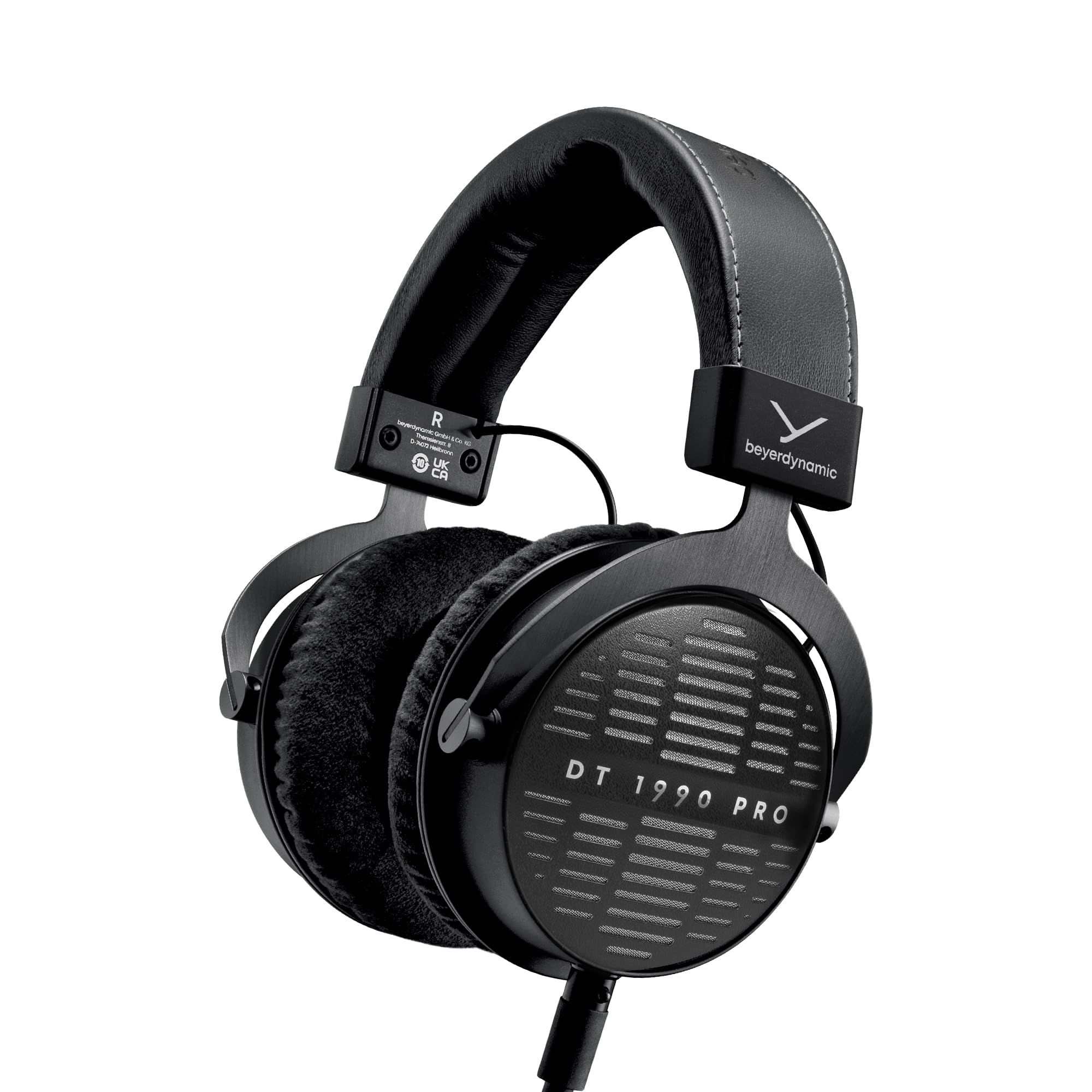
The beyerdynamic DT 1990 PRO MKII is the premium open-back choice for mixing, mastering and editing. It uses beyerdynamic's TESLA.45 driver at 30 ohms, and the maker says the lower impedance lets it work well with a variety of devices. It is offered in this 30 ohm version only.
The box is more complete than most: a 3 m straight cable and a 5 m coiled cable, both detachable with a mini-XLR plug at the headphone end, plus a hard case. Two velour ear pad sets are included: Producing Velours with a slight bass boost and Mixing and Mastering Velours with a more analytical sound. The listed frequency response is 5 to 40,000 Hz, with a 94 dBSPL nominal sound pressure level (1 mW/500 Hz) and a weight of 376 g without cable.
Key highlights
- Open-back, over-ear design
- TESLA.45 driver, 30 ohms
- 5 to 40,000 Hz frequency response
- 94 dBSPL nominal sound pressure level (1 mW/500 Hz)
- 376 g without cable
- 3 m straight and 5 m coiled detachable mini-XLR cables
- Two velour ear pad sets and a hard case
Pros
- Low 30 ohm impedance for use with a wider range of devices
- Two cables cover both desk and longer-reach setups
- Ear pad sets are tuned for producing or for mixing and mastering
- Hard case and Made in Germany build
Cons
- Open-back design lets sound out and room noise in
- At 376 g without cable, it is much heavier than the HD 490 PRO's listed 260 g
- A premium package that is more than a podcaster or beginner needs
Who it is for: Mix and mastering engineers who want a full-featured open-back with spare cables and a case for travel.
Skip if
You need isolation for recording, or you want lighter headphones for long sessions.
Sennheiser HD 280 PRO - Best for isolation
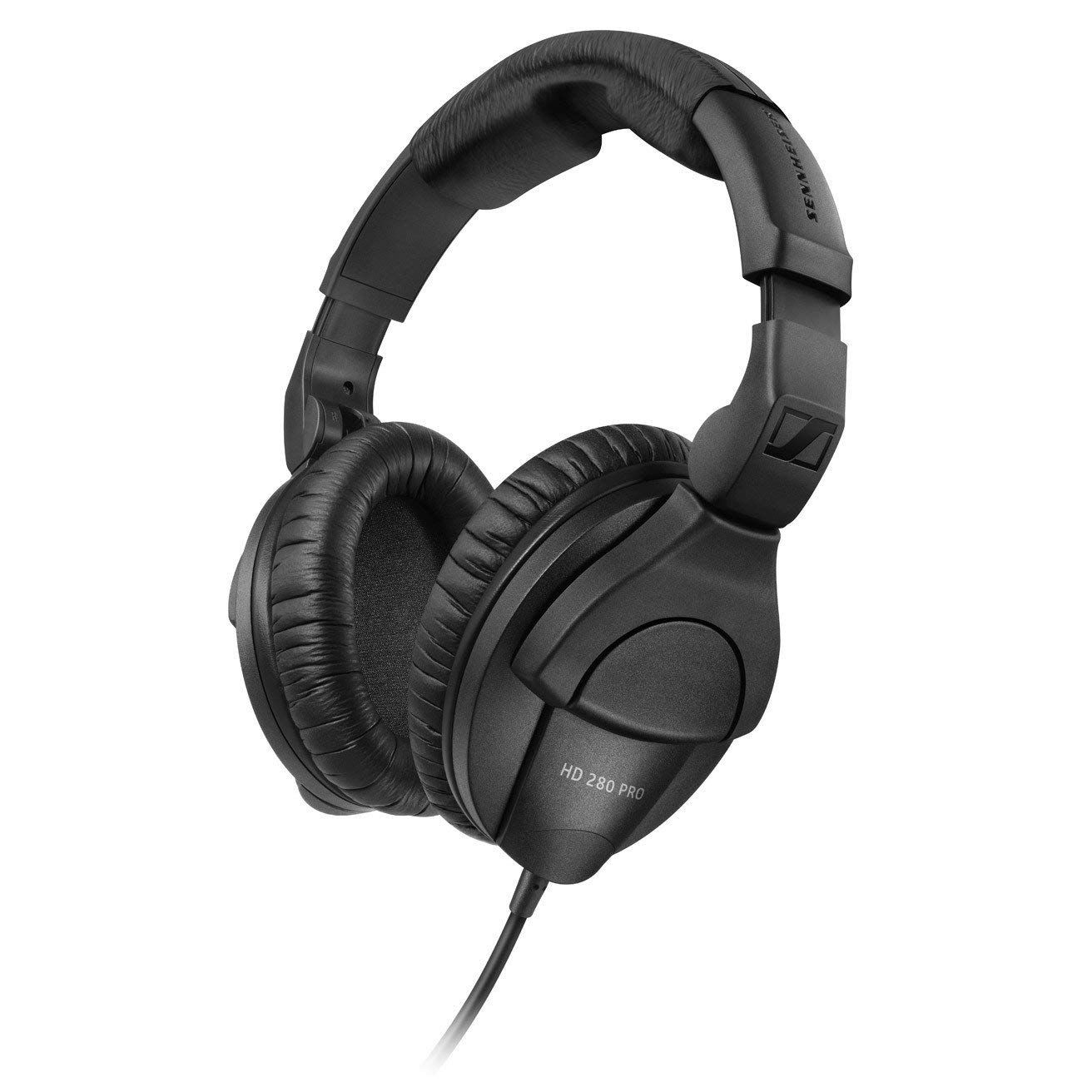
The Sennheiser HD 280 PRO is the pick for loud rooms, drum tracking and live monitoring. Sennheiser lists high ambient noise attenuation of up to 32 dB, the only attenuation figure published for any headphones on this list. It is a closed-back, over-ear design built from polycarbonate, and Sennheiser says over 2 million units have been sold.
The listed frequency response is 8 Hz to 25 kHz, with 64 ohms impedance, a 113 dB maximum sound pressure level, 0.1% total harmonic distortion and a weight of 285 g. A single-sided coiled cable stretches from 1.3 m to 3 m and ends in a 3.5 mm connector. Swiveling ear cups and a folding headband make it easier to adjust and store.
Key highlights
- Closed-back, over-ear design
- Up to 32 dB ambient noise attenuation
- 8 Hz to 25 kHz frequency response
- 64 ohms impedance
- 113 dB maximum sound pressure level
- 285 g weight
- Coiled cable, 1.3 m to 3 m
Pros
- Published isolation figure of up to 32 dB
- Folding headband and swiveling ear cups for storage
- Coiled cable gives reach without a long loose run
- Tough polycarbonate build
Cons
- The coiled cable is not listed as detachable
- The 25 kHz upper limit is narrower on paper than the other Sennheiser and beyerdynamic picks
- The maker spec table lists the wearing style as on-ear while the product description says over-ear, so the fit details are unclear
Who it is for: Drummers, live sound crews and anyone recording in a noisy space who needs strong isolation.
Skip if
You want a detachable cable or an open-back design for mixing.
Shure SRH440A - Best for on-camera work
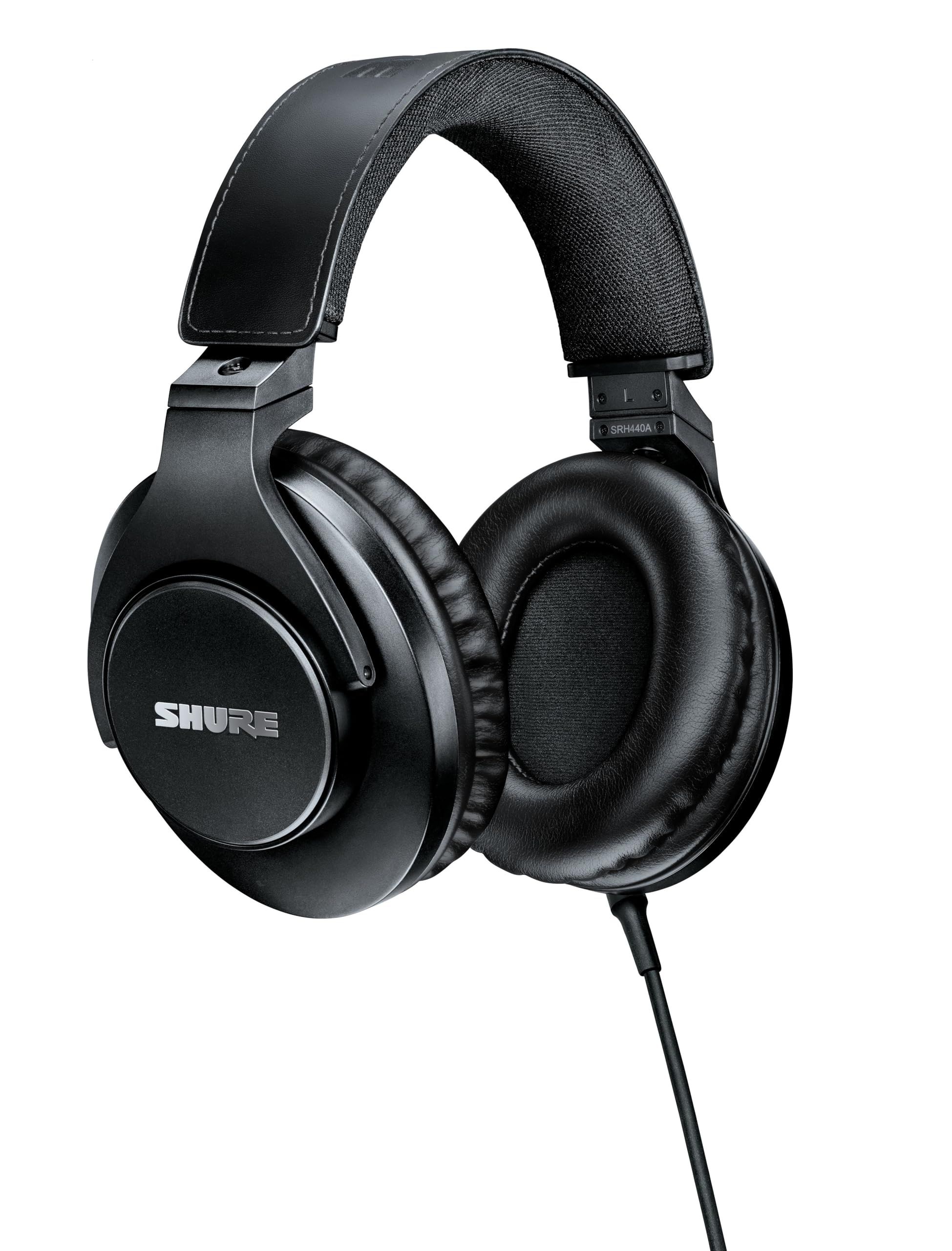
The Shure SRH440A is a closed-back, circumaural headphone that Shure says looks great on camera, which makes it a practical match for podcasters and video creators who appear on screen. It uses 40 mm dynamic neodymium drivers, and Shure describes its sound as transparent and natural with low distortion.
A padded headband is there for comfort over long sessions, and the closed-back design reduces background noise. The box includes a detachable straight cable and a threaded 1/4-inch (6.3 mm) gold-plated adapter, and Shure includes a two-year warranty.
Key highlights
- Closed-back, circumaural design
- 40 mm dynamic neodymium drivers
- Padded headband
- Detachable straight cable
- Threaded 1/4-inch gold-plated adapter
- Two-year warranty
Pros
- Design made to look good on camera
- Detachable cable can be replaced if damaged
- Closed-back design reduces background noise
- Two-year warranty
Cons
- The maker page lists no frequency response, impedance or weight figures
- Cable length is not stated
- Only one cable and no spare ear pads in the box
Who it is for: Podcasters, streamers and video creators who want a closed-back headphone that looks tidy on screen.
Skip if
You want full published specs to compare, or you need an open-back headphone for mixing.
How to Choose
- Pick closed-back for recording. Closed-back headphones such as the DT 770 PRO, HD 280 PRO and SRH440A keep sound from reaching an open microphone and block more room noise.
- Pick open-back for mixing in a quiet room. The HD 490 PRO and DT 1990 PRO MKII are open-back designs meant for mixing, producing and mastering, but they let sound out.
- Match impedance to your gear. Lower impedance models such as the 30 ohm DT 1990 PRO MKII are easier to use with a wider range of devices, while higher impedance models such as the 130 ohm HD 490 PRO pair best with an audio interface or headphone amp.
- Check the cable. A detachable cable, as on the HD 490 PRO, DT 1990 PRO MKII and SRH440A, can be swapped if it fails. Coiled cables suit moving around; straight cables suit a desk.
- Look at weight and ear pads. Listed weights here run from 260 g to 376 g, and replaceable or swappable ear pads help with comfort and upkeep over years of use.
FAQ
Should I buy open-back or closed-back studio headphones?
Buy closed-back if you will record with microphones nearby or work in a noisy space. Buy open-back if you mainly mix or produce in a quiet room. Many studios keep one of each.
Which DT 770 PRO impedance should I get?
beyerdynamic lists the 32 ohm version for mobile devices, the 80 ohm version for universal studio use and the 250 ohm version for professional devices. The 80 ohm version is the most flexible choice for a typical home studio.
Do I need a headphone amp for studio headphones?
Not always. Low impedance models are easier to drive from many devices, while higher impedance models benefit from an audio interface or a dedicated headphone amp with enough output.
Why do some studio headphones come with two sets of ear pads?
Ear pads change the sound and comfort. The HD 490 PRO and DT 1990 PRO MKII each include one set aimed at producing and another aimed at mixing, so you can switch based on the task.
Are studio headphones good for everyday listening?
They can be, but they are designed for accurate monitoring rather than a boosted sound. Closed-back models suit listening around other people, while open-back models are best kept to a quiet room at home.
Published November 10, 2026 Last updated November 10, 2026
Add Technobezz on Google:Preferred SourceGoogle Discover
More on headphones
Buying guide
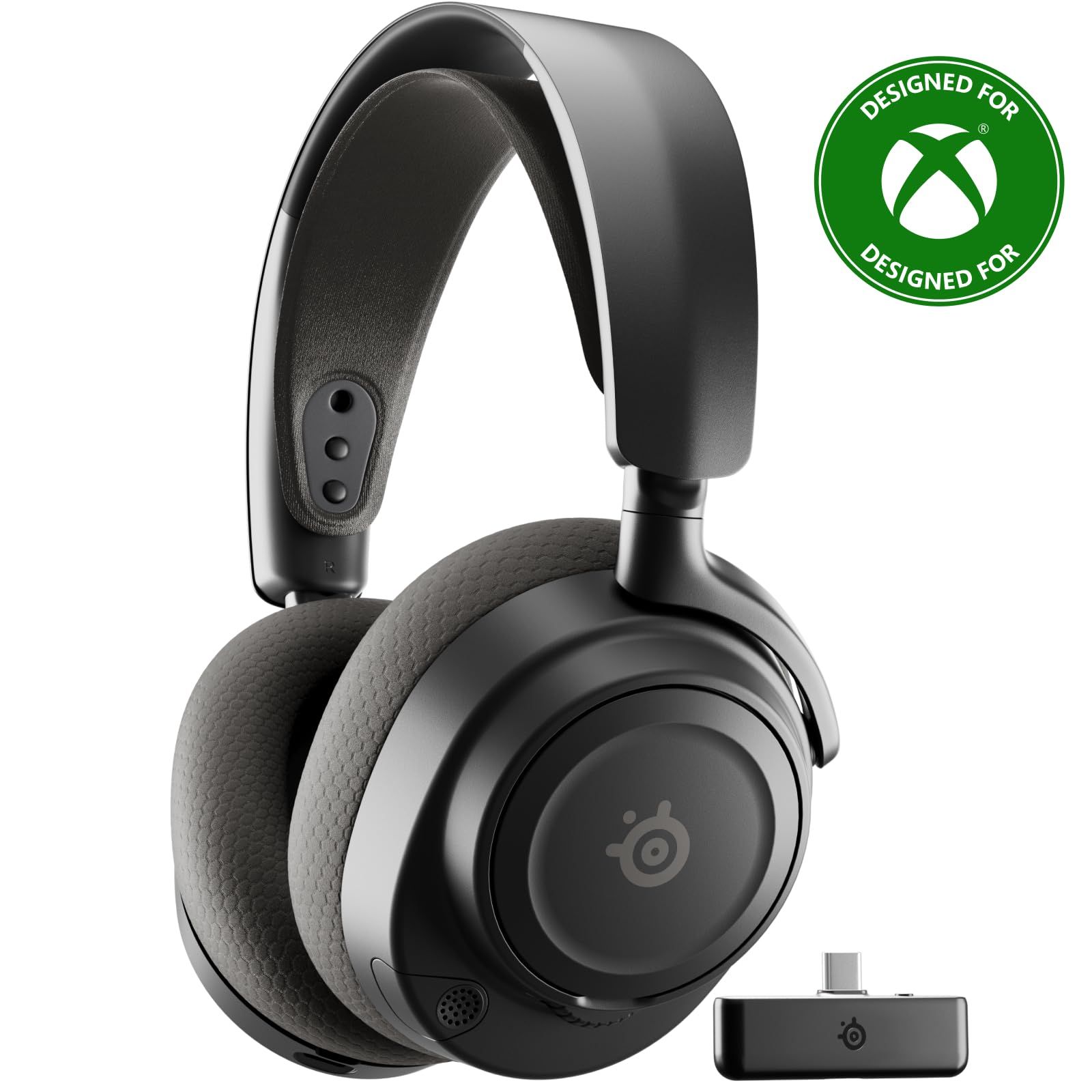
6 Best Gaming Headsets for Xbox in 2026
Deal
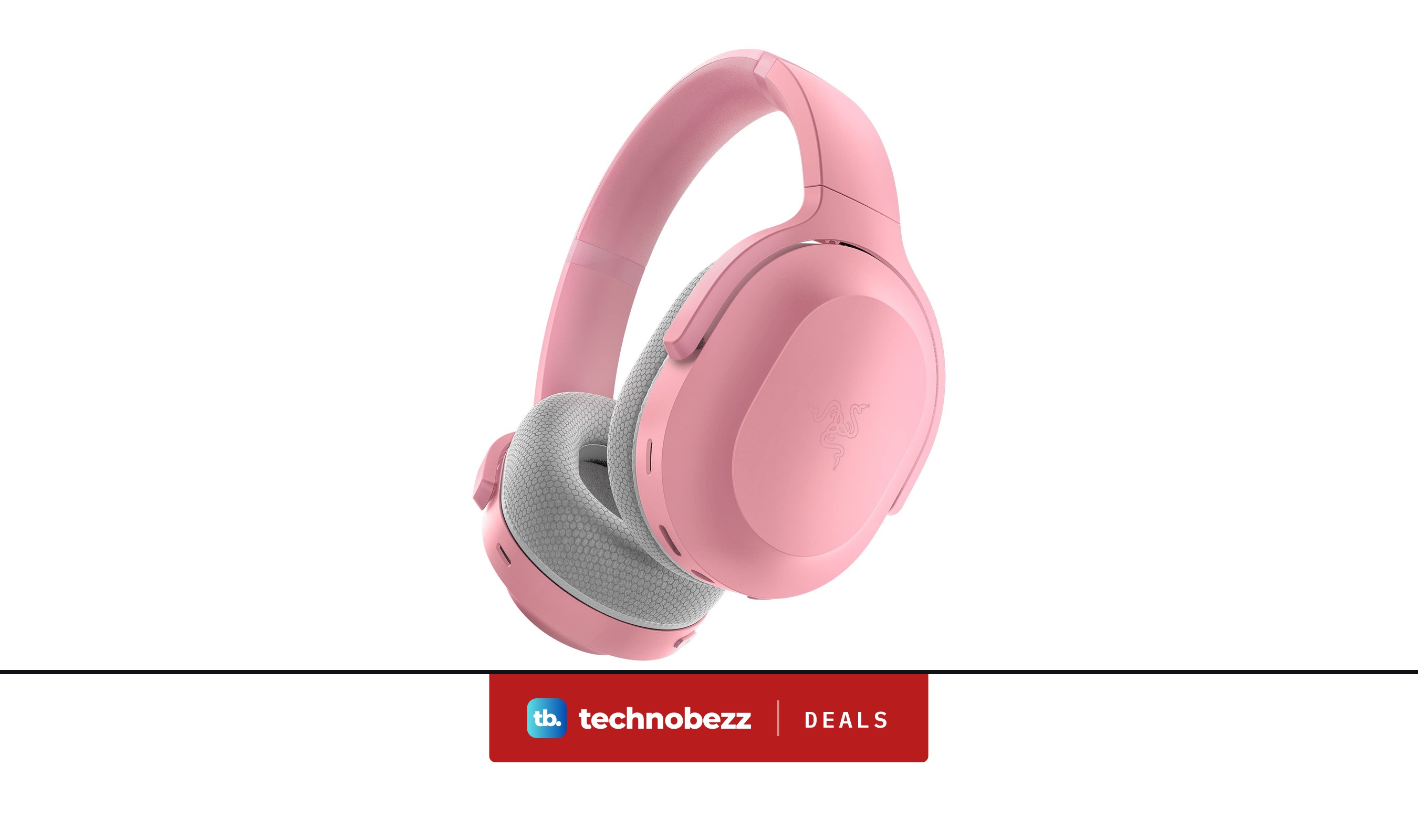
We found 3 headphone deals on Amazon starting at $59.99
Buying guide
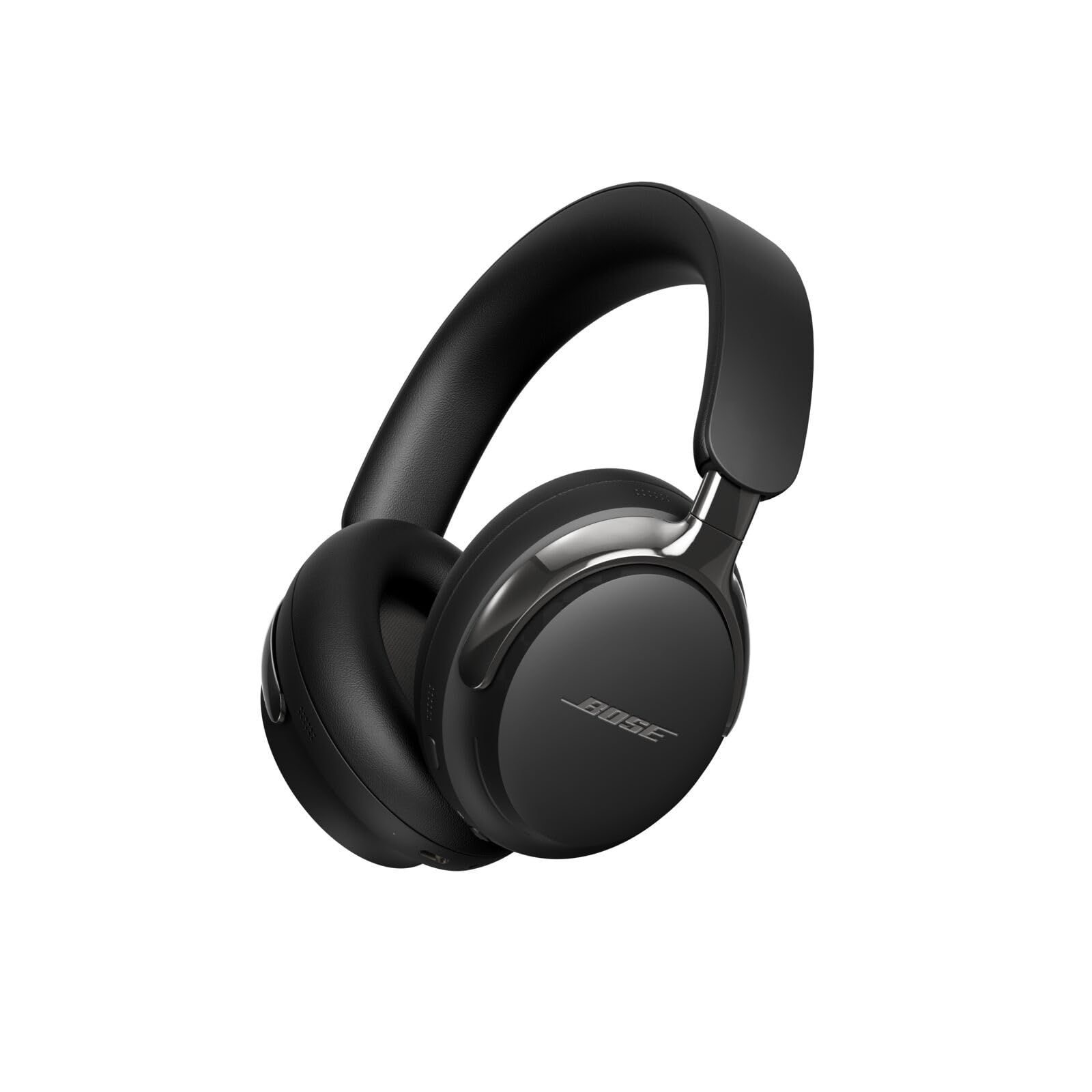
6 Best Headphones in 2026
Buying guide
6 Best Budget Wireless Headphones in 2026
More buying guides
Buying guide5 Best 4K Monitors in 2026Buying guide5 Best Foldable Phones in 2026Buying guide6 Best Ergonomic Mice in 2026Buying guide6 Best AR Glasses in 2026Buying guide6 Best 360 Cameras in 2026Buying guide7 Best Digital Pianos in 2026Buying guide5 Best 50-Inch TVs in 2026Buying guide5 Best 4K Gaming Monitors in 2026