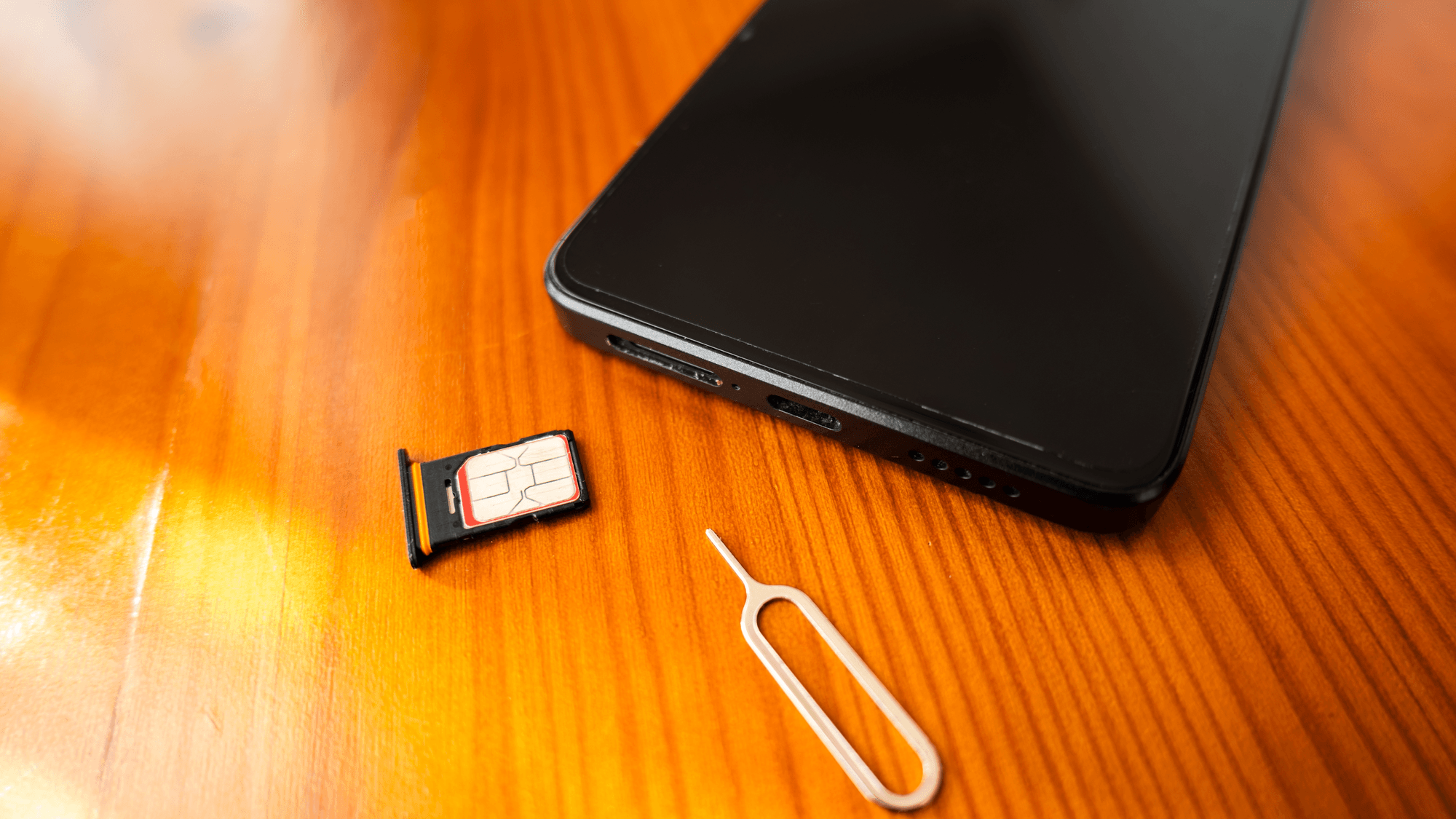
Which one is better depends on the phone you own and how you use it. A physical SIM is a removable card that stores the information a device uses to connect to its carrier's network and identify its plan. An eSIM is a digital SIM built into the phone, so a plan can be activated without inserting a card.
Which US phones still have a SIM tray
On many current US phones the hardware decides for you. Apple's SIM tray page says iPhone 14 models or later purchased in the United States can only be activated with an eSIM, a change that began in 2022.
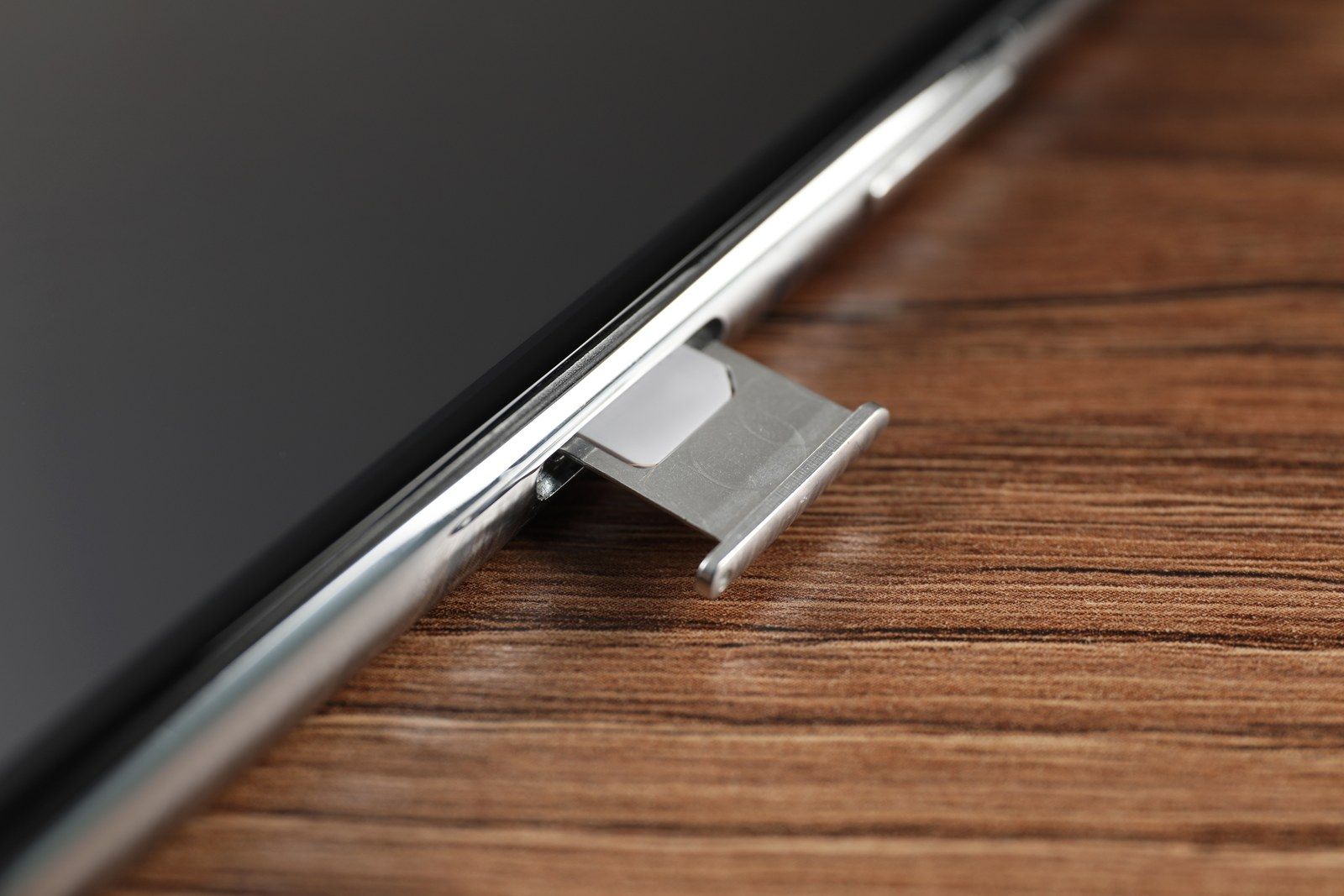
- iPhone: Apple's US store lists iPhone 16, iPhone 17e, iPhone 17, iPhone Air, iPhone 18 Pro and iPhone Duo models bought in the US or Puerto Rico as having no physical SIM tray.
- Pixel, eSIM only: Google's specifications list the US Pixel 10, 10 Pro, 10 Pro XL, 11, 11 Pro and 11 Pro XL as dual eSIM.
- Pixel, both types: Pixel 9, 9 Pro and 9 Pro XL take a nano-SIM plus an eSIM. So do Pixel 10a, Pixel 10 Pro Fold and Pixel 11 Pro Fold, including their US versions.
- Galaxy: Samsung's US support page documents using an eSIM alongside a physical SIM on compatible devices, depending on the model, software and carrier.
If your iPhone does have a tray, here is how to remove the SIM card from an iPhone.
Switching a number between the two
On a standard monthly Verizon plan, you change a physical SIM to an eSIM in My Verizon by opening Mobile and selecting Get SIM. AT&T's tutorial for the second-generation iPhone SE uses Settings, Cellular, Convert to eSIM, and the physical SIM is deactivated once the eSIM is active.
T-Mobile handles both types in its T-Life app under SIM transfer or activation. You enter the phone's IMEI, then choose an eSIM and enter the EID, or choose a physical SIM and enter its ICCID. The eSIM route needs SIM Protection turned off first.
For a new card, AT&T provides replacement SIM kits through its stores, its website and other retailers. The account owner or a retail authorized user activates it by calling 800.331.0500 or visiting a store.
Changing phones
For a physical SIM swap, AT&T's instructions require Wireless Account Lock to be off and both devices to use the same SIM card size.
With an eSIM, the line moves by transfer, and each route depends on carrier support. Apple's eSIM Quick Transfer and Google's transfer on Android can each move a physical SIM or eSIM line into an eSIM on the new phone, and Samsung offers its own Transfer SIM option on Galaxy phones. Between Android and iPhone, Apple documents direct transfers on an iPhone 11 or later with iOS 26 or later and a compatible Android phone with Android 16 or later. Unsupported combinations need the carrier's help. The full transfer requirements are in What Is an eSIM and How Does It Work?
Traveling abroad
Apple's travel eSIM page describes prepaid plans from local carriers that can be bought online before departure or locally after arrival, then activated digitally. Many include a local phone number.
Using another carrier's plan requires an unlocked iPhone. Supported iPhones can run a travel eSIM alongside the home eSIM, but keeping the home line on can still bring roaming fees from the home carrier. iPhone 13 models and later support two active eSIMs, and models with a tray can pair a physical SIM with an eSIM.
What carriers charge
Published figures as of November 2026:
- Verizon: moving an existing line to another device in the My Verizon app costs $0 for eligible standard monthly plan customers.
- AT&T: its consumer postpaid fee schedule lists a replacement SIM fee of $5 per SIM. The entry does not separate physical SIMs from eSIMs.
- T-Mobile: its SIM card store page advertises cards starting at $0 and a free physical SIM after checkout for a compatible bring-your-own-device connection.
Which one fits
If you buy a current US iPhone or a US Pixel 10, 10 Pro, 10 Pro XL, 11, 11 Pro or 11 Pro XL, eSIM is the only option, so check which transfer route your carrier supports. If you want a card you can move by hand, look at phones Google lists with a nano-SIM slot, such as Pixel 10a.
If you travel often, an eSIM can save a trip to a local store, because a local plan can be bought and activated digitally, provided the phone is unlocked and supports it. For setup steps, see how to set up an eSIM on iPhone.