Ray tracing is a way of drawing 3D graphics by following the paths light takes through a scene. NVIDIA describes it as tracing light from the viewing camera through the scene toward light sources, then calculating reflections, refractions, shadows and indirect lighting. Current graphics cards, consoles and recent Apple chips include hardware built to speed that work up.
How ray tracing works
Microsoft's DirectX team explains that ray tracing calculates the color of a pixel by tracing a ray of light and simulating its interactions with the virtual objects it meets. Intel uses nearly the same terms, calling it an algorithm that follows the path of light and simulates how it interacts with objects. AMD, in an annual report filed in 2022, said the technique simulates light rays moving through a movie or game scene to produce photorealistic 3D images.
Microsoft notes that a game can combine the older method, rasterization, with ray tracing, for example by rasterizing much of the scene and calculating only the shadows or reflections with rays. On Windows, one route is DirectX Raytracing, or DXR, which Microsoft introduced in March 2018 as an extension of the DirectX 12 API.
Path tracing vs ray tracing
Path tracing is not a separate technology. NVIDIA calls it a more intensive form of ray tracing that follows rays through multiple surface interactions to collect lighting and color information. In its path tracing explainer, the company describes a light simulation system that uses ray tracing as one component, sampling both direct and indirect light across several bounces.
Which hardware supports it
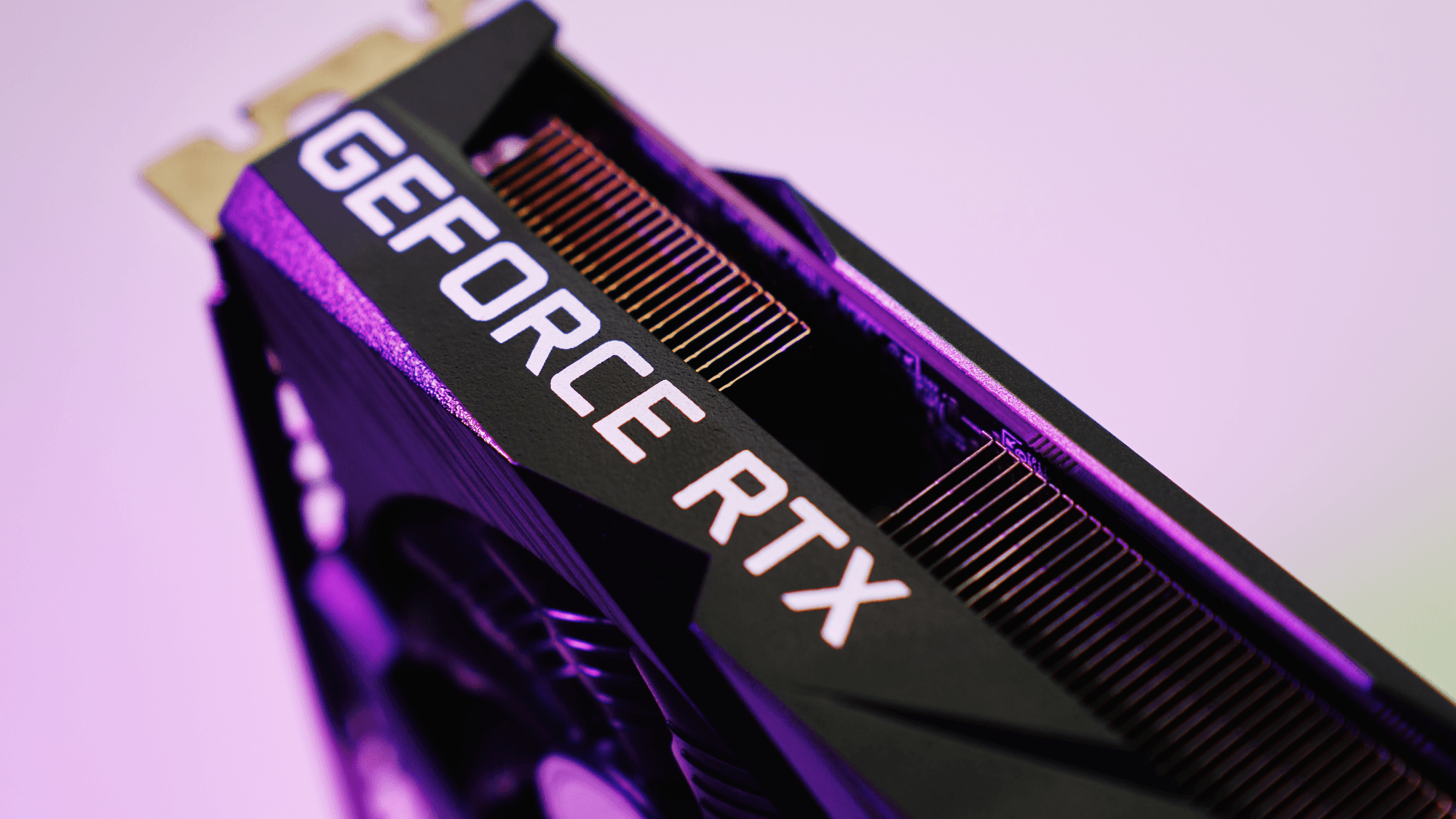
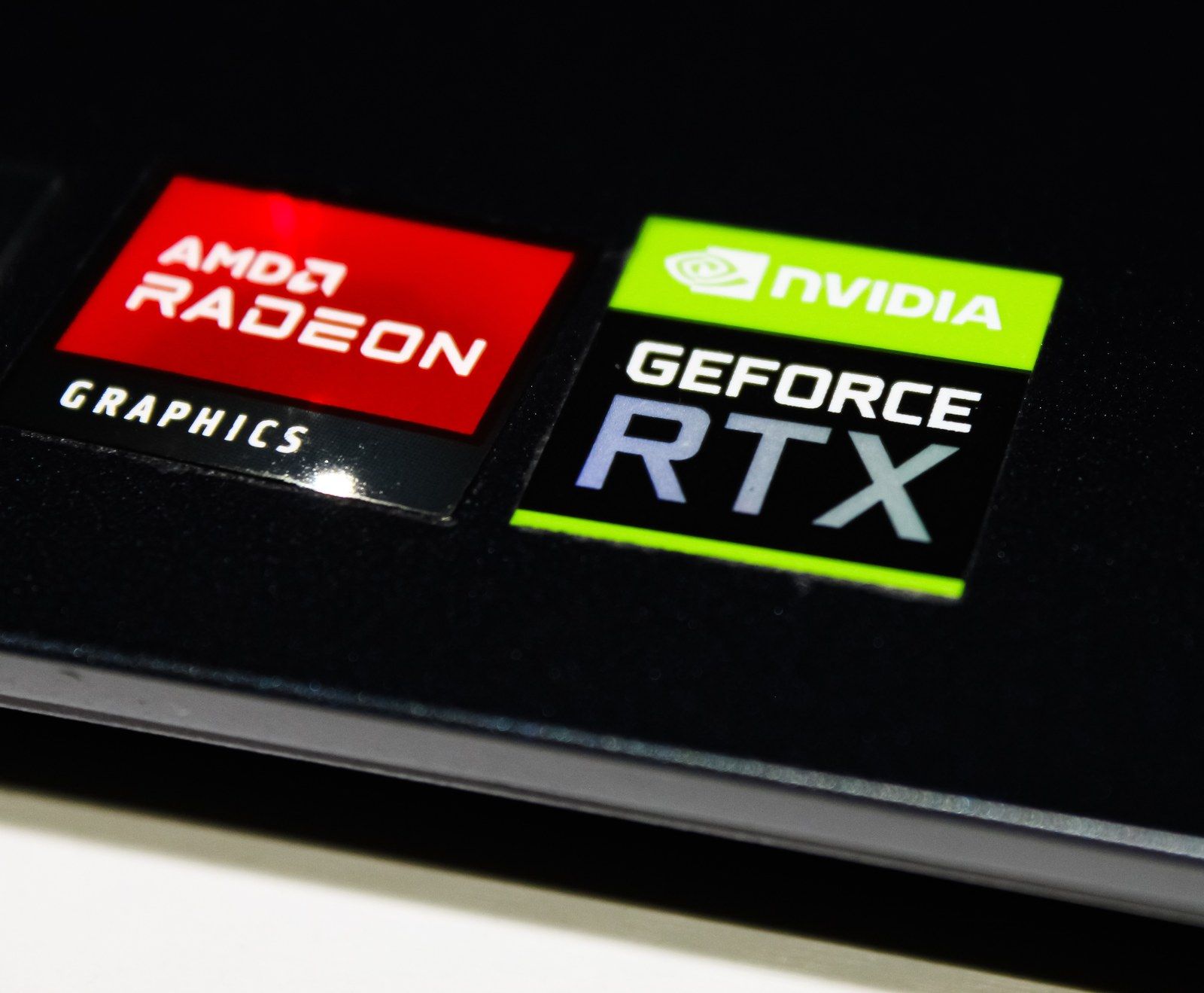
- NVIDIA GeForce RTX: RT Cores accelerate a step in ray tracing called bounding volume hierarchy traversal. NVIDIA lists first-generation RT Cores in the RTX 2080 Ti and fourth-generation RT Cores in the RTX 50 Series.
- AMD Radeon: Ray Accelerators are specialized hardware for ray intersection calculations. AMD lists first-generation ray tracing for RDNA 2, second-generation for RDNA 3 in the RX 7000 Series, and third-generation for RDNA 4 in the RX 9000 Series.
- Intel Arc: Intel says Arc graphics have hardware ray tracing units, in a support article covering A-Series and B-Series cards.
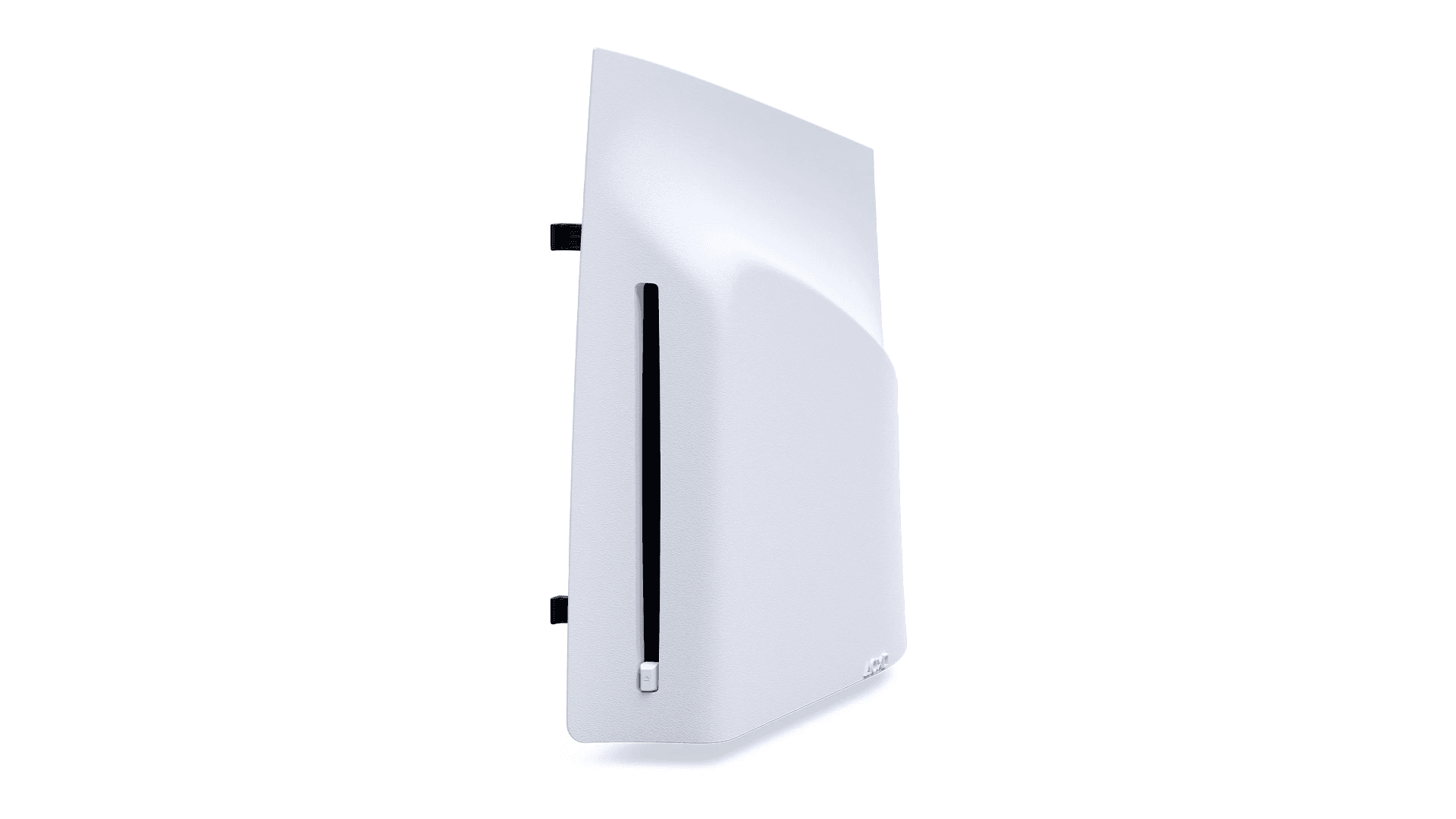
- PlayStation: Sony says hardware ray tracing acceleration is built into the PS5's graphics processor. It lists advanced ray tracing on PS5 Pro, with ray-traced reflections, shadows and global illumination in compatible games.
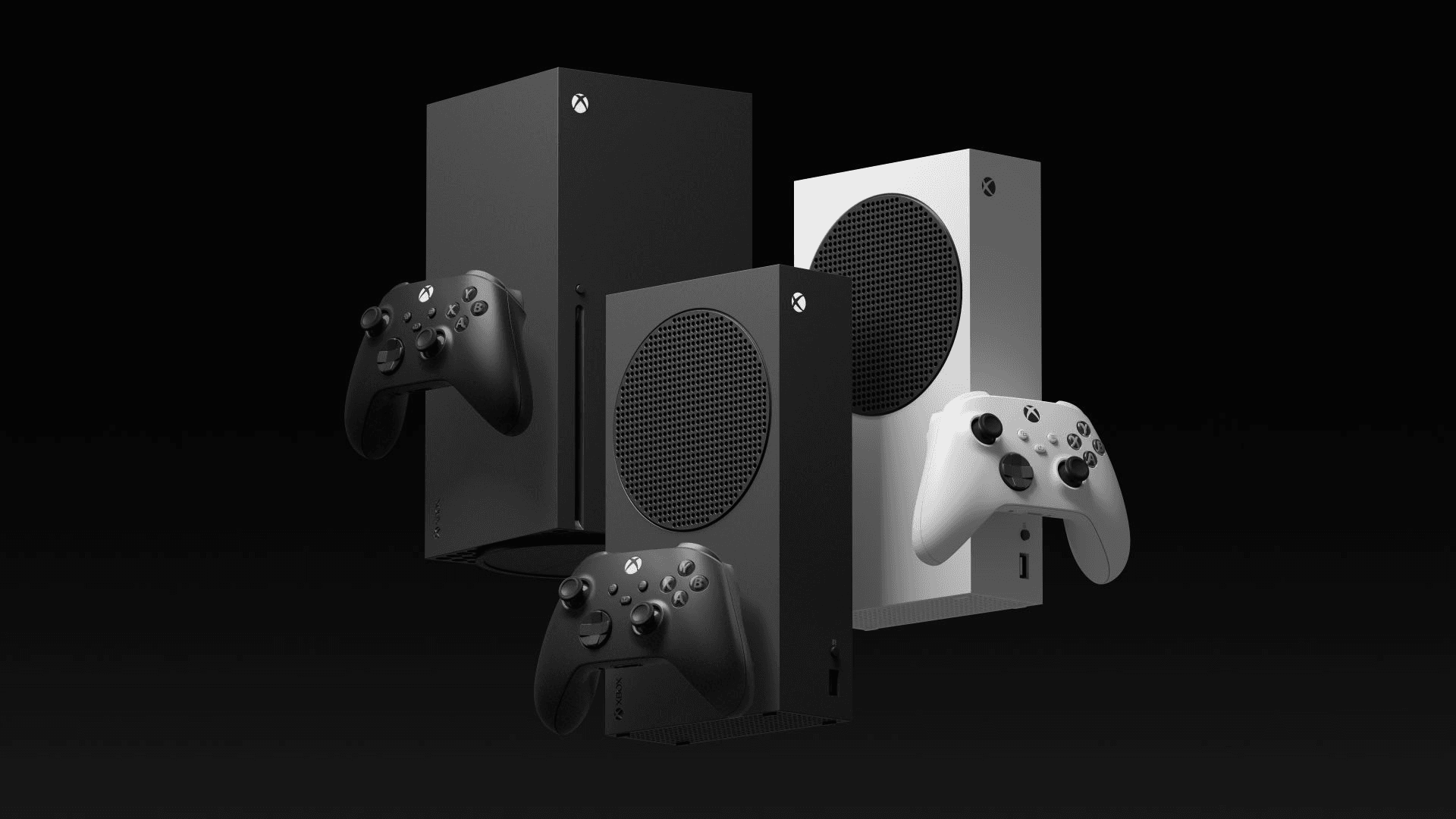
- Xbox: Microsoft lists hardware-accelerated ray tracing as a feature of both Xbox Series X and Xbox Series S.
- Apple: hardware-accelerated ray tracing came to iPhone with the A17 Pro in the iPhone 15 Pro and to Mac with the M3 family, both in 2023. Apple also lists it for later chips, including the A19 in iPhone 17 and the M6.
Hardware support does not mean every game uses it. Sony says PS5 developers choose how to use ray tracing in their games, and that PS5 Pro enhancements vary by game. When it announced the PS5 Pro in September 2024, Sony said the console could cast rays at double, and at times triple, the speed of the existing PS5.
On PC, Intel says developers must integrate ray tracing through DirectX 12 or Vulkan. It adds that a game supporting ray tracing on another brand of graphics card does not automatically support it on Arc.
Where upscaling and frame generation fit
The three PC graphics makers each pair ray tracing hardware with software that rebuilds or adds frames. NVIDIA's DLSS Super Resolution uses AI to reconstruct higher-resolution frames from a lower-resolution input. AMD describes FSR Upscaling, the new name for FSR 4, as a machine-learning upscaler that does the same job. Intel describes XeSS Super Resolution as AI deep-learning upscaling.
Frame generation adds frames instead of pixels. AMD says its version creates intermediate frames between two consecutive rendered frames. NVIDIA says Multi Frame Generation on RTX 50 Series generates up to five frames per rendered frame, and Intel's XeSS 3 offers up to three AI-generated frames on Intel devices only.
Some of these tools target ray tracing directly. NVIDIA says DLSS Ray Reconstruction replaces hand-tuned denoisers with an AI network that reconstructs pixels between sampled rays. AMD describes its Ray Regeneration feature as restoring ray-traced detail from sparse samples.
What to check before you buy
If you are choosing an NVIDIA card, check the DLSS feature list for its series. NVIDIA's table lists Super Resolution and Ray Reconstruction for RTX 20 Series and newer, and Frame Generation for RTX 40 and 50 Series. If you are choosing AMD, its table lists the full Redstone feature set for the RX 9000 Series and above, with upscaling only on specified older cards such as the RX 6000 and RX 7000 Series.
If you own a mixed setup, Intel's XeSS Super Resolution is a cross-vendor option, since Intel says it supports graphics cards with Shader Model 6.4 or later.
Not sure what is in your PC? This guide shows how to check your GPU on Windows. Shoppers can compare Technobezz's picks for the best budget GPUs, and NVIDIA owners can follow these steps to update GPU drivers.