A 4K UHD TV has a 3840 x 2160 pixel panel, and an 8K UHD TV has 7680 x 4320, which is twice as many pixels across and twice as many down. CTA, which publishes the display definitions behind both labels, sets the floor at eight million pixels for 4K and 33 million for 8K. As of November 2026, Samsung lists its QN990F and QN900F 8K TVs as 2025 models and LG lists its QNED99T 8K TV as a 2024 model, while Samsung lists its 2026 QN90H as 4K and Sony labels its 2026 BRAVIA 9 II, 7 II, 6 and 3 II as 4K.
What the 4K and 8K labels require
Under CTA's definitions, including its 8K display definition, a set that carries either label has to accept a native signal at that resolution over HDMI and convert lower-resolution video up to the panel.
- 4K UHD resolution: at least 3840 pixels horizontally and 2160 vertically, with an aspect ratio of 16:9 or wider.
- 4K UHD inputs: one or more HDMI inputs that take 3840 x 2160 content at 24p, 30p and 60p, and at least one with HDCP 2.2 or equivalent protection.
- 8K UHD resolution: at least 7680 pixels horizontally and 4320 vertically within a 16:9 window.
- 8K UHD inputs: HDMI inputs that take 7680 x 4320 progressive video at 10-bit depth and 24, 30 and 60 frames per second, with HDR as specified in ITU-R BT.2100.
- 8K UHD upscaling: the TV must upscale SD, HD and 4K video to 8K.
CTA describes its 8K Ultra HD logo program as voluntary, and logo use could begin with 2020 model products. A second group, the 8K Association, runs its own certification. Its 2019 specification listed 7680 x 4320 resolution, peak luminance above 600 nits, HEVC and HDMI 2.1, and an update that started in January 2022 added decoding requirements, image quality metrics and gaming requirements.
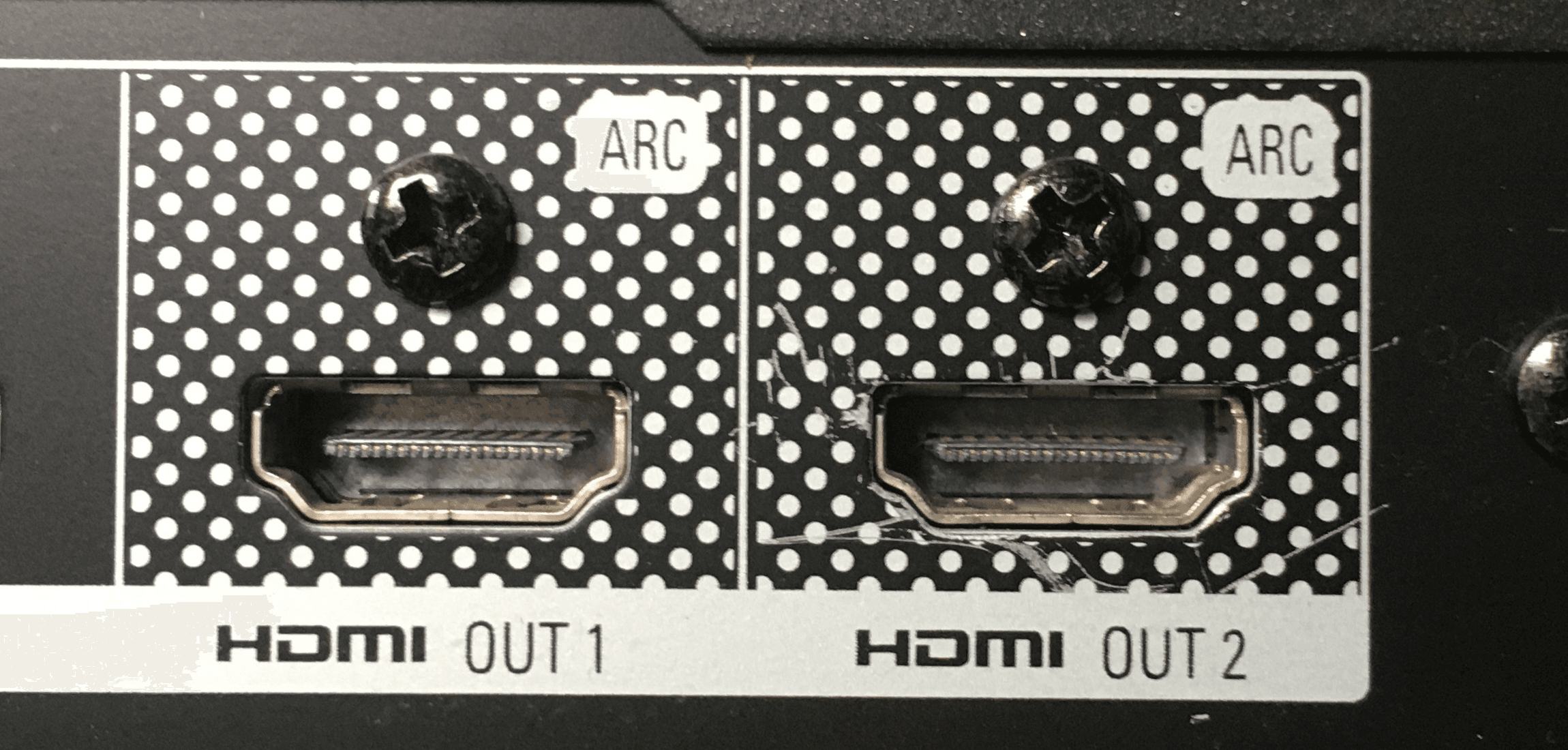
The HDMI connection 8K needs
HDMI Licensing Administrator says the Ultra High Speed HDMI Cable arrived with HDMI 2.1 and supports up to 48 Gbps, which covers 8K at 60 Hz and 4K at 120 Hz. See What Is HDMI 2.1?
The HDMI 2.2 specification raises bandwidth to 96 Gbps. HDMI Licensing Administrator lists uncompressed 8K at 60 Hz with full 4:4:4 chroma, at 10-bit and 12-bit color, among the formats that bandwidth supports.
Which TVs are 8K and which are 4K
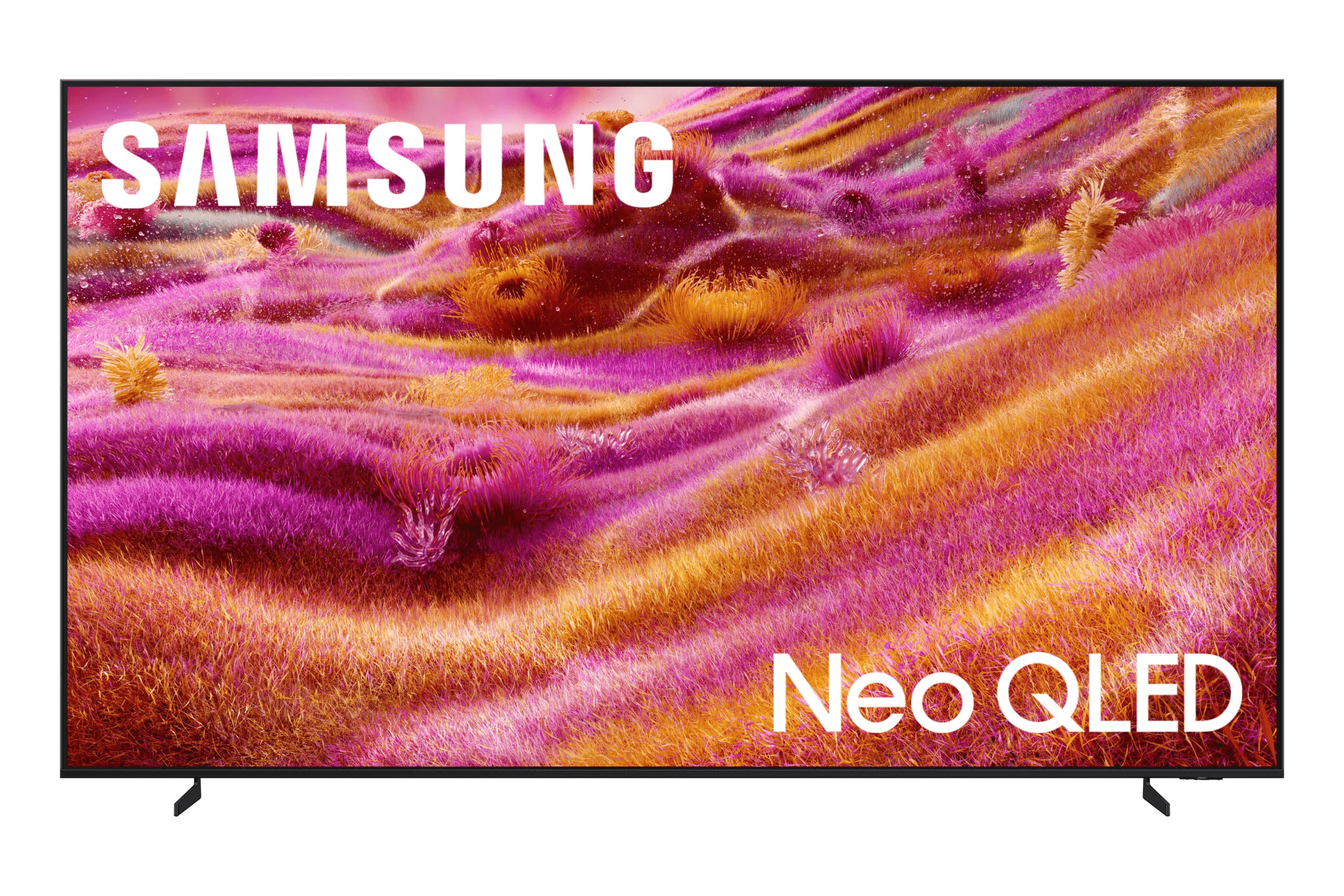
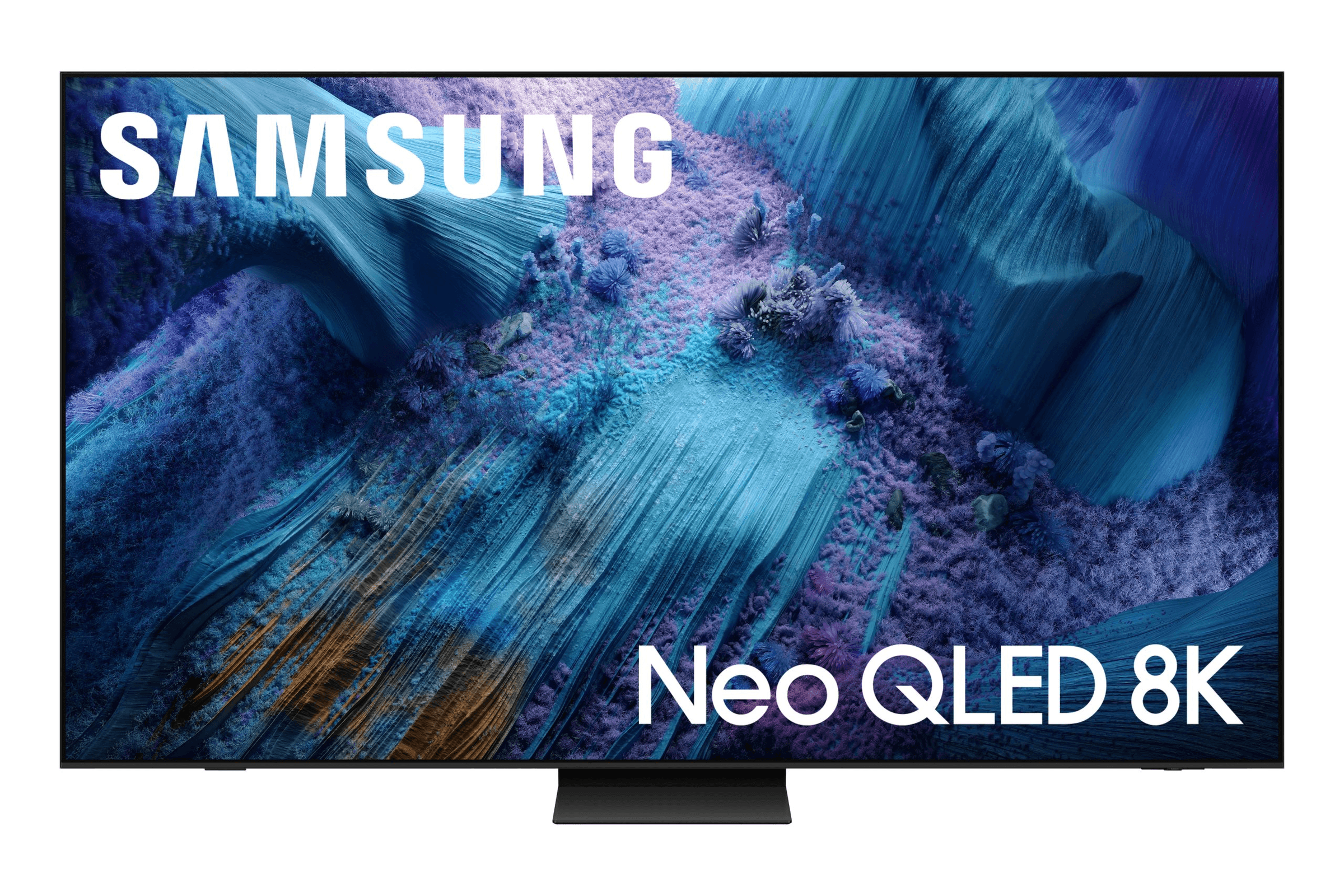
Samsung's US site lists the QN990F and the QN900F as Neo QLED 8K TVs, both identified as 2025 models. The 65 inch page for each model showed "Out of stock" when checked on November 24, 2026. Samsung lists its 2026 Neo QLED QN90H as 4K, and its OLED comparison labels the S95H, S90H and S85H as OLED 4K.
LG's US site lists the 2024 QNED99T as an 8K MiniLED TV in 75 and 86 inch sizes, with a "Find a Retailer" button on each page. LG marks its 77 inch Z3 Series 8K TV as discontinued. Its 4K collection names the OLED W6, G6, C6 and C6H, the Micro RGB evo MRGB95 and the QNED evo Mini LED QNED84B.
Sony's current US catalog labels the BRAVIA 9 II, 7 II, 8 II, 6, 3 II, 8, XR8B, 5, 2 II, 7 and A95L as 4K, and it identifies the BRAVIA 9 II, 7 II, 6 and 3 II as 2026 models. Sony still hosts a specification page for the 2022 XR-75Z9K with a 7680 x 4320 panel. That page is a support record.
Upscaling and 8K sources
Samsung lists 8K AI Upscaling Pro on the QN990F, 8K AI Upscaling on the QN900F and 4K AI Upscaling on the QN90H. LG names AI Super Upscaling on the QNED99T and α11 AI Super Upscaling 4K on the C6, and it states that upscaled image quality varies with the source resolution. Sony's Z9K specifications list XR 8K Upscaling.
The 8K Association's distribution guide describes an NHK 8K satellite deployment in Japan that started in December 2018. In June 2026 the 8K Association announced that Kaleidescape's Strato K movie player was certified for native 8K content.
Which one fits
If you want a 2026 model, Samsung lists its 2026 QN90H as 4K, and Sony labels the BRAVIA 9 II, 7 II, 6 and 3 II, its 2026 models, as 4K. If you want 8K, the 8K listings named here are Samsung's QN990F and QN900F and LG's QNED99T. Confirm stock first, given the "Out of stock" and "Find a Retailer" notices on those pages.
If most of what you watch is HD or 4K, an 8K set will be upscaling it, and LG says upscaled image quality varies with the source resolution. If you plan to send a TV an 8K signal at 60 Hz, check the HDMI input and the cable, because HDMI Licensing Administrator lists the Ultra High Speed HDMI Cable as supporting 8K at 60 Hz. For panel types, see OLED vs QLED TVs.