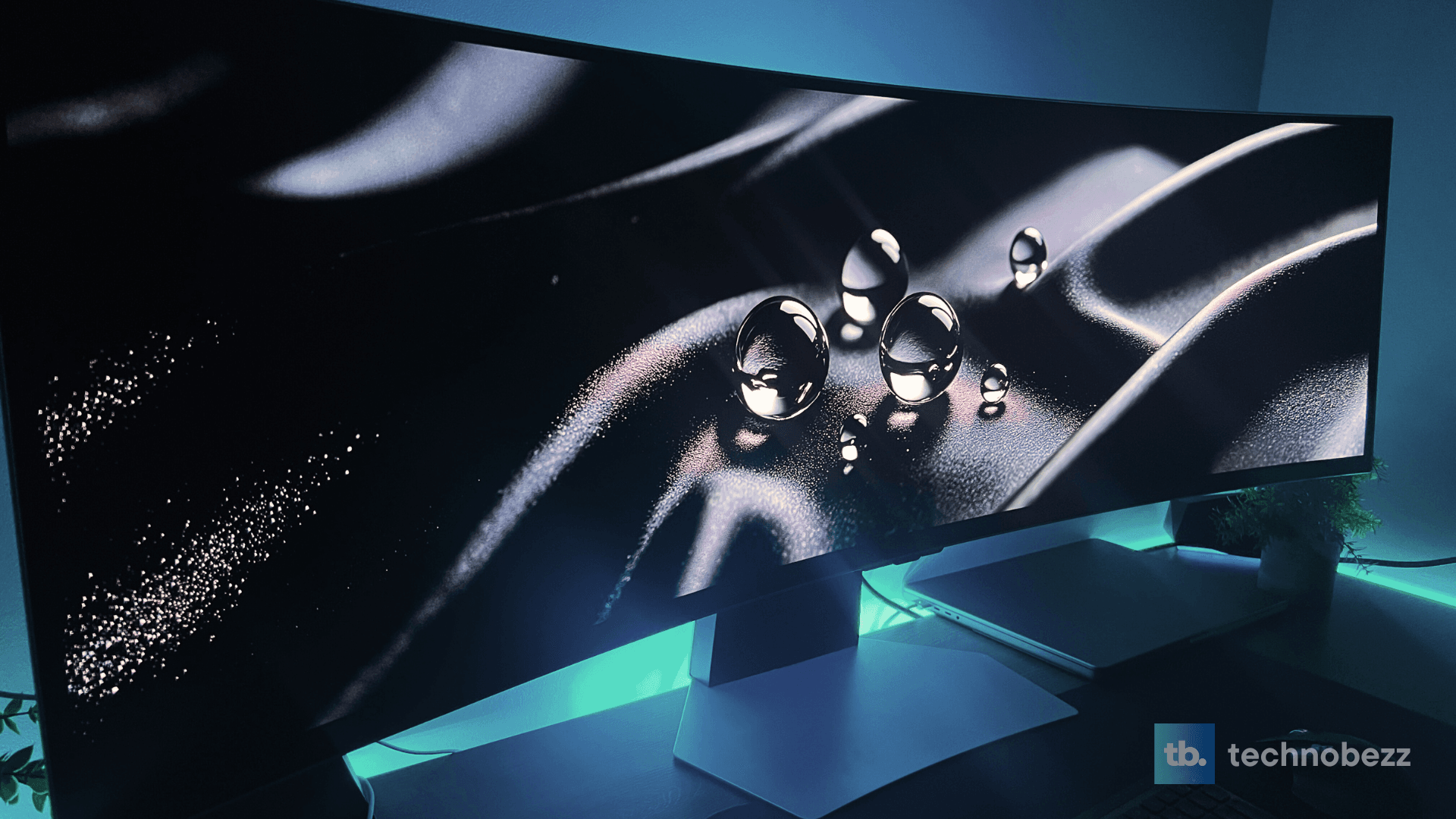
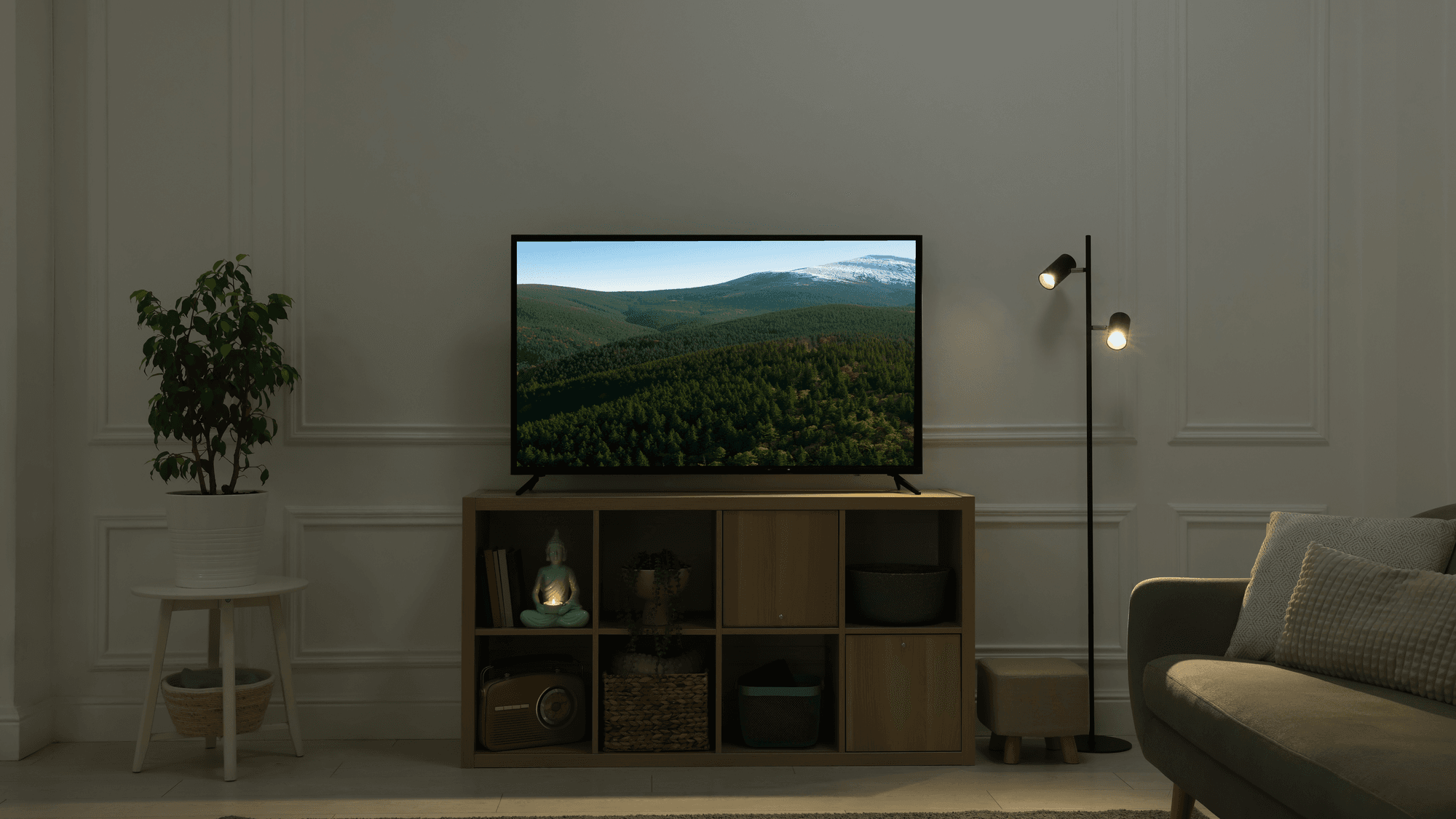
An OLED TV has pixels that make their own light, so it needs no backlight. A QLED TV is an LCD panel lit by LEDs, with a quantum dot layer added. Your room, what stays on screen for hours and your budget are the main things to weigh.
How each one makes a picture
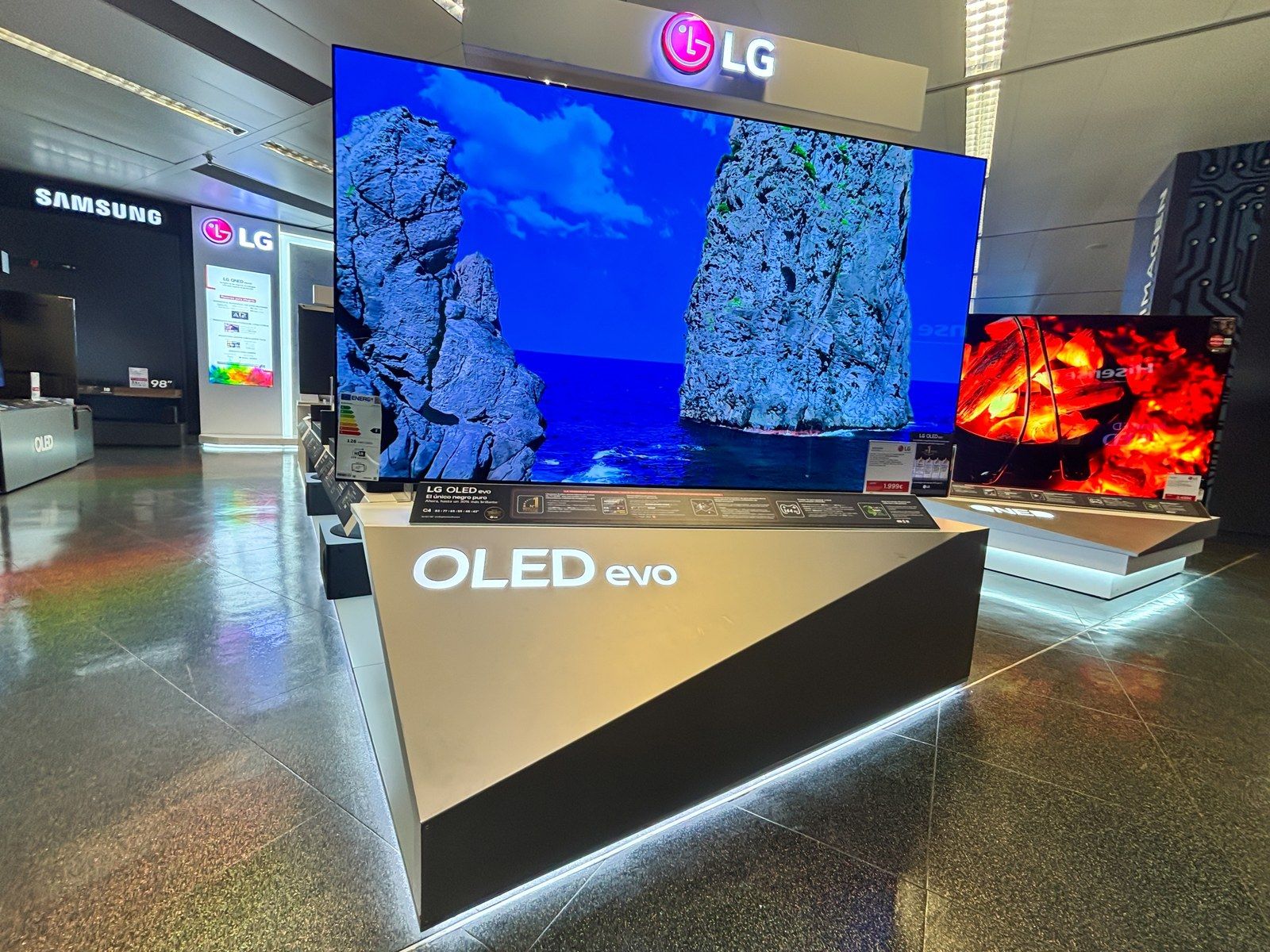
Samsung's US buying guide says OLED pixels produce their own light with no separate backlight and can switch on or off individually. Sony describes millions of self-illuminating pixels. LG says its 2026 OLED evo G6 uses more than 8.3 million self-lit pixels.
QLED works differently. Samsung describes it as a traditional LCD panel lit by LEDs with a quantum dot layer added. Sony's buying guide puts it as an LED backlight shining through a quantum dot layer.
Two more labels sit close by. Samsung defines Mini LED as a backlight built from LEDs smaller than standard ones, with local dimming zones that are controlled independently. Neo QLED is Samsung's name for TVs that combine Mini LED backlighting with quantum dots. Sony also sells QD-OLED, which it describes as self-lit OLED pixels combined with quantum dots.
Black levels, brightness and glare
Samsung says each OLED pixel can switch off by itself, and it publishes VDE "Real Black" conditions for its OLED line that include a black level at or below 0.005 nit in a dark room. A QLED TV keeps LEDs behind the screen, and Samsung says Mini LED models control that light in local dimming zones.
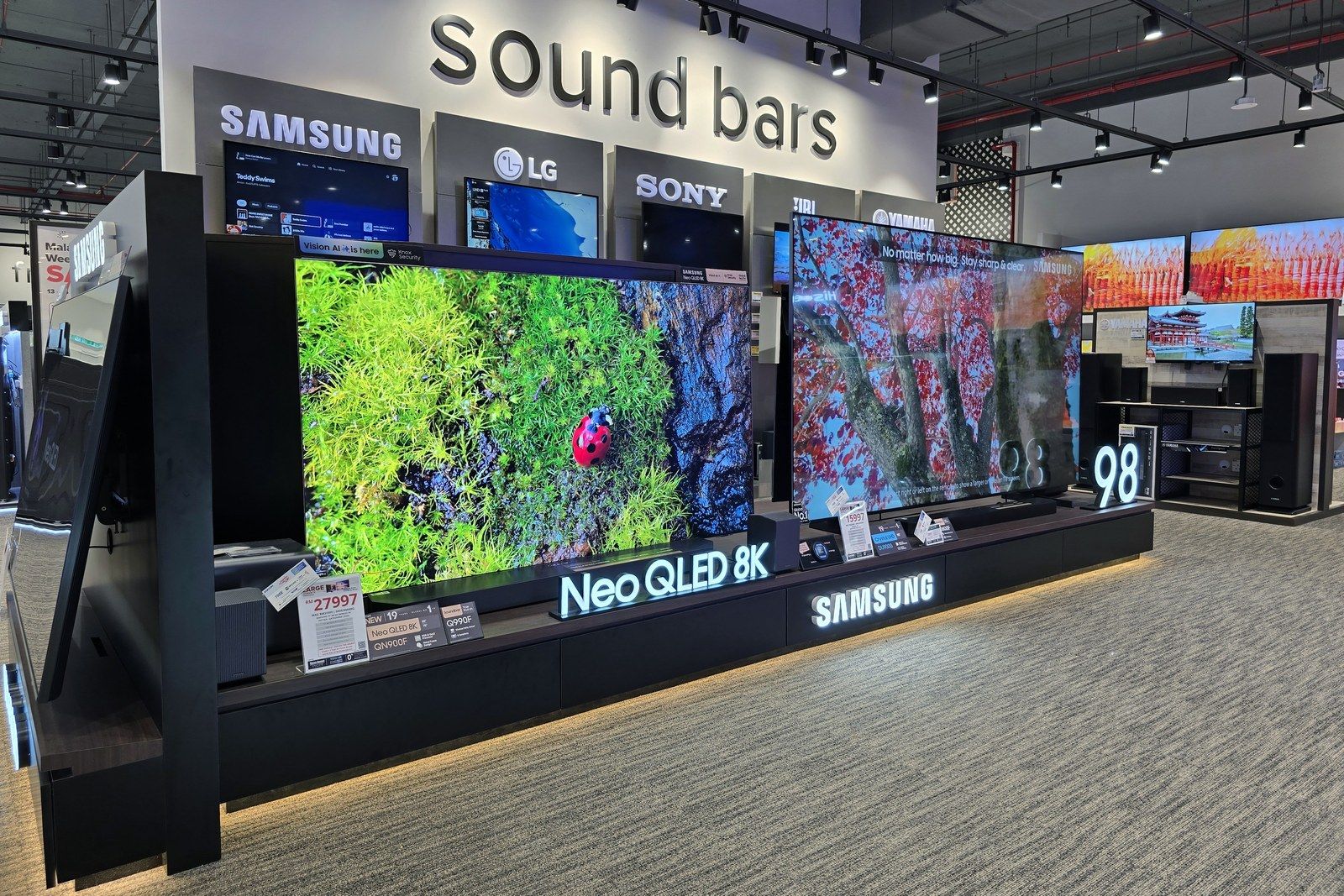
Samsung calls its 2026 S95H and S90H OLEDs "brighter than ever before". LG's global newsroom says Brightness Booster Ultra on the W6 and G6 OLEDs reaches up to 3.9 times the peak brightness of conventional OLED, measured internally with a 3% window, and that brightness varies by model, screen size and market. On the backlit side, Samsung says the QN80H Neo QLED uses full-array Mini LEDs and controlled lighting zones to deliver brightness and contrast.
Samsung says the Glare Free screen on the S95H and S90H reduces reflections from windows and overhead lights. The same LG global post says the Reflection Free Premium screens on the W6 and G6 reflect about 0.5%, with a footnote that excludes 97-inch and 48-inch models.
Burn-in and warranty terms
Samsung says static images or logos can cause burn-in on OLED over time. Sony's support page says an OLED screen may retain images when the same picture stays up or keeps repeating, and it lists static logos, games with static content, menus, tickers and black bars as causes. LG says burn-in remains technically possible but is no longer a major everyday concern for most users under normal viewing conditions.
For QLED, Samsung says the inorganic materials reduce stress on the screen and help prevent burn-in.
Warranty terms differ by maker. LG lists the 2026 W6 and G6 as eligible for a five-year panel warranty: panel, parts and labor in year one, then the panel only in years two through five, with labor charged. LG's G6 FAQ says burn-in or image retention coverage depends on the cause and the Limited Warranty terms. Samsung's US warranty covers manufacturing defects and excludes brightness changes tied to normal aging. The Sony warranty linked from its BRAVIA 8 II support page runs one year in the US and Canada and excludes issues caused by limitations of technology.
2026 models and starting prices
These are regular US prices before tax for the smallest size in each series, from the makers' own pages as of November 2026. Stores often sell below them during sales.
- Samsung OLED: the S85H lists at $1,199.99 for 48 inches, the S90H at $1,399.99 for 42 inches and the S95H at $2,499.99 for 55 inches.
- LG OLED evo: LG's launch MSRPs started at $1,399 for the C6 and $2,499 for the G6, and the W6 is $5,499.99 for 77 inches (LG's list price at launch). The C6 comes as small as 42 inches and the G6 starts at 55 inches.
- Sony OLED: the 48-inch BRAVIA 6 is $1,299.99 (Sony's MSRP at its US launch, August 2026).
- Samsung Neo QLED: the QN70H lists at $599.99 for 43 inches and the QN80H at $1,099.99 for 55 inches, against a $1,299.99 launch price. The QN1EH lists at $1,199.99 for 65 inches.
- Samsung QLED: the Q8F, Q7F, Q6F and QEF1 pages are labeled 2025 models. The Q7F lists at $399.99 for 43 inches, a size marked out of stock.
Which one fits
If you mostly watch in a dark room, OLED fits, because its pixels switch off individually. If the same logo, ticker or game menu sits on screen for hours, QLED fits better on paper, since Samsung and Sony both tie static images to OLED burn-in or image retention. If price decides it, the lowest 2026 starting prices in this list are Neo QLED, starting with the 43-inch QN70H at $599.99.
If you choose OLED and want panel cover past the first year, LG's G6 and W6 carry the five-year terms above.