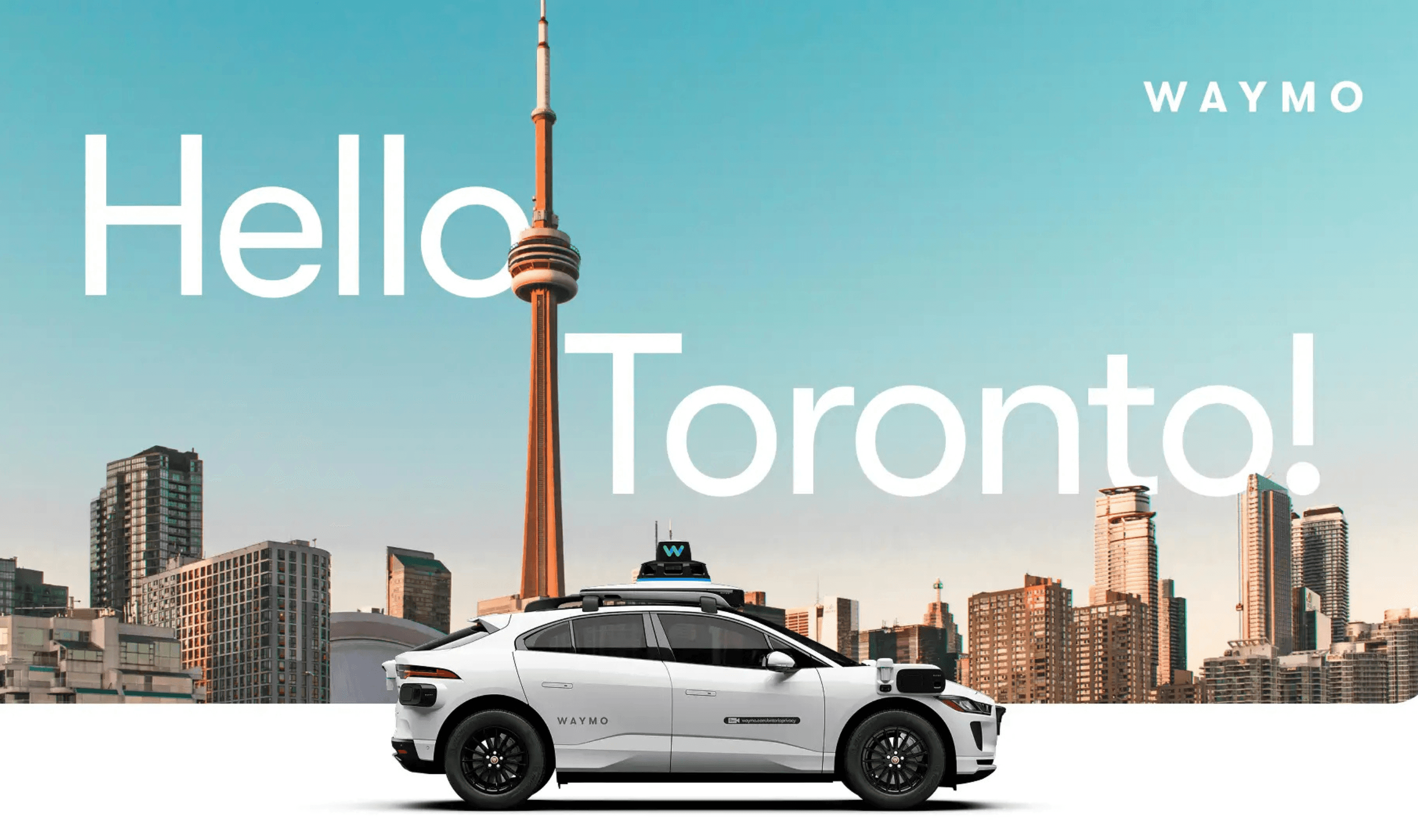
Waymo plans to bring autonomous ride-hailing to Toronto, targeting 2028 to begin carrying passengers as it prepares to enter Canada. Its vehicles are scheduled to begin human-driven trips around the city within days, starting the road work needed before riders can use the service. The company says it also plans to spend on facilities and hiring to support the planned operation.
The initial work will include creating detailed digital maps of Toronto roads, followed by tests with trained autonomous specialists at the controls. Waymo says this staged process will help validate how the Waymo Driver handles the city's particular road conditions. Toronto fares have not been disclosed.
Read more: Waymo launches fully autonomous robotaxi service in Nashville
Element Fleet Management will handle fleet management for the Toronto service, giving Waymo a local operating partner headquartered in the city. Waymo says it and its partners, including Element, intend to support hundreds of jobs over time, with work ranging from vehicle upkeep and customer support to driving during validation and other operational duties.
The Element arrangement extends Waymo's Canadian business relationships, which already include manufacturing partner Magna International. The Canada Pension Plan Investment Board is also a longstanding investor in Waymo, linking the company's planned Canadian service to an existing financial relationship.
Waymo describes the Waymo Driver as capable of operating in all weather and says the service could supplement Toronto's transit and cycling options. The company cites more than 400 million kilometres of fully autonomous driving and says its vehicles experienced 95% fewer crashes resulting in serious injury or worse than human drivers in cities where it operates.
On accessibility, Waymo is working with organizations including CNIB and BALANCE for Blind Adults, alongside other mobility and accessibility advocates. Michelle McQuigge, CEO, BALANCE for Blind Adults, welcomed the early engagement and said Waymo's previous work with people with sight loss was encouraging.
The Toronto plan follows Waymo's September 17 announcement that it intended to expand to Singapore, another step in its international expansion.