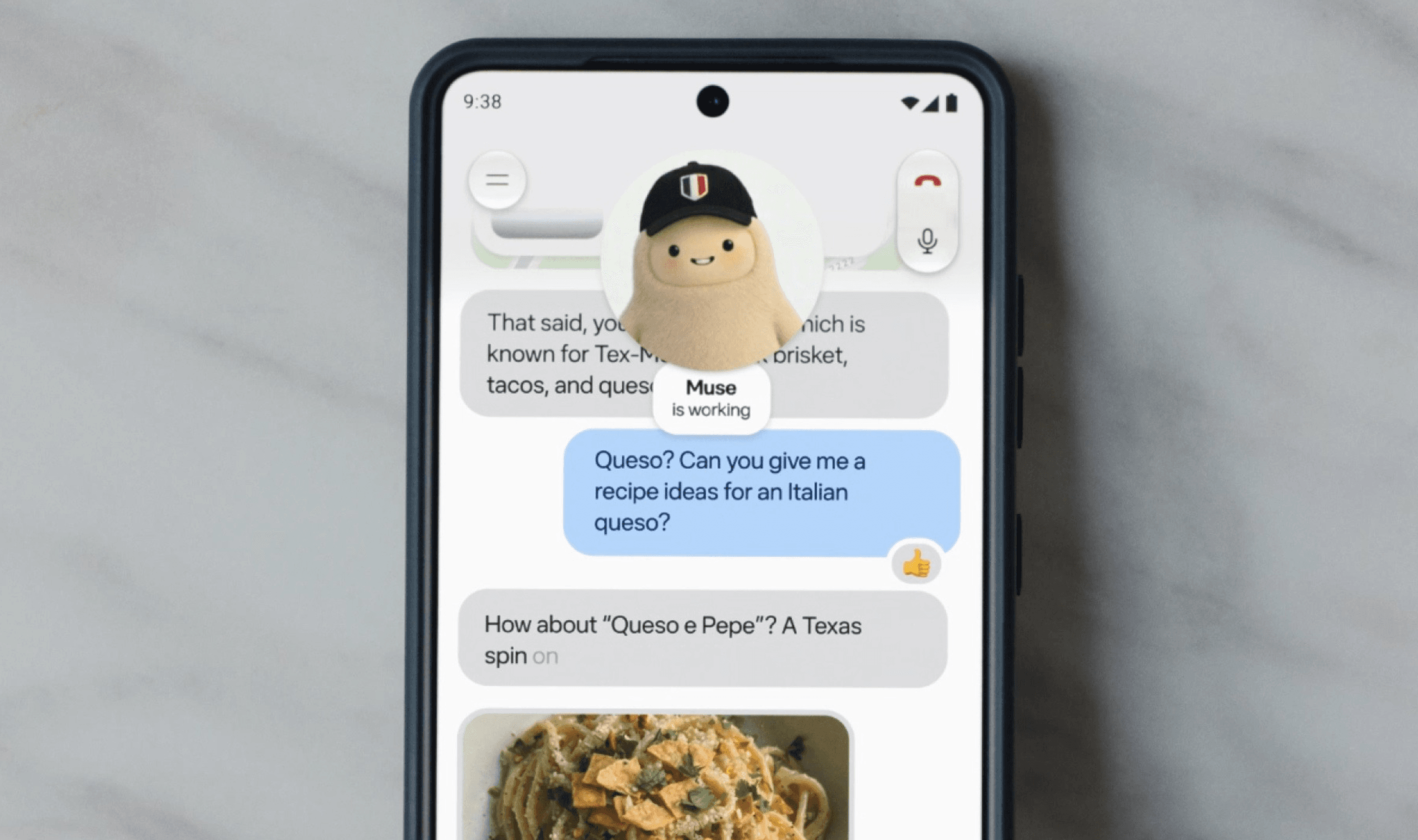

Meta’s Muse is adding spaces today, letting users describe a custom planner, tracker or game and have the assistant build it inside the app. The feature is available wherever Muse is offered, and users can return to their creations instead of starting again each time. Meta says users can revise a space’s appearance, add capabilities or change its behavior as they use it.
Users can put spaces in the sidebar or give them a place among the app’s main tabs, depending on how prominently they want them displayed. They can also hide a space temporarily or arrange for it to appear on a schedule. A planner for workdays, for instance, could give way to a space for weekend activities on Saturday.
Read more: Meta Releases Muse Spark Open With Mac Studio Optimization
Meta says connecting other apps lets spaces refresh information in the background, including changes to prices, concert schedules or progress toward savings goals. Users can mark tasks complete, write notes and edit information directly within a space, with those changes retained for their next visit. The company’s proposed uses range from personal planning and entertainment to managing customer orders or freelance projects.
For families, Meta suggests a school dashboard that identifies relevant events in school email and puts them on a calendar. Another example combines gift planning with saved Instagram wishlists, Marketplace sale listings and messages from buyers. For a small business, a space could gather incoming orders and customer correspondence while showing which items need shipping that day, according to Meta.
Spaces are currently personal experiences; Meta says it is investigating ways to let people share them and collaborate. The company is also rolling out specialized model variants in Muse, drawing on lessons from Muse Wonder. Meta says those models are intended to improve the broader Muse experience.
The addition follows Muse’s voice chat rollout across mobile, web and Mac, which starts in the US and offers hundreds of voice choices. Muse also reached Singapore last month through iOS, Android and muse.ai, with connections to services such as Grab, Shopee and Singapore Airlines, although some local connector experiences were set to arrive in stages.