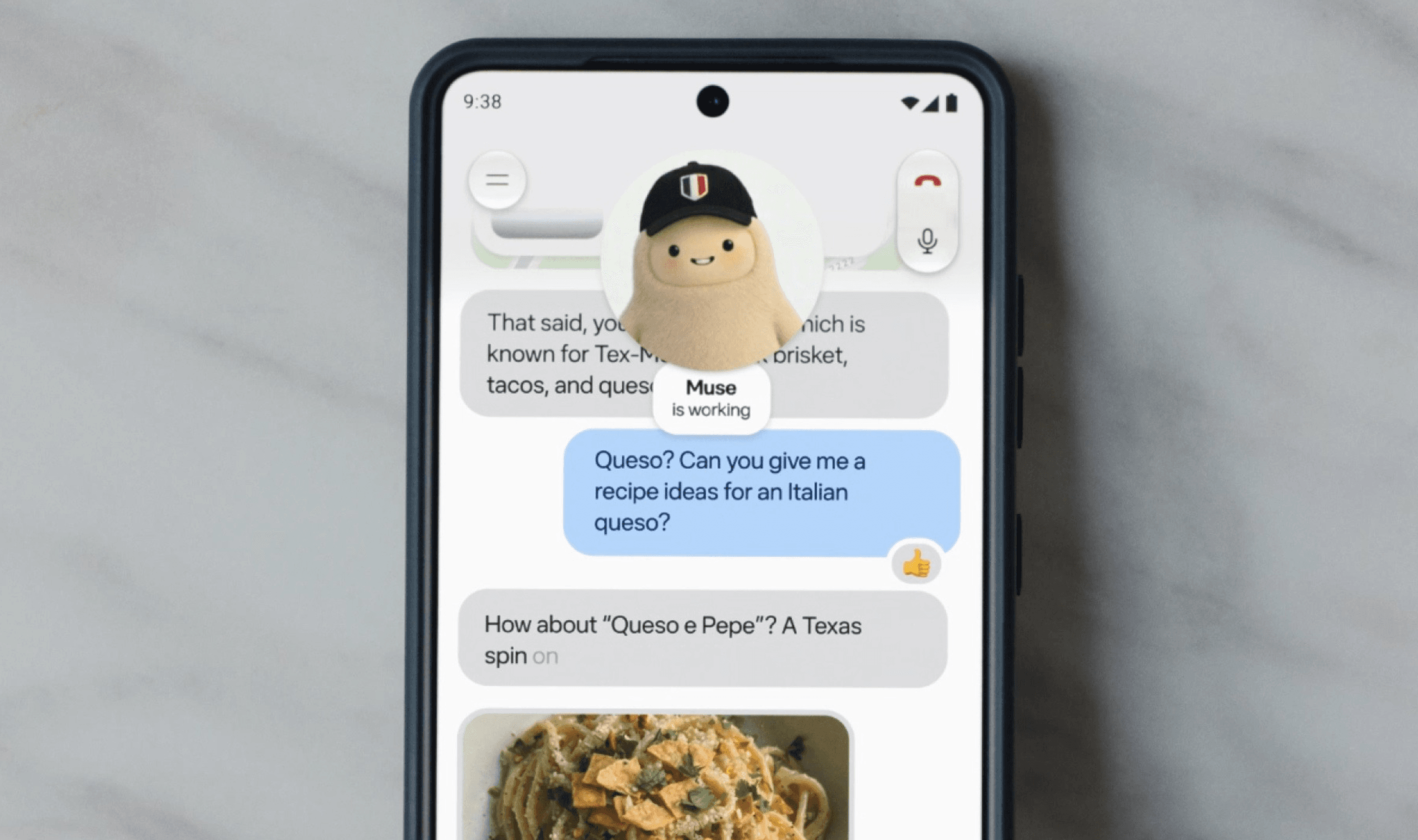

Meta is bringing Active Memory and Active Focus from Muse Wonder to specialized models powering Muse and Meta AI, aiming to help them recall useful information and handle tasks when problems arise. The company reports a 67% improvement for Muse in finishing everyday tasks that encounter unexpected obstacles, though it gives no rollout timetable.
Active Memory is intended to help the assistants draw on earlier conversations when information becomes useful again. Meta says it trained the models to separate temporary details from lasting information, assess how relevance changes over time and identify information that is no longer useful. In its Active Memory evaluation, the current Muse model used critical context correctly on 90% of tasks, compared with 76% for its predecessor.
Read more: Meta Releases Muse Wonder With Memory Across Conversations
Meta also reports a 2.4x reduction in Muse forgetting information needed to help users reach their goals. On the company's Personal Superintelligence Index, the current Muse model scored 47%, against 38% for the previous model. Those reported gains concern Muse models; Meta describes improvements for Meta AI without giving a separate numerical result for that assistant.
Active Focus is designed to keep Muse pursuing a goal through unexpected difficulties. Meta says training exposed the models to practical obstacles so they could make further attempts, recover from setbacks or pursue another approach. The specialized models also draw on Muse Wonder's ability to manage multiple tasks and judge when to work independently or involve the user.
Meta says Muse can better absorb corrections and clarifications while a task is underway. For Meta AI, the company says the improvements support breaking complicated problems into steps, asking more useful follow-up questions and following a conversation when the user changes direction.
The model changes follow a separate Muse voice rollout starting in the US across mobile, web and Mac, offering hundreds of voices and an optional responsive avatar. Muse also launched in Singapore with shopping and travel connections, including Grab, Shopee and Singapore Airlines, with some connector experiences set to arrive in stages. For that launch, Meta described most everyday uses as free and offered subscriptions for users seeking more.