A screen that is too dim outside or too bright at night gets irritating fast. The fastest fix is usually one swipe, one key, or one brightness slider. Current brightness controls cover the devices people use most, plus the settings that handle automatic brightness, extra dimming, and external displays.
1. Start with phone and tablet brightness controls
Phones and tablets put brightness where you can reach it quickly.
iPhone or iPad - Open Control Center, then drag the Brightness bar up or down.
On an iPhone with Face ID (iPhone X and later, except iPhone SE) and on iPad, swipe down from the top-right corner.
On an iPhone with a Home button (any iPhone SE, or iPhone 8 and earlier), swipe up from the bottom edge.
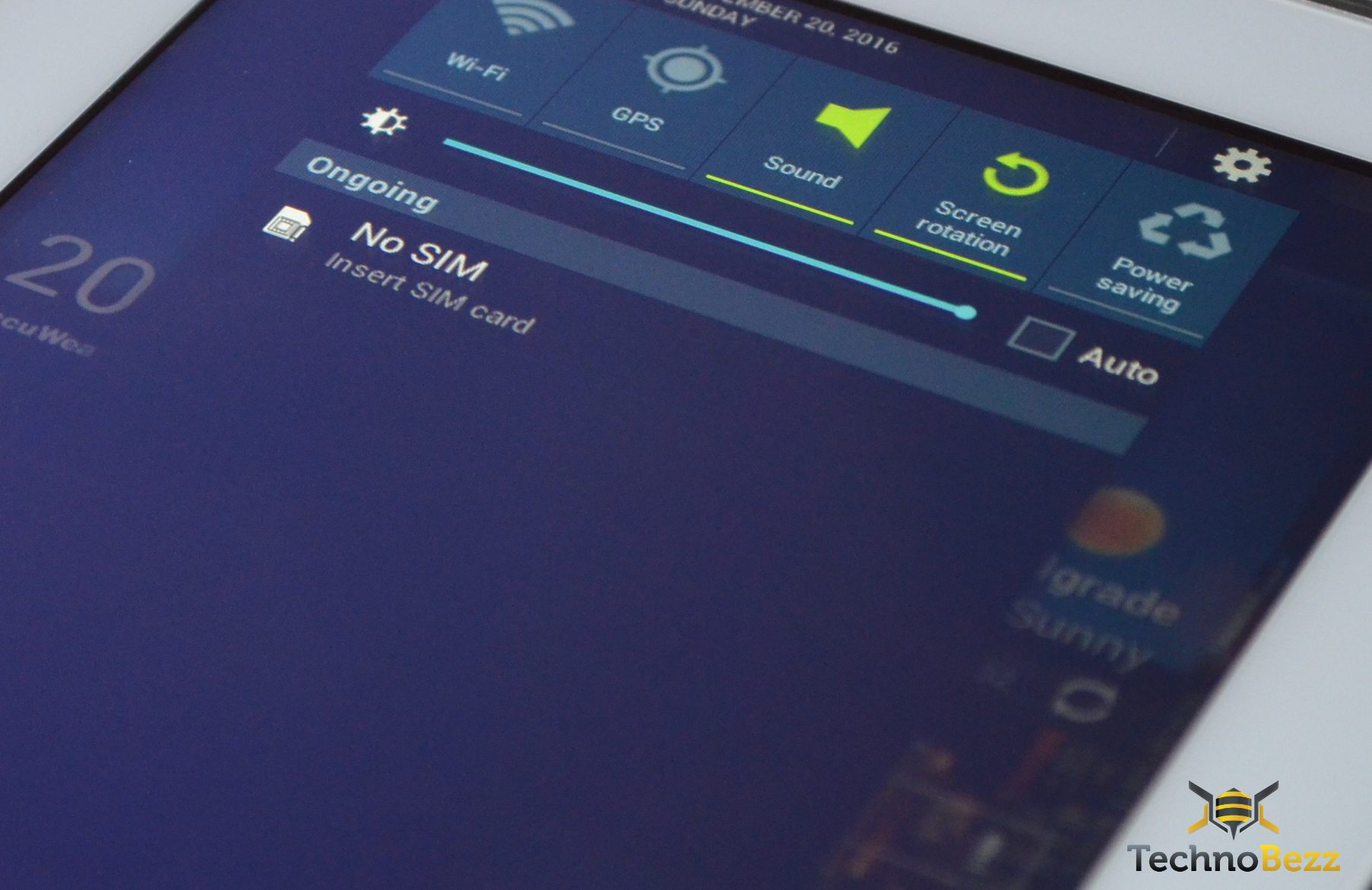
Google Pixel or Android - Swipe down with two fingers from the top of the screen, then move the Brightness slider left or right.
Samsung Galaxy - Swipe down from the top-right corner to open the Quick panel, then drag the Brightness slider left or right.
Amazon Fire tablet - Open Settings > Display > Brightness Level, then move the slider.
Use these first when the screen suddenly looks wrong. On Samsung Galaxy phones and tablets, touch and hold the Brightness slider to open related brightness options.
2. Set automatic brightness on iPhone and Android
iPhone or iPad: Open Settings > Accessibility > Display & Text Size, scroll to Auto-Brightness, then turn it on or off.
Google Pixel: Open Settings > Display & touch > Adaptive brightness, then turn on Adaptive brightness.
Samsung Galaxy: Open Settings > Display, then tap the switch next to Adaptive brightness.
You can also open Quick panel, touch and hold the Brightness slider, then tap the switch next to Adaptive brightness.
If the screen keeps changing at the wrong time, adjust the automatic brightness setting instead of fighting the slider all day. For manual control on iPhone or iPad, open Settings > Display & Brightness and drag the brightness slider. On Samsung Galaxy, the same manual slider is under Settings > Display.
3. Make the screen easier on your eyes
Lowering the main brightness slider is not the only option when a screen still looks too bright.
iPhone or iPad - Open Settings > Accessibility > Display & Text Size, then turn on Reduce White Point.
This lowers the intensity of bright colors.
Android - Open Settings > Accessibility, then turn on Extra dim.
On Pixel 10 and later, use Extra dim from the brightness slider in Quick Settings.
Samsung Galaxy - Swipe down with two fingers, then tap Extra dim.
Touch and hold Extra dim to adjust Intensity, enable Extra dim shortcut, or use Turn off after restart.
Need the opposite on a supported Samsung phone? Open Settings > Display, turn Adaptive brightness off, then tap the switch next to Extra brightness.
4. Adjust brightness on Windows 11
On a Windows 11 laptop or tablet with a supported built-in display, select the Network icon on the right side of the taskbar, then move the Brightness slider.
The full Settings path is just as direct: open Start > Settings > System > Display, then move the Brightness slider.
For automatic behavior, open Start > Settings > System > Display > Brightness.
Turn on Change brightness automatically when lighting changes on PCs with an ambient light sensor.
On supported Windows 11 PCs, set Change brightness based on content to Off, Always, or On Battery Only.
On battery-powered Windows 11 devices, open Settings > System > Power & battery > Energy saver, then use Lower screen brightness when using energy saver.
5. Change brightness on a Mac or Chromebook
Mac: Press the Increase Brightness key or Decrease Brightness key.
On some keyboards, these are the F1 and F2 brightness keys.
Mac Settings: Open Apple menu > System Settings > Displays, then drag the Brightness slider.
Mac automatic brightness: On a Mac or display with an ambient light sensor, open Apple menu > System Settings > Displays, then turn on Automatically adjust brightness or Ambient light compensation.
If you don't see the option, adjust the brightness manually.
Chromebook: Press the Decrease screen brightness key or Increase screen brightness key on the top row.
Chromebook Quick Settings: Select the time at the bottom right, then drag the Brightness slider left or right.
Macs and Chromebooks usually make brightness a keyboard job first. On a Chromebook, Battery Saver can lower display brightness as part of power saving. Select the bottom-right battery area, then open Settings > System preferences > Power and turn Battery Saver on or off.
6. Use monitor controls for external displays
If the brightness slider is missing, check what kind of screen you are using.
Windows external monitor - Use the monitor's physical buttons or built-in menu system to adjust brightness.
Apple external display - Press the Mac keyboard brightness keys, or open Apple menu > System Settings > Displays and use the brightness control.
Third-party display on Mac - Use the display's built-in controls and menu system.
Windows brightness controls apply to supported built-in displays, so desktop PCs and many external monitors use the monitor hardware instead. On work or school Windows devices, display settings can be restricted by an administrator. If the normal display controls are hidden or locked, contact your organization.
7. Tune brightness on watches and small screens
Apple Watch - Open Settings > Display & Brightness, then tap the brightness controls or turn the Digital Crown.
You can also open the iPhone Apple Watch app, then go to My Watch > Display & Brightness.
Samsung Galaxy Watch - Open Settings > Display > Brightness.
You can also open Galaxy Wearable > Watch settings > Display > Brightness, or swipe down on the watch and tap the Brightness icon.
Wear OS watch - Wake the watch, swipe down from the top, then open Settings > Display > Adjust brightness.
Kindle e-reader - Use the brightness scale or the + and - buttons.
Long press + or - to maximize or turn off the front light.
Google Smart Display - Swipe up, then change Brightness.
Tap Brightness to use automatic brightness.
Google Smart Clock - Swipe up, then tap Brightness.
To set a minimum level, open Settings > Display settings > Minimum brightness.
Echo Show - Swipe down from the top, open Settings > Display & Appearance > Display, then use the Brightness slider.
Turn on Adaptive Brightness for automatic adjustment.
Watches, e-readers, and smart displays keep their brightness controls inside device-specific display menus.
8. Separate screen brightness from video brightness
Some settings make a video, camera feed, or TV picture look brighter without changing the device's main screen backlight.
Apple TV - Open Settings > Accessibility > Display, then use Display Accommodations.
Light Sensitivity changes overall brightness, and Reduce White Point changes bright colors.
Fire TV Smart TV - Press and hold Home or Settings on the Fire TV remote until Quick Settings appears, then open Picture and change the sliders and picture settings.
Windows camera image - Open Start > Settings > Bluetooth & devices > Cameras > Connected cameras, select the camera, then use the available camera controls such as Brightness.
Microsoft Teams video - Before a meeting, select Open device settings > Video Settings, then turn on the filter you want, including Adjust brightness.
Samsung Galaxy video - Open Settings > Advanced features > Video brightness, then choose Normal or Bright.
For Fire TV, this applies to Fire TV Smart TVs. A Fire TV streaming stick connected to a separate TV uses the TV's own picture controls.
Frequently Asked Questions
Why is my brightness slider missing on Windows?
The Windows brightness slider appears on supported built-in displays. For a desktop PC or external monitor, use the monitor's physical buttons or built-in menu system.
Where is Auto-Brightness on iPhone?
Open Settings > Accessibility > Display & Text Size, scroll to Auto-Brightness, then turn it on or off. Apple says Auto-Brightness is on by default.
Why can't I turn on Extra brightness on my Samsung Galaxy?
Samsung says Extra brightness is unavailable while Adaptive brightness is on. Open Settings > Display, turn Adaptive brightness off, then turn on Extra brightness on supported phones.
Does video brightness change the whole screen?
No. Samsung Video brightness, Microsoft Teams Adjust brightness, and Windows camera brightness change video or camera appearance, not the display backlight.