
WhatsApp says personal messages and calls between WhatsApp Messenger users are end-to-end encrypted automatically, and that it cannot read or listen to them. Its own documents also show the limits of that protection. The privacy policy lists the account, usage and device data WhatsApp collects, some business chats fall outside end-to-end encryption, and encrypted backups are a setting you turn on yourself.
What is encrypted by default
WhatsApp says personal messages and calls between WhatsApp Messenger users are end-to-end encrypted automatically. WhatsApp says it finished rolling out end-to-end encryption in 2016, using the Signal Protocol designed by Open Whisper Systems.
The privacy policy says delivered messages are deleted from WhatsApp's servers. Undelivered messages can stay there in encrypted form for up to 30 days.
Where business chats and backups differ
WhatsApp considers chats with the WhatsApp Business app end-to-end encrypted by default. After a business receives a message, WhatsApp says it can let employees or vendors process it and can use it for marketing.
WhatsApp does not consider business messages end-to-end encrypted when the business uses certain optional services, including message storage and responses managed by Meta. These services are identified in the chat. When a business uses AI from Meta to help with replies, Meta receives those chats to generate responses and improve AI quality, and WhatsApp shows a label.
Backups are a separate setting. WhatsApp's privacy page says you can turn on end-to-end encrypted backups for messages saved in iCloud or Google Drive.
What the privacy policy says WhatsApp collects
The privacy policy for users outside the European Region and the UK, effective January 4, 2021, requires a mobile number and a profile name. Uploading contacts is optional, and it gives WhatsApp the phone numbers in your address book.
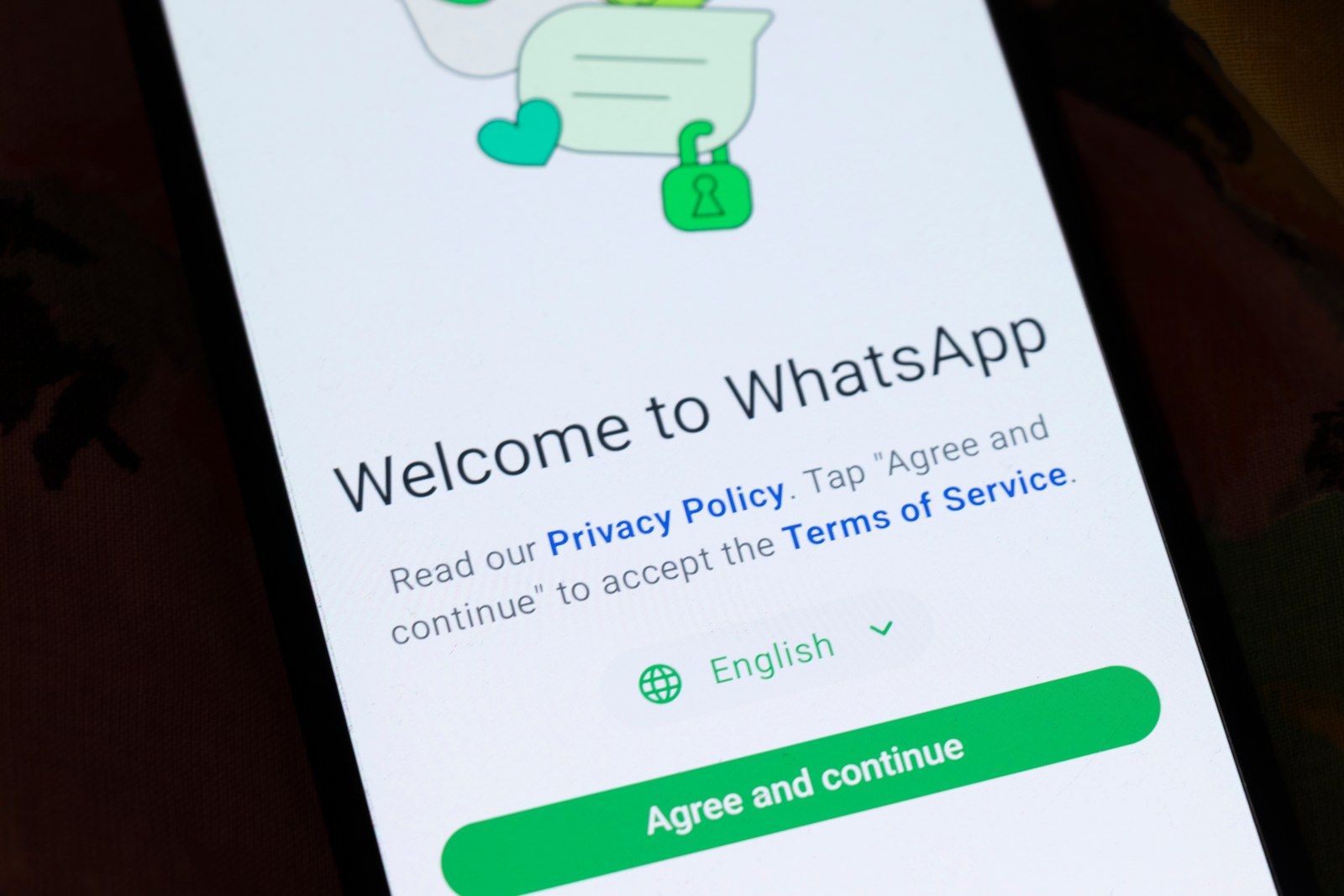
The policy says WhatsApp collects the time, frequency and duration of your activity, along with settings, feature use, group information, online status, last seen information and diagnostic logs. Device and connection data includes hardware model, operating system, battery level, app version, network details, IP address and identifiers. WhatsApp collects precise location with your permission for location features, and it estimates general location from IP addresses and phone number area codes.
The policy also describes sharing information with other Meta companies for operations, improvement, personalization, marketing, integrations and security. If you report someone, you can submit messages in the report, and WhatsApp collects information about both the reporting user and the reported user.
What Ireland's data regulator decided
Ireland's Data Protection Commission (DPC) has issued two decisions on WhatsApp under the EU's GDPR. The first, dated August 20, 2021, imposed a €225 million administrative fine, a reprimand and a compliance order for infringements of GDPR Articles 5(1)(a), 12, 13 and 14. The inquiry examined transparency toward both users and non-users of WhatsApp, including information about processing between WhatsApp and other Facebook companies.
The second, dated January 12, 2023, imposed a €5.5 million administrative fine on WhatsApp Ireland. Following a binding determination by the European Data Protection Board, the DPC found WhatsApp was not entitled to rely on the contract legal basis for service improvement and security processing, excluding IT security. It ordered compliance within six months.
Settings and scam guidance worth acting on
- Encrypted backups: if your chats back up to iCloud or Google Drive, Meta says turning this on means neither WhatsApp nor the backup provider can access the backup or its encryption key. It uses a 64-digit key or a password. In October 2025, Meta announced passkey-encrypted backups that use a fingerprint, face or screen lock instead, with a gradual rollout.
- Two-step verification: in August 2026, Meta said WhatsApp upgraded this from a six-digit PIN to a longer password that supports letters, numbers and special characters.
- Passkeys: Meta says account passkeys let you log back in with a fingerprint, Face ID or screen lock, and that you can add several across Android and iOS devices.
- Chat Lock: this moves a conversation into a folder opened with your device password or biometrics, and hides the conversation's details in notifications.
- Silence Unknown Callers: calls from unknown numbers do not ring, but they still appear in your call list.
- Disappearing messages: this optional timer removes new messages after 24 hours, seven days or 90 days unless they are kept. WhatsApp notes limits: a message forwarded into a chat with the feature off stays there, and quoted text can remain visible after the original expires. If the timer is not what you want, you can turn off disappearing messages on WhatsApp.
WhatsApp's scam guidance says not to tap, share or forward a suspicious message, and to inspect links and files before opening them. For an unfamiliar contact, it describes confirming identity with personal questions or a voice or video call. It also describes reporting the message, blocking the sender and deleting it. A suspicious message from someone you know can mean their account is compromised.
WhatsApp says you should never share your WhatsApp verification code with others. If an account has already been taken over, a separate guide covers how to recover and secure a hacked WhatsApp account.