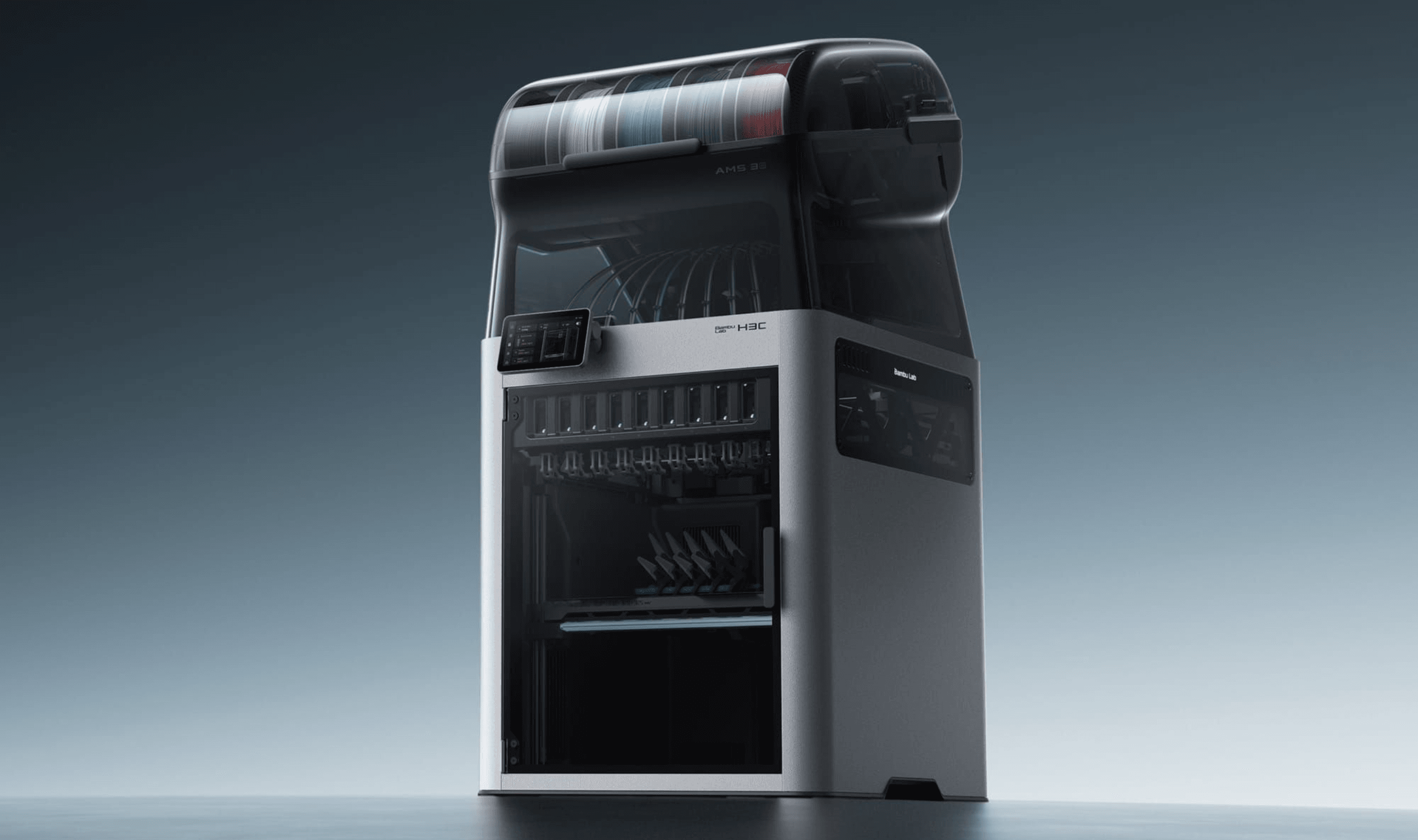


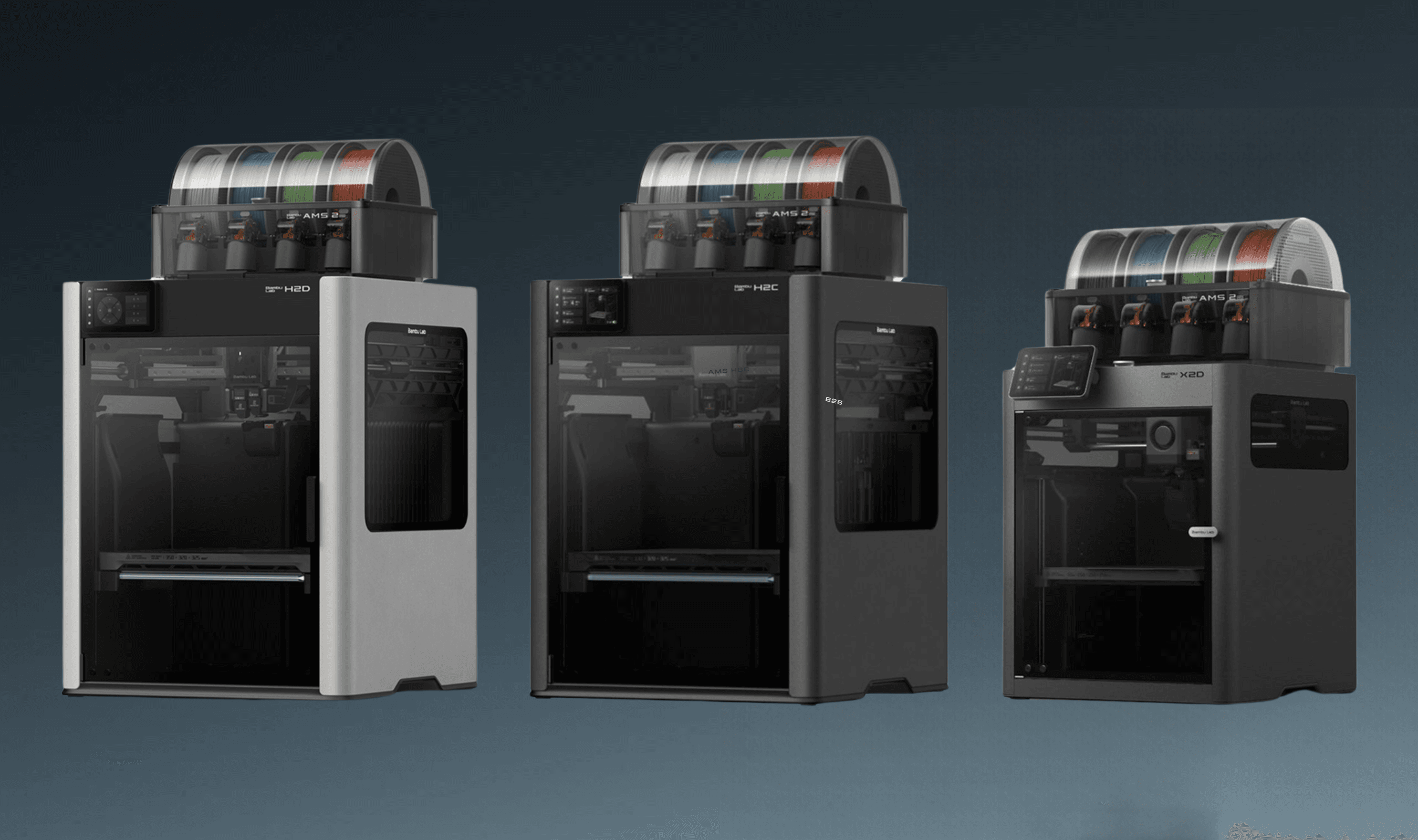
Bambu Lab is developing support for printing a single part with different nozzle opening sizes on its H2D, H2C and X2D printers, with the first software update estimated for this month. The company says the capability is intended to balance fine detail with printing speed, extending work underway for its new H3C to three existing models.
The estimated schedule puts H2D first: machines without a filament track switch are due to receive the software in November 2026. H2C and X2D owners using that configuration face a longer wait, with both models scheduled for February 2027. These are development estimates from Bambu Lab, rather than confirmed delivery dates for the software.
Using a filament track switch pushes each model's estimated support date later. For H2D, that configuration moves the target to February 2027, three months after the version without a switch. H2C and X2D systems equipped with a switch are scheduled for March 2027, a month behind their counterparts without one.
The work accompanies the launch of H3C, which Bambu Lab describes as introducing multi-material printing capabilities. For the existing H2D, H2C and X2D, the specific functionality under development concerns combining nozzle orifice sizes within one printed object.
Bambu Lab attributes the differing schedules to adaptation work at a low level of the printing system. The three models use AMS solutions that differ from H3C's, requiring changes to how slicing software handles printing and to the parameters used for additional combinations of consumables and nozzles.
Adding a filament track switch increases the complexity of that work, according to Bambu Lab. The company says it will accelerate development and provide further progress updates as it works through support for the different models and configurations.
The H2D and H2C were also among the printers Renaissance Academy of Learning was considering as it explored expanding its equipment, following classroom use of Bambu Lab's H2S. Staff there had begun investigating improvements to batch printing and print queue management after encountering filament feed problems, jams and Z-axis errors.