
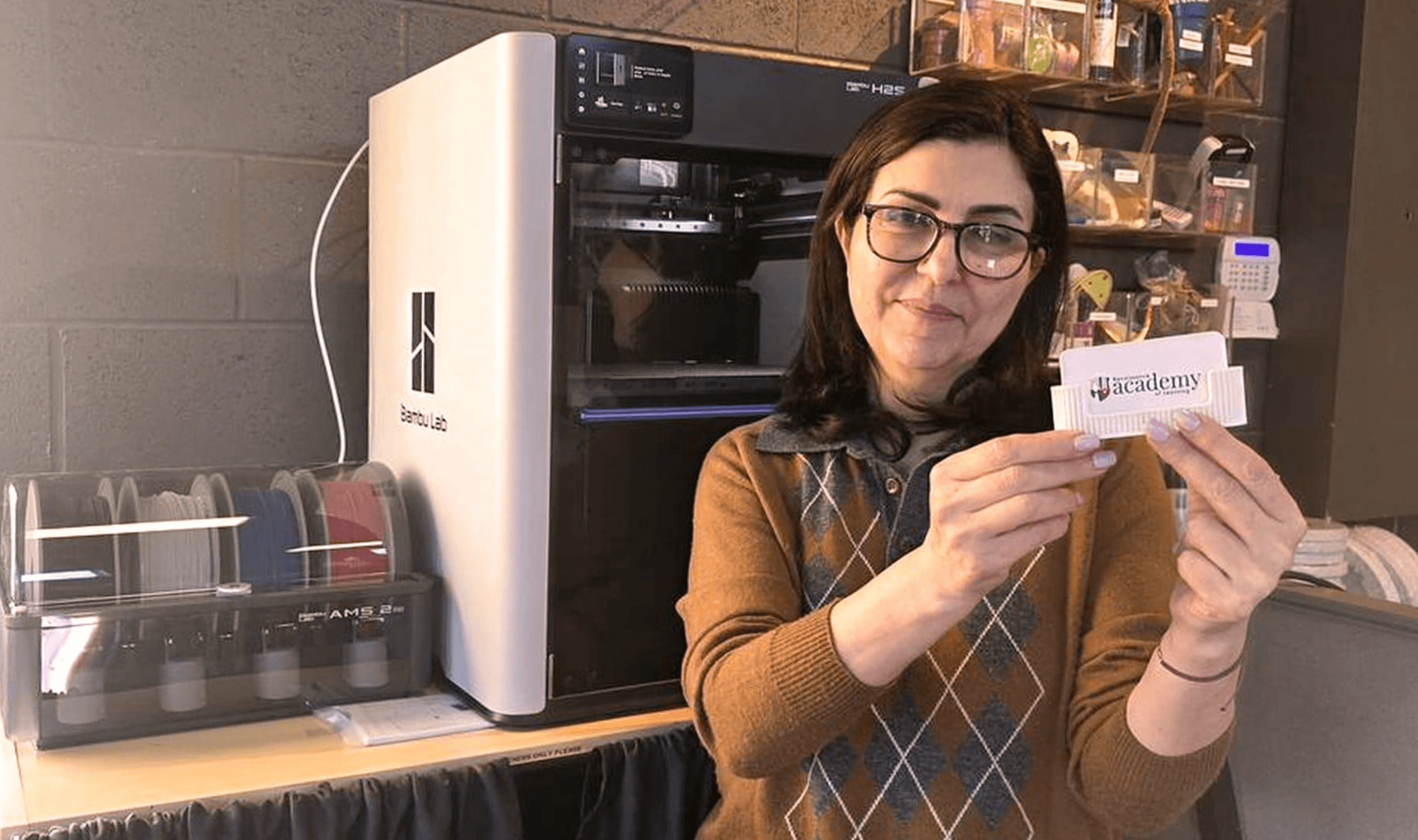
Bambu Lab’s H2S is now part of Renaissance Academy of Learning’s education programs in Richmond, letting students produce physical prototypes and develop creative projects at the school. The school began with a single printer and launched a summer camp, 3D Maker’s Lab, that filled shortly after registration opened, according to Bambu Lab’s account.
The academy chose the H2S for its enclosed construction, printing speed, multicolor capabilities and output quality. Staff also prioritized reliable operation, safety and accessibility for beginners because the school’s learners range from 12 months old to adults.
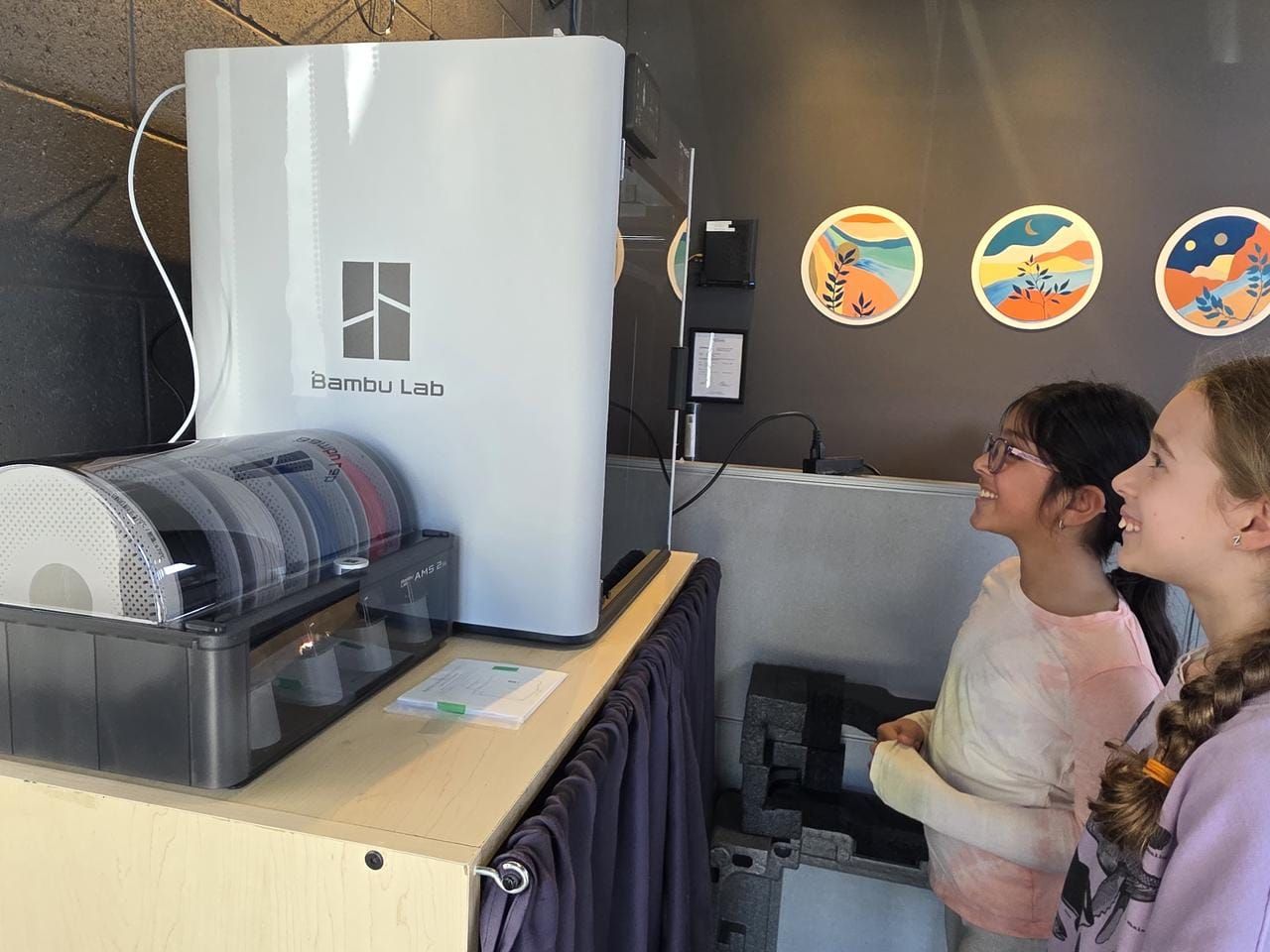
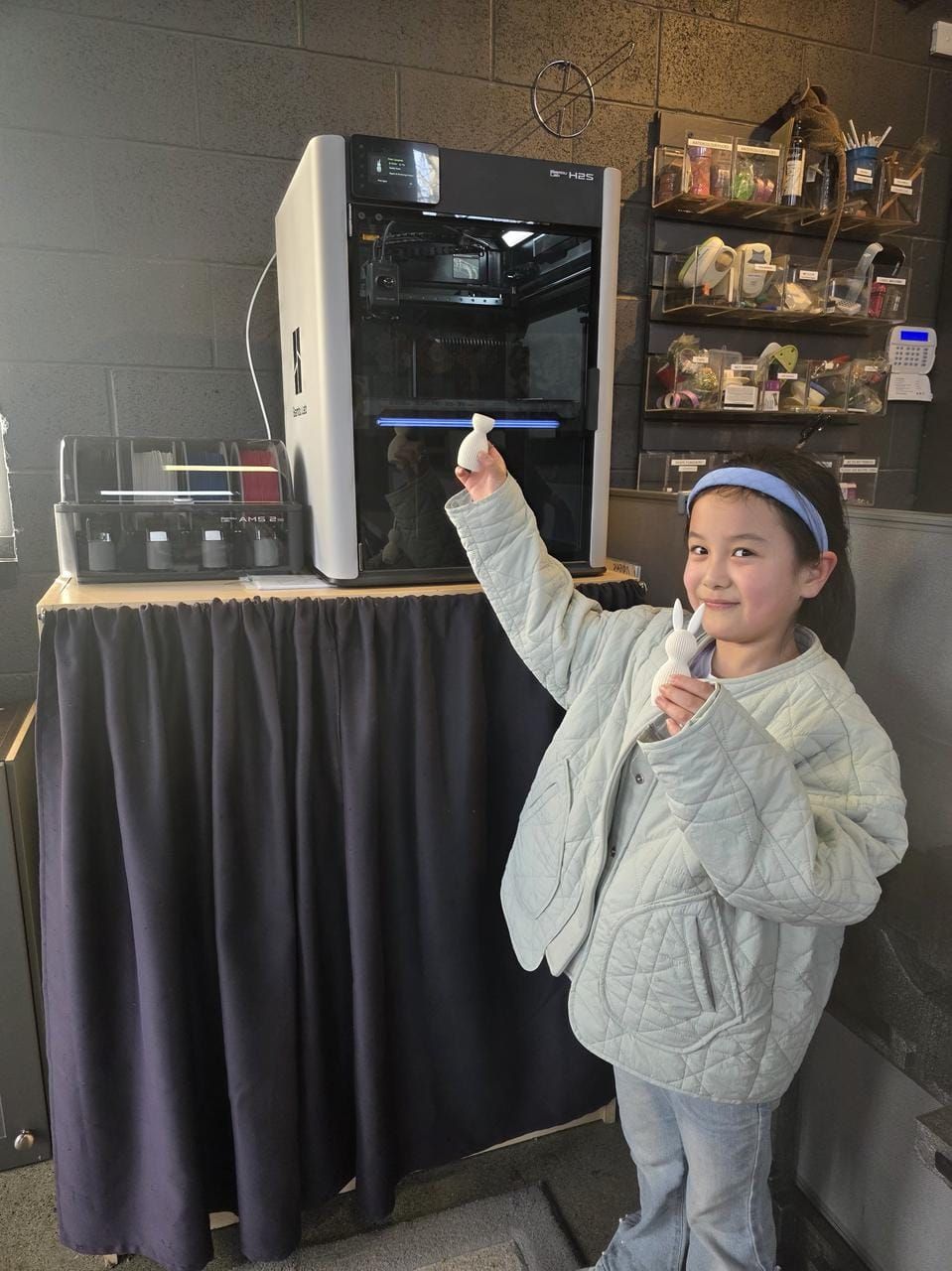
Planned uses include learning aids for younger children, engineering prototypes, stage props, art projects and parts for the school’s daily operations. Programs in development would also connect art and engineering with entrepreneurship, alongside fundraising efforts involving products designed by students.
The rollout brought technical problems. Staff encountered Z-axis errors, filament feed issues, jams and defects identified by AI, delaying some work. The staff were new to 3D printing when these problems arose. The team began investigating ways to improve classroom batch printing, manage print queues and finish objects through sanding, priming and painting.
Bambu Studio is also planned for classroom use. Staff chose it for an interface they considered approachable for beginners. The intended workflow would let newer users start from templates, while experienced students could modify designs or develop their own.
The academy is considering more printers, including the H2D or H2C and P1S. Longer-term plans include incorporating 3D design into the core curriculum, extending robotics and engineering work, and creating an innovation lab around community design challenges.