A digital piano lives or dies by its keyboard action, then by the piano sound, speakers and connections that suit where and how you play. This guide is for US buyers shopping for an 88-key instrument, from first-time players and students to experienced pianists who want a serious instrument at home.
Technobezz is supported by its audience. We may get a commission from retail offers.
7 Best Digital Pianos in 2026
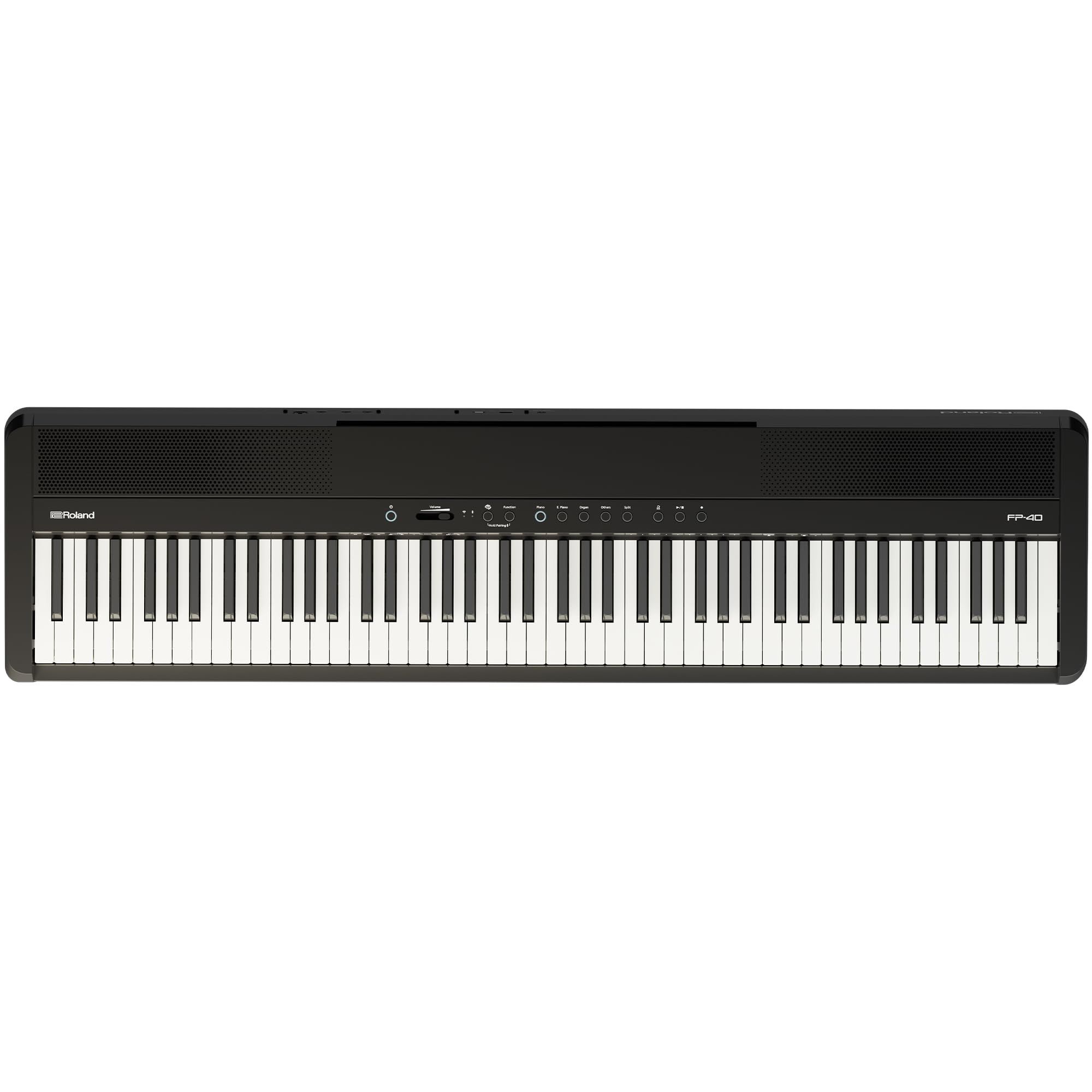
Roland FP-40 tops this list of the best digital pianos in 2026, with picks from Roland, Kawai, Casio and Korg for beginners, small rooms and serious players.
T
Technobezz
Editorial Team
Updated November 10, 2026Nov 10, 2026
•13 min read

Get Deals Like These in Your Inbox
The best prices, straight to your inbox.
Add Technobezz on Google:Preferred SourceGoogle Discover
The Roland FP-40 is the best overall pick. It pairs Roland's PHA-4 Standard hammer action and triple-sensor detection with 256-note polyphony, a 12 W x 2 speaker system, Bluetooth 5.4 and onboard Wi-Fi in a slim portable body.
The rest of the list covers clear needs: piano-focused practice, a tight budget, small spaces, a first piano for a new player, a premium portable and a high-end home instrument with three pedals.
At a Glance
| Category | Product | Why We Picked It |
|---|---|---|
| Best overall | Roland FP-40 | Triple-sensor hammer action, 256-note polyphony, Bluetooth and Wi-Fi |
| Best for piano-focused practice | Kawai ES120 | Grade-weighted RHC action and 88-key stereo sampled Kawai pianos |
| Best compact Roland | Roland FP-10 | PHA-4 Standard action in a compact body |
| Best for small spaces | Casio Privia PX-S1100 | 232 mm deep, with battery power and Bluetooth audio |
| Best for beginners | Korg B2 | Weighted 88-key action with pedal, music stand and adapter included |
| Best premium portable | Roland FP-90X | PHA-50 hybrid action, modeled piano sound and four speakers |
| Best premium home piano | Kawai CA701 | Wooden-key Grand Feel III action and a 110 W speaker system |
How we chose
We compared each maker's published specifications for key action, piano sound, polyphony, speakers, connectivity and included accessories. We then checked that each pick is sold new on Amazon and gave it the slot its specifications suit best.
The best digital pianos right now
Roland FP-40 - Best overall
The Roland FP-40 is the most complete all-rounder in this group. Its 88 keys use the PHA-4 Standard action with escapement and Ivory Feel keytops, and Roland says its triple-sensor technology gives faster, more accurate note repetition for trills. Polyphony reaches 256 notes, and Roland lists 305 tones in total, with 40 on the instrument and 265 more through the Roland Piano App.
Its wireless connectivity leads the portable picks here. Roland calls it "Roland's first piano with Wi-Fi on board," and it adds Bluetooth 5.4 for audio and MIDI, USB-C for MIDI, audio and power delivery, a USB-A port for flash drives and 1/4-inch stereo outputs. Piano Sphere access is included with 100 licensed and copyright-free songs, while the KSF-40 stand and KPD-70 three-pedal unit are sold separately.
Key highlights
- 88-key PHA-4 Standard action with escapement and triple-sensor detection
- 256-note maximum polyphony
- 12 W x 2 output through two 8 x 12 cm speakers in a speaker box
- Bluetooth 5.4 (audio and MIDI) and 2.4 GHz Wi-Fi
- USB-C, USB-A and 1/4-inch stereo outputs
- DP-2 damper pedal included; 14.0 kg (30 lbs 14 oz) with music rest
Pros
- Widest wireless connection set among the portable picks
- 256-note polyphony leaves plenty of headroom for pedaling and layered sounds
- Piano Sphere includes 100 licensed and copyright-free songs to start with
- Offered in black or white
Cons
- Stand and three-pedal unit cost extra
- At 14.0 kg it is heavier than the Roland FP-10 and Korg B2
- The larger Piano Sphere library of over 1000 songs and lessons is an optional upgrade
Who it is for: Buyers who want one portable piano that covers home practice, app-based learning and simple recording.
Skip if
You want a furniture-style cabinet with three built-in pedals, or the lightest 88-key instrument you can find.
Kawai ES120 - Best for piano-focused practice
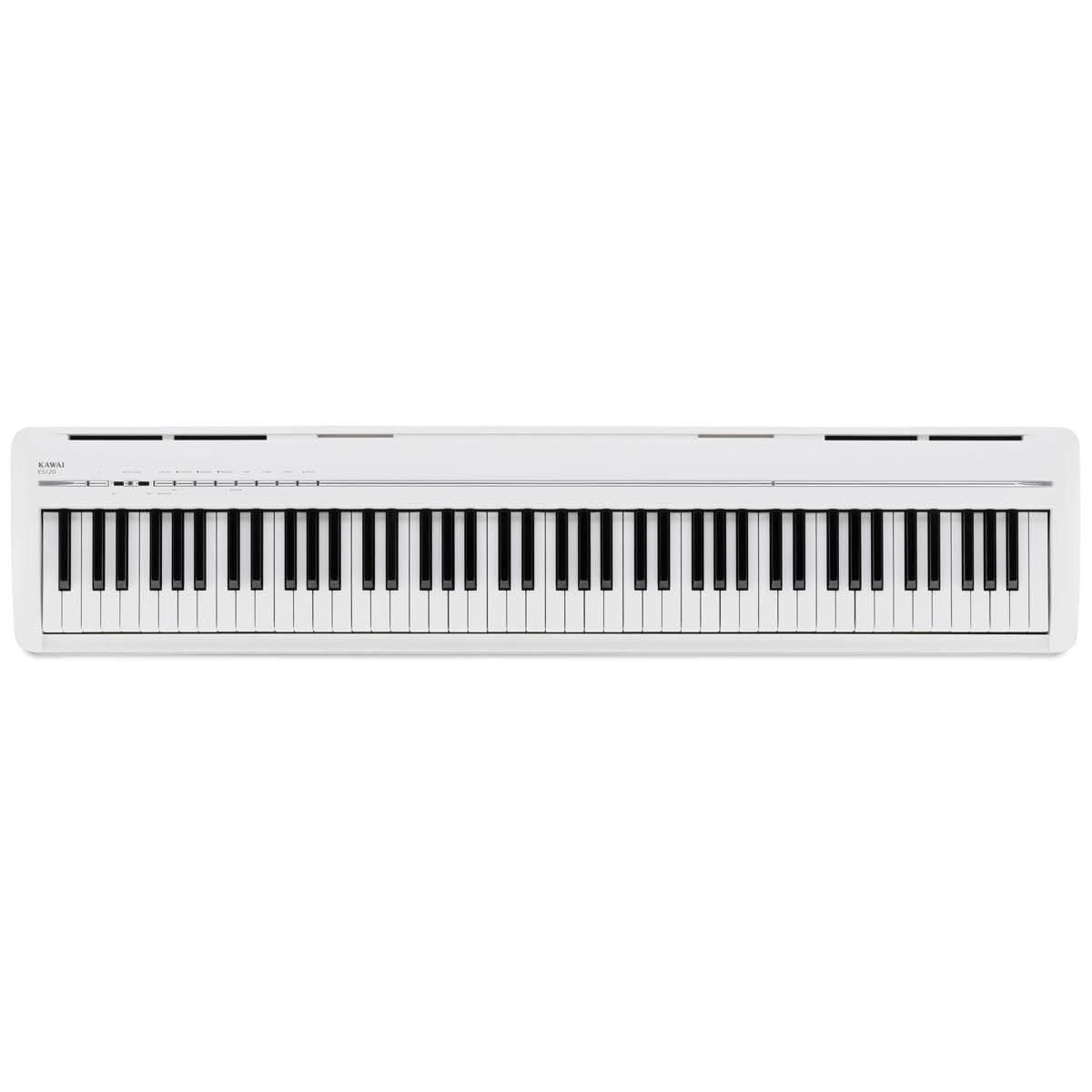
Kawai describes the ES120 as "an excellent introduction to the Kawai portable piano line-up." It uses the Responsive Hammer Compact action with 88 grade-weighted keys and an adjustable touch curve, and its Harmonic Imaging sound is built from 88-key stereo sampling.
The piano voices include the SK-EX Concert Grand and EX Concert Grand, backed by electric pianos, organs, strings and pads, with 192-note polyphony. Two 12 cm speakers run at 10 W + 10 W, and the PianoRemote app opens up Virtual Technician controls for fine-tuning the piano sound. Kawai sells the matching HML-2 stand separately. The ES120 comes in Contemporary Black, Snow White and Light Gray, and the listing linked here is the white version.
Key highlights
- Responsive Hammer Compact action with 88 grade-weighted keys
- Harmonic Imaging with 88-key stereo sampling
- SK-EX Concert Grand and EX Concert Grand piano sounds
- 192-note maximum polyphony
- 12 cm x 2 speakers, 10 W + 10 W
- PianoRemote app with Virtual Technician controls
Pros
- Sound set is centered on Kawai concert grand pianos
- Adjustable touch curve suits different playing strengths
- Virtual Technician controls allow detailed tone adjustment
- Three finish choices
Cons
- 10 W + 10 W output is lower than the Roland FP-40 and Korg B2
- The HML-2 stand is an extra purchase
Who it is for: Students and returning players who care most about piano tone and a grade-weighted action.
Skip if
You need Wi-Fi or a large library of non-piano sounds.
Roland FP-10 - Best compact Roland
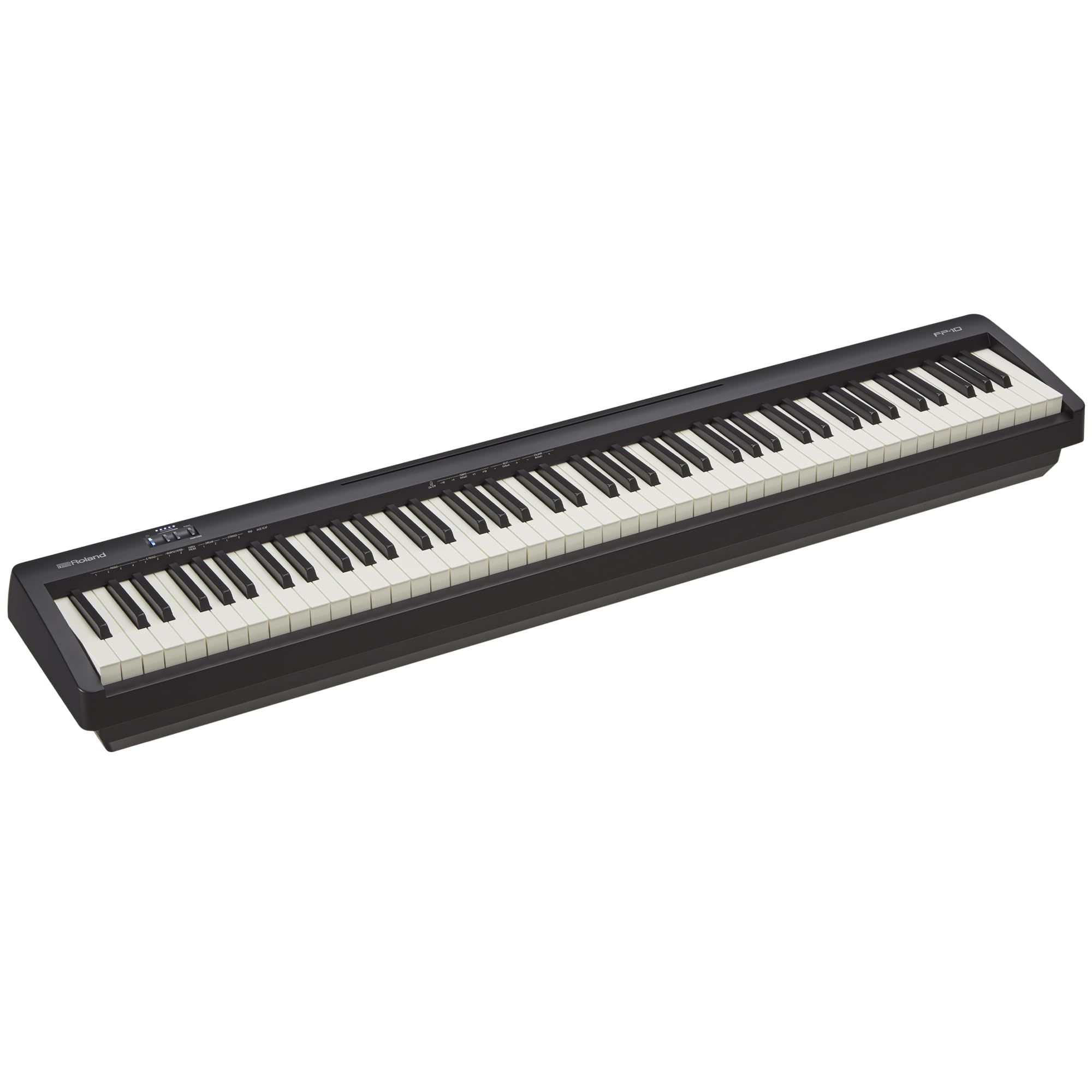
The Roland FP-10 brings the same PHA-4 Standard action family as the FP-40, with escapement and ivory feel, to a smaller instrument. Roland describes it as "the most compact 88-note digital piano in its class," and it measures 1,284 mm wide and 258 mm deep without the music rest.
The tradeoffs show up in the specs. It uses SuperNATURAL Piano sound with 96-note polyphony, two 12 cm speakers at 6 W x 2, and Bluetooth 4.0 for MIDI only, so it works with the Roland Piano App but does not stream audio. A damper pedal switch is included, and Roland lists 15 tones from the front panel and 36 through the app.
Key highlights
- 88-key PHA-4 Standard action with escapement and ivory feel
- SuperNATURAL Piano sound
- 96-note maximum polyphony
- 12 cm x 2 speakers, 6 W x 2
- Bluetooth 4.0 MIDI, USB Type-B and stereo mini headphone jack
- 12.6 kg (27 lbs 13 oz) without stand
Pros
- Hammer action with escapement at a budget level
- Compact footprint for an 88-key instrument
- Works with the Roland Piano App over Bluetooth MIDI
- Damper pedal switch included
Cons
- 96-note polyphony is the lowest Roland figure here
- No Bluetooth audio streaming
- 6 W x 2 output is modest for larger rooms
Who it is for: Beginners and budget-minded players who want a proper hammer action in a compact body.
Skip if
You want to stream music through the piano's speakers or need more polyphony for layered sounds.
Casio Privia PX-S1100 - Best for small spaces
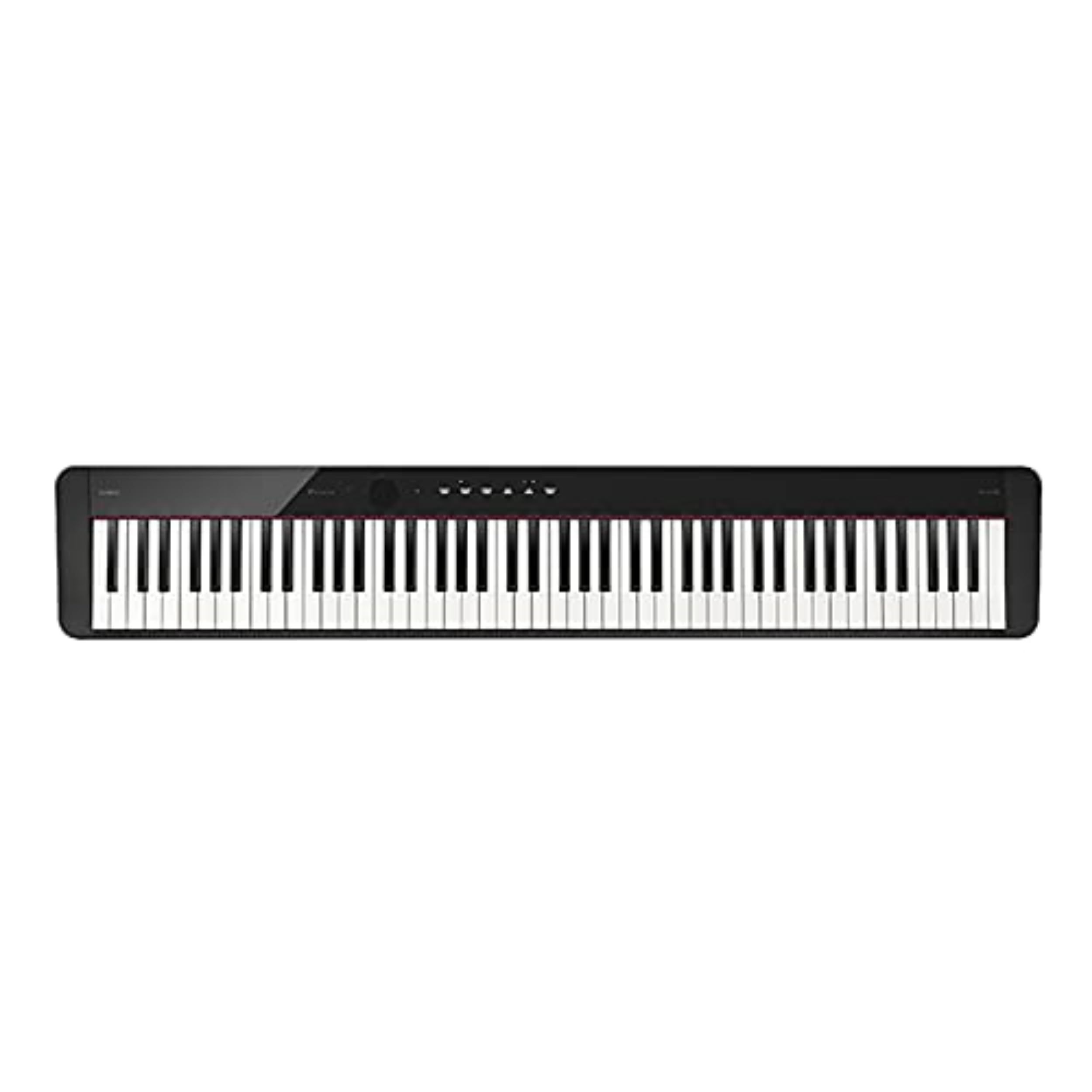
The Casio Privia PX-S1100 is built around depth. Casio calls it the world's slimmest "88-key digital piano with a depth of just 232 mm," a claim it bases on its own survey of 88-key hammer-action pianos with built-in speakers as of September 2022. It uses Casio's Smart Scaled Hammer Action Keyboard and the Multi-Dimensional Morphing AiR Sound Source.
It can also run on battery power, and Casio offers an optional SC-800P carrying case. An included Wireless MIDI and Audio Adaptor adds Bluetooth audio, so the piano's speakers can play music from a phone, and the free CASIO MUSIC SPACE app works alongside it. It comes in black, white and red; the listing linked here is the black version.
Key highlights
- 88-key Smart Scaled Hammer Action Keyboard
- 232 mm depth
- Multi-Dimensional Morphing AiR Sound Source
- Battery power option
- Included Wireless MIDI and Audio Adaptor for Bluetooth audio and MIDI
- Black, white or red finish
Pros
- Shallowest body in this list
- Battery power makes it easy to move around the house
- Bluetooth audio lets the speakers double as a wireless speaker
- Three color choices
Cons
- Casio's page does not list polyphony or speaker output
- Bluetooth depends on the plug-in wireless adaptor rather than built-in hardware
- The carrying case is sold separately
Who it is for: Players with a narrow desk, a small apartment or a need to move the piano between rooms.
Skip if
You want detailed published specs for polyphony and speaker power before you buy.
Korg B2 - Best for beginners
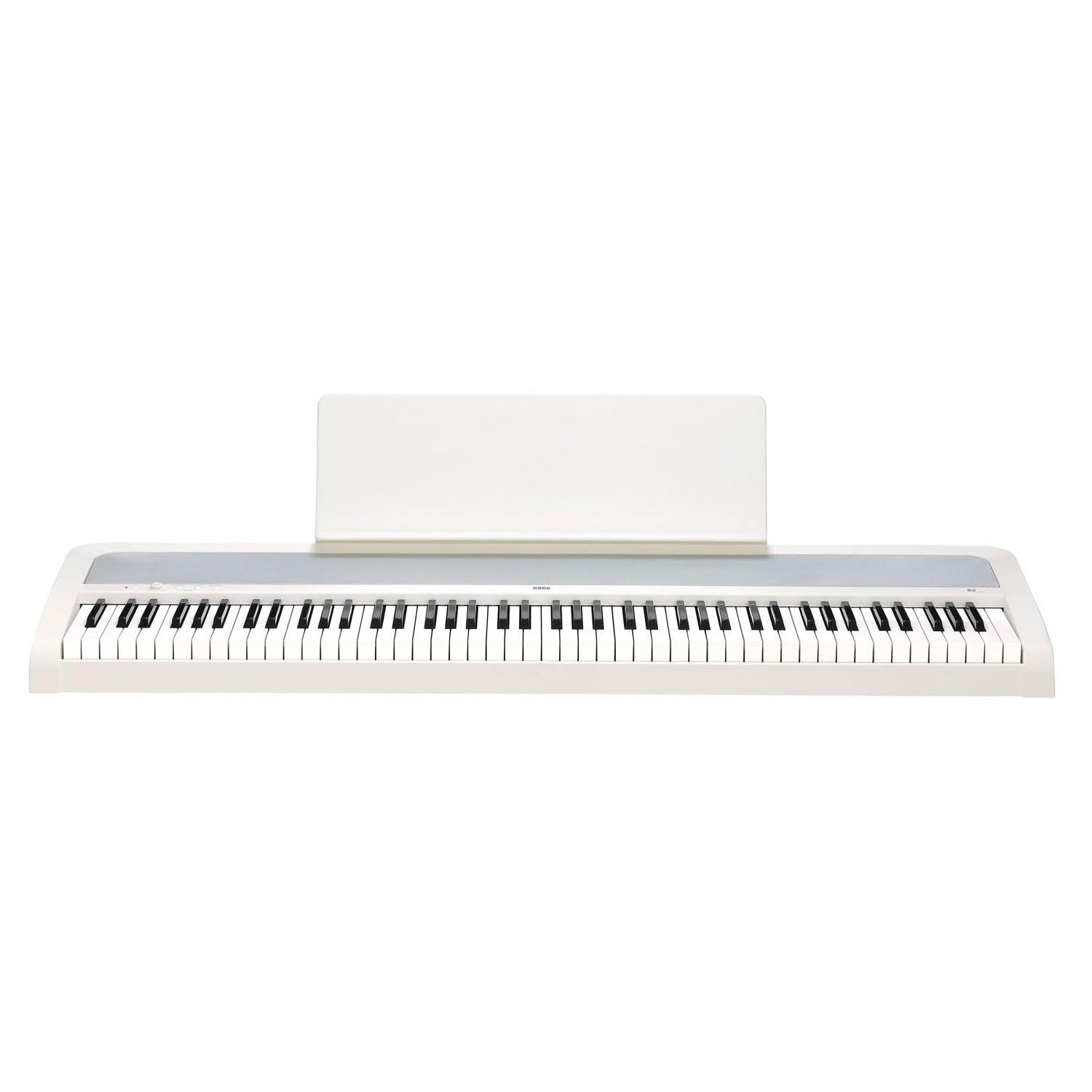
Korg pitches the B2 as "Perfect as a first piano for a new player," and the box backs that up: the AC adapter, music stand and damper pedal are all included. Its 88 keys use Korg's Natural Weighted Hammer Action, and it offers 12 sounds, led by grand pianos, with 120-note polyphony.
Output is 15 W x 2, the highest of the entry-level portables here. Connections include USB Type-B, an audio input and a pedal jack, while the headphone jack doubles as the line output. At 11.4 kg it is also the lightest of the 88-key picks with a published weight. Korg lists the STB1 stand as an option, and the listing linked here is the white B2WH.
Key highlights
- 88-key Natural Weighted Hammer Action
- 12 sounds
- 120-note maximum polyphony
- 15 W x 2 amplification
- USB Type-B, audio in, pedal jack and combined headphone/line out
- 11.4 kg (25.13 lbs); AC adapter, music stand and damper pedal included
Pros
- Everything needed to start playing is in the box, apart from a stand
- Stronger rated output than the Roland FP-10 and Kawai ES120
- Lightest published weight among the picks
- USB connection for computer use
Cons
- Korg does not list Bluetooth for the B2
- Only 12 sounds
- Headphones and line out share one jack
Who it is for: New players and families buying a first weighted-key piano who want the essentials included.
Skip if
You want wireless features, a large sound library or separate line outputs.
Roland FP-90X - Best premium portable
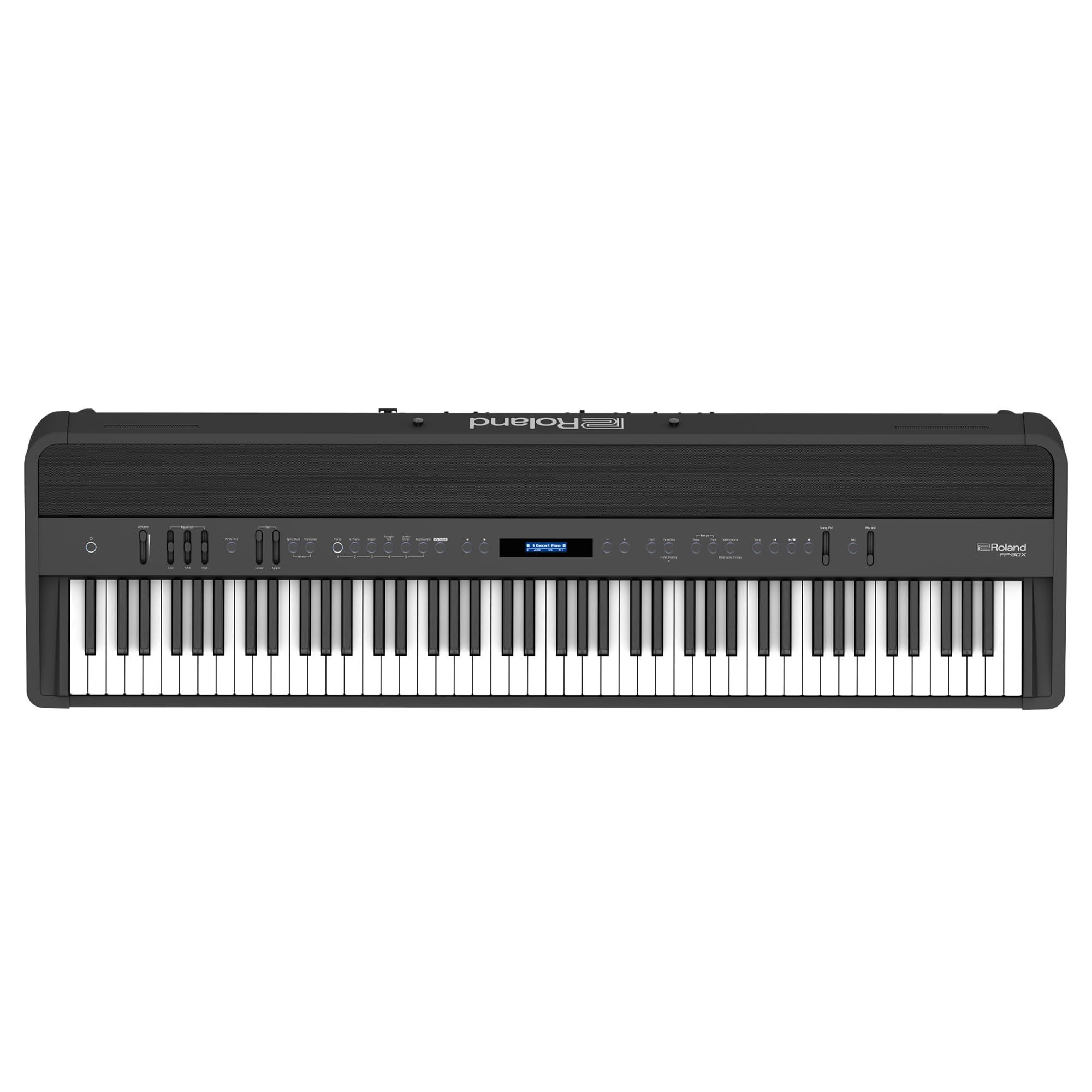
The Roland FP-90X is the step up for players who want a stage-capable portable with a higher-end action. Its PHA-50 keyboard uses a wood and plastic hybrid structure with escapement and ebony/ivory feel, and its Pure Acoustic Piano Modeling engine offers limitless polyphony for solo piano playing on its main piano tones, with 256 notes for other sounds.
Roland describes "a high-fidelity onboard sound system that projects your music from every angle," made up of two 8 x 12 cm speakers and two 2.5 cm dome tweeters rated at 25 W x 2 plus 5 W x 2. A 1/4-inch mic input, stereo line outputs, USB audio and MIDI, two headphone jacks and Bluetooth audio and MIDI round out a strong connection set. The DP-10 damper pedal is included.
Key highlights
- 88-key PHA-50 wood and plastic hybrid action with escapement
- Pure Acoustic Piano Modeling
- Limitless polyphony for solo piano tones; 256 notes for other tones
- Four speakers, 25 W x 2 plus 5 W x 2
- Mic input, stereo line outputs, USB B and two headphone jacks
- Bluetooth audio (Ver 3.0) and MIDI (Ver 4.0)
Pros
- Highest rated output among the portable picks
- Hybrid wood and plastic keys
- Two headphone jacks suit teacher and student or duet practice
- Mic input and line outputs for performing and recording
Cons
- 23.6 kg with music rest, and 37.8 kg with the KSC-90 stand and KPD-90 pedal unit
- Stand and three-pedal unit are extra
- Bluetooth audio runs on version 3.0
Who it is for: Experienced players who want premium action and sound but still need to move the piano or take it to gigs.
Skip if
You need something light enough to carry often, or you want a cabinet piano that stays put.
Kawai CA701 - Best premium home piano
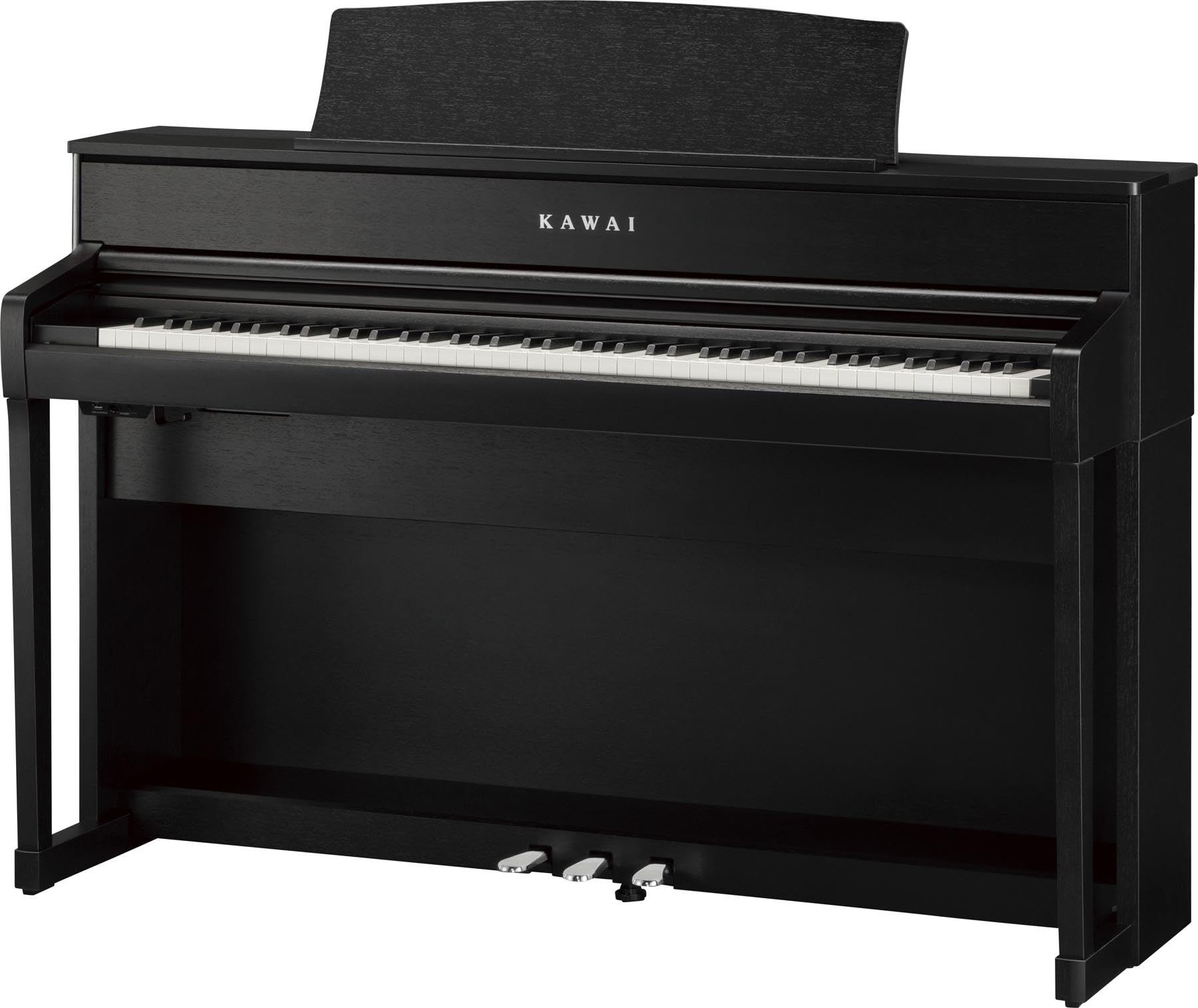
The Kawai CA701 is the pick for serious home practice. Kawai highlights its "wooden-key keyboard action with Ivory & Ebony Touch key surfaces," the Grand Feel III design, which adds let-off simulation and graded counterweights across all 88 keys. Piano sound comes from SK-EX Rendering with 88-key multi-channel sampling of the SK-EX Competition Grand, alongside Harmonic Imaging XL.
The speaker system uses two 13 cm woofers, two 8 x 12 cm top speakers with diffusers and two 5 cm tweeters, rated at 55 W + 55 W. The Grand Feel Pedal System provides damper, soft and sostenuto pedals, with half-pedal support on the damper and soft pedals. Kawai also lists a premium discrete headphone amplifier with Spatial Headphone Sound. Finishes include White Maple, Ebony Polish, Premium Satin Black, Premium Satin White and Premium Rosewood; the listing linked here is satin black.
Key highlights
- Grand Feel III wooden-key action with Ivory & Ebony Touch surfaces
- SK-EX Rendering and Harmonic Imaging XL
- 256-note maximum polyphony
- Six-speaker system rated at 55 W + 55 W
- Grand Feel Pedal System with damper, soft and sostenuto
- Discrete headphone amplifier with Spatial Headphone Sound
Pros
- Wooden-key action with let-off simulation
- Most powerful speaker system in this list
- Full three-pedal setup built in
- Five finish options
Cons
- A premium-tier instrument well above the portable picks
- A fixed home instrument, not something to move between rooms or gigs
- Kawai's product page does not list Bluetooth, weight or dimensions
Who it is for: Advanced students and experienced pianists who want an action and pedal setup closer to an acoustic piano at home.
Skip if
You need portability, or a premium portable such as the Roland FP-90X covers your needs.
How to Choose
- Start with the action. Every pick here uses weighted hammer-style keys, but the wooden or hybrid actions in the Kawai CA701 and Roland FP-90X sit at the premium end, while the FP-10, PX-S1100 and B2 keep things compact.
- Check polyphony. Sustain pedaling and layered sounds use up notes quickly. The FP-10 lists 96 notes, the B2 120, the ES120 192 and the FP-40 and CA701 256.
- Budget for a stand and pedals. Most portables ship with a single damper pedal and no stand. If you want soft and sostenuto pedals, plan for an optional pedal unit or choose a cabinet piano like the CA701.
- Match connections to how you practice. Bluetooth audio lets the piano play music from a phone, Bluetooth MIDI is enough for lesson apps, and line outputs or USB audio matter for recording. Note that the FP-10 has Bluetooth MIDI only.
- Measure your space. The PX-S1100 is 232 mm deep, while the FP-90X weighs 23.6 kg before a stand. Think about where the piano will live and how often it will move.
FAQ
Do beginners need 88 weighted keys?
Not strictly, but 88 keys match the range of an acoustic piano, so a beginner will not outgrow the keyboard. Weighted keys also help build the finger control used on acoustic pianos.
What does polyphony mean on a digital piano?
It is the number of notes the piano can sound at once. Holding the sustain pedal or layering two sounds uses more notes, so higher polyphony gives more headroom.
Can I practice silently with headphones?
Yes. All of the Roland and Korg picks list a headphone jack, the FP-90X has two, and the Kawai CA701 includes a dedicated headphone amplifier.
Do I need Bluetooth on a digital piano?
It is helpful but optional. Bluetooth MIDI connects to lesson and practice apps, while Bluetooth audio lets you play songs through the piano's speakers. A USB cable can handle MIDI on most models.
Should I buy a portable or a cabinet digital piano?
Choose a portable if space is tight or you need to move it. Choose a cabinet piano if it will stay in one room and you want built-in three-pedal support and a larger speaker system.
Published November 10, 2026 Last updated November 10, 2026
Add Technobezz on Google:Preferred SourceGoogle Discover
More buying guides
Buying guide
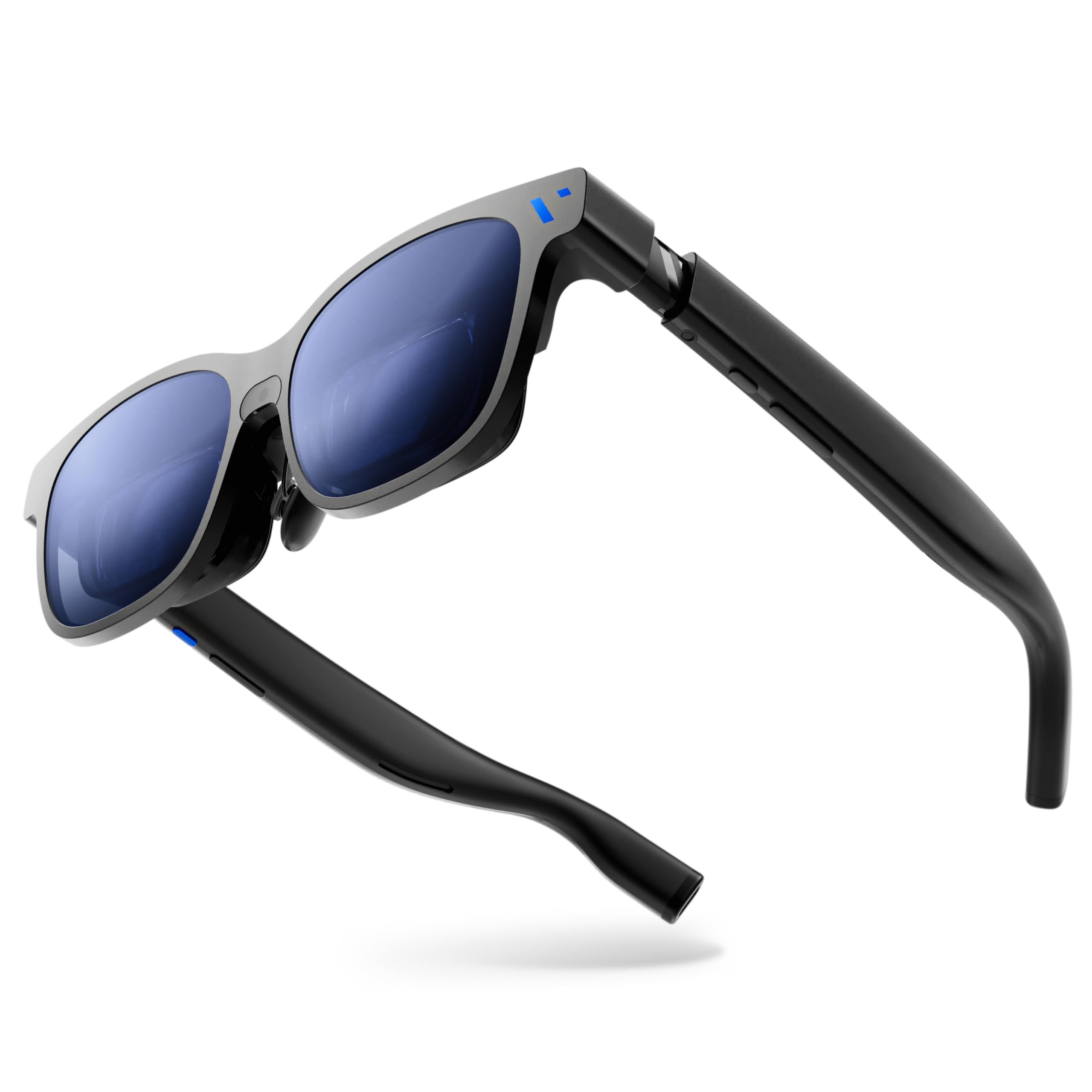
6 Best AR Glasses in 2026
Buying guide
6 Best 360 Cameras in 2026
Buying guide
6 Best Gaming Headsets for Xbox in 2026
Buying guide
5 Best 50-Inch TVs in 2026
Buying guide5 Best 4K Gaming Monitors in 2026Buying guide6 Best Headphones in 2026Buying guide7 Best Air Purifiers for Large Rooms in 2026Buying guide9 Best Desktops Under $1500 for 2026Buying guide6 Best Budget Wireless Headphones in 2026Buying guideBest Low Profile Mechanical Keyboards in 2026Buying guide10 Best Digital Cameras for Beginners in 2026Buying guide7 Best Gaming Consoles for Every Budget in 2026