Open-back headphones leave the outside of each ear cup open, so sound can pass in and out. That makes them a poor choice for a train or an open office, but it is why many people choose them for mixing, long listening sessions at a desk and gaming in a quiet room.
Technobezz is supported by its audience. We may get a commission from retail offers.
6 Best Open-Back Headphones in 2026
The Sennheiser HD 490 PRO leads our six open-back headphone picks, with options from Meze, beyerdynamic and Focal for studio work, hi-fi listening and gaming.
T
Technobezz
Editorial Team
Updated November 11, 2026Nov 11, 2026
•13 min read

Get Deals Like These in Your Inbox
The best prices, straight to your inbox.
Add Technobezz on Google:Preferred SourceGoogle Discover
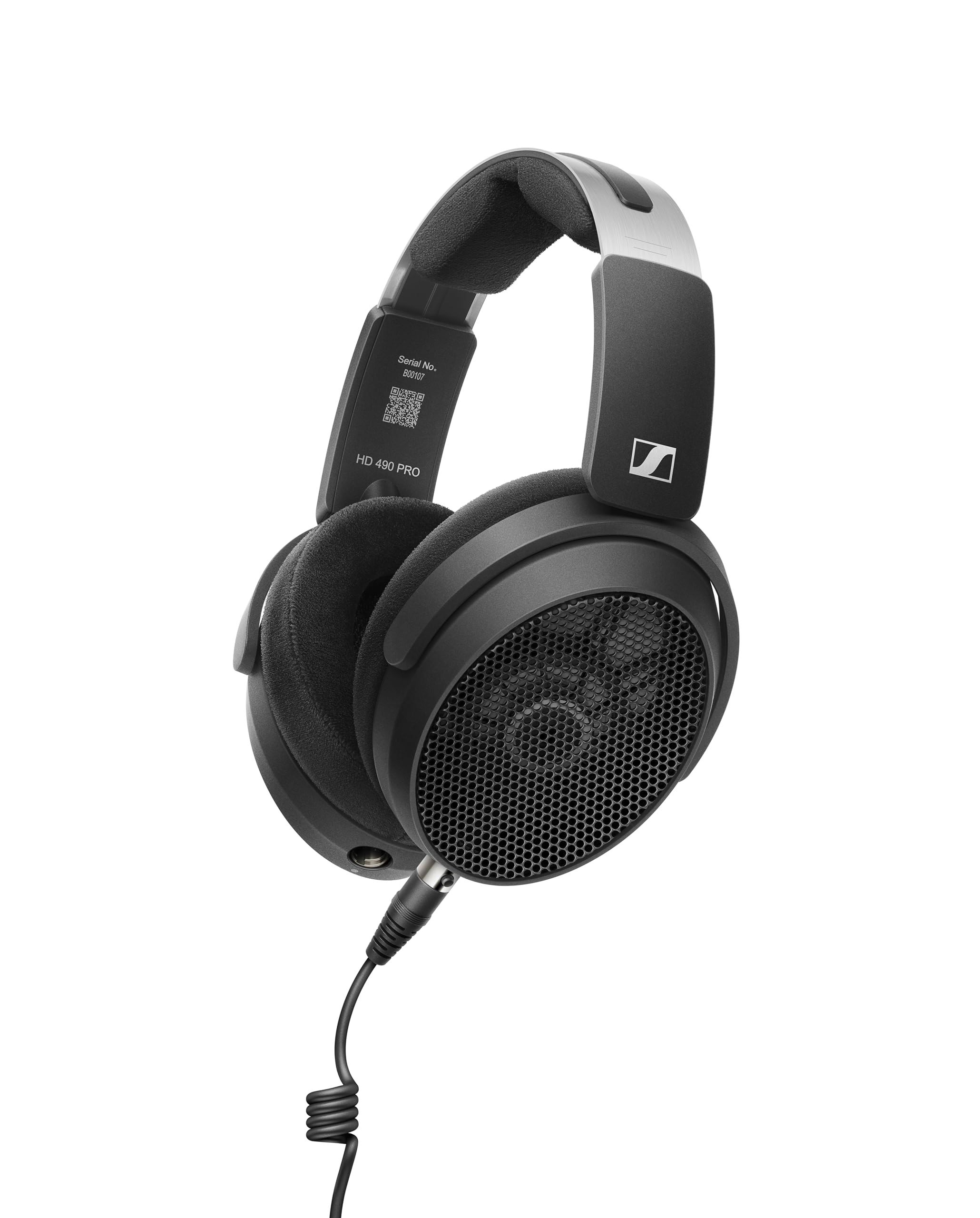
The Sennheiser HD 490 PRO is our best overall pick. It weighs 260 g, comes with two sets of ear pads for mixing and producing, and includes a 1.8 m cable plus a 3.5 mm to 6.3 mm adaptor, so one pair can cover both studio work and home listening.
This page is for buyers who want a wired open-back pair at home or in a studio. The other picks cover easy-to-drive hi-fi listening, tough daily studio use, home hi-fi, a premium flagship and a gaming headset with a built-in microphone.
At a Glance
| Category | Product | Why We Picked It |
|---|---|---|
| Best overall | Sennheiser HD 490 PRO | Light 260 g build with two ear pad sets in the box |
| Best for easy-to-drive listening | Meze Audio 105 AER | 42-ohm, 112 dB SPL/mW design with a 50 mm dynamic driver |
| Best for durable studio use | beyerdynamic DT 900 PRO X | Replaceable pads, headband and cable on a 48-ohm studio pair |
| Best for home hi-fi | Focal Hadenys | Aluminum/magnesium dome drivers, 294 g weight and a carrying case |
| Best premium flagship | Focal Utopia | Pure beryllium drivers with both 3.5 mm and 4-pin XLR cables |
| Best for gaming | beyerdynamic MMX 330 PRO | Open-back headset with a cardioid condenser mic and console support |
How we chose
We compared each maker's published specifications, including driver type, impedance, sensitivity, weight and the cables in the box, and matched each model to a specific kind of listener. We also checked that every pick is sold new on Amazon.
The best Open-Back Headphones right now
Sennheiser HD 490 PRO - Best overall
The Sennheiser HD 490 PRO takes the top spot because it suits both studio work and long listening sessions. It uses dynamic transducers, weighs 260 g, and ships with two sets of ear pads, one labeled for mixing and one for producing, so you can change pads depending on the job.
Sennheiser lists a 130-ohm impedance, a frequency response of 5 Hz to 36,000 Hz at -10 dB, and sensitivity of 96 dB SPL at 1 kHz/1 mW. The standard box includes a 1.8 m cable and a 3.5 mm to 6.3 mm adaptor, and a 3 m cable is sold separately. Sennheiser also sells an HD 490 PRO Plus edition, so what comes in the box depends on which version you buy.
Key highlights
- Dynamic transducers in an open-back design
- 130 ohms impedance at 1 kHz
- 5 Hz to 36,000 Hz frequency response (-10 dB)
- 96 dB SPL (1 kHz/1 mW) and 105 dB SPL (1 kHz/1 Vrms)
- 260 g weight
- Mixing and producing ear pad sets included
- 1.8 m cable with 3.5 mm to 6.3 mm jack adaptor
Pros
- Lightest pick on this list at 260 g
- Two ear pad sets come in the standard box
- Included adaptor covers both 3.5 mm and 6.3 mm outputs
- Wide published frequency response
Cons
- 130-ohm impedance and 96 dB/mW sensitivity suggest a phone or laptop may struggle to reach high volume, so an amp or audio interface may help
- The 3 m cable is not in the standard box
- The open-back design lets sound escape, so it does not suit quiet shared spaces
Who it is for: Producers, mixing engineers and music listeners who want one open-back pair for the studio and the living room.
Skip if
You mostly listen straight from a phone with no amp, or you need a built-in microphone.
Meze Audio 105 AER - Best for easy-to-drive listening
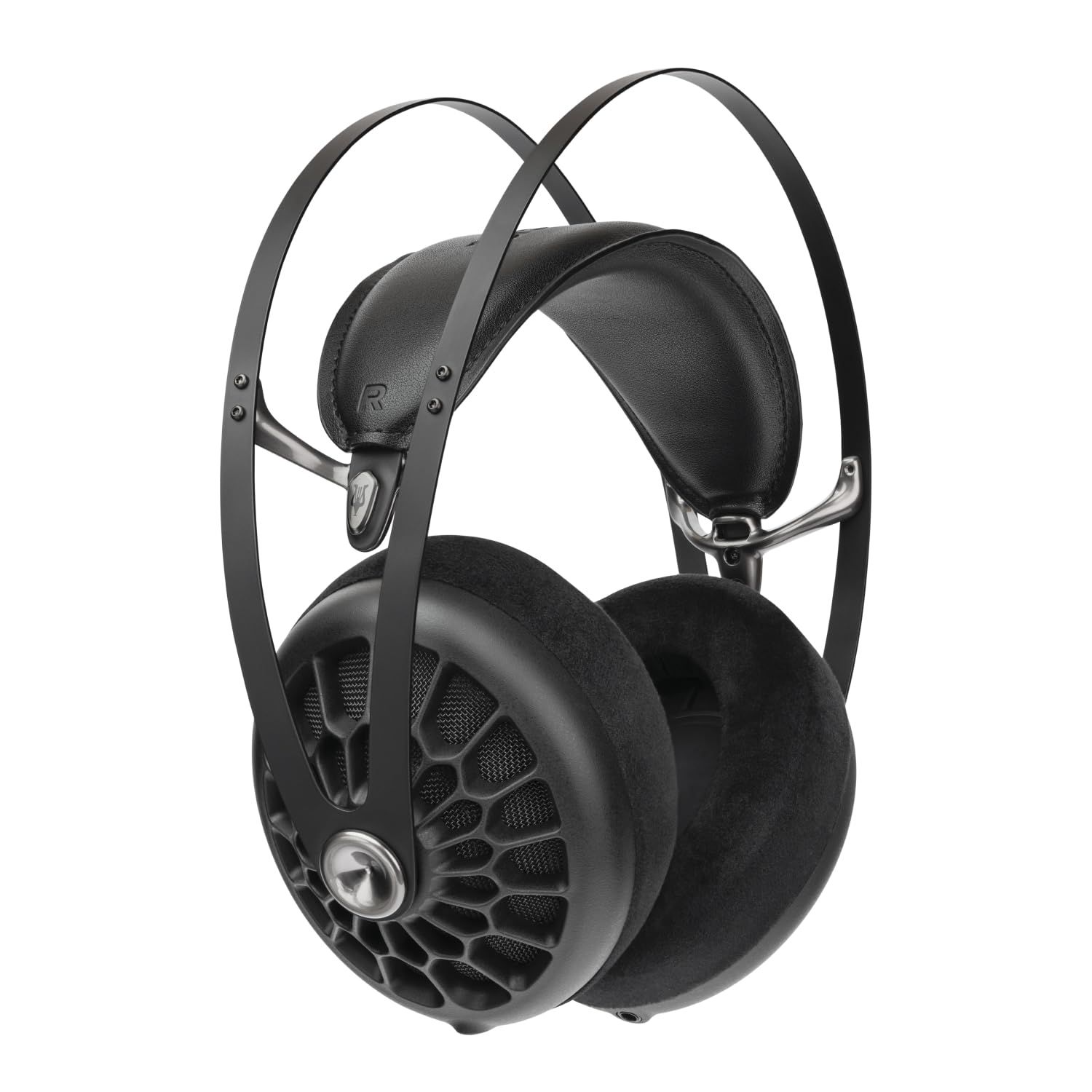
The Meze Audio 105 AER suits listeners who want a hi-fi open-back that is easy to power. Meze lists a 42-ohm impedance and 112 dB SPL/mW sensitivity at 1 kHz. That is the highest sensitivity figure among the picks here that publish one, which suggests it can reach good volume from modest sources.
It uses a 50 mm dynamic driver, velour ear cushions and a self-adjusting spring steel headband that Meze says spreads the weight evenly. The 105 AER weighs 336 g, connects through dual 3.5 mm TS jacks, and is built so it can be taken apart and serviced.
Key highlights
- 50 mm dynamic driver
- 42 ohms impedance
- 112 dB SPL/mW sensitivity at 1 kHz
- 5 Hz to 30 kHz frequency response
- Total harmonic distortion under 0.1% at 1 kHz
- 336 g weight
- Dual 3.5 mm TS input connector
Pros
- Low impedance and high sensitivity on paper suit phones, laptops and compact DACs
- Self-adjusting headband for even pressure
- Designed to be taken apart and serviced
- Velour cushions surround the ears
Cons
- At 336 g, it is heavier than the 260 g HD 490 PRO
- The dual 3.5 mm input means replacement cables need the same dual-jack layout
- The open-back design leaks sound to people nearby
Who it is for: Music listeners at home who run their headphones from a phone, laptop or small DAC and want a serviceable design.
Skip if
You want swappable studio pad sets in the box, or a microphone for calls and games.
beyerdynamic DT 900 PRO X - Best for durable studio use
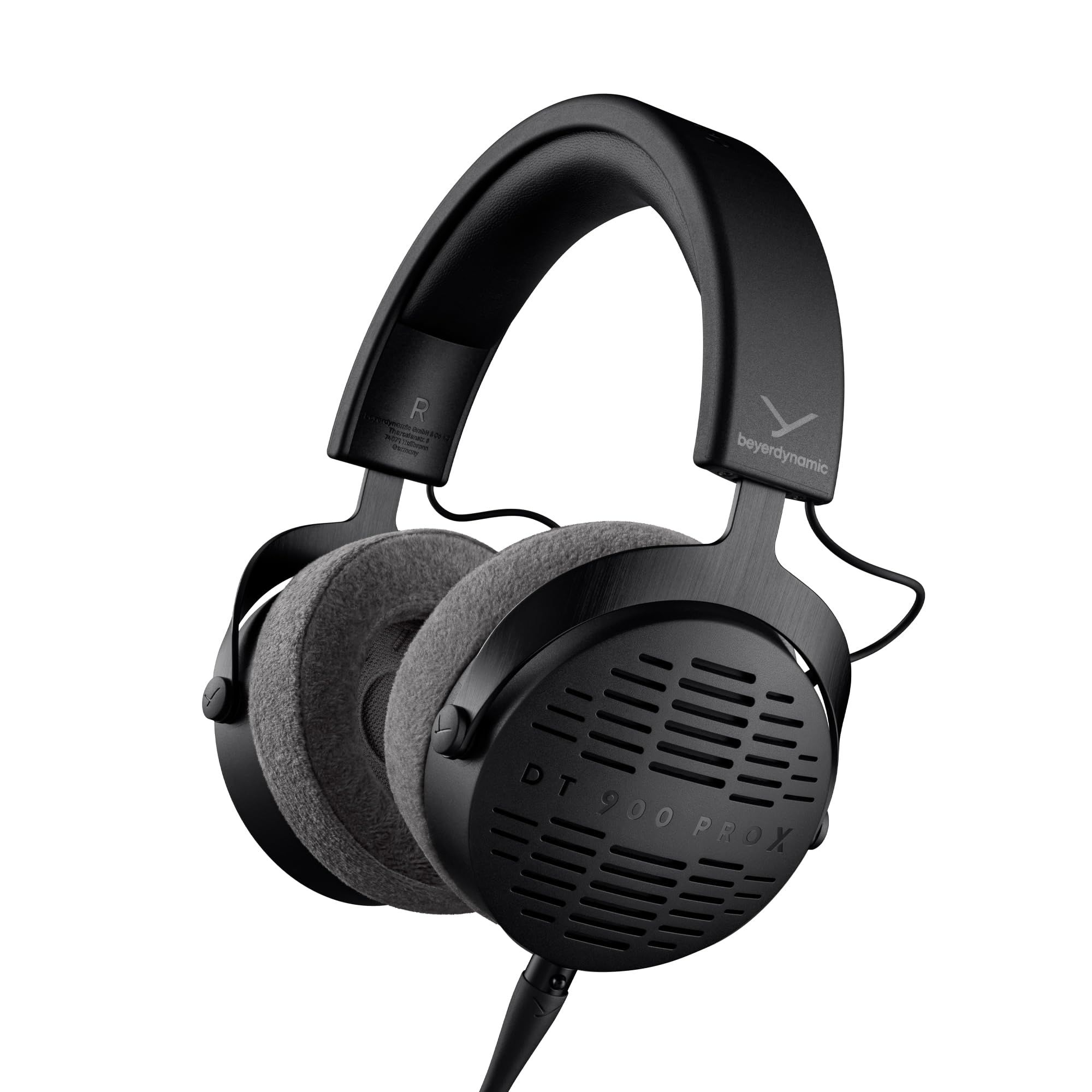
The beyerdynamic DT 900 PRO X is an open-back studio headphone handmade in Heilbronn, Germany. Its ear pads, headband and cable can all be replaced, and it has a spring steel headband, which makes it a sensible choice for a pair that will see daily use.
Its STELLAR.45 driver has a 48-ohm impedance, 100 dB SPL sensitivity (1 mW/500 Hz) and a 5 Hz to 40,000 Hz frequency response. The detachable straight cables use a 3-pin mini XLR plug at the headphone end and work with 3.5 mm and 6.35 mm jacks. beyerdynamic's North American page lists both a 3 m and a 1.8 m cable, but its global page says 3 m or 1.8 m, so check the listing to see what is in the box. It weighs 345 g without the cable.
Key highlights
- STELLAR.45 driver
- 48 ohms impedance
- 5 Hz to 40,000 Hz frequency response
- 100 dB SPL (1 mW/500 Hz)
- 345 g without cable
- Detachable straight cables with 3-pin mini XLR connector
- Replaceable velour ear pads, headband and cable
Pros
- 48-ohm impedance is a lighter load than the 130-ohm HD 490 PRO
- Key wear parts can be replaced
- Mini XLR cable detaches at the headphone end
- Handmade in Germany
Cons
- At 345 g, it is heavier than the HD 490 PRO and the Meze 105 AER
- beyerdynamic's regional pages describe the included cables differently
- The open-back design leaks sound, so it is not for tracking vocals next to a microphone
Who it is for: Musicians, editors and home studio owners who want a tough open-back pair for everyday studio work.
Skip if
Low weight matters most for very long sessions, or you want two ear pad sets in the box.
Focal Hadenys - Best for home hi-fi
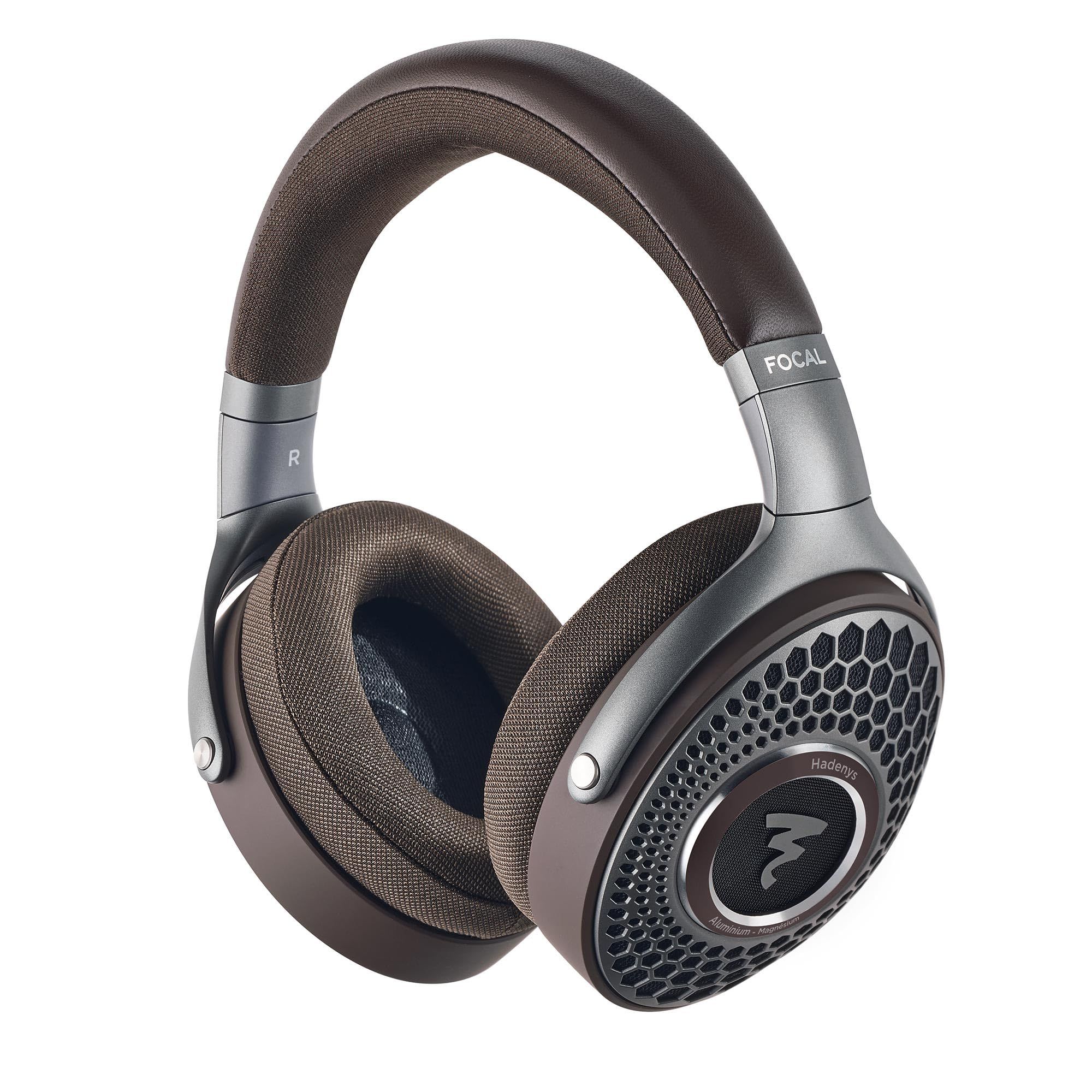
Focal designed the Hadenys as an open-back headphone for the home, pairing contemporary design with hi-fi sound. It uses a 40 mm aluminum/magnesium M-shaped dome driver, and Focal says the aluminum makes the dome stiffer and lowers distortion, while the magnesium adds damping.
A magnesium yoke keeps the weight to 294 g, and Focal says the memory foam ear cushions add comfort for long sessions. Impedance is 26 ohms and frequency response is 25 Hz to 22 kHz (±3 dB). The box includes a 1.8 m cable with a 3.5 mm jack, a 6.35 mm adapter and a carrying case.
Key highlights
- 40 mm aluminum/magnesium M-shaped dome driver
- 26 ohms impedance
- 25 Hz to 22 kHz frequency response (±3 dB)
- Harmonic distortion under 0.2% at 1 kHz/100 dB SPL
- 294 g weight
- 1.8 m 3.5 mm cable and 6.35 mm adapter
- Carrying case included
Pros
- Lowest listed impedance among these picks at 26 ohms
- Magnesium yoke and memory foam cushions aimed at long sessions
- Carrying case comes in the box
- Drivers built on Focal's loudspeaker manufacturing expertise
Cons
- Focal does not list sensitivity on the product page
- No balanced cable is listed in the box
- The open-back design leaks sound to others in the room
Who it is for: Home listeners who want a stylish Focal open-back for a desk or living room without going up to the Utopia.
Skip if
You want a balanced cable included, or you need a published sensitivity figure to match an amplifier.
Focal Utopia - Best premium flagship
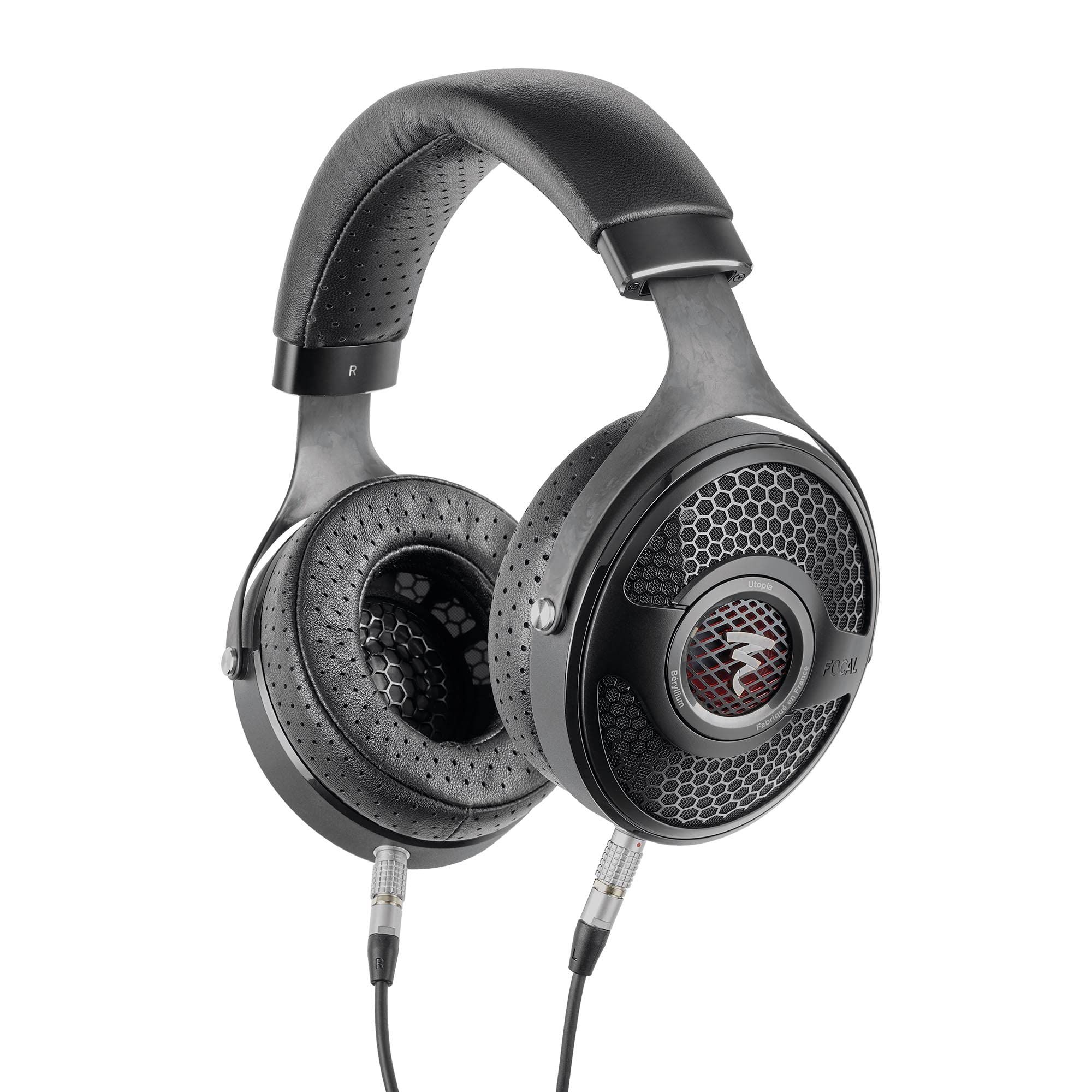
The Focal Utopia is the reference open-back headphone in Focal's range. It is made in France and built around 40 mm pure beryllium M-shaped dome drivers, which Focal likens to the sound of its best loudspeakers. A recycled forged carbon yoke, memory ear pads and a genuine leather headband are meant to spread its weight and keep it comfortable.
It is the best-equipped pick here for cables: a 1.5 m cable with a 3.5 mm jack, a 3 m 4-pin XLR balanced cable, both with Lemo connectors, a 3.5 mm to 6.35 mm adapter and a carrying case. Impedance is 80 ohms, frequency response is 5 Hz to 23 kHz (±3 dB), and it weighs 490 g.
Key highlights
- 40 mm pure beryllium M-shaped dome drivers
- 80 ohms impedance
- 5 Hz to 23 kHz frequency response (±3 dB)
- Harmonic distortion under 0.2% at 1 kHz/100 dB SPL
- 490 g weight
- 1.5 m 3.5 mm cable and 3 m 4-pin XLR cable, both with Lemo connectors
- Recycled forged carbon yoke and genuine leather headband
Pros
- Balanced 4-pin XLR cable included as well as a 3.5 mm cable
- Beryllium dome drivers
- Premium materials and made in France
- Carrying case included
Cons
- At 490 g, it is the heaviest pick on this list
- Lemo connectors mean third-party cables must match that plug
- Focal does not list sensitivity on the product page, and this is a premium purchase
Who it is for: Listeners building a high-end desktop system with a balanced amplifier who want a flagship open-back.
Skip if
You want a lightweight headphone, or you will mostly listen casually from a phone.
beyerdynamic MMX 330 PRO - Best for gaming
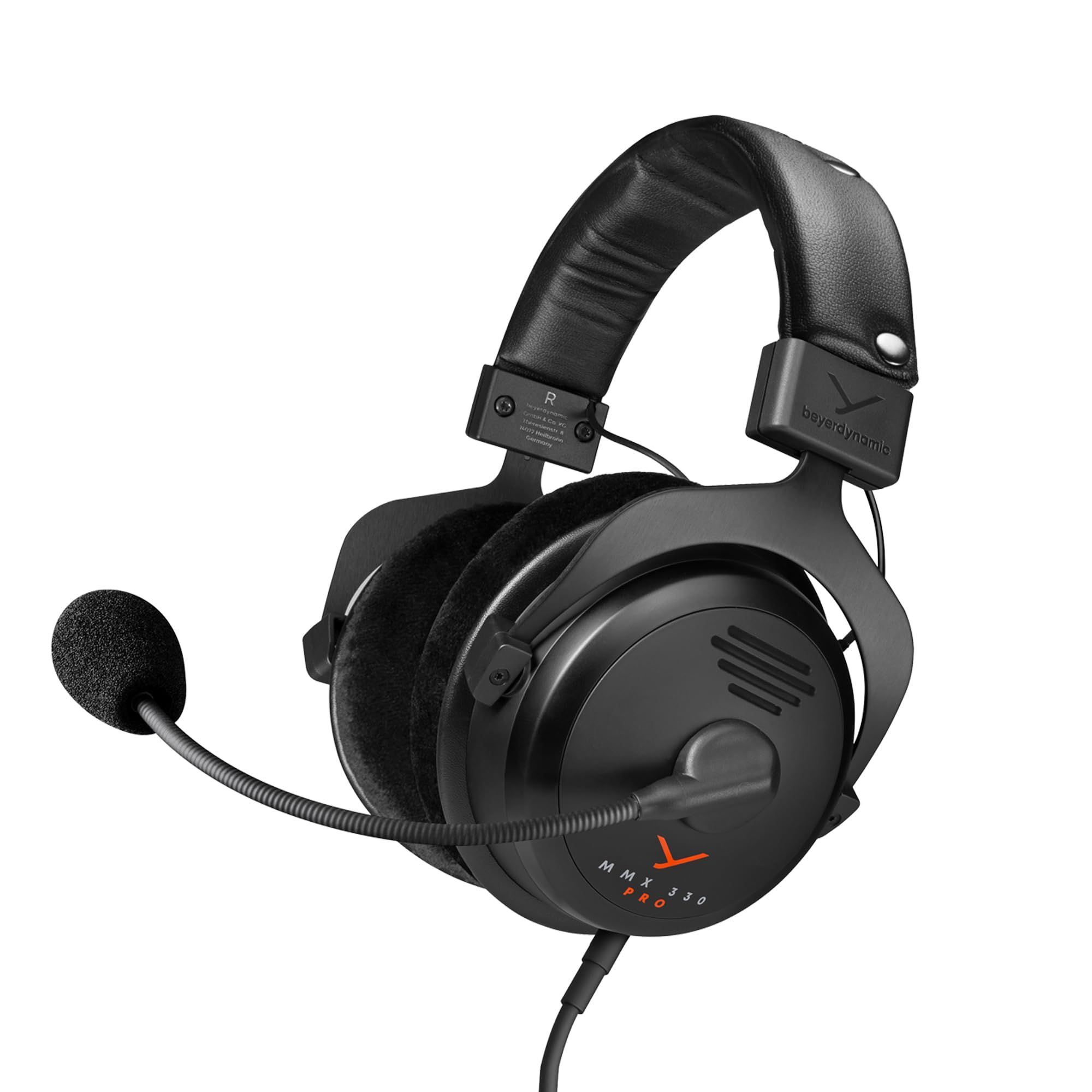
The beyerdynamic MMX 330 PRO is an open-back gaming headset with a cardioid back electret condenser microphone. beyerdynamic says the open-back design gives a high level of spatial definition, and like the DT 900 PRO X, it is handmade in Germany.
It uses a STELLAR.45 driver system with a 48-ohm nominal impedance, a 5 Hz to 40,000 Hz frequency response and a nominal sound pressure level of 96 dB. It weighs 318 g without the cable and has velour ear pads. Two 3.5 mm stereo jack cables and a 3.5 mm adapter for consoles are included, and beyerdynamic lists compatibility with PlayStation, Xbox, Nintendo Switch, smartphones and PC.
Key highlights
- STELLAR.45 driver system
- 48 ohms nominal impedance
- 5 Hz to 40,000 Hz frequency response
- Cardioid back electret condenser microphone
- 318 g without cable
- Two 3.5 mm stereo jack cables and a 3.5 mm console adapter
- Listed for PlayStation, Xbox, Nintendo Switch, smartphone and PC
Pros
- Only pick here with a built-in microphone
- Wide platform support over 3.5 mm
- Velour ear pads designed for long gaming sessions
- Handmade in Germany
Cons
- Only 3.5 mm analog cables are listed, with no USB or wireless option
- The open-back design lets game audio leak out and room noise in
Who it is for: PC and console players in a quiet room who want open-back sound and a condenser mic in one headset.
Skip if
You game in a shared or noisy room.
How to Choose
- Accept the sound leak. Open-back cups let sound out and outside noise in, so these headphones work best in a quiet room at home or in a studio, not on a commute.
- Match impedance and sensitivity to your source. A low-impedance, high-sensitivity model such as the 42-ohm, 112 dB SPL/mW Meze 105 AER is easier on a phone, while the 130-ohm HD 490 PRO may need an amp or audio interface.
- Check the connectors and cables. Look at the plug on the headphone end, such as mini XLR, dual 3.5 mm or Lemo, and whether a balanced cable comes in the box.
- Consider weight for long sessions. The picks here range from 260 g to 490 g, and that difference adds up over hours of wear.
- Decide whether you need a microphone. Most open-back headphones have none. If you game or take calls, a headset like the MMX 330 PRO saves adding a separate mic.
- Look for replaceable parts. Swappable pads, headbands and detachable cables can keep a pair in use for longer.
FAQ
What makes headphones open-back?
The outside of each ear cup is open, often behind a grille, instead of sealed. Sound can move freely through the back of the cup rather than being trapped inside.
Do open-back headphones leak sound?
Yes. People nearby can hear what you are playing, and you will hear more of the room around you. That is the main trade-off against closed-back headphones.
Do I need a headphone amp for open-back headphones?
It depends on the model. Check impedance and sensitivity: lower impedance and higher sensitivity mean a phone or laptop can drive the headphones more easily, while high-impedance models often benefit from an amp or audio interface.
Are open-back headphones good for gaming?
They can be in a quiet room, and some gaming headsets now use open-back designs. You will need a separate microphone unless you choose a headset with one built in.
Can I use open-back headphones to record vocals?
They are a poor fit for recording next to a microphone, because sound leaking from the cups can be picked up in the recording. They suit mixing and editing better than tracking.
Published November 11, 2026 Last updated November 11, 2026
Add Technobezz on Google:Preferred SourceGoogle Discover
More on headphones
Buying guide
5 Best On-Ear Headphones in 2026
Deal
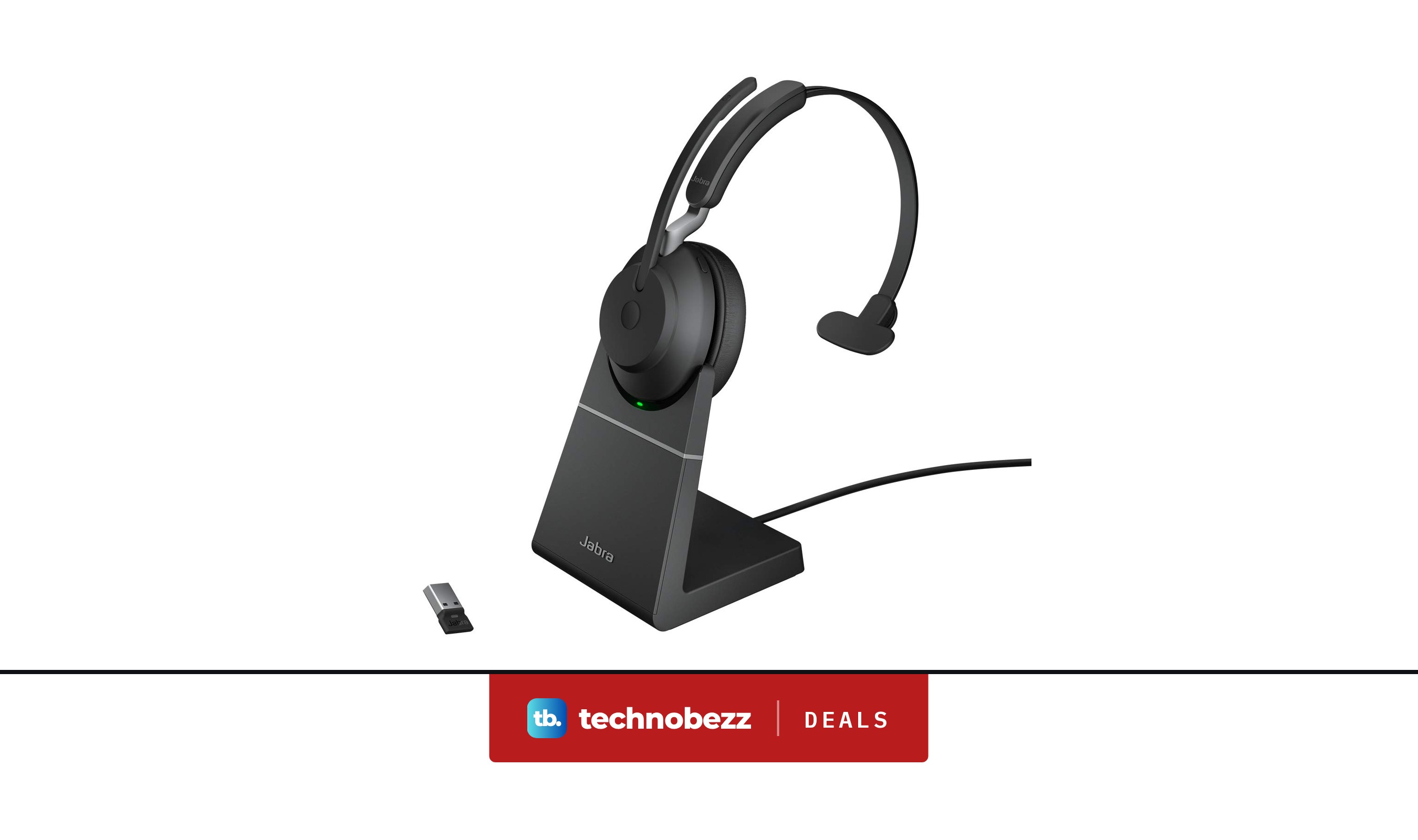
Jabra Evolve2 65 Bluetooth Wireless Headset sees price cut to $229.95
Buying guide
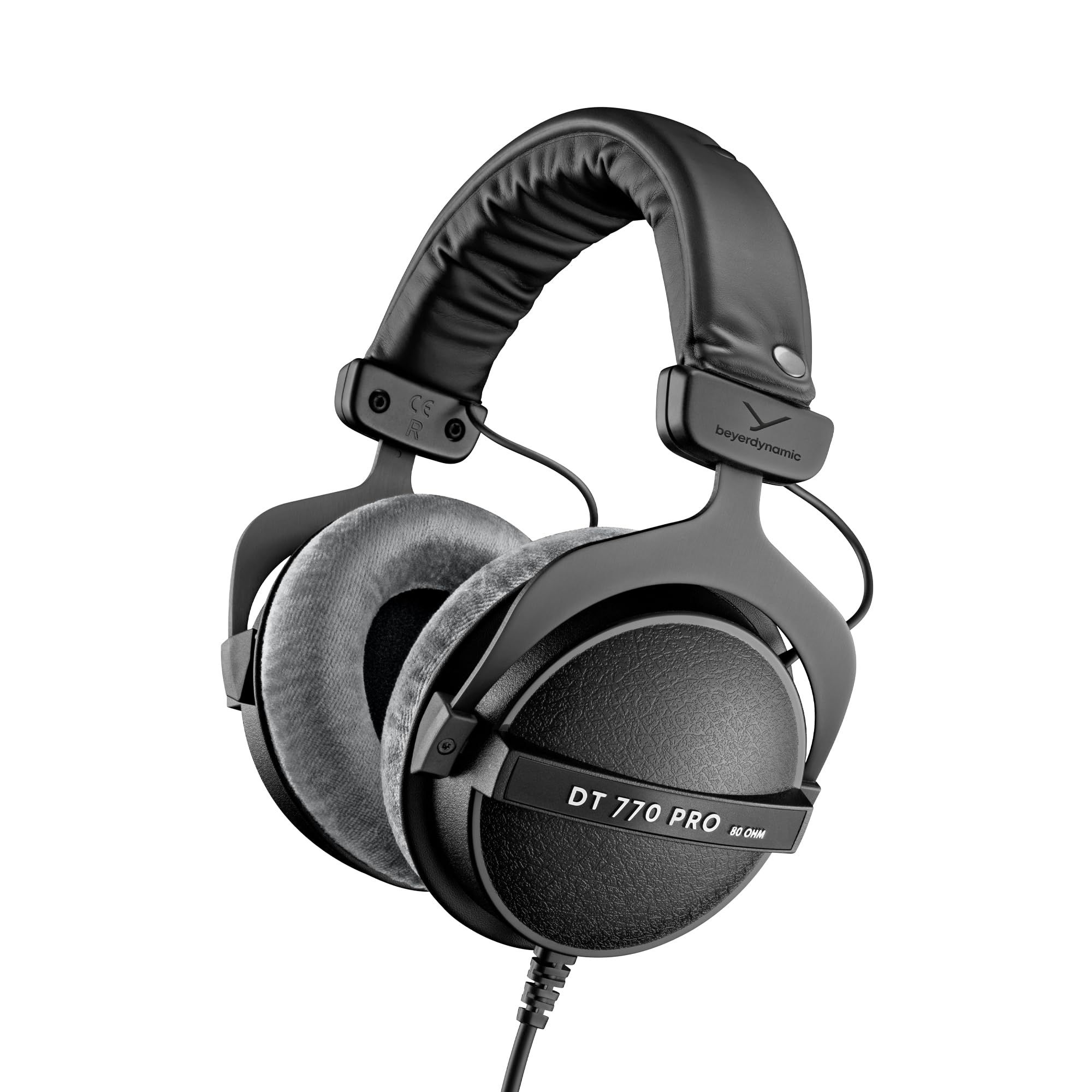
5 Best Studio Headphones in 2026
Buying guide
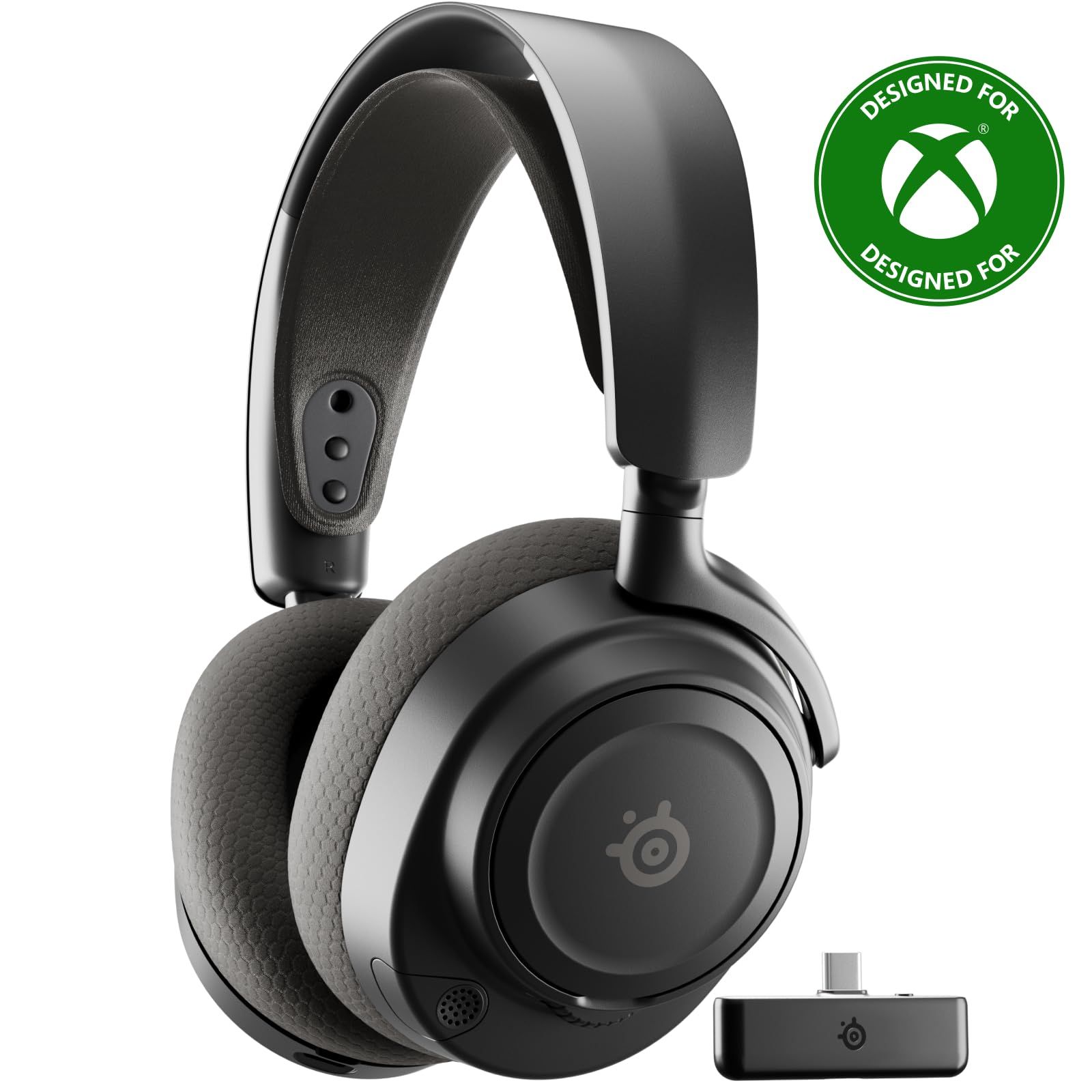
6 Best Gaming Headsets for Xbox in 2026
More buying guides
Buying guide6 Best OLED Monitors in 2026Buying guide5 Best Walkie Talkies in 2026Buying guide8 Best Wireless Gaming Keyboards in 2026Buying guide6 Best Gaming Mouse Pads in 2026Buying guide5 Best Phones for Kids in 2026Buying guide5 Best Emergency Radios in 2026Buying guide6 Best Short Throw Projectors in 2026Buying guide5 Best Wireless Keyboard and Mouse Combos 2026