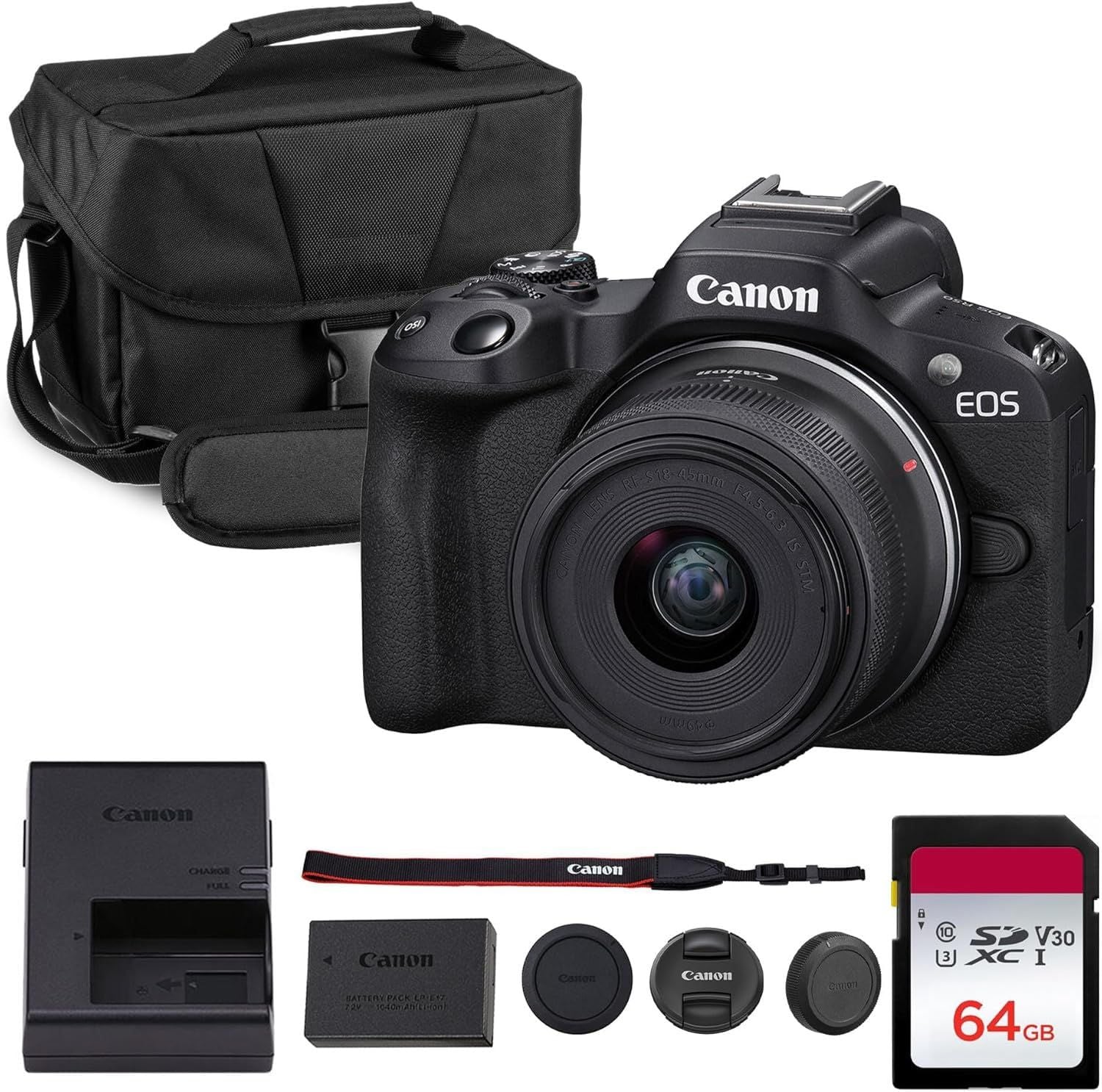
The Canon EOS R50 with RF-S 18-45mm is the best digital camera for beginners because it puts the right tools in a small, approachable kit. You get a 24.2MP APS-C sensor, Dual Pixel CMOS AF II, a real viewfinder, a fully articulating touchscreen, and UHD 4K 30p video oversampled from 6K.
Technobezz is supported by its audience. We may get a commission from retail offers.
10 Best Digital Cameras for Beginners in 2026
Canon EOS R50 with RF-S 18-45mm is the top beginner camera for easy autofocus, strong photos, and 4K video.
T
Technobezz
Editorial Team
Updated September 4, 2026Sep 4, 2026
•14 min read

Get Deals Like These in Your Inbox
The best prices, straight to your inbox.
On GoogleFollow Technobezz: add us as a preferred source.

A first camera should make good results easier without boxing you in later. These picks cover simple mirrorless kits, video-first bodies, color-focused cameras, travel-ready systems, and compact options from established camera brands.
At a Glance
| Category | Product | Why We Picked It |
|---|---|---|
| Best overall | Canon EOS R50 with RF-S 18-45mm | Easy autofocus, strong color, and a real viewfinder in a beginner-friendly kit |
| Best budget | Canon EOS R100 with RF-S 18-45mm | A simple Canon RF mirrorless entry point for learning still photography |
| Best for vlogging | Sony ZV-E10 II with 16-50mm | Creator-focused controls, strong video autofocus, and the Sony E-mount system |
| Best for in-camera color | Fujifilm X-M5 with XC 15-45mm | Compact hybrid performance with Fujifilm film simulations for polished JPEGs |
| Best for learning photography | Nikon Z50II with 16-50mm | A viewfinder, subject detection, and a stabilized 16-50mm kit zoom for learning photography |
| Best for action and family sports | Canon EOS R10 with RF-S 18-150mm | Fast shooting and a long kit zoom for kids, pets, travel, and distant subjects |
| Best fixed-lens compact | Canon PowerShot V1 | A simpler no-lens-choice camera with strong video tools and a large compact sensor |
| Best for outdoor travel | OM System OM-5 Mark II with 14-150mm | Weather resistance, strong stabilization, and a light long-zoom travel kit |
| Best compact lens system | Panasonic Lumix G100D with 12-32mm | A tiny Micro Four Thirds kit with a viewfinder and many compact lens options |
| Also recommended | Sony a6400 with 16-50mm | A compact Sony stills camera with an EVF and a huge lens ecosystem |
How we chose
We chose beginner digital cameras by focusing on the factors that matter most after the first week of ownership: autofocus confidence, lens path, viewfinder availability, video quality, stabilization, portability, handling, and practical room to grow. Strong still-image quality, approachable controls, useful kit lenses, and credible system support carried more weight than headline specs alone.
The best digital cameras for beginners right now
Canon EOS R50 with RF-S 18-45mm - Best overall
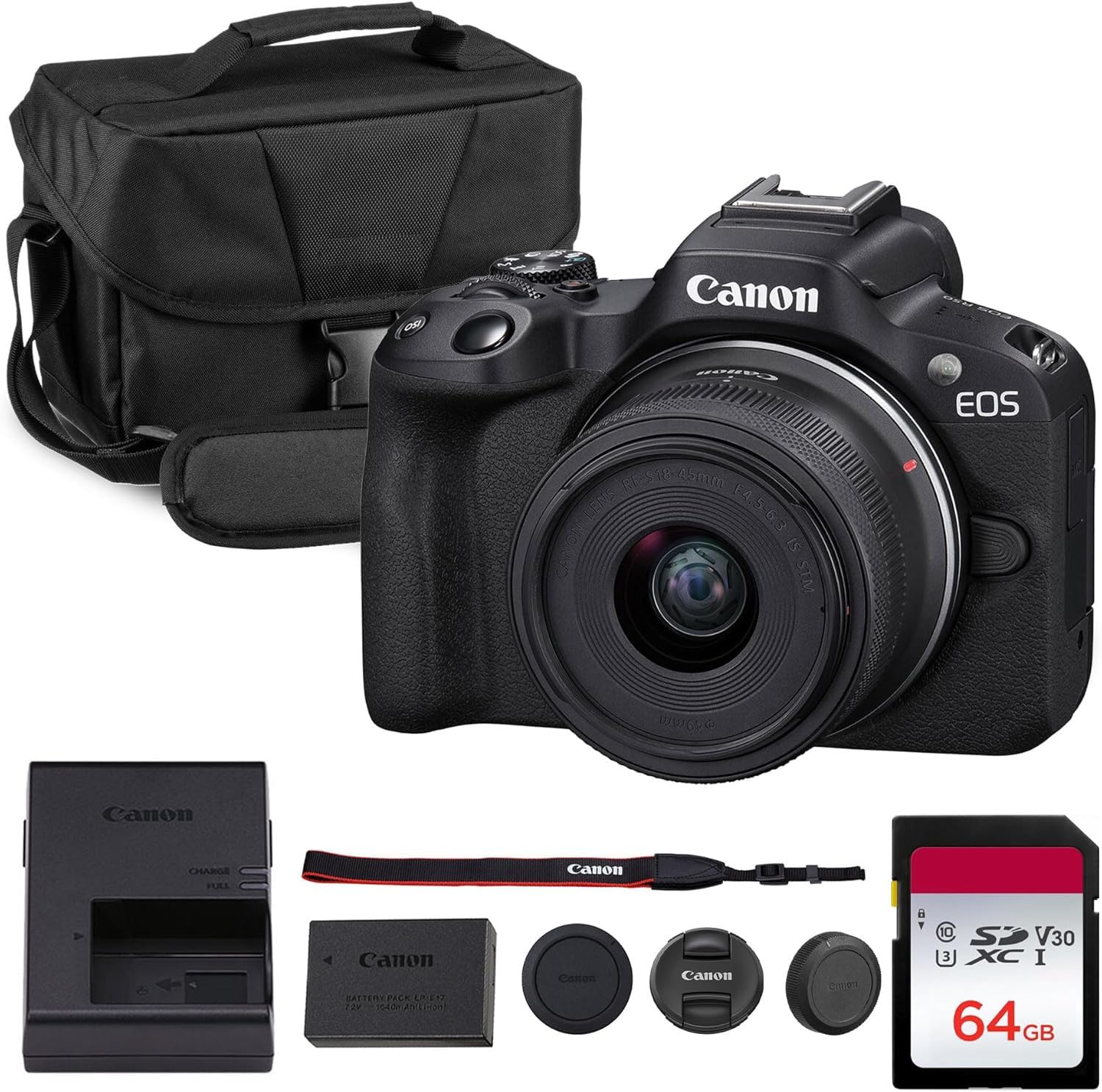
Canon gets the beginner formula right with the EOS R50. Its 24.2MP APS-C CMOS sensor, DIGIC X processor, and Dual Pixel CMOS AF II with 651 AF zones give new photographers a capable camera without making the jump from a phone feel complicated.
The R50 works especially well as a one-camera starter kit for family photos, travel, casual sports, and short videos. A real viewfinder, fully articulating touchscreen, guided Canon menus, and UHD 4K 30p video oversampled from 6K make it easy to learn and easy to keep using.
Key highlights
- 24.2MP APS-C CMOS sensor
- DIGIC X processor
- Dual Pixel CMOS AF II with 651 AF zones
- UHD 4K 30p video oversampled from 6K
- Up to 12 fps electronic first-curtain shooting
- Up to 15 fps electronic shutter shooting
Pros
- Excellent beginner autofocus for people, pets, and everyday action
- Real viewfinder plus fully articulating touchscreen
- Small, approachable body with guided Canon menus
- Strong JPEG color and easy wireless sharing
Cons
- No in-body image stabilization
- RF-S lens selection is still thinner than Sony E or Micro Four Thirds
- Small kit lens is convenient but dim in low light
Who it's for
Best for beginners who want one easy first mirrorless camera for family photos, travel, casual sports, and short videos.
Skip if
Look elsewhere if you mainly shoot handheld video while walking or want the broadest third-party lens ecosystem.
Canon EOS R100 with RF-S 18-45mm - Best budget
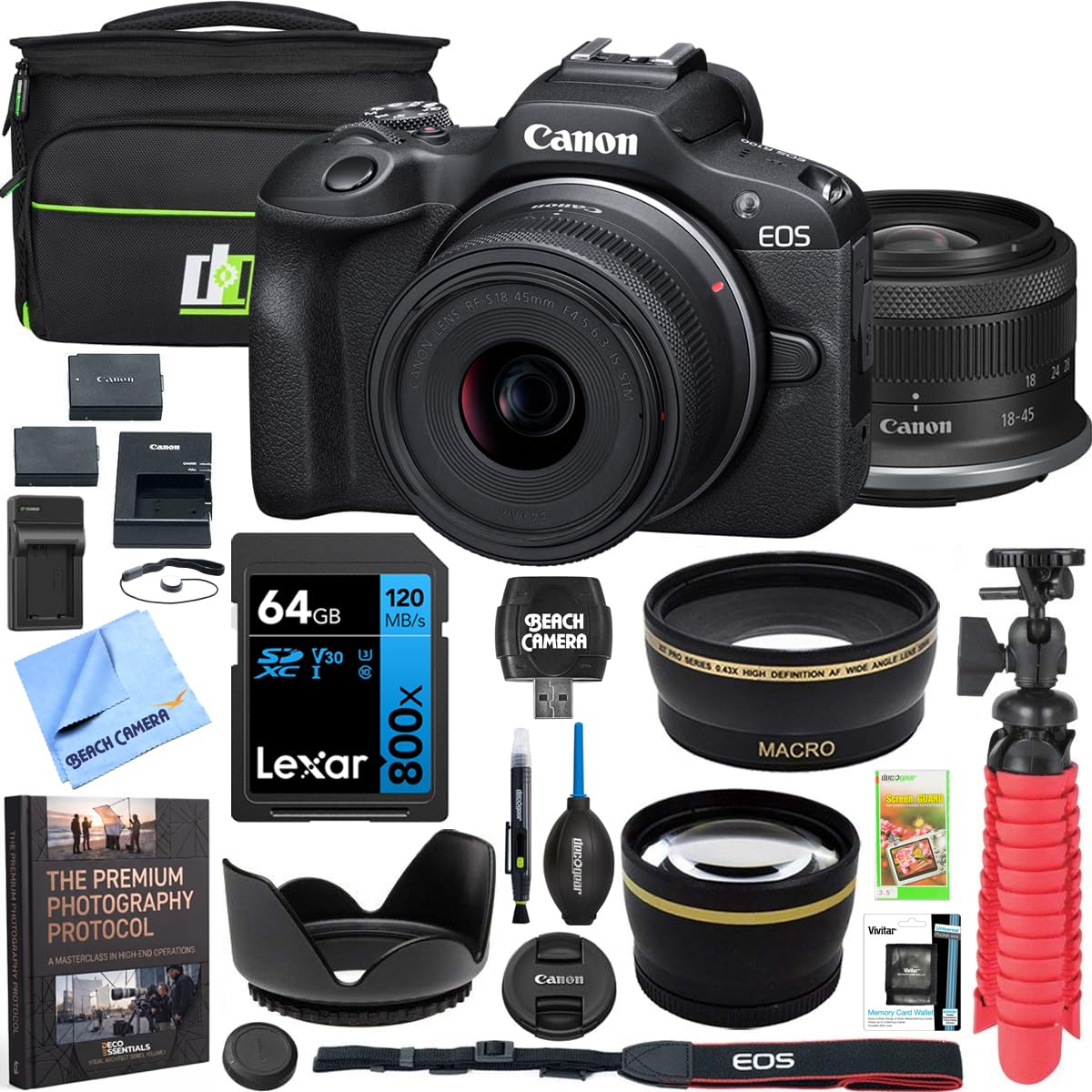
The Canon EOS R100 keeps the cost-conscious beginner focused on the basics: a 24.1MP APS-C CMOS sensor, DIGIC 8 processing, Dual Pixel CMOS AF with 143 AF zones, and the same Canon RF and RF-S lens mount used by higher-end Canon bodies.
This is the still-photo pick for shoppers who can live without newer conveniences. The fixed non-touch screen and cropped 4K 24p video are clear tradeoffs, but Full HD 60p, simple controls, and good 24MP still-image quality make it a sensible camera for learning composition and exposure.
Key highlights
- 24.1MP APS-C CMOS sensor
- DIGIC 8 processor
- Dual Pixel CMOS AF with 143 AF zones
- 4K 24p video with crop
- Full HD 60p video
- Canon RF and RF-S lens mount
Pros
- Lowest-cost current Canon RF mirrorless entry point
- Good 24MP still-image quality for the money
- Simple controls for new photographers
- Uses the same RF mount as higher-end Canon bodies
Cons
- Fixed non-touch rear screen feels dated
- 4K video has a heavy crop and weaker AF behavior than R50
- Slower and less capable for action
Who it's for
Best for buyers whose priority is an affordable new interchangeable-lens camera for learning still photography.
Skip if
Choose another camera for vlogging, a flip screen, strong video, or fast moving-subject performance.
Sony ZV-E10 II with 16-50mm - Best for vlogging
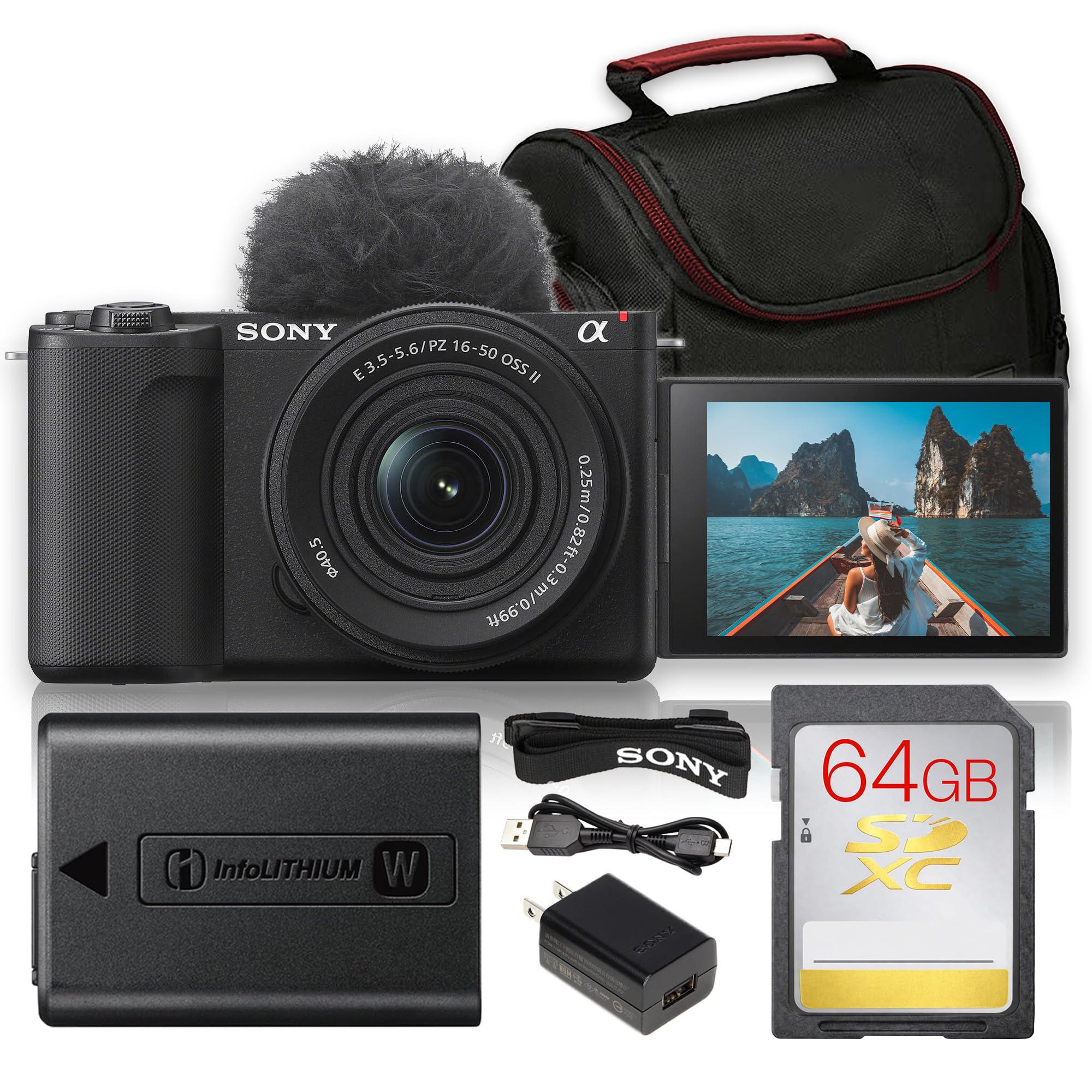
Sony built the ZV-E10 II around video creators, and that shows in the spec mix. It combines a 26.0MP APS-C Exmor R CMOS sensor, UHD 4K 60p recording, Full HD 120p recording, and 759-point Fast Hybrid phase-detection AF. Sony's free 4K 120p Upgrade License adds cropped 4K 120p and Full HD slow motion up to 240 fps; Active stabilization is unavailable in these high-frame-rate modes.
The 16-50mm kit stays compact, while the Sony E-mount gives beginners a large lens ecosystem for future upgrades. It skips an electronic viewfinder and in-body stabilization, so it makes the most sense when video, compact size, and creator-friendly controls matter more than traditional stills handling.
Key highlights
- 26.0MP APS-C Exmor R CMOS sensor
- Sony E-mount lens system
- UHD 4K 60p; cropped 4K 120p with Sony's free upgrade license
- Full HD video up to 120p
- 759-point Fast Hybrid phase-detection AF
- E PZ 16-50mm f/3.5-5.6 OSS II kit lens
Pros
- Excellent video autofocus and subject tracking
- Large Sony E-mount lens ecosystem
- Better battery platform than the original ZV-E10
- Compact body with creator-friendly controls
Cons
- No electronic viewfinder
- No in-body stabilization
- Rolling shutter can matter for fast pans
Who it's for
Best for beginners whose first camera is mainly for YouTube, TikTok, travel video, and occasional stills.
Skip if
Pick a different body if you want a viewfinder for photography or a more traditional camera grip and controls.
Fujifilm X-M5 with XC 15-45mm - Best for in-camera color
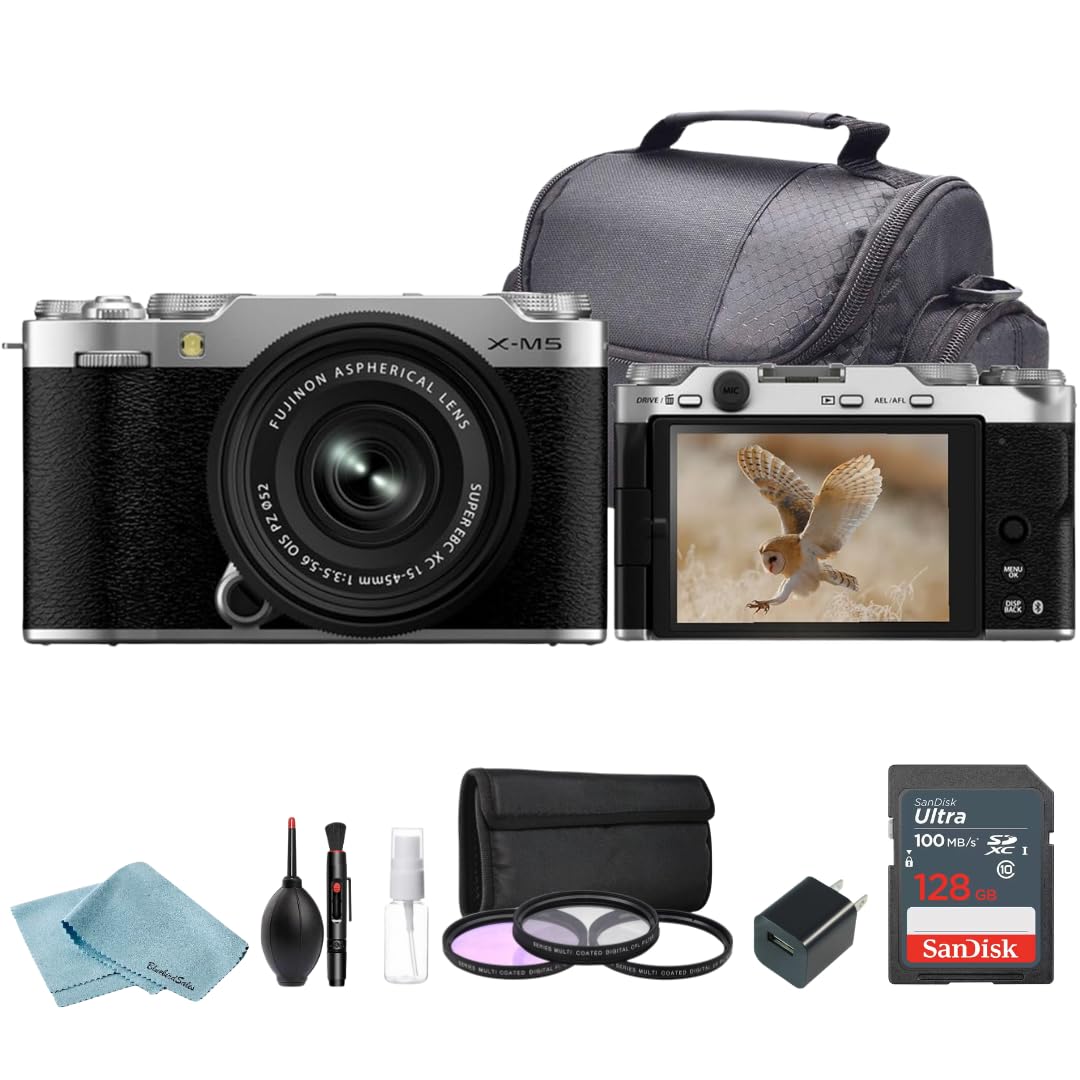
The Fujifilm X-M5 is the beginner camera to buy when JPEG color matters. Its 26.1MP APS-C X-Trans CMOS 4 sensor, X-Processor 5, and Fujifilm film simulations give new photographers a strong creative starting point with minimal editing.
It is also more than a color-first stills body. The X-M5 supports 6.2K 29.97p 10-bit internal recording, uses 425-point AF with AI-based subject detection, and pairs with the compact XC 15-45mm power zoom kit lens.
Key highlights
- 26.1MP APS-C X-Trans CMOS 4 sensor
- X-Processor 5
- Fujifilm X mount
- 6.2K 29.97p 10-bit internal recording
- 425-point AF with AI-based subject detection
- XC 15-45mm power zoom kit lens
Pros
- Fujifilm film simulations make JPEGs look good with minimal editing
- Strong stills and video specs for the size
- Modern subject-detection AF
- Very compact kit with the XC 15-45mm power zoom
Cons
- No built-in viewfinder
- No in-body stabilization
- Fujifilm lenses can get expensive quickly
Who it's for
Best for buyers who want stylish photos straight out of camera and a compact hybrid body for travel and social video.
Skip if
Choose another option if you need an eye-level viewfinder or stabilized handheld video without a gimbal.
Nikon Z50II with 16-50mm - Best for learning photography
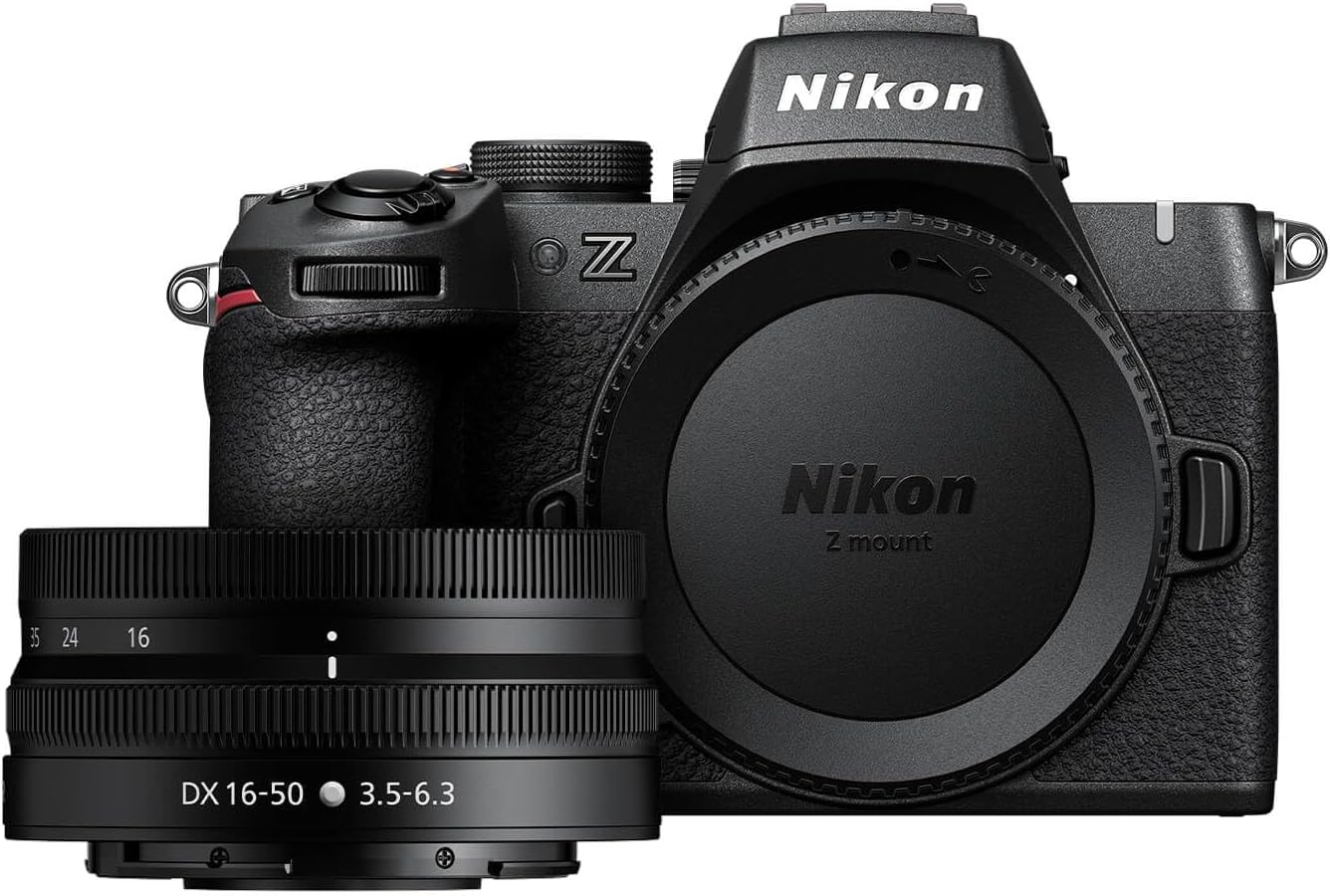
The Nikon Z50II with NIKKOR Z DX 16-50mm f/3.5-6.3 VR gives beginners a viewfinder camera and a stabilized starter zoom. It has a 20.9MP DX-format APS-C CMOS sensor, EXPEED 7 processor, Nikon Z mount, and subject detection for nine subject types.
Its controls and viewfinder help new photographers build habits that carry into more advanced cameras. The compact 16-50mm VR kit lens keeps the setup portable, while 4K UHD up to 60p and Full HD up to 120p add useful video range.
Key highlights
- 20.9MP DX-format APS-C CMOS sensor
- EXPEED 7 processor
- 4K UHD video up to 60p
- Full HD video up to 120p
- Subject detection for 9 subject types
- NIKKOR Z DX 16-50mm f/3.5-6.3 VR kit lens
Pros
- Traditional camera controls and a good viewfinder help beginners learn
- Excellent Nikon color and JPEG rendering
- Improved AF and processor versus original Z50
- Compact 16-50mm VR kit lens is genuinely portable
Cons
- Lower resolution than most APS-C rivals
- No in-body stabilization
- DX Z lens lineup is improving but still narrower than Sony E
Who it's for
Best for beginners who want a camera that feels like a real photography tool, not just a creator box.
Skip if
Look elsewhere if maximum megapixels, IBIS, or the biggest APS-C lens catalog are priorities.
Canon EOS R10 with RF-S 18-150mm - Best for action and family sports
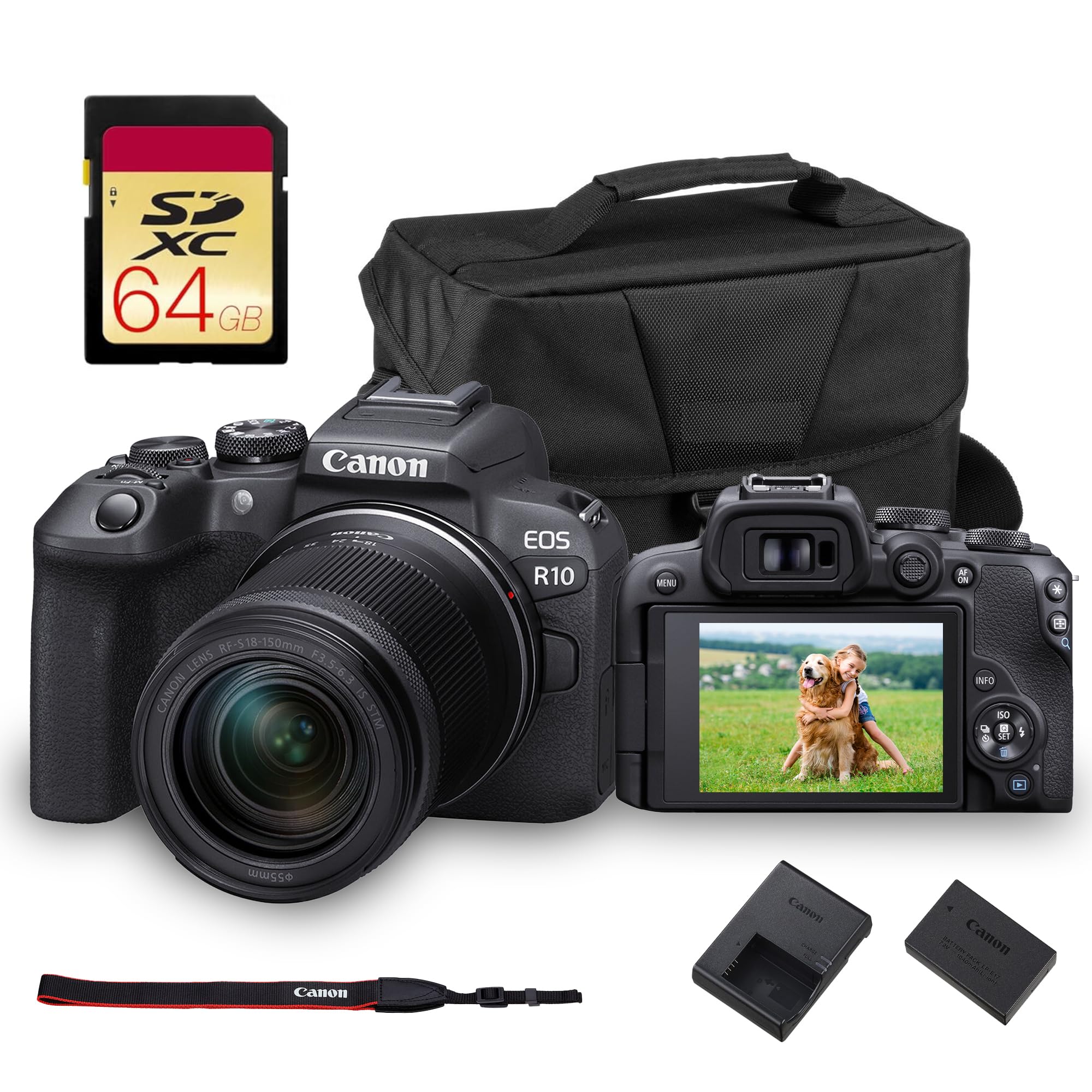
The Canon EOS R10 is the step-up Canon for beginners who already know they will chase motion. A 24.2MP APS-C CMOS sensor, DIGIC X processor, Dual Pixel CMOS AF II, 15 fps mechanical shooting, and 23 fps electronic shutter shooting give it the speed needed for kids, pets, and beginner sports.
The RF-S 18-150mm lens is the practical reason to choose this kit. It covers travel, portraits, and distant subjects without an immediate lens swap, and the camera adds 4K30 plus cropped 4K60 video for hybrid shooting.
Key highlights
- 24.2MP APS-C CMOS sensor
- DIGIC X processor
- Dual Pixel CMOS AF II
- 15 fps mechanical burst shooting
- 23 fps electronic shutter burst shooting
- 4K30 and cropped 4K60 video
Pros
- Fast burst shooting for kids, pets, and beginner sports
- Better controls than cheaper Canon bodies
- 18-150mm kit lens covers travel, portraits, and distant subjects
- Reliable Canon subject-tracking AF
Cons
- More expensive than the R50
- No in-body stabilization
- 4K60 is cropped
Who it's for
Best for beginners who want a camera that can grow into sports, wildlife, and travel photography.
Skip if
Pick a smaller kit if you mainly shoot casual snapshots.
Canon PowerShot V1 - Best fixed-lens compact
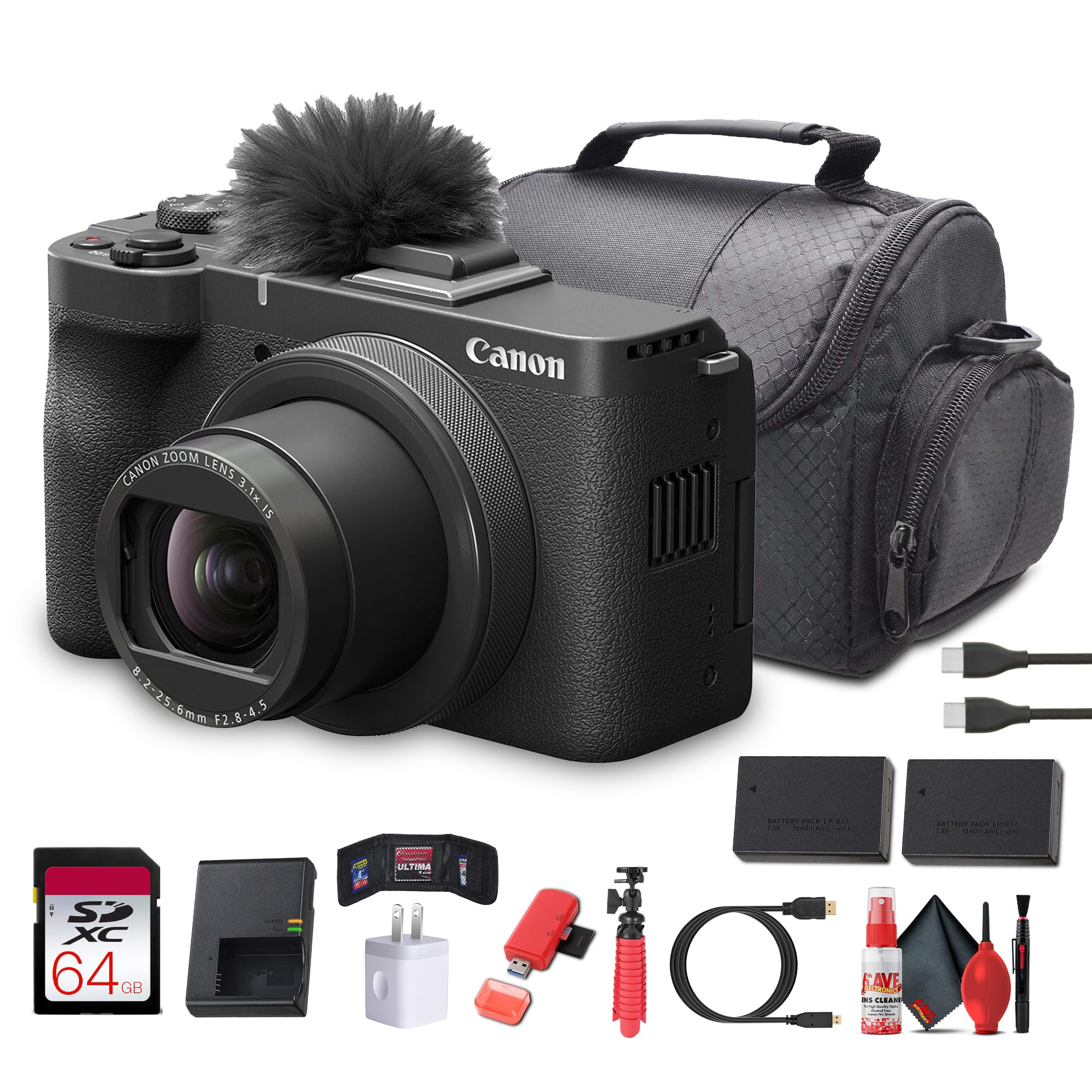
The Canon PowerShot V1 removes the biggest beginner decision by building the lens in. Its 16-50mm equivalent f/2.8-4.5 zoom, 22.3MP 1.4-type CMOS sensor, and optical image stabilization keep the camera simpler than an interchangeable-lens system.
Video features are unusually strong for a compact beginner option. The V1 records full-width 4K 30p, offers 4K 60p with a crop, adds Movie Digital IS, and includes a built-in cooling fan plus Canon Log 3 10-bit 4:2:2 support.
Key highlights
- 22.3MP 1.4-type CMOS sensor
- 16-50mm equivalent f/2.8-4.5 built-in zoom
- Full-width 4K 30p video
- 4K 60p video with crop
- Optical image stabilization plus Movie Digital IS
- Built-in cooling fan and Canon Log 3 10-bit 4:2:2
Pros
- No lenses to choose or carry
- Large sensor for a compact camera
- Wide built-in lens works well for handheld video and travel
- Strong Canon autofocus and video tools
Cons
- No viewfinder
- Pricier than many entry mirrorless kits
- Built-in lens limits telephoto reach and future upgrades
Who it's for
Best for buyers who want a high-quality travel and video camera that stays simpler than an interchangeable-lens system.
Skip if
Choose an interchangeable-lens camera if you want wildlife reach, lens upgrades, or a traditional stills viewfinder.
OM System OM-5 Mark II with 14-150mm - Best for outdoor travel
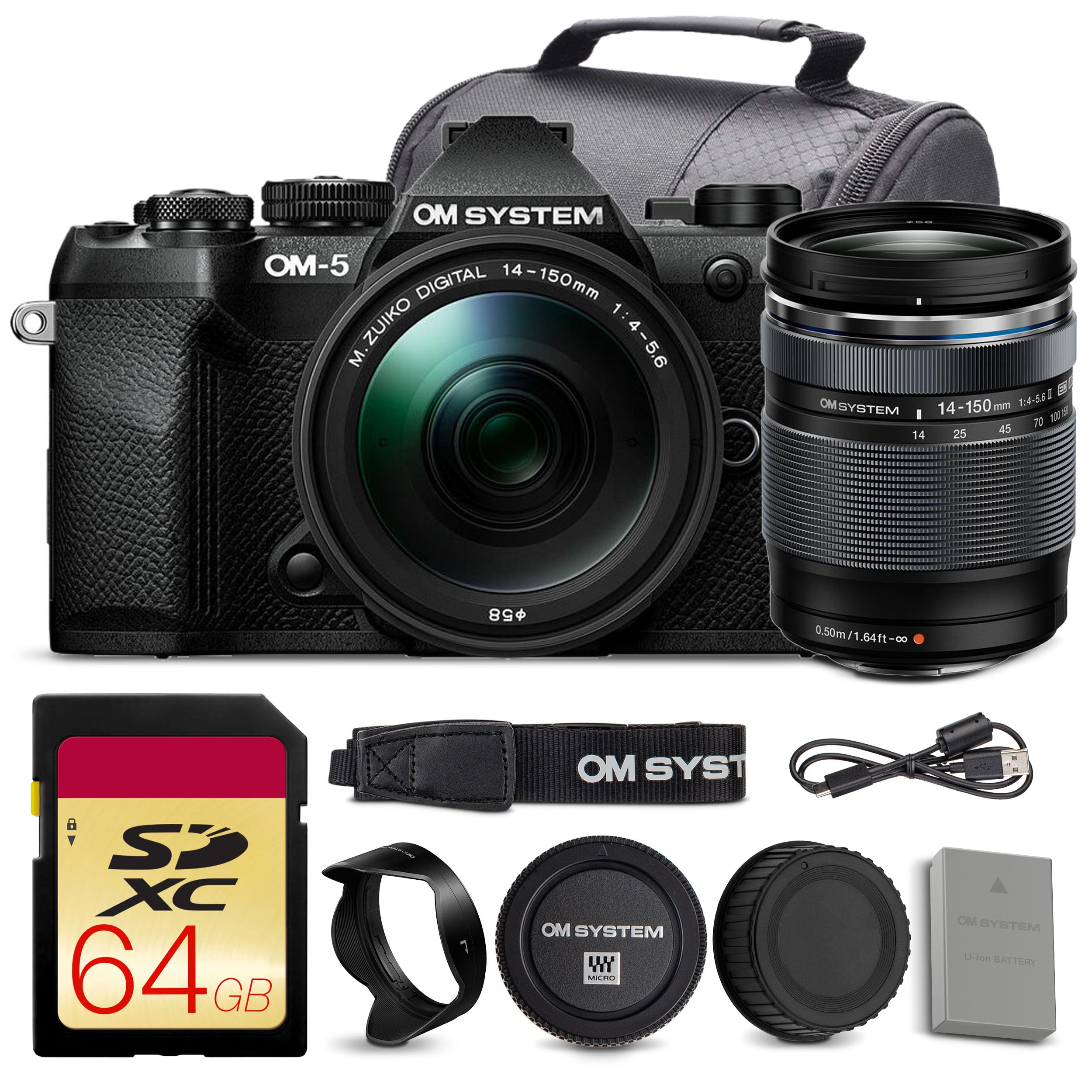
The OM System OM-5 Mark II is built for beginners who take the camera outside in less predictable conditions. It uses a 20.4MP Live MOS Micro Four Thirds sensor, built-in 5-axis sensor-shift image stabilization, and an IP53 dustproof, splashproof, and freezeproof body rated to -10C.
Its Micro Four Thirds system keeps lenses small, and the M.Zuiko Digital ED 14-150mm f/4-5.6 II kit lens gives outdoor shooters a broad travel range. It also supports 4K, C4K, Full HD, and High Speed Movie FHD capture.
Key highlights
- 20.4MP Live MOS Micro Four Thirds sensor
- Built-in 5-axis sensor-shift image stabilization
- IP53 dustproof, splashproof, and freezeproof to -10C
- 4K, C4K, Full HD, and High Speed Movie FHD video
- M.Zuiko Digital ED 14-150mm f/4-5.6 II kit lens
Pros
- Weather-sealed body is rare in beginner-friendly cameras
- Excellent stabilization for handheld stills
- Small Micro Four Thirds lenses keep travel kits light
- Computational modes are useful for creative photography
Cons
- More expensive than basic beginner kits
- Autofocus and video specs trail newer APS-C rivals
- Smaller sensor has less low-light flexibility than APS-C
Who it's for
Best for buyers who care about hiking, travel, rain, and portability more than maximum sensor size.
Skip if
Choose a newer APS-C rival if you mostly shoot indoor video or want the strongest subject-tracking autofocus.
Panasonic Lumix G100D with 12-32mm - Best compact lens system
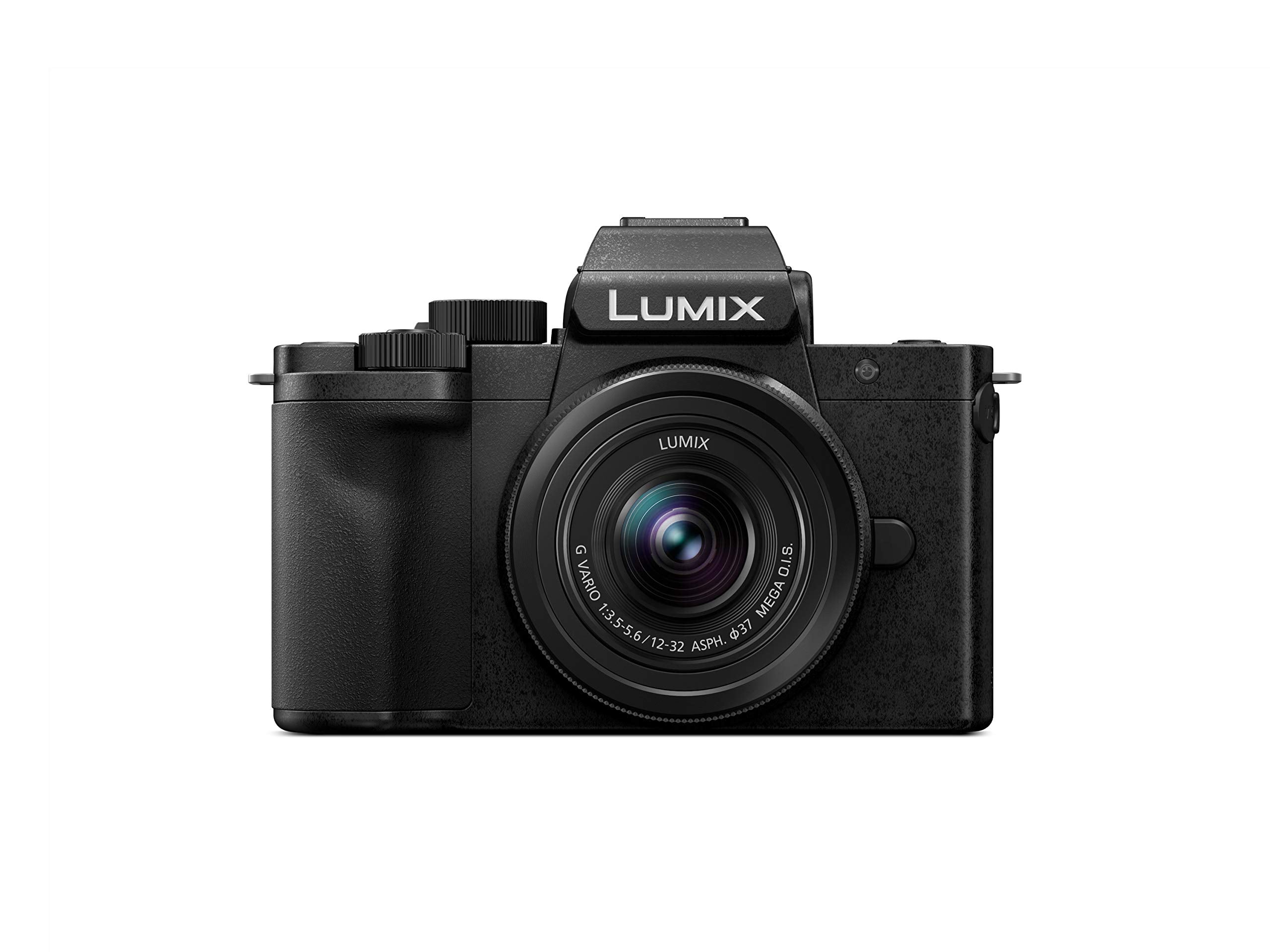
The Panasonic Lumix G100D is the compact system pick for beginners who want interchangeable lenses without carrying a large kit. It uses a 20.3MP Live MOS Micro Four Thirds sensor, the Micro Four Thirds mount, and a small 12-32mm starter lens.
Its electronic viewfinder gives it an advantage over some compact creator bodies. The 3.0-inch 1,840k-dot articulating touchscreen, UHD 4K 30p video, pre-installed V-Log L, and Hybrid I.S. for video (five-axis in Full HD, four-axis in 4K) make it flexible for stills and clips.
Key highlights
- 20.3MP Live MOS Micro Four Thirds sensor
- Micro Four Thirds mount
- UHD 4K 30p video
- Pre-installed V-Log L
- Hybrid I.S. for video: five-axis in Full HD, four-axis in 4K
- 3.0-inch 1,840k-dot articulating touchscreen LCD
Pros
- Very small kit with access to many Micro Four Thirds lenses
- Has an electronic viewfinder despite the compact body
- Good value when discounted
- Useful flip screen and creator-friendly audio features
Cons
- Contrast-detect AF is less confident than Canon, Sony, or Nikon phase-detect systems
- No sensor-shift IBIS for stills
- 4K video crop and modest burst speed limit advanced use
Who it's for
Best for buyers who want a tiny interchangeable-lens camera with a viewfinder and affordable compact lenses.
Skip if
Look elsewhere for fast action, demanding autofocus, or serious handheld walking video.
Sony a6400 with 16-50mm - Also recommended
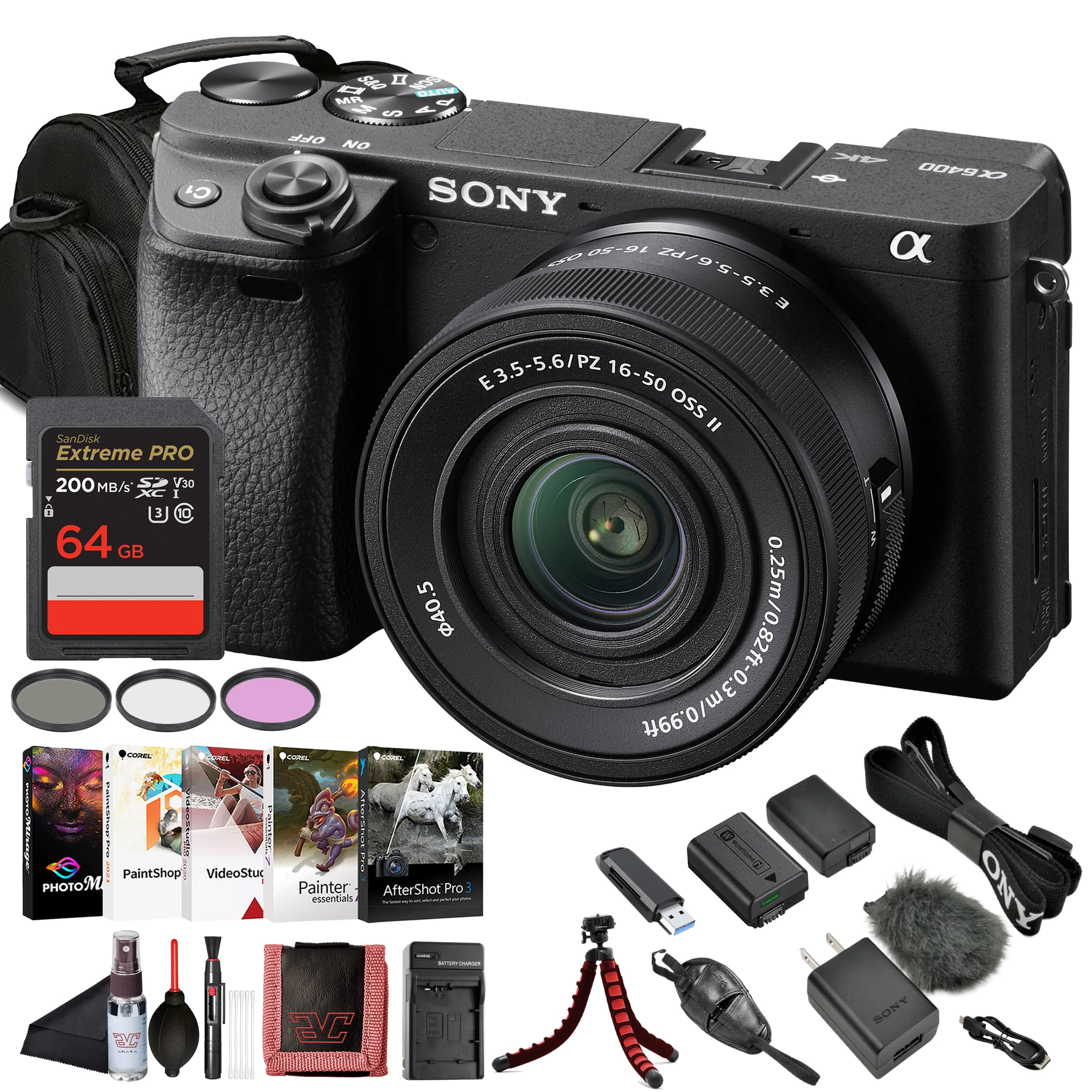
The Sony a6400 remains a strong compact stills option for beginners who want the Sony E-mount system and an eye-level viewfinder. It uses a 24.2MP APS-C Exmor CMOS sensor, Real-Time Eye AF, Real-Time Tracking, and up to 11 fps continuous shooting.
Its XGA Tru-Finder 2.36m-dot OLED EVF gives it a more traditional shooting experience than viewfinder-free creator cameras. The tradeoffs are clear: no in-body stabilization, an older 2019 body design, and a flip-up screen that can conflict with top-mounted microphones.
Key highlights
- 24.2MP APS-C Exmor CMOS sensor
- Sony E-mount lens system
- Real-Time Eye AF
- Real-Time Tracking
- XGA Tru-Finder 2.36m-dot OLED EVF
- Up to 11 fps continuous shooting
Pros
- Still very capable autofocus for stills
- Built-in EVF in a compact body
- Massive Sony E-mount lens ecosystem
- Often available in discounted kits
Cons
- Older 2019 body design
- No in-body stabilization
- Flip-up screen can conflict with top-mounted microphones
Who it's for
Best for buyers who want a compact Sony stills camera with a viewfinder and do not need the newest video body.
Skip if
Choose a newer Sony body if you want current-generation video features, a side-flip screen, or the newer Z battery.
How to Choose
- Start with use case, not megapixels. For beginners, autofocus, lens choice, stabilization, and handling matter more than small resolution differences. A 20MP to 26MP camera is enough for large prints and heavy social use.
- Choose a lens system before a body. Canon RF-S, Sony E, Nikon Z DX, Fujifilm X, and Micro Four Thirds all lead to different upgrade paths. Sony and Micro Four Thirds have the broadest small-lens ecosystems, while Canon and Nikon have excellent bodies but fewer native APS-C budget lenses.
- Decide whether you need a viewfinder. A viewfinder helps in bright sun and teaches traditional photography habits. Video-first bodies like the Sony ZV-E10 II and Fujifilm X-M5 skip it to stay compact.
- For video, check stabilization and ports. A flip screen, mic input, headphone jack, 4K quality, crop factor, rolling shutter, and stabilization matter more than the still-photo spec sheet if you plan to vlog.
- Budget for accessories. A memory card, spare battery, camera bag, and one better lens often matter quickly. Very cheap bundles can include low-quality add-ons, so the actual camera and manufacturer kit lens should drive the purchase.
- Avoid no-name high-megapixel cameras. Many cheap Amazon cameras advertise 48MP, 64MP, or 5K specs that are upscaled from tiny sensors. A real Canon, Sony, Nikon, Fujifilm, Panasonic, or OM System camera with fewer megapixels will produce better images.
Is mirrorless better than DSLR for a beginner in 2026?
Yes for most new-camera shoppers. Mirrorless cameras now lead in autofocus, live exposure preview, video features, and active lens development, while most entry DSLR options are older.
How many megapixels do beginners need?
About 20MP to 26MP is plenty for social media, albums, cropping, and large prints. Lens quality, autofocus, and light matter more than chasing higher numbers.
Should a beginner buy a kit lens bundle?
Yes, unless you already know the exact lens you need. A manufacturer kit zoom covers everyday focal lengths and keeps the first purchase simple.
Do beginners need in-body image stabilization?
No. It helps for handheld stills in low light and smoother video, but many beginner kits rely on optical lens stabilization, digital video stabilization, or good shooting technique.
Which beginner cameras are best if I want a viewfinder?
Choose the Canon EOS R50 for the best overall balance, Nikon Z50II for traditional photo learning, Panasonic Lumix G100D for a tiny Micro Four Thirds kit, or Sony a6400 for Sony E-mount stills.
Published July 10, 2026 Last updated September 5, 2026
Share this article
More on cameras
Deal
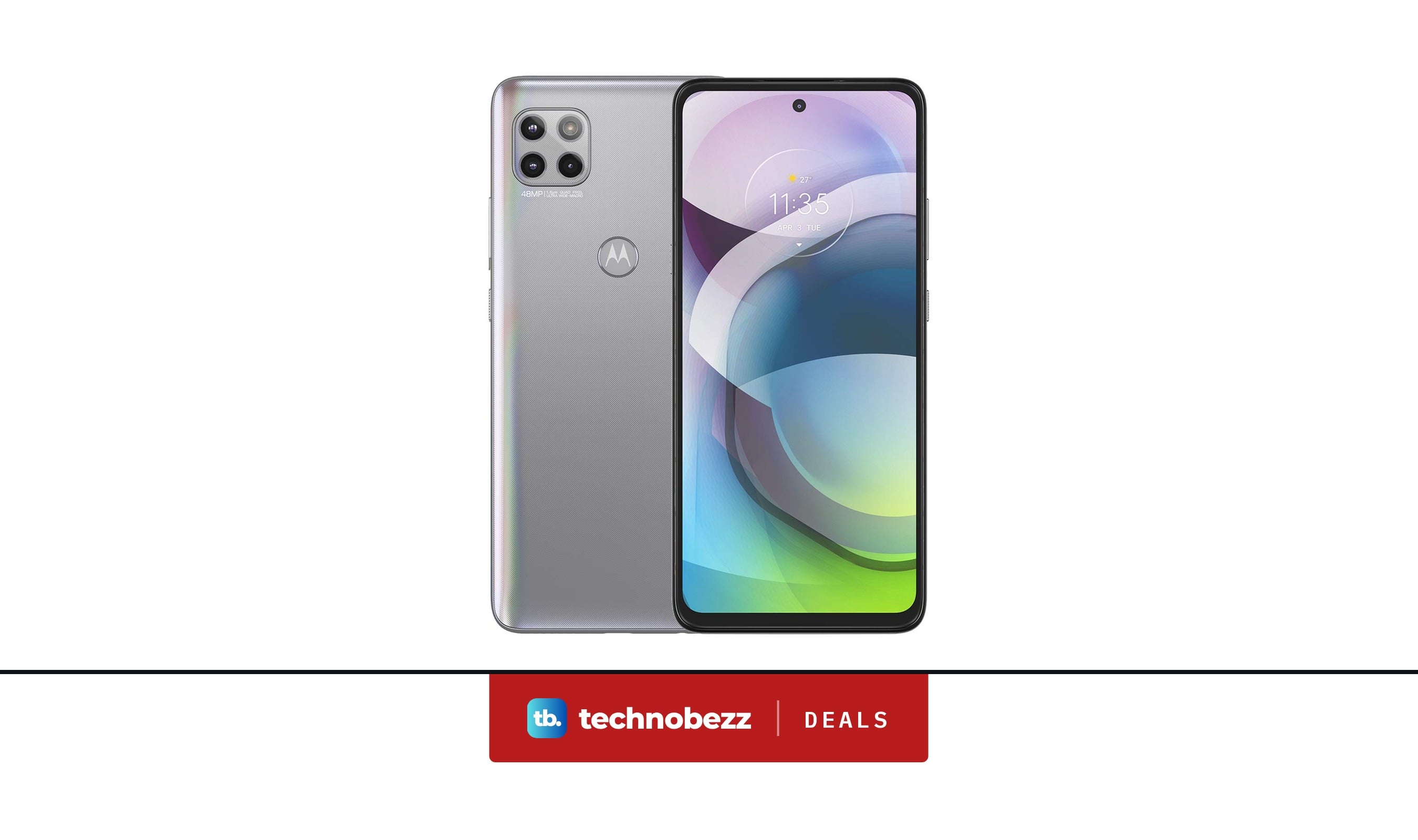
Motorola Moto G 5G Unlocked 6/ MP Camera discounted to $247.99
Buying guide
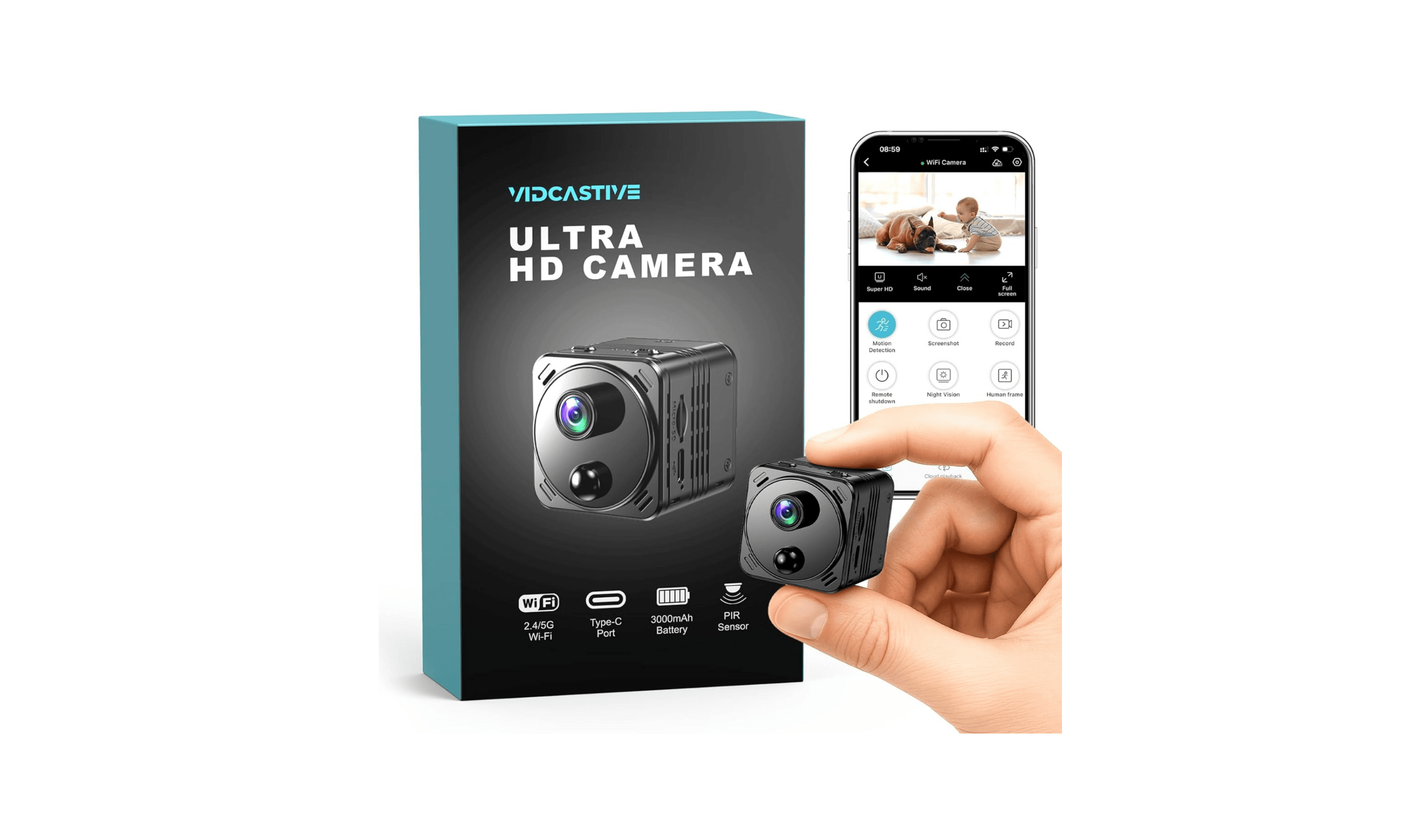
5 Spy Cameras for Home and Portable Monitoring (2026)
Deal
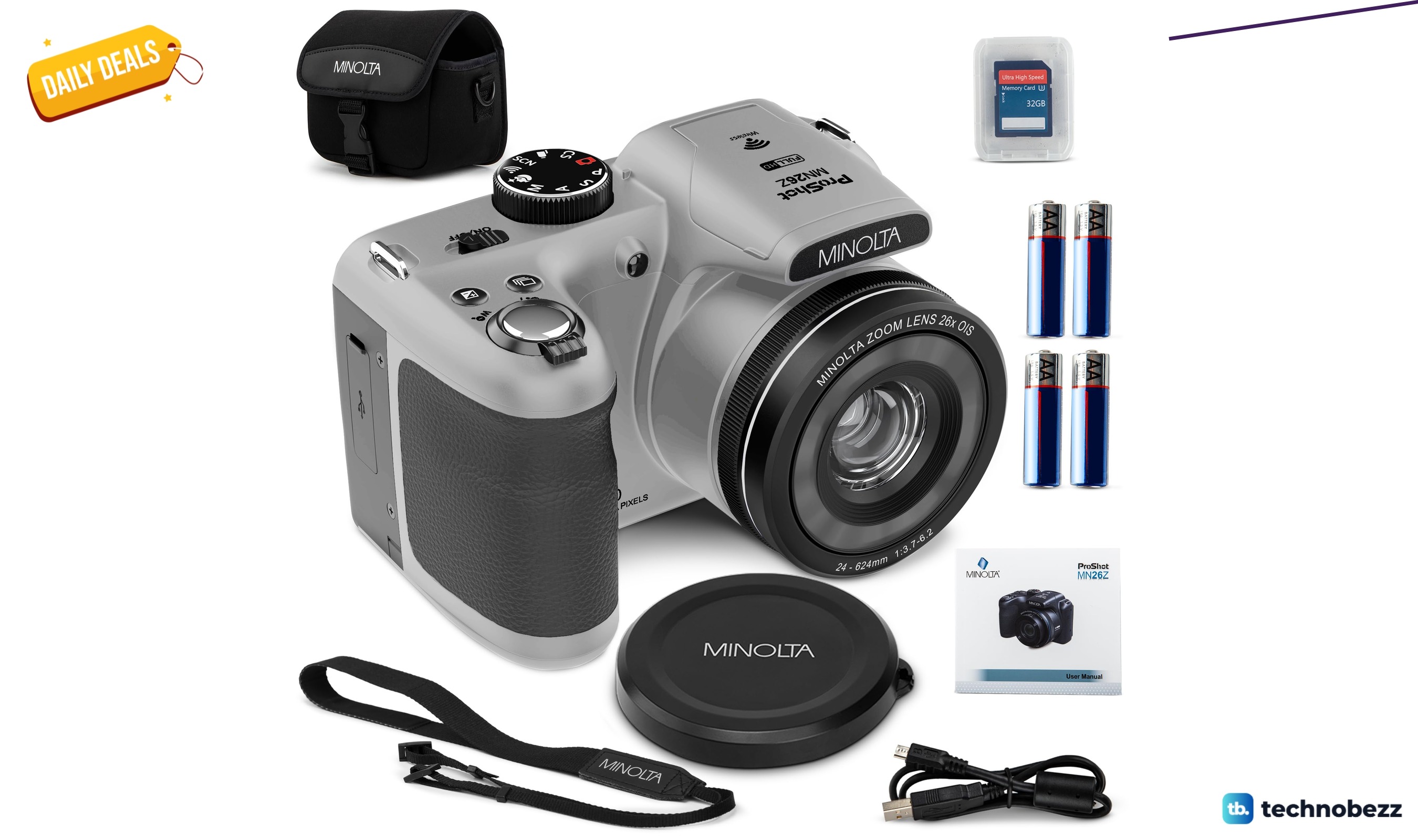
Minolta MN26Z ProShot 20MP Camera price drops to $222.41
Deal
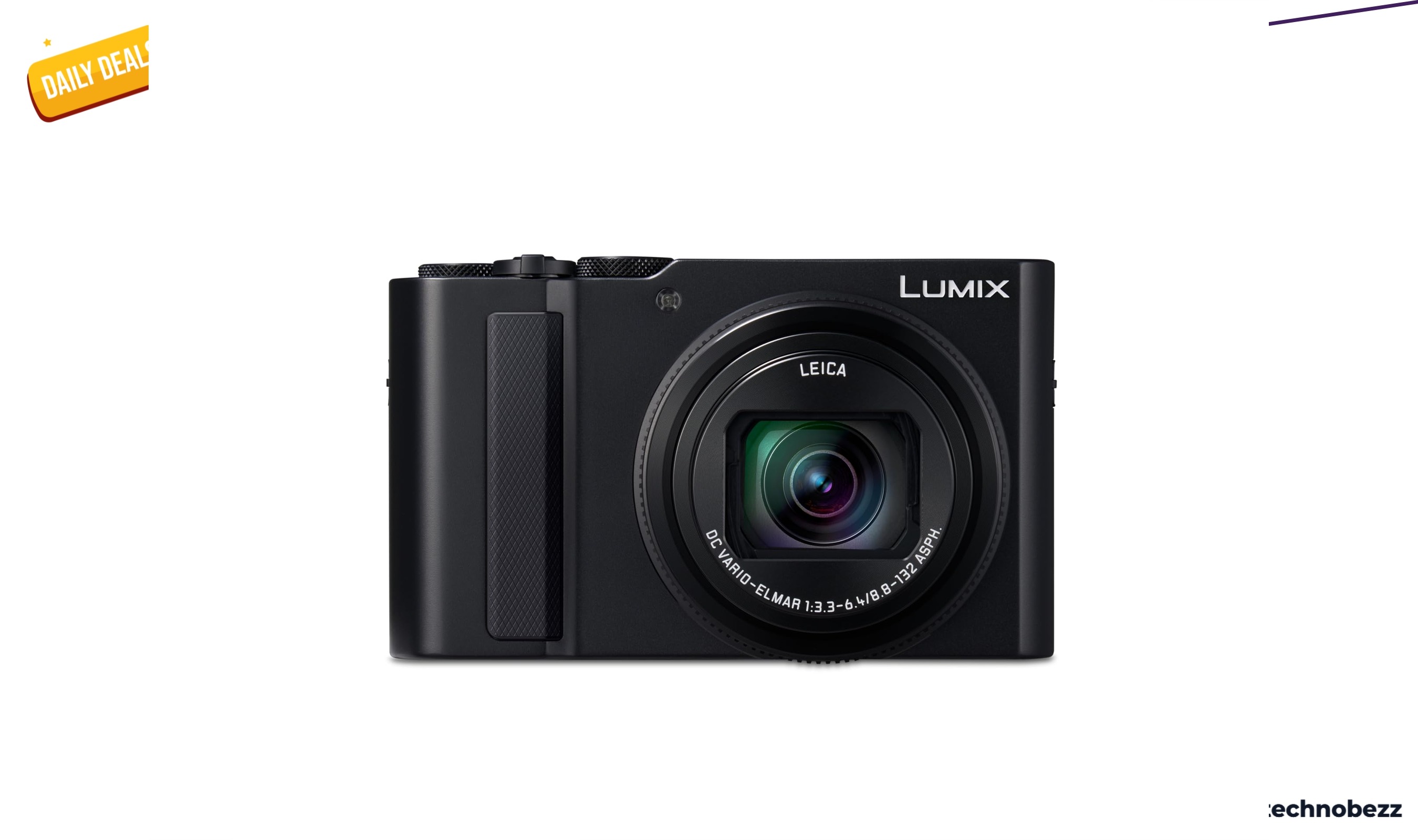
Panasonic LUMIX ZS300 Compact 4K Digital Camera hits new low at $797.99
More buying guides
Buying guide9 Best Keyboards From Top Brands in 2026Buying guide8 Best 60 Percent Keyboards of 2026Buying guideTop 7 Home Theater Systems for 2026Buying guide6 Best Handheld Gaming Consoles for 2026Buying guide6 Best Tablets for Gaming in 2026Buying guide7 Best Laptops for Interior Designers in 2026Buying guide4 Best Budget Laptops Around $300 for 2026Buying guide7 Gaming Consoles for Every Budget in 2026