If you want the satisfying feel of a mechanical keyboard without the bulk, the Logitech G515 TKL Lightspeed delivers the best mix of speed, build quality, and wireless performance in a slim package. The biggest trade-off is that low profile switches feel different from traditional ones (shorter travel, faster actuation), so this list focuses on boards that do it right. Whether you game, code, or write for hours, these picks prioritize comfort and responsiveness over flash.
Technobezz is supported by its audience. We may get a commission from retail offers.
Best Low Profile Mechanical Keyboards in 2026
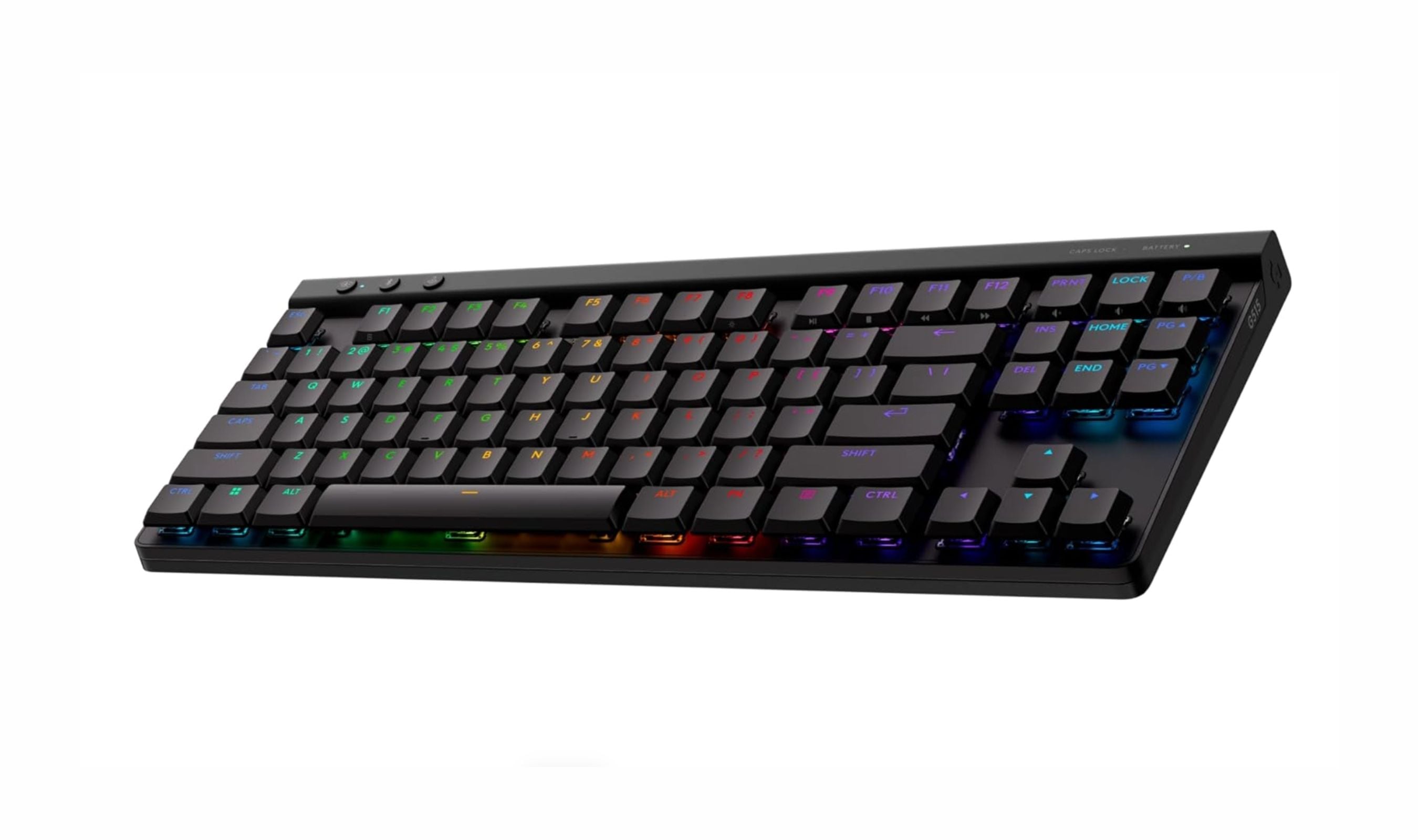
The Logitech G515 TKL Lightspeed tops our list of the best low profile mechanical keyboards in 2026, offering speed, build quality, and wireless performance in a slim 22mm chassis.
T
Technobezz
Editorial Team
Updated September 5, 2026Sep 5, 2026
•9 min read

Get Deals Like These in Your Inbox
The best prices, checked by our editors.
At a Glance
| Category | Product | Why We Picked It |
|---|---|---|
| Best overall | Logitech G515 TKL Lightspeed | Factory-lubed switches and tri-mode wireless in a 22mm chassis |
| Best premium full-size | Corsair K100 Air Wireless | Ultra-thin 11mm profile with Cherry MX Ultra Low Profile switches |
| Best for typing feel | NuPhy Air75 V3 | Gasket mount design with a creamy, satisfying sound |
| Best value | Lofree Flow Lite 84 | Thocky typing experience under $100 with hot-swap switches |
| Best premium TKL | Logitech G915 X TKL | 1.5mm aluminum top plate with dedicated volume roller and GL V2 switches |
| Best budget | Redragon K618 PRO | Full-size mechanical with RGB and macro keys at a low price |
| Also recommended | Keychron K3 Version 3 | Compact 75% layout with QMK customization and Bluetooth 5.2 |
| Also recommended | Keychron K5 Ultra 8K | Full-size layout with ZMK customization, a programmable knob, and 8000Hz polling in wired and 2.4GHz modes |
| Also recommended | RK N80 Low Profile | Premium feel with smart display screen and knob |
| Also recommended | IQUNIX MQ80 | Solid aluminum build with VIA support |
How we chose
We evaluated low profile mechanical keyboards based on switch quality, build materials, connectivity options, battery life, and overall typing experience across different use cases. Our assessment weighed published reliability data and direct comparisons of key specifications like actuation distance, wireless latency, and sound dampening. We prioritize boards that offer genuine mechanical feel in a slim form factor without cutting corners on stabilizers or keycap quality.
The best low profile mechanical keyboards right now
Logitech G515 TKL Lightspeed - Best overall
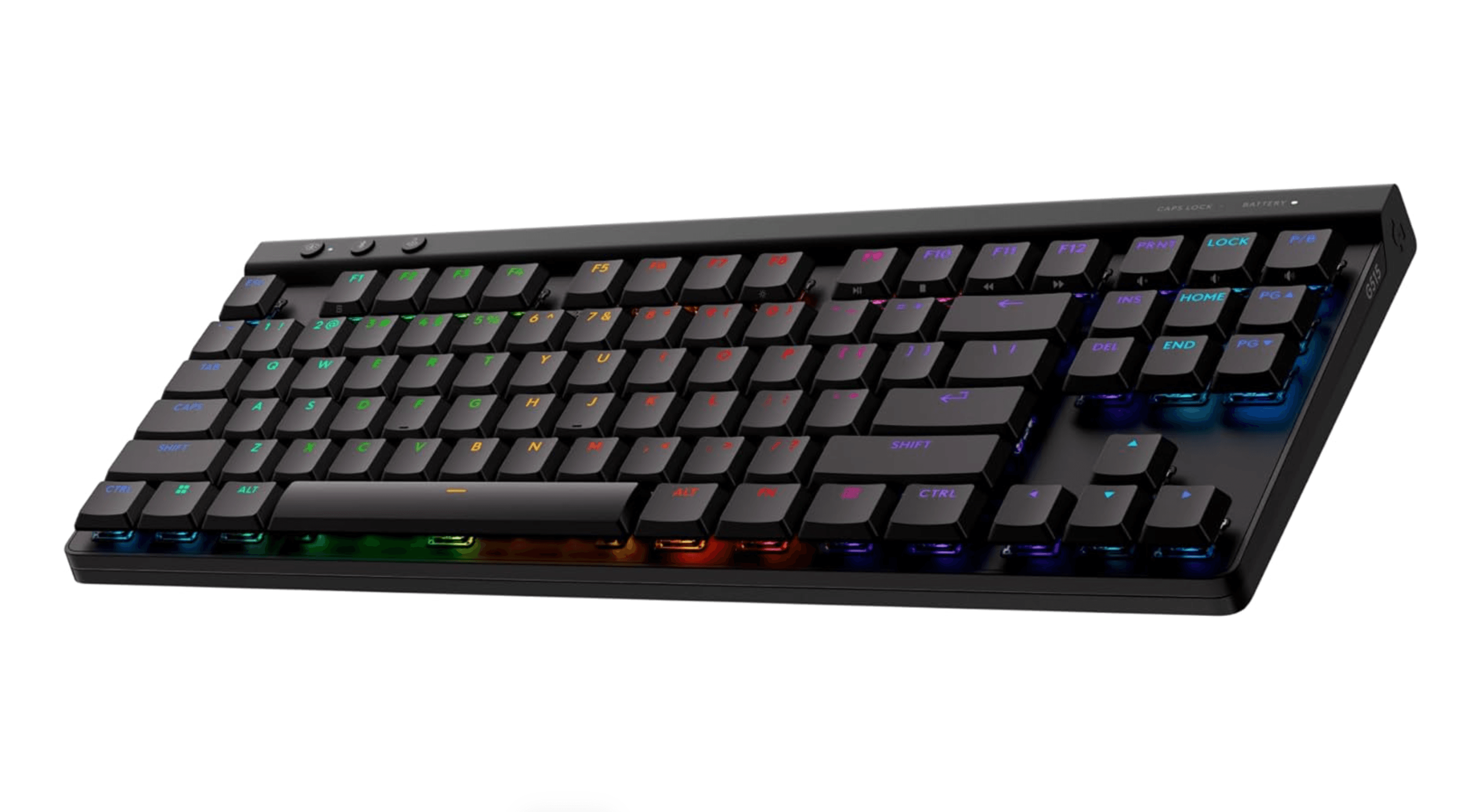
The G515 TKL gets the formula right: factory-lubed GL switches, double-shot PBT keycaps that resist oil and shine, and a 22mm chassis that keeps your wrists flat without a rest. Tri-mode connectivity (LIGHTSPEED wireless, Bluetooth, USB-C) gives you 1ms polling on the dongle and multi-device flexibility on Bluetooth. The tenkeyless layout saves desk space while keeping all essential keys.
Key highlights
- Factory-lubed GL mechanical switches (linear or tactile) with 1.3mm actuation
- Double-shot PBT keycaps for long-lasting texture and durability
- Tri-mode connectivity with 1ms LIGHTSPEED wireless
- 36-hour battery life with RGB on
- Steel top plate with sound dampening layers
Pros
- Excellent build quality with zero flex
- Smooth, quiet typing feel right out of the box
- Dongle sharing with compatible Logitech mice saves a USB port
Cons
- No dedicated media controls or volume roller
- Battery life is adequate but not class-leading
- Fixed switches, no hot-swap option
Who it is for: Gamers and professionals who want a reliable, well-built tenkeyless board with low latency wireless and a clean desk setup.
Skip if
You need a numpad for data entry or want hot-swappable switches to experiment with different feels.
Corsair K100 Air Wireless - Best premium full-size
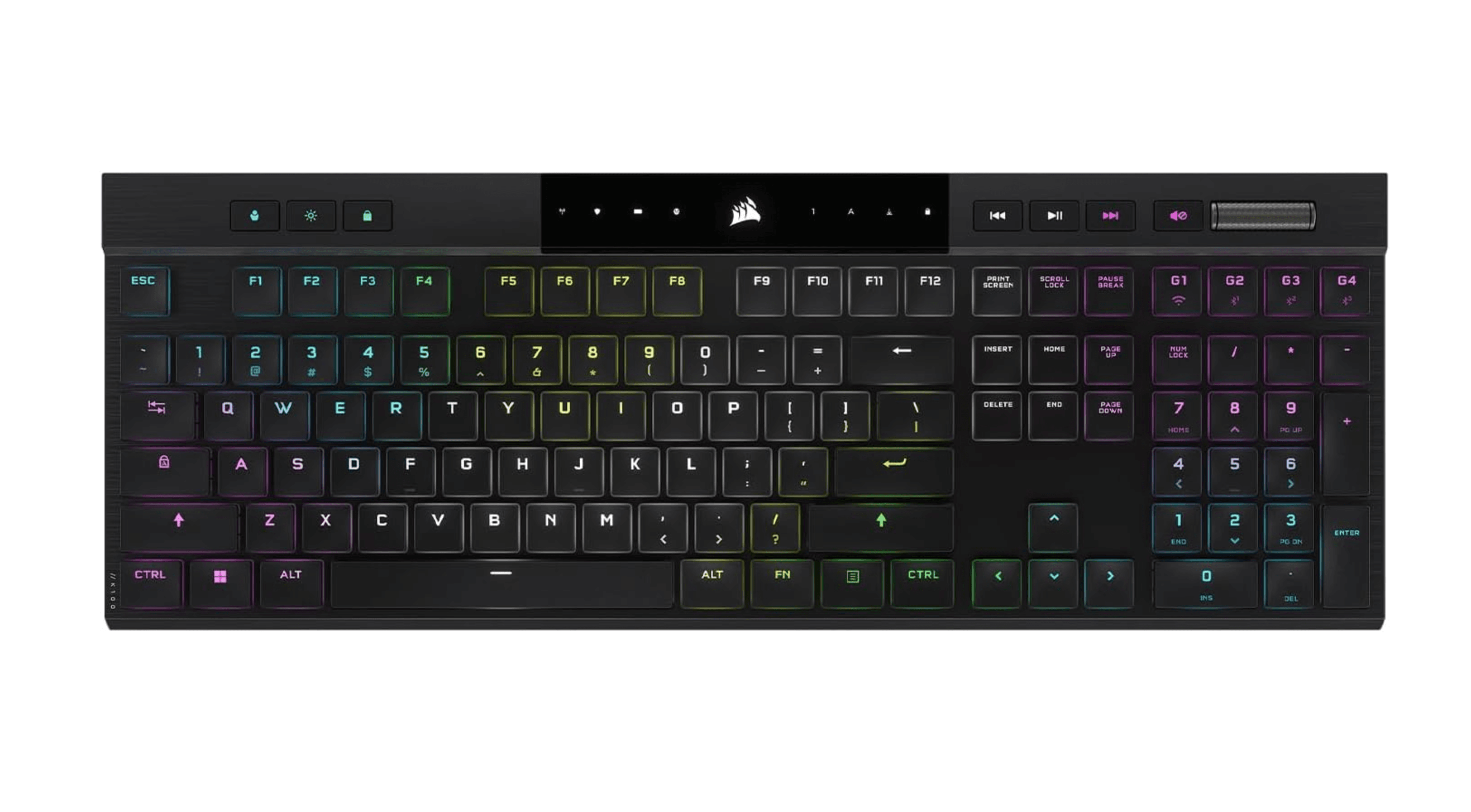
At just 11mm at its thinnest point, the K100 Air Wireless is one of the slimmest mechanical keyboards ever made. Cherry MX Ultra Low Profile switches actuate at 0.8mm, making this board incredibly responsive for competitive gaming. The brushed aluminum frame feels premium, and the 8000Hz AXON polling rate in wired mode rivals esports-grade full-height boards. Battery life reaches up to 200 hours with backlighting off.
Key highlights
- Cherry MX Ultra Low Profile switches with 0.8mm actuation
- Ultra-thin 11mm aluminum chassis
- Tri-mode connectivity (SLIPSTREAM wireless, Bluetooth, USB-C)
- 8000Hz polling rate in wired mode
- Full-size layout with numpad and dedicated macro keys
Pros
- Exceptional thinness without sacrificing build quality
- Sub-1ms wireless latency for competitive gaming
Cons
- Tactile-only switch option (no linear available)
- Switches are not replaceable
- Premium price point
Who it is for: Gamers and professionals who want the thinnest full-size mechanical keyboard available with top-tier wireless performance.
Skip if
You prefer linear switches for FPS gaming or want the ability to swap switches later.
NuPhy Air75 V3 - Best for typing feel
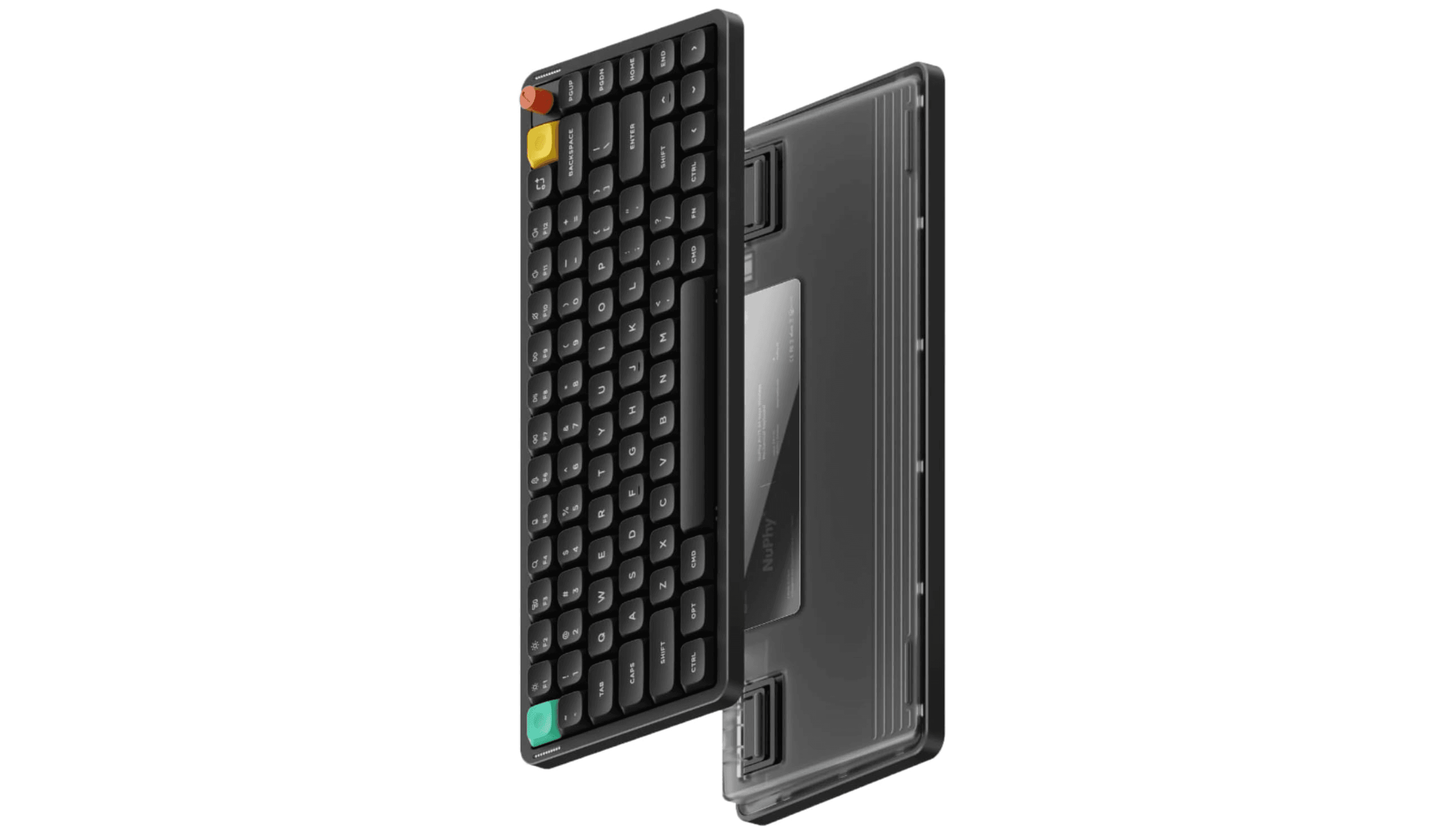
The Air75 V3 stands out for its gasket mount design, which is rare in low profile keyboards. It delivers a cushioned, creamy typing feel that reduces finger fatigue during long sessions. The 75% layout with 84 keys keeps arrow keys and navigation while saving desk space. A 4000mAh battery offers exceptional endurance, with up to 1200 hours of battery life with RGB off.
Key highlights
- Gasket mount design with silicone dampening for soft, quiet typing
- Hot-swappable Gateron Low Profile 3.0 switches
- 4000mAh battery (up to 1200 hours with RGB off)
- Tri-mode connectivity (Bluetooth, 2.4GHz, USB-C)
- Doubleshot PBT keycaps
Pros
- Best-in-class typing sound and feel for a low profile board
- Excellent battery life
- Hot-swap sockets let you experiment with switch flavors
Cons
- Proprietary NuPhyIO software (not QMK/VIA)
- 75% layout may feel cramped for numpad users
- Slightly higher price than comparable TKL options
Who it is for: Writers, developers, and anyone who spends hours typing and wants the most comfortable low profile experience available.
Skip if
You need full QMK/VIA customization or prefer a full-size layout with a numpad.
Lofree Flow Lite 84 - Best value
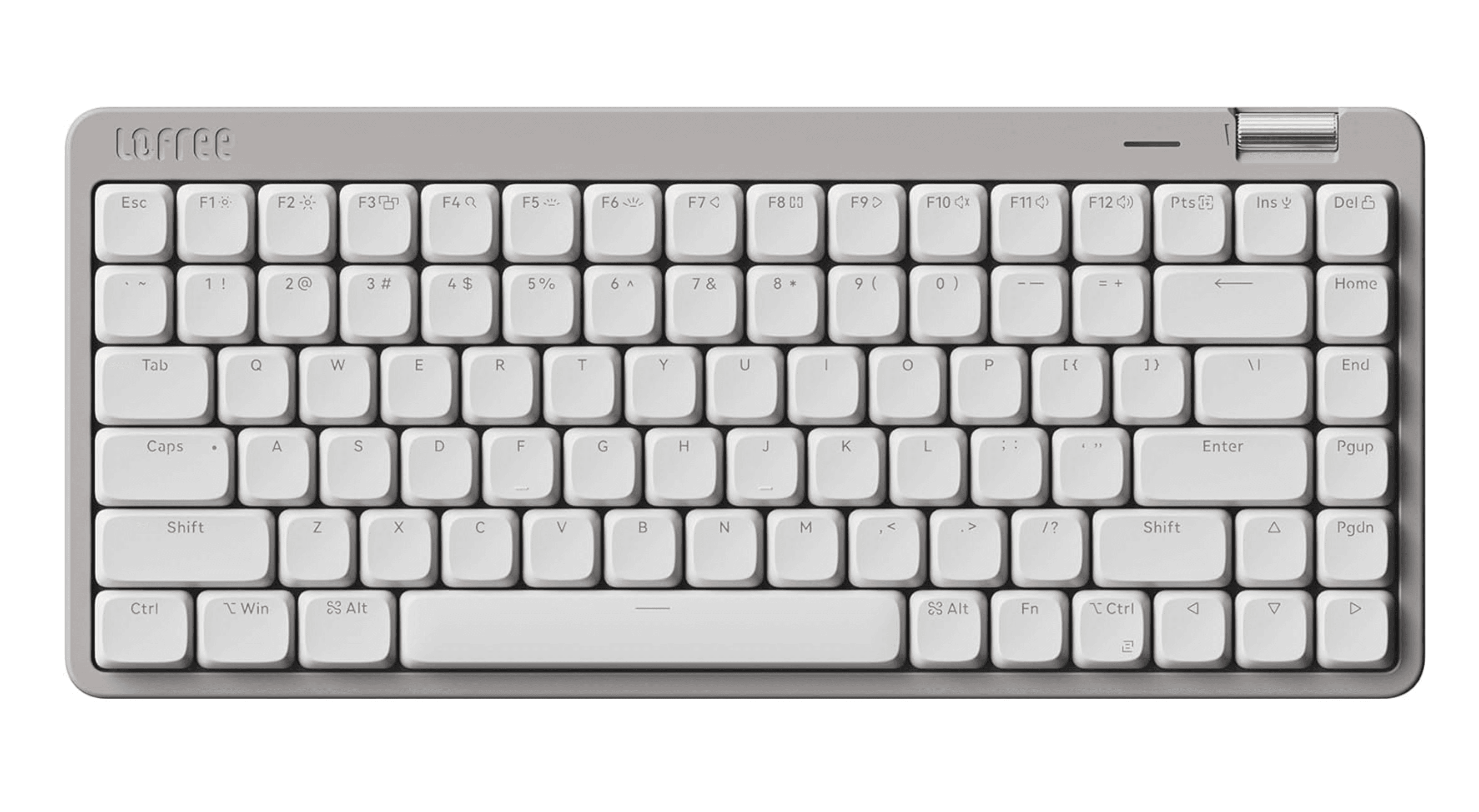
The Flow Lite 84 delivers a surprisingly satisfying typing experience at under $100. Its Specter Full POM linear switches and gasket mount design produce a creamy, thocky sound that rivals boards costing twice as much. The 75% layout with 84 keys strikes a practical balance between compactness and functionality. Battery life reaches 80 hours with backlighting off.
Key highlights
- Gasket mount design with sound-dampening layers
- Hot-swappable Specter Full POM linear switches (40gf actuation)
- Tri-mode connectivity (2.4GHz, Bluetooth, USB-C)
- PBT + PC double-shot keycaps
- 80-hour battery life
Pros
- Excellent typing sound and feel at a budget price
- Hot-swap capability for customization
- Compact and travel-friendly design
Cons
- Single-color backlight only (no RGB)
- Linear switches may feel too light for some typists
- Limited tilt adjustment options
Who it is for: Budget-conscious buyers who want premium typing feel and sound without spending over $100.
Skip if
You need RGB lighting or prefer tactile switches with more resistance.
Logitech G915 X TKL - Best premium TKL
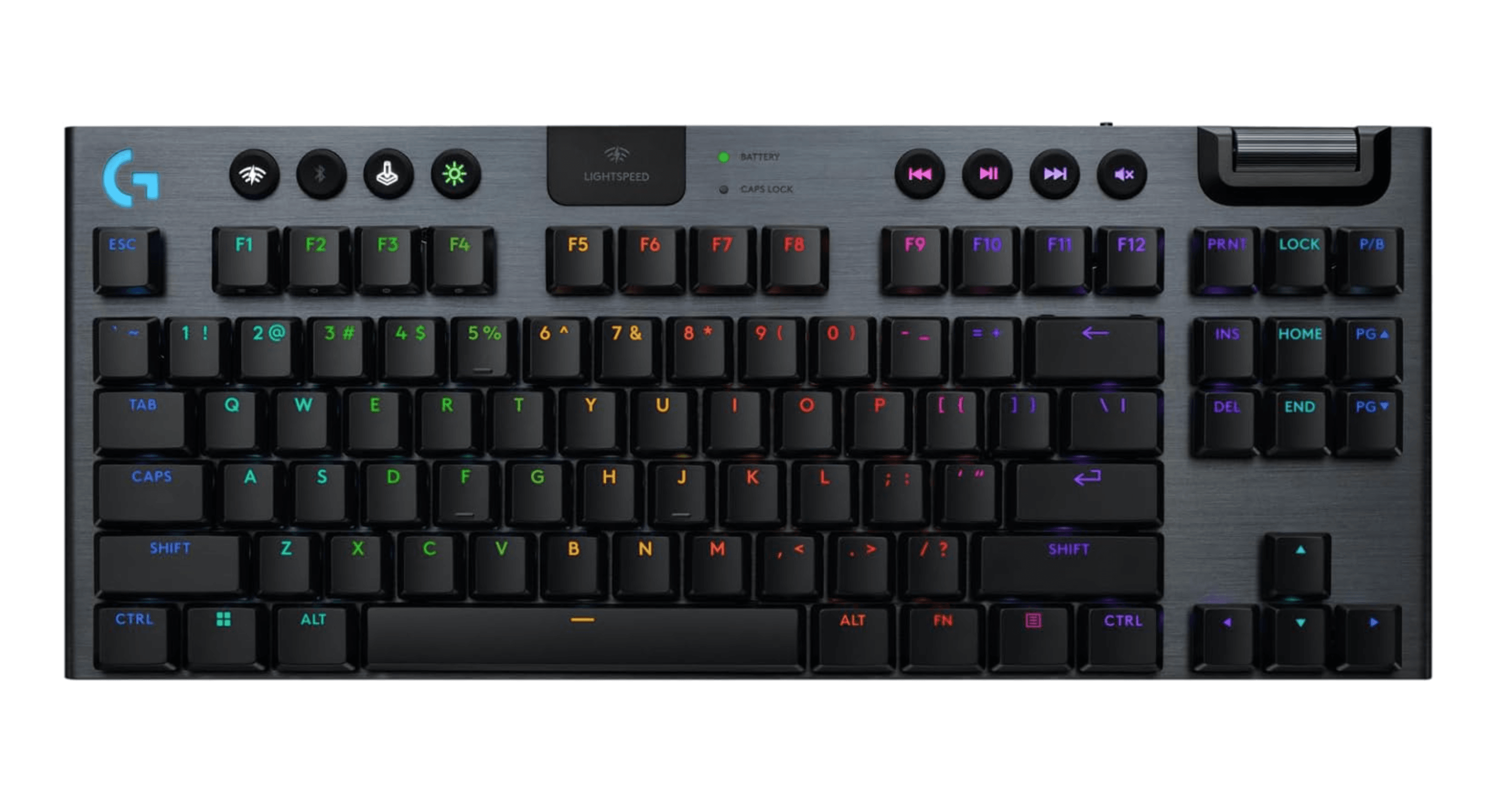
The G915 X TKL upgrades the formula with a 1.5mm aluminum top plate for a rigid, premium feel and a dedicated volume roller. GL V2 switches carry forward the factory-lube refinement, and battery life bumps to 42 hours with RGB on. The tenkeyless design keeps the essentials while the aluminum construction makes it feel substantially built.
Key highlights
- 1.5mm aluminum top plate for rigid, premium feel
- GL V2 low-profile switches (linear or tactile)
- Dedicated volume roller and media keys
- 42-hour battery life with RGB on
- LIGHTSPEED wireless, Bluetooth, and USB-C
Pros
- Premium aluminum chassis with zero flex
- Physical volume roller is convenient for streamers and podcasters
- Longer battery life than the G515
Cons
- Significantly more expensive than the G515
- No hot-swappable switches
- Heavier than the G515
Who it is for: Users who want a premium aluminum TKL with dedicated media controls and don't mind paying for the upgrade.
Skip if
You're on a tighter budget (the G515 offers the same core performance for less) or need hot-swap capability.
Redragon K618 PRO - Best budget
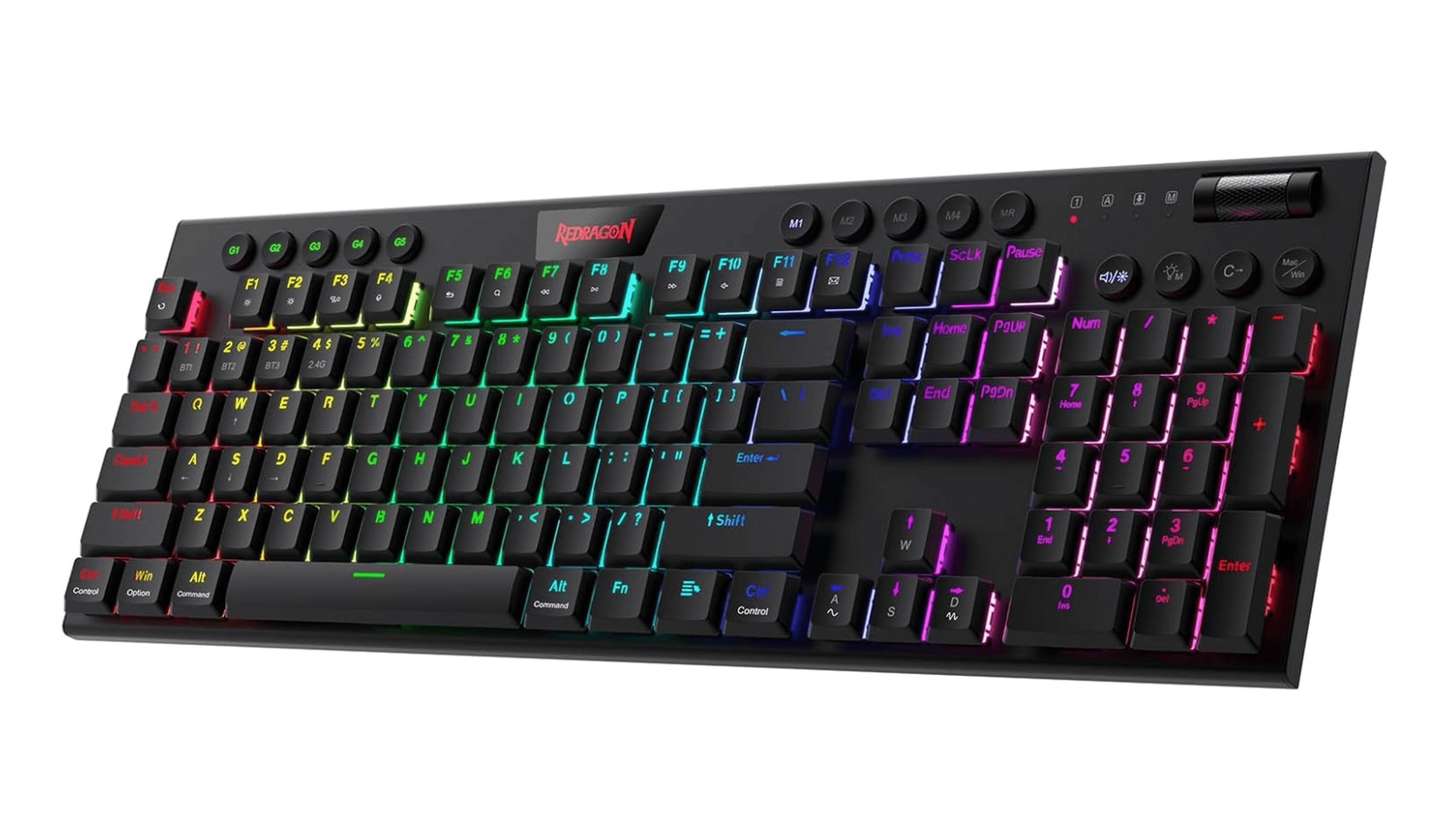
The K618 PRO packs surprising value into a full-size low profile package. It offers tri-mode connectivity (Bluetooth 3.0/5.0, 2.4GHz, USB-C), dedicated macro keys, a media control area, and customizable RGB with 16.8 million colors. The low-profile red switches with 40g actuation feel smooth and responsive for both typing and gaming.
Key highlights
- Full-size 104-key layout with numpad
- Tri-mode connectivity with dedicated macro keys
- Customizable RGB backlighting with 16.8 million colors
- Low-profile red switches with 40g actuation
- Aluminum top plate
Pros
- Exceptional value for a full-size wireless mechanical
- Dedicated macro keys and media controls
Cons
- Build quality shows compromises at this price point
- Battery life is adequate but not outstanding
- Software experience is less polished than premium brands
Who it is for: Budget buyers who want a full-size low profile mechanical keyboard with wireless, RGB, and macro keys without spending a lot.
Skip if
Build quality and software polish are top priorities for you.
Also Good
- Keychron K3 Version 3 - compact 75% layout with QMK customization, Bluetooth 5.2 pairing for up to three devices, and Mac/Windows compatibility.
- Keychron K5 Ultra 8K - full-size layout with open-source ZMK firmware, a programmable knob, hot-swappable switches, and 8000Hz polling over USB-C or 2.4GHz wireless.
- RK N80 Low Profile - premium feel with smart display screen and knob.
- IQUNIX MQ80 - solid aluminum build with VIA support.
How to Choose
- Switch type matters more than anything. Linear switches (smooth, no bump) are great for gaming. Tactile switches (noticeable bump) help with typing accuracy. Clicky switches add noise. Low profile switches have shorter travel (2-3mm versus 4mm on standard boards), so the feel is different regardless of type.
- Layout determines desk fit. Full-size (100%) includes a numpad. TKL drops the numpad for more mouse space. 75% keeps arrow keys and function row in a compact footprint. Pick based on whether you need number input or prefer maximum desk space.
- Wireless versus wired is about trade-offs. Tri-mode boards (2.4GHz, Bluetooth, USB-C) offer flexibility but add cost and require charging. Wired boards cost less and never need charging. Modern 2.4GHz wireless matches wired latency for most users.
- Check for hot-swap capability. Hot-swappable switches let you change the feel without buying a whole new keyboard. If you're unsure what switch type you prefer, this feature gives you room to experiment.
- Keycap material affects longevity. PBT keycaps resist oil and shine much longer than ABS. Double-shot legends won't fade. If you plan to keep the keyboard for years, PBT is worth prioritizing.
FAQ
Are low profile mechanical keyboards good for gaming?
Yes. Shorter key travel means faster actuation, which can improve reaction time in competitive games. Many low profile boards offer sub-1ms wireless latency and high polling rates that match standard gaming keyboards.
Do low profile keyboards reduce wrist strain?
The lower front height keeps your wrists in a more neutral position compared to standard mechanical boards. This can reduce wrist extension and fatigue during long typing sessions, though individual results vary.
Can you use standard keycaps on low profile keyboards?
No. Low profile keyboards use shorter stems and different switch designs. Standard MX keycaps are not compatible. You need keycaps specifically designed for low profile switches.
How long do low profile mechanical switches last?
Modern low profile switches are rated for 50 to 100 million keystrokes, comparable to standard mechanical switches. With typical daily use, that translates to many years of reliable operation.
What is the difference between Cherry MX Low Profile and Kailh Choc switches?
Cherry MX Low Profile switches have a 3.2mm total travel and are compatible with standard MX keycap stems. Kailh Choc (PG1350) switches have a different stem design with 3.0mm travel and require their own keycaps. Both perform well, but they are not cross-compatible with each other.
Published May 5, 2026 Last updated September 5, 2026
Share this article
More in News
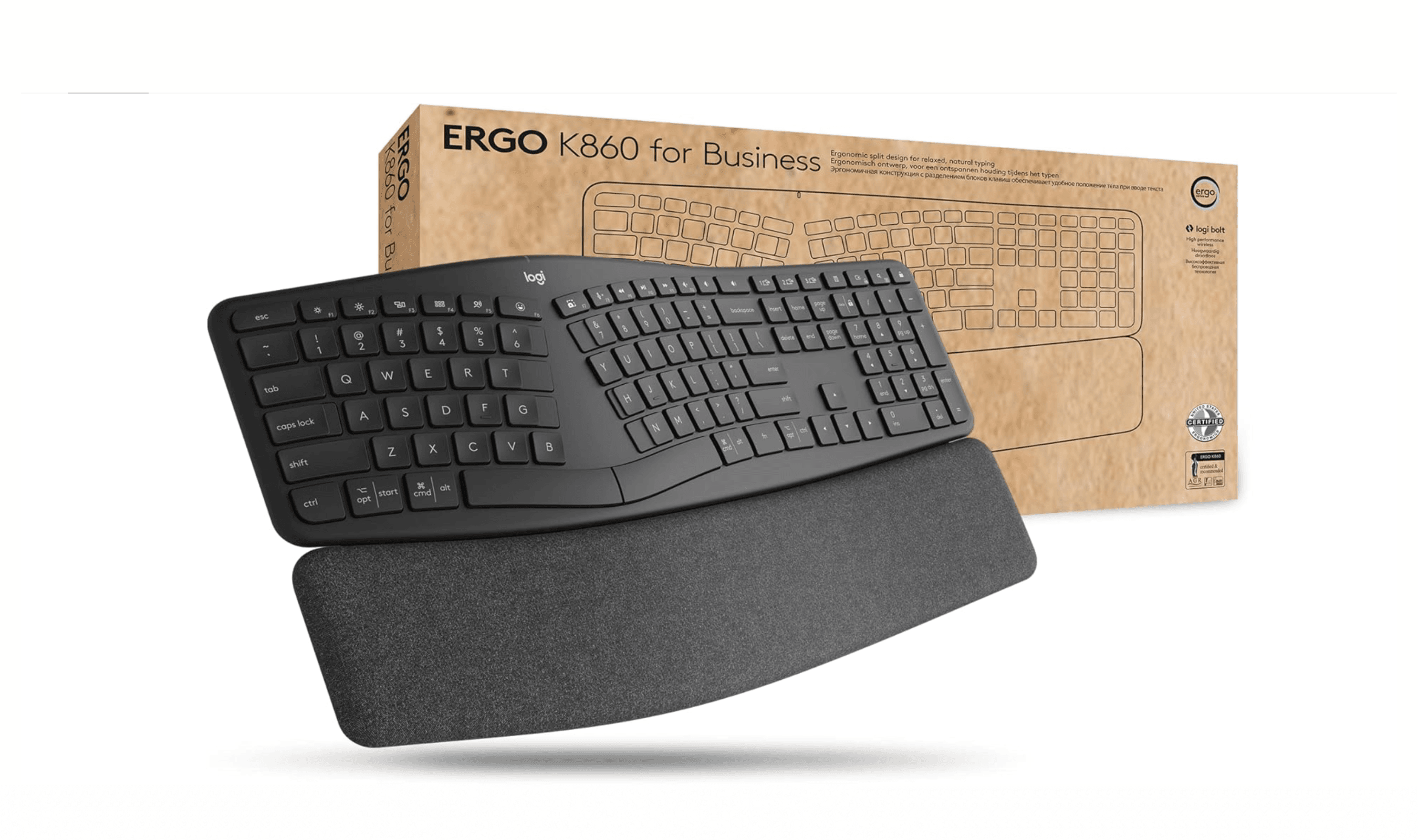
5 Best Ergonomic Keyboards for 2026
Logitech Ergo K860 leads our picks for the best ergonomic keyboards. See top models for comfort, value, and mechanical feel in 2026.
5 min read
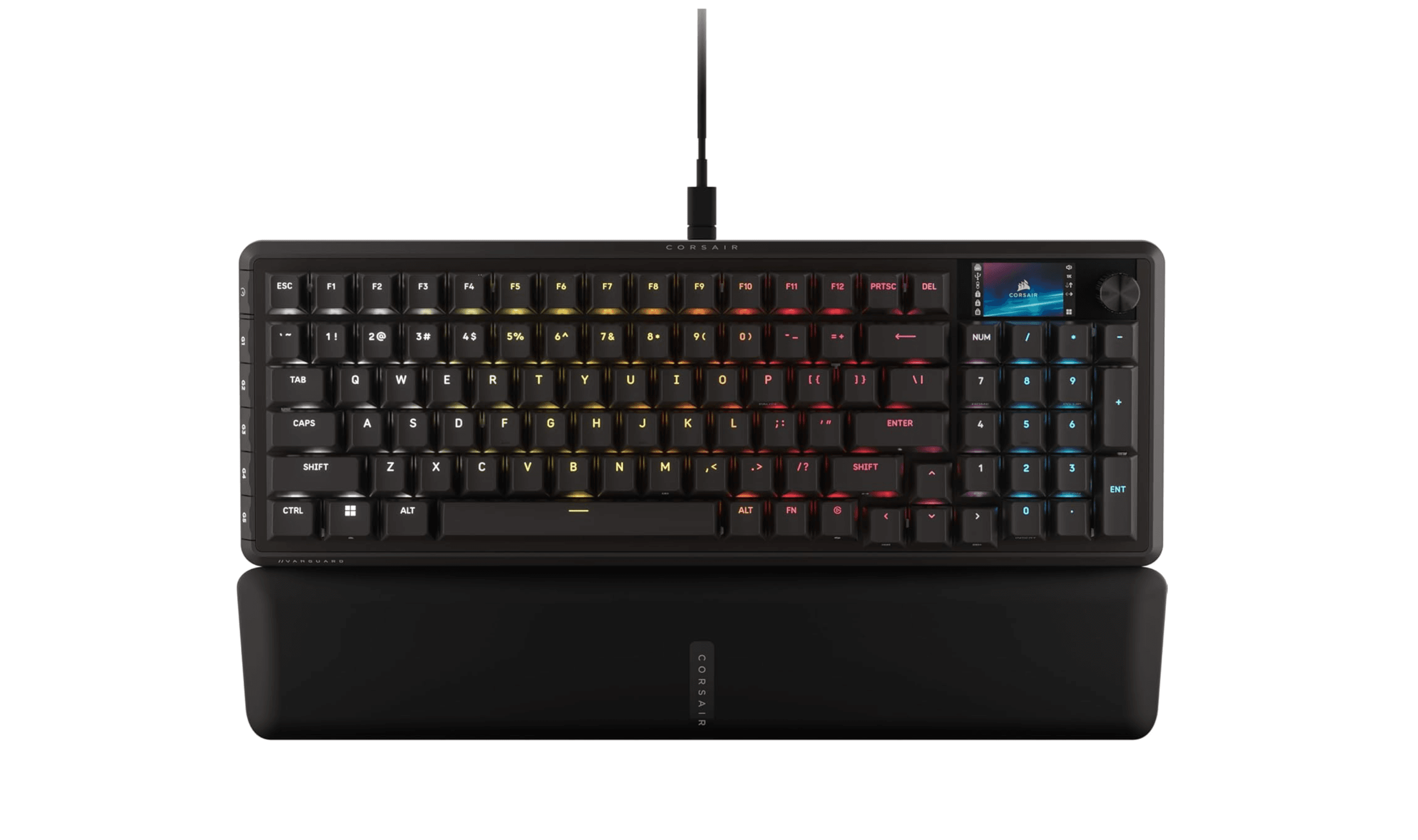
Best Gaming Keyboards for 2026
The best gaming keyboards for 2026, from the Corsair Vanguard Pro 96 magnetic flagship to budget, wireless, TKL and 60% competitive picks tested for speed and feel.
5 min read
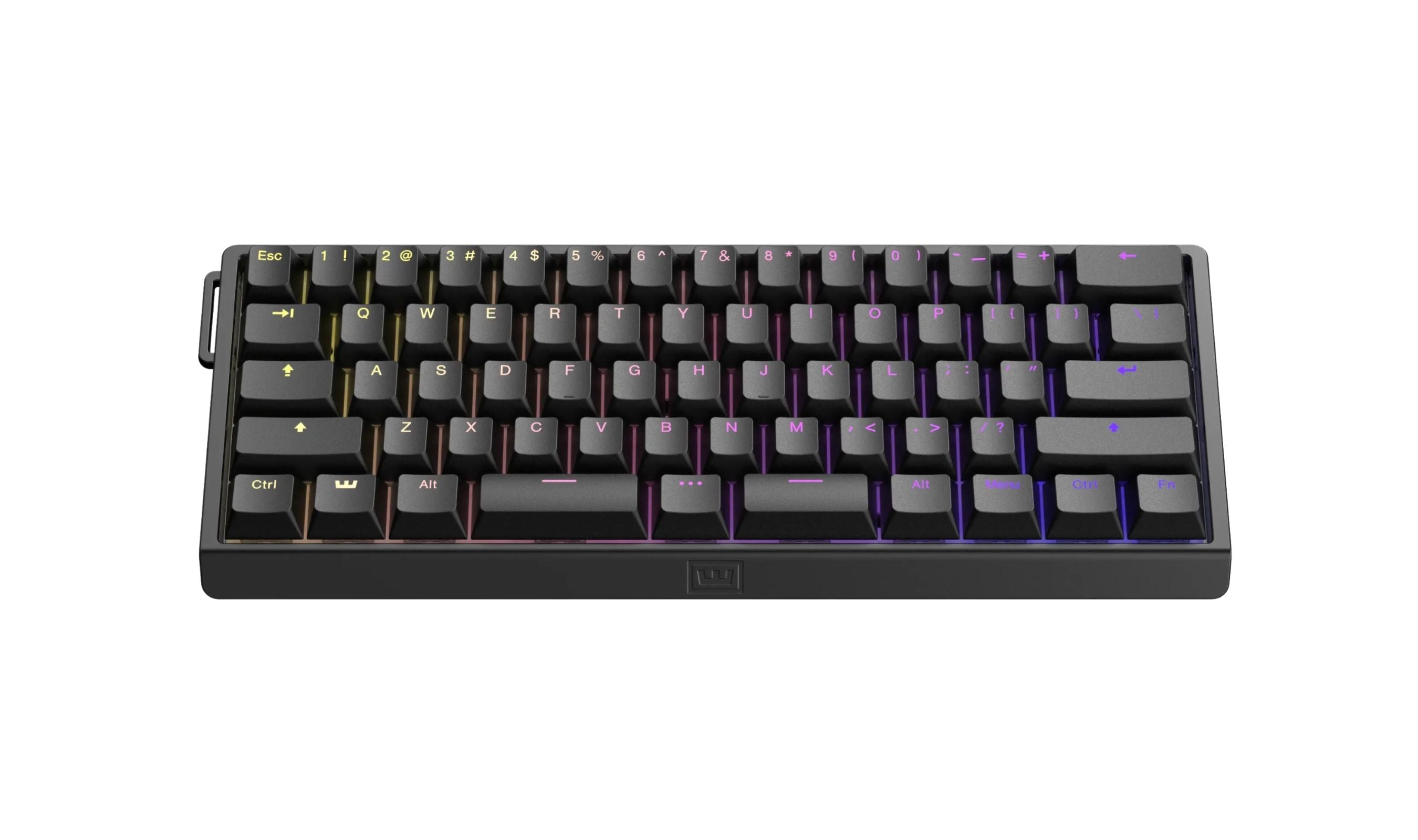
7 Best 60 Percent Keyboards of 2026
The Wooting 60HE v2 tops our list of the 8 best 60 percent keyboards of 2026, with rapid trigger and software unmatched for gamers and typists.
4 min read
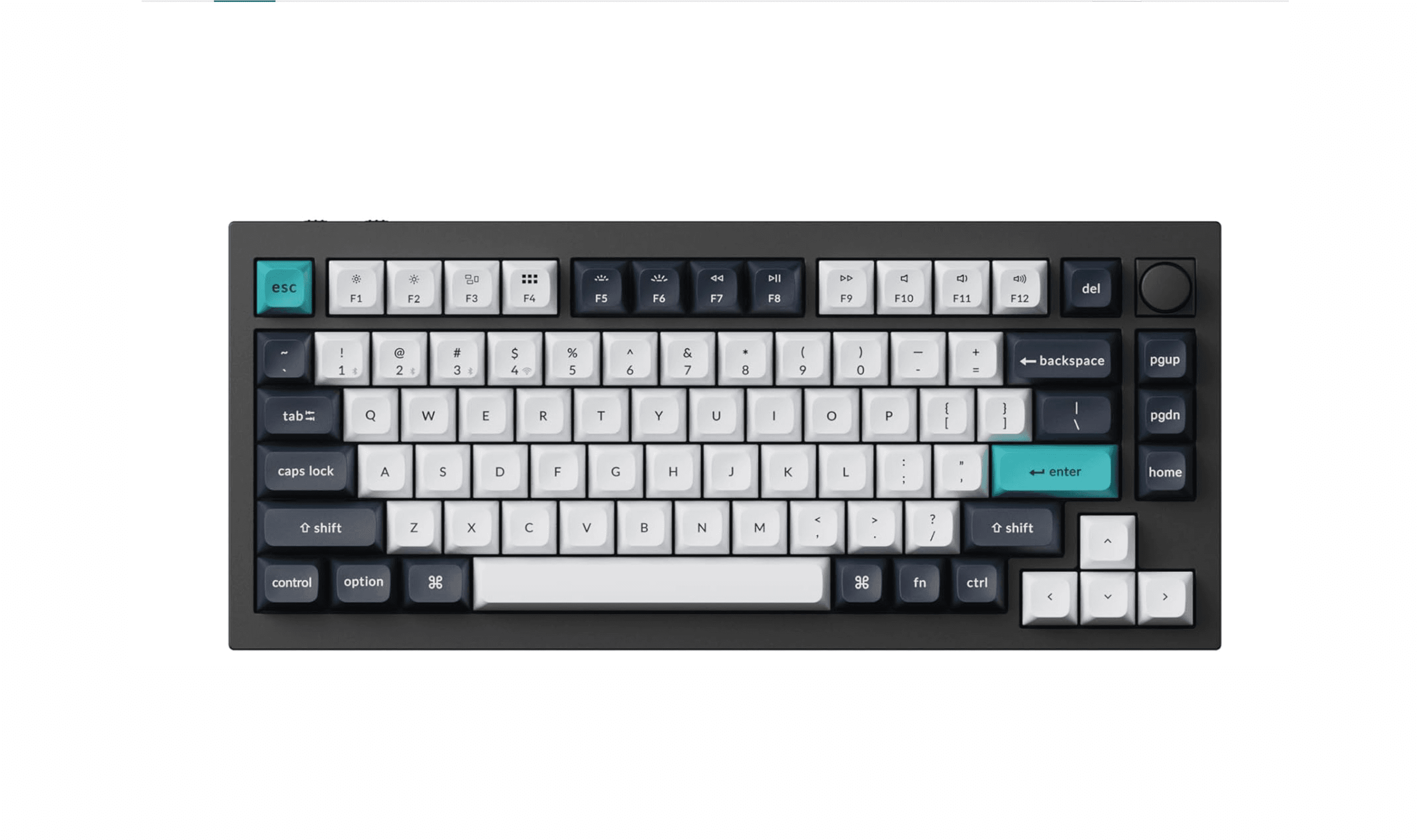
10 Best Mechanical Keyboards to Buy in 2026
Keychron Q1 Max leads our 2026 picks for the best mechanical keyboards. Compare top models for gaming, typing, and value in our expert guide.
3 min read
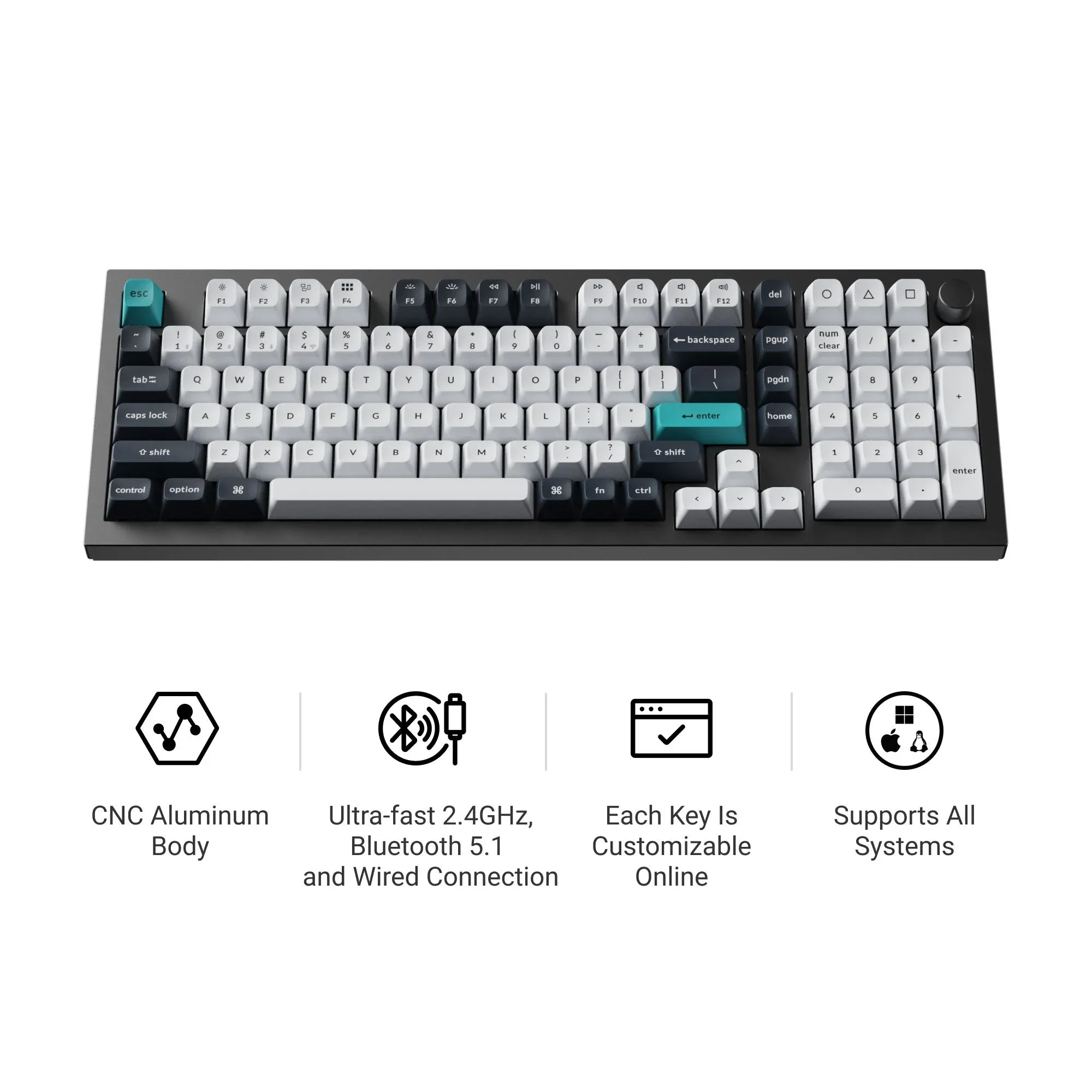
Best Keyboards for Programming in 2026: Top Picks for Developers
3 min read
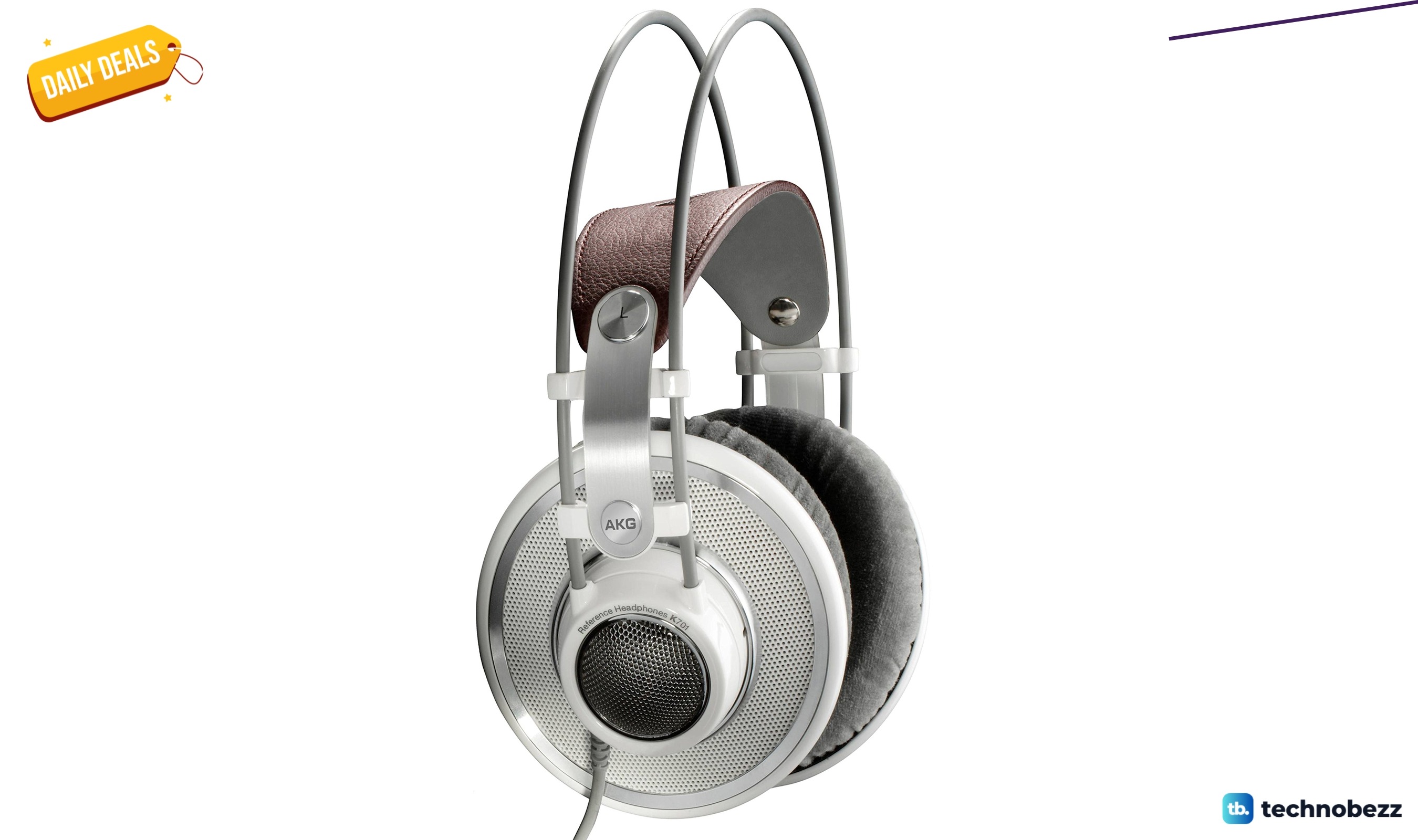
AKG K 701 Ultra Reference Class Stereo discounted to $247.37
5 min read
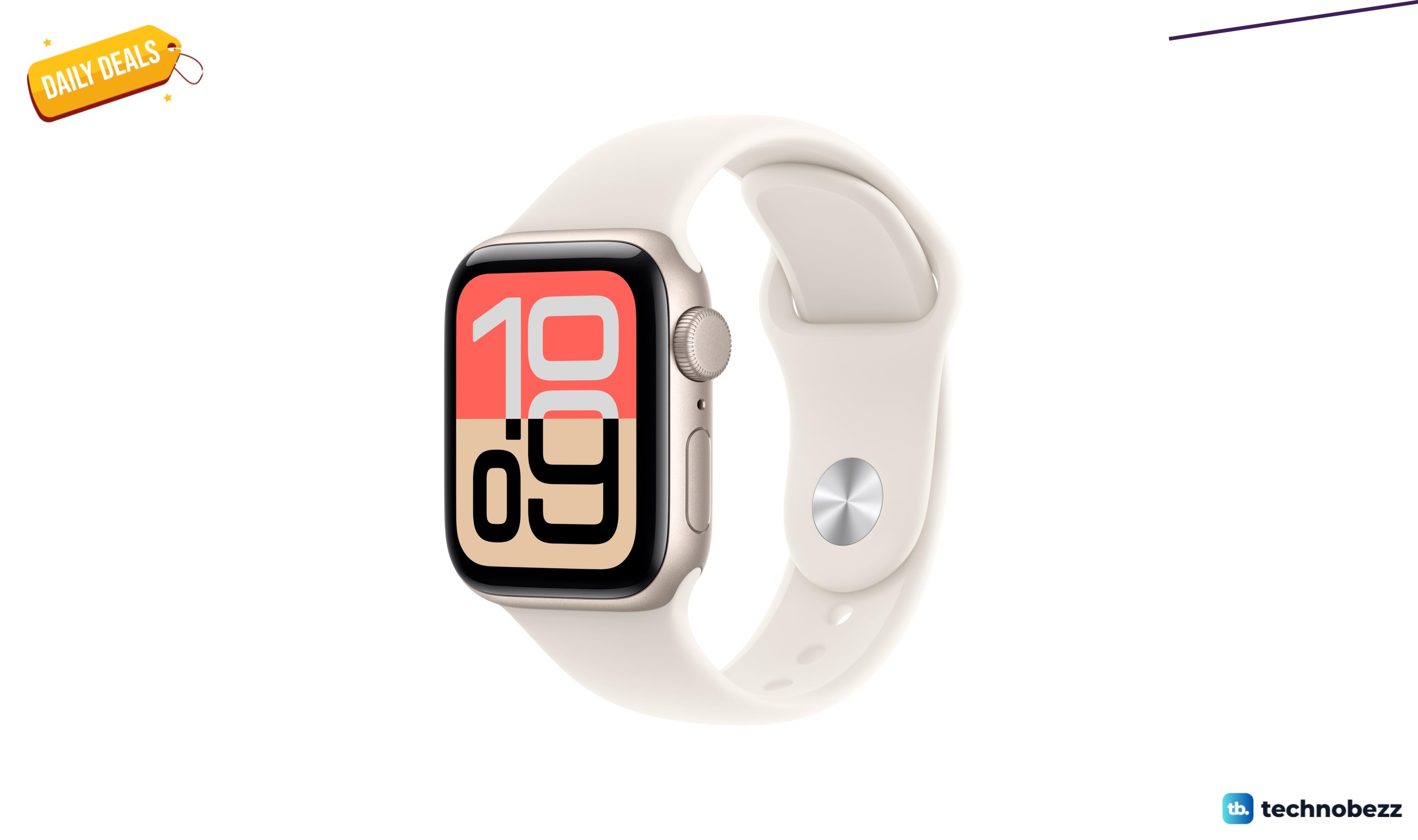
Apple Watch SE 3 GPS 40mm Smartwatch discounted to $189.97
5 min read
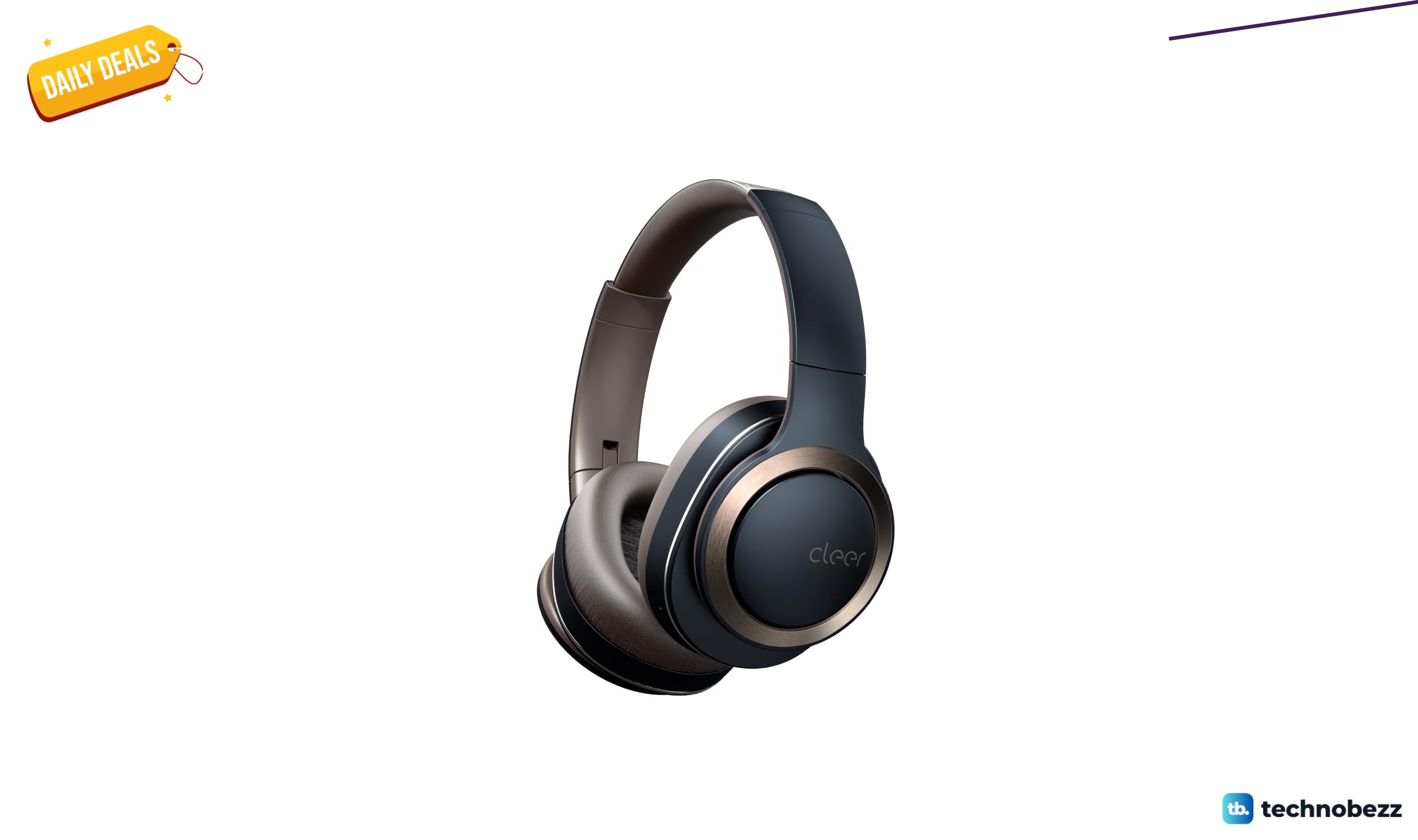
Cleer Audio Enduro ANC Noise Canceling Headphones price drops to $94.99
3 min read

Lenovo coupon codes and deals
5 min read

Woot coupon codes and deals
3 min read

Samsung coupon codes and deals
5 min read

Best tech coupon codes and online deals
4 min read