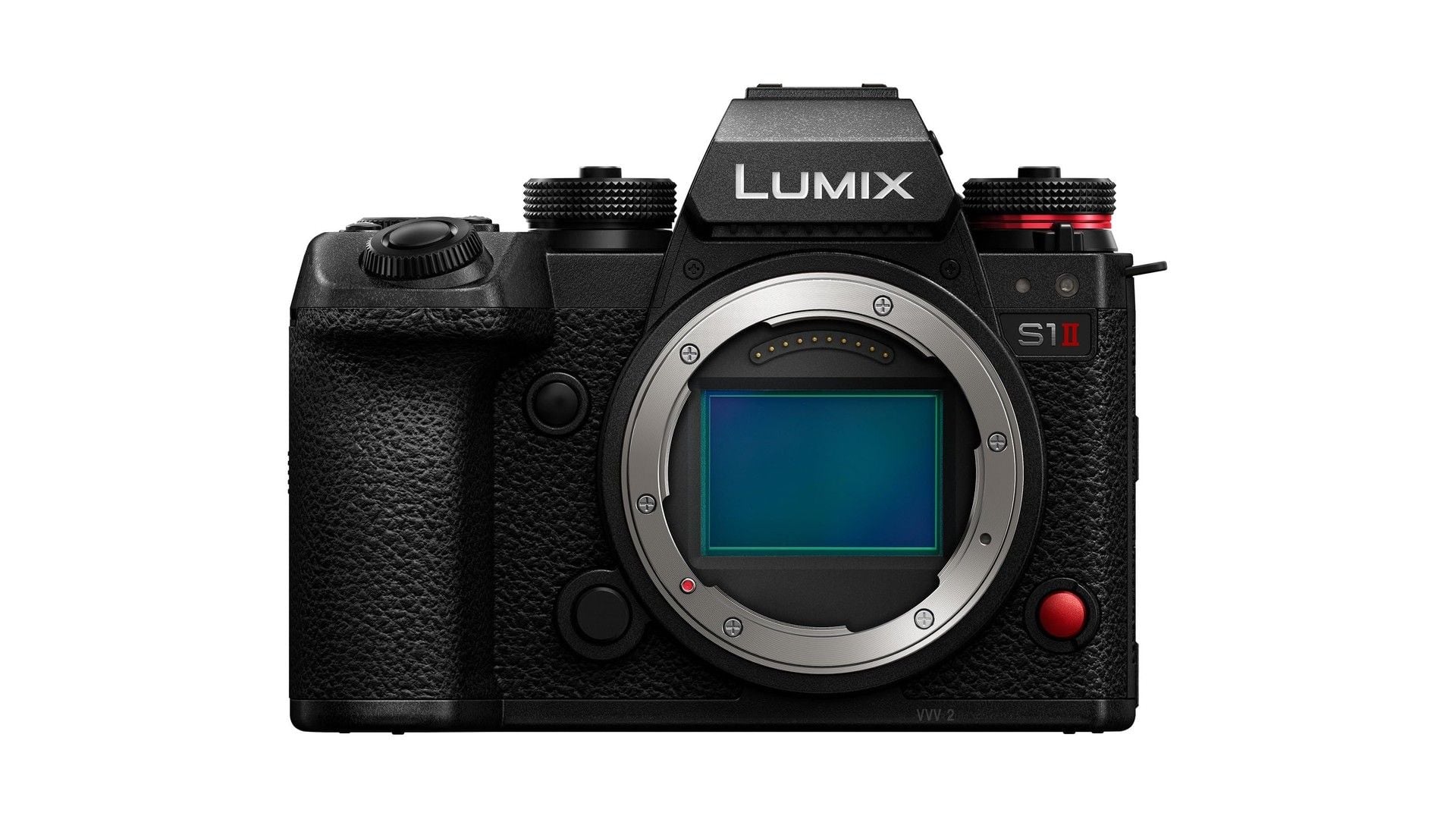
The Panasonic Lumix S1II is our best overall camera for videography. Its flexible open-gate recording, strong stabilization, built-in cooling fan, and external SSD support cover handheld shoots and demanding commercial projects.
Technobezz is supported by its audience. We may get a commission from retail offers.
7 Best Cameras for Videography in 2026
The Panasonic Lumix S1II leads our best cameras for videography, with picks for budget filmmaking, interviews, and solo product videos.
T
Technobezz
Editorial Team
Updated September 28, 2026Sep 28, 2026
•11 min read

Get Deals Like These in Your Inbox
The best prices, reviewed weekly.
The right choice also depends on what you film and how you edit. The Fujifilm X-M5 offers affordable open-gate capture in a lightweight body, while the other picks serve interviews, photography and video assignments, professional production rigs, mobile filmmaking, and solo product demonstrations.
At a Glance
| Category | Product | Why We Picked It |
|---|---|---|
| Best overall | Panasonic Lumix S1II | Flexible full-frame recording, strong stabilization, and cooling for demanding shoots |
| Best budget | Fujifilm X-M5 | Affordable open-gate capture and internal 10-bit recording in a light body |
| Best for interviews and documentary work | Sony FX30 | Fan cooling, detailed oversampled 4K, and flexible recording media |
| Best for combined photography and video | Canon EOS R6 Mark III | High-resolution photographs and advanced video with familiar photography controls |
| Best for professional production rigs | Canon EOS C50 | Internal 7K RAW, included XLR audio, and connections for production rigs |
| Best for handheld Micro Four Thirds filmmaking | Panasonic Lumix GH7 | Extensive internal recording formats and practical handling for mobile production |
| Best for solo product videos | Sony ZV-E10 II | Product Showcase simplifies solo demonstrations, with 10-bit recording for editing |
How we chose
We prioritized recording flexibility, stabilization, cooling, audio connections, media options, and total kit value. Each camera's strengths had to match its role, from portable filmmaking to sustained production work. We weighed useful formats and connections against practical compromises such as recording crops, accessory requirements, body weight, and editing demands.
The best cameras for videography right now
Panasonic Lumix S1II - Best overall
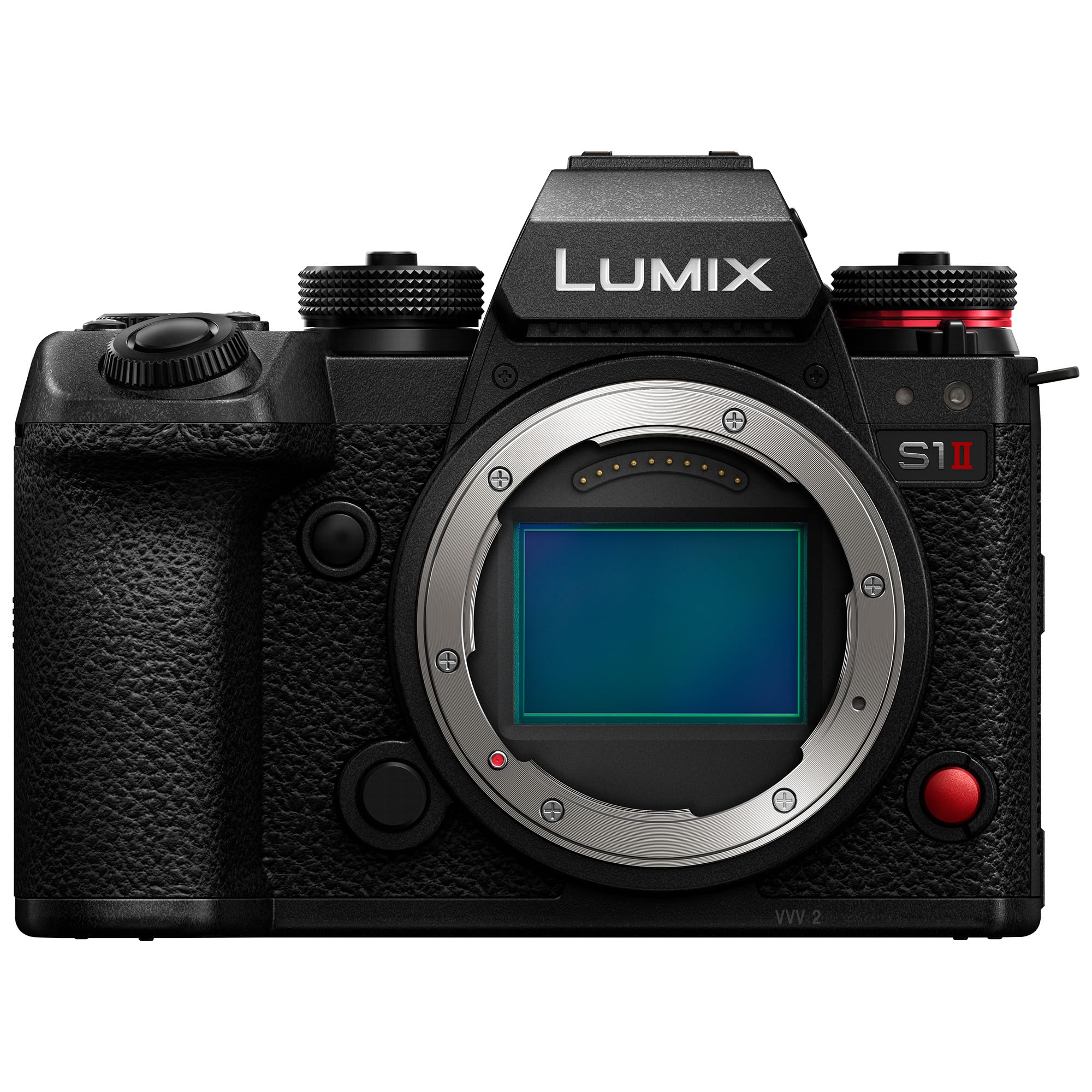
One shoot often needs both horizontal and vertical edits. The Panasonic Lumix S1II accommodates that with 3:2 open-gate recording at 6K up to 30p or 5.1K up to 60p. Its fast sensor readout also helps control rolling-shutter distortion.
The appeal extends beyond framing flexibility. Five-axis in-body stabilization rated up to 8 stops supports handheld production, while a built-in fan and external USB SSD recording suit demanding workflows. C4K and 4K reach 120p with a slight crop. Lenses, recording media, and the optional audio accessory required for 32-bit float audio add to the investment.
Key highlights
- 24.1MP partially stacked full-frame CMOS sensor
- 3:2 open gate at 6K30 or 5.1K60
- C4K/4K up to 120p with a slight crop
- 5-axis in-body stabilization rated up to 8 stops
- Built-in cooling fan
- External USB SSD recording support
Pros
- Open-gate modes suit horizontal and vertical edits
- Fast sensor readout helps control rolling shutter
- Strong stabilization supports handheld production
- Fan cooling and SSD recording support demanding workflows
Cons
- Substantial investment after adding lenses and media
- Slight crop when recording 4K120
- 32-bit float audio requires an optional audio accessory
Who it's for
Videographers covering handheld work, commercial projects, and occasional photography.
Skip if
A small, inexpensive camera would cover your short social clips.
Fujifilm X-M5 - Best budget
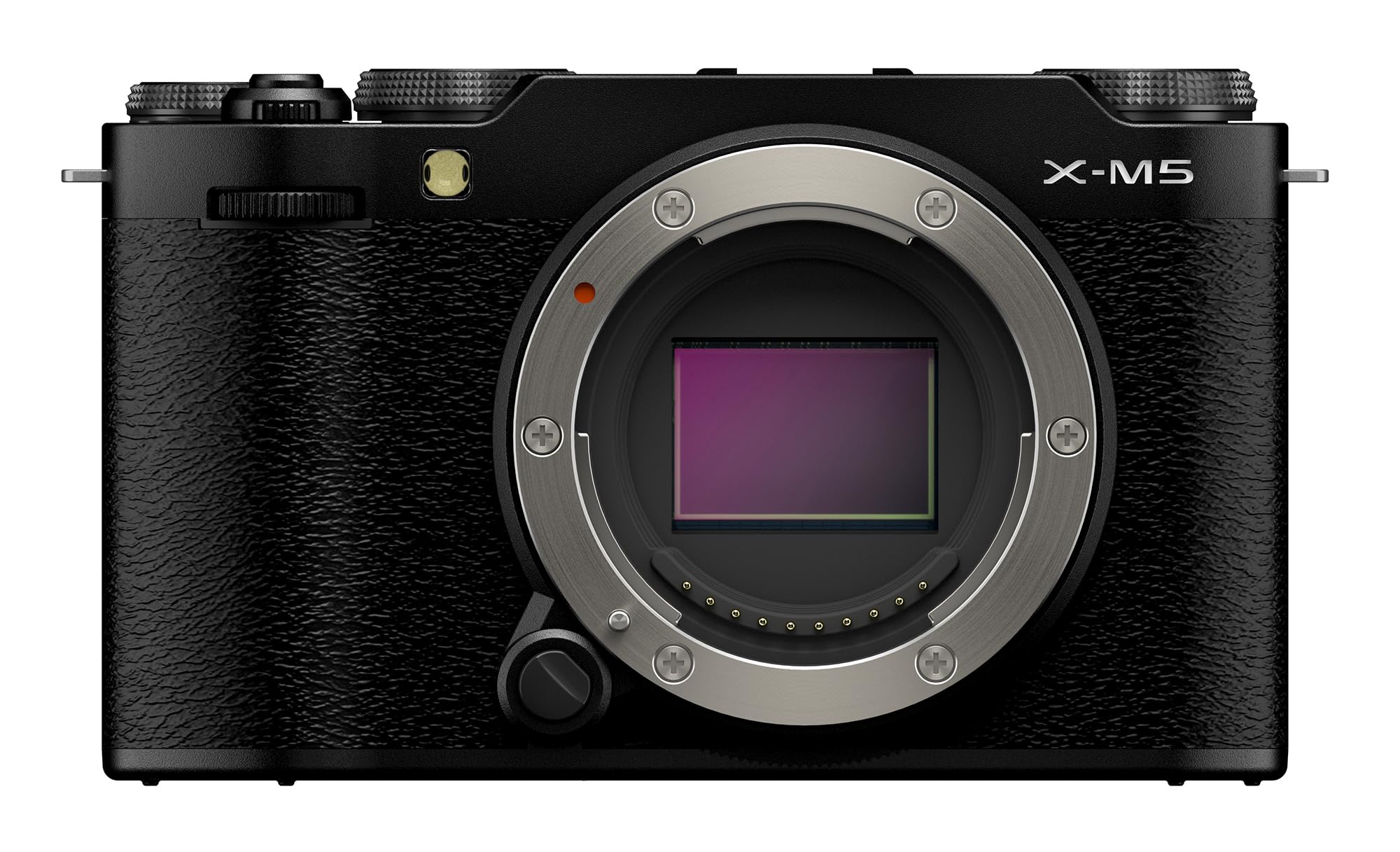
At approximately 355g with its battery and memory card, the Fujifilm X-M5 keeps a travel kit compact. It still records 6240 × 4160 open-gate footage at up to 29.97p in 10-bit H.265, giving budget filmmakers room to reframe and learn color grading.
Stabilization is the compromise to consider first. There is no sensor-shift IBIS, and 4K at 59.94p or 50p introduces a 1.18× crop even with digital stabilization off.
Separate microphone and headphone connections support audio capture and monitoring. The single UHS-I card slot is less flexible for recording media.
Key highlights
- 26.1MP APS-C X-Trans CMOS 4 sensor
- 6240 × 4160 open gate at up to 29.97p
- Internal 10-bit H.265 recording
- 4K up to 59.94p
- Digital movie stabilization without IBIS
- Approximately 355g with battery and memory card
Pros
- Capable 6.2K open-gate recording for the money
- Light body suits compact travel kits
- Internal 10-bit recording supports color grading
- Separate microphone and headphone connections
Cons
- No IBIS or electronic viewfinder
- 4K60 narrows the field of view
- Single UHS-I card slot limits media flexibility
Who it's for
Budget filmmakers and travel creators who want flexible recording formats and room to learn color grading.
Skip if
Stabilized walking footage or redundant recording is essential.
Sony FX30 - Best for interviews and documentary work
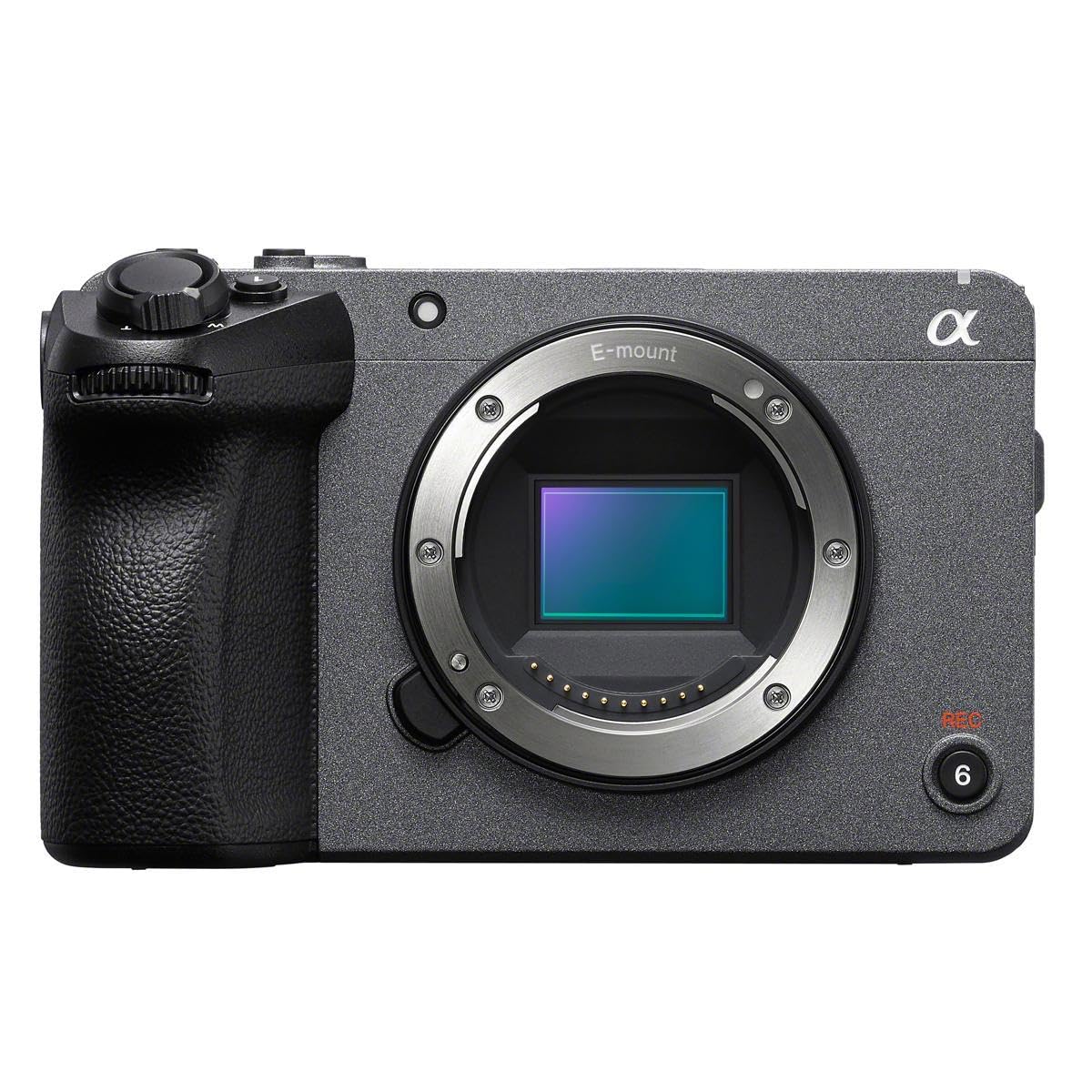
Extended interviews put cooling and recording flexibility ahead of headline resolution. The Sony FX30 pairs a fan-cooled cinema design with two combination CFexpress Type A / SD slots, making it a strong fit for documentary coverage and small production teams.
Its 4K at up to 60p is oversampled from 6K for detailed footage, with internal 10-bit 4:2:2 recording options. For slow motion, it reaches 120fps in 4K and 240fps in Full HD.
Plan audio purchases around the body-only package, which excludes the XLR handle. The broad E-mount lens selection supports building a video kit, but the lack of an electronic viewfinder and limited photography appeal favor a dedicated video role.
Key highlights
- APS-C / Super 35 sensor format
- 4K up to 60p oversampled from 6K
- 4K slow motion up to 120fps
- Full HD slow motion up to 240fps
- Internal 10-bit 4:2:2 recording options
- Two combination CFexpress Type A / SD slots
Pros
- Fan cooling suits extended production sessions
- Detailed oversampled 4K for interviews and documentaries
- Extensive E-mount lens selection
- Dual card slots increase recording flexibility
Cons
- Body-only package excludes the XLR handle
- No electronic viewfinder
- Less suitable for photography than a conventional hybrid camera
Who it's for
Interview shooters, documentary filmmakers, and small production teams building an E-mount video kit.
Skip if
Still photography is equally important or full-frame capture is a requirement.
Canon EOS R6 Mark III - Best for combined photography and video
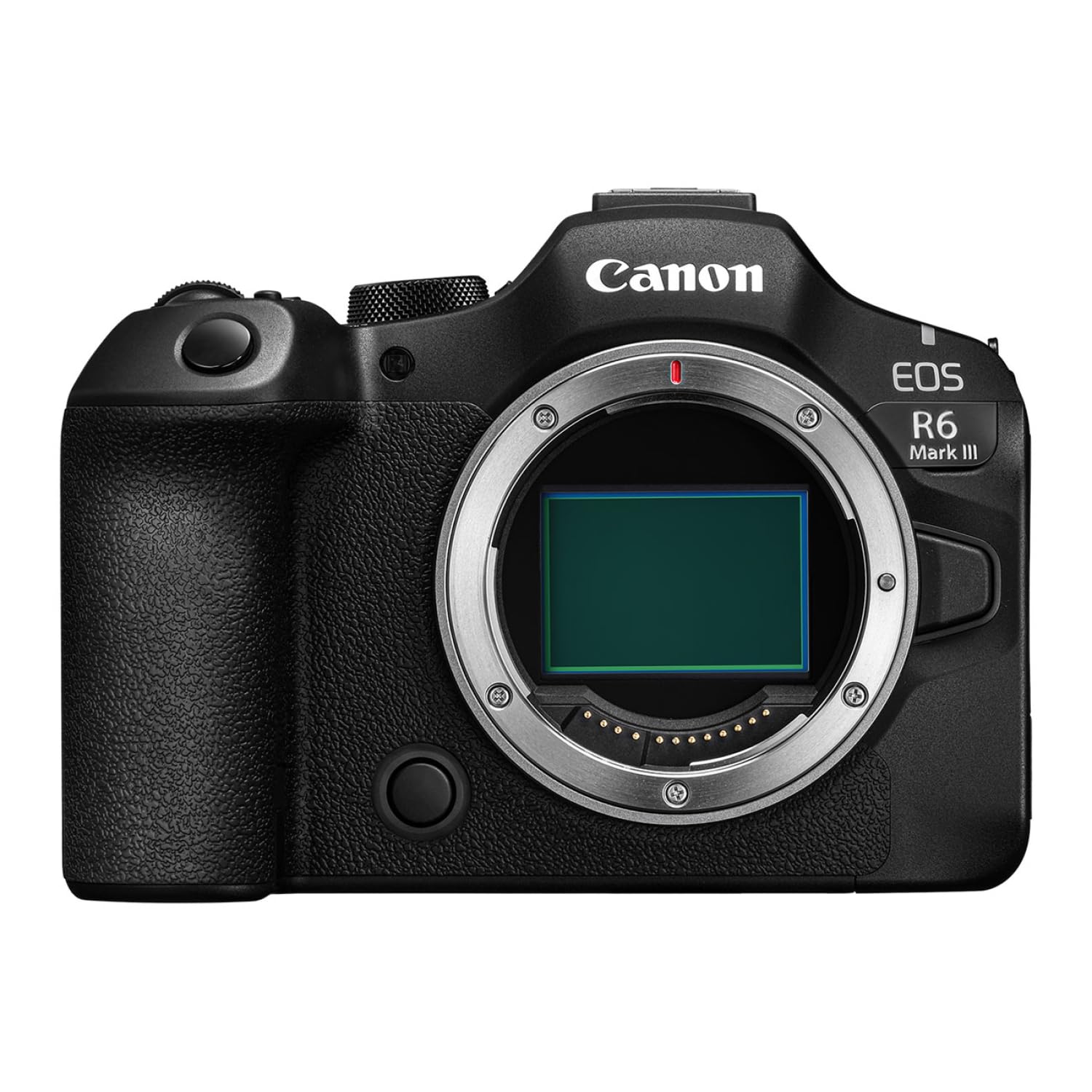
Wedding, event, and commercial assignments often require both photographs and video. The Canon EOS R6 Mark III combines a 32.5MP full-frame sensor, a viewfinder, conventional photography controls, and in-body stabilization with internal 12-bit Canon RAW Light recording at up to 7K59.94p.
Choose it for that balance, with the recording demands in mind. Its 7K open gate at up to 29.97p adds framing flexibility, and 4K reaches 119.8p. Those ambitious formats increase media and editing costs; the fan-free design is less suited to sustained demanding recording, and the CFexpress Type B and UHS-II SD slots require different card formats.
Key highlights
- 32.5MP full-frame CMOS sensor
- Internal 12-bit Canon RAW Light at up to 7K59.94p
- 7K open gate at up to 29.97p in 10-bit MP4 or 12-bit RAW
- 4K at up to 119.8p
- 2K/Full HD at up to 179.8p with audio
- One CFexpress Type B slot and one UHS-II SD slot
Pros
- High-resolution photographs and advanced video in one body
- Internal RAW and open gate provide editing flexibility
- In-body stabilization supports handheld assignments
- Viewfinder and conventional controls suit photography
Cons
- Fan-free design is less suited to sustained demanding recording
- RAW and high-resolution video increase media and editing costs
- Different card formats complicate a redundant media kit
Who it's for
Wedding, event, and commercial shooters delivering both photographs and video.
Skip if
Uninterrupted high-resolution recording matters more than photography.
Canon EOS C50 - Best for professional production rigs
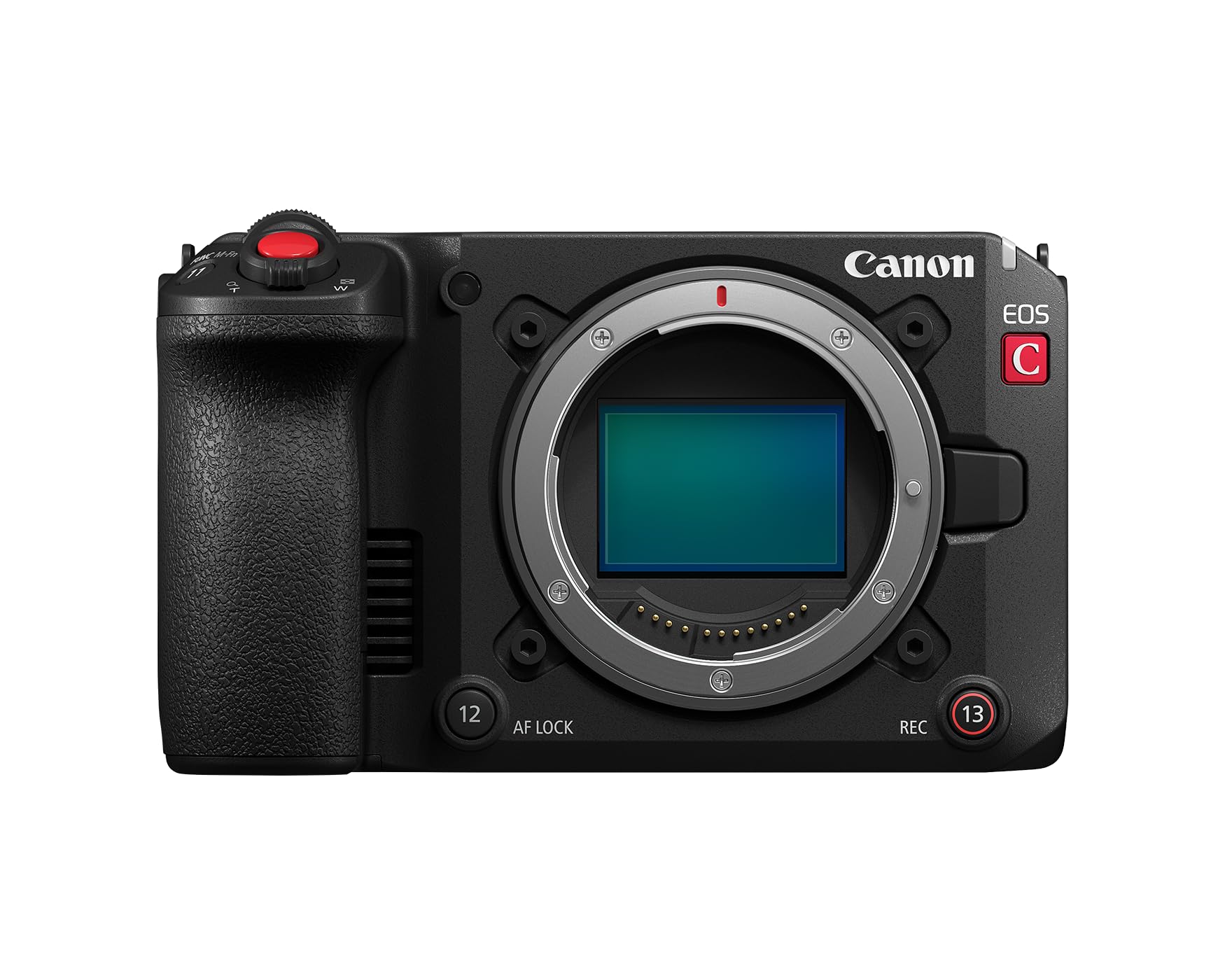
Two full-size XLR inputs on the included detachable handle, full-size HDMI, and a DIN timecode port give the Canon EOS C50 a clear role in professional production. These connections simplify rig integration and reduce the need for additional audio hardware.
Behind them sits a 7K full-frame sensor with internal 12-bit Cinema RAW Light recording at up to 7K60, 4K up to 120p, and open-gate capture. Active cooling supports demanding work.
The complete rig needs a larger budget and more space than the compact body suggests. RAW files increase storage requirements, while the handle, lenses, and accessories add bulk.
Key highlights
- 7K full-frame CMOS sensor with Canon RF mount
- Internal 12-bit Cinema RAW Light at up to 7K60
- 4K recording at up to 120p
- Dual base ISO 800 and 6400 in Canon Log 2
- Included handle with two full-size XLR inputs
- Full-size HDMI and DIN timecode port
Pros
- Internal RAW and open gate suit professional post-production
- Included XLR handle reduces additional audio hardware purchases
- Active cooling supports demanding shoots
- HDMI and timecode connections simplify rig integration
Cons
- More expensive and complex than most creators need
- Large RAW files increase storage requirements
- Handle, lenses, and accessories add bulk
Who it's for
Commercial filmmakers and production crews needing professional audio, timecode, and internal RAW.
Skip if
You mainly record casual clips or want a conventional photography camera.
Panasonic Lumix GH7 - Best for handheld Micro Four Thirds filmmaking
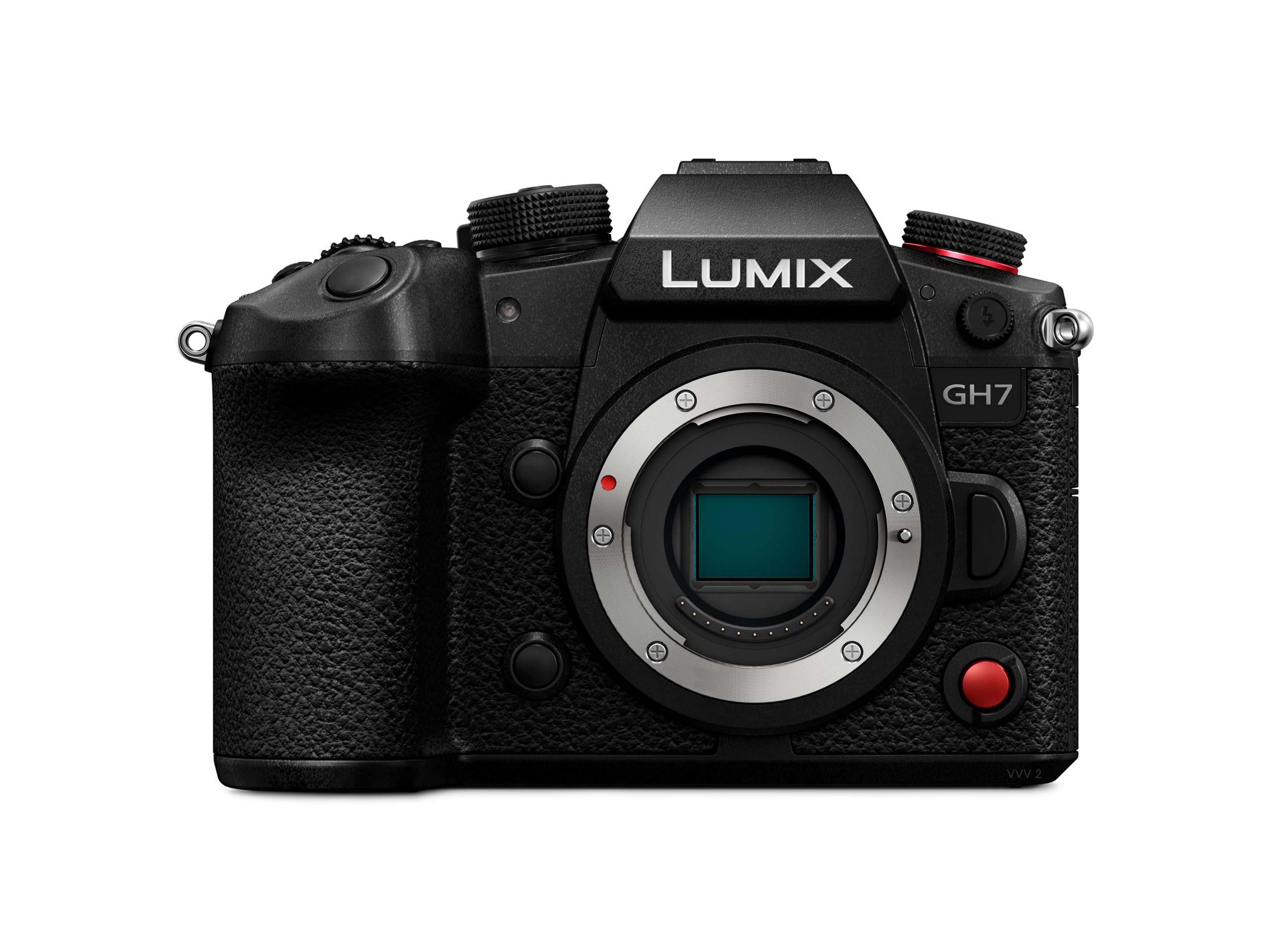
An existing Micro Four Thirds lens kit is a strong reason to choose the Panasonic Lumix GH7. The system supports relatively compact lenses for mobile production, though the body itself is substantial at approximately 805g with its battery, SD card, and shoe cover.
The GH7 puts that body to work with internal 5.7K30 ProRes RAW HQ, C4K/4K60 in 4:2:2 10-bit, and phase-detection hybrid autofocus with subject recognition. Fan cooling supports extended sessions; tally lights and flexible screen positioning help with video handling. Add the optional DMW-XLR2 adapter, or the DMW-DMS1 microphone on firmware 1.7 or later, for 32-bit float recording, and weigh full-frame alternatives if very low-light shooting is your priority.
Key highlights
- 25.2MP Micro Four Thirds BSI CMOS sensor
- Internal 5.7K30 Apple ProRes RAW HQ
- C4K/4K60 in 4:2:2 10-bit
- Phase-detection hybrid autofocus with subject recognition
- 32-bit float audio with an optional audio accessory
- Approximately 805g with battery, SD card, and shoe cover
Pros
- Extensive internal recording options, including ProRes RAW
- Fan cooling suits extended video sessions
- Micro Four Thirds supports relatively compact lens kits
- Tally lights and flexible screen positioning aid video work
Cons
- Substantial body despite the smaller sensor
- Full-frame alternatives have advantages in very low light
- 32-bit float audio requires an extra-cost audio accessory
Who it's for
Mobile production crews and established Micro Four Thirds users seeking professional video features.
Skip if
Very low-light performance or the smallest possible camera body is your priority.
Sony ZV-E10 II - Best for solo product videos
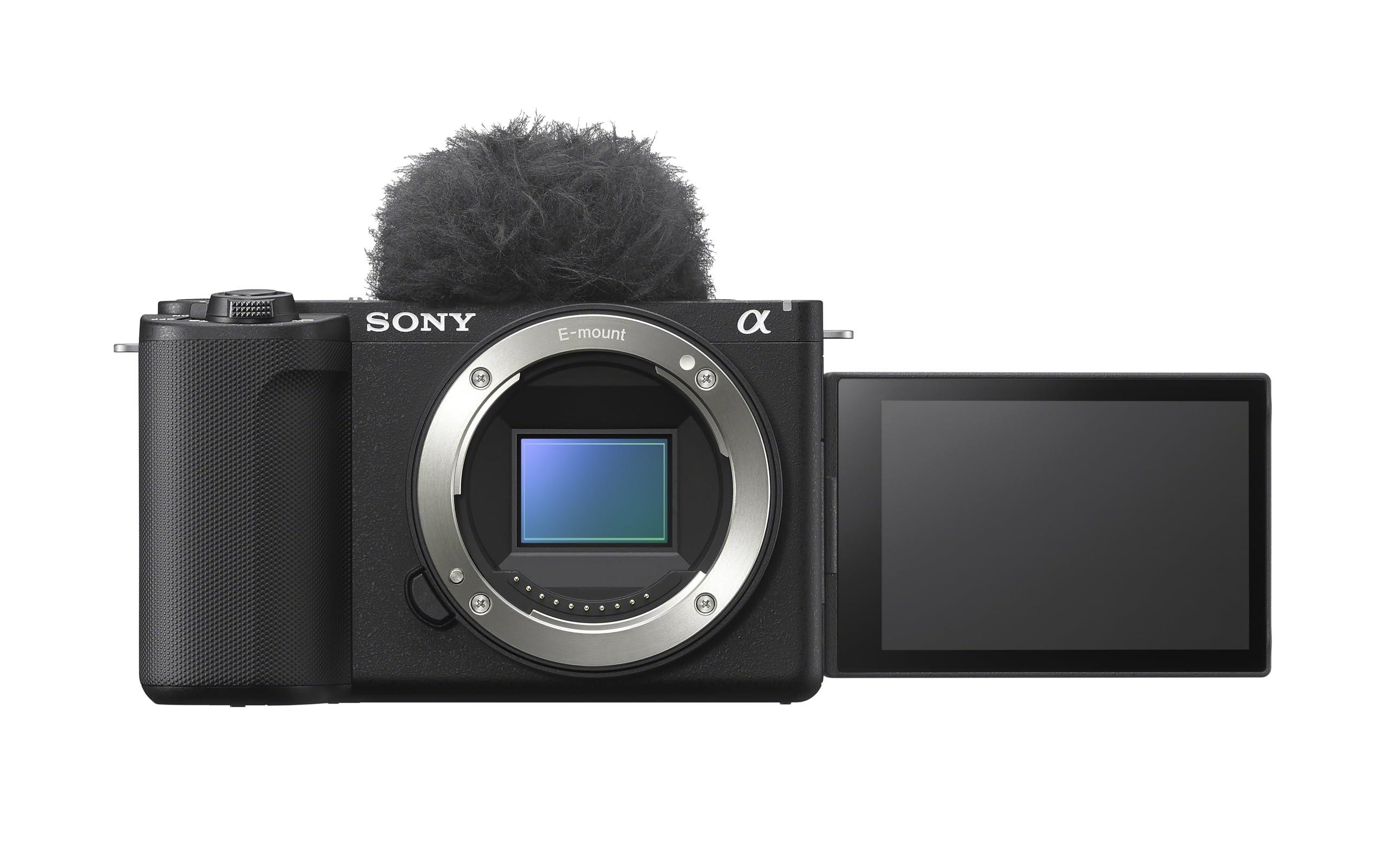
Product Showcase is the Sony ZV-E10 II's key attraction for creators filming demonstrations alone. Background Defocus, Creative Look, and Cinematic Vlog settings add more creator tools, backed by a wide selection of E-mount lenses. Internal 4K60 includes 10-bit 4:2:2 options, and Sony's free upgrade license enables 4K120 after installation.
For handheld work, it offers electronic Active stabilization and support for stabilized lenses. There is no sensor-shift IBIS, and the electronic-only shutter limits its appeal for creators who place equal weight on still photography.
Key highlights
- 26MP APS-C Exmor R CMOS sensor
- Sony E mount
- 4K60 with internal 10-bit 4:2:2 options
- 4K120 after installing a free upgrade license
- Electronic Active movie stabilization without IBIS
- Product Showcase and Background Defocus functions
Pros
- Product Showcase simplifies solo demonstrations
- 10-bit recording supports more ambitious editing
- Wide selection of compatible E-mount lenses
- Free 4K120 upgrade expands slow-motion capability
Cons
- No sensor-shift IBIS for handheld work
- Electronic-only shutter limits photography appeal
- 4K120 requires a separate license installation
Who it's for
Solo YouTube creators and product demonstrators building a compact interchangeable-lens setup.
Skip if
Strong in-body stabilization or equal emphasis on still photography is essential.
How to Choose
- Budget for the complete kit. These cameras are body selections; the Canon EOS C50 also includes its audio handle. Reserve money for a suitable lens, microphone, ND filter, spare power, and recording media.
- Match recording modes to delivery. Prioritize good 4K for ordinary delivery, open gate for horizontal and vertical edits, and 100p or 120p for slow motion. Check the crop and stabilization restrictions of the modes you plan to use.
- Choose a manageable editing format. 10-bit recording provides room for color grading. RAW adds processing flexibility but increases file sizes and software requirements. Confirm that your editor supports the exact codec before buying.
- Consider take length and cooling. Interviews and events demand more sustained recording than short clips. Fan cooling helps with extended sessions, but temperature, recording mode, cards, and power still affect practical runtime.
- Evaluate focus and stabilization together. Solo operators benefit from dependable subject tracking. In-body stabilization helps handheld footage, while electronic stabilization can crop the image. For walking shots, consider a gimbal or stabilized lens as part of the kit.
- Check audio, connections, and media. Headphone monitoring, XLR inputs, robust HDMI connections, timecode, and suitable card slots become increasingly valuable on paid shoots. Check which audio accessories are included and whether both card slots support your intended recording mode.
Do I need 6K or 7K recording if I publish in 4K?
No. Higher-resolution capture provides room for reframing, but detailed 4K does not require saving a 6K or 7K file. Oversampling uses higher-resolution sensor capture to produce a lower-resolution recording, as the Sony FX30 does for 4K at up to 60p.
Is open gate useful for both vertical and horizontal videos?
Yes. Open gate records the sensor's full image aspect ratio instead of a conventional widescreen crop, leaving more room to reframe for both orientations. Check the available frame rate, since open-gate modes have their own recording limits.
Should I choose RAW or 10-bit recording for color grading?
10-bit recording provides useful flexibility for grading. Choose RAW when you need additional processing flexibility and can accommodate larger files, storage demands, and software requirements. Confirm support for the exact codec in your editor before choosing a camera around it.
Does a cooling fan guarantee uninterrupted recording?
No. Fan cooling supports sustained recording, but practical runtime also depends on temperature, recording mode, cards, and power. For interviews and events, evaluate the complete recording setup alongside the camera's cooling design.
Are two card slots enough to guarantee backup recording?
No. Check whether both slots support your intended recording mode before relying on them for redundancy. Also account for card formats when budgeting for media, since some cameras use different formats in their two slots.
Share this article
More in News
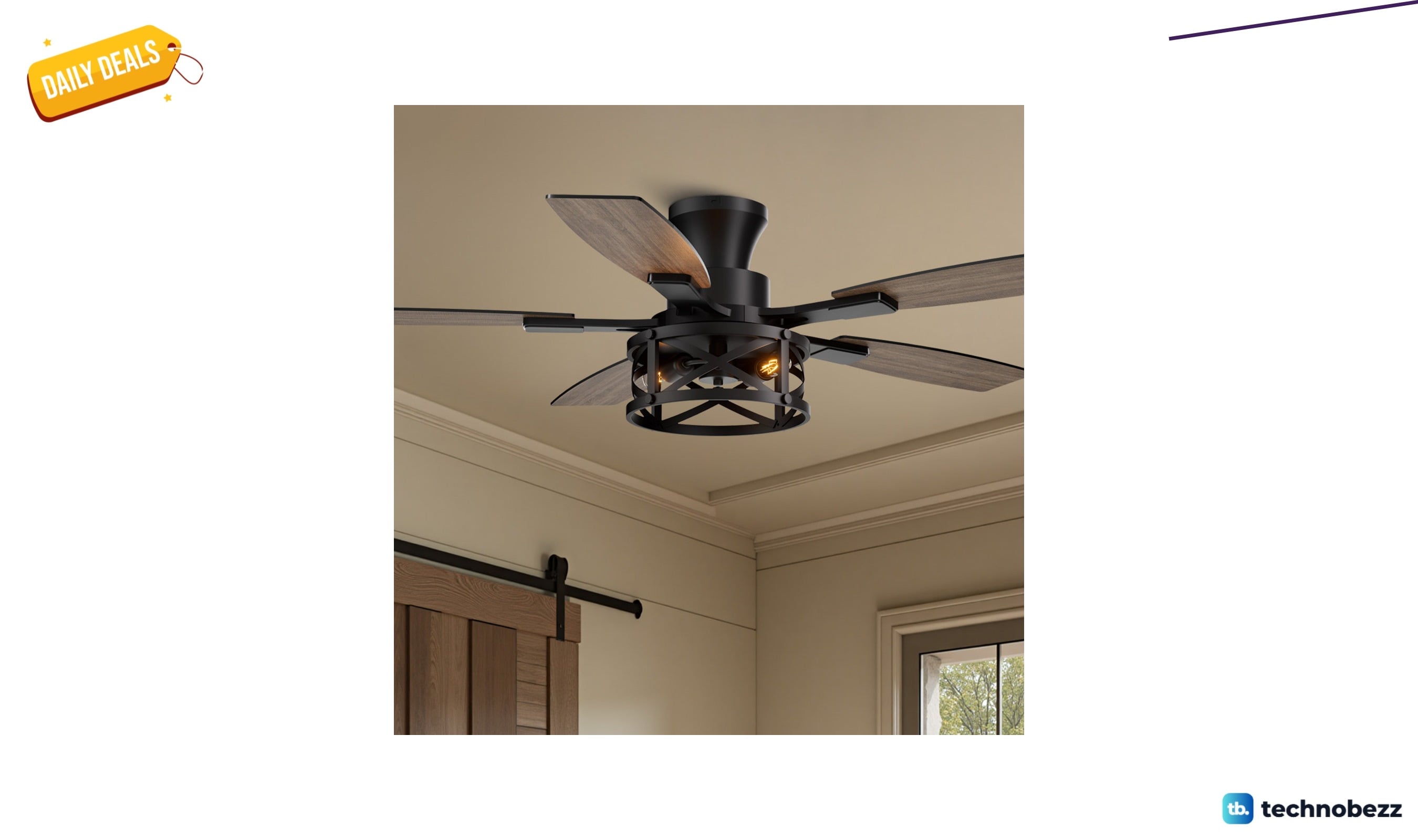
Ophelia & Co. 52-inch flush mount ceiling fan with lights and remote for $162.99 at Wayfair
Ophelia & Co. 52-inch flush mount ceiling fan with lights and remote costs $162.99 at Wayfair, saving $103.00 against its listed previous price. See the features and buyer fit.
4 min read
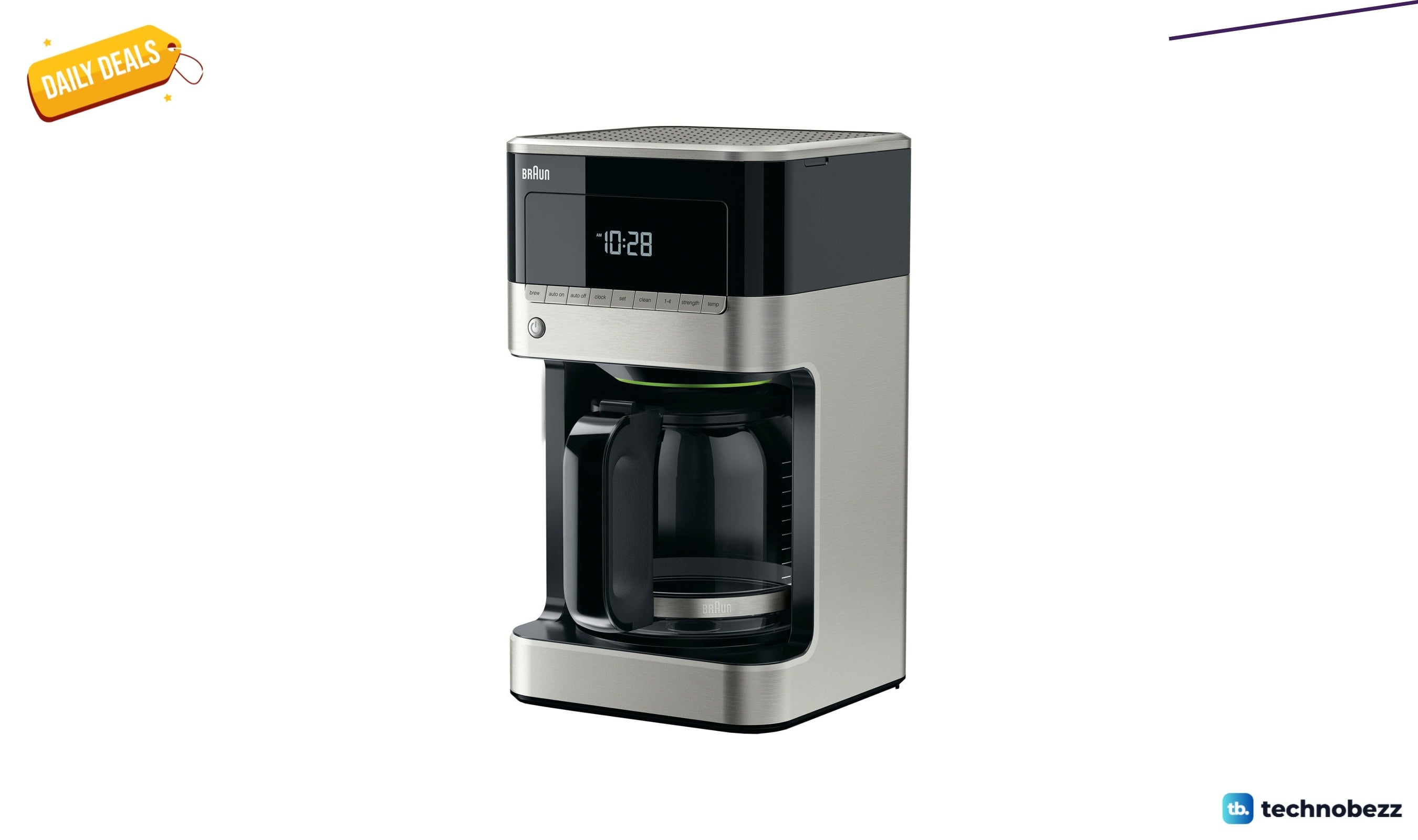
Braun BrewSense 12-cup drip coffee maker for $99.95 at Wayfair
Braun BrewSense 12-cup drip coffee maker costs $99.95 at Wayfair, saving $30.00 against its listed previous price. See the features and buyer fit.
3 min read
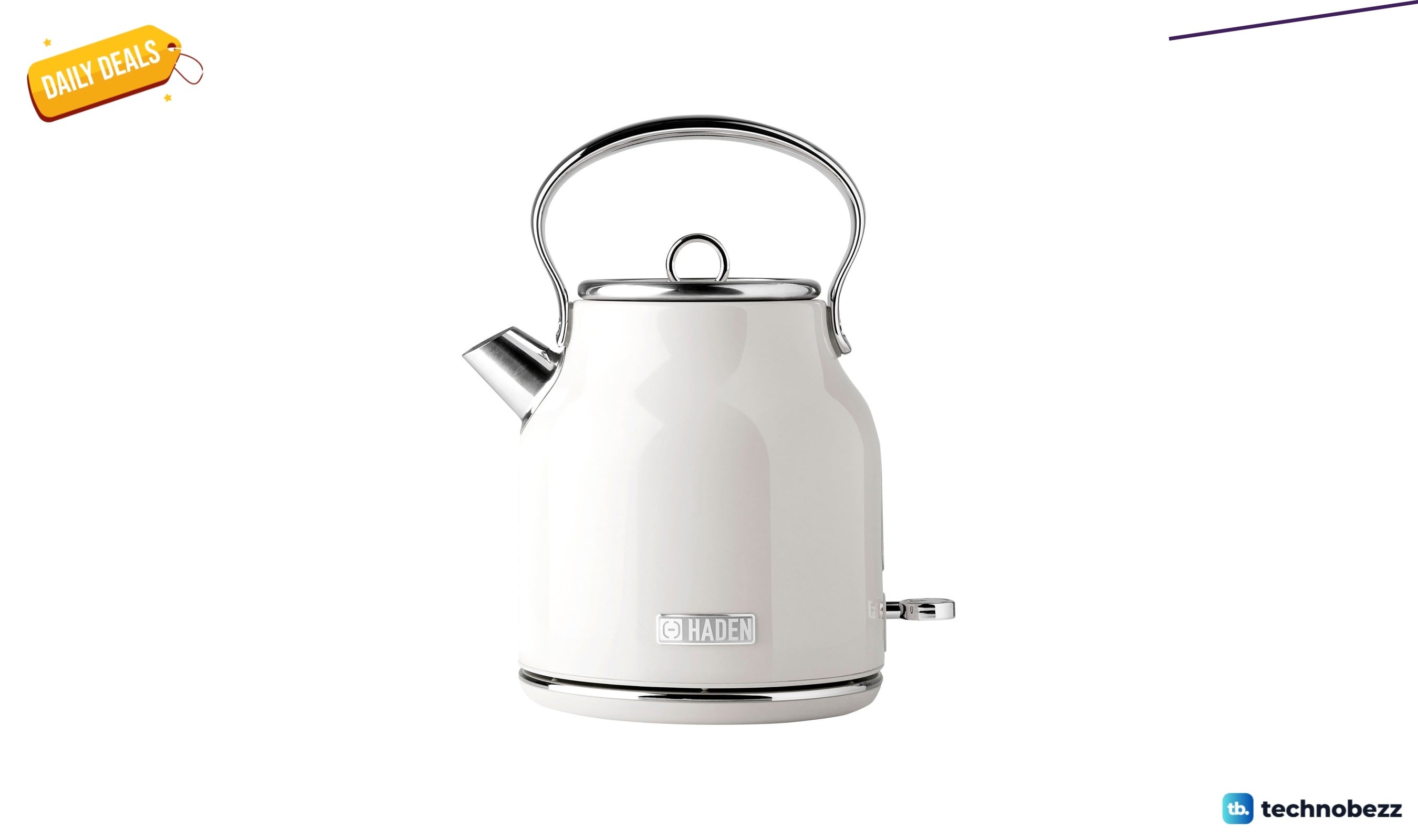
HADEN Heritage 1.7-liter stainless steel electric kettle for $69.99 at Wayfair
HADEN Heritage 1.7-liter stainless steel electric kettle costs $69.99 at Wayfair, saving $20.00 against its listed previous price. See the features and buyer fit.
5 min read
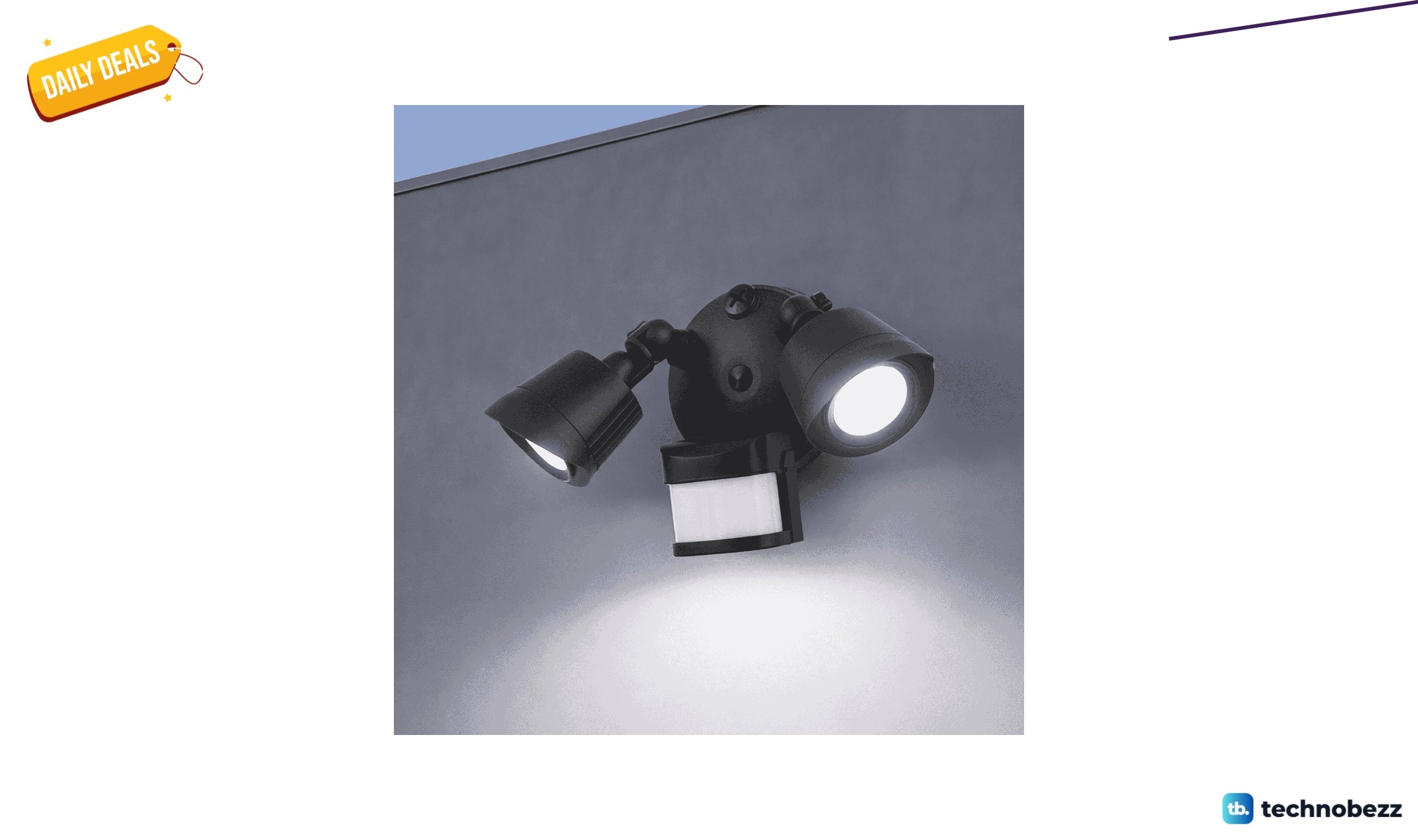
Savoy House two-head LED security flood light with motion sensor for $43.99 at Wayfair
Savoy House two-head LED security flood light with motion sensor costs $43.99 at Wayfair, saving $18.01 against its listed previous price. See the features and buyer fit.
4 min read
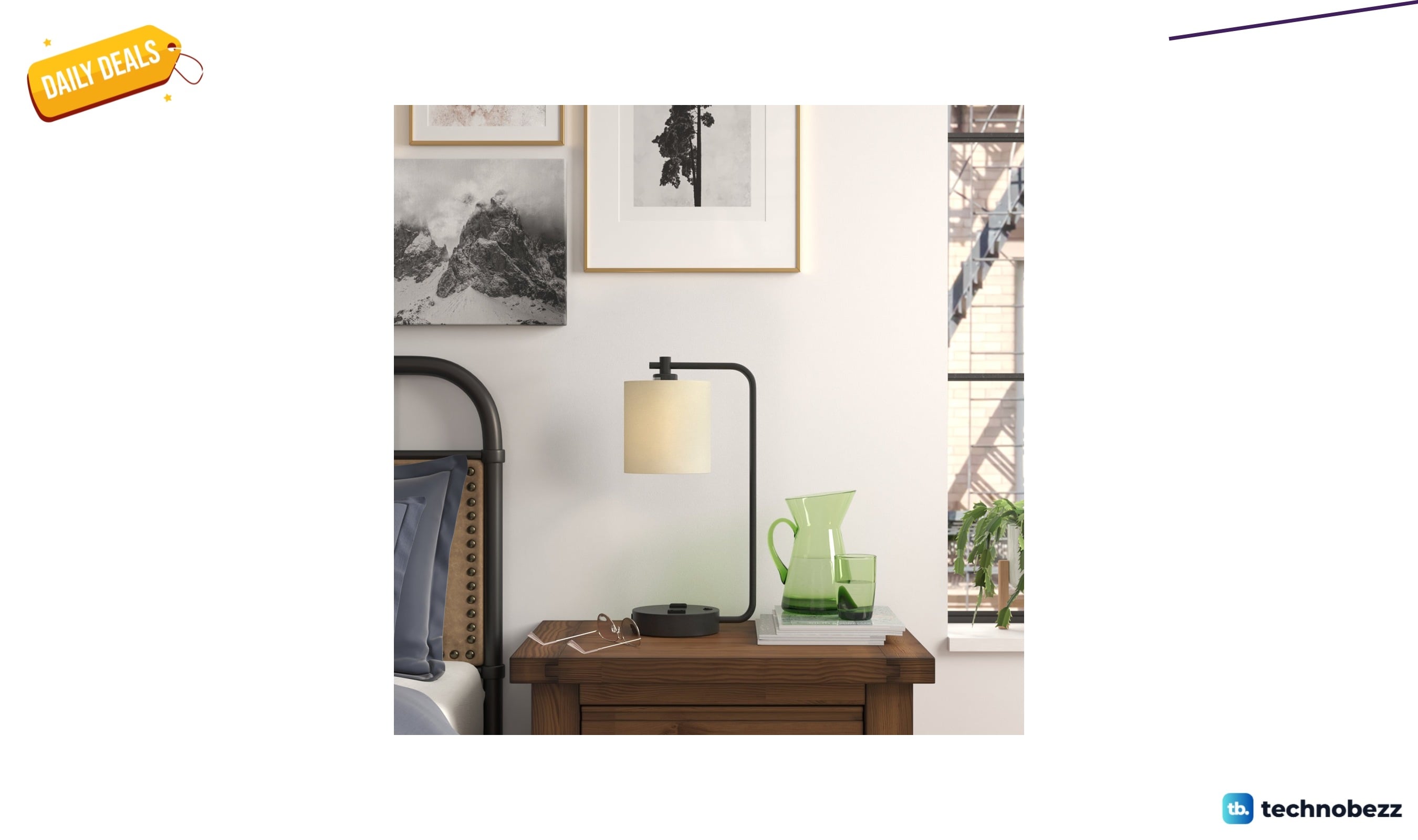
Steelside Crewe table lamp with USB and AC outlet for $50.99 at Wayfair
3 min read
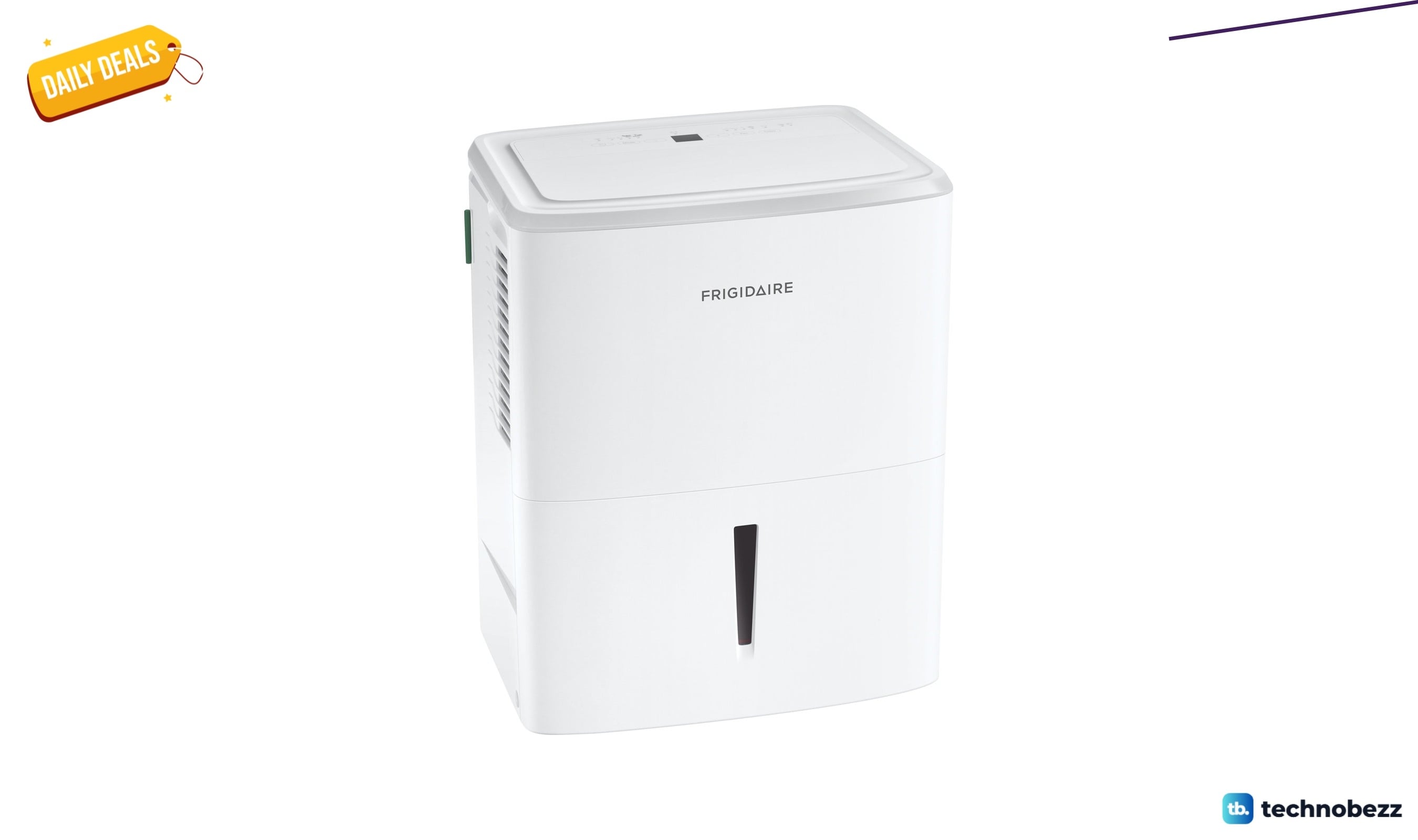
Frigidaire 35-pint Wi-Fi dehumidifier for $229.00 at Wayfair
5 min read
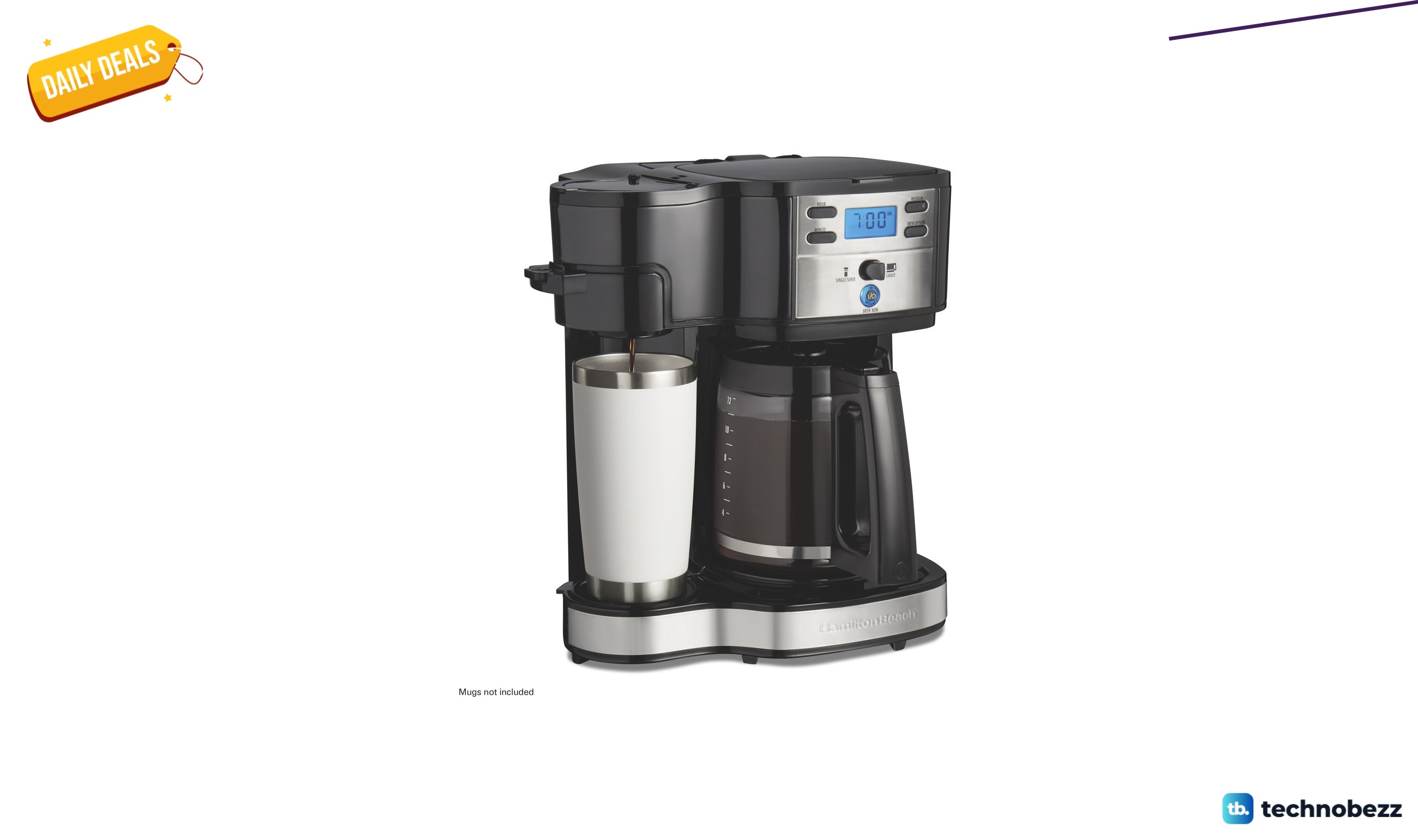
Hamilton Beach 2-Way programmable coffee maker for $59.99 at Wayfair
4 min read
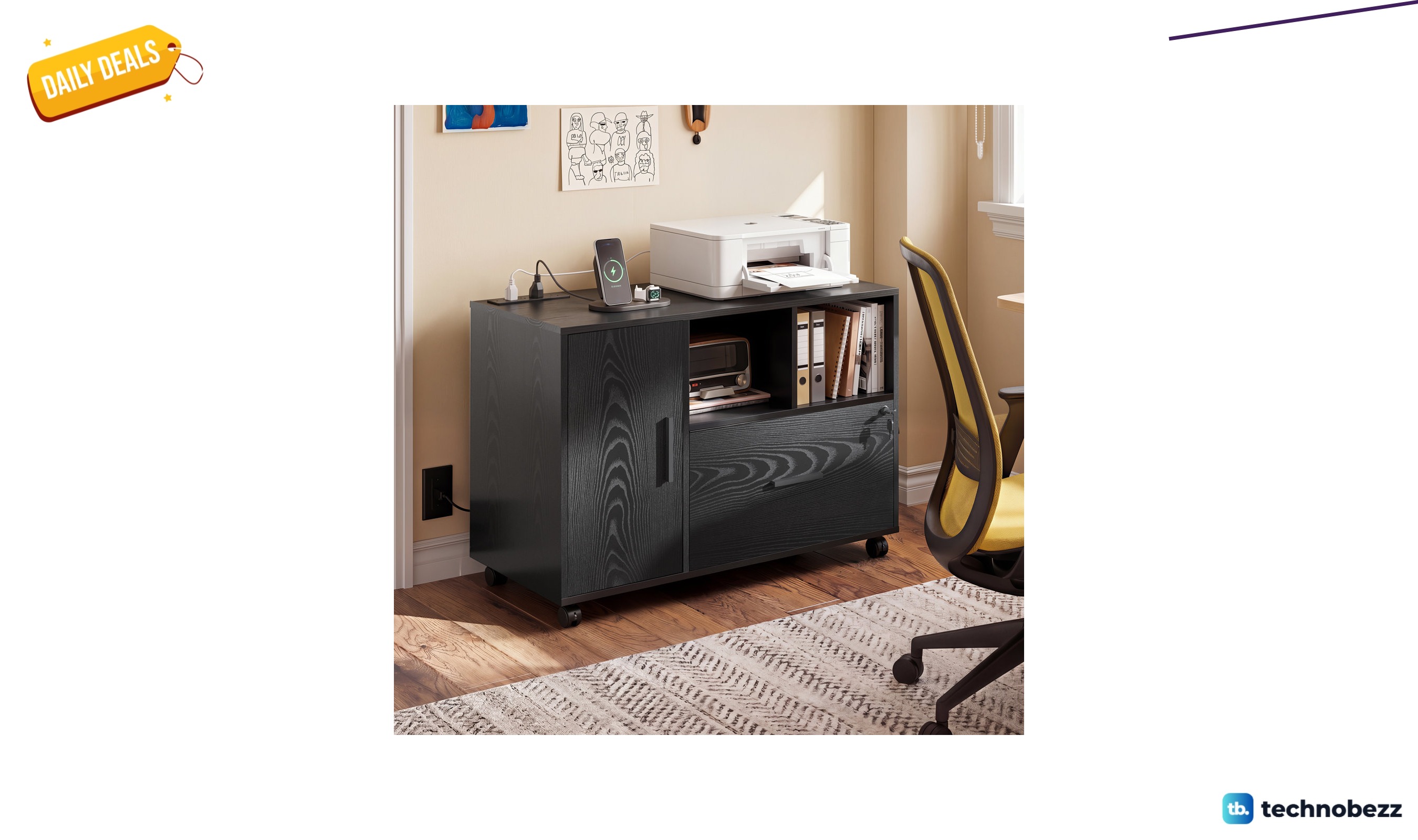
17 Stories Cambrie rolling file cabinet with charging station for $101.99 at Wayfair
3 min read
Best Sony Soundbars in 2026
5 min read
Best Corsair Headsets in 2026
4 min read
Roborock QV 35S robot vacuum and mop for $499.99 at Wayfair
4 min read
Roborock Q10 X5+ self-emptying robot vacuum and mop for $279.99 at Wayfair
3 min read