A landscape camera needs to capture fine detail, cope with rain, dust and cold, and hold still through long exposures. This guide is for US photographers buying a dedicated camera for mountains, coastlines, forests and night skies, from hikers counting every ounce to photographers planning large prints.
Technobezz is supported by its audience. We may get a commission from retail offers.
6 Best Cameras for Landscape Photography in 2026
The Fujifilm GFX100S II is our top pick for landscape photography, with a 102MP sensor and 60-point sealing. Here are six cameras for every kind of shooter.
T
Technobezz
Editorial Team
Updated November 12, 2026Nov 12, 2026
•13 min read

Get Deals Like These in Your Inbox
The best prices, straight to your inbox.
Add Technobezz on Google:Preferred SourceGoogle Discover
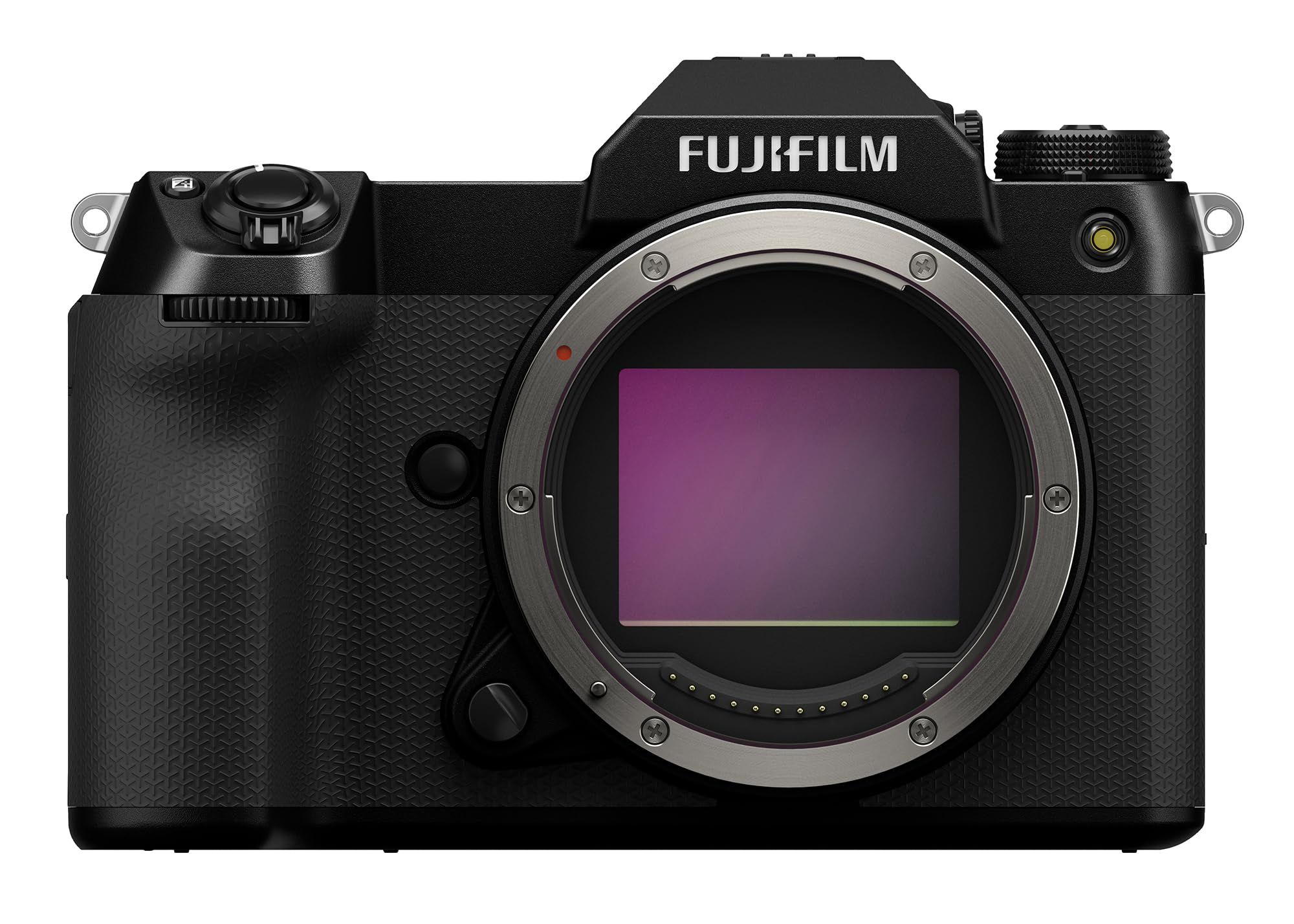
The Fujifilm GFX100S II is the best overall pick. It pairs a 102-megapixel large format sensor with five-axis in-body stabilization rated at up to 8.0 stops and a body sealed in 60 places.
The other picks cover different needs: a full-frame body with focus shift shooting, a premium Hasselblad, a fixed-lens medium format camera, a compact weather-sealed Micro Four Thirds body, and a budget full-frame kit.
At a Glance
| Category | Product | Why We Picked It |
|---|---|---|
| Best overall | Fujifilm GFX100S II | 102MP large format sensor, up to 8.0-stop IBIS, and sealing in 60 places |
| Best full-frame | Nikon Z 8 | 45.7MP sensor, Focus Shift Photography, and 900-second exposures |
| Best premium medium format | Hasselblad X2D II 100C | 15.3 stops of listed dynamic range and 1TB of built-in storage |
| Best fixed-lens | Fujifilm GFX100RF | 102MP sensor, 35mm F4 lens, and a built-in 4-stop ND filter at 735g |
| Best for hiking | OM System OM-5 Mark II | IP53 sealing, Live ND, and High Res Shot at 14.7 ounces |
| Best budget full-frame | Nikon Z5II with 24-50mm Lens | 24.5MP full-frame sensor, 7.5-stop IBIS, and a sealed body |
How we chose
We compared each maker's published specifications for the features that matter most outdoors: resolution, sensor size, stabilization, weather sealing, weight and long-exposure tools. We then checked that every pick is sold new on Amazon and matched each one to a specific kind of landscape photographer.
The best cameras for landscape photography right now
Fujifilm GFX100S II - Best overall
The Fujifilm GFX100S II puts a 102-megapixel GFX CMOS II sensor, measuring 43.8 by 32.9mm, into a body that weighs 883g (1.95 lbs). That counts for a lot when the camera has to be carried to a viewpoint instead of driven to one.
Five-axis in-body stabilization is rated at up to 8.0 stops, and the magnesium alloy body is sealed in 60 places. Pixel Shift Multi-Shot uses the stabilization system to combine 16 RAW frames into a 400MP image, which suits static scenes shot from a tripod. The camera also offers 20 Film Simulation modes, including REALA ACE, and two SD card slots.
Key highlights
- 102MP GFX CMOS II sensor (43.8 x 32.9mm)
- X-Processor 5
- 5-axis in-body stabilization rated up to 8.0 stops
- Body sealed in 60 places
- Pixel Shift Multi-Shot for 400MP images
- 883g (1.95 lbs) body weight
Pros
- 102MP resolution leaves room for large prints and heavy cropping
- High stabilization rating for a large sensor body
- Extensive weather sealing for rain and dust
- Pixel Shift Multi-Shot adds even more detail for still scenes
Cons
- At 883g, it is more than twice the weight of the OM-5 Mark II
- Pixel Shift combines 16 frames, so moving water, clouds or foliage are a poor fit for that mode
- Continuous shooting is listed at 7fps with the mechanical shutter
Who it is for: Landscape photographers who want maximum resolution and weather protection in a body light enough to hike with.
Skip if
Pack weight comes first, or a smaller full-frame or Micro Four Thirds system already covers your print sizes.
Nikon Z 8 - Best full-frame
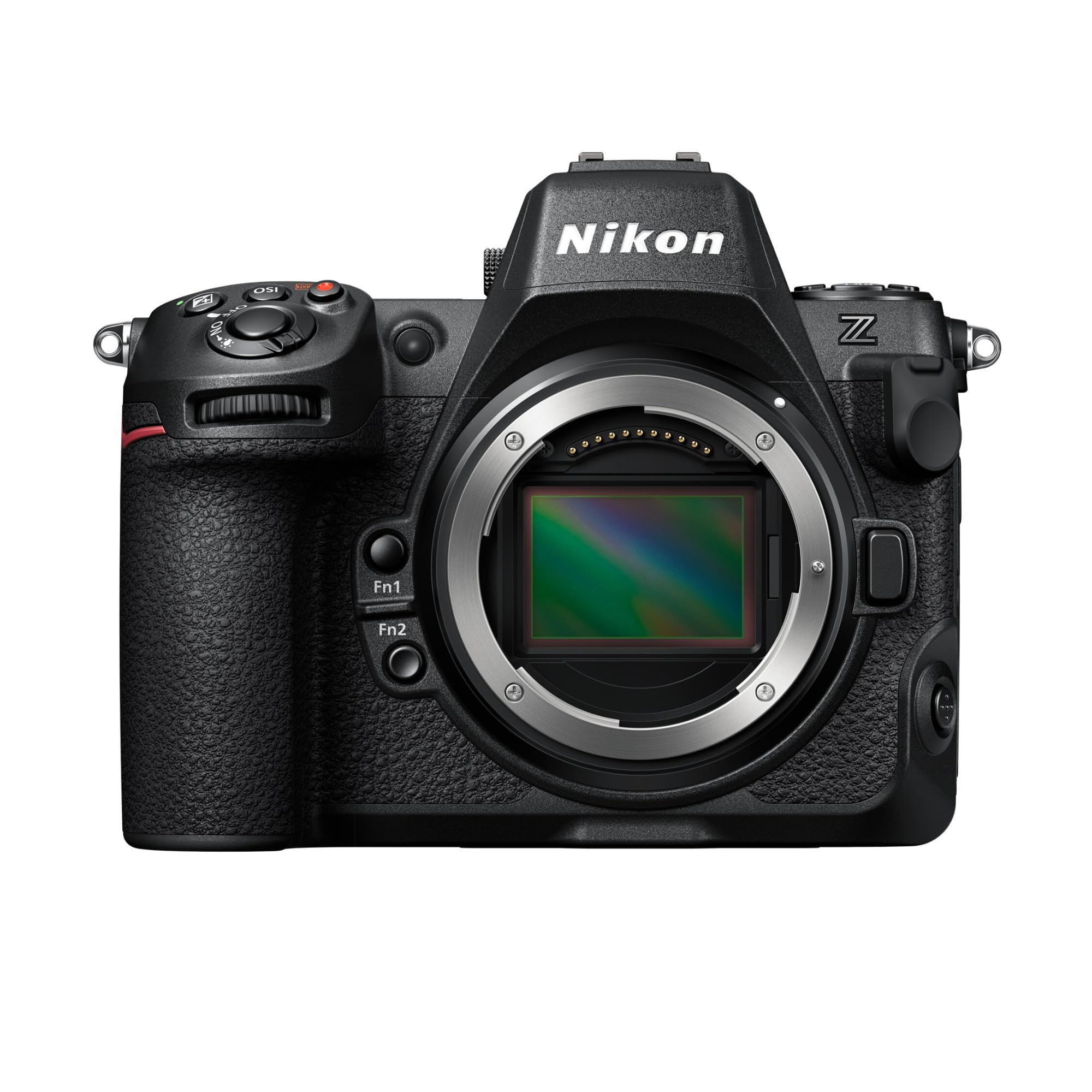
The Nikon Z 8 uses a 45.7MP full-frame backside-illuminated CMOS sensor with the Expeed 7 processor, and Nikon positions it as the true successor to the D850. Native sensitivity starts at ISO 64, expandable down to ISO 32, and Nikon lists premium weather sealing.
Several features target landscape work. Focus Shift Photography captures a series of frames for focus stacking, exposures can run to 900 seconds, and Starlight View lets the camera focus down to -9 EV. In-body stabilization is rated at 5.5 stops, or 6.0 stops with compatible Z lenses. The body weighs 910g (32.1 oz).
Key highlights
- 45.7MP full-frame BSI CMOS sensor
- ISO 64 to 25,600 (expandable to 32 to 102,400)
- 5.5-stop in-body stabilization (6.0 stops with compatible Z lenses)
- Focus Shift Photography
- Exposures up to 900 seconds
- Starlight View focusing down to -9 EV
- CFexpress/XQD and SD card slots
Pros
- Dedicated focus shift, long exposure and low-light focus tools
- Low base ISO of 64
- Premium weather sealing
- Fast stills and 8K video features for photographers who also shoot wildlife or video
Cons
- At 910g, it is the heaviest pick here with a listed weight
- 45.7MP is well below the 100MP and 102MP medium format picks
- One card slot takes CFexpress or XQD, which may mean buying new cards
Who it is for: Photographers who want a high-resolution full-frame body with built-in landscape tools and a broad lens system.
Skip if
You want the most resolution possible, or the lightest pack for long hikes.
Hasselblad X2D II 100C - Best premium medium format
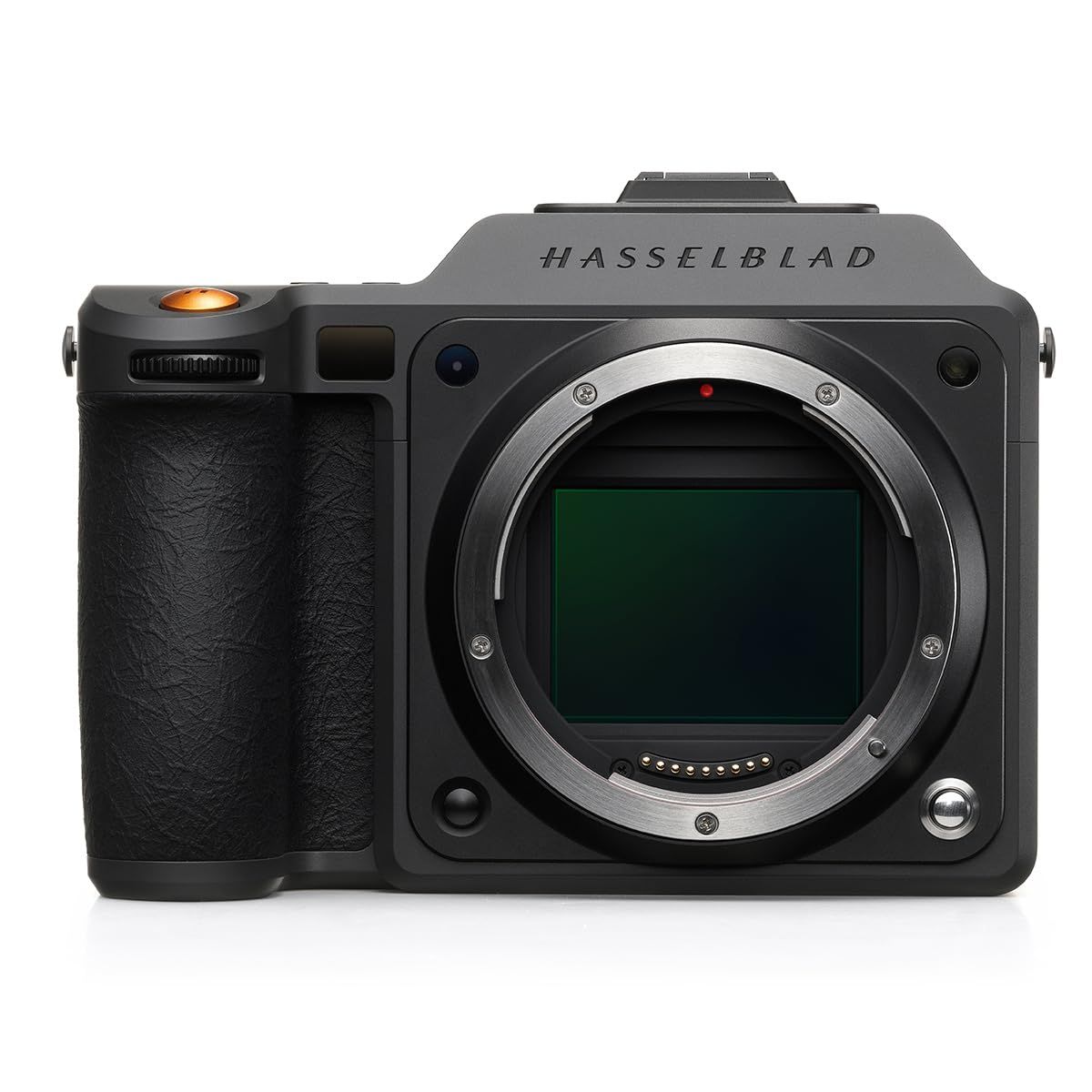
The Hasselblad X2D II 100C is built around a 100-megapixel medium format BSI CMOS sensor. Hasselblad lists 15.3 stops of dynamic range and 16-bit color depth delivering around 281 trillion colors, along with its Hasselblad Natural Colour Solution. Both specs matter in scenes with bright skies and deep shadows.
Five-axis in-body stabilization is rated at 10 stops at the image center and 8 at the edges, and Hasselblad says that makes handheld long exposures of flowing traffic or running water possible. Images are saved to 1TB of built-in SSD storage, with a CFexpress Type B slot for more space. A 3.6-inch OLED touchscreen tilts up and down, and the XCD lens lineup runs from 20mm to 230mm.
Key highlights
- 100MP medium format BSI CMOS sensor
- 15.3 stops of dynamic range (maker figure)
- 16-bit color depth
- 5-axis in-body stabilization rated 10 stops at the center, 8 at the edges
- 1TB built-in SSD plus CFexpress Type B slot
- 3.6-inch tilting OLED touchscreen
Pros
- Hasselblad lists 15.3 stops of dynamic range
- 16-bit color for smooth tonal gradations
- Very high stabilization rating for handheld shooting
- Built-in storage means a backup place for files even without a card
Cons
- Hasselblad's product page does not list weather sealing
- Hasselblad's product page does not list a body weight
- Premium medium format system, with a smaller lens lineup than full-frame mounts
Who it is for: Photographers who put color and tonal range first and want a premium medium format camera for fine art landscape prints.
Skip if
You need confirmed weather sealing for wet conditions, or a lower-cost route into high resolution.
Fujifilm GFX100RF - Best fixed-lens
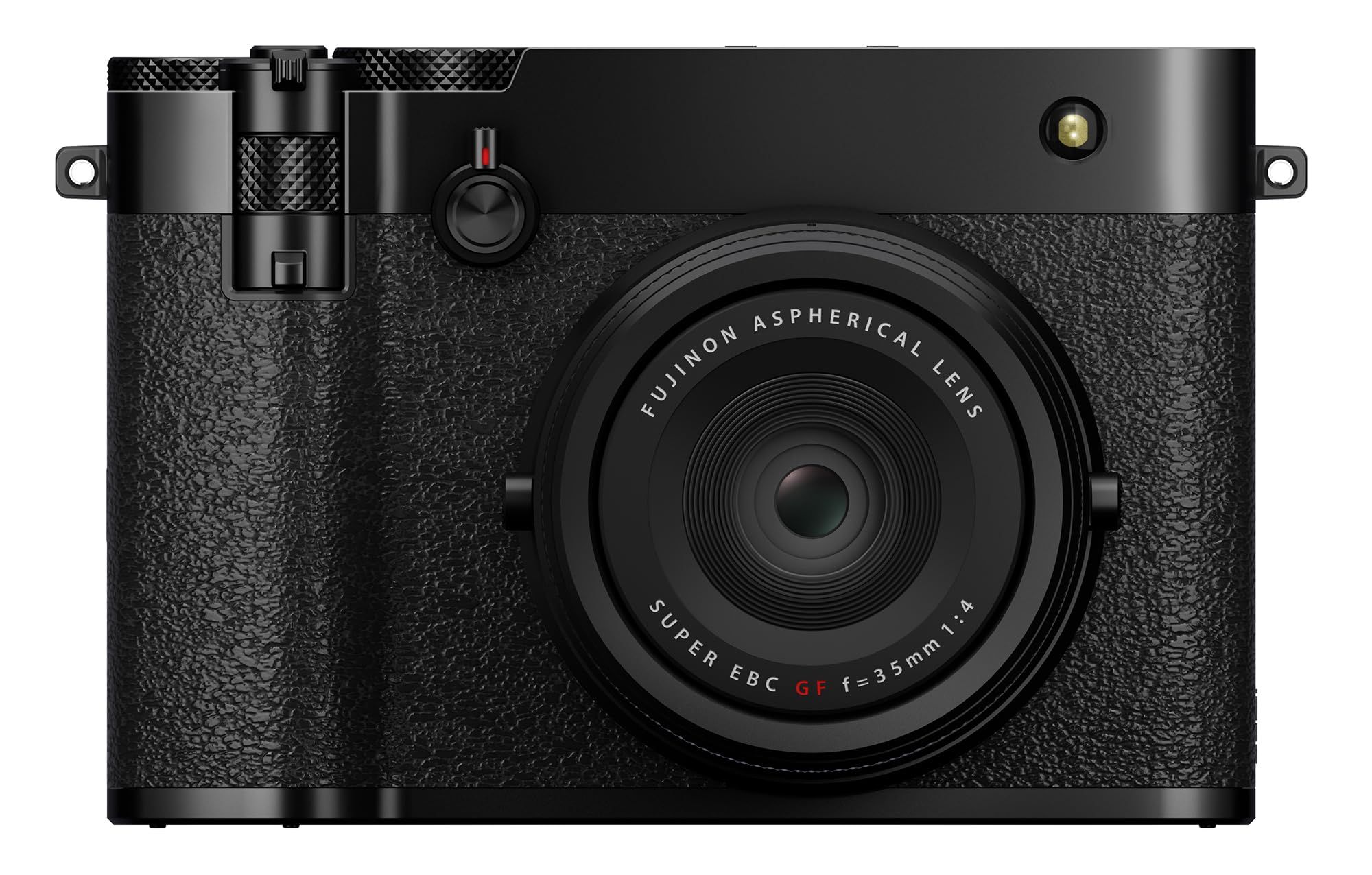
The Fujifilm GFX100RF puts the same 43.8 by 32.9mm, 102-megapixel sensor size as the GFX100S II behind a fixed 35mm F4 lens, which Fujifilm says is equivalent to 28mm in 35mm format. The whole camera weighs 735g (1.62 lbs), so it is the lightest way into 102MP files in this list.
For landscapes, the built-in 4-stop ND filter is the standout: it allows slower shutter speeds for water and clouds without carrying screw-in filters. An Aspect Ratio dial offers nine frame shapes, including wide 65:24 and 17:6 panoramic formats, and a digital teleconverter adds tighter crops. Fujifilm says the camera becomes weather-resistant when combined with filters.
Key highlights
- 102MP sensor (43.8 x 32.9mm)
- Fixed 35mm F4 lens (28mm equivalent)
- Built-in 4-stop ND filter
- Leaf shutter
- Aspect Ratio dial with nine options
- 735g (1.62 lbs) weight
- 0.5-inch, 5.76 million-dot OLED viewfinder
Pros
- Lightest 102MP camera here, at 735g
- Built-in ND filter helps with long exposures in daylight
- Panoramic aspect ratios suit wide vistas
- Fixed 35mm F4 lens, so there are no lenses to change in the field
Cons
- The lens cannot be changed, so there is no true telephoto or ultra-wide option
- Fujifilm lists digital image stabilization for video, not in-body stabilization
- Weather resistance depends on fitting filters to the lens
Who it is for: Travelers and walkers who like a 28mm-equivalent view and want medium format detail without a bag of lenses.
Skip if
You shoot distant peaks with a telephoto, or want stabilization for handheld stills.
OM System OM-5 Mark II - Best for hiking
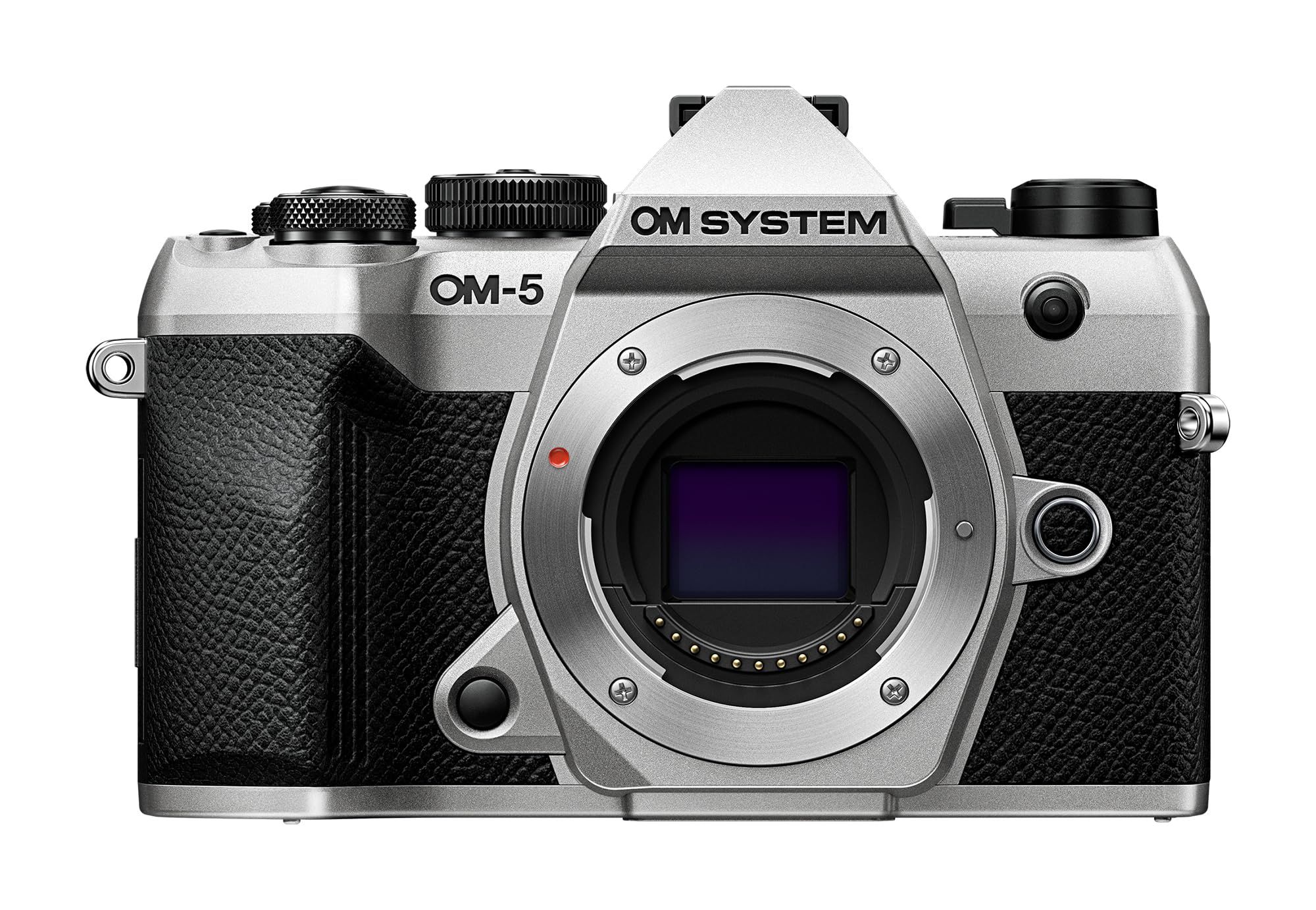
The OM System OM-5 Mark II weighs 14.7 ounces with battery and SD card, the lightest pick in this guide. It uses a 20MP Live MOS Four Thirds sensor with the TruePic IX processor. The body carries IP53-certified weather sealing and is rated freeze-proof to -10°C (14°F). The Amazon listing is the silver version; OM System also lists black and Sand Beige.
Its computational modes do work that would otherwise take extra gear. Live ND (ND2 to ND16) smooths waterfalls and skies without physical filters, High Res Shot produces 50MP to 80MP images depending on mode, and in-camera Focus Stacking extends depth of field. Starry Sky AF and Live Composite are aimed at night skies. Stabilization is rated up to 6.5 stops, or 7.5 stops with compatible Sync IS lenses.
Key highlights
- 20MP Four Thirds Live MOS sensor
- 14.7 ounces with battery and card
- IP53-certified sealing, freeze-proof to -10°C
- Live ND, High Res Shot and Focus Stacking
- Starry Sky AF and Live Composite
- Up to 6.5 stops of stabilization (7.5 stops with Sync IS lenses)
- USB-C charging
Pros
- Lightest and smallest body in this list
- Specific IP53 rating for dust and splashes
- Live ND and Focus Stacking reduce the need for filters and editing
- Night sky tools built in
Cons
- 20MP native resolution is the lowest here
- The Four Thirds sensor is much smaller than full-frame or medium format
- High Res Shot merges several frames, so it suits still scenes better than moving ones
Who it is for: Hikers, backpackers and travelers who want a weather-sealed camera with landscape tools in a very light kit.
Skip if
Large prints from single frames, or the widest tonal range from a big sensor, matter most.
Nikon Z5II with 24-50mm Lens - Best budget full-frame
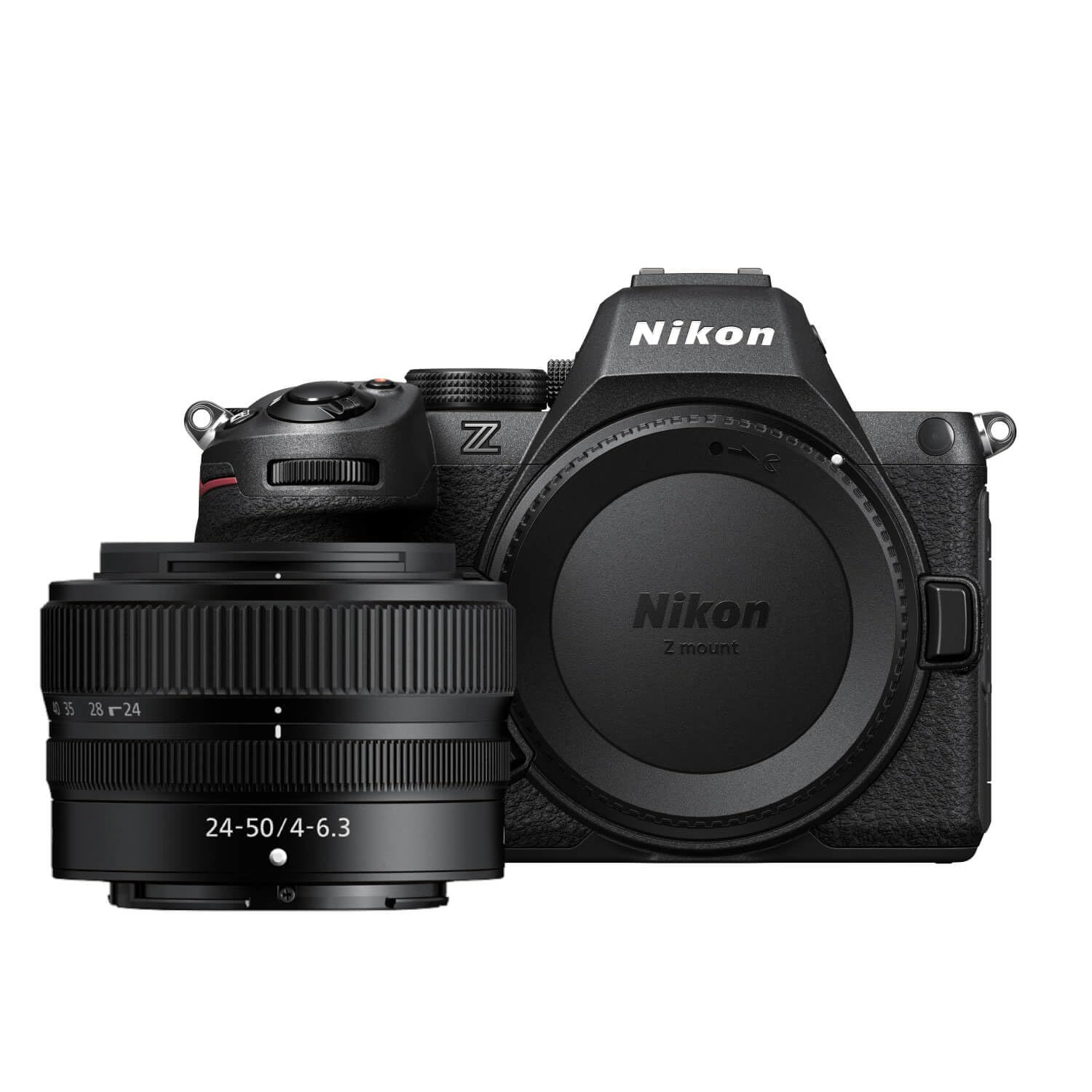
The Nikon Z5II is the affordable route into full-frame in this list. It uses a 24.5MP BSI CMOS full-frame sensor with the EXPEED 7 processor, and Nikon pitches that resolution for large prints and fine textures such as foliage, rock and water. This Amazon listing is the kit with the NIKKOR Z 24-50mm f/4-6.3 zoom lens.
Five-axis in-body stabilization is rated at up to 7.5 stops. The magnesium alloy body is sealed against dust and moisture and weighs about 620g by Nikon's figure. Autofocus detection is rated down to -10 EV, which helps at dawn and dusk, and a fully articulating touchscreen makes low tripod angles easier. Two SD card slots allow backup recording.
Key highlights
- 24.5MP full-frame BSI CMOS sensor
- EXPEED 7 processor
- 5-axis in-body stabilization rated up to 7.5 stops
- Sealed against dust and moisture
- About 620g body weight (Nikon)
- Dual SD card slots
- Kit includes NIKKOR Z 24-50mm f/4-6.3 lens
Pros
- Full-frame sensor at an approachable level
- High stabilization rating
- Sealed body for outdoor use
- Fully articulating screen for low and awkward angles
Cons
- 24.5MP is the lowest resolution among the full-frame and medium format picks
- The 24-50mm kit lens starts at 24mm, not as wide as dedicated landscape zooms
- An f/4-6.3 aperture range is slow for night sky work
Who it is for: First-time full-frame buyers who want a sealed, stabilized landscape camera with a lens included.
Skip if
You plan big prints or heavy crops, or you already know you want an ultra-wide lens.
How to Choose
- Match resolution to your prints. 100MP-class sensors give the most room for large prints and cropping, while 20MP to 25MP is plenty for screens and moderate print sizes.
- Weigh sensor size against pack weight. Medium format bodies offer the most detail, but a Four Thirds body like the OM-5 Mark II can halve the weight you carry up a trail.
- Check the weather sealing details. A specific rating such as IP53 tells you more than a general claim, and some maker pages do not list sealing at all.
- Look for long-exposure tools. Built-in ND filters, Live ND and long shutter limits make it easier to blur water and clouds without carrying extra filters.
- Consider focus stacking support. In-camera focus shift or focus stacking helps keep near foregrounds and distant mountains sharp in one image.
- Think about the lens system. A fixed-lens camera is simple to carry, while an interchangeable system lets you add ultra-wide and telephoto lenses later.
FAQ
Is medium format worth it for landscape photography?
It can be if you make large prints or crop heavily. The GFX100S II, GFX100RF and X2D II 100C all offer around 100MP, but they are bigger investments than full-frame or Micro Four Thirds bodies.
How many megapixels do I need for landscapes?
About 24MP is enough for online sharing and mid-size prints. Above 40MP helps with large wall prints and cropping, and 100MP sensors give the most flexibility.
Do I still need ND filters?
Often yes, but not always. The GFX100RF has a built-in 4-stop ND filter and the OM-5 Mark II offers Live ND up to ND16. Other picks here need physical filters for daylight long exposures.
Is Micro Four Thirds good enough for landscapes?
Yes, for many photographers. The smaller sensor resolves less detail per frame, but light weight, weather sealing and modes like High Res Shot and Focus Stacking suit hiking and travel.
Does in-body stabilization replace a tripod?
Not completely. It helps with handheld shots in low light, but multi-second exposures, pixel shift modes and precise compositions still work best from a tripod.
Published November 12, 2026 Last updated November 12, 2026
Add Technobezz on Google:Preferred SourceGoogle Discover
More on cameras
Buying guide
6 Best Pet Cameras in 2026
Buying guide
6 Best 360 Cameras in 2026
Buying guide
10 Best Digital Cameras for Beginners in 2026
Deal
REOLINK Duo 3 PoE Dual-Lens PoE Security Camera drops to $178.49
More buying guides
Buying guide6 Best CD Players in 2026Buying guide8 Best Capture Cards in 2026Buying guide5 Best Studio Monitors in 2026Buying guide6 Best DJ Controllers in 2026Buying guide6 Best PC Cases in 2026Buying guide5 Best Audio Interfaces in 2026Buying guide6 Best CPU Coolers in 2026Buying guide5 Best Bass Earbuds in 2026