If you need to track your blood pressure at home, the Omron Platinum delivers clinically validated readings with smart features that make daily checks simple. Upper arm monitors with clinical validation give you trustworthy numbers, while wireless models add convenience for sharing data with your doctor. This list helps you find the right balance of accuracy, ease of use, and useful features.
Technobezz is supported by its audience. We may get a commission from retail offers.
8 Best Blood Pressure Monitors for Home Use in 2026
We tested clinically validated blood pressure monitors from Omron, Withings, and more. The Omron Platinum leads our picks, with options from $40 to $140.
T
Technobezz
Editorial Team
Updated September 5, 2026Sep 5, 2026
•7 min read

Get Deals Like These in Your Inbox
The best prices, reviewed weekly.
At a Glance
| Category | Product | Why We Picked It |
|---|---|---|
| Best overall | Omron Platinum | Consistently accurate with excellent app integration |
| Best value | Omron 3 Series | Affordable yet clinically validated |
| Best for data tracking | Homedics 5-Day Trend-at-a-Glance | Shows five-day blood pressure trends on the monitor |
| Best for multiple users | A&D Medical Premium Multi-User | Stores readings for four people |
| Best smart connected | Withings BPM Connect | Seamless app experience with unlimited storage |
| Also recommended | Omron Complete Wireless with EKG | Adds EKG readings for a fuller heart health picture |
| Also recommended | iHealth Track Smart | Affordable, app-connected pick with color-coded results |
| Also recommended | A&D LifeSource with Extra Large Cuff | Extra-large cuff fits arms 16.5-23.6 inches |
How we chose
We evaluated blood pressure monitors based on clinical validation from recognized medical organizations, since accuracy matters most for health decisions. Our assessment considers devices that appear in validated databases and meet FDA clearance standards. We prioritize products that balance reliable readings with practical features like clear displays, comfortable cuffs, and useful data storage options. User experience factors like setup simplicity and app functionality also influence our recommendations.
The best blood pressure monitors right now
Omron Platinum - Best overall
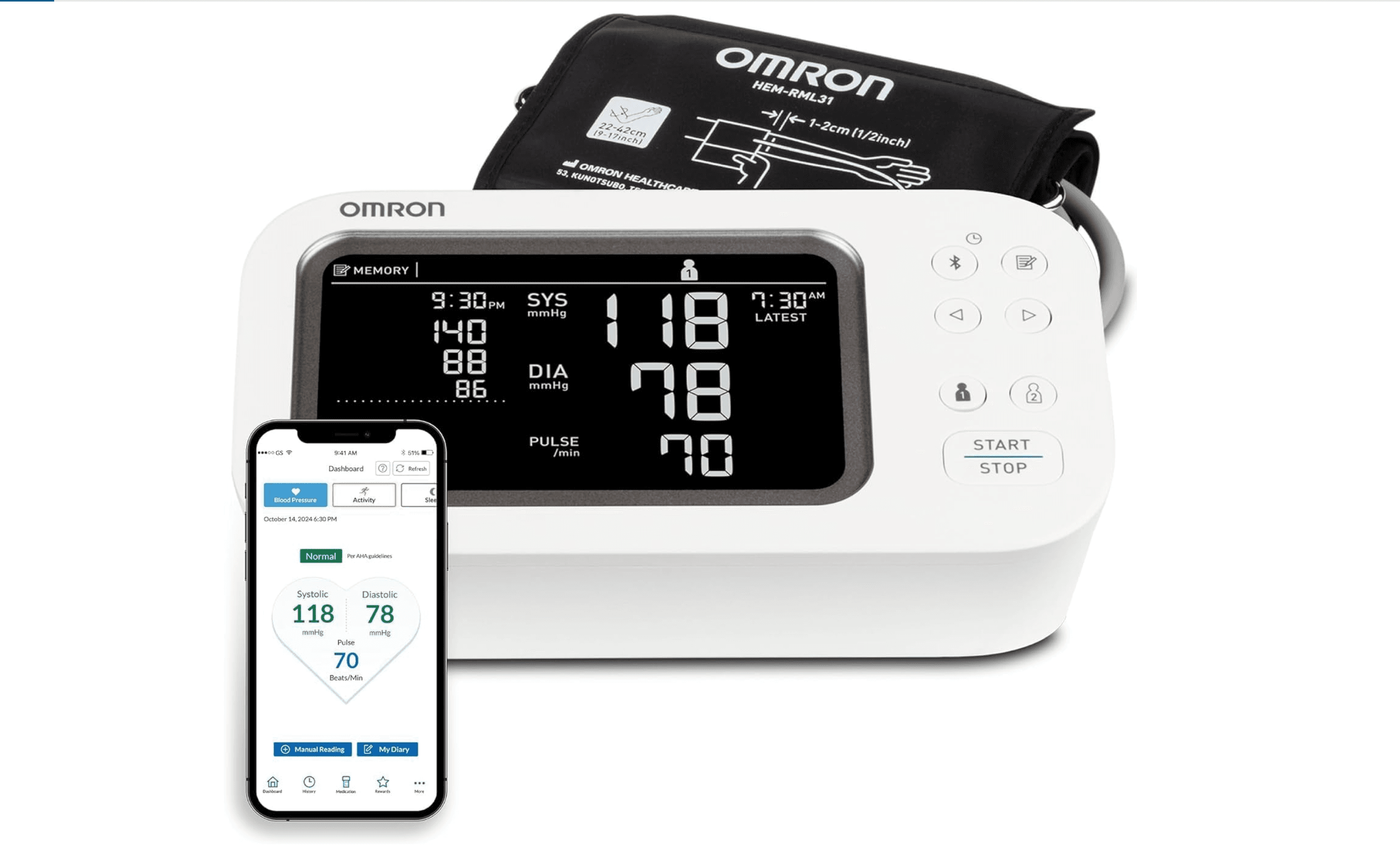
The Omron Platinum delivers consistently accurate readings with smart features that make daily monitoring straightforward. Its combination of clinical validation, user-friendly design, and comprehensive app integration sets it apart from other options.
Key highlights
- Clinically validated accuracy with TruRead technology that averages three consecutive readings
- Stores 100 readings per user for two users and syncs unlimited data via Bluetooth to the Omron Connect app
- High-contrast, backlit dual display with a hypertension indicator
- AFib screening with each blood pressure measurement and a high morning average indicator
- Wide-range D-ring cuff fits upper arms 9-17 inches
Pros
- Excellent accuracy backed by multiple clinical validations
- Comprehensive app with trend analysis and doctor-sharing features
- Multi-user capability with separate profiles
- Clear display with helpful visual indicators
Cons
- Larger than some other models, less portable for travel
- App has a learning curve for some users
- Higher price point than basic monitors
Who it is for: Anyone who needs reliable, accurate blood pressure monitoring with good data tracking, especially those managing hypertension or sharing results with healthcare providers.
Skip if
You need a highly portable device or want the simplest possible setup without app connectivity.
Omron 3 Series - Best value
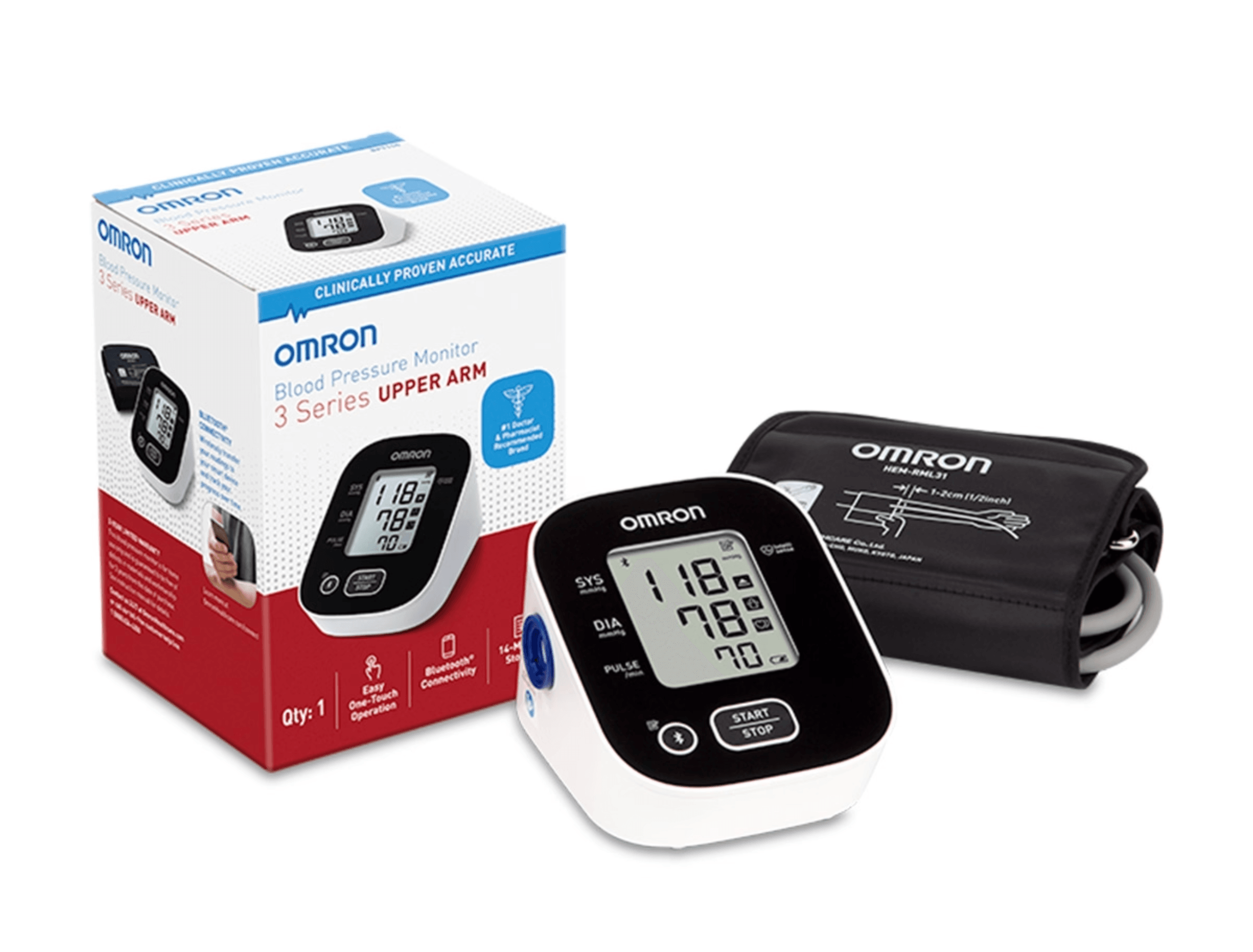
This budget-friendly monitor delivers clinically validated accuracy without unnecessary features, making it ideal for basic home monitoring needs.
Key highlights
- FDA-cleared and clinically validated for accuracy
- Stores 14 readings on device with Bluetooth connectivity to Omron Connect app
- One-button operation with clear hypertension indicator
- Irregular heartbeat detection included
- Standard cuff fits arms 9-17 inches in circumference
Pros
- Affordable price with Omron's reliability
- Simple, straightforward operation
- Clinically validated accuracy
- Lightweight and easy to store
Cons
- Limited on-device storage (14 readings)
- Batteries and AC adapter are sold separately
- Basic display without color coding
Who it is for: First-time buyers, budget-conscious users, or anyone who needs reliable basic monitoring without advanced features.
Skip if
You need extensive on-device memory or want color-coded results without using the app.
Homedics 5-Day Trend-at-a-Glance - Best for data tracking
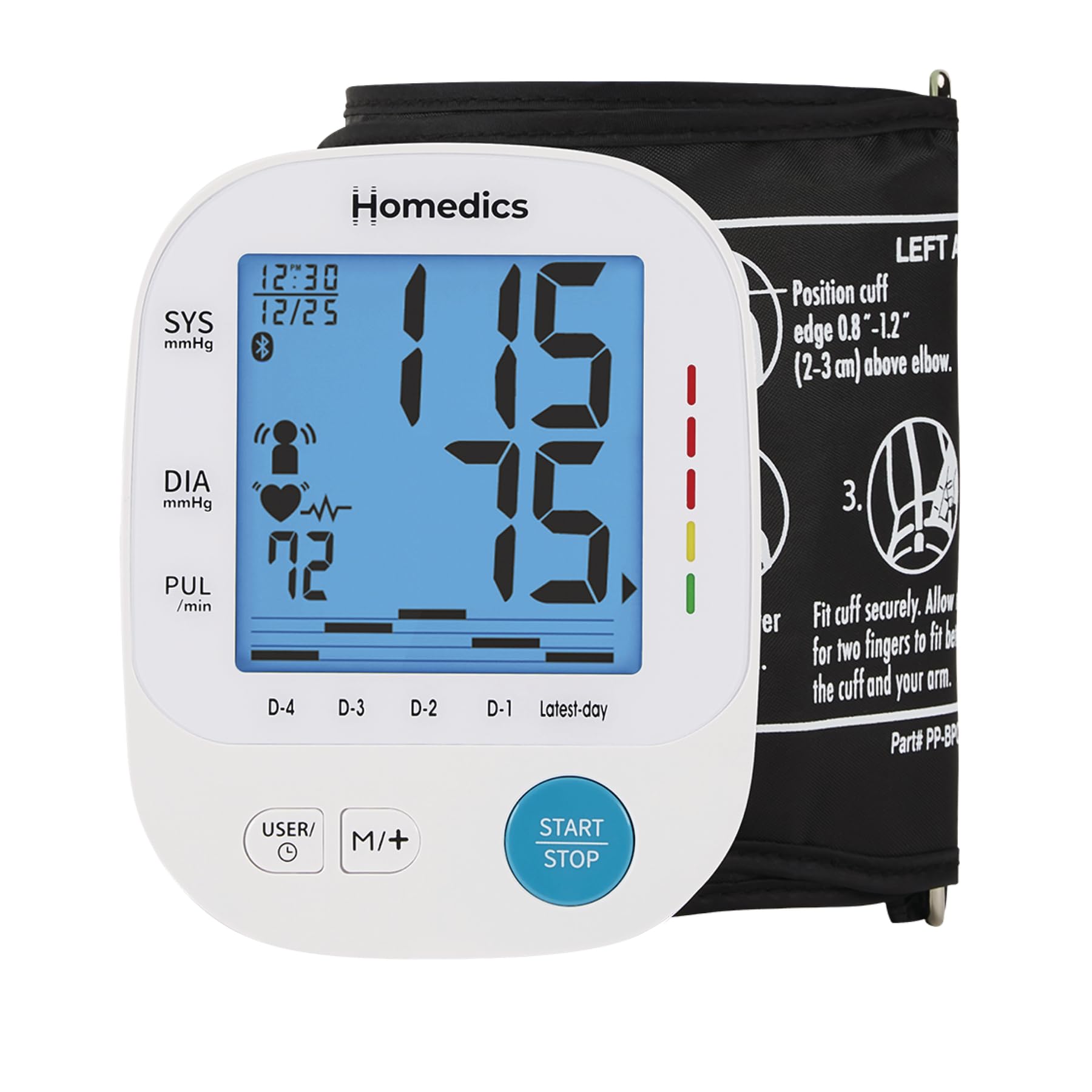
This monitor excels at showing your blood pressure patterns over time with its unique five-day trend display, making it easy to spot changes without app dependency.
Key highlights
- Displays a five-day trend graph based on each day's blood pressure readings
- Clinically validated accuracy with color-coded results
- Stores 120 readings per user for two users
- Bluetooth connectivity to companion app for unlimited storage
- Irregular heartbeat detection and pulse monitoring
Pros
- Excellent trend visibility right on the device
- Competitive price for the features offered
- Comfortable cuff with good fit indicators
- Automatic data syncing to app
Cons
- Some users report display readability issues
- App uses older blood pressure thresholds
- Bulkier than some other options
Who it is for: People who want to easily track patterns over several days without constantly checking an app, especially helpful for medication adjustments.
Skip if
You prefer a minimalist display or have vision issues that might make the trend graph difficult to read.
A&D Medical Premium Multi-User - Best for multiple users
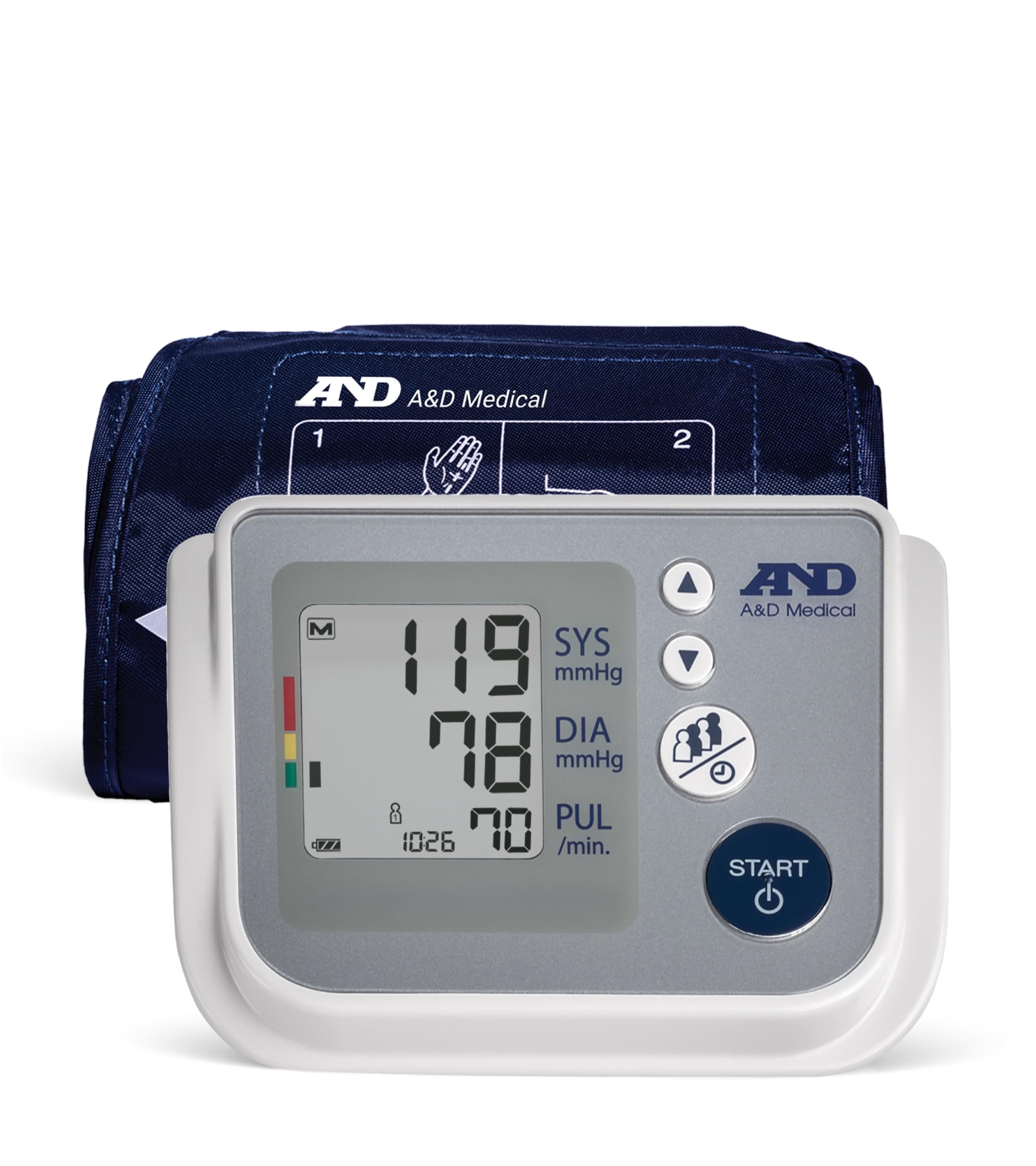
With storage for four separate users and straightforward operation, this monitor works well for households where multiple people need to track their blood pressure.
Key highlights
- Stores 60 readings each for up to four users
- Clinically validated accuracy with clear color-coded display
- Compact, lightweight design good for travel
- Simple one-button operation
- Fits arms 8.6-16.5 inches
Pros
- Excellent multi-user functionality
- Clear, well-organized display with color coding
- Accurate readings compared to clinical standards
- Comfortable, secure cuff material
Cons
- No automatic app syncing (manual data entry required)
- Doesn't identify trends in readings
- Limited on-device storage compared to app-connected models
Who it is for: Families or households where multiple people need to monitor blood pressure regularly.
Skip if
You want automatic data syncing to an app or need extensive trend analysis features.
Withings BPM Connect - Best smart connected
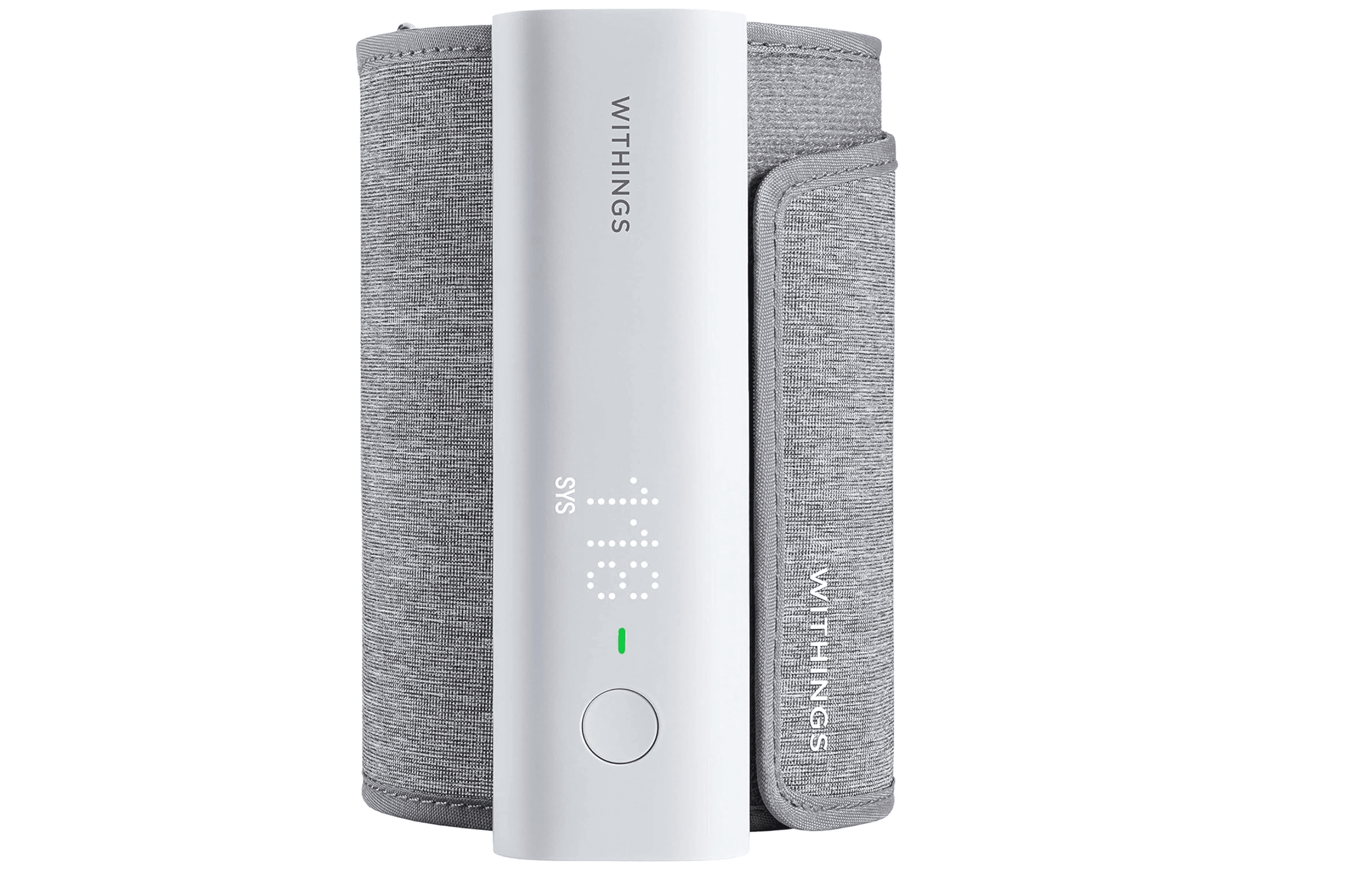
This sleek monitor offers seamless wireless connectivity and an excellent app experience for tech-savvy users who want effortless data tracking.
Key highlights
- Wi-Fi and Bluetooth connectivity for automatic data syncing
- Unlimited cloud storage via the Withings app
- Minimalist design with clear numerical display
- Clinically validated accuracy
Pros
- Excellent app with comprehensive trend analysis
- Automatic data syncing without manual steps
- Modern, attractive design
Cons
- Only stores eight readings locally on device
- Requires app for full functionality
- Higher price than basic monitors
Who it is for: Tech-oriented users who want seamless data tracking and sharing, especially those already in the Withings ecosystem.
Skip if
You prefer not to use an app or want more on-device storage without connectivity.
Also Good
- Omron Complete Wireless with EKG - adds EKG readings for a fuller heart health picture.
- iHealth Track Smart - affordable, app-connected pick with color-coded results.
- A&D LifeSource with Extra Large Cuff - extra-large cuff fits arms 16.5-23.6 inches.
How to Choose
Consider these factors when selecting a blood pressure monitor:
Accuracy validation: Look for devices clinically validated by recognized organizations and listed in databases like Validate BP. FDA clearance alone doesn't guarantee accuracy.
Cuff size and fit: Measure your upper arm circumference and choose a monitor with an appropriately sized cuff. Too small or too large cuffs produce inaccurate readings.
Data storage and connectivity: Decide if you need on-device storage, app connectivity, or both. App-connected models offer unlimited storage and easier doctor sharing.
Display readability: Choose monitors with large, clear displays and consider color-coded results if you have vision concerns or want quick status indicators.
Multi-user needs: If multiple people will use the monitor, look for devices with separate user profiles and adequate storage for each person.
FAQ
What's the most accurate type of blood pressure monitor for home use?
The American Heart Association recommends an automatic upper arm cuff monitor for home use. Choose a clinically validated model with the correct cuff size, and support your arm at heart level when measuring.
How often should I check my blood pressure at home?
Most doctors recommend checking at the same time each day, typically morning and evening. Take two readings one minute apart and average them for the most accurate result. Your healthcare provider can give you specific guidance based on your situation.
Can I share a blood pressure monitor with family members?
Yes, but choose a monitor with multi-user functionality that stores readings separately for each person. Some models support two to eight user profiles with individual data tracking.
Do I need a monitor with Bluetooth or app connectivity?
App connectivity makes tracking trends easier and simplifies sharing data with your doctor. However, basic monitors without connectivity work fine if you're comfortable manually recording readings.
How do I know if my blood pressure monitor is accurate?
Bring your monitor to a doctor's appointment to compare readings with their clinical equipment. Also check that your device appears in validated databases and has proper cuff fit for your arm size.
Published March 15, 2026 Last updated September 5, 2026
Share this article
More in News
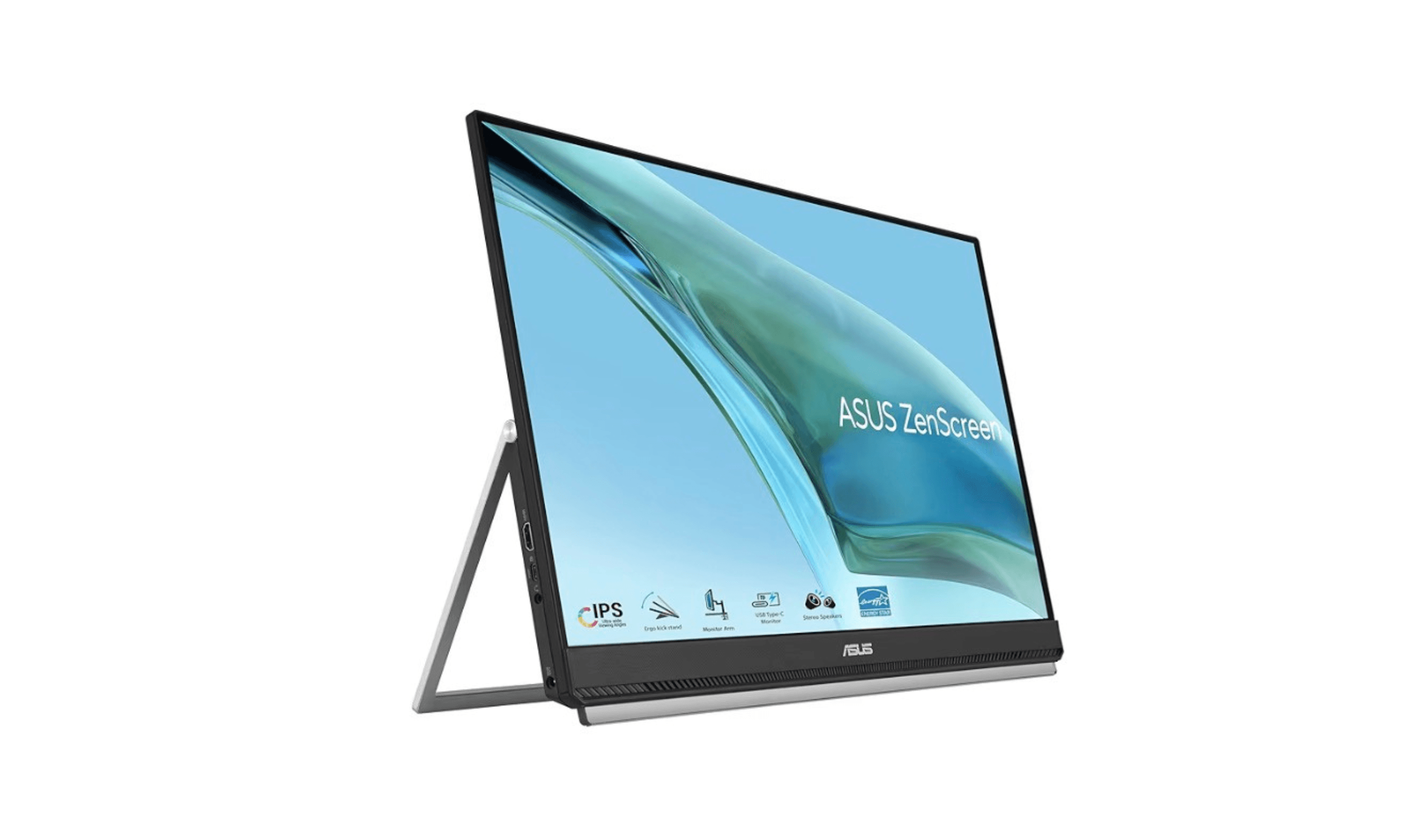
Best Portable Monitors for 2026
Discover the best portable monitors for 2026. Our top pick is the HP Series 5 Pro 514pn for premium build and image quality. Find the perfect travel or home office screen.
4 min read
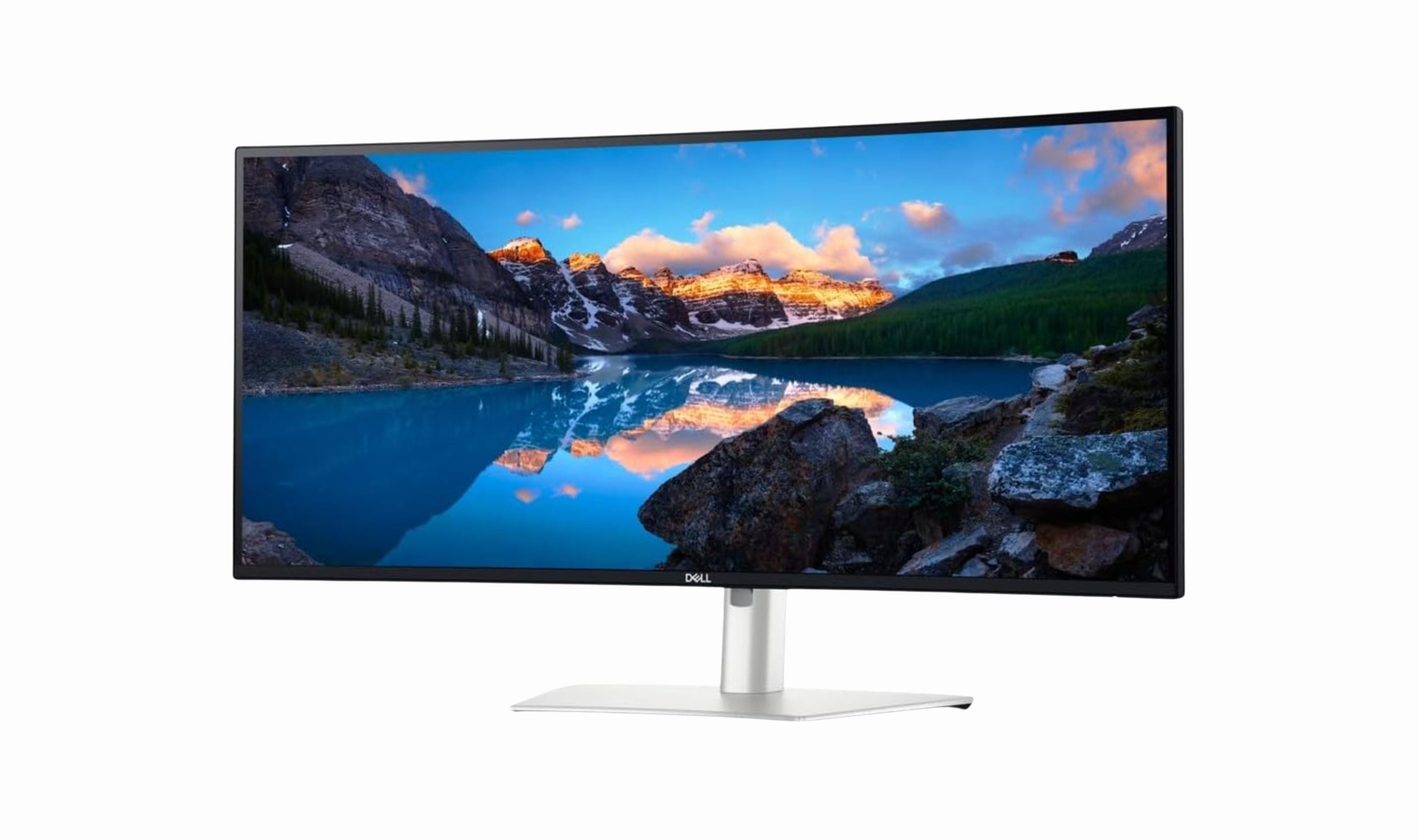
Best Ultrawide Monitors to Buy in 2026
Dell UltraSharp U3425WE leads our 2026 picks for the best ultrawide monitors, from premium productivity to immersive OLED gaming.
5 min read
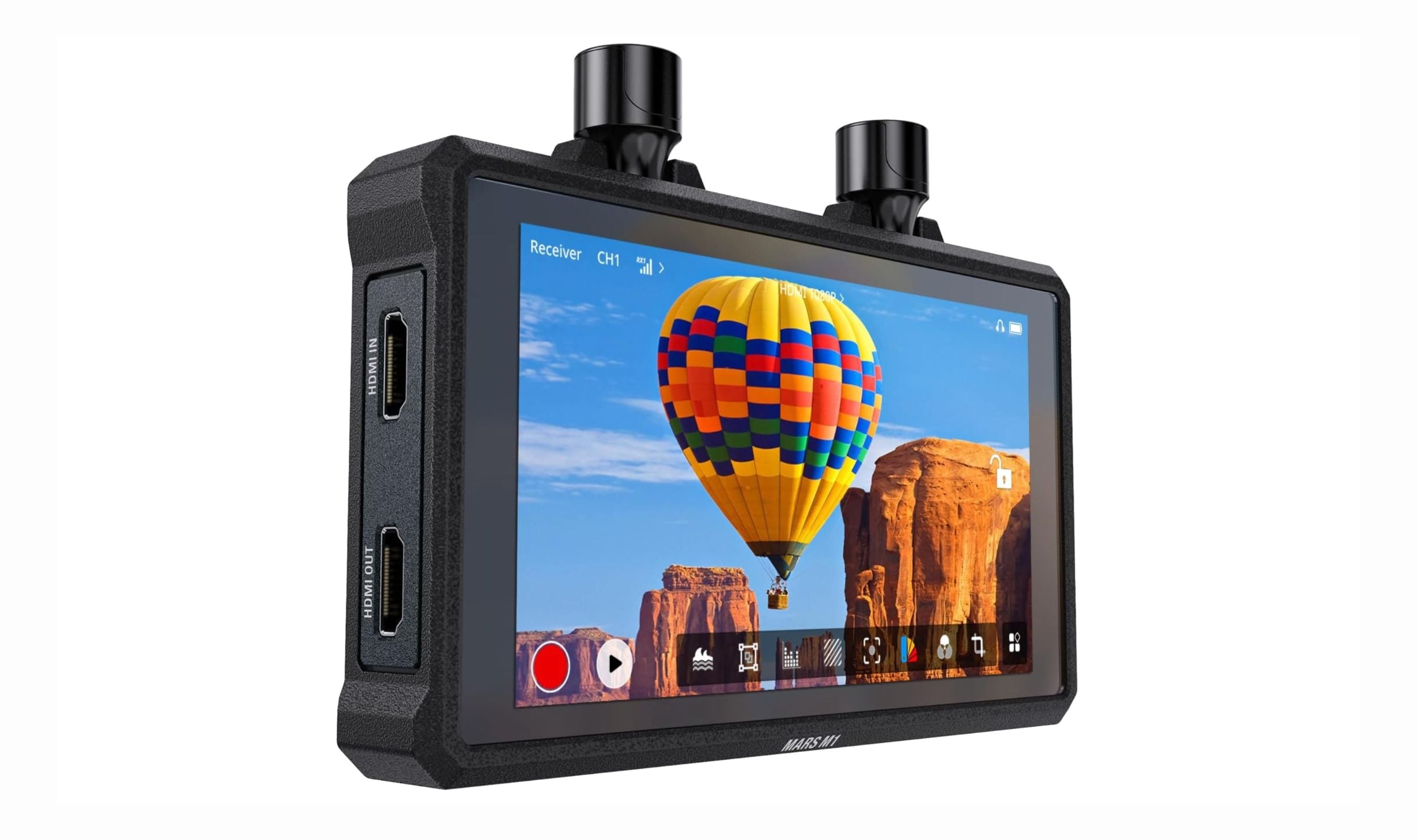
Best Wireless and Wired Camera Monitors for 2026
The Hollyland Mars M1 tops our list of the 3 best wireless camera monitors in 2026, combining TX, RX, and a bright 5.5-inch display for cable-free video.
5 min read
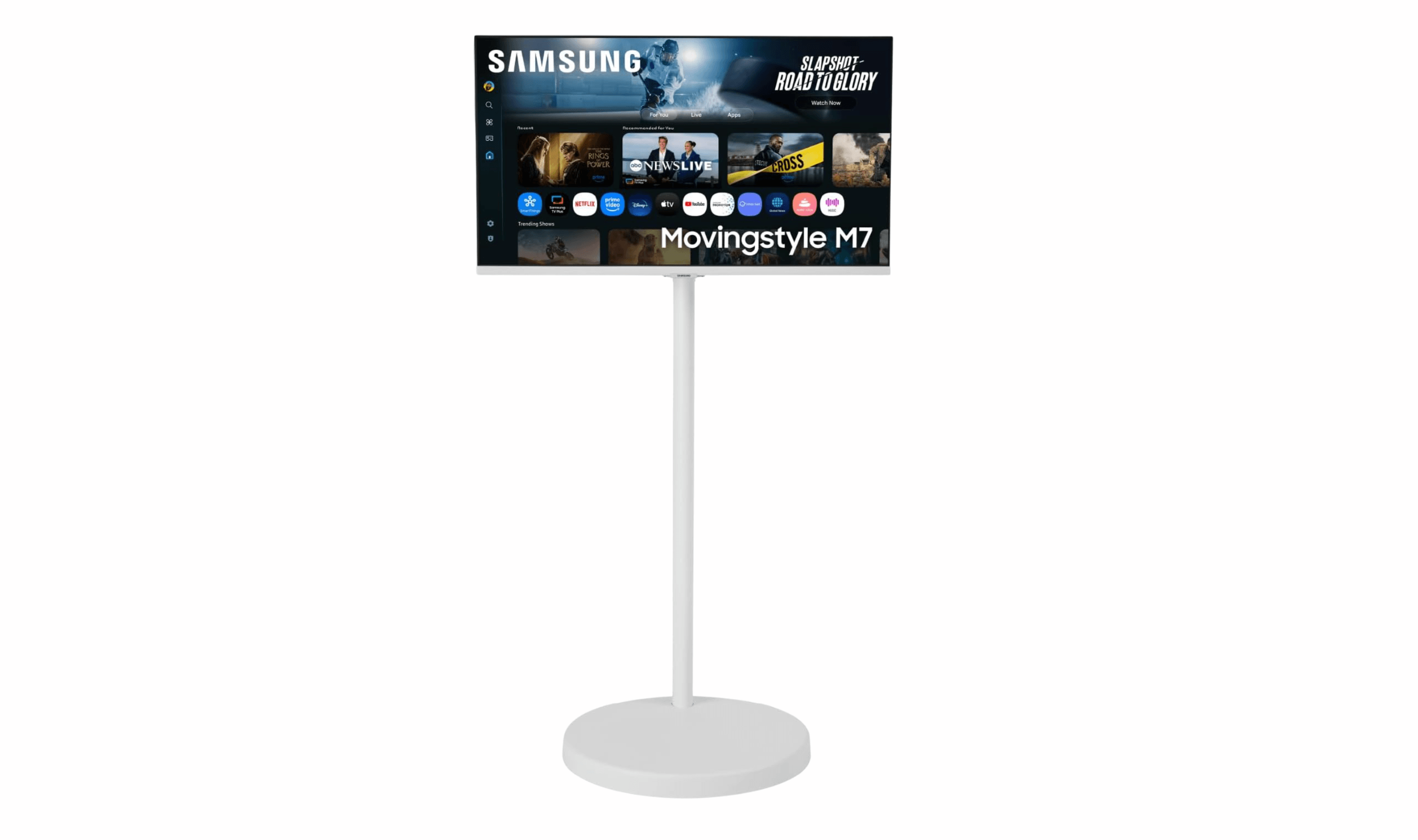
3 Best Rolling TV Monitors You Can Buy Right Now
LG Swing leads our picks for the best rolling TV monitors. See top models for medical use, multi-monitor setups, and budget-friendly options.
3 min read
The 8 Best Smart TVs of 2026
3 min read
8 Best Anti-Glare TVs for 2026
3 min read
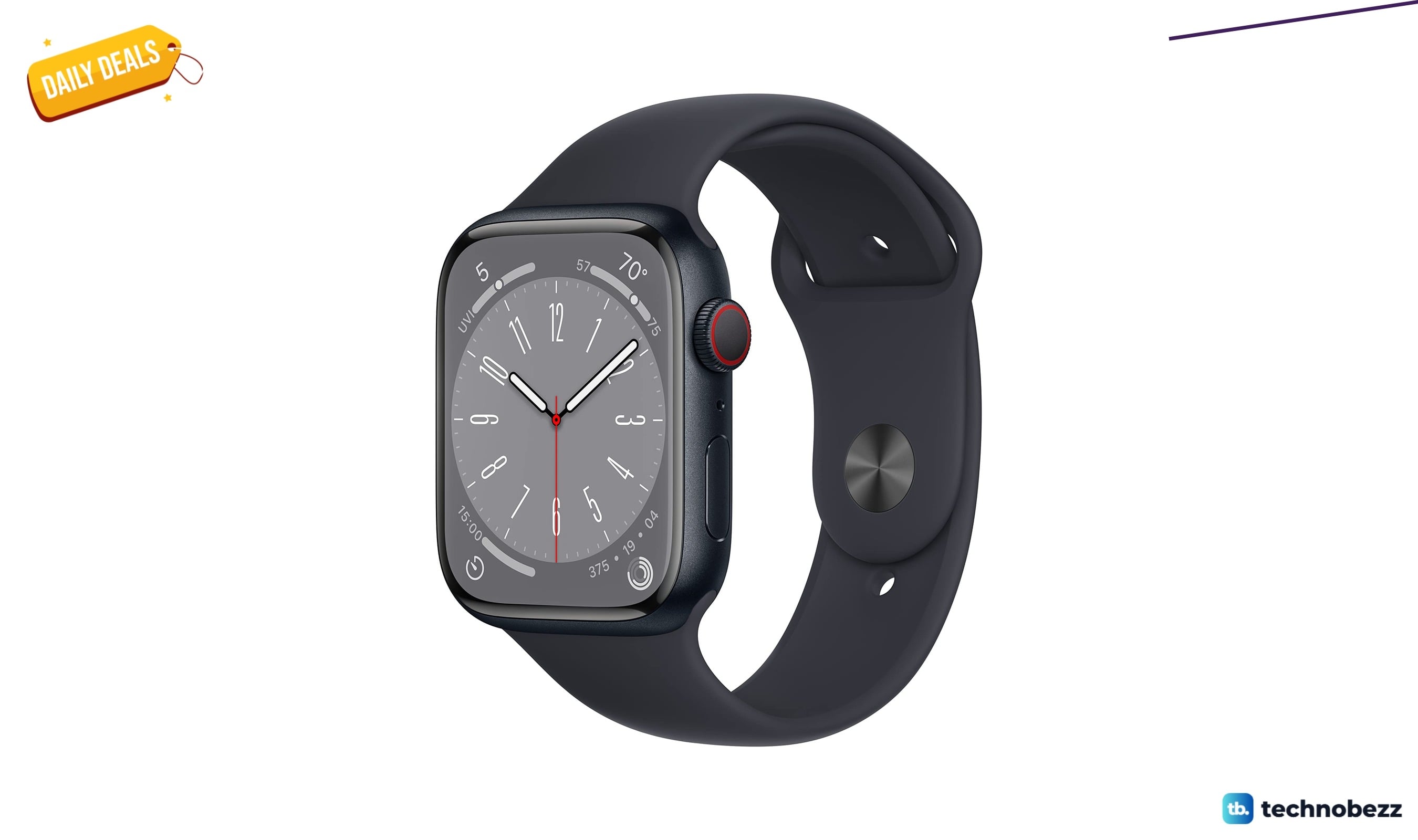
Apple Watch Series 8 [GPS + Cellular slips to $437.69
5 min read
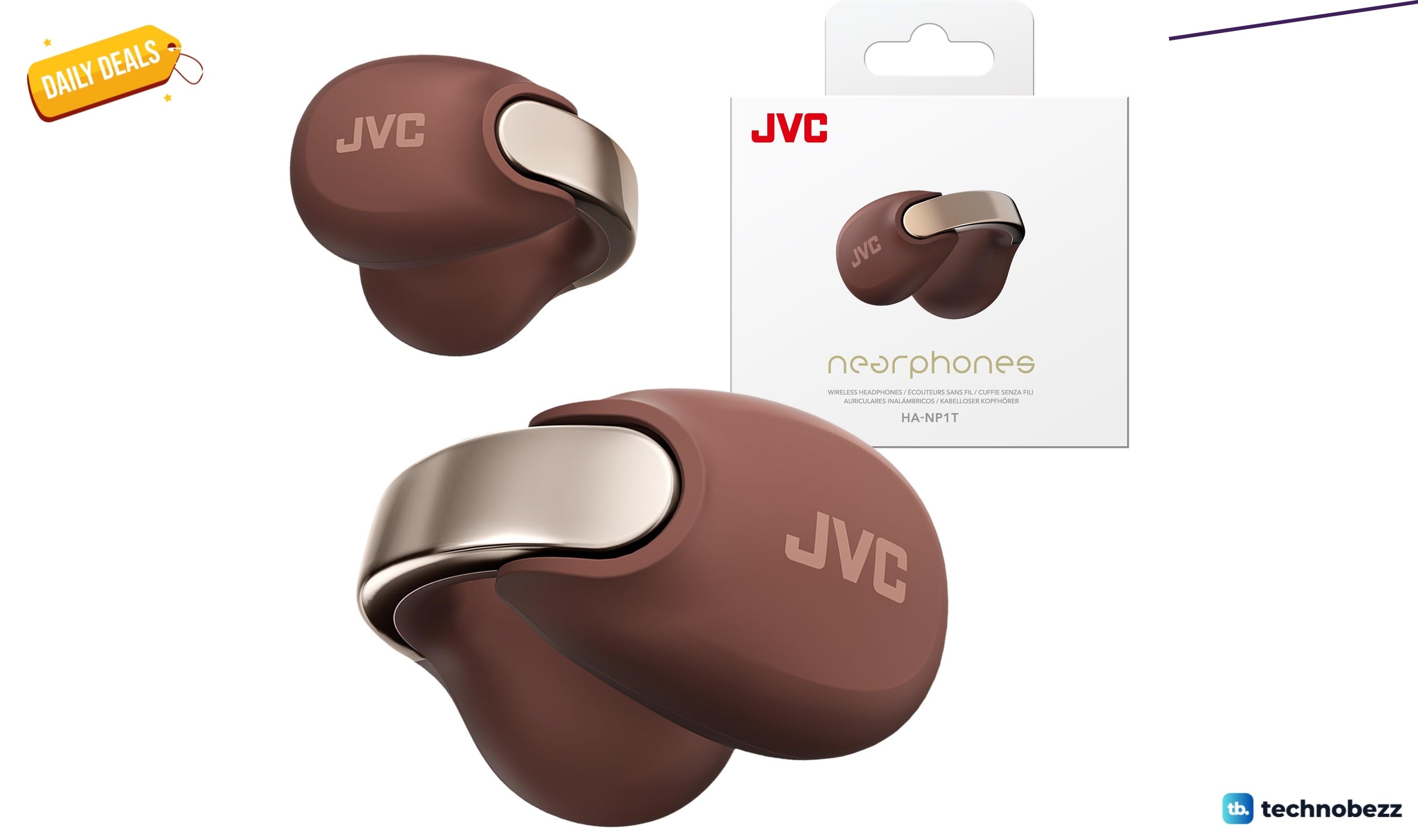
JVC Nearphones Open Ear True Wireless Headphones on sale for $99.99
4 min read

LG 55-inch QNED evo AI Mini LED on sale for $699.99
3 min read
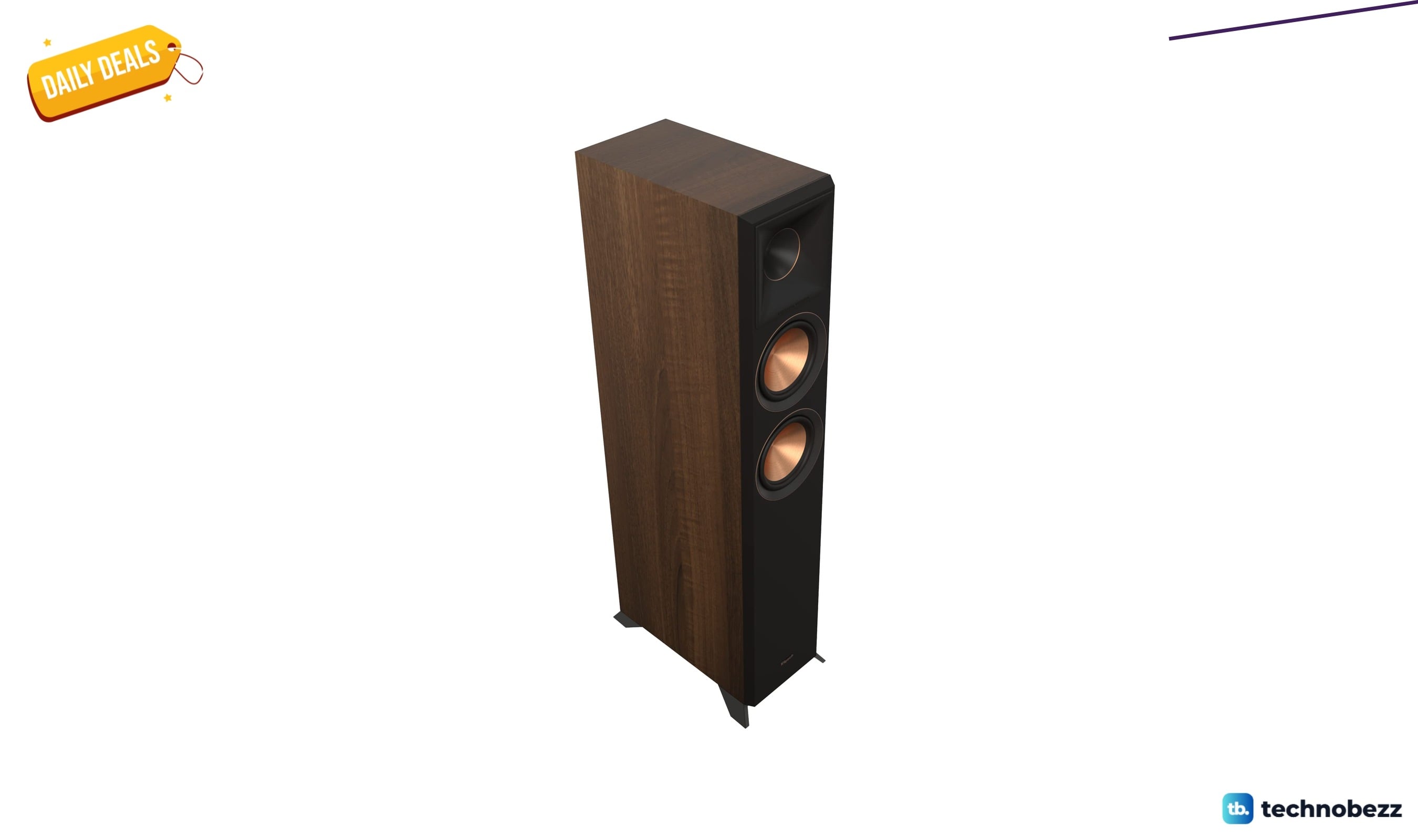
Klipsch Reference Premiere RP-8060FA II Home Theater slips to $899.99
5 min read
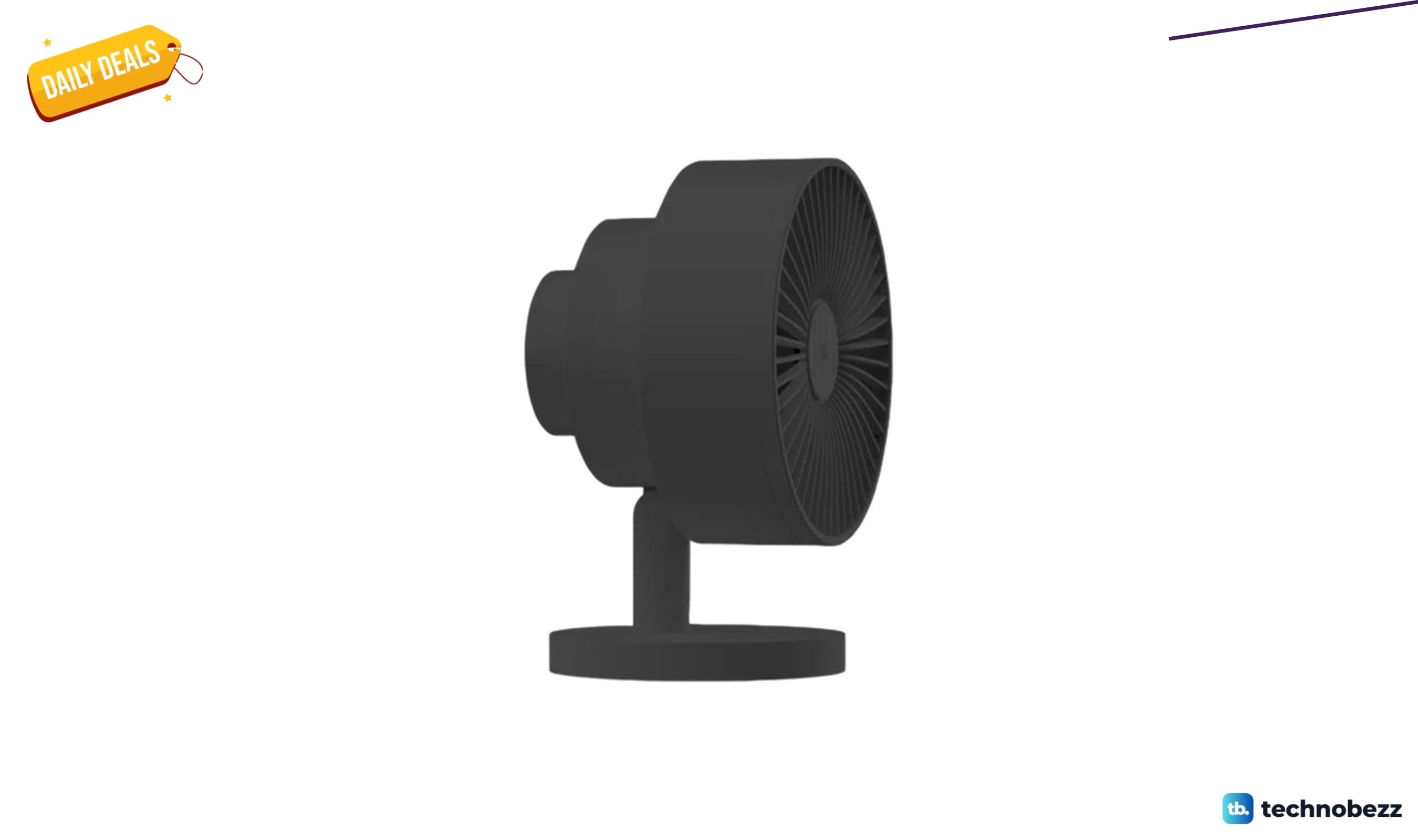
Windmill smart air circulator fan for $59.00 at Wayfair
5 min read
Inbox Zero Norrin mesh office chair for $88.99 at Wayfair
4 min read