Finding the right wireless earbuds can be overwhelming with so many options available. The best choice depends on your phone, budget, and how you plan to use them. After reviewing multiple tests and comparisons, we've identified clear winners for different needs and price points.
Technobezz is supported by its audience. We may get a commission from retail offers.
9 Best Wireless Earbuds for 2026
Apple AirPods Pro 3 lead our 2026 picks. See the best wireless earbuds for Android, noise cancellation, and value in our top 9 tested roundup.
T
Technobezz
Editorial Team
Updated June 16, 2026Jun 16, 2026
•9 min read

Get Deals Like These in Your Inbox
The best prices, reviewed weekly.
At a Glance
| Category | Product | Why We Picked It |
|---|---|---|
| Best overall | Apple AirPods Pro 3 | Seamless iPhone integration with top-tier noise cancellation |
| Best value | Nothing Ear (a) | Excellent sound and features for under $100 |
| Best for Android | Sony WF-1000XM5 | Superior sound quality and adaptive noise cancellation |
| Best noise cancellation | Bose QuietComfort Ultra Earbuds (2nd Gen) | Class-leading noise blocking |
| Best budget | Anker Soundcore Liberty 4 NC | Full features at an affordable price |
| Also recommended | Technics EAH-AZ100 | Excellent, detailed sound for music lovers |
| Also recommended | Beats Studio Buds+ | Solid all-rounder with good noise cancellation |
| Also recommended | EarFun Air Pro 4 | Great budget pick with surprising sound |
| Also recommended | Samsung Galaxy Buds 2 Pro | Perfect fit for the Samsung ecosystem |
How we chose
We evaluated wireless earbuds based on sound quality, comfort, battery life, and special features like noise cancellation. Products were assessed across different use cases including commuting, workouts, and everyday listening. The goal was to identify options that deliver reliable performance without unnecessary complexity.
The best wireless earbuds right now
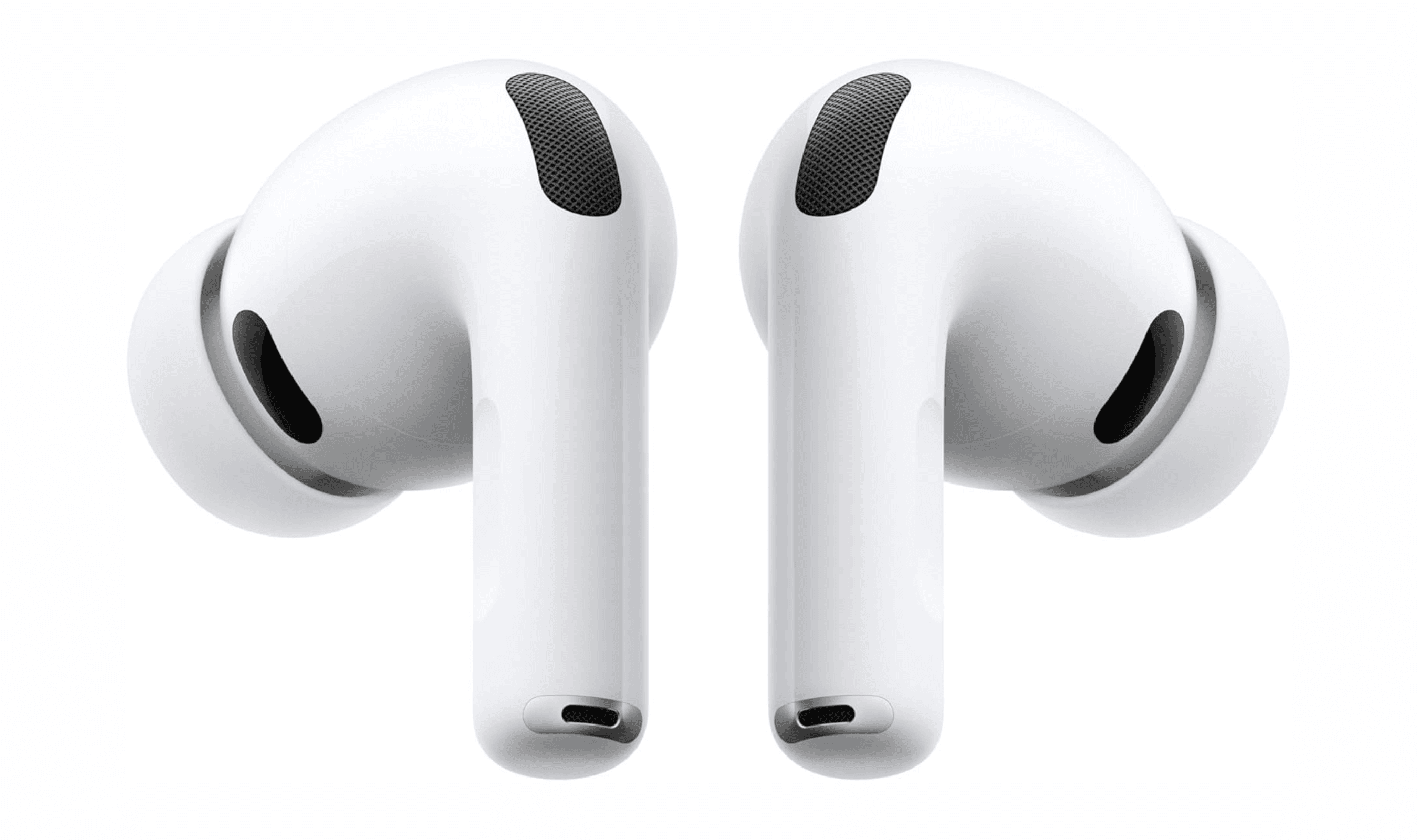
Apple AirPods Pro 3 - Best overall
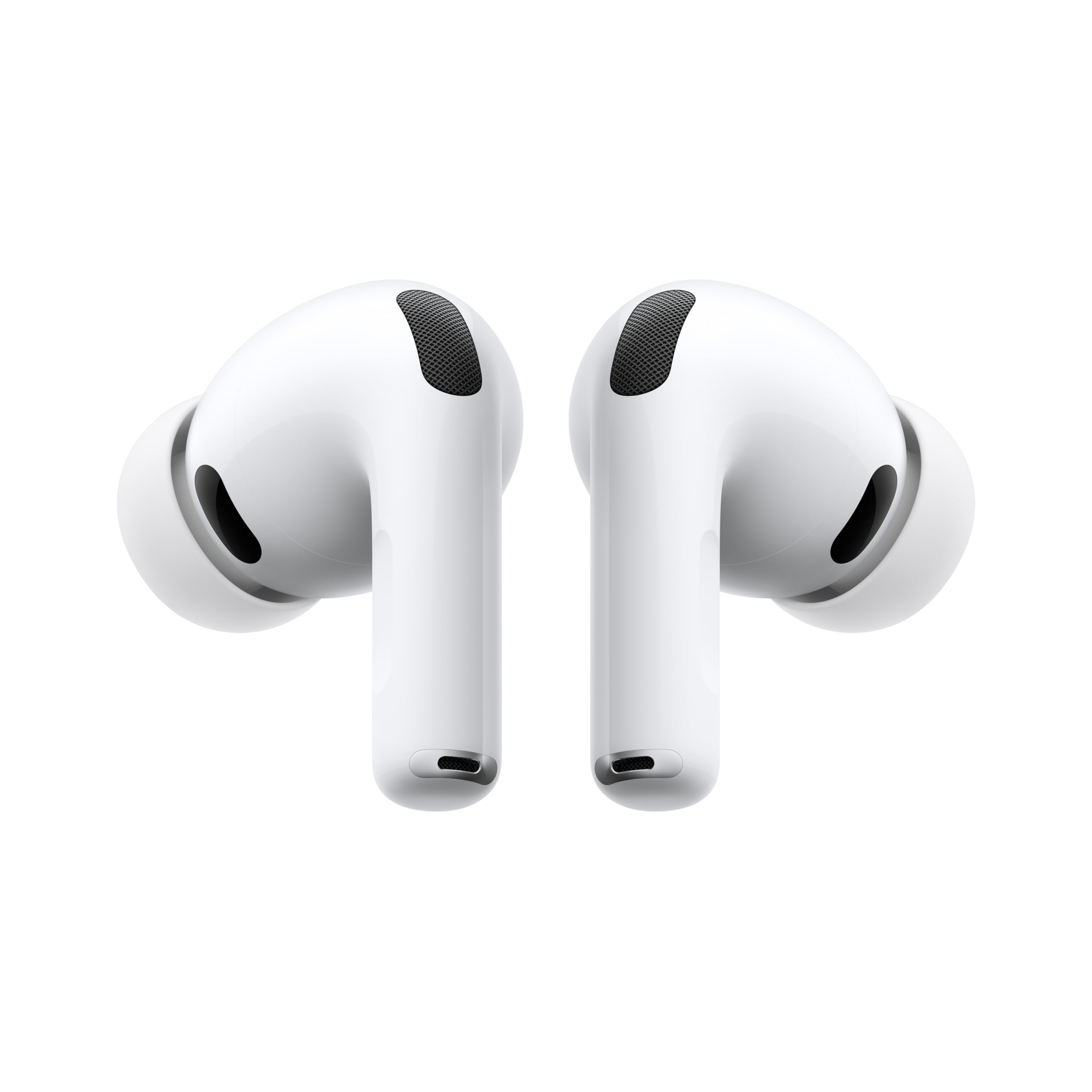
These earbuds set the standard for iPhone users with exceptional noise cancellation and seamless ecosystem integration. They deliver balanced sound, reliable transparency mode, and useful health features.
Key highlights
- Removes up to 2x more unwanted noise than AirPods Pro 2 with the world's best in-ear ANC
- Seamless switching between Apple devices with automatic pairing
- Hearing health tools including clinical-grade hearing aid mode
- Spatial audio with dynamic head tracking for immersive listening
- Up to 8 hours of battery life with active noise cancellation enabled
Pros
- Best-in-class noise cancellation performance
- Perfect integration with Apple ecosystem
- Comfortable fit with multiple ear tip sizes
- Excellent call quality with voice isolation
Cons
- Premium price point compared to alternatives
- Limited features when used with Android devices
- Battery life is good but not class-leading
Who it is for: iPhone users who want the best possible noise cancellation and seamless device integration.
Skip if
You use Android devices primarily or need maximum battery life above all else.
Sony WF-1000XM5 - Best for Android
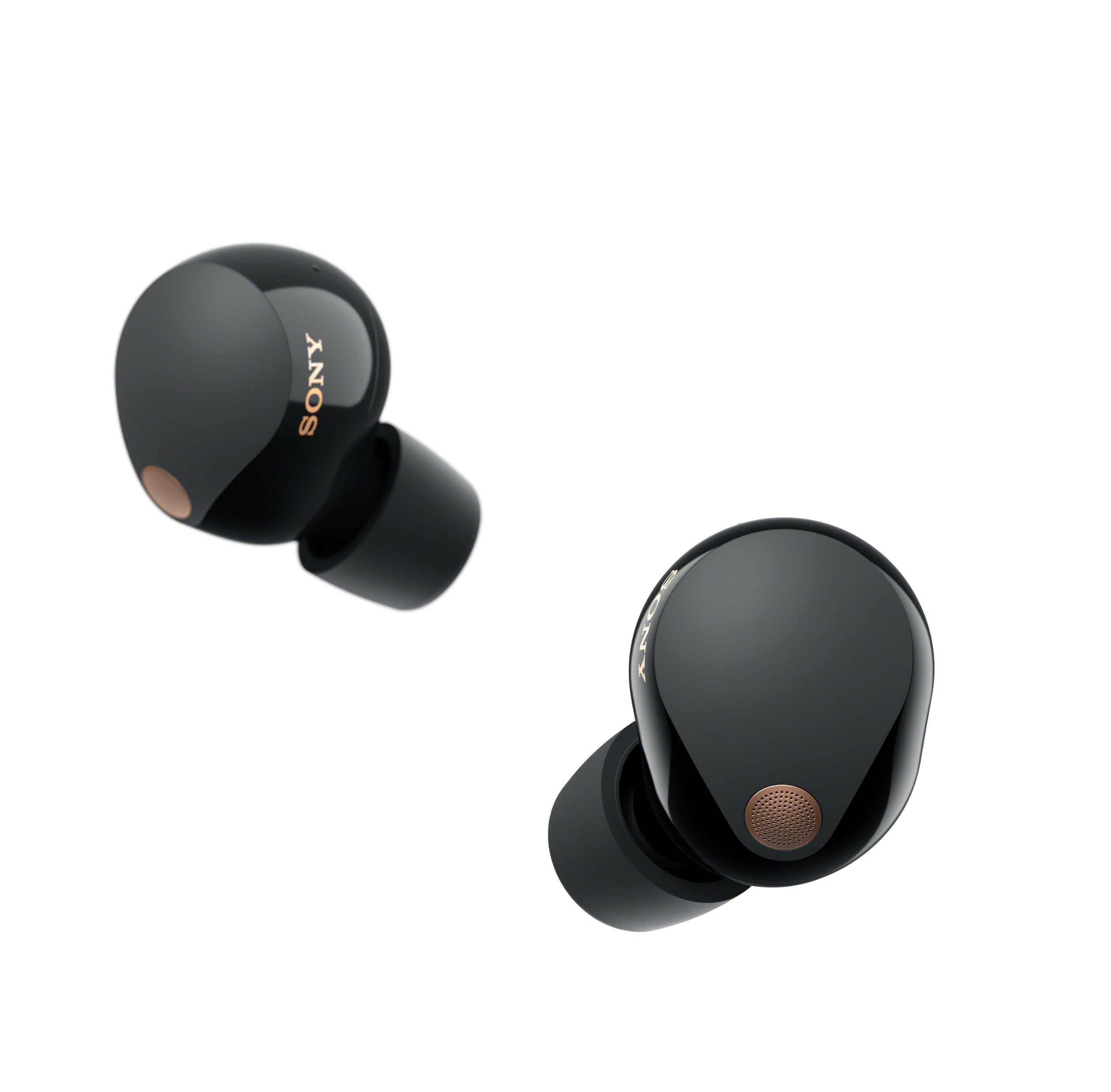
Sony's flagship earbuds deliver audiophile-grade sound quality with intelligent adaptive noise cancellation. They work well across platforms but shine brightest with Android devices.
Key highlights
- LDAC support for high-resolution audio streaming
- Adaptive noise cancellation adjusts to your environment automatically
- Multipoint Bluetooth connects to two devices simultaneously
- 8 hours of battery life with ANC, 12 hours without
- Comfortable, secure fit with multiple ear tip options
Pros
- Exceptional sound quality with detailed, balanced audio
- Effective noise cancellation that adapts to surroundings
- Good battery life with quick charging support
- Reliable connectivity across devices
Cons
- Premium pricing, though often available on sale
- Some users find the fit less comfortable for extended wear
- Case is larger than some competitors
Who it is for: Android users who prioritize sound quality and want effective, adaptive noise cancellation.
Skip if
You need the smallest possible case or have very small ears that struggle with larger earbud designs.
Bose QuietComfort Ultra Earbuds (2nd Gen) - Best noise cancellation
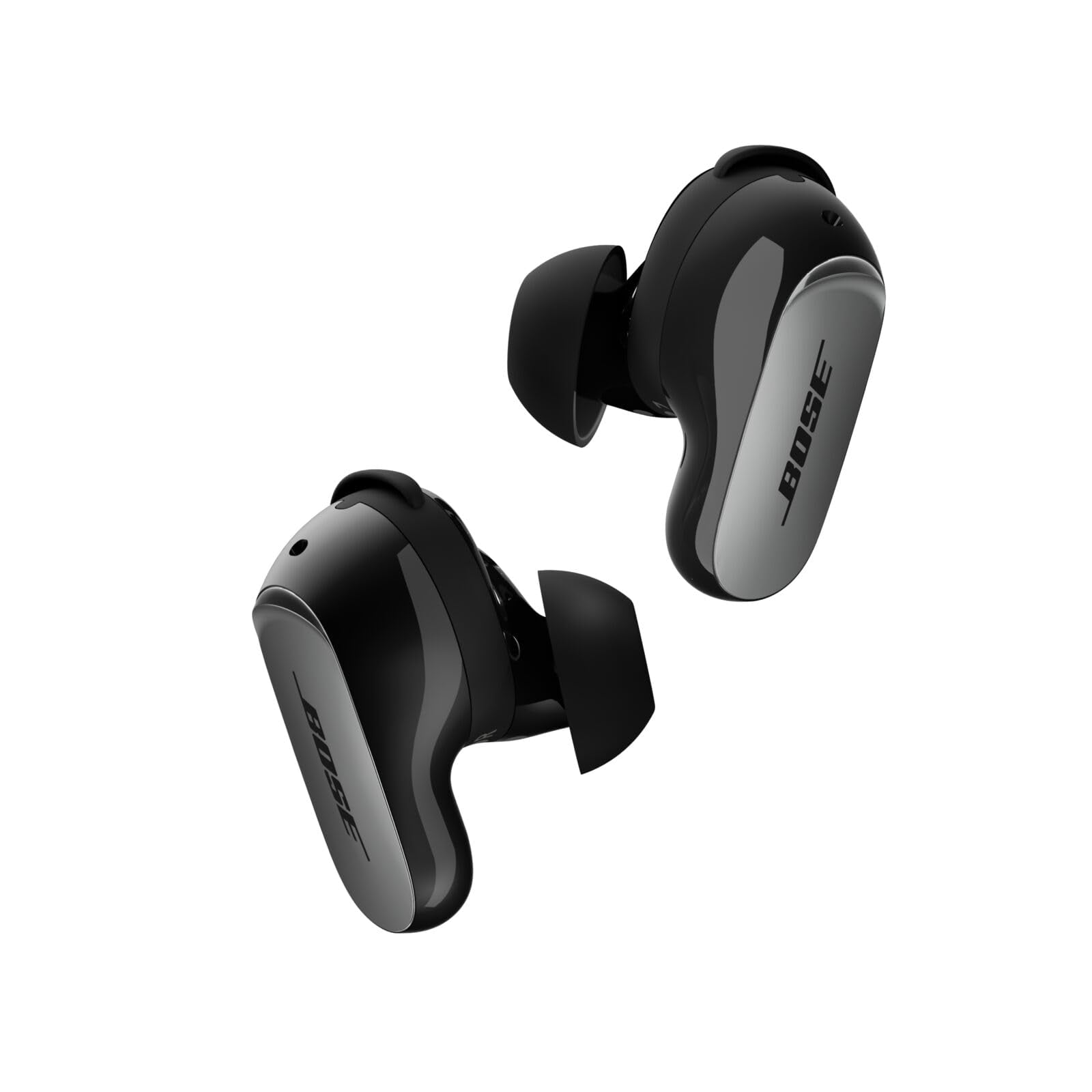
Bose continues to dominate the noise cancellation category with these improved earbuds. They offer class-leading noise blocking with comfortable, secure fit.
Key highlights
- Industry-best noise cancellation performance
- Comfortable fit with multiple ear tip sizes included
- Up to 6 hours of battery life with ANC enabled
- IPX4 water resistance for workout protection
- Clear, balanced sound profile suitable for various music genres
Pros
- Outstanding noise cancellation for loud environments
- Comfortable design suitable for extended wear
- Good sound quality with balanced audio profile
- Reliable connectivity and easy pairing
Cons
- Higher price point than many competitors
- Battery life is competitive but not exceptional
- Some users report occasional connectivity issues
Who it is for: Frequent travelers, commuters, and anyone who needs maximum noise isolation in loud environments.
Skip if
You're on a tight budget or prioritize maximum battery life over noise cancellation performance.
Nothing Ear (a) - Best value
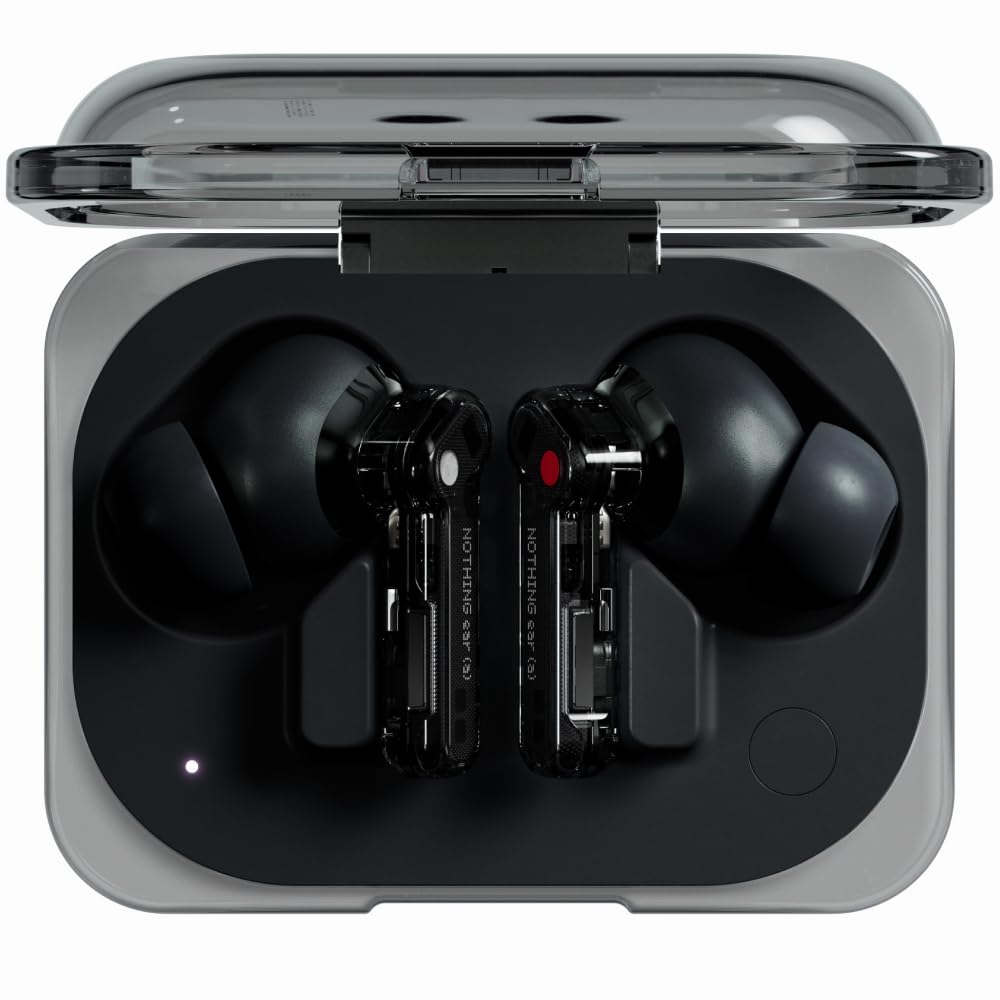
These earbuds punch well above their price point with surprising sound quality and decent features. The transparent design adds visual appeal without compromising performance.
Key highlights
- Excellent sound quality for under $100
- Decent noise cancellation for the price
- Transparent design with clear charging case
- Comfortable fit with multiple ear tip options
- Good battery life with quick charging support
Pros
- Exceptional value for money
- Surprisingly good sound quality
- Unique, attractive design
- Reliable performance for daily use
Cons
- Noise cancellation is good but not class-leading
- Some features limited compared to premium options
- Build quality feels less premium than more expensive options
Who it is for: Budget-conscious buyers who want good sound quality and features without breaking the bank.
Skip if
You need the absolute best noise cancellation or premium build materials.
Anker Soundcore Liberty 4 NC - Best budget
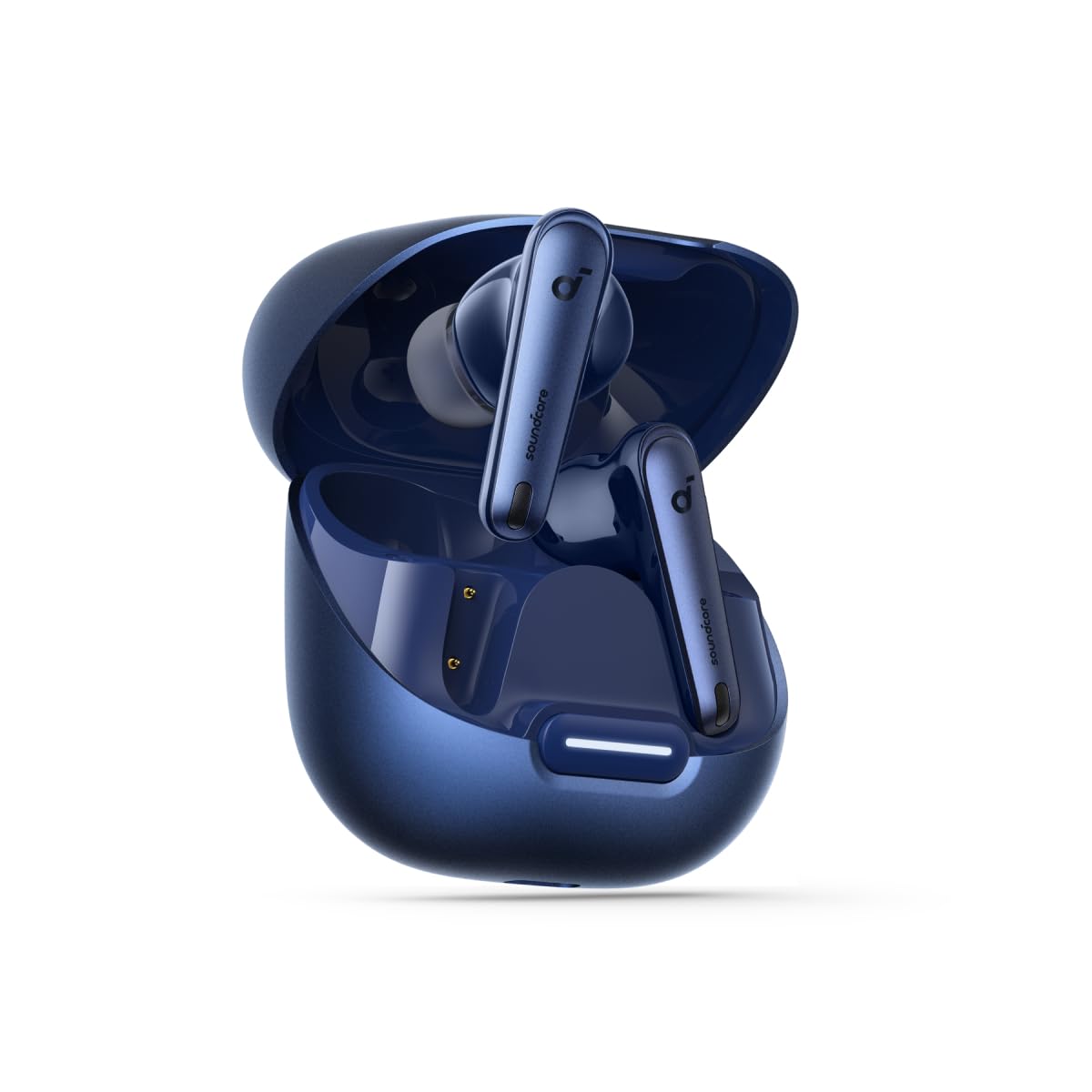
These earbuds deliver an impressive feature set at an affordable price point. They offer reliable performance with good sound quality and effective noise cancellation.
Key highlights
- Effective noise cancellation for under $100
- Good sound quality with customizable EQ
- Comfortable, secure fit
- Multipoint Bluetooth connectivity
- Wireless charging support
Pros
- Excellent value with premium features
- Good noise cancellation for the price
- Comfortable fit for extended wear
- Reliable performance and connectivity
Cons
- Sound quality good but not exceptional
- Some users report occasional connectivity drops
- Build quality feels budget-appropriate
Who it is for: Anyone looking for capable wireless earbuds with good features at an affordable price.
Skip if
You need audiophile-grade sound quality or the absolute best noise cancellation available.
Also Good
- Technics EAH-AZ100 - excellent, detailed sound for music lovers.
- Beats Studio Buds+ - solid all-rounder with good noise cancellation.
- EarFun Air Pro 4- great budget pick with surprising sound.
- Samsung Galaxy Buds 2 Pro - perfect fit for the Samsung ecosystem.
How to Choose
Consider these factors when selecting wireless earbuds:
Phone compatibility: Earbuds often work best with phones from the same manufacturer. Apple AirPods excel with iPhones, while Samsung Galaxy Buds integrate seamlessly with Samsung devices. For cross-platform use, look for brands like Sony or Bose.
Noise cancellation needs: If you commute, travel frequently, or work in noisy environments, prioritize earbuds with strong active noise cancellation. For occasional use or quiet environments, you can save money by choosing models with less advanced noise blocking.
Battery life requirements: Most earbuds offer 6-8 hours of playback, with cases providing additional charges. Consider how often you'll use them between charges and whether quick charging capability matters for your routine.
Fit and comfort: Earbuds should stay secure during activities without causing discomfort. Look for models with multiple ear tip sizes and consider whether wing tips or ear hooks are necessary for your preferred activities.
Budget constraints: Good wireless earbuds start around $50-80, with premium models reaching $300+. Determine which features are essential versus nice-to-have based on how you'll use them most often.
FAQ
How long do wireless earbud batteries typically last?
Most wireless earbuds provide 6-8 hours of playback on a single charge, with charging cases adding 20-30 additional hours. Battery life decreases over time, with most earbuds maintaining reasonable performance for 2-3 years of regular use.
Do I need to spend a lot for good sound quality?
Not necessarily. While premium earbuds often deliver better sound, many budget options under $100 offer surprisingly good audio quality. The biggest differences typically appear in noise cancellation performance and build quality rather than pure sound reproduction.
Can I use Apple AirPods with Android phones?
Yes, Apple AirPods work with Android devices via standard Bluetooth, but you'll miss out on many features like seamless pairing, automatic device switching, and some audio enhancements. For full functionality with Android, consider alternatives from Sony, Samsung, or other Android-focused brands.
What's the difference between IPX4 and IPX7 ratings?
IP ratings indicate water and dust resistance. The first digit (X means not rated for dust) and second digit indicates water resistance: IPX4 protects against splashes from any direction, while IPX7 allows submersion in up to 1 meter of water for 30 minutes. Higher numbers offer better protection.
How important is multipoint Bluetooth?
Multipoint Bluetooth allows earbuds to connect to two devices simultaneously, like a phone and laptop. This is convenient if you frequently switch between devices without needing to manually reconnect. It's a useful feature but not essential for everyone.
Published February 22, 2026 Last updated June 16, 2026
Share this article
More in News
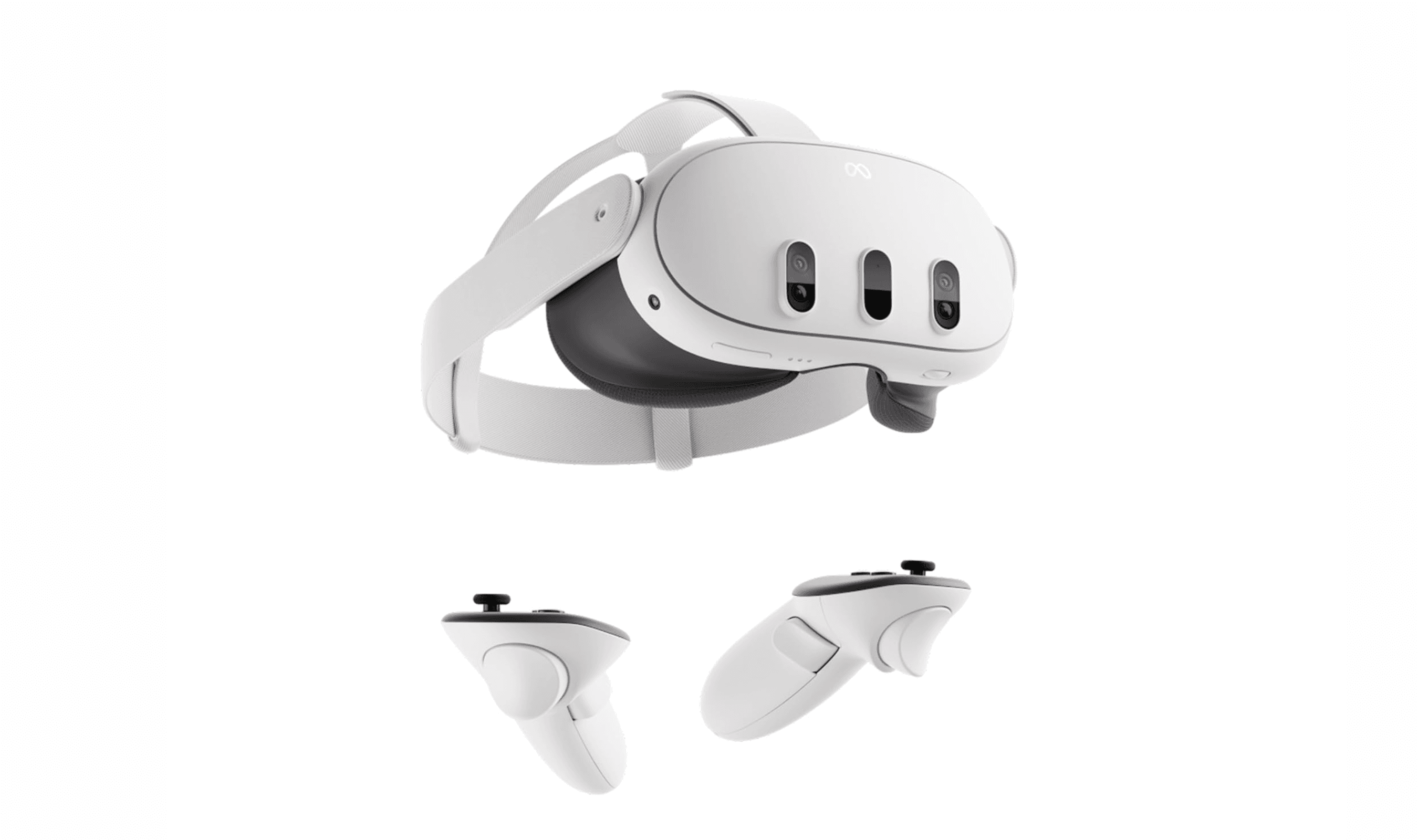
4 Best VR Headsets in 2026
Meta Quest 3 leads our 2026 picks for the best VR headsets. Compare top models for gaming, fitness, and value to find your perfect match.
3 min read
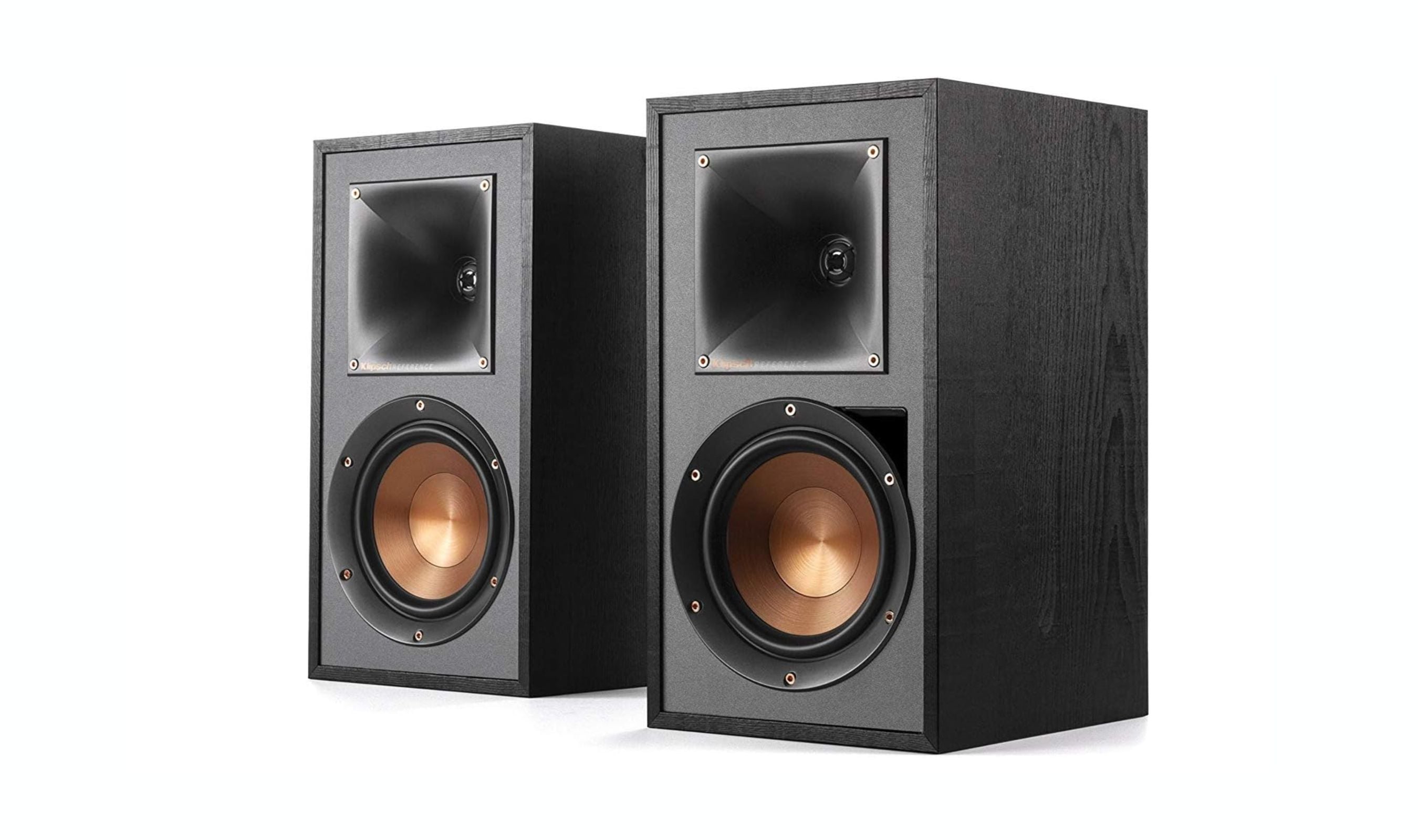
Best Speakers for Vinyl Record Players in 2026
The Klipsch R-51PM tops our list of the best speakers for vinyl record players, offering a built-in phono preamp and dynamic sound. We tested powered and passive options for every budget and space.
3 min read
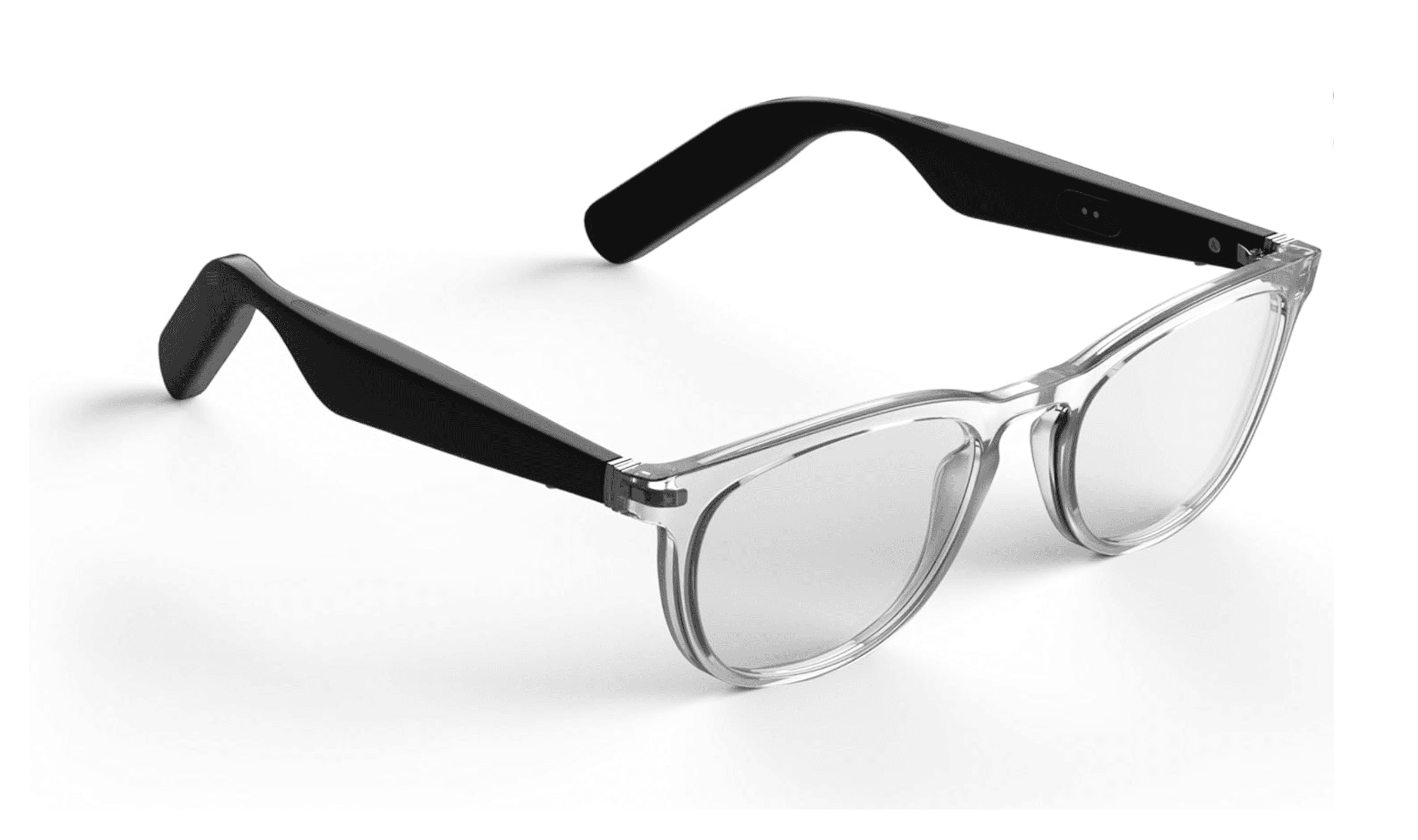
3 Best Audio Glasses for 2026
The best audio glasses for 2026, from the Lucyd Lyte Moonbeam for all-day open-ear sound to the Bose Tempo for sports and Nuance Audio for hearing help.
3 min read
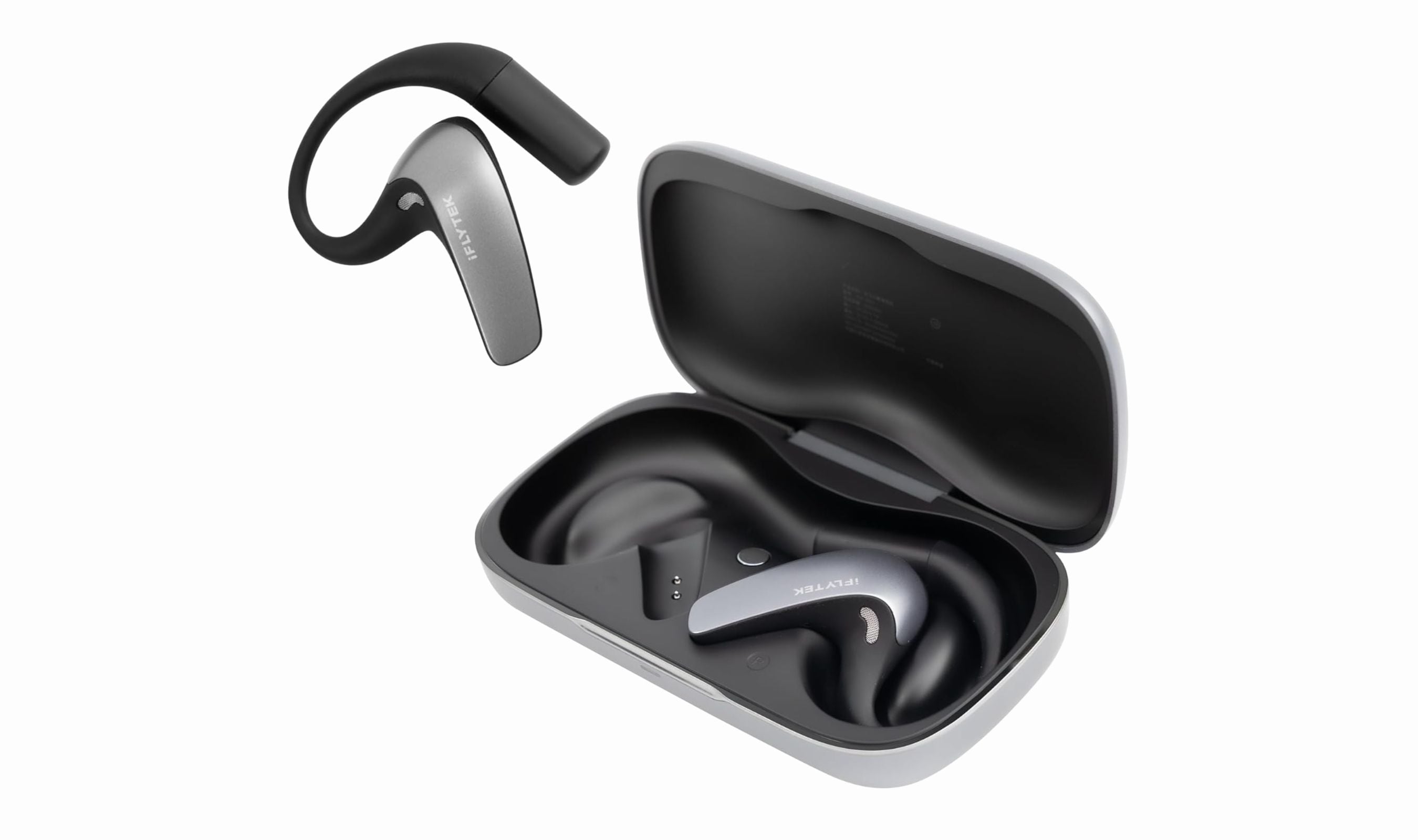
Best Translation Earbuds for 2026
The best translation earbuds for 2026, from the iFLYTEK AI buds for travel to budget ANFIER M3 and AirPods Pro 3 Live Translation, tested for accuracy and battery.
5 min read
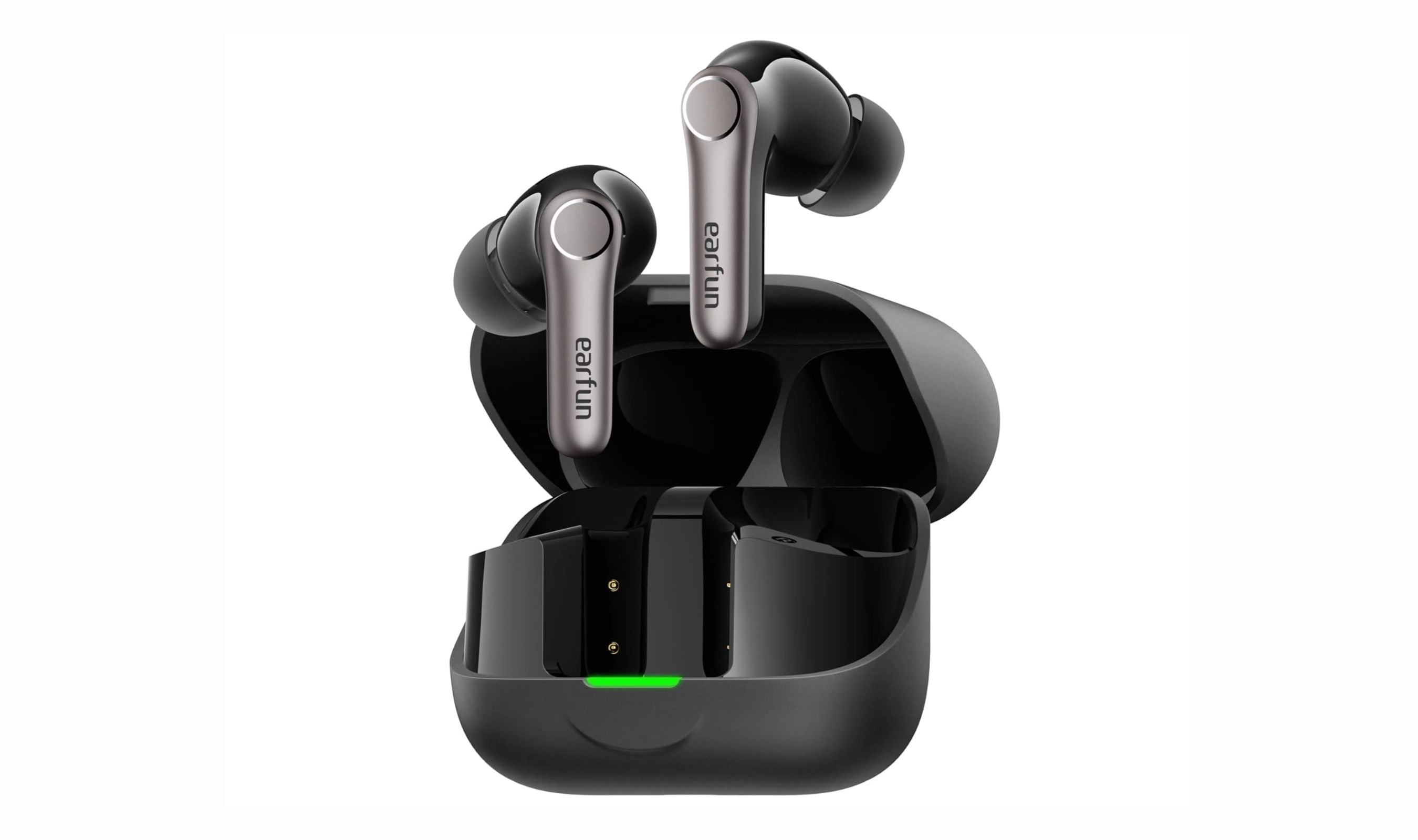
Best Wireless Earbuds Under $100 for 2026
5 min read
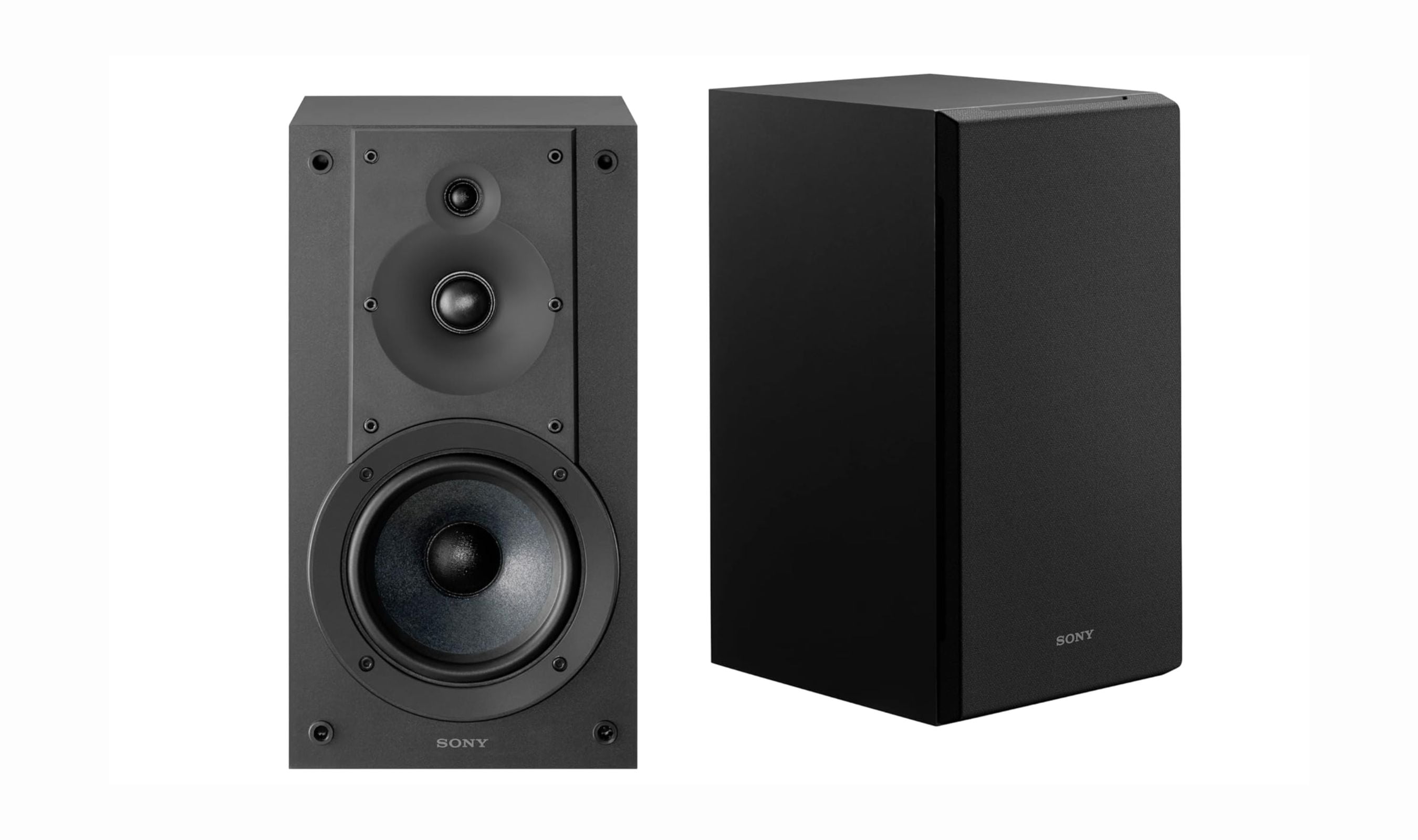
9 Best Bookshelf Speakers for 2026
4 min read
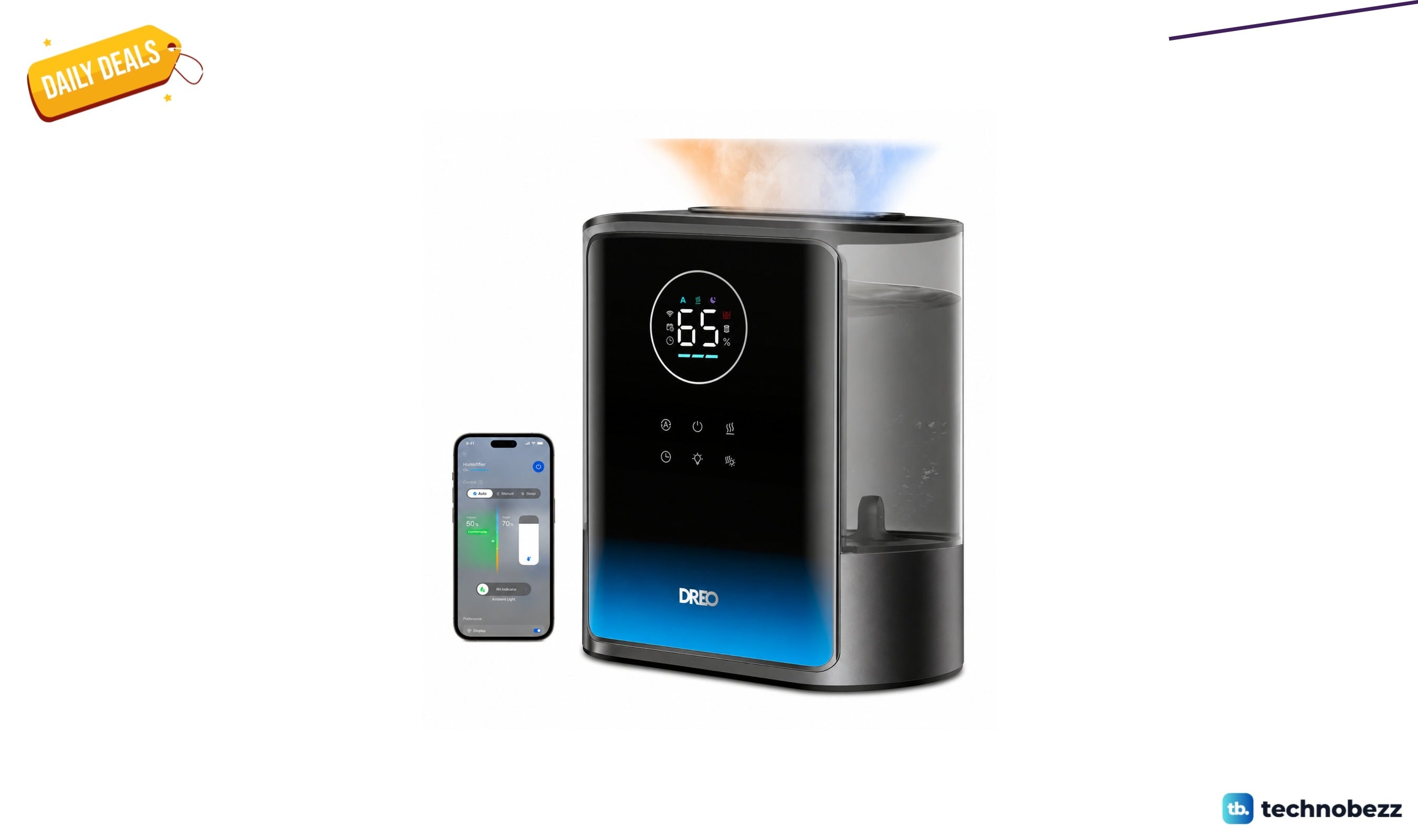
Dreo 8-liter smart humidifier with warm and cool mist for $119.99 at Wayfair
4 min read
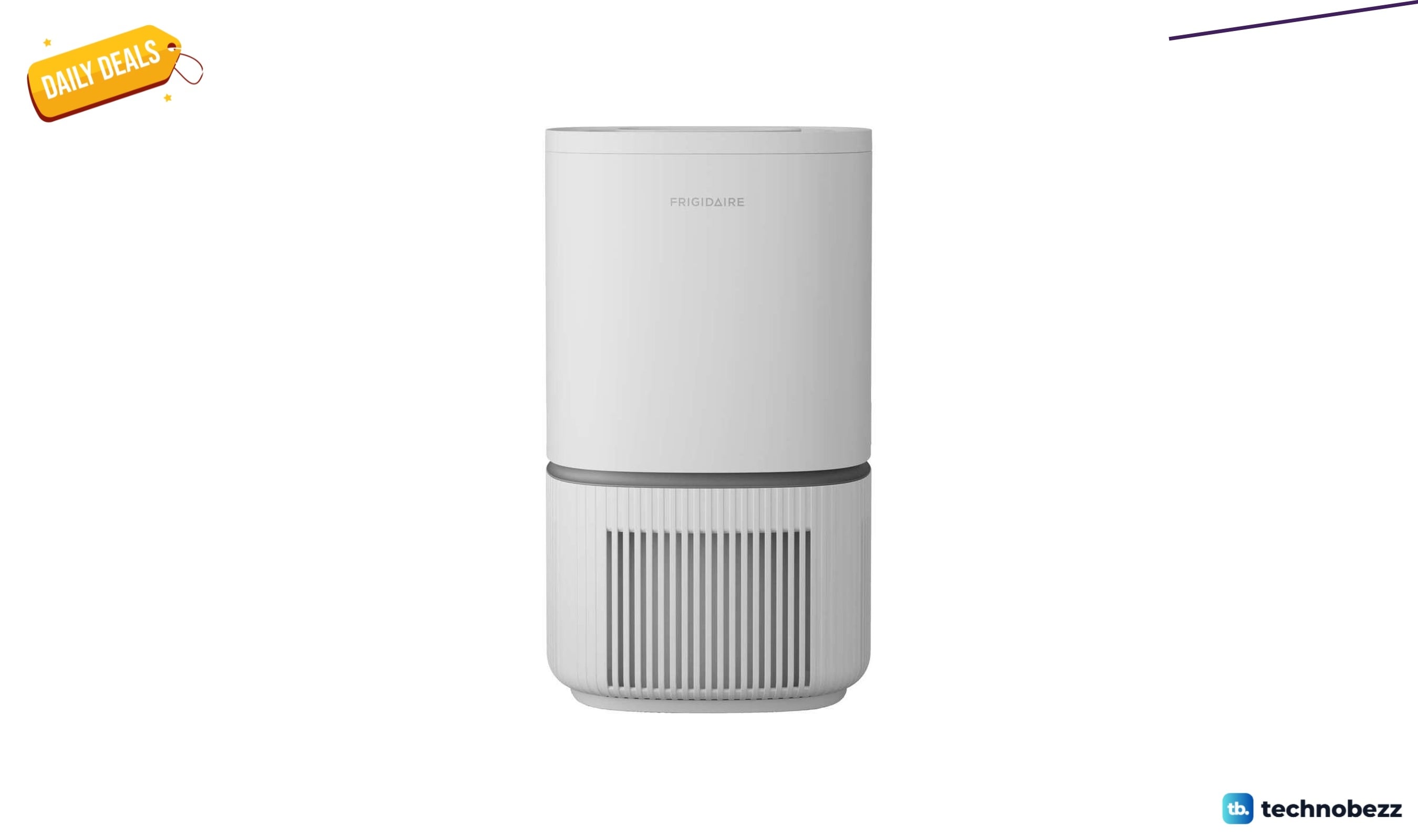
Frigidaire PureA300 HEPA air purifier with Wi-Fi for $124.99 at Wayfair
3 min read
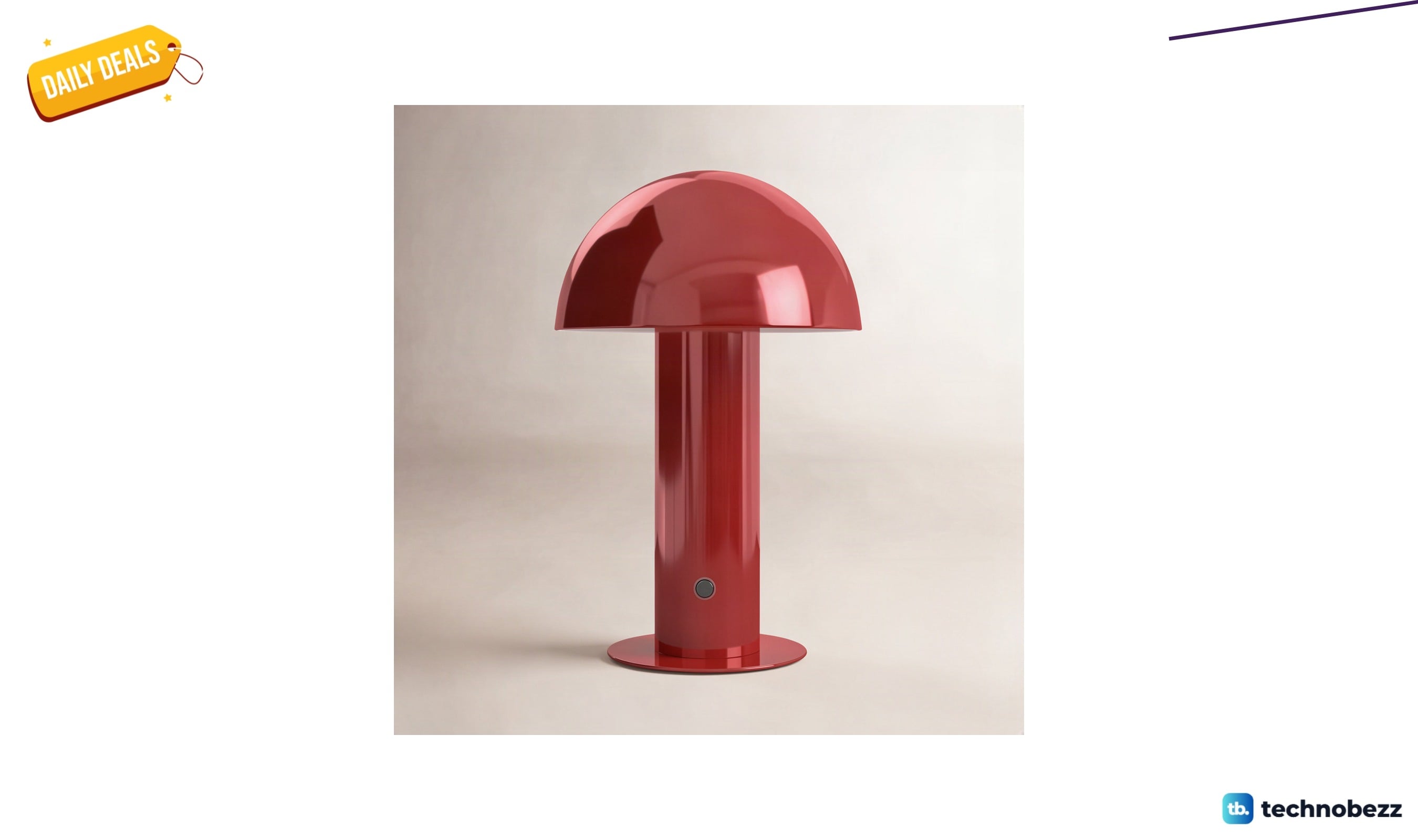
AllModern Viv metal desk lamp for $79.00 at Wayfair
5 min read
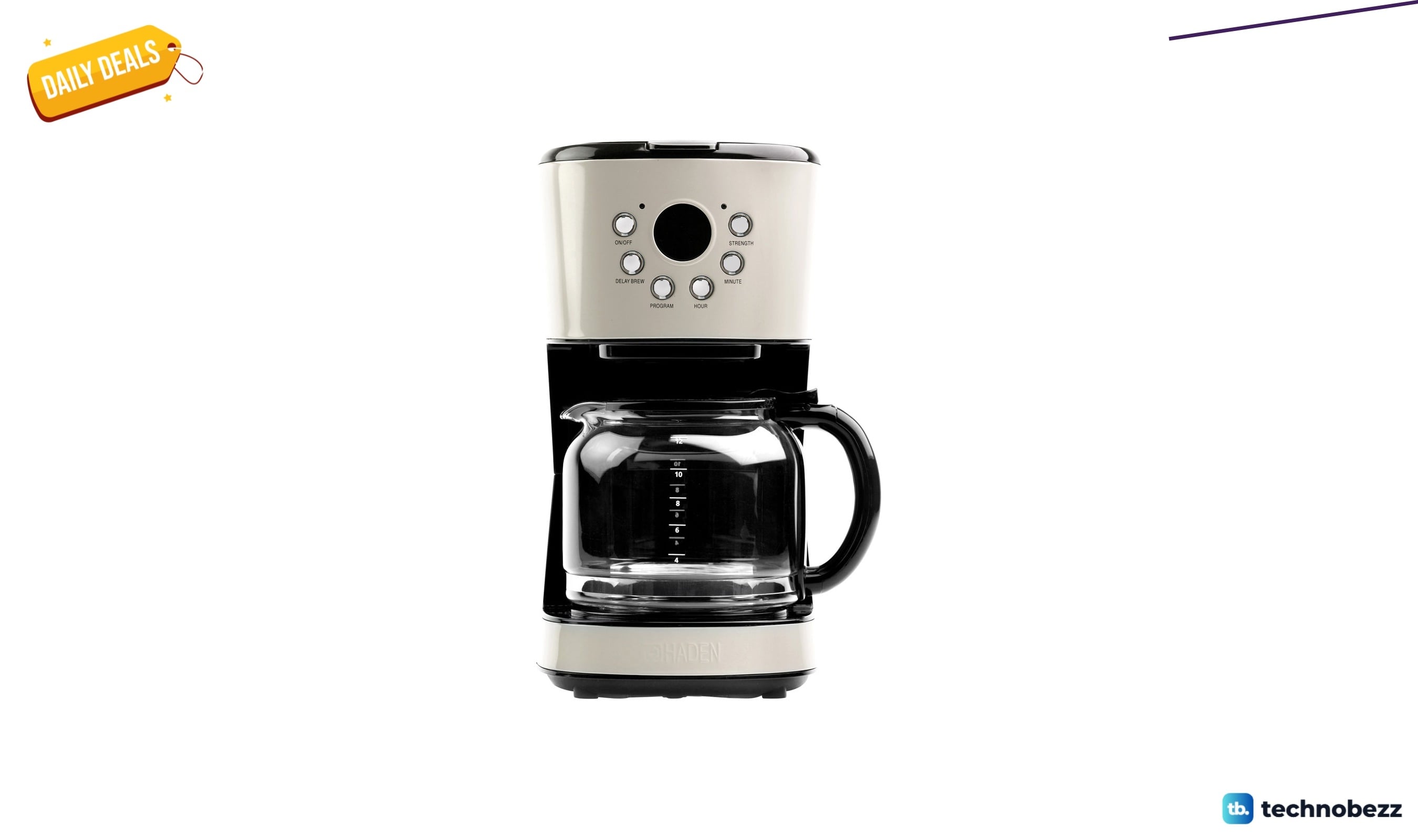
HADEN 12-cup programmable drip coffee maker for $69.99 at Wayfair
4 min read
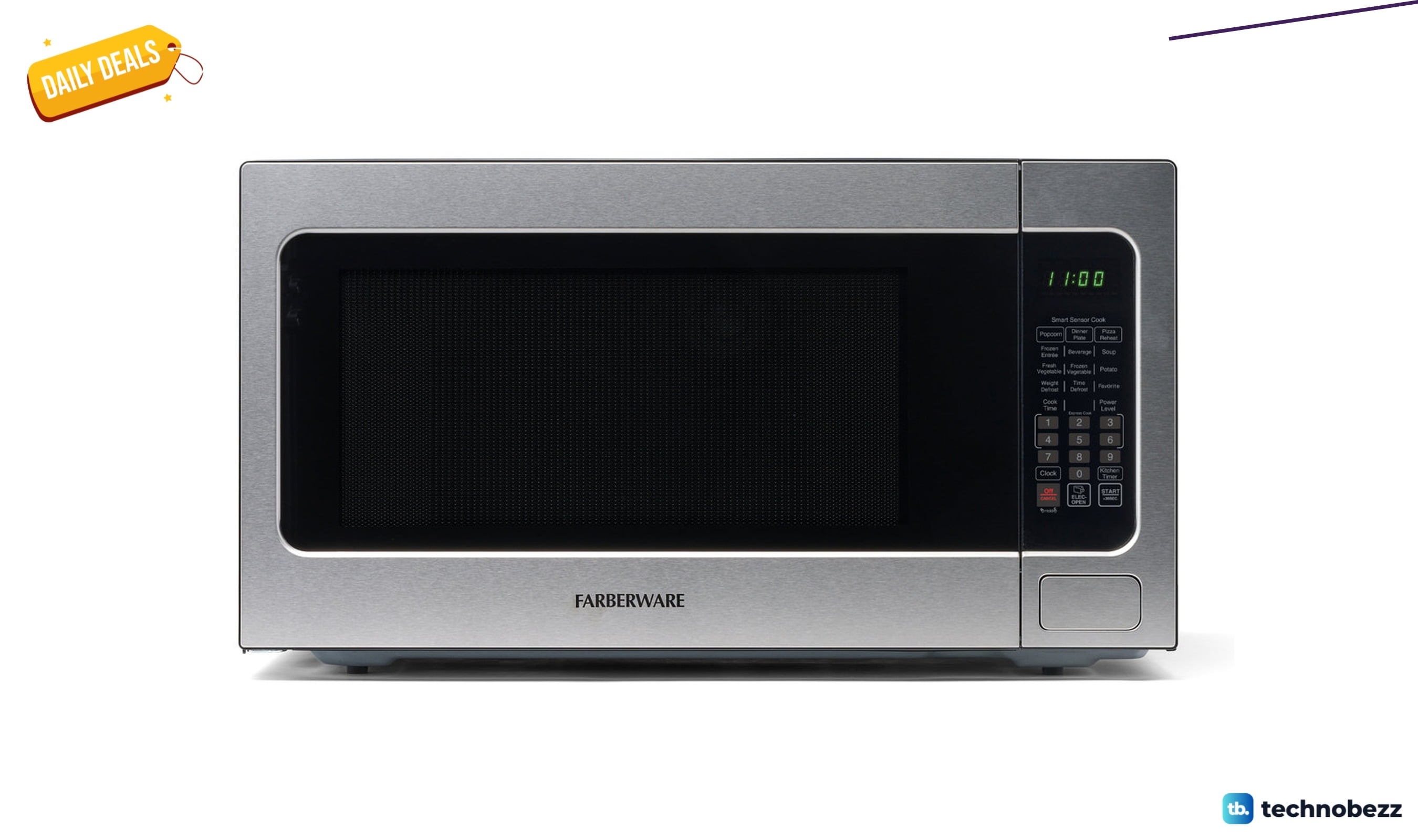
Farberware Professional 2.2-cubic-foot sensor microwave for $189.99 at Wayfair
3 min read
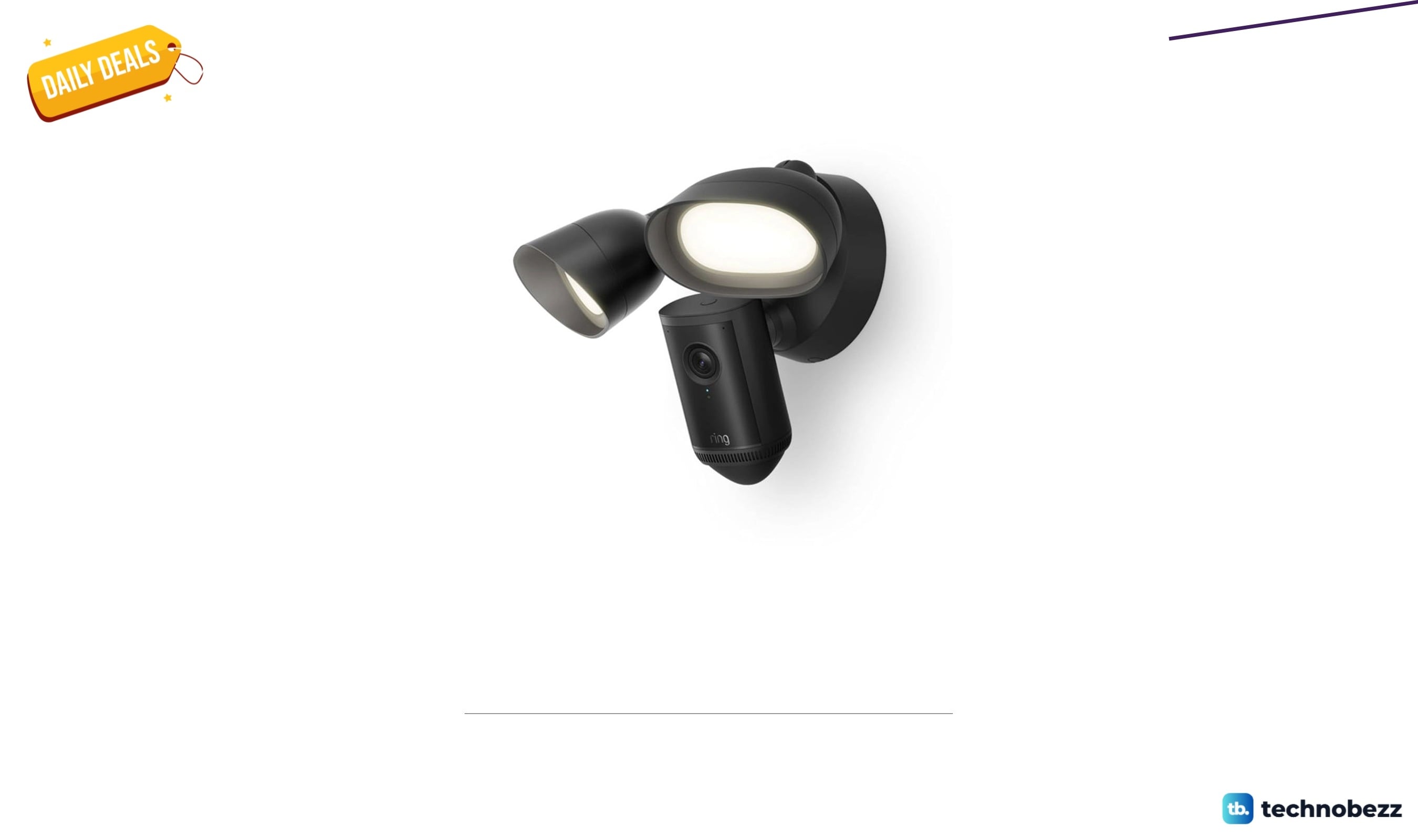
Ring Floodlight Cam 4K Pro for $199.99 at Wayfair
5 min read