OLED TVs deliver perfect black levels and infinite contrast that make movies, games, and shows look stunning. The Samsung S90F stands out as the best overall choice, balancing excellent picture quality with strong value. This list helps you find the right OLED whether you're a gamer, movie enthusiast, or just want the best picture for your living room.
Technobezz is supported by its audience. We may get a commission from retail offers.
6 Best OLED TVs for 2026
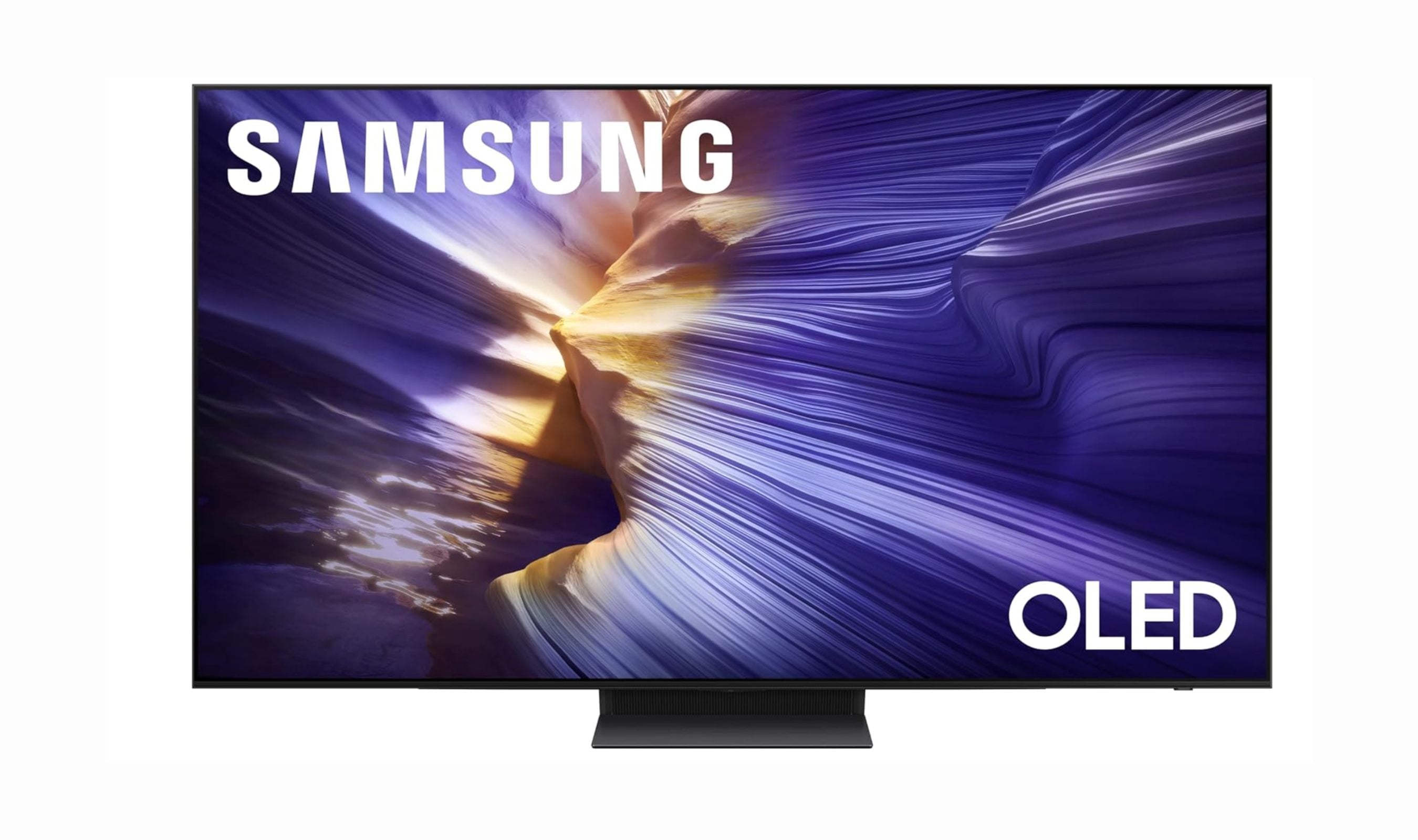
Samsung S90F leads our picks for the best OLED TVs in 2026, balancing stunning picture quality and strong value for movies and gaming.
T
Technobezz
Editorial Team
Updated October 1, 2026Oct 1, 2026
•7 min read

Get Deals Like These in Your Inbox
The best prices, reviewed weekly.
At a Glance
| Category | Product | Why We Picked It |
|---|---|---|
| Best overall | Samsung S90F | Excellent balance of picture quality and value |
| Best value | LG C6 | Dolby Vision, AI picture processing, and gaming support up to 165Hz |
| Best for bright rooms | Samsung S95F | Matte screen reduces glare effectively |
| Best for movies | Sony Bravia 8 II | Cinematic accuracy and processing |
| Also recommended | LG B6 | Entry-level 2026 OLED with AI Super Upscaling and four HDMI 2.1 ports for dark-room viewing |
| Also recommended | Panasonic Z95B | Premium OLED with a fantastic built-in soundbar |
How we chose
We evaluated OLED TVs based on picture quality, gaming performance, smart features, and value. Our assessment considers brightness measurements, color accuracy, contrast performance, and real-world usability across different room conditions. We prioritize products that deliver consistent performance whether you're watching movies, playing games, or streaming everyday content.
The best OLED TVs right now
Samsung S90F - Best overall
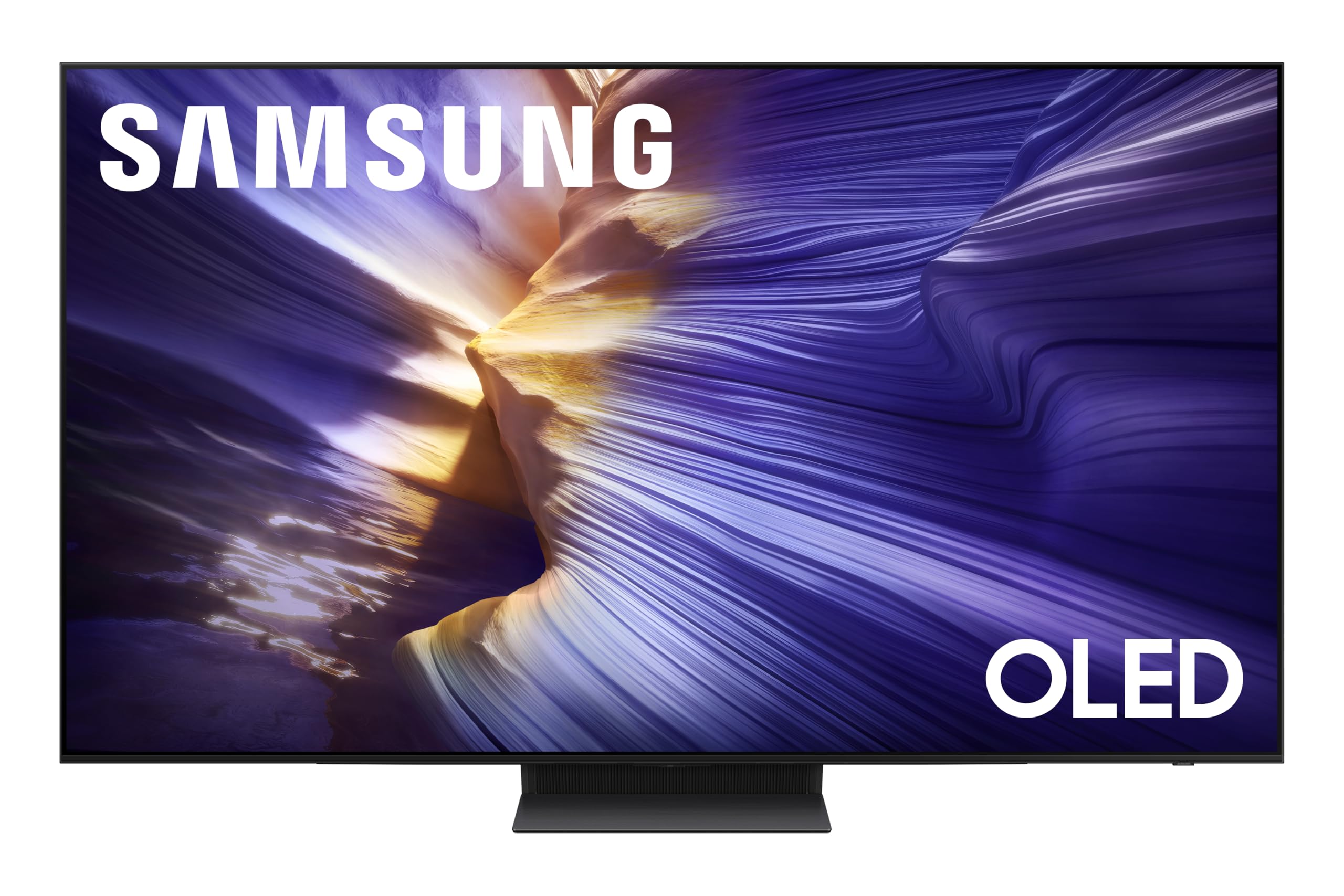
The Samsung S90F delivers excellent picture quality with QD-OLED technology at a price that makes sense for most viewers. It combines vibrant colors, solid brightness, and strong gaming features in a well-rounded package.
Key highlights
- QD-OLED panel with quantum dots for enhanced color volume
- Peak brightness around 1,460 nits for impactful HDR
- 144Hz refresh rate with full gaming feature support
- Tizen smart platform with comprehensive app selection
Pros
- Excellent color reproduction and brightness for the price
- Strong gaming performance with VRR and low input lag
- Good viewing angles typical of OLED technology
- Available in multiple sizes including 55", 65", and 77"
Cons
- No Dolby Vision support
- Black levels can rise slightly in bright rooms
- Smart interface isn't the most intuitive available
Who it is for: Viewers who want excellent OLED picture quality without paying flagship prices, especially those who value gaming features and bright, colorful images.
Skip if
You need Dolby Vision support or watch primarily in very bright rooms with lots of reflections.
LG C6 - Best value
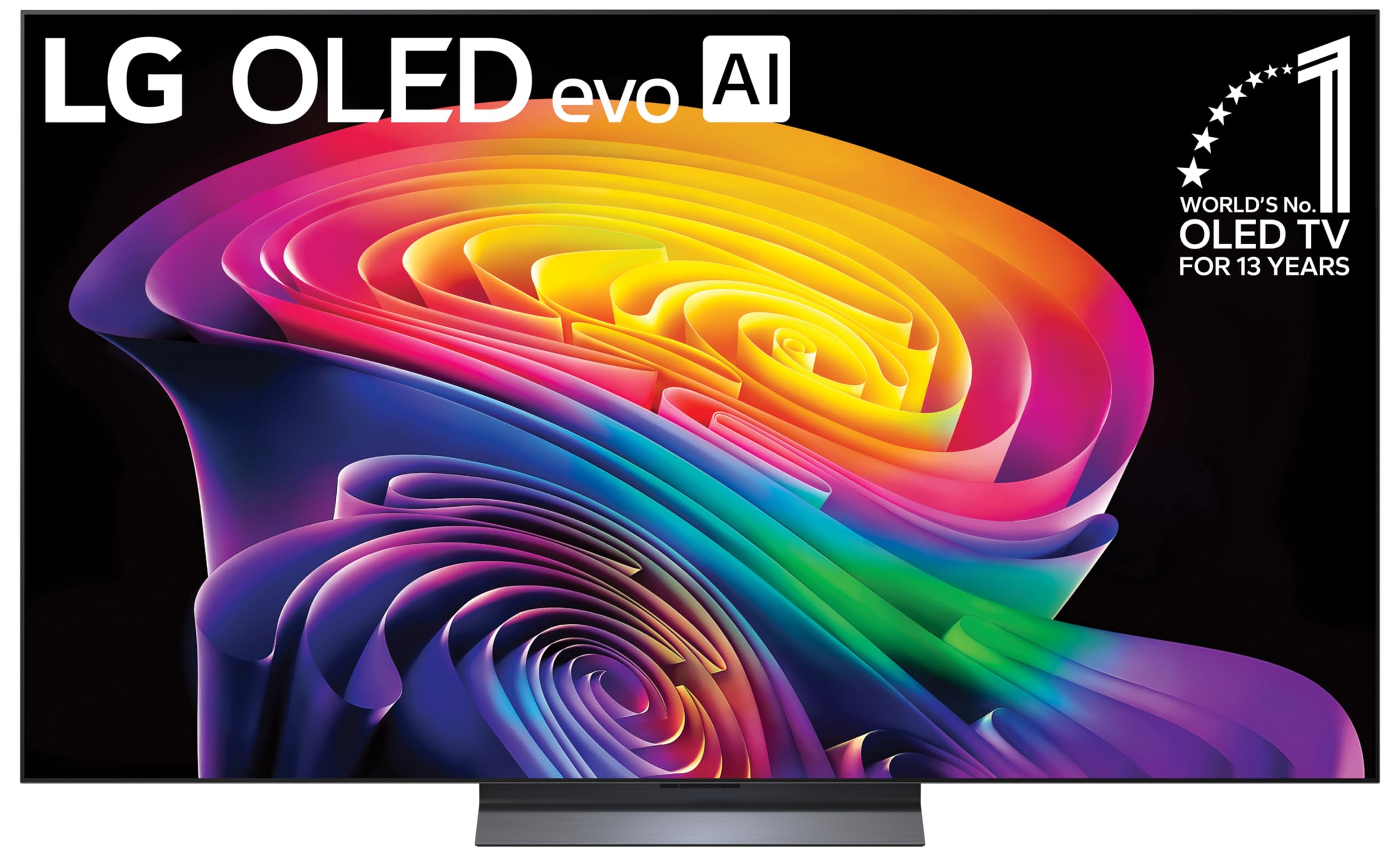
The 65-inch LG C6 pairs Brightness Booster technology with the Alpha 11 AI Processor Gen3. It combines Dolby Vision, four HDMI 2.1 ports, and AI-powered upscaling into a well-rounded package that covers movies, gaming, and everyday streaming equally well.
Key highlights
- Self-lit OLED panel with over 8.3 million pixels for infinite contrast
- Dolby Vision and Dolby Atmos support for premium streaming and cinematic audio
- Four HDMI 2.1 ports supporting 4K at 165Hz
- AI Super Upscaling 4K and Filmmaker Mode for accurate cinematic presentation
- webOS 26 with Google Gemini AI integration and Alexa compatibility
Pros
- Comprehensive gaming feature set with VRR, G-Sync, FreeSync, and ALLM across all HDMI ports
- Dolby Vision Gaming support for compatible consoles and PCs
- Wide size range from 42" to 83" including compact options for desktop use
- WOW Orchestra combines the TV speakers with a compatible LG soundbar
Cons
- No HDR10+ support
- Brightness boost is stronger on 77" and 83" sizes than on the 48", 55", and 65" variants
- Built-in audio still benefits from an external soundbar for the best immersion
Who it is for: Gamers and movie enthusiasts who want a meaningful upgrade from last year's mid-range OLED, with full gaming connectivity, Dolby Vision, and broad size availability without paying flagship prices.
Skip if
You need HDR10+ support, require maximum brightness in the 65" or smaller sizes, or prefer Samsung's smart platform ecosystem.
Samsung S95F - Best for bright rooms
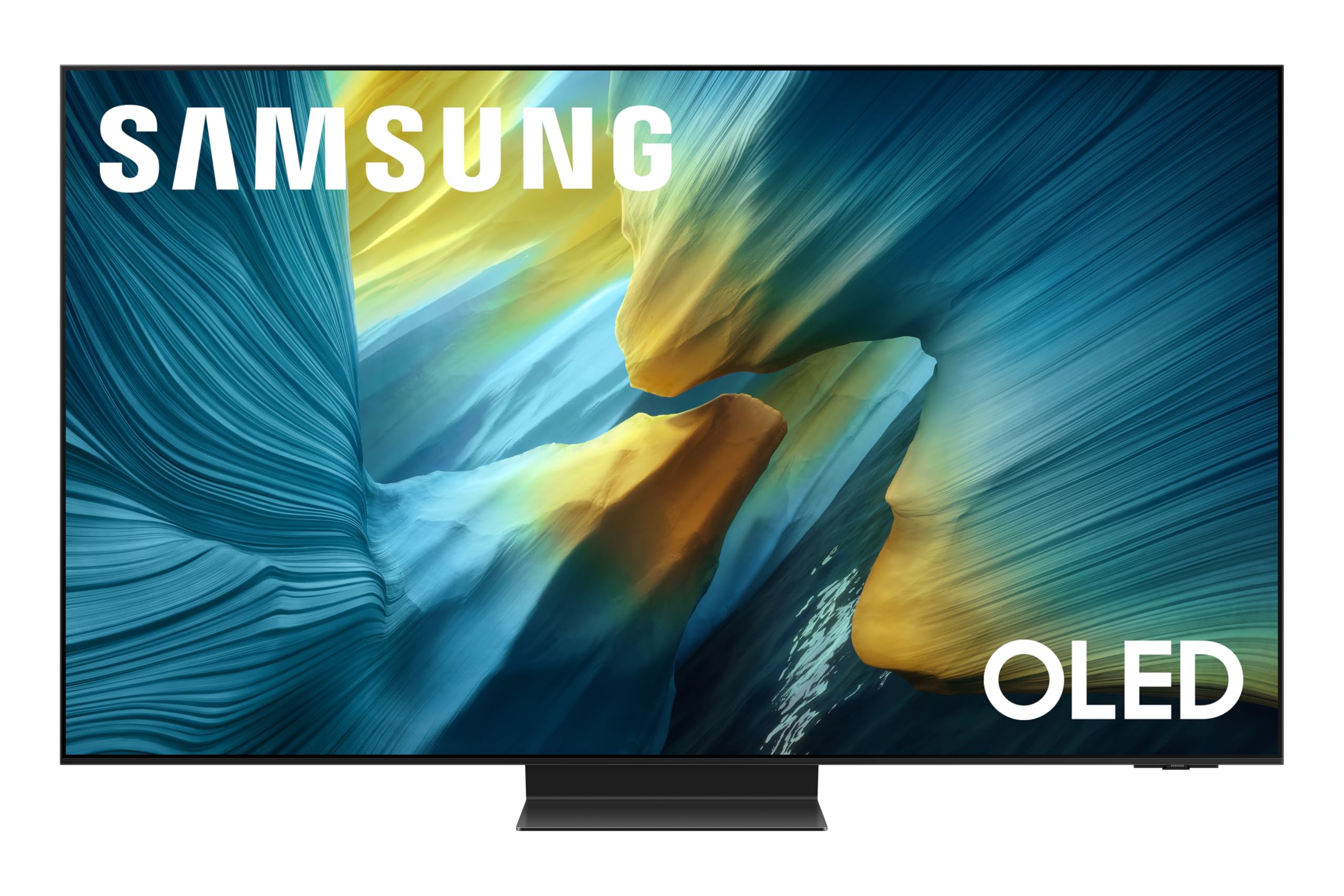
The Samsung S95F's matte anti-glare screen makes it well suited for rooms with lots of light, while still delivering premium QD-OLED picture quality. It reduces reflections significantly compared to glossy OLED screens.
Key highlights
- Matte anti-glare screen dramatically reduces reflections
- Peak brightness around 2,170 nits for excellent HDR impact
- 165Hz refresh rate for smooth gaming and motion
- QD-OLED panel with excellent color volume
Pros
- Exceptional reflection handling for bright room viewing
- High brightness makes HDR content pop
- Excellent gaming features with 165Hz support
- Slim, premium design with clean installation options
Cons
- Matte screen can elevate black levels in bright conditions
- No Dolby Vision support
- Premium price compared to other options
Who it is for: Viewers with bright living rooms, lots of windows, or overhead lighting who still want OLED picture quality without fighting reflections.
Skip if
You watch primarily in dark rooms where glossy screens provide deeper blacks, or need Dolby Vision support.
Sony Bravia 8 II - Best for movies
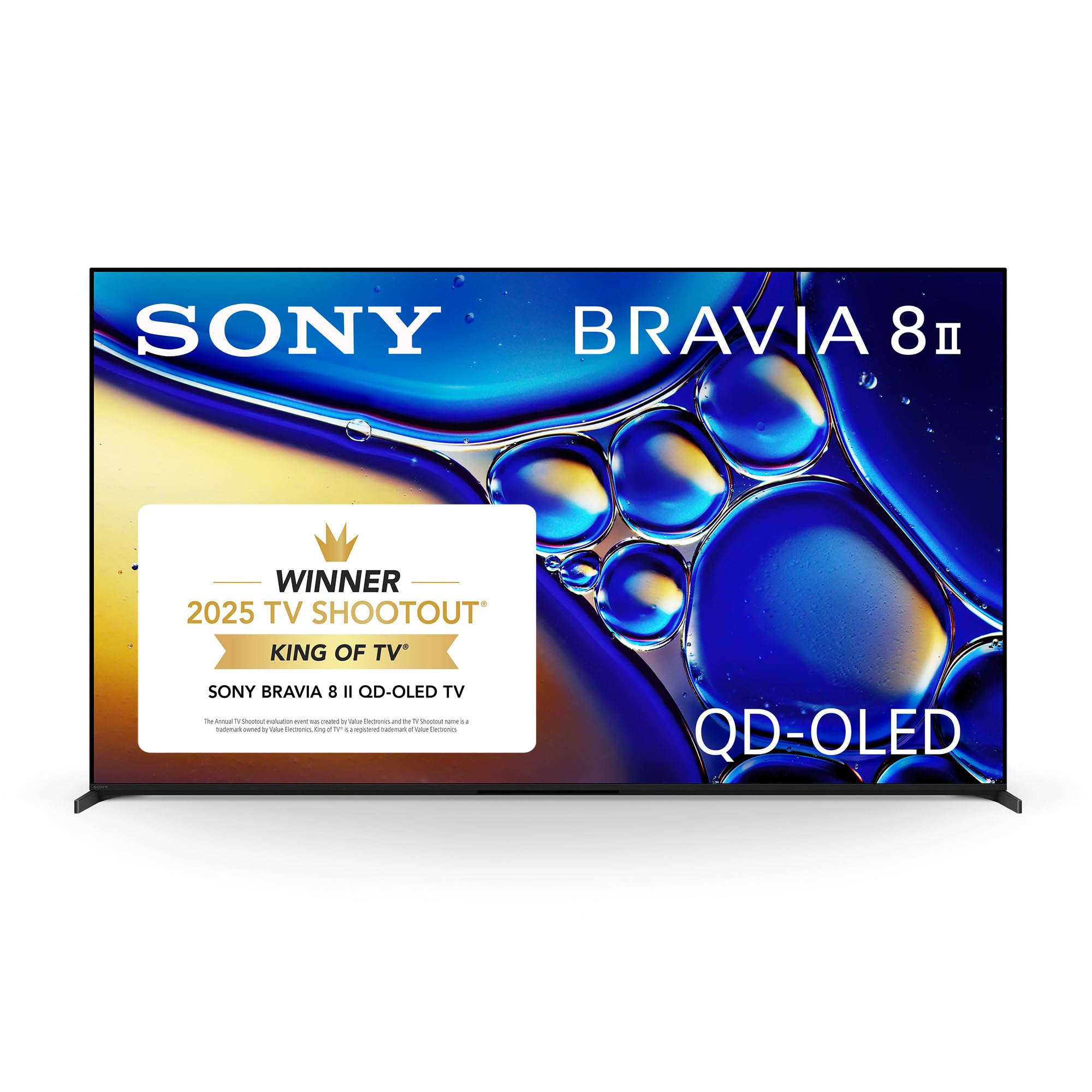
The Sony Bravia 8 II delivers exceptional cinematic quality with accurate color reproduction and sophisticated video processing. It's designed for viewers who prioritize movie watching and content accuracy.
Key highlights
- QD-OLED panel with excellent color accuracy
- Sophisticated video processing for upscaling and motion
- Google TV smart platform with smooth performance
- Acoustic Surface Audio+ for good built-in sound
- Dolby Vision and HDR10 support
Pros
- Excellent color accuracy and cinematic presentation
- Strong video processing for older content
- Good built-in sound system for a TV
- Google TV platform is intuitive and responsive
Cons
- Limited to 55" and 65" sizes only
- Lower brightness than some premium competitors
Who it is for: Movie enthusiasts and viewers who value accurate color reproduction and sophisticated video processing, especially for cinematic content.
Skip if
You need larger screen sizes, maximum brightness for HDR, or multiple HDMI 2.1 connections for gaming setups.
Also Good
- LG B6 - LG's 2026 entry-level OLED with AI Super Upscaling, Dolby Vision, and four HDMI 2.1 ports for dark-room viewing. Check Price on LG
- Panasonic Z95B - premium OLED with a fantastic built-in soundbar.
How to Choose
Consider these factors when selecting your OLED TV:
Room lighting matters more than you might think. Glossy screens like the Sony Bravia 8 II offer deeper blacks in dark rooms but show more reflections. The LG G6 uses an anti-reflective coating that handles bright room glare effectively while preserving strong black levels. Matte screens like the Samsung S95F reduce reflections significantly for bright rooms but can make blacks look slightly elevated in daylight.
Gaming features vary between models. Look for HDMI 2.1 ports (four is ideal), 120Hz or higher refresh rates, VRR support, and low input lag if you game regularly. The LG C6 and Samsung S90F offer excellent gaming performance at different price points.
HDR format support affects streaming quality. Dolby Vision is more common on streaming services, while HDR10+ appears on some Amazon and Paramount+ content. Samsung TVs support HDR10+ but not Dolby Vision, while LG and Sony support Dolby Vision.
Smart platforms differ in usability. Google TV (Sony) offers excellent content discovery, webOS (LG) provides smooth navigation, and Tizen (Samsung) has improved but can feel less intuitive. Choose based on which ecosystem you prefer.
Size availability varies by model. Most OLEDs come in 55", 65", and 77" sizes, but some like the LG C6 offer smaller 42" and 48" options for desktop use, while the Sony Bravia 8 II is limited to 55" and 65".
FAQ
Do OLED TVs still have burn-in issues?
Modern OLED TVs include pixel-shifting features, screen savers, and automatic brightness limiting to reduce burn-in risk. While technically possible with static content displayed for extremely long periods, normal viewing habits shouldn't cause issues for most users.
How bright are OLED TVs compared to LED/LCD models?
Premium OLEDs now reach 2,000+ nits peak brightness, competitive with many high-end LED/LCD TVs. However, full-screen brightness remains lower than the brightest mini-LED models, making OLEDs better suited for mixed content viewing rather than all-day sports in bright rooms.
Which is better for gaming: OLED or QLED?
OLED generally offers better response times, perfect blacks, and wider viewing angles for gaming. However, the brightest QLED models can deliver higher full-screen brightness for HDR gaming in bright rooms. Most gamers prefer OLED for its contrast and response advantages.
Do I need a soundbar with an OLED TV?
While built-in sound has improved, most OLED TVs benefit from a soundbar for better bass and immersion. The Panasonic Z95B is an exception with its excellent built-in 5.1.2-channel system that can replace a soundbar for many viewers.
How long do OLED TVs typically last?
OLED panels are rated for around 100,000 hours of use, which translates to over 10 years of typical viewing. Recent testing shows OLED reliability compares favorably to LCD/LED TVs, with fewer component failures over time.
Published April 19, 2026 Last updated October 1, 2026
Share this article
More in News
8 Best Blood Pressure Monitors for Home Use in 2026
We tested clinically validated blood pressure monitors from Omron, Withings, and more. The Omron Platinum leads our picks, with options from $40 to $140.
3 min read
3 Best Rolling TV Monitors You Can Buy Right Now
LG Swing leads our picks for the best rolling TV monitors. See top models for medical use, multi-monitor setups, and budget-friendly options.
3 min read
The 8 Best Smart TVs of 2026
Samsung S90F leads our picks for the best smart TVs of 2026. Compare top models for picture quality, gaming, and value to find your perfect screen.
3 min read
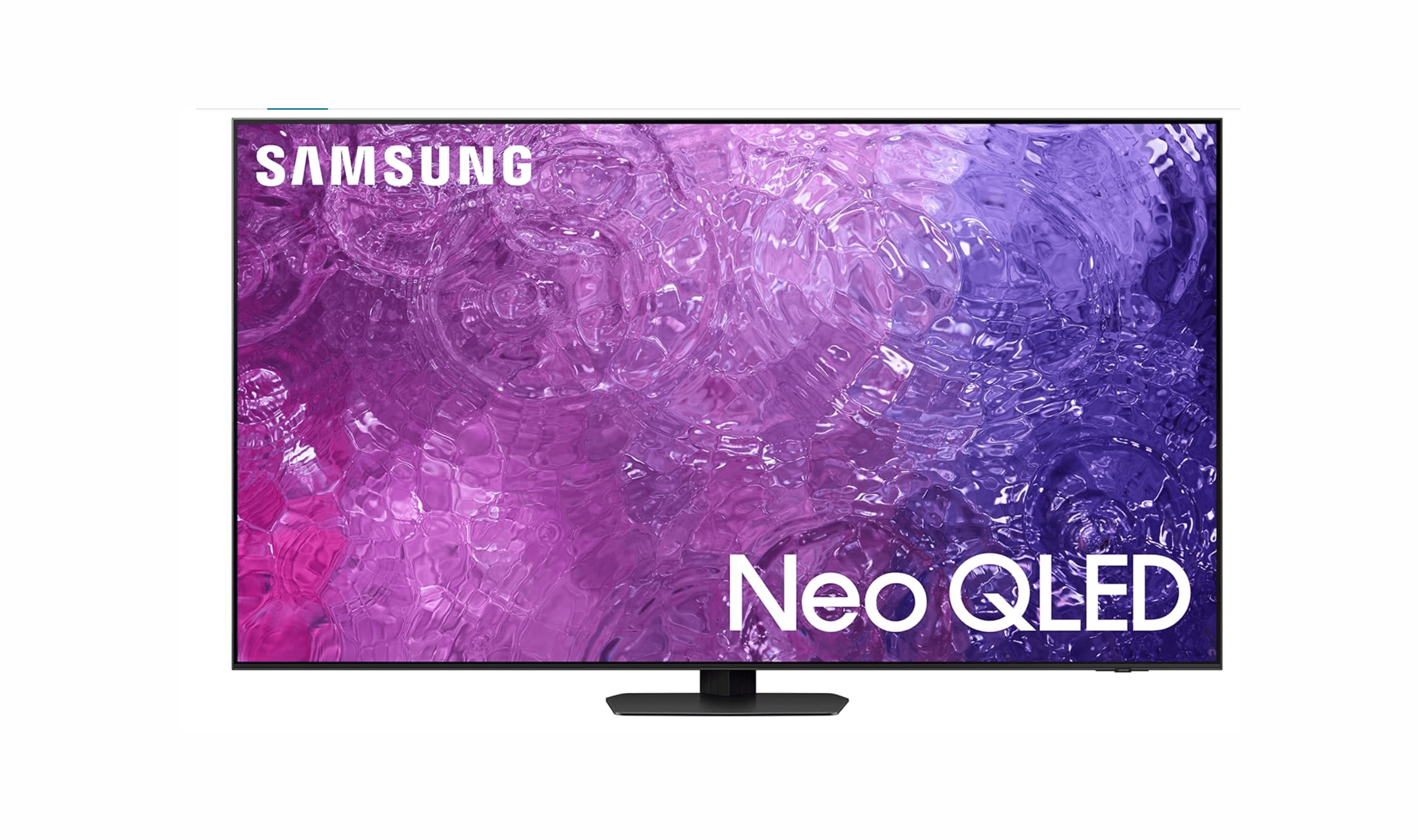
8 Best Anti-Glare TVs for 2026
Samsung QN90C Neo QLED leads our 2026 picks for the best anti-glare TVs, balancing reflection reduction with vibrant picture quality for bright rooms.
3 min read
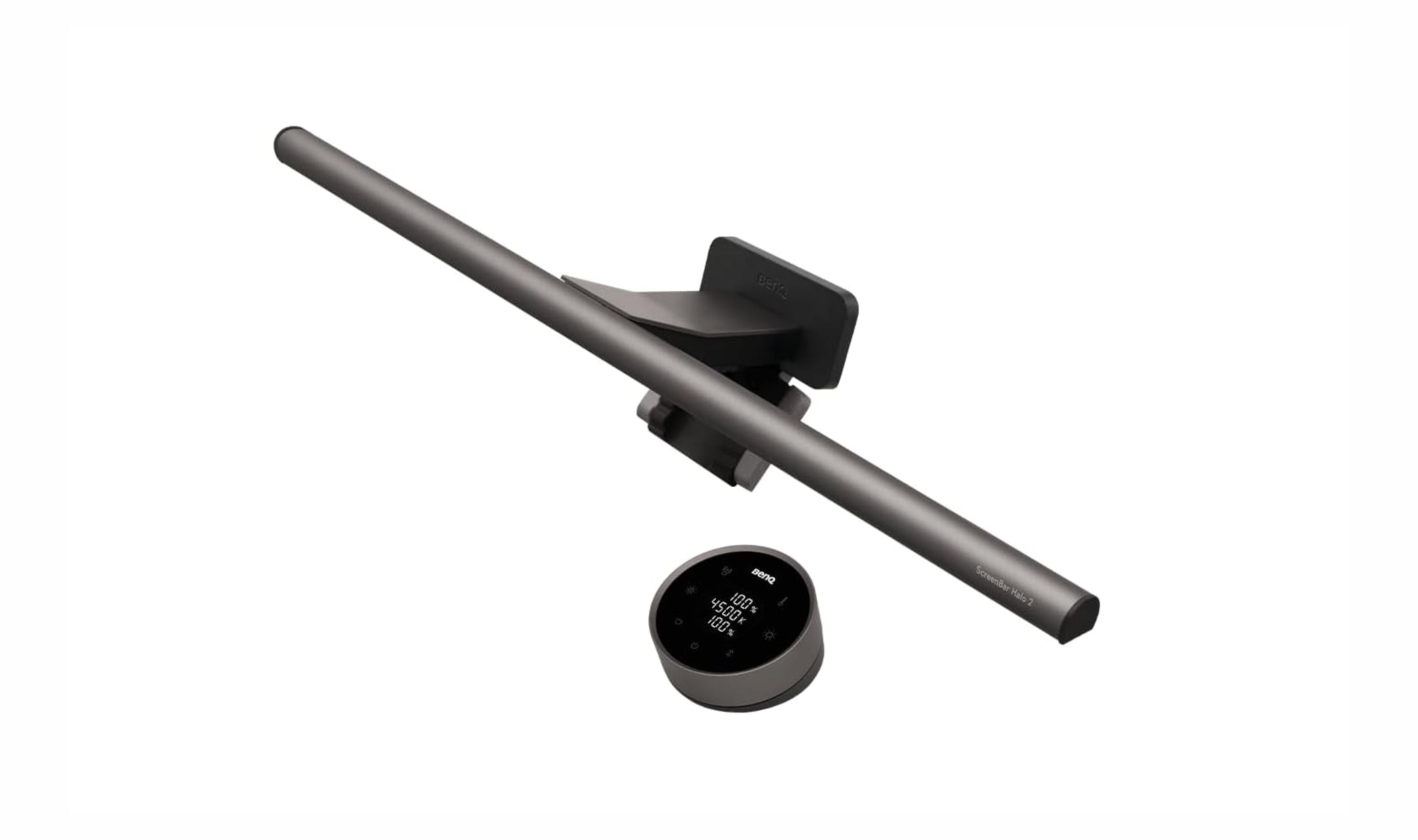
6 Best Monitor Light Bars for 2026
4 min read
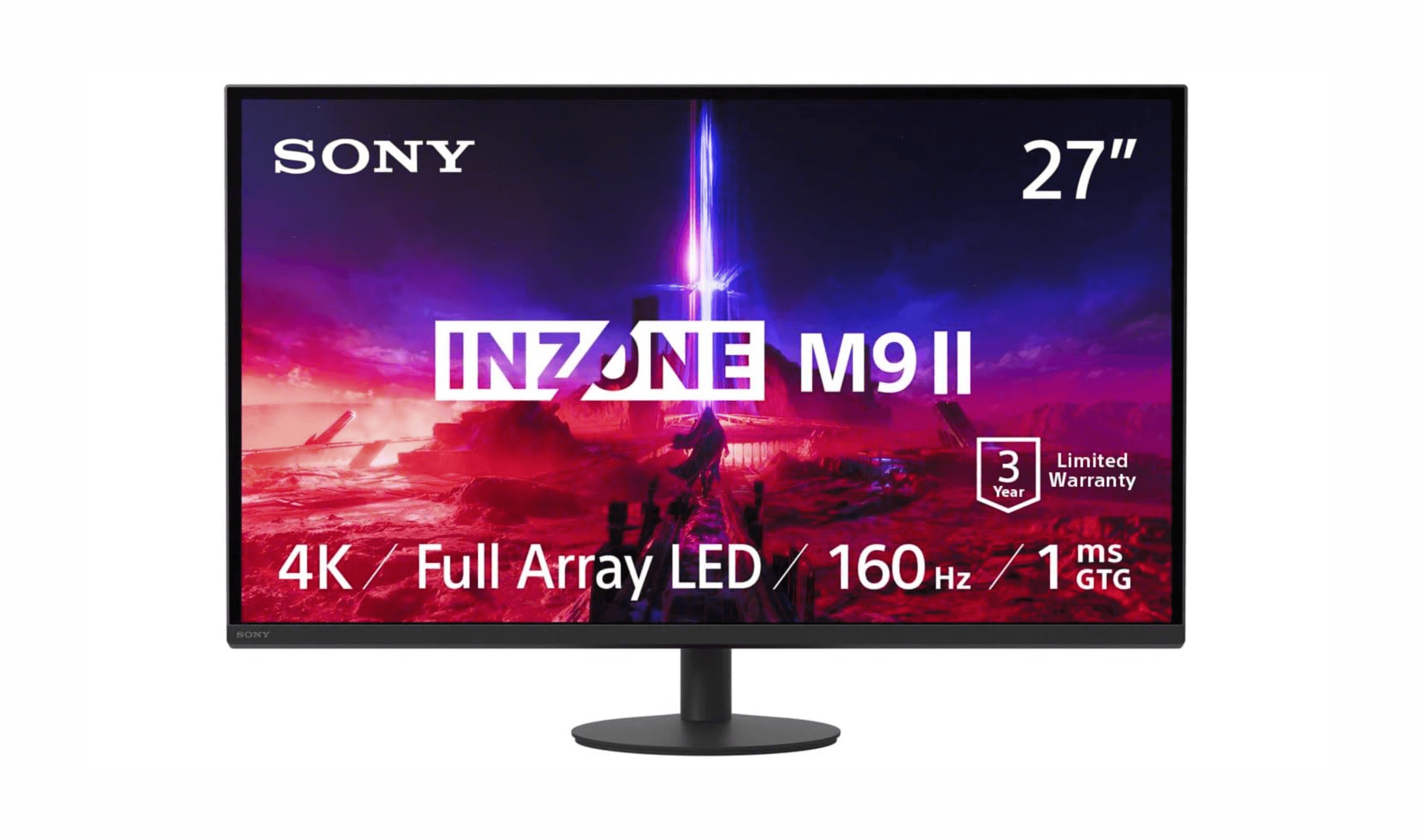
The 7 Best Monitors for PS5 in 2026
3 min read
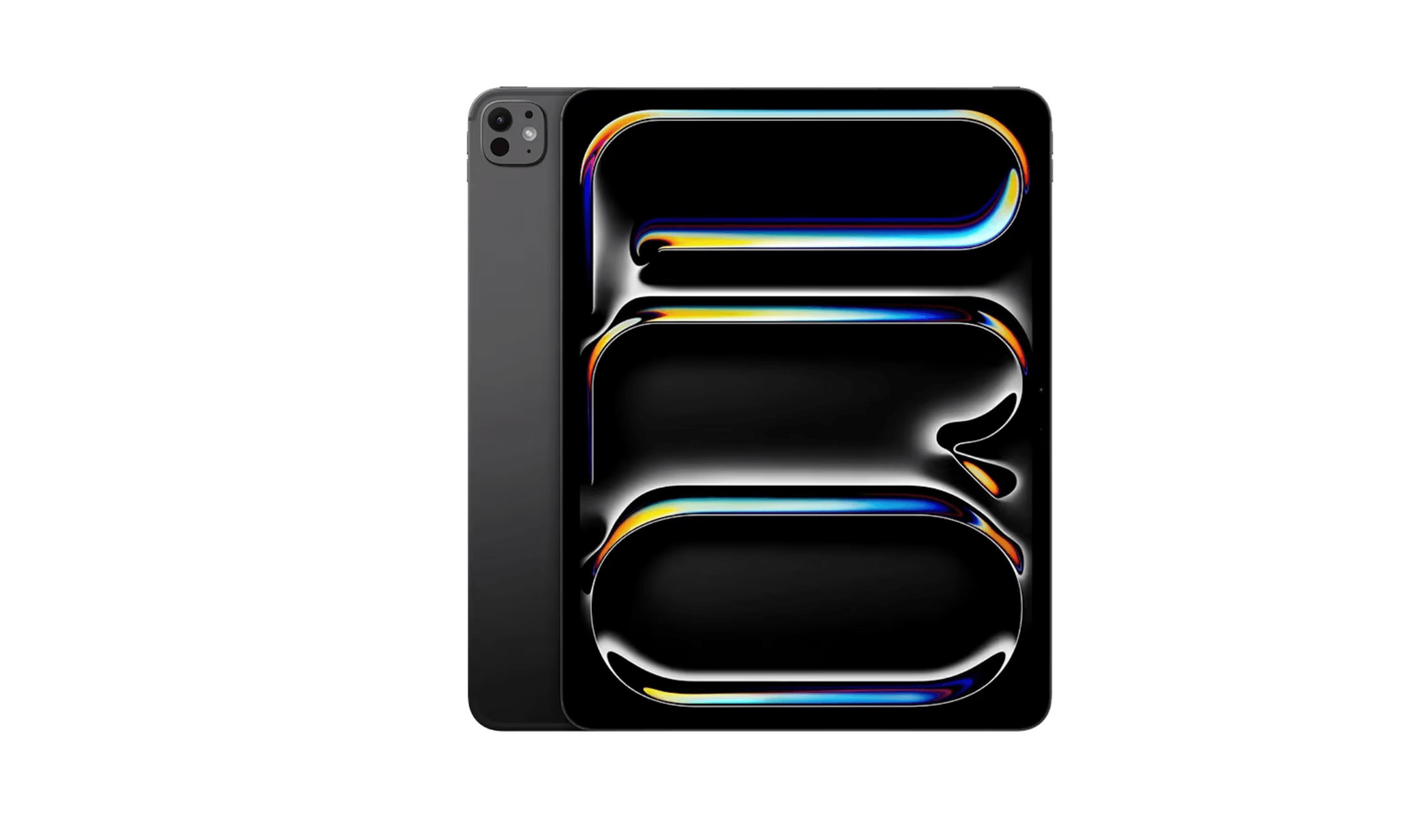
8 Best Tablets for Photo Editing in 2026
3 min read
Best Workout Earphones for 2026
5 min read
6 Best Wi-Fi Routers for 2026
5 min read
9 Best Wireless Gaming Mice in 2026
3 min read
8 Best Fitness Trackers for 2026
5 min read
6 Best Laptops for Engineering Students in 2026
3 min read