Audio glasses have moved from novelty to practical everyday wearables. The Lucyd Lyte Moonbeam stands out as our top pick, delivering all-day audio in a design so natural you'll forget you're wearing smart glasses. This list helps you choose between hearing-focused models, sports-optimized designs, and pure audio wearables based on your daily needs.
Technobezz is supported by its audience. We may get a commission from retail offers.
3 Best Audio Glasses for 2026
The best audio glasses for 2026, from the Lucyd Lyte Moonbeam for all-day open-ear sound to the Bose Tempo for sports and Nuance Audio for hearing help.
T
Technobezz
Senior Editor
Updated September 5, 2026Sep 5, 2026
•6 min read

Get Deals Like These in Your Inbox
The best prices, reviewed weekly.
At a Glance
| Category | Product | Why We Picked It |
|---|---|---|
| Best overall | Lucyd Lyte Moonbeam | Quadraphonic open-ear speakers with all-day audio clarity |
| Best for sports | Oakley Meta Vanguard | Open-ear audio, a secure sports fit, and IP67 dust and water resistance |
| Best for hearing assistance | Nuance Audio Glasses | Integrated hearing aid technology |
How we chose and tested
We evaluated audio glasses based on sound quality, comfort, battery life, and practical features. Audio quality was assessed for both music playback and call clarity, with particular attention to sound leakage and background noise handling. Comfort and fit were key considerations for all-day wearability, and we assessed how well each model balances its features with everyday usability.
The best audio glasses right now
Lucyd Lyte Moonbeam - Best overall
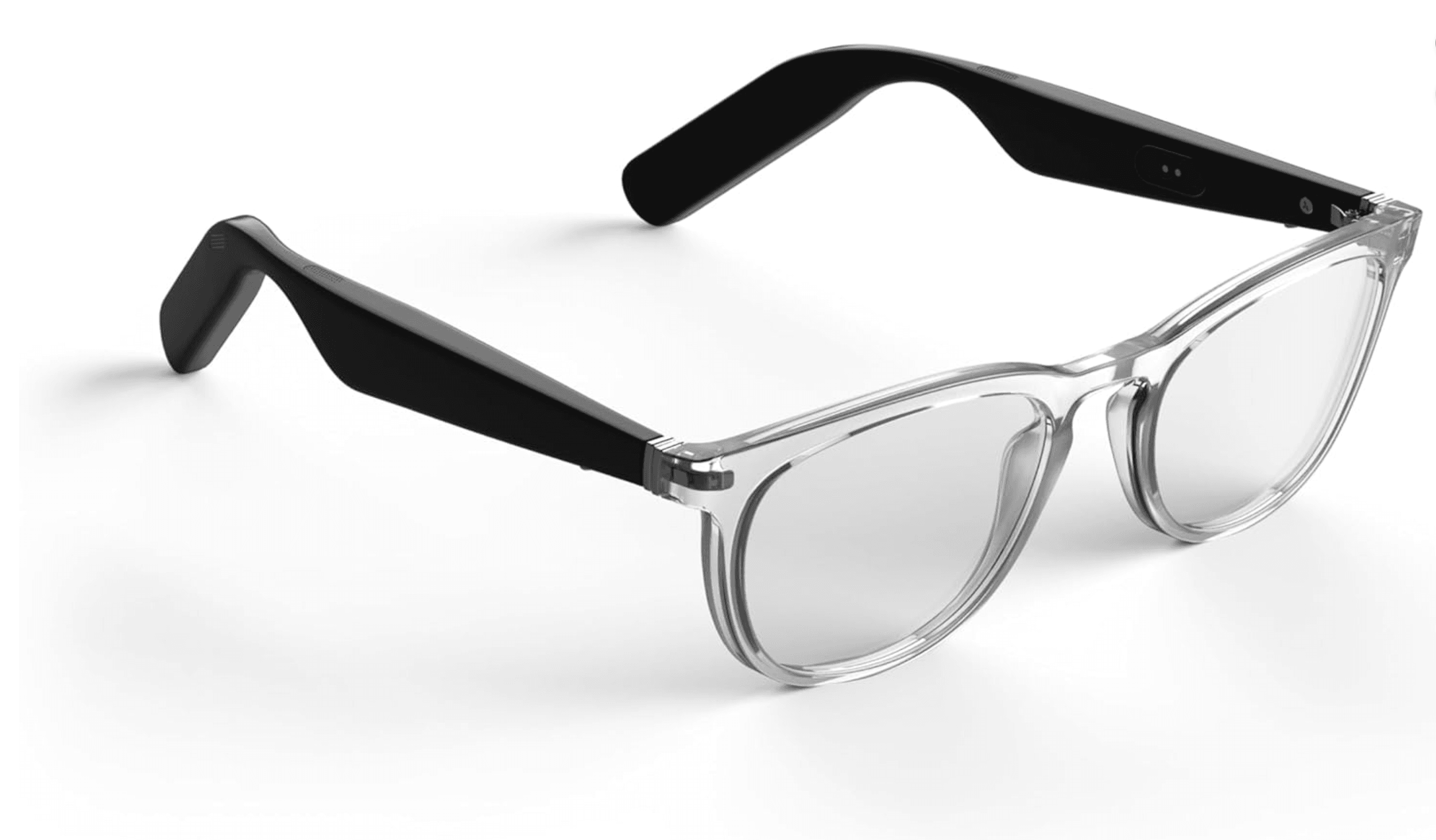
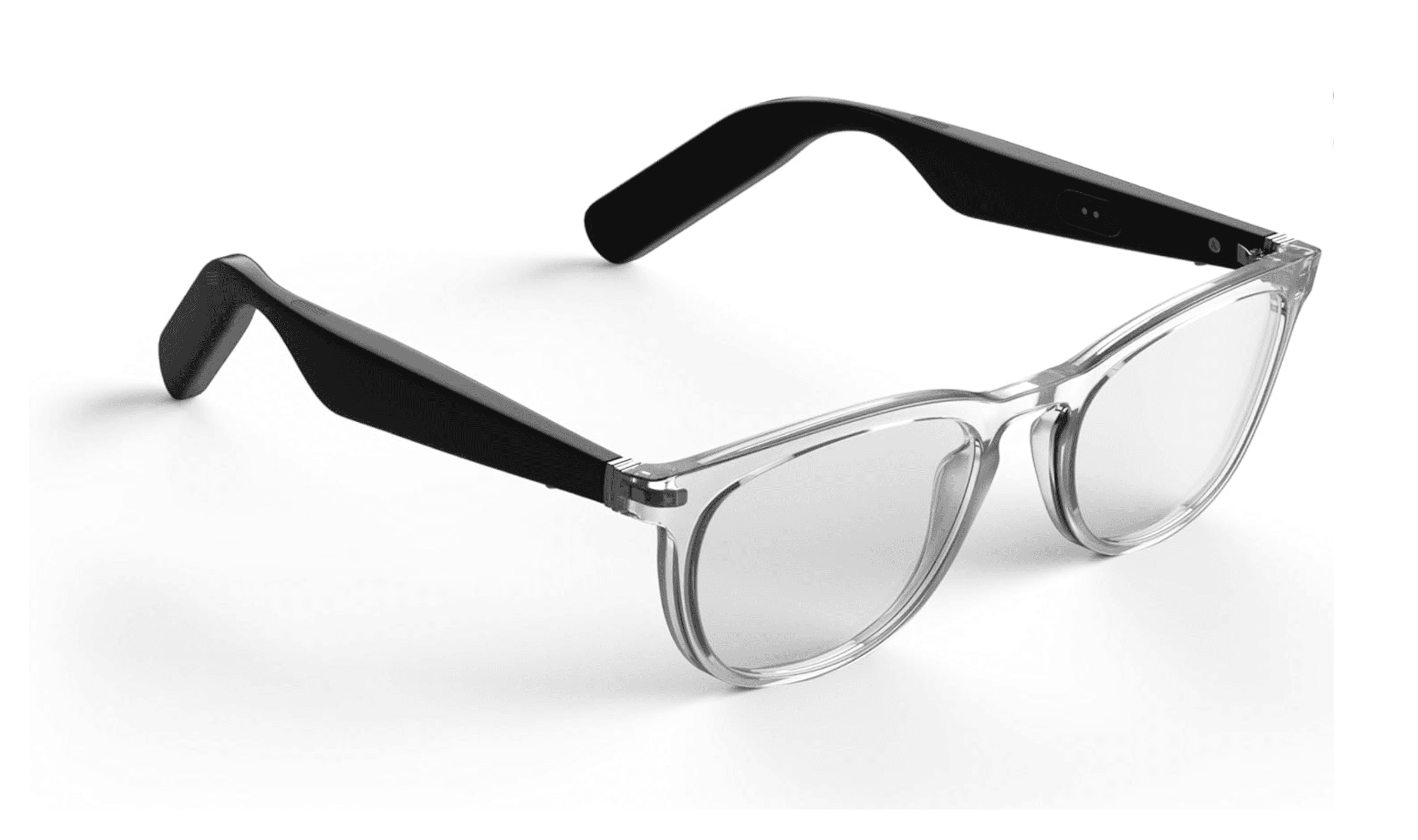
The Lucyd Lyte Moonbeam does one thing better than any other audio glasses on this list: it disappears into your daily routine. No cameras, no bulk, just clean audio and a frame that looks like something from a regular eyewear store.
Price: Check Price on Amazon
Key highlights
- Camera-free design for privacy-conscious users
- Quadraphonic open-ear speakers with all-day audio clarity
- Up to 12 hours of battery life
- Dual noise-canceling microphones for call clarity
- Photochromic lenses with UV400 protection
- Voice assistant support: Siri, Google Assistant, and ChatGPT
- Available with prescription lenses
Pros
- Looks like regular glasses, no one knows they're smart
- Impressive audio quality for the open-ear category
- Full-day battery that lives up to its claim
- Clear mic performance even in moderately noisy environments
- Privacy-first: no camera, no social awkwardness
- Prescription lens option available directly from Lucyd
Cons
- Audio audible to nearby people at higher volumes
Occasional Bluetooth disconnects
No charging case, uses magnetic cable
Lucyd app limited in customization
Who it is for: Professionals who take calls throughout the day, podcast and music listeners who need to stay aware of their surroundings, and anyone who wants smart glasses that don't announce themselves.
Skip if
You need a camera for photos or video, want Meta AI integration, or require maximum audio privacy in crowded spaces.
Oakley Meta Vanguard - Best for sports
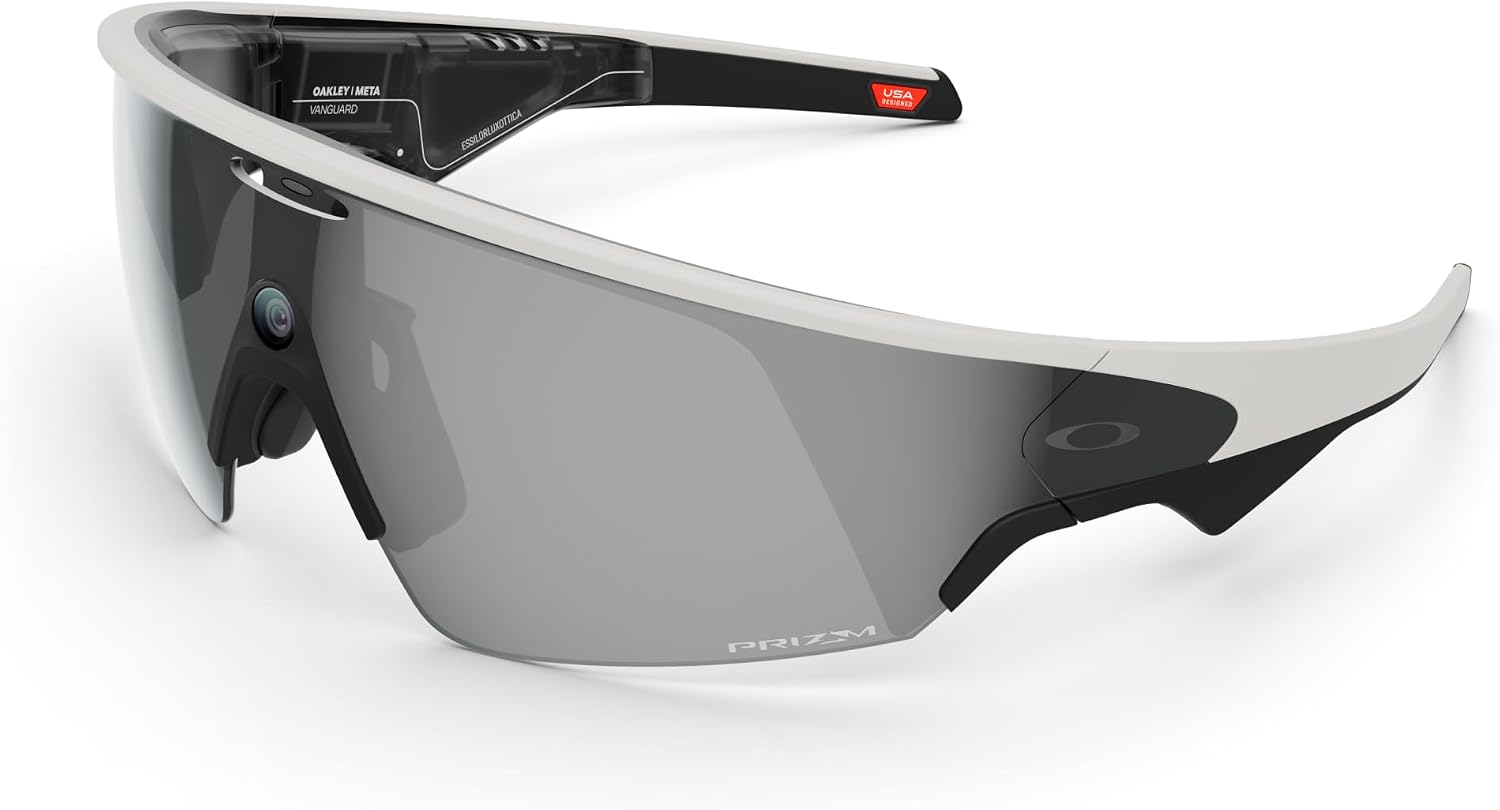
Oakley Meta Vanguard combines open-ear music and calls with a wraparound sports frame, grippy temple tips, and interchangeable nose pads. It also includes a camera for hands-free recording.
Key highlights
- Open-ear Bluetooth audio for music and calls
- Wraparound frame with interchangeable nose pads
- IP67 dust and water resistance
- Up to 6 hours of continuous audio or 9 hours of typical mixed use
- Charging case provides up to 36 additional hours
- 12MP camera with 3K video recording
Pros
- Grippy temple tips help keep the frame secure
- Open-ear speakers leave your ears uncovered
- Dust and water resistance for outdoor workouts
- Included charging case for recharging on the go
Cons
- Requires a compatible smartphone, Meta account, and Meta AI app
- Continuous audio is rated for up to 6 hours per charge
- USB-C charging cable is not included
Who it is for: Runners and cyclists who want open-ear music, calls, and hands-free video in a sports frame.
Skip if
You want camera-free glasses, prefer not to use a Meta account, or need more than 6 hours of continuous audio without recharging.
Nuance Audio Glasses - Best for hearing assistance
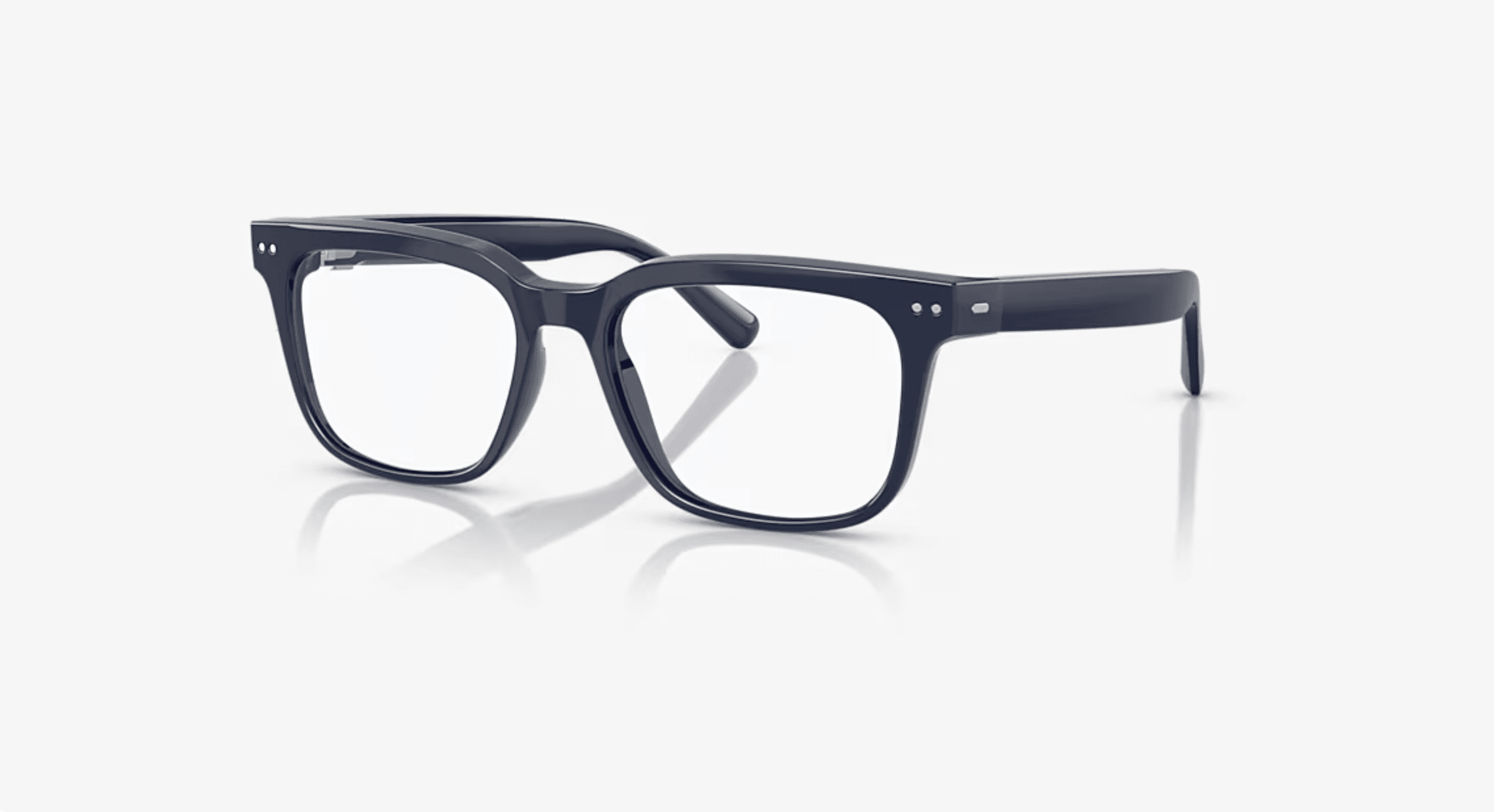
Nuance Audio Glasses are an FDA-cleared over-the-counter hearing solution from EssilorLuxottica that hide directional microphones and open-ear speakers in the temples, amplifying the voices around you with nothing inside your ears.
Key highlights
- FDA-cleared OTC hearing aid for perceived mild-to-moderate hearing loss
- Open-ear speakers and directional microphones built into the temples
- Four preset hearing programs (A-D) plus Frontal and All-Around modes
- App-based volume, noise reduction, and program customization
- Up to 8 hours of battery life per charge
- Available with prescription or photochromic lenses
Pros
- Invisible hearing help in normal-looking glasses
- Directional microphones boost the voices in front of you
- Open-ear design keeps you aware of your surroundings
- Can be fitted with prescription or photochromic lenses
Cons
- No Bluetooth streaming for music or phone calls
- Up to 8 hours per charge may not cover a full waking day
- Frames start at $699 before prescription lens options
- Best for milder hearing loss, not severe loss
Who it is for: Adults aged 18 and older with perceived mild-to-moderate hearing loss who want discreet, over-the-counter hearing help built into everyday glasses.
Skip if
You have severe hearing loss requiring a fitted prescription hearing aid, or you mainly want Bluetooth music and call streaming.
How to Choose
Consider these factors when selecting audio glasses:
Audio quality needs: Determine if you need glasses primarily for calls, music, or hearing assistance. Music-focused users should prioritize sound quality and bass response, while call-focused users need clear microphones and minimal background noise pickup.
Comfort and fit: Since you'll wear these for extended periods, comfort is crucial. Consider weight, temple pressure, and how well they fit with your head shape. Sports models offer more secure fits, while fashion models prioritize style.
Battery life requirements: Audio-only glasses typically last longer than display-equipped models. Consider your daily usage patterns and whether you need all-day battery or can manage with shorter intervals between charges.
Additional features: Decide which features matter most: camera capabilities, AI assistants, AR displays, hearing assistance, or sports-specific functions. More features usually mean higher cost and shorter battery life.
Style preferences: Audio glasses should fit your personal style since you'll wear them publicly. Choose between fashion-forward designs, sporty looks, or discreet models that don't draw attention.
FAQ
Can audio glasses replace regular headphones?
Audio glasses work well for calls and casual listening but can't match the sound quality or noise isolation of dedicated headphones. They're best for situations where you need to maintain environmental awareness.
How noticeable is sound leakage with audio glasses?
Sound leakage varies by model. Some glasses minimize leakage well, while others allow nearby people to hear your audio at higher volumes. This is an important consideration for office or public use.
Do audio glasses work with prescription lenses?
Many models offer prescription lens options or partner with optical providers. Hearing-focused models like Nuance are specifically designed for prescription integration.
How long do audio glasses batteries typically last?
For these picks, Oakley rates Vanguard for up to 6 hours of continuous audio, Lucyd advertises up to 12 hours for Moonbeam, and Nuance lists up to 8 hours. Charging-case capacity is separate from the glasses' runtime per charge.
Are bone conduction glasses better than speaker-based models?
Bone conduction glasses transmit sound through your cheekbones, keeping your ears completely open. They're ideal for safety but generally offer lower audio quality than speaker-based models.
Published February 21, 2026 Last updated September 5, 2026
Share this article
More in News
Best Translation Earbuds for 2026
The best translation earbuds for 2026, from the iFLYTEK AI buds for travel to budget ANFIER M3 and AirPods Pro 3 Live Translation, tested for accuracy and battery.
5 min read
9 Best Wireless Earbuds for 2026
Apple AirPods Pro 3 lead our 2026 picks. See the best wireless earbuds for Android, noise cancellation, and value in our top 9 tested roundup.
5 min read
Best Speakers for Vinyl Record Players in 2026
The Klipsch R-51PM tops our list of the best speakers for vinyl record players, offering a built-in phono preamp and dynamic sound. We tested powered and passive options for every budget and space.
3 min read
Best Earbuds for Running in 2026
The Beats Powerbeats Pro 2 top our list of the 4 best running earbuds for 2026, with secure earhooks, ANC, and heart rate tracking for any runner.
4 min read
Best Wireless Earbuds Under $100 for 2026
5 min read
9 Best Bookshelf Speakers for 2026
4 min read
6 Portable Printers We Recommend in 2026
3 min read
8 Best Budget Gaming Laptops for 2026
5 min read
10 Best Mechanical Keyboards to Buy in 2026
3 min read
The 7 Best Laptops for High School Students of 2026
5 min read
8 Best Laptops for Home Use in 2026
4 min read
6 Best E-Book Readers for Reading and Notes in 2026
3 min read