An 85-inch TV fills a wall, so the specs that matter on paper matter even more here: how bright the backlight can get, how finely it dims, how many HDMI ports run at full speed, and whether the screen fights reflections. Every pick on this list is a Mini-LED model, which suits large living rooms that see daylight as well as movie nights.
Technobezz is supported by its audience. We may get a commission from retail offers.
6 Best 85-Inch TVs in 2026
Our pick of the best 85-inch TVs in 2026, led by the TCL QM8L for its Mini-LED panel and four 4K 144Hz HDMI ports, plus options from Samsung and Hisense.
T
Technobezz
Editorial Team
Updated November 8, 2026Nov 8, 2026
•13 min read

Get Deals Like These in Your Inbox
The best prices, straight to your inbox.
Add Technobezz on Google:Preferred SourceGoogle Discover
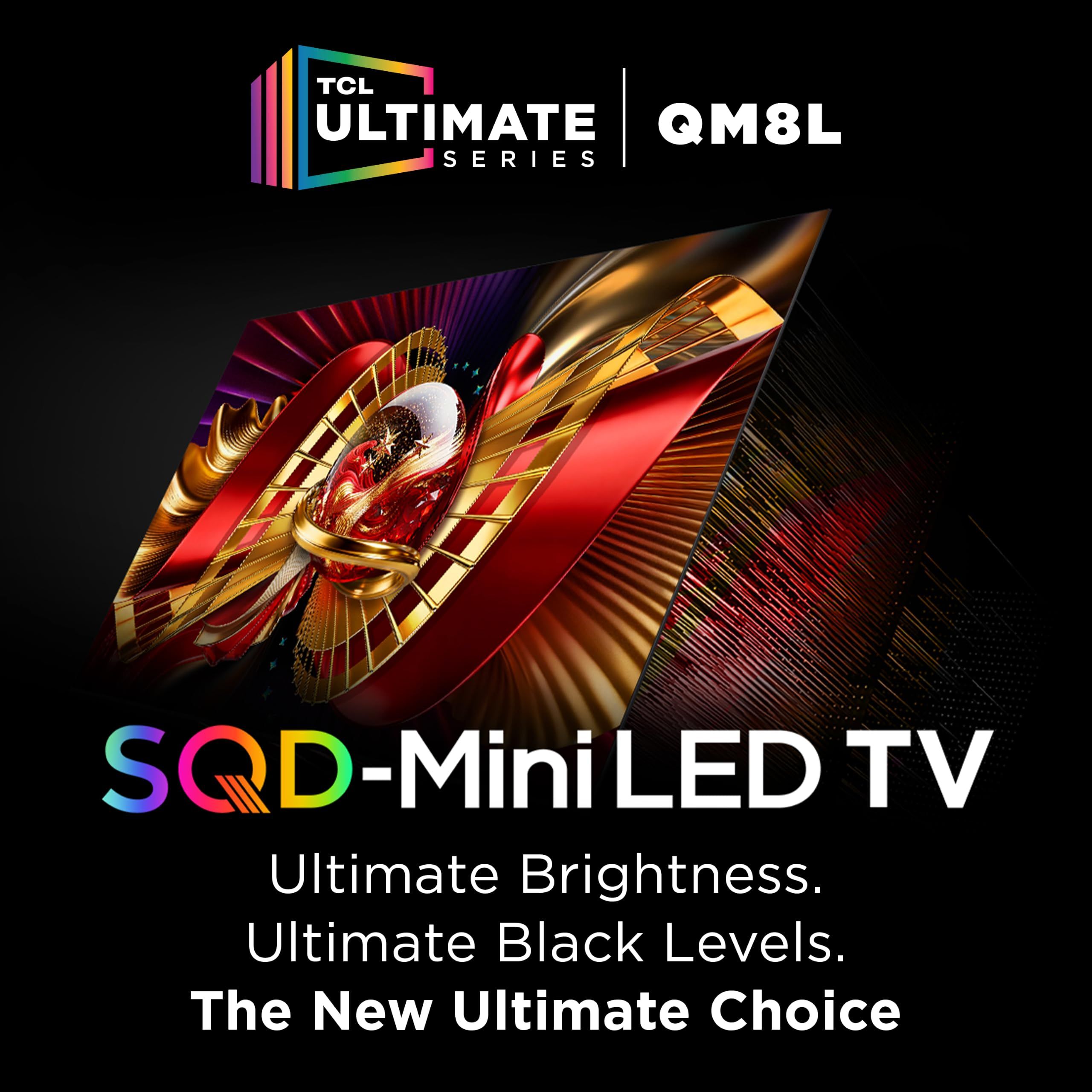
The TCL QM8L 85-inch is the best overall pick. TCL lists all four of its HDMI 2.1 inputs at 4K@144Hz, gives it a native 144Hz panel, and supports Dolby Vision IQ, HDR10, HDR10+ and HLG. It is the most balanced choice here for households that stream, watch sports and game on one big screen.
The rest of the list covers clearer use cases: a premium home theater step up, a lower-specified TCL with two full-speed HDMI inputs, a mainstream Samsung Neo QLED, an art-focused design with a glare-free screen, and a Fire TV pick.
At a Glance
| Category | Product | Why We Picked It |
|---|---|---|
| Best overall | TCL QM8L 85-inch | Four HDMI 2.1 inputs at 4K@144Hz and broad HDR support |
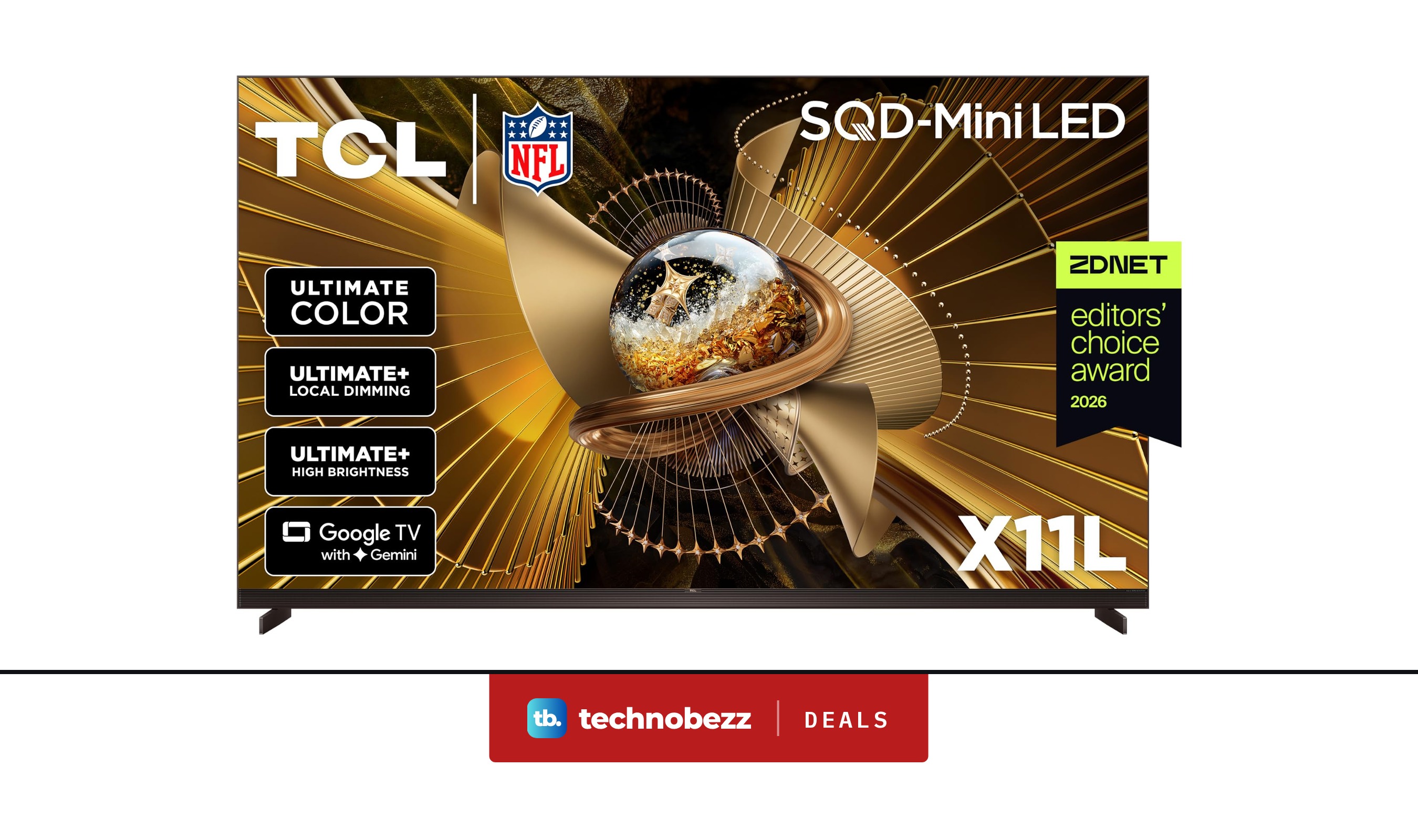
| Best premium home theater | TCL X11L 85-inch | TCL's highest series brightness and dimming zone figures |
| Best for two high-refresh devices | TCL QM7L 85-inch | Native 144Hz, Dolby Vision IQ and two 4K@144Hz HDMI inputs |
| Best Samsung Neo QLED | Samsung Neo QLED QN80H 85-inch | Up to 7 years of Tizen OS upgrades and Quantum Mini LED |
| Best for art and design | Samsung The Frame Pro 85-inch | Glare-free matte screen, Art Mode and an included wall mount |
| Best for Fire TV homes | Hisense E7 85-inch | Fire TV with Alexa+, native 144Hz and Dolby Vision IQ |
How we chose
We compared the published specifications on each maker's US product or spec page for 85-inch models. We then checked that each pick is sold new on Amazon. Each pick is matched to the kind of buyer its specifications suit best.
The best 85-inch TVs right now
TCL QM8L 85-inch - Best overall
The TCL QM8L 85-inch is the most complete all-rounder in this group. It uses a WHVA 2.0 Ultra panel with a native 144Hz refresh rate, and TCL lists all four HDMI 2.1 inputs at 4K@144Hz, so a console, a gaming PC and a streaming box can each have a full-speed port.
TCL quotes the QM8L series at up to 6,000 nits of peak brightness and up to 4,000+ local dimming zones. Both are published series maximums that vary by screen size, so the 85-inch figures may differ. HDR support covers Dolby Vision IQ, HDR10, HDR10+ and HLG, audio is by Bang & Olufsen, and Google TV runs the apps.
Key highlights
- 85-inch size in a 65, 75, 85 and 98-inch range
- WHVA 2.0 Ultra panel with native 144Hz refresh rate
- Four HDMI 2.1 inputs at 4K@144Hz
- Up to 6,000 nits peak brightness (series maximum, varies by size)
- Up to 4,000+ local dimming zones (series maximum, varies by size)
- Dolby Vision IQ, HDR10, HDR10+ and HLG
Pros
- Every HDMI input runs at 4K@144Hz, unlike the QM7L
- Supports both Dolby Vision IQ and HDR10+
- Higher series brightness and zone figures than the QM7L
- Google TV and Bang & Olufsen audio round out the package
Cons
- Brightness and dimming figures are series maximums, not confirmed for the 85-inch size
- Lower series brightness and far fewer dimming zones than the X11L
- TCL's comparison page does not state the screen finish or any anti-glare treatment
Who it is for: Buyers who want one 85-inch TV for movies, sports and gaming, with several high-speed devices connected at once.
Skip if
You want TCL's top brightness and dimming figures, which point to the X11L, or you only need two full-speed HDMI ports, where the QM7L fits.
TCL X11L 85-inch - Best premium home theater
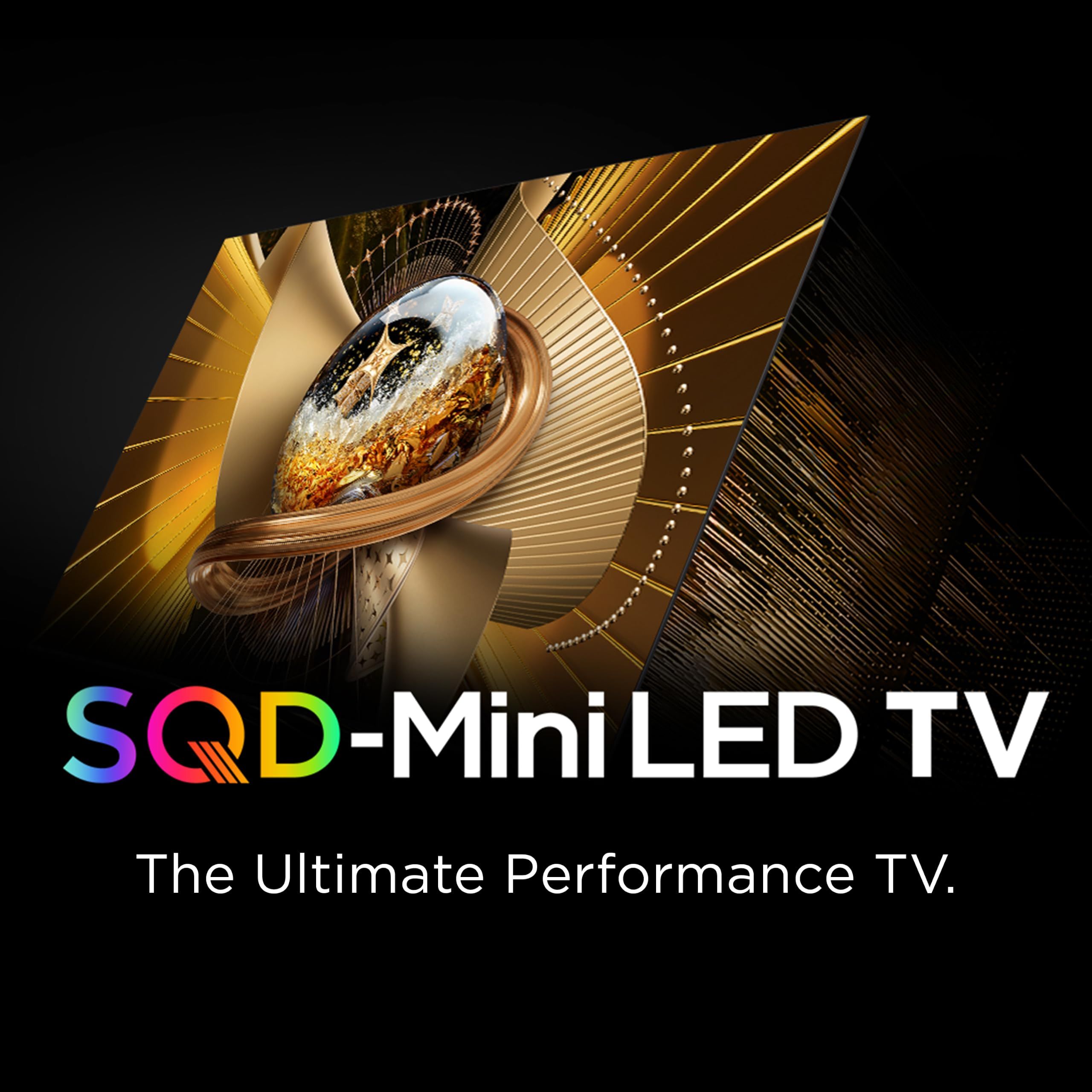
TCL describes the X11L as its most advanced L Series picture for a large home theater, and the spec sheet backs that position. The series is rated at up to 10,000 nits of peak brightness and up to 20,736 local dimming zones, both published series maximums that vary by size.
The rest of the core spec matches the QM8L: a WHVA 2.0 Ultra panel, native 144Hz, four HDMI 2.1 inputs at 4K@144Hz, Dolby Vision IQ, HDR10, HDR10+ and HLG, Bang & Olufsen audio and Google TV. TCL lists the chassis at approximately 0.8 inches deep at the 85 and 98-inch sizes.
Key highlights
- 85-inch size in a 75, 85 and 98-inch range
- Up to 10,000 nits peak brightness (series maximum, varies by size)
- Up to 20,736 local dimming zones (series maximum, varies by size)
- Four HDMI 2.1 inputs at 4K@144Hz
- Approximately 0.8-inch chassis at 85 inches
- Dolby Vision IQ, HDR10, HDR10+ and HLG
Pros
- Highest series brightness and dimming zone figures on this list
- Thin chassis for a TV this size
- All four HDMI inputs run at 4K@144Hz
- Broad HDR format support
Cons
- Top of TCL's L Series, so it sits in premium territory
- Same HDMI, refresh rate and HDR support as the QM8L, so the step up is mainly brightness, dimming and design
- Brightness and zone figures are series maximums that vary by size
Who it is for: Home theater builders who want the strongest brightness and local dimming figures TCL publishes for an 85-inch screen.
Skip if
The QM8L already covers your gaming and HDR needs and you would rather not pay for the top tier.
TCL QM7L 85-inch - Best for two high-refresh devices
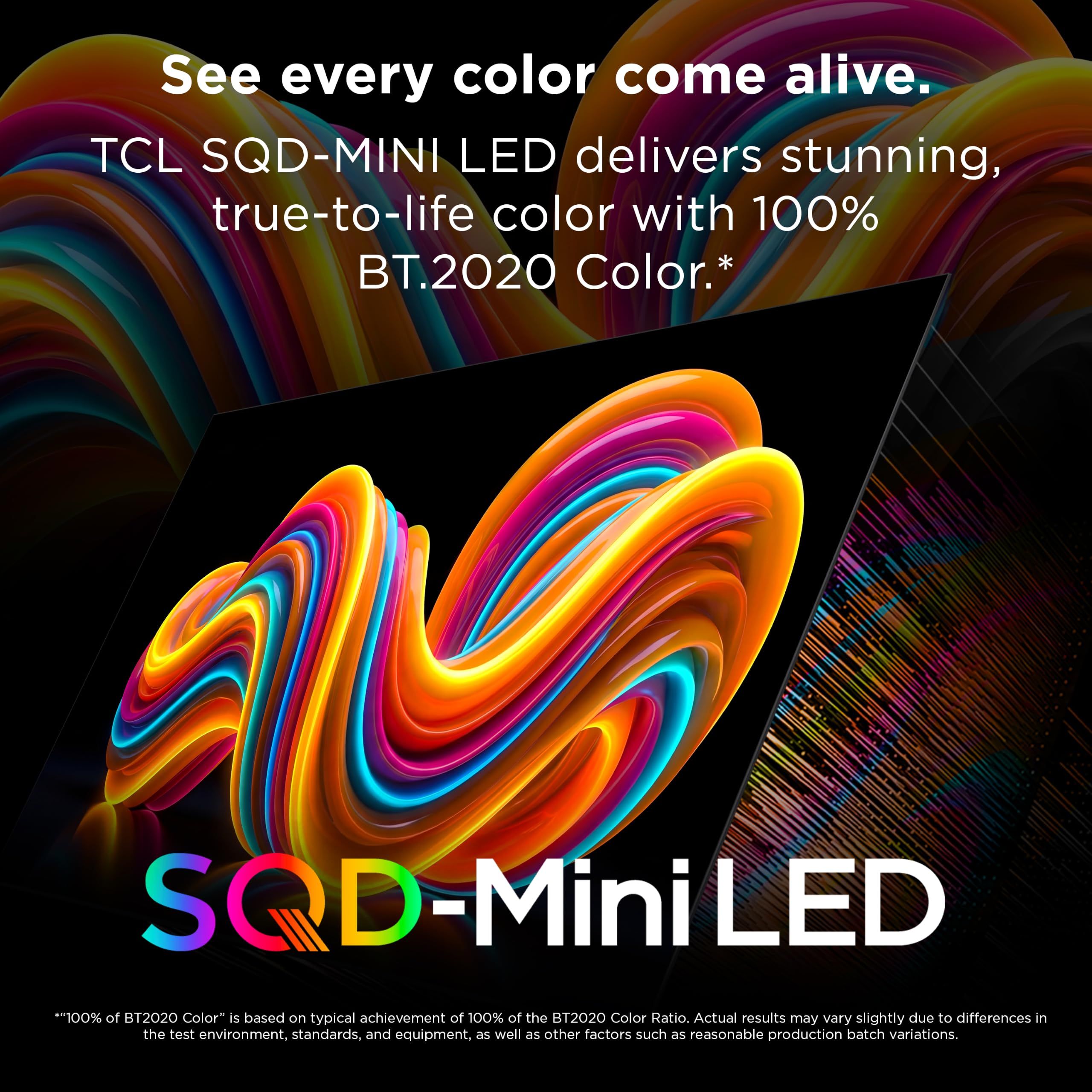
The TCL QM7L 85-inch is the lowest-specified of the three L Series models on TCL's comparison page. It keeps the native 144Hz refresh rate, Dolby Vision IQ, HDR10, HDR10+ and HLG support, Bang & Olufsen audio and Google TV found on the QM8L.
The tradeoffs are clear on the spec sheet. It uses an HVA 2.0 Pro panel, the series is rated at up to 3,000 nits and up to 2,100+ local dimming zones (series maximums that vary by size), and only HDMI inputs 1 and 2 of its four HDMI 2.1 ports run at 4K@144Hz.
Key highlights
- 85-inch size in a 55, 65, 75, 85 and 98-inch range
- HVA 2.0 Pro panel with native 144Hz refresh rate
- Four HDMI 2.1 inputs, with inputs 1 and 2 at 4K@144Hz
- Up to 3,000 nits peak brightness (series maximum, varies by size)
- Up to 2,100+ local dimming zones (series maximum, varies by size)
- Dolby Vision IQ, HDR10, HDR10+ and HLG
Pros
- Keeps native 144Hz and the full HDR format list of the higher TCL models
- Two full-speed HDMI inputs cover a console and a PC
- Bang & Olufsen audio and Google TV
- Same HDR format list as the QM8L and X11L on a lower-specified panel
Cons
- Only two of the four HDMI inputs run at 4K@144Hz
- Lower series brightness and fewer dimming zones than the QM8L and X11L
- Brightness and zone figures are series maximums that vary by size
Who it is for: Buyers who want a large Mini-LED TV with modern HDR and gaming support without moving up to TCL's higher tiers.
Skip if
You plan to connect more than two high-refresh devices, where the QM8L's four full-speed inputs make more sense.
Samsung Neo QLED QN80H 85-inch - Best Samsung Neo QLED
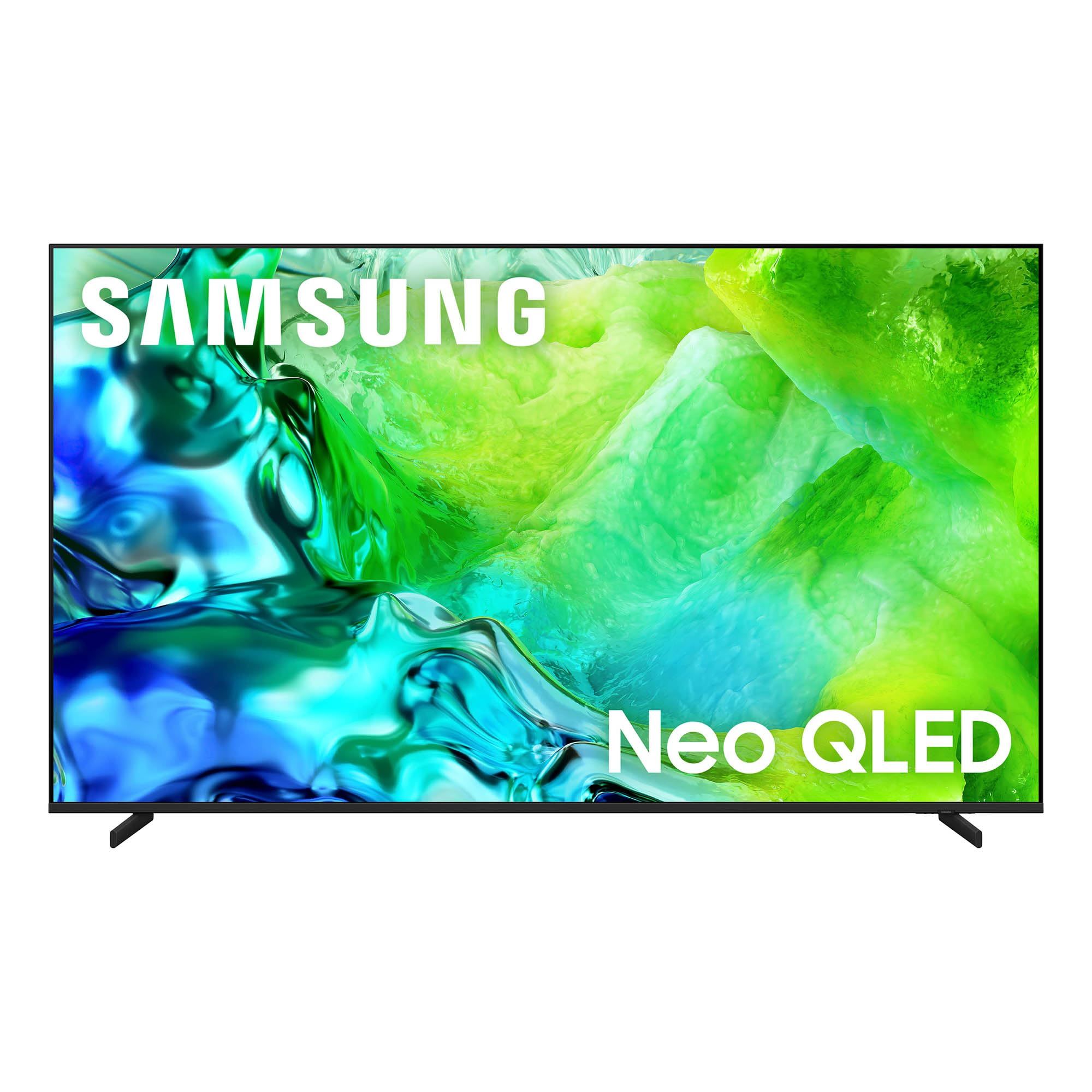
The Samsung Neo QLED QN80H 85-inch is the mainstream Samsung pick, with a long software promise. It runs One UI Tizen, and Samsung says Tizen OS upgrades will be supported for up to 7 years, which matters on a TV this size that is likely to stay on the wall for a long time.
The panel uses Quantum Mini LED Full Array backlighting driven by the NQ4 AI Gen2 Processor, with AI upscaling to 4K and Auto HDR Remastering to give SDR content an HDR-like look. Motion Xcelerator 144Hz and Variable Refresh Rate support gaming, though Samsung notes that 4K 144Hz is only available with PC-connected games. Dolby Atmos handles the sound.
Key highlights
- 85-inch class Neo QLED 4K screen
- Quantum Mini LED Full Array backlight
- NQ4 AI Gen2 Processor
- Motion Xcelerator 144Hz with Variable Refresh Rate
- One UI Tizen with up to 7 years of OS upgrades
- Dolby Atmos audio
Pros
- Long promised window for OS upgrades
- Auto HDR Remastering for SDR content
- Gaming Hub and VRR for game streaming and consoles
- Mini LED full array backlight on a big screen
Cons
- 4K 144Hz is limited to PC-connected games
- Samsung's product page does not list supported HDR formats or the HDMI port count
- Auto HDR Remastering produces an HDR-like look from SDR, not true HDR
Who it is for: Samsung households that want an 85-inch Mini LED TV with a long software support window.
Skip if
You need confirmed Dolby Vision support or four full-speed HDMI ports, where the TCL QM8L is the clearer match.
Samsung The Frame Pro 85-inch - Best for art and design
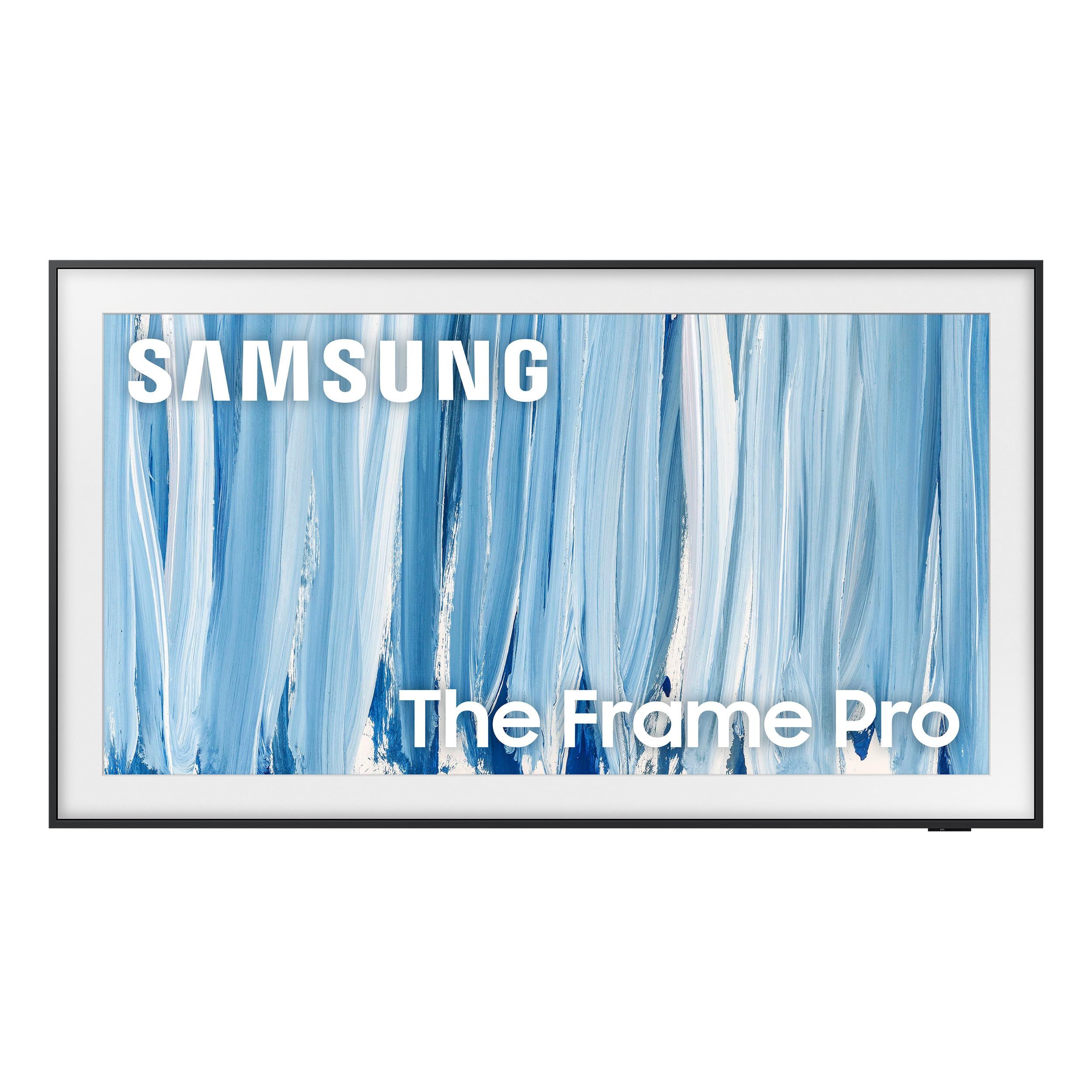
The Samsung The Frame Pro 85-inch is built to look good when it is off. Art Mode shows artwork from Samsung's Art Store with Pantone Validated ArtfulColor, a motion sensor works in Art Mode once enabled in Settings, and a Slim Fit Wall Mount is included in the box.
It is also a capable TV. Neo QLED with mini LEDs drives the picture, the NQ4 AI Gen3 Processor handles upscaling, and the glare-free matte screen is meant to cut reflections from windows and lamps. Motion Xcelerator 144Hz is standard, with DLG 240Hz for PC gaming, which Samsung says reduces image resolution, and Wireless One Connect moves the connections to a separate hub.
Key highlights
- 85-inch class Neo QLED 4K screen with mini LEDs
- Glare-free matte screen
- NQ4 AI Gen3 Processor
- Motion Xcelerator 144Hz, DLG 240Hz with PC gaming
- Wireless One Connect hub
- Slim Fit Wall Mount included
Pros
- Doubles as wall art in Art Mode
- Matte screen suits bright rooms
- Wireless One Connect keeps cables away from the screen
- Supersize Picture Enhancer, which Samsung limits to select 85-inch and larger models
Cons
- The full Art Store catalog needs a paid subscription
- Samsung says the wireless connection may not work through metal cabinets or walls
- The product page does not list supported HDR formats
Who it is for: Buyers who want an 85-inch TV that looks like framed art on the wall and handles a sunny room.
Skip if
The TV will sit in a dedicated home theater, where TCL's X11L or QM8L put more of their spec sheet into picture output.
Hisense E7 85-inch - Best for Fire TV homes
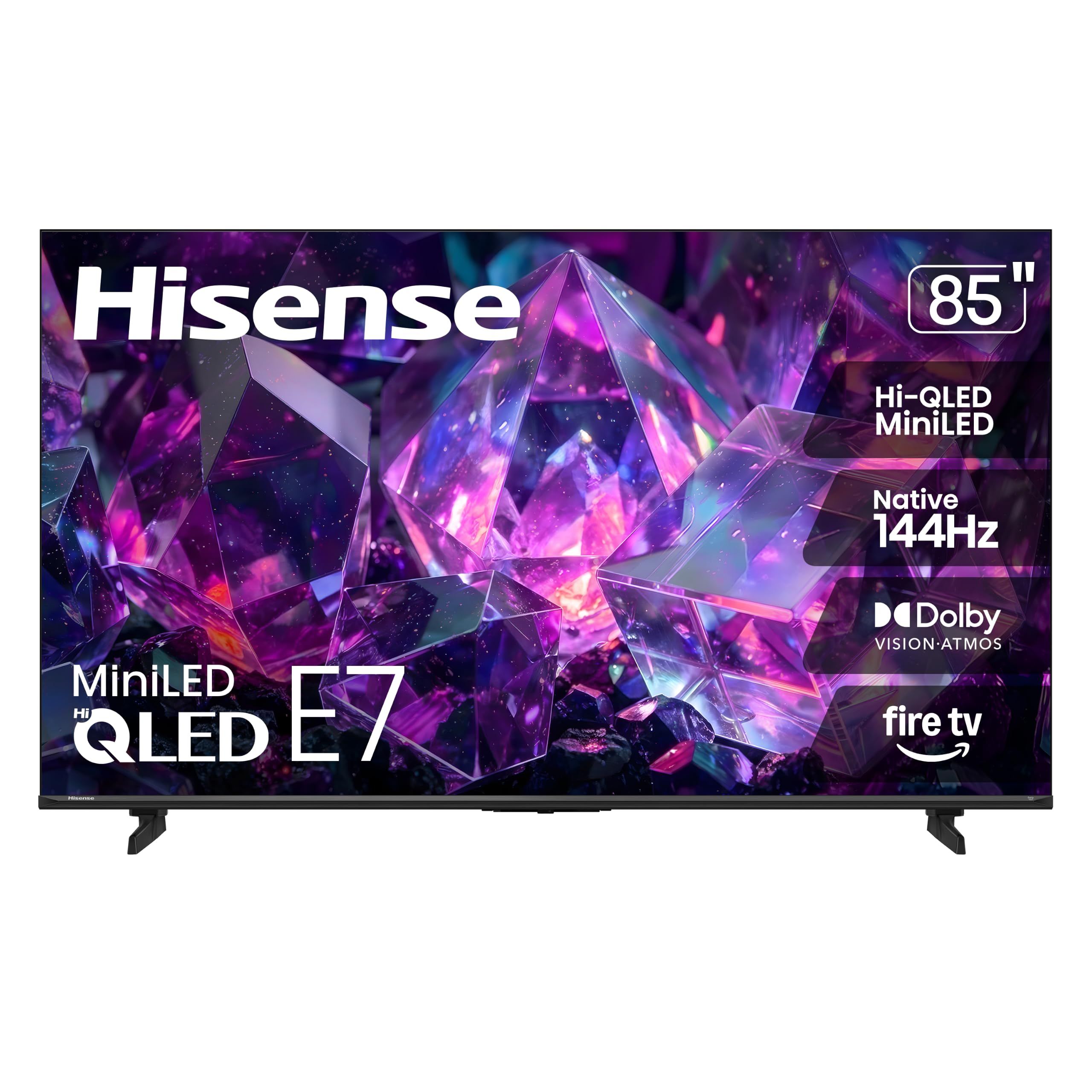
The Hisense E7 85-inch is the pick for homes already built around Amazon's ecosystem. It runs Fire TV with Alexa+, so apps and voice control live in one familiar interface without an extra streaming stick.
Picture specs are solid for the category: Mini-LED backlighting with hundreds of light zones, Hi-QLED color, a native 144Hz refresh rate, and support for Dolby Vision IQ, HDR10+ Adaptive, HDR10 and HLG. Dolby Atmos covers the audio side.
Key highlights
- 85-inch class 4K screen
- Mini-LED backlighting with hundreds of light zones
- Hi-QLED color
- Native 144Hz refresh rate
- Dolby Vision IQ, HDR10+ Adaptive, HDR10 and HLG
- Fire TV with Alexa+ and Dolby Atmos
Pros
- Supports both Dolby Vision IQ and HDR10+ Adaptive
- Native 144Hz for gaming and sports
- Fire TV with Alexa+ built in
Cons
- Hisense lists hundreds of light zones, against thousands quoted for TCL's L Series
- The product page does not list peak brightness or HDMI port details
- The product page does not mention an anti-glare screen treatment
Who it is for: Fire TV and Alexa households that want a large Mini-LED screen with wide HDR format support.
Skip if
You want the finest local dimming on paper, where TCL's QM8L and X11L list far more zones.
How to Choose
- Count the full-speed HDMI ports. All four HDMI 2.1 inputs on the TCL QM8L and X11L run at 4K@144Hz, while the QM7L limits that to inputs 1 and 2. If you connect several consoles or a PC, this matters more than the headline refresh rate.
- Read series maximums carefully. TCL publishes peak brightness and dimming zone figures as series maximums that vary by size, so the 85-inch model may not hit the top number.
- Check the high-refresh fine print. Samsung notes that 4K 144Hz on the QN80H is only available with PC-connected games, and The Frame Pro's 240Hz mode is tied to PC gaming and, per Samsung, lowers image resolution.
- Match the screen to the room. A big screen catches more window and lamp reflections. The Frame Pro's glare-free matte screen is aimed at bright rooms.
- Pick a platform you already use. These picks run Google TV, Samsung's One UI Tizen, or Fire TV with Alexa+. Staying with a familiar platform keeps logins, apps and voice assistants consistent.
FAQ
Is 144Hz useful on an 85-inch TV?
Mostly for gaming, and especially PC gaming. Samsung, for example, notes that 4K 144Hz on the QN80H only applies to PC-connected games. For TV and movies, the HDR support and backlight specs matter more.
What does "series maximum" mean on a TV spec sheet?
It is the best figure across every size in a model line. TCL marks its brightness and dimming zone numbers this way and says they vary by size, so treat them as an upper limit rather than a promise for the 85-inch model.
Which of these TVs support Dolby Vision?
TCL lists Dolby Vision IQ for the QM7L, QM8L and X11L, and Hisense lists Dolby Vision IQ for the E7. The Samsung product pages for the QN80H and The Frame Pro do not list supported HDR formats.
Do any of these TVs come with a wall mount?
Yes. Samsung includes a Slim Fit Wall Mount with The Frame Pro 85-inch. For the other picks, plan on buying a mount rated for an 85-inch TV if you want it on the wall.
Which pick gets software updates the longest?
Samsung's QN80H page says Tizen OS upgrades will be supported for up to 7 years for products released in 2026, which includes both Samsung picks here. The other makers' pages used here do not state an update period.
Published November 8, 2026 Last updated November 8, 2026
Add Technobezz on Google:Preferred SourceGoogle Discover
More on TVs
Buying guide
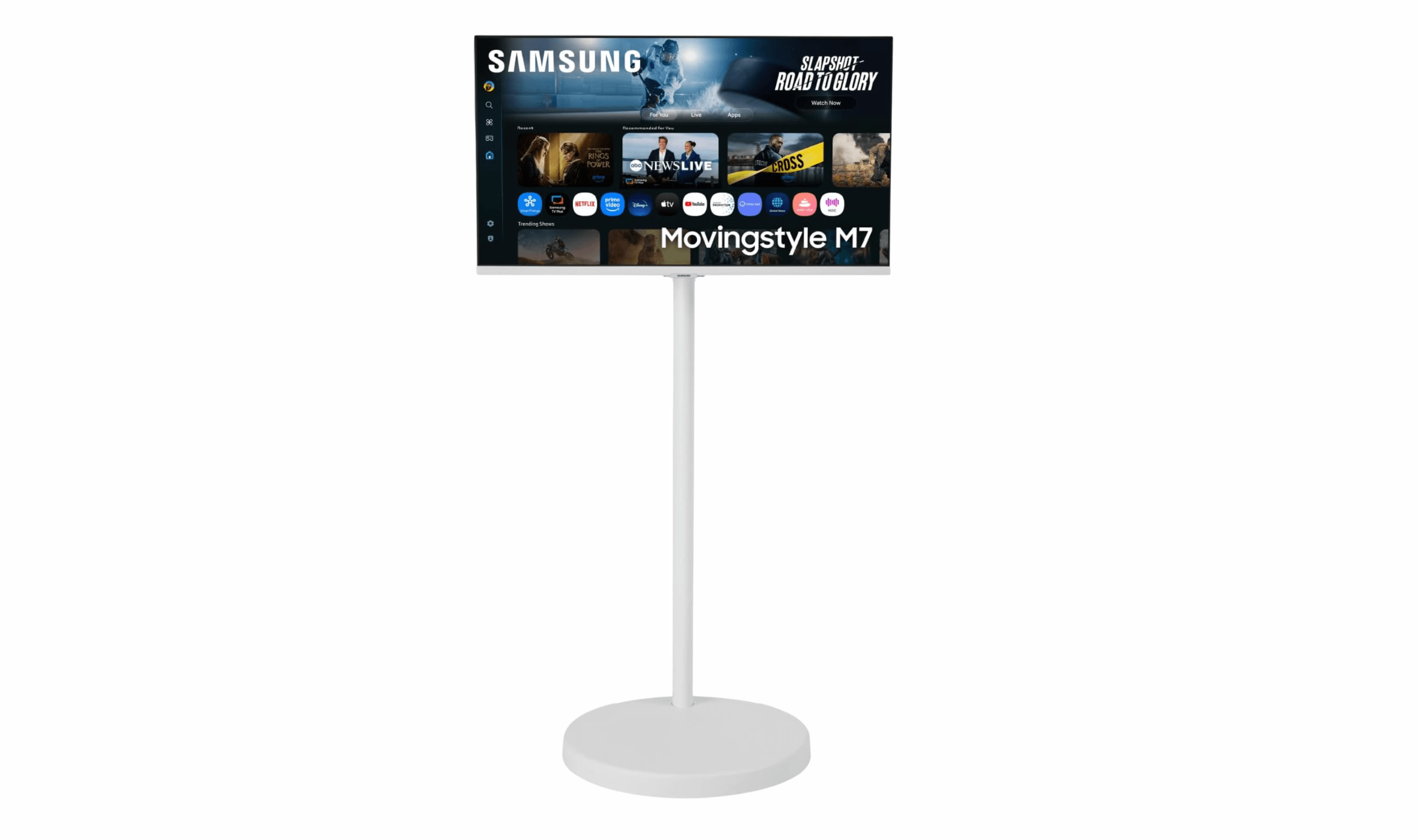
3 Best Rolling TV Monitors You Can Buy Right Now
Buying guide
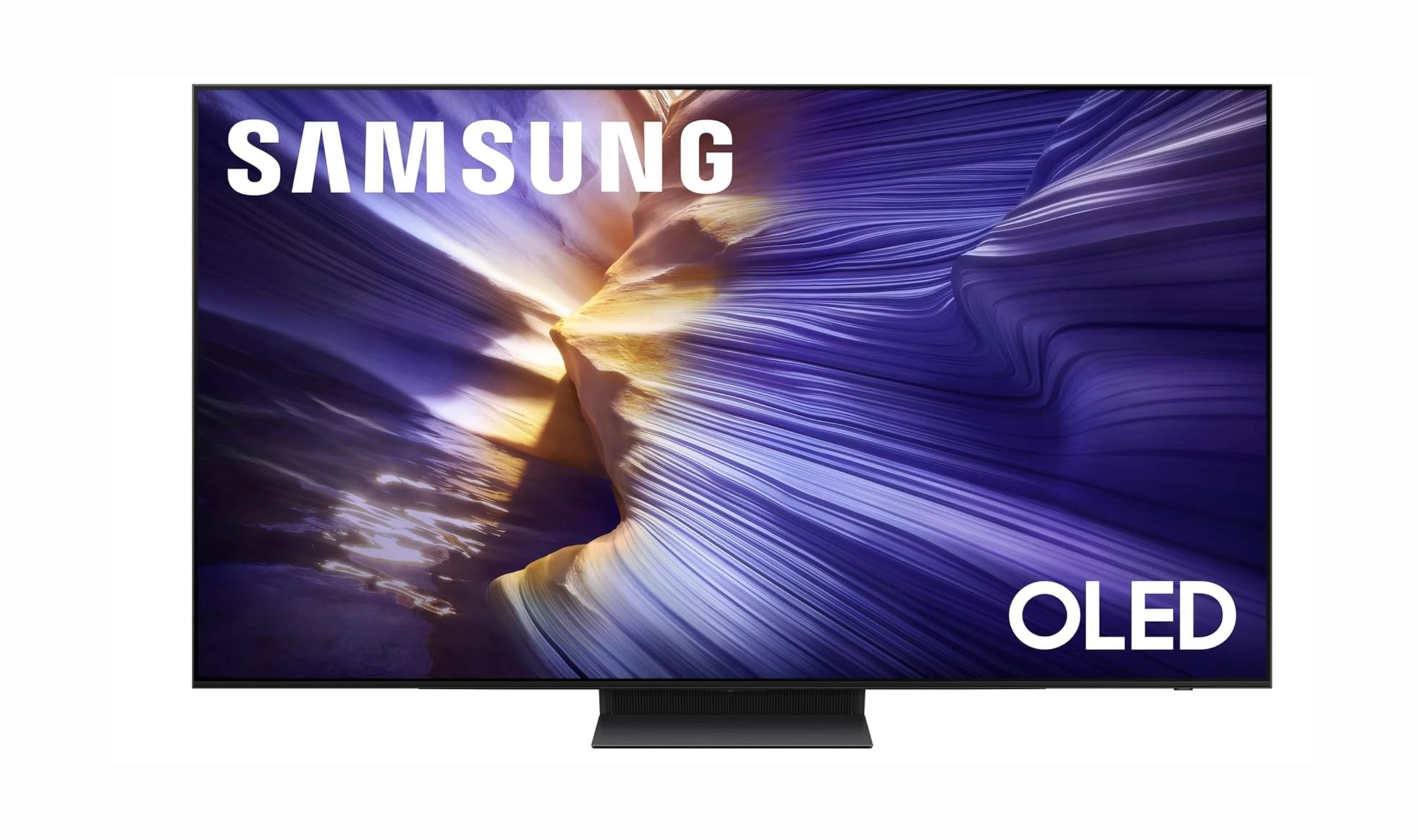
6 Best OLED TVs for 2026
Deal
TCL 85-inch X11L SQD-Mini LED 85X11L TV marked down to $3848.60
Deal
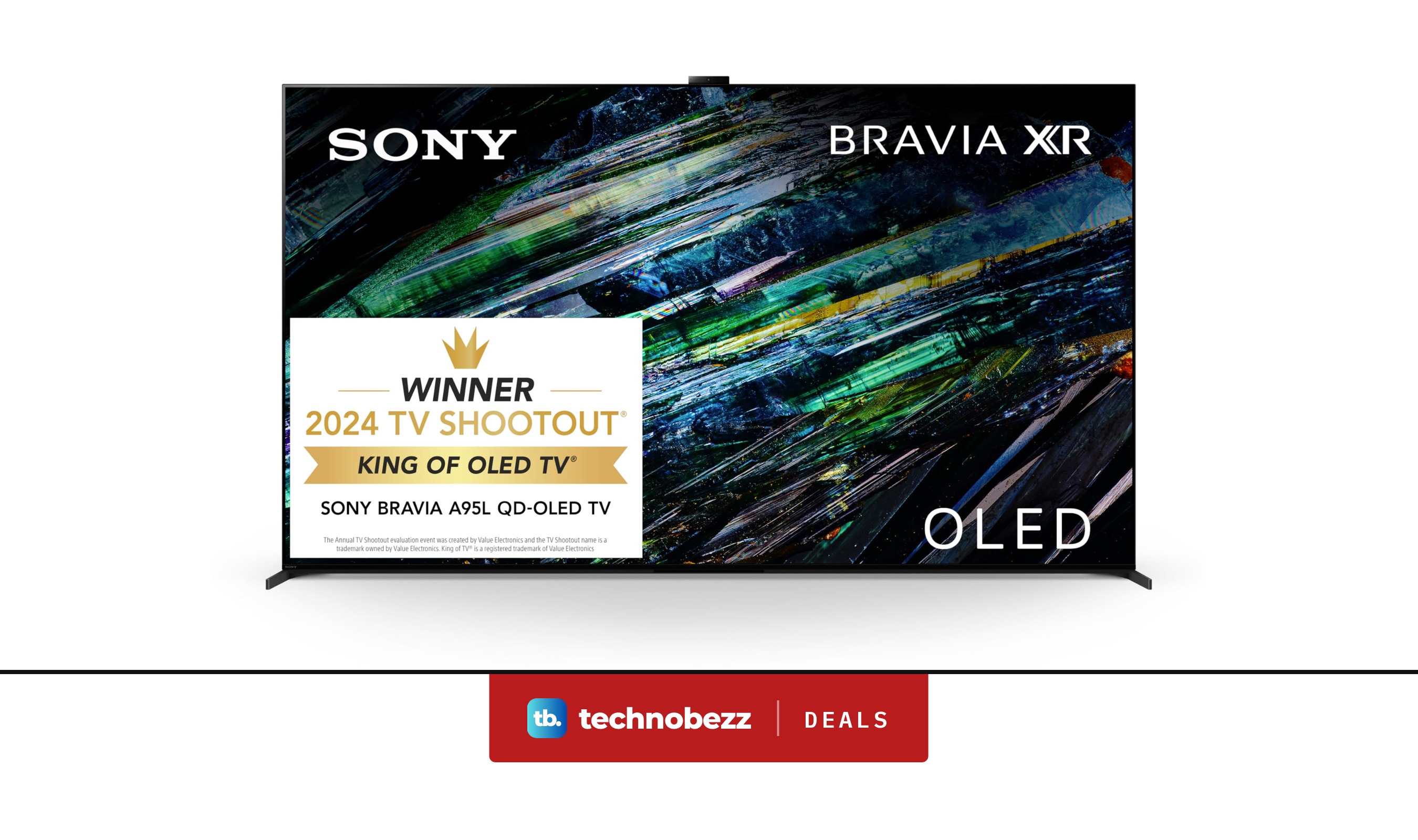
Sony QD-OLED 77-inch BRAVIA XR A95L Series TV now selling for $2498.57
More buying guides
Buying guide7 Best Samsung Phones in 2026Buying guide6 Best In-Ceiling Speakers in 2026Buying guide7 Best Headsets for Work in 2026Buying guide7 Best Tablets in 2026Buying guide4 Best Tablets for Kids in 2026Buying guide9 Best Bookshelf Speakers for 2026Buying guide8 Best Blood Pressure Monitors for Home Use in 2026Buying guide5 Best Wi-Fi Routers for 2026