Whether you are building your first stereo system or upgrading from a soundbar, a solid pair of bookshelf speakers is the smartest audio investment you can make. The Sony SS-CS5M2 delivers the best balance of natural sound, easy pairing with any amplifier, and expandability into surround sound at a price that leaves room for the rest of your setup.
Technobezz is supported by its audience. We may get a commission from retail offers.
9 Best Bookshelf Speakers for 2026
The Sony SS-CS5M2 tops our list of the best bookshelf speakers for 2026, offering natural sound and easy amplifier pairing for any setup.
T
Technobezz
Editorial Team
Updated June 16, 2026Jun 16, 2026
•10 min read

Get Deals Like These in Your Inbox
The best prices, reviewed weekly.
At a Glance
| Category | Product | Why We Picked It |
|---|---|---|
| Best overall | Sony SS-CS5M2 | Natural sound that works great for music and movies with matching center and Atmos options |
| Best value | Triangle Borea BR03 | Audiophile-grade sound under $500 per pair with surprisingly full bass |
| Best for small spaces | Dali Kupid | Compact and lively with wall-mount brackets included |
| Best powered (plug and play) | Fluance Ri71 | AMT tweeters and HDMI ARC make it a true all-in-one system |
| Best premium passive | Q Acoustics 3020c | Engineering upgrades from higher-end lines at a reasonable price |
| Also recommended | Monitor Audio Bronze 50 7G | Fast, detailed sound that grabs you |
| Also recommended | KEF LSX II | Premium wireless hi-fi with HDMI ARC |
| Also recommended | Micca MB42X G2 | Shockingly good for around a hundred bucks |
| Also recommended | Bowers and Wilkins 607 S3 | Big sound from a compact package |
How we chose
We evaluated dozens of bookshelf speakers across multiple price points and configurations, looking at both passive models (which need a separate amplifier) and powered models (which have amplification built in). Our assessment considered sound quality across different genres, build quality and cabinet construction, connectivity options, and how each pair performs in real rooms rather than ideal listening labs. We prioritize products that deliver consistent performance at their price point, with special attention to tonal balance, imaging, and bass control.
The best bookshelf speakers right now
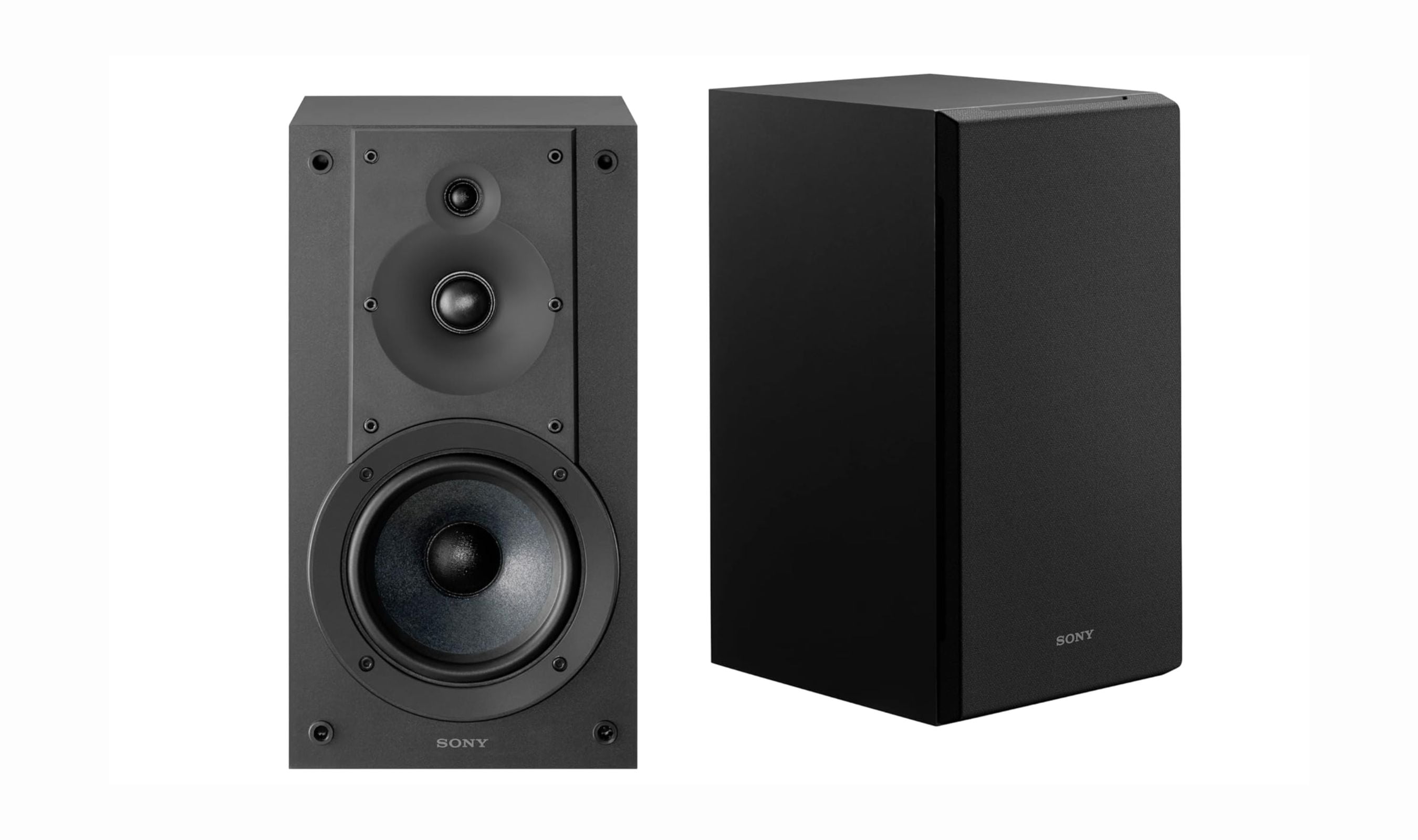
Sony SS-CS5M2 - Best overall
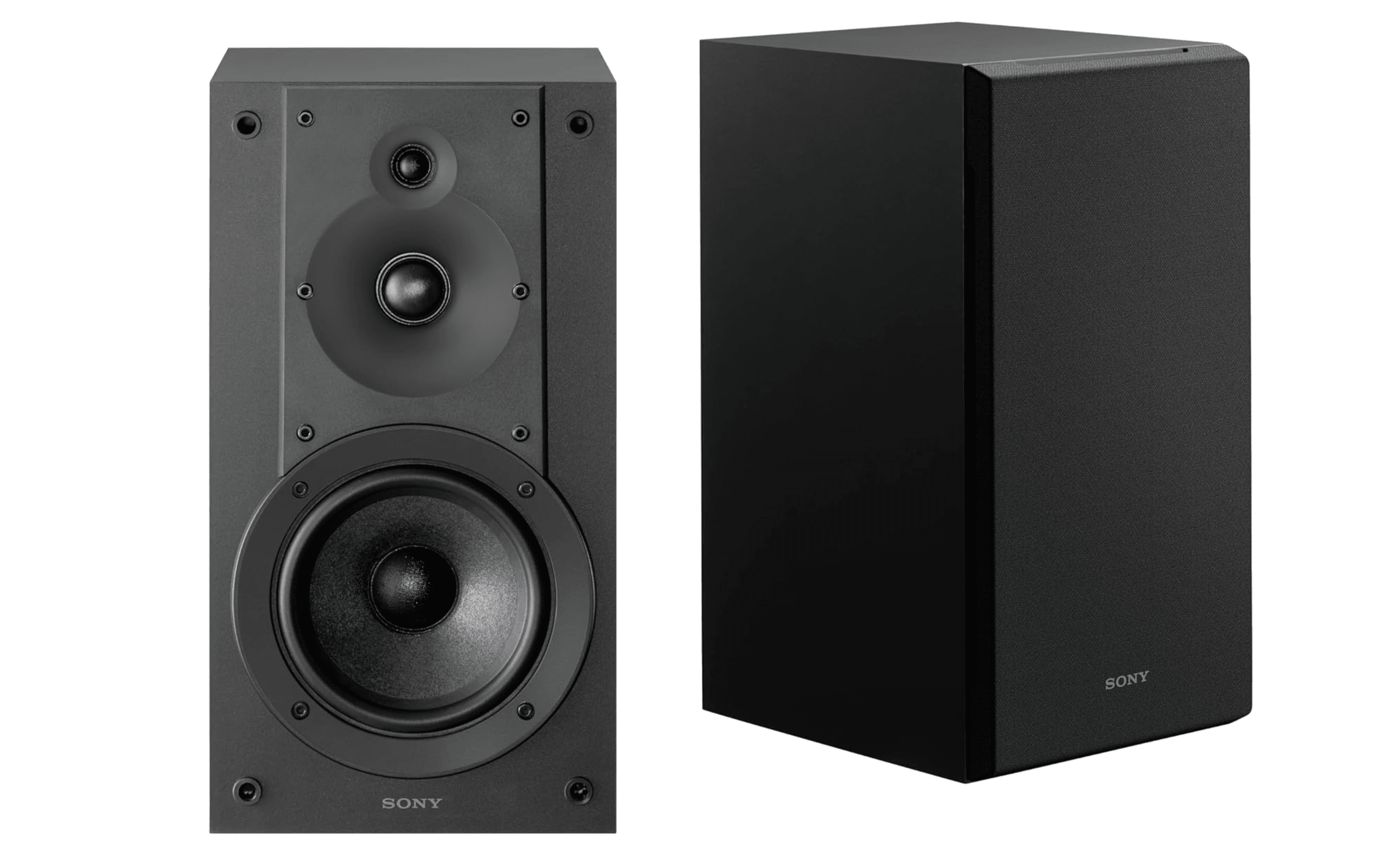
An updated version of a speaker that has been a favorite among budget-minded audio fans for over a decade. The SS-CS5M2 delivers a lively yet natural sound that works equally well for music and movies, and Sony offers matching center and Atmos-enabled speakers to build a complete surround system.
Key highlights
- Three-way design with 5.12-inch woofer, 0.98-inch soft dome tweeter, and 0.75-inch super tweeter
- Rear ported design with solid frequency response within plus or minus 3.0 decibels
- High sensitivity (87.9 dB) means it can reach loud levels with just 30 watts
- Matching SS-CS8M2 center channel and SS-CSEM2 Atmos modules available
- Binding posts accept banana plugs, spade connectors, and bare wire
Pros
- Natural, balanced sound with clear treble and present midrange for easy vocals
- Plenty of power handling for small to medium rooms
- Expandable into a full home theater system
Cons
- Generic look with matte black finish and sharp corners
- Grille attaches with grommets instead of magnets
- Small woofer means a subwoofer helps for bass-heavy content
Who it is for: Anyone building a first stereo or home theater system who wants great sound without overspending, plus the option to expand later.
Skip if
You want a more stylish speaker that looks like a piece of furniture, or you need deep bass without adding a subwoofer.
Triangle Borea BR03 - Best value
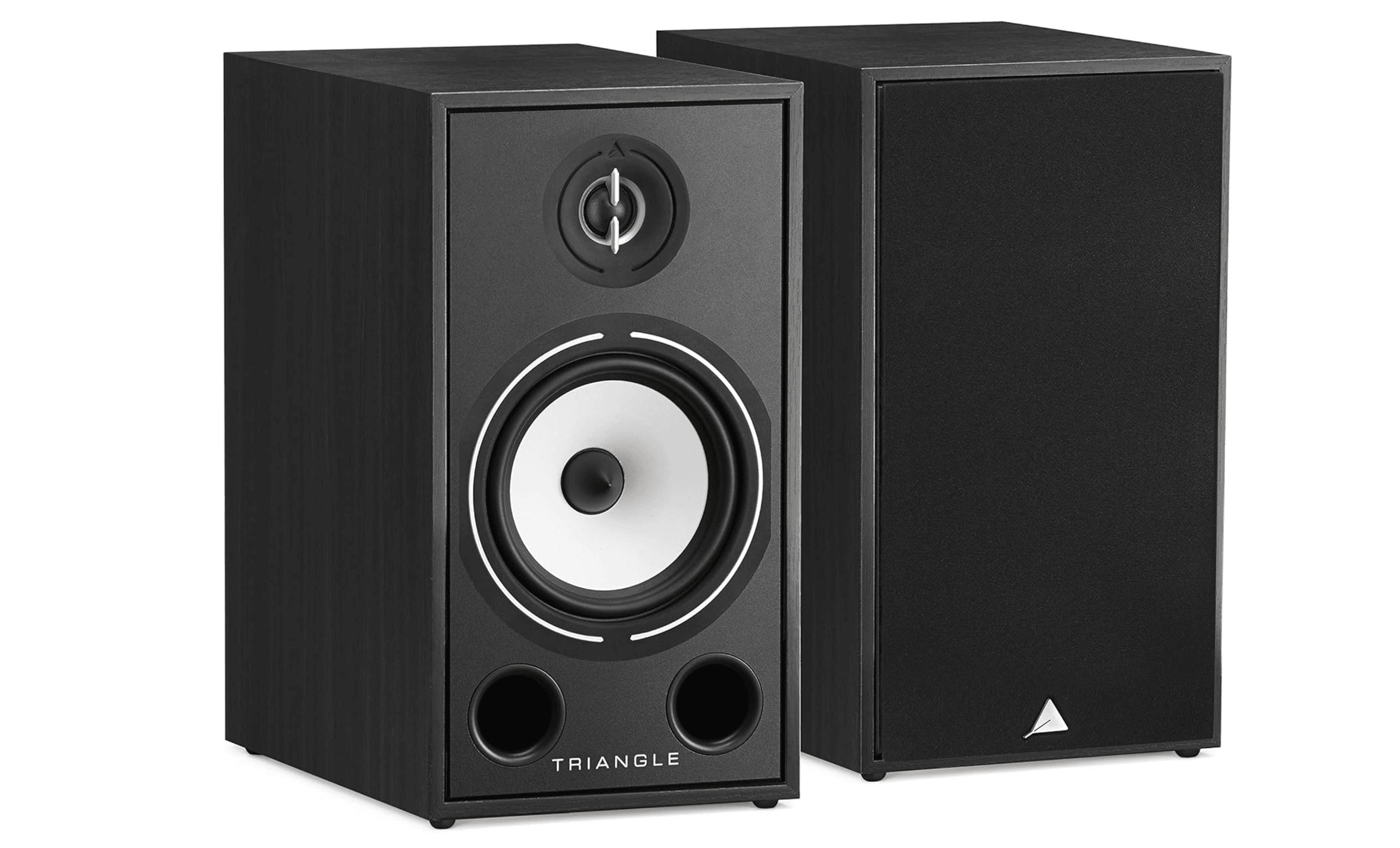
The BR03 provides the most natural, balanced sound we have heard from bookshelf speakers under $500 per pair. Every part of the audio spectrum sounds natural, and there is no real need to add a subwoofer unless you are a deep bass fanatic.
Key highlights
- Two-way design with front-firing port for flexible placement near walls
- Frequency response within plus or minus 2.5 decibels through most of the audio range
- 90 dB sensitivity works well with modest amplifiers
- Elegant design with magnetically attached fabric grille and multiple finish options
- Matching BRC1 center channel and BRA1-3D Atmos speaker available
Pros
- Smooth, natural sound with especially impressive vocal reproduction
- Open, spacious soundstage that feels bigger than the speakers
- Front port means no concerns about pushing them close to a wall
Cons
- Largest of our picks at 15 inches tall and significantly bigger by volume than competitors
- Can produce chuffing from front ports on certain bass-heavy tracks
- The larger BR04 offers better bass if you have the space and budget
Who it is for: Serious listeners who want audiophile-grade sound without spending thousands, especially those who listen to acoustic music, jazz, and vocals.
Skip if
You have very limited shelf or desk space, or you mostly listen to bass-heavy electronic music at high volumes.
Dali Kupid - Best for small spaces
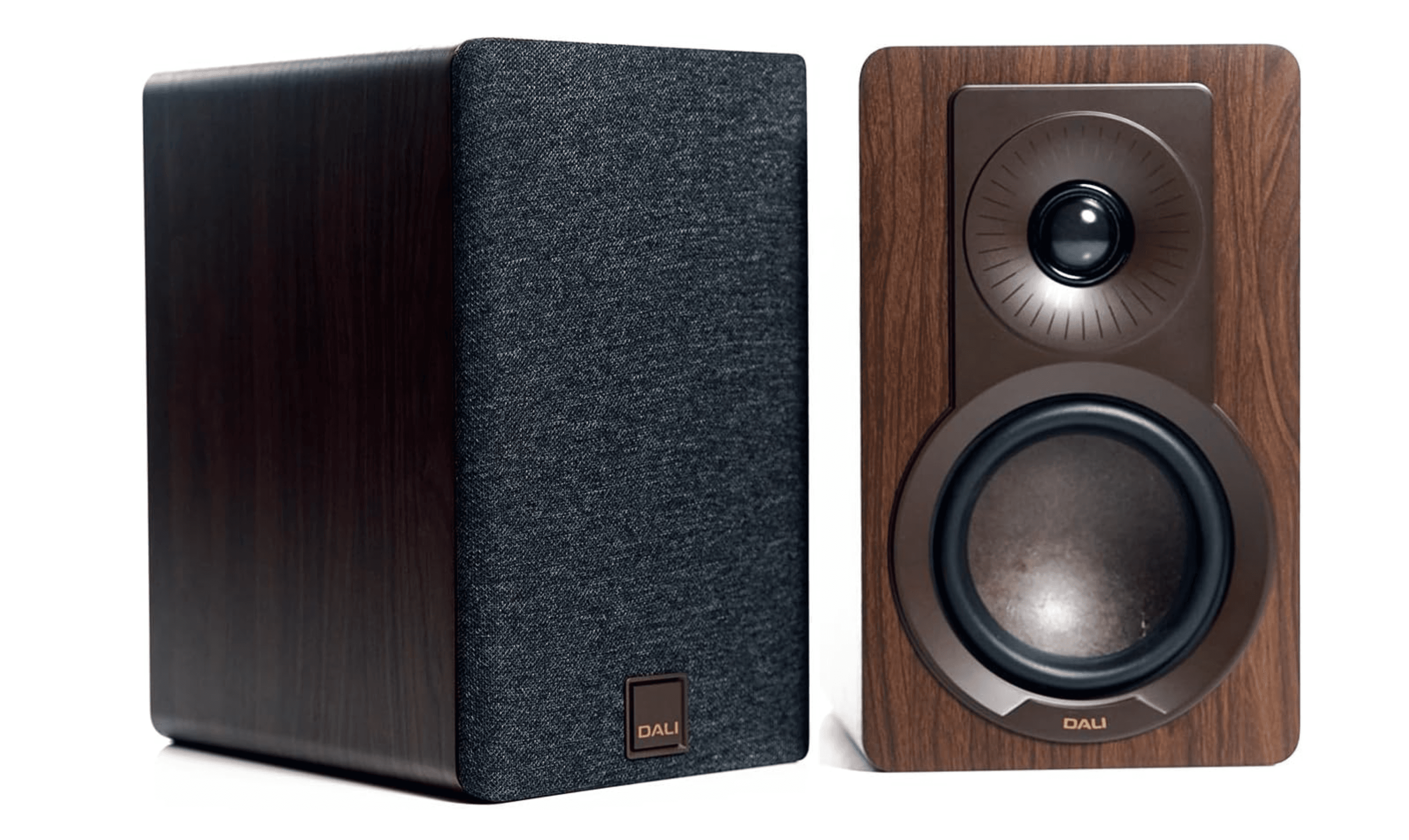
These compact speakers offer a lively, nimble presentation that is packed with enthusiasm. Their small size means they can sit on desks, cabinets, bookshelves, or TV stands, and they even include wall-mount brackets.
Key highlights
- Compact footprint at just 2.9 kg each (5.8 kg per pair) with included wall brackets and fixing screws
- 4.5-inch paper/wood-fiber midbass driver and 26mm soft dome tweeter
- Dual-flare port tuned for controlled bass down to 63 Hz
- Five color options including textured magnetic grilles
- 83 dB sensitivity, so they appreciate quality amplification
Pros
- Energetic, engaging sound with excellent rhythm and timing
- Very placement flexible: shelf, stand, desk, or wall mounted
- Great midrange clarity for vocals and acoustic instruments
Cons
- Low sensitivity means they need a decent amplifier to shine
- Bass is limited compared to larger speakers
- Build quality feels more budget than premium despite the sound
Who it is for: Listeners with limited space who want a fun, engaging sound from a speaker that fits almost anywhere.
Skip if
You want deep bass without a subwoofer, or you have a large room that needs more power and presence.
Fluance Ri71 - Best powered (plug and play)
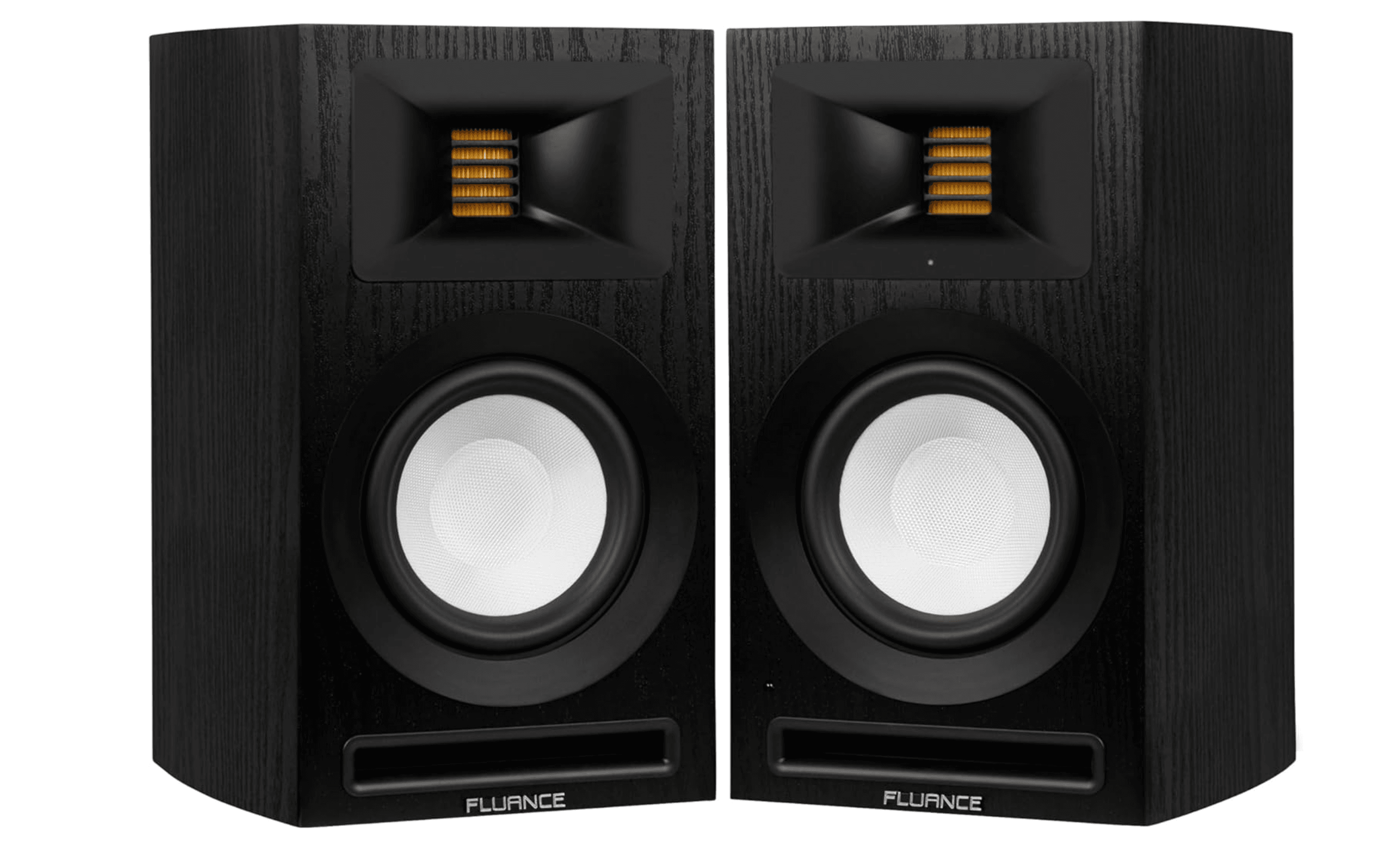
With AMT tweeters that deliver crisp, airy highs and woven glass fiber drivers for warm mids, the Ri71 is a true all-in-one system that does not need a receiver. HDMI ARC makes it just as viable for TV sound as for vinyl and streaming.
Key highlights
- AMT (Air Motion Transformer) tweeters for detailed high-frequency reproduction
- Woven glass fiber drivers with front-facing bass ports
- HDMI ARC, Bluetooth 5.0 with aptX HD, and RCA inputs
- Rear-panel EQ knobs to tune for your room
- 120-watt built-in amplification
Pros
- Full, warm sound that punches above its price point
- Easy setup with no separate amplifier needed
- HDMI ARC connects directly to your TV for remote control
Cons
- No built-in phono stage, so you need a turntable with a built-in preamp
- Bass can get a little muddy at very high volumes
- Larger than some powered competitors
Who it is for: Anyone who wants great sound without the complexity of a separate amplifier and receiver, especially if you want one system for both TV and music.
Skip if
You already own a good amplifier and prefer passive speakers, or you need the absolute smallest footprint possible.
Q Acoustics 3020c - Best premium passive
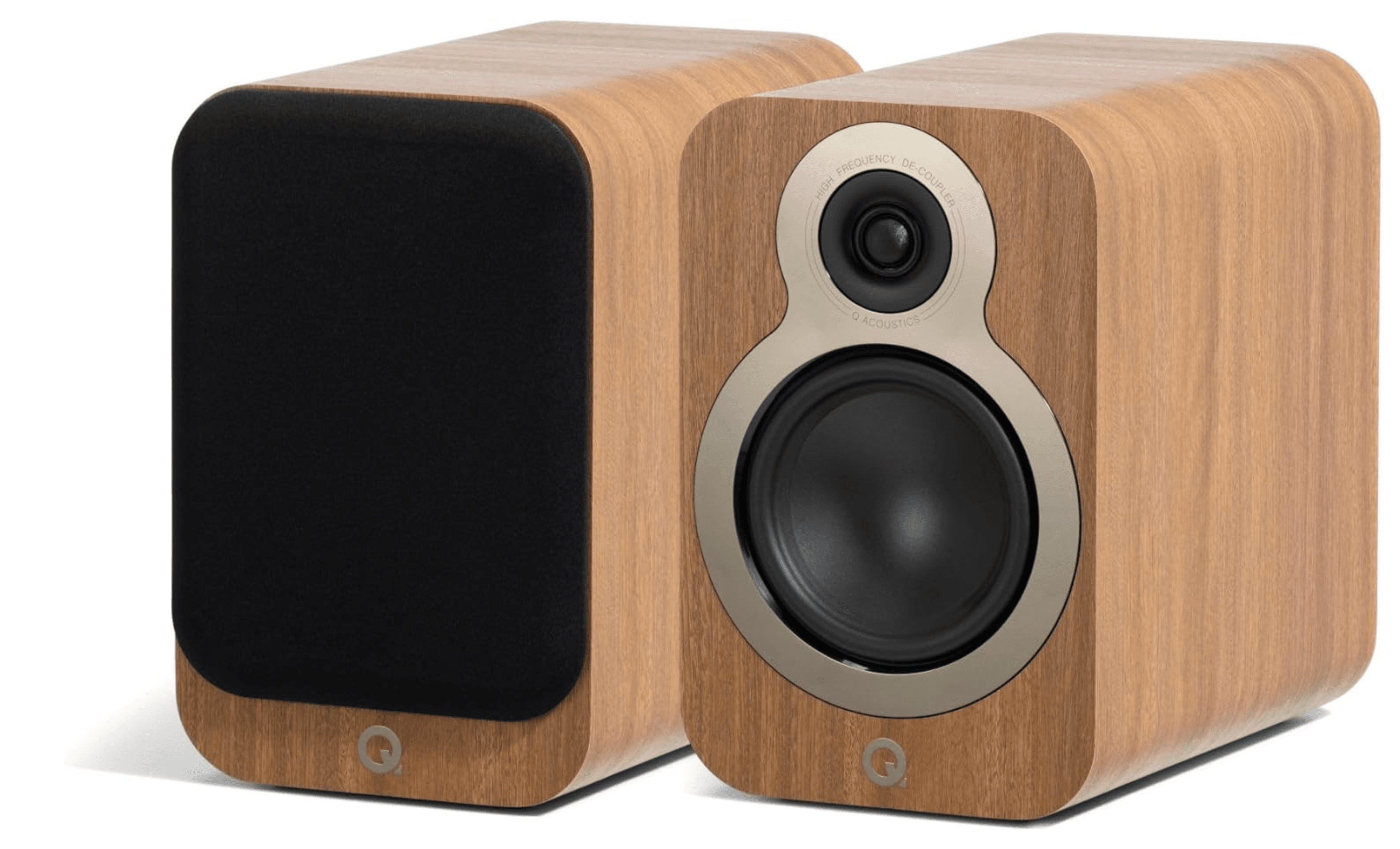
The 3020c borrows engineering from Q Acoustics higher-end 5000 and Concept lines, including the C3 Continuous Curved Cone and P2P bracing that kills cabinet resonance. The result is a speaker that sounds bigger, cleaner, and more confident than its size suggests.
Key highlights
- 120mm woofer and 22mm tweeter covering 60 Hz to 30 kHz
- C3 Continuous Curved Cone for cleaner driver behavior
- P2P (Point to Point) bracing to reduce cabinet resonance
- 87 dB sensitivity with nominal 6-ohm load
- Available in Pin Oak, Claro Rosewood, Satin Black, and Satin White
Pros
- Excellent clarity, imaging, and overall refinement
- Improved bass control over earlier generations
- Build quality that feels far more expensive than the price
Cons
- Tonal balance leans clean rather than rich or warm
- Rear port placement still needs some space from the wall
- Not the best choice if you want deep bass without a subwoofer
Who it is for: Listeners who value clarity, detail, and imaging and want a well-engineered speaker that rewards quality amplification.
Skip if
You prefer a warmer, more forgiving sound or you cannot give the rear ports adequate breathing room.
Also Good
- Monitor Audio Bronze 50 7G - fast, detailed sound that grabs you.
- KEF LSX II - premium wireless hi-fi with HDMI ARC.
- Micca MB42X G2 - shockingly good for around a hundred bucks.
- Bowers and Wilkins 607 S3 - big sound from a compact package.
How to Choose
- Active versus passive. Active speakers have built-in amplification and are simpler to set up. Passive speakers need a separate amplifier or receiver but give you more flexibility to upgrade components later. If you are starting from scratch, active speakers get you listening faster. If you already have an amplifier or want room to grow, go passive.
- Size and placement. Bookshelf speakers vary significantly in size. Measure your space before buying. Rear-ported speakers need a few inches of clearance from the wall. Front-ported speakers are more placement friendly. And despite the name, most bookshelf speakers sound best on dedicated stands at ear level, not inside a bookshelf.
- Sensitivity and power. Sensitivity (measured in dB) tells you how loud a speaker will play with a given amount of power. Higher sensitivity (87 dB and above) means you can use a less powerful, often cheaper amplifier. Lower sensitivity speakers (83-85 dB) need more power to reach the same volume.
- Bass expectations. Bookshelf speakers can deliver tight, musical bass, but they cannot match a subwoofer for deep, room-shaking low end. If you listen to a lot of bass-heavy music or watch action movies, budget for a subwoofer. If you mainly listen to acoustic music, jazz, or vocals, most bookshelf speakers will satisfy you on their own.
- System expansion. If you think you might want surround sound later, check whether the brand offers matching center channel and surround speakers. Sony, Triangle, and Monitor Audio all have complete home theater ecosystems. Some brands only offer standalone stereo pairs.
FAQ
Do I need an amplifier for bookshelf speakers?
It depends on whether you buy active or passive speakers. Active speakers have amplification built in and only need a power cable and a source. Passive speakers require a separate amplifier or AV receiver. Check the product type before you buy.
How much should I spend on bookshelf speakers?
Most people get excellent results spending between $250 and $600 per pair. At this level, you get well-engineered drivers, solid cabinet construction, and balanced sound. Below $200, you make compromises in bass extension and detail. Above $1,000, you get diminishing returns unless you have a very revealing system and a dedicated listening room.
Can bookshelf speakers replace a soundbar for TV?
Yes, especially if you get powered speakers with HDMI ARC. A pair of good bookshelf speakers will outperform most soundbars for music and provide clearer dialogue. The trade-off is that you will not get the virtual surround processing that soundbars offer, though you can add a center channel later if you choose an expandable system.
Where should I place bookshelf speakers for the best sound?
On stands at ear level, spaced about six to eight feet apart, with the tweeters aimed toward your listening position. Keep rear-ported speakers at least a few inches from the wall. Avoid placing them inside enclosed bookshelf cubbies, which can make the sound muddy and boomy.
What is the difference between 2-way and 3-way speakers?
A 2-way speaker has a woofer for low and mid frequencies and a tweeter for highs. A 3-way speaker adds a dedicated midrange driver, which can reduce distortion and improve clarity, especially at higher volumes. Three-way designs are more common in higher-end models like the Sony SS-CS5M2.
Published May 4, 2026 Last updated June 16, 2026
Share this article
More in News
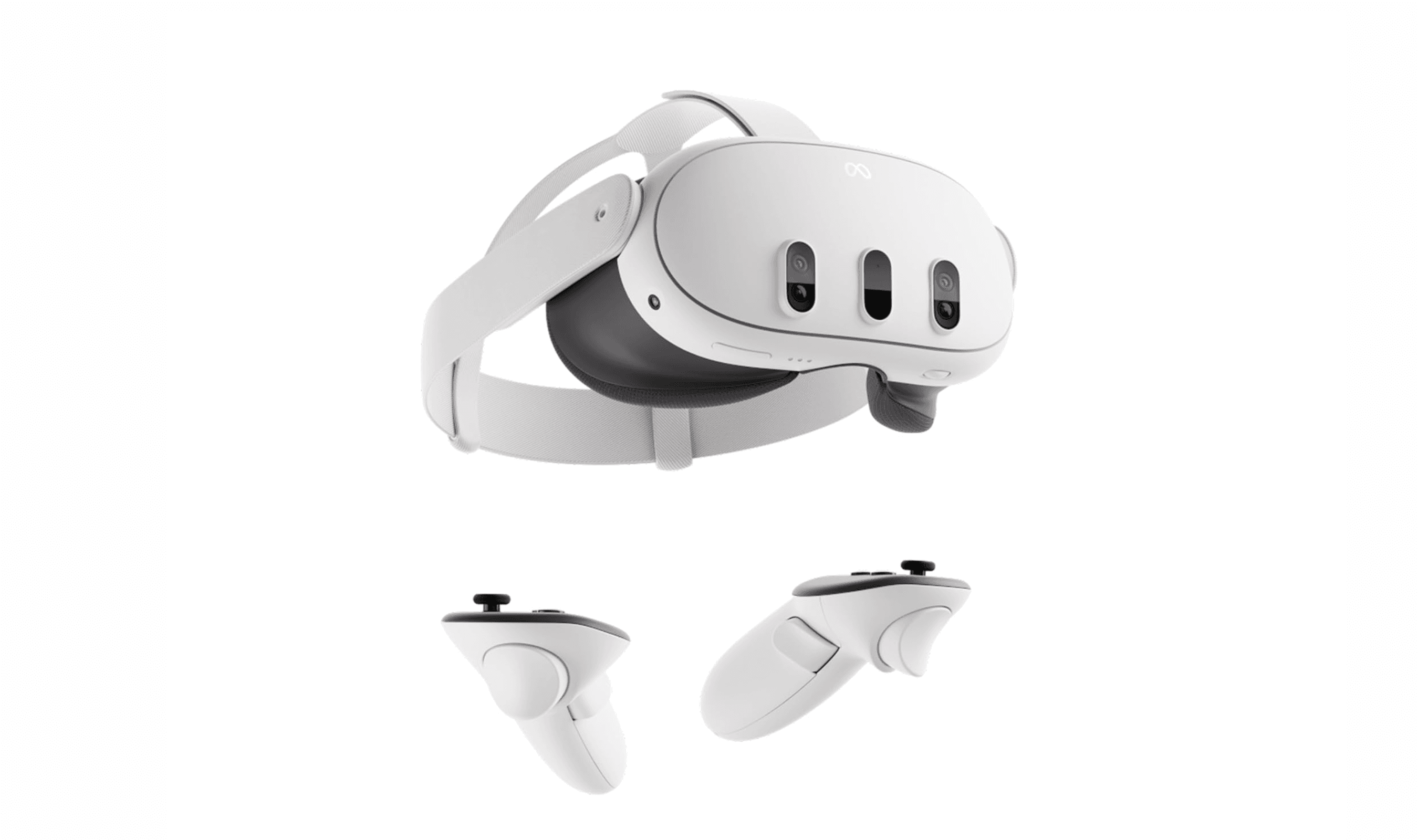
4 Best VR Headsets in 2026
Meta Quest 3 leads our 2026 picks for the best VR headsets. Compare top models for gaming, fitness, and value to find your perfect match.
3 min read
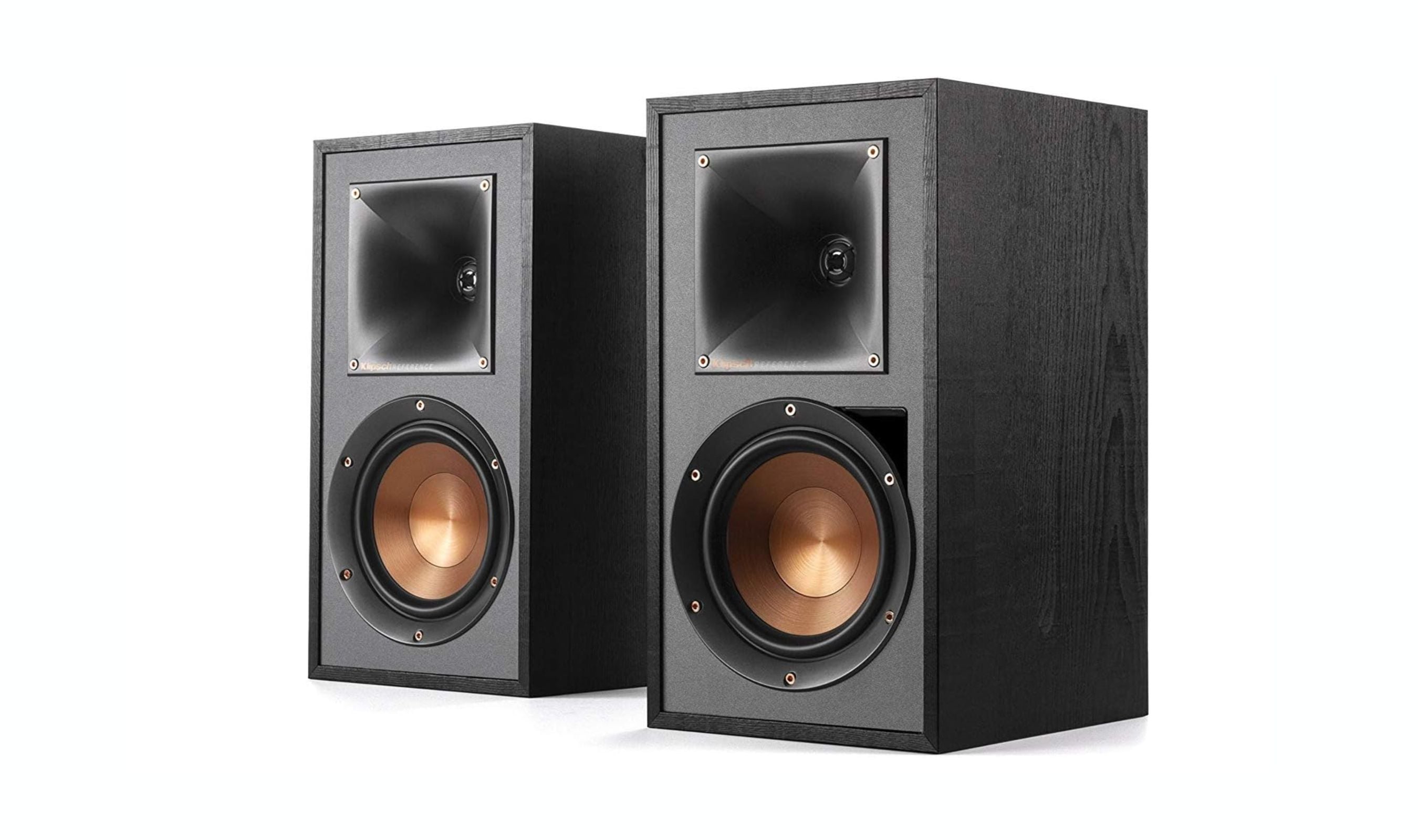
Best Speakers for Vinyl Record Players in 2026
The Klipsch R-51PM tops our list of the best speakers for vinyl record players, offering a built-in phono preamp and dynamic sound. We tested powered and passive options for every budget and space.
3 min read
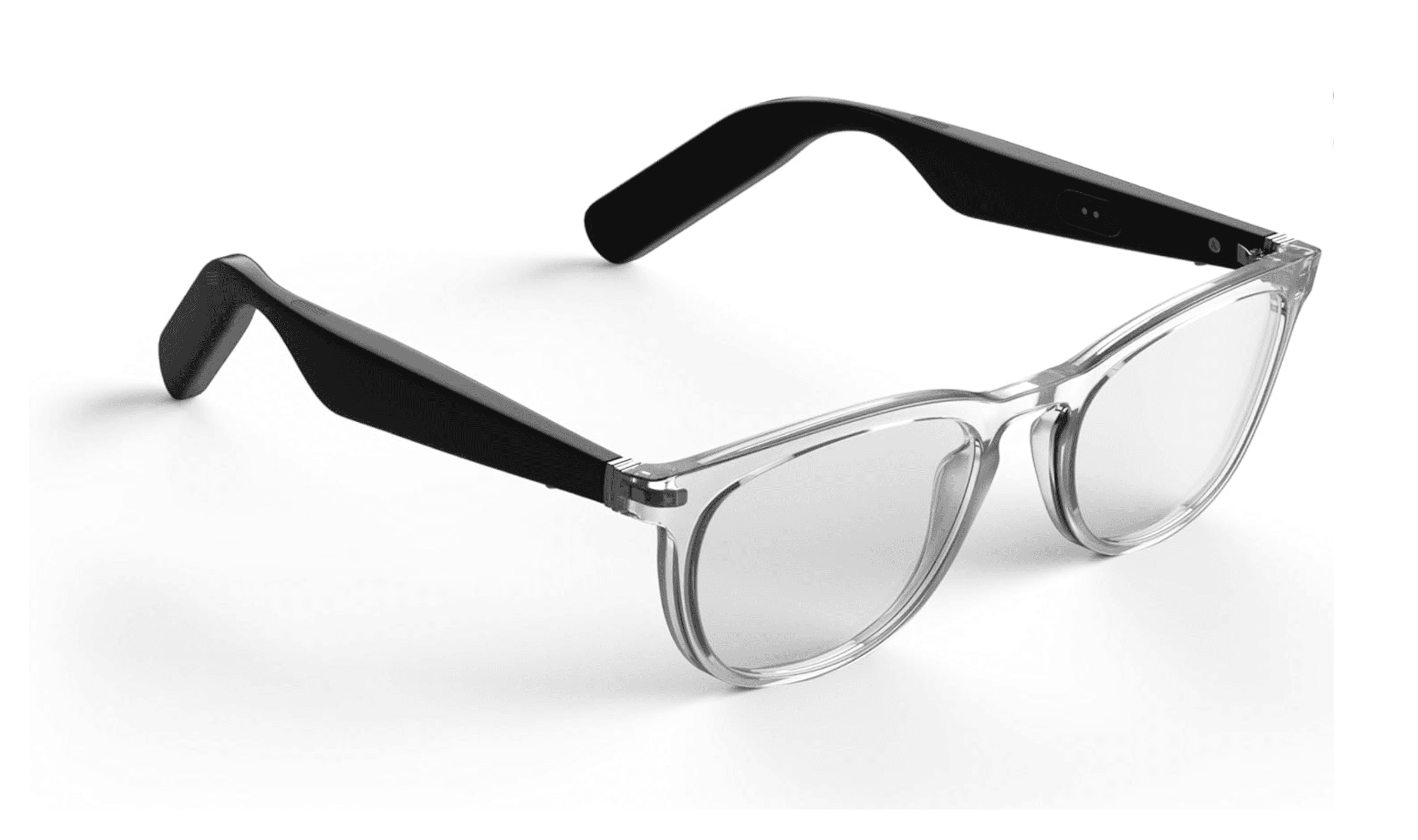
3 Best Audio Glasses for 2026
The best audio glasses for 2026, from the Lucyd Lyte Moonbeam for all-day open-ear sound to the Bose Tempo for sports and Nuance Audio for hearing help.
3 min read
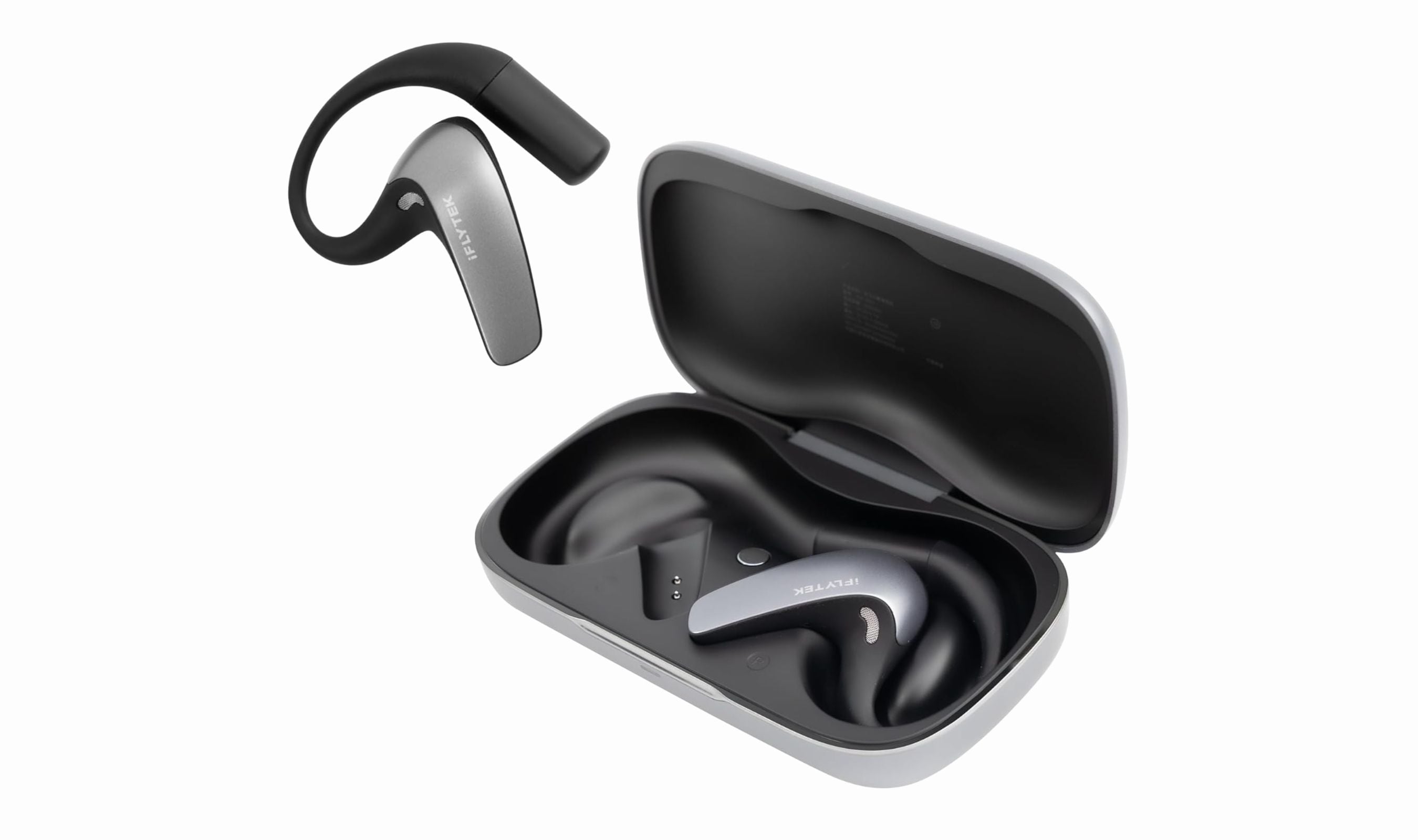
Best Translation Earbuds for 2026
The best translation earbuds for 2026, from the iFLYTEK AI buds for travel to budget ANFIER M3 and AirPods Pro 3 Live Translation, tested for accuracy and battery.
5 min read

9 Best Wireless Earbuds for 2026
5 min read
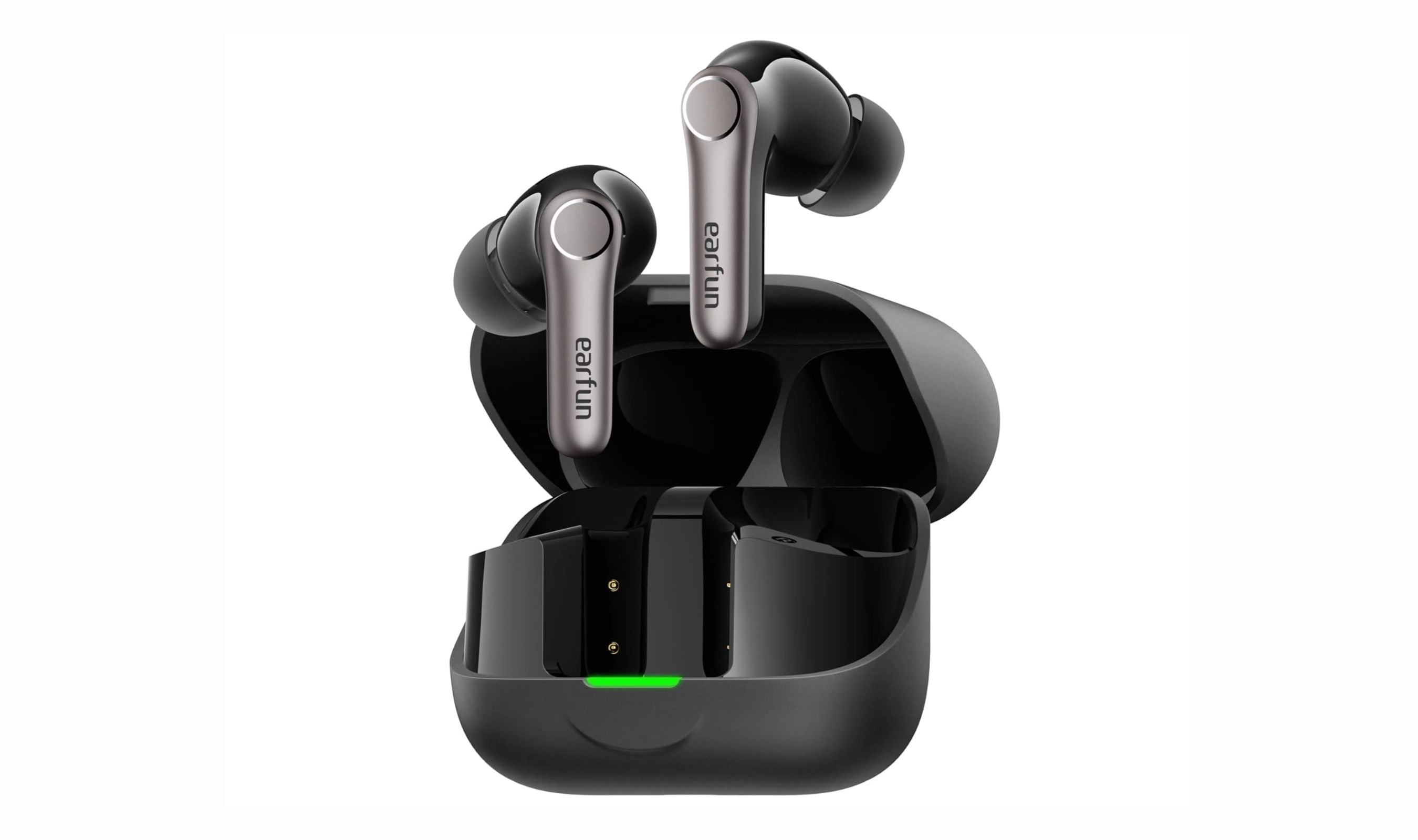
Best Wireless Earbuds Under $100 for 2026
5 min read
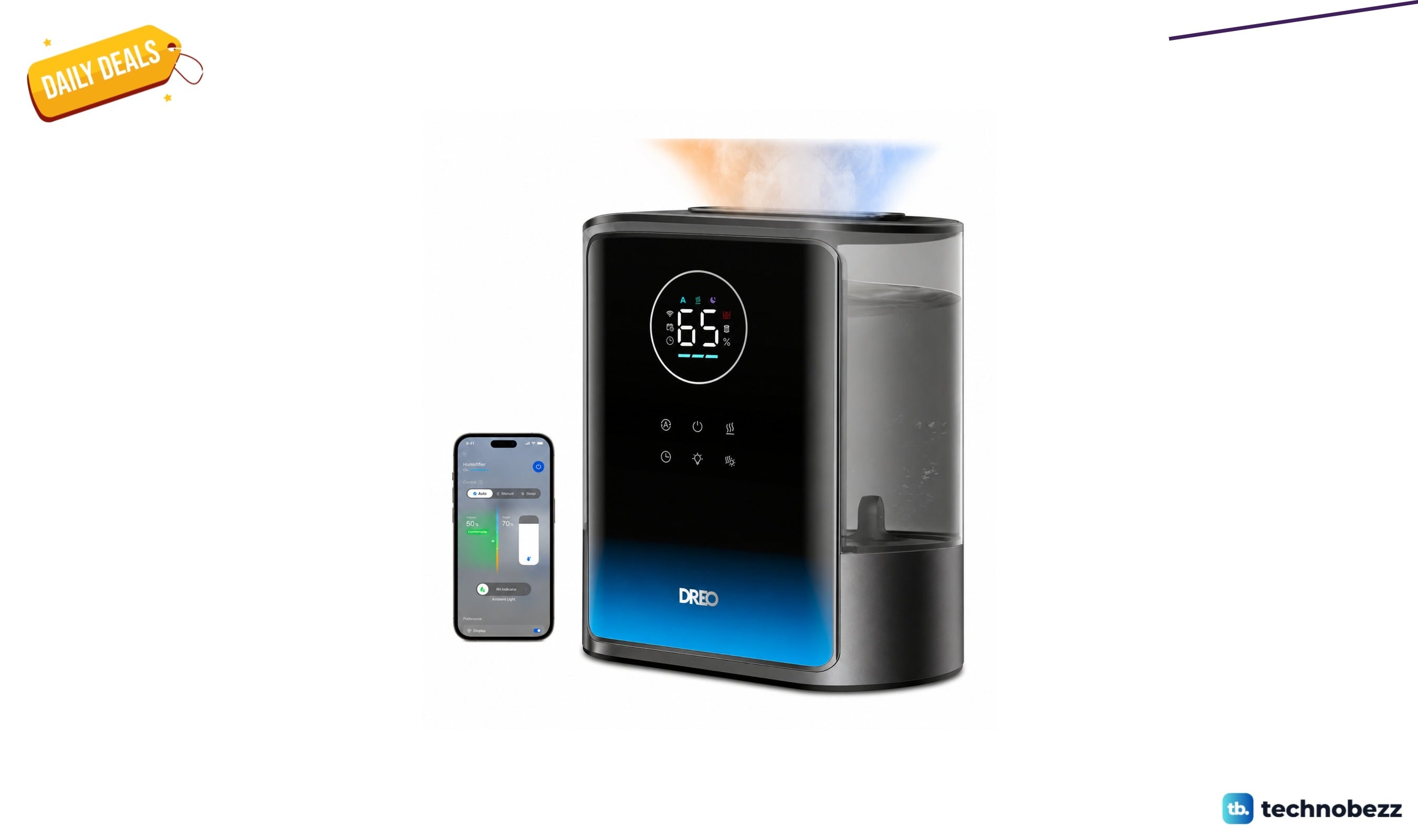
Dreo 8-liter smart humidifier with warm and cool mist for $119.99 at Wayfair
4 min read
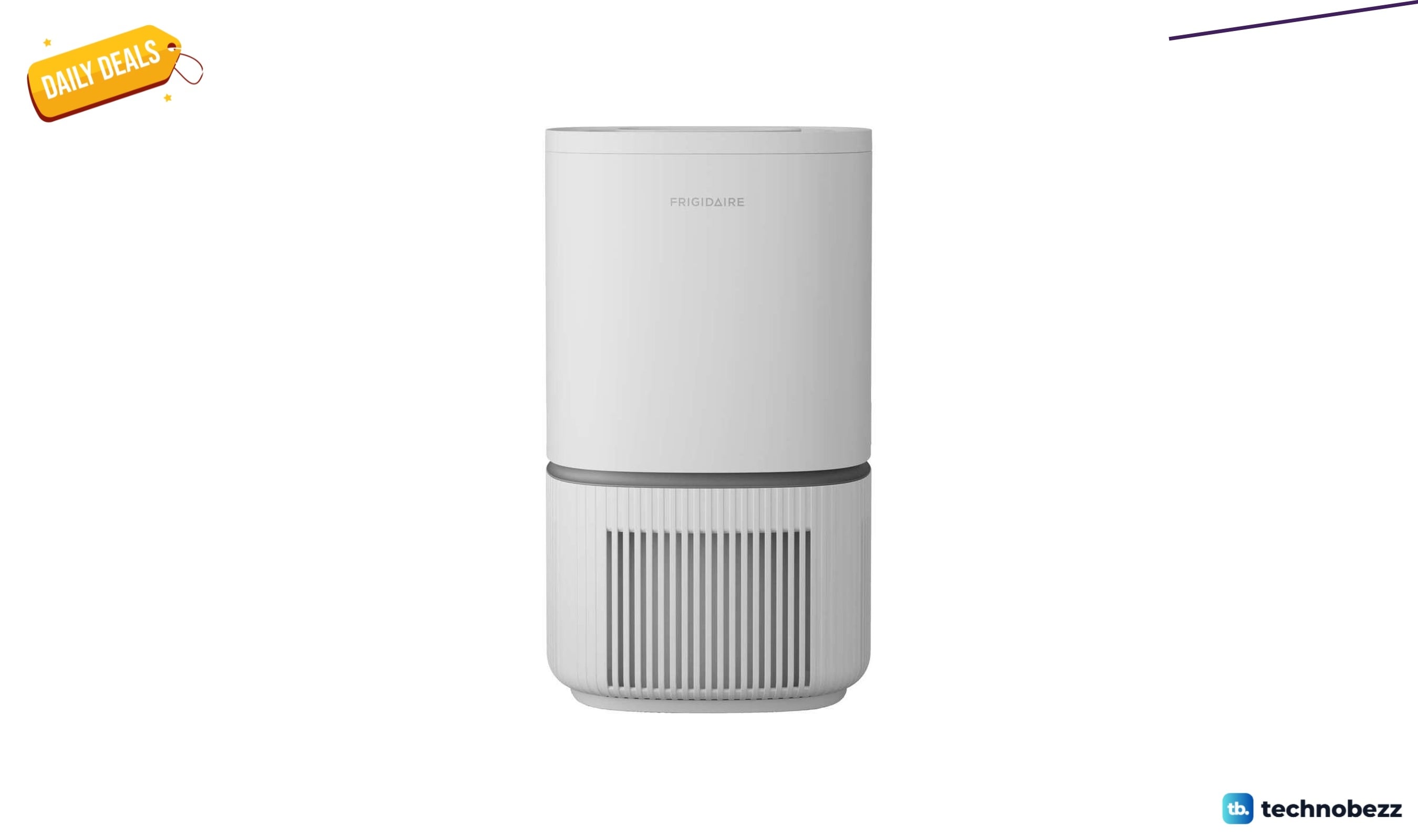
Frigidaire PureA300 HEPA air purifier with Wi-Fi for $124.99 at Wayfair
3 min read
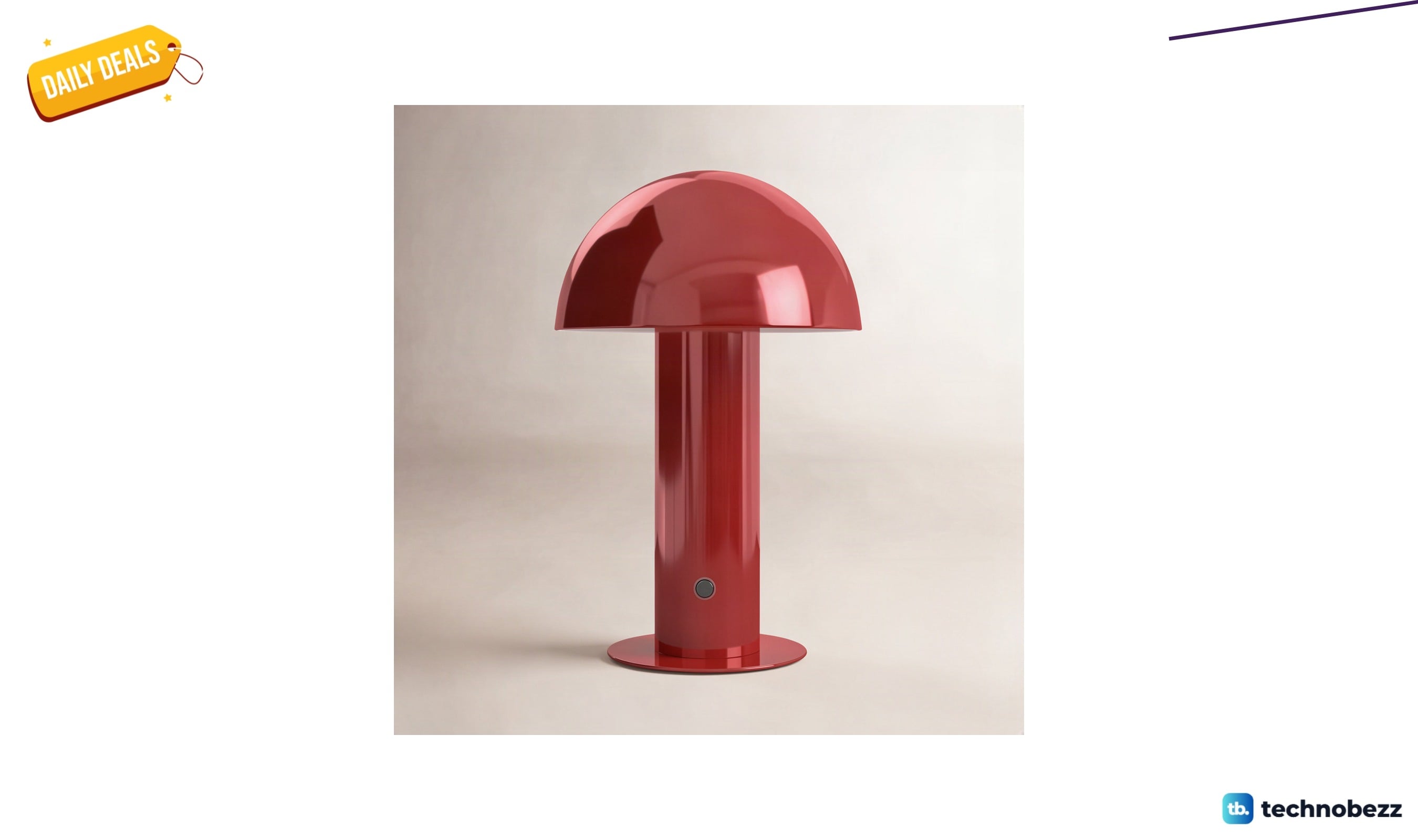
AllModern Viv metal desk lamp for $79.00 at Wayfair
5 min read
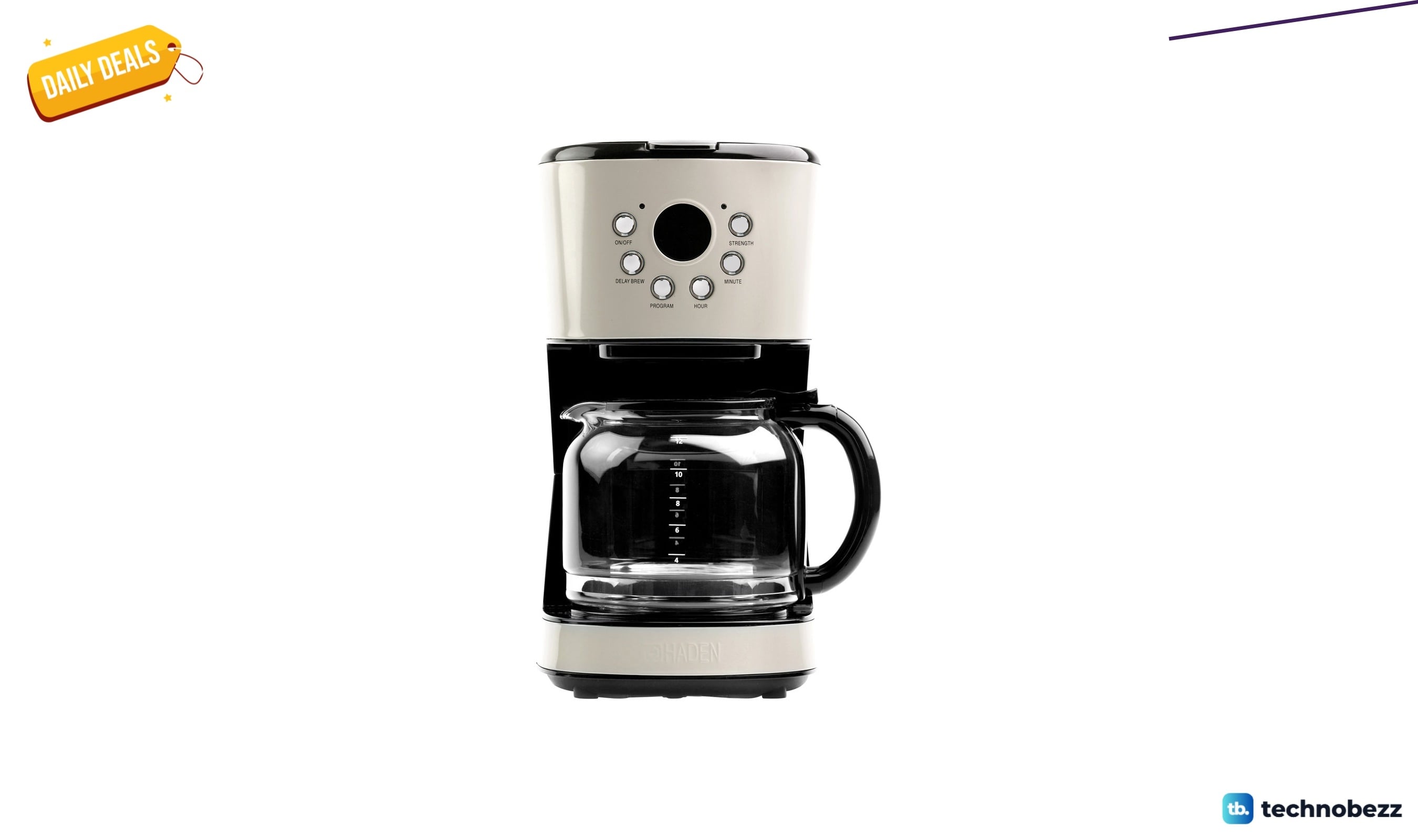
HADEN 12-cup programmable drip coffee maker for $69.99 at Wayfair
4 min read
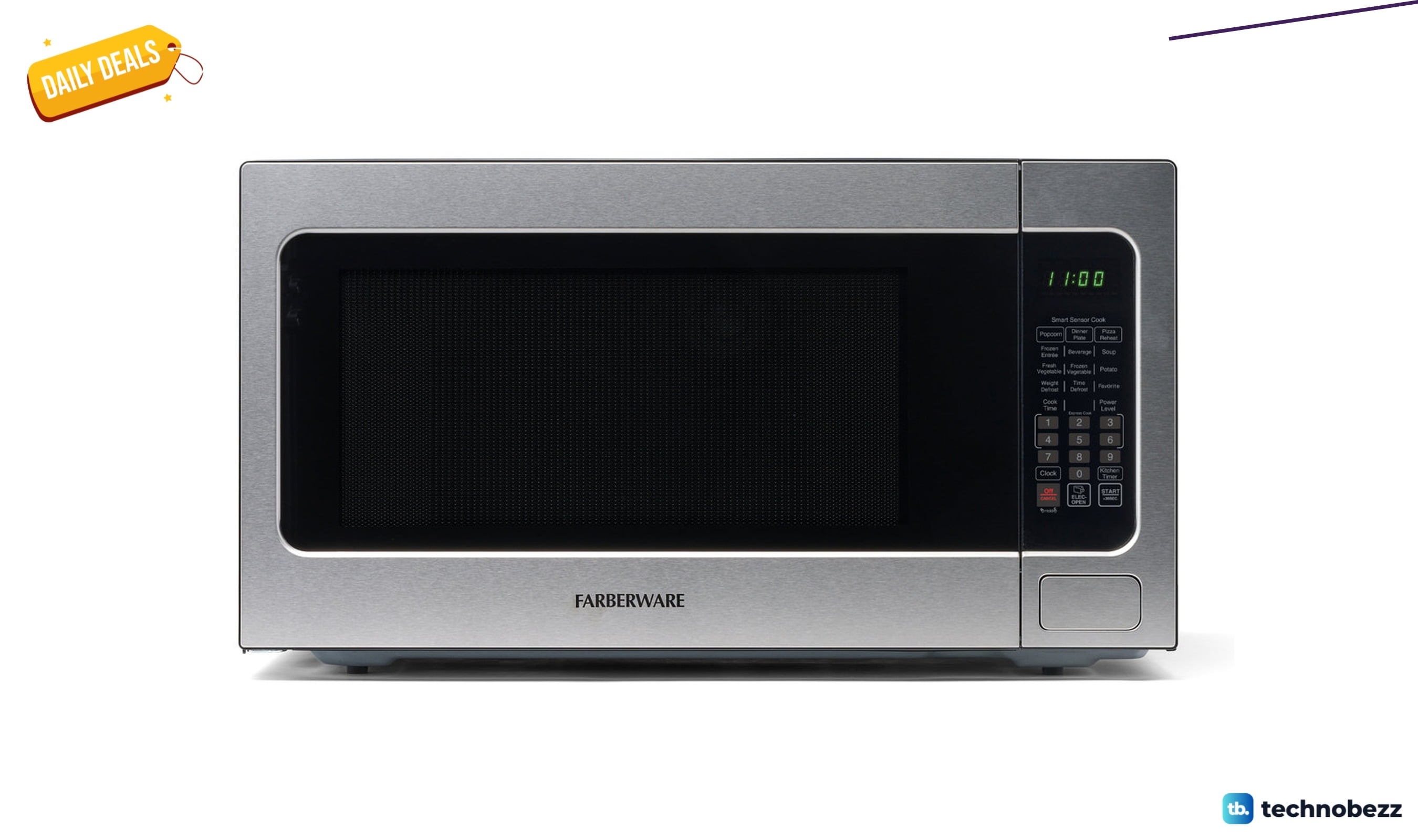
Farberware Professional 2.2-cubic-foot sensor microwave for $189.99 at Wayfair
3 min read
Ring Floodlight Cam 4K Pro for $199.99 at Wayfair
5 min read