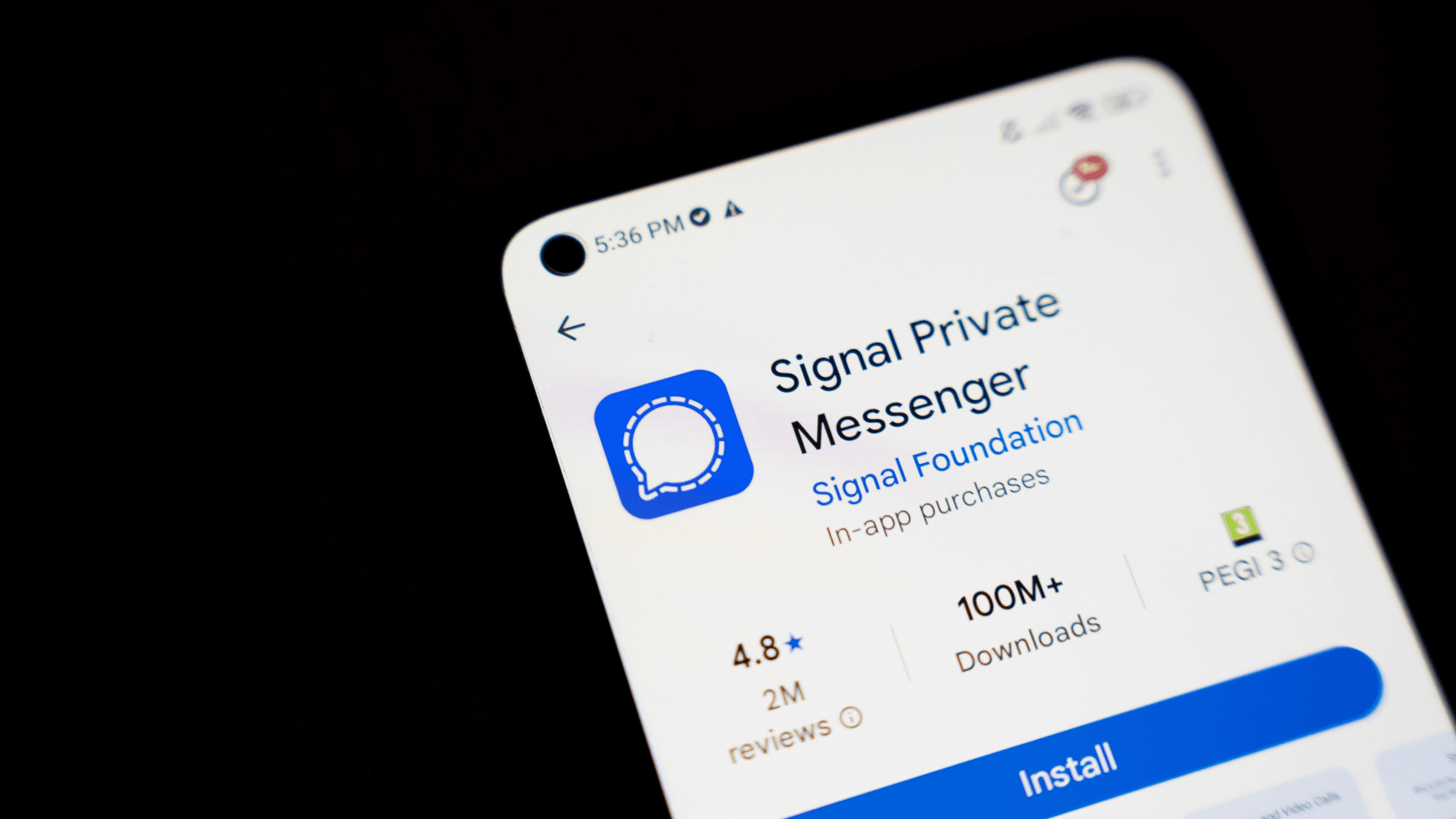
WhatsApp and Signal are both free messaging apps, and each company says personal messages and calls are end-to-end encrypted without a setting to switch on. They differ in who runs them, in what each privacy policy says it collects, and in the extras around chat. WhatsApp lists communities, channels and an optional Plus subscription, while Signal lists group calls of up to 75 people and a paid backup tier.
Who runs each app
WhatsApp's privacy policy names WhatsApp LLC as the provider outside the European Region and WhatsApp Ireland Limited inside it. WhatsApp's help center identifies Meta as its parent company.
Signal's terms name Signal Messenger LLC as the service provider. Signal's donation page describes Signal Technology Foundation as a nonprofit under section 501c3.
What each says its encryption covers
WhatsApp's encryption FAQ lists messages, photos, videos, voice messages, documents, live location, status updates and calls as protected when they are end-to-end encrypted. It says this happens automatically for personal messages and calls between WhatsApp Messenger users. WhatsApp says that means nobody in between, not even WhatsApp, can read those messages or listen to those calls.
WhatsApp also lists cases it does not treat as end-to-end encrypted. They include business chats that use optional Meta services, payments through financial institutions in selected countries, and chats with third-party agents managed through Meta's service, a feature with limited country availability. Business app chats are considered end-to-end encrypted by default, and WhatsApp says the app displays the distinction.
Signal's security FAQ says conversations are always end-to-end encrypted, covering every message and every call, with no optional privacy mode. Signal also documents encrypted group video calls.
What each privacy policy says it collects
WhatsApp's privacy policy, effective January 4, 2021, requires a phone number and a profile name. It also lists automatically collected information, including usage, interaction timing, diagnostic logs, device and connection information, IP addresses, identifiers and cookies. WhatsApp says it receives information from, and shares information with, other Meta companies.
On messages, the policy says delivered messages are removed from WhatsApp's servers, and undelivered messages stay there in encrypted form for up to 30 days. A supplemental policy for Status and Channels, effective July 14, 2025, says WhatsApp collects channel updates, which ordinarily remain on its servers for up to 30 days.
Signal's privacy policy, last updated May 25, 2018, describes phone number registration plus an optional profile name and picture that are end-to-end encrypted. It says Signal cannot access message or call content, queues encrypted messages for offline devices, and keeps message history on users' devices. Signal says it stores technical information such as authentication tokens, keys and push tokens, and that it never sells, rents or monetizes personal data or content. A Signal help page documents optional registration without a phone number in the Android beta, version 8.28 or later.
Features and limits at a glance
- Group size: WhatsApp's help center says up to 1,024 members, while its Groups feature page says up to 1,000 people. Signal lists a limit of 1,000.
- Group calls: WhatsApp lists up to 32 people. Signal lists 75.
- Disappearing messages: WhatsApp offers 24 hours, 7 days or 90 days. Signal allows a custom time of up to 4 weeks.
- Usernames: WhatsApp calls them optional, says they are rolling out gradually, and still requires a phone number. Signal's optional usernames start a chat without sharing a phone number.
- Broadcasts and communities: WhatsApp lists Communities, which group related groups with an announcement group, and Channels for one-way broadcasting.
- Backups: WhatsApp says to turn on encrypted backups to extend end-to-end encryption to messages saved in iCloud or Google Drive. Signal Secure Backups are opt-in, end-to-end encrypted and protected by a 64-character recovery key.
- Platforms: WhatsApp lists iPhone, Android, iPad, Android tablets, macOS, Windows and WhatsApp Web. Signal lists Android, iPhone and iPad, Windows, macOS and Linux, allows 5 linked devices per account, and says it must be installed on a phone before Signal Desktop is used.
What each costs
Core messaging is free on both, and WhatsApp says its voice and video calls are free too. Data or carrier charges can still apply on either app.
WhatsApp Plus is an optional paid monthly subscription. Its benefits and availability may vary by region and account. Signal says its free backup plan includes text messages and the last 45 days of media, and it excludes view-once messages and messages scheduled to disappear within the next 24 hours. Signal's paid plan lists at US$1.99 per month for up to 100 GB of media, as of November 2026.
Which one fits
If your groups depend on communities or one-way channels, WhatsApp fits because it lists both. If you want to start chats without handing out a phone number, Signal fits because it says its usernames let people start contact without sharing a phone number, while WhatsApp says its usernames might not be available on an account yet. If you run large group calls, Signal fits because it lists up to 75 people and WhatsApp lists up to 32. See Is WhatsApp Safe?, Signal vs Telegram and Telegram vs WhatsApp.