
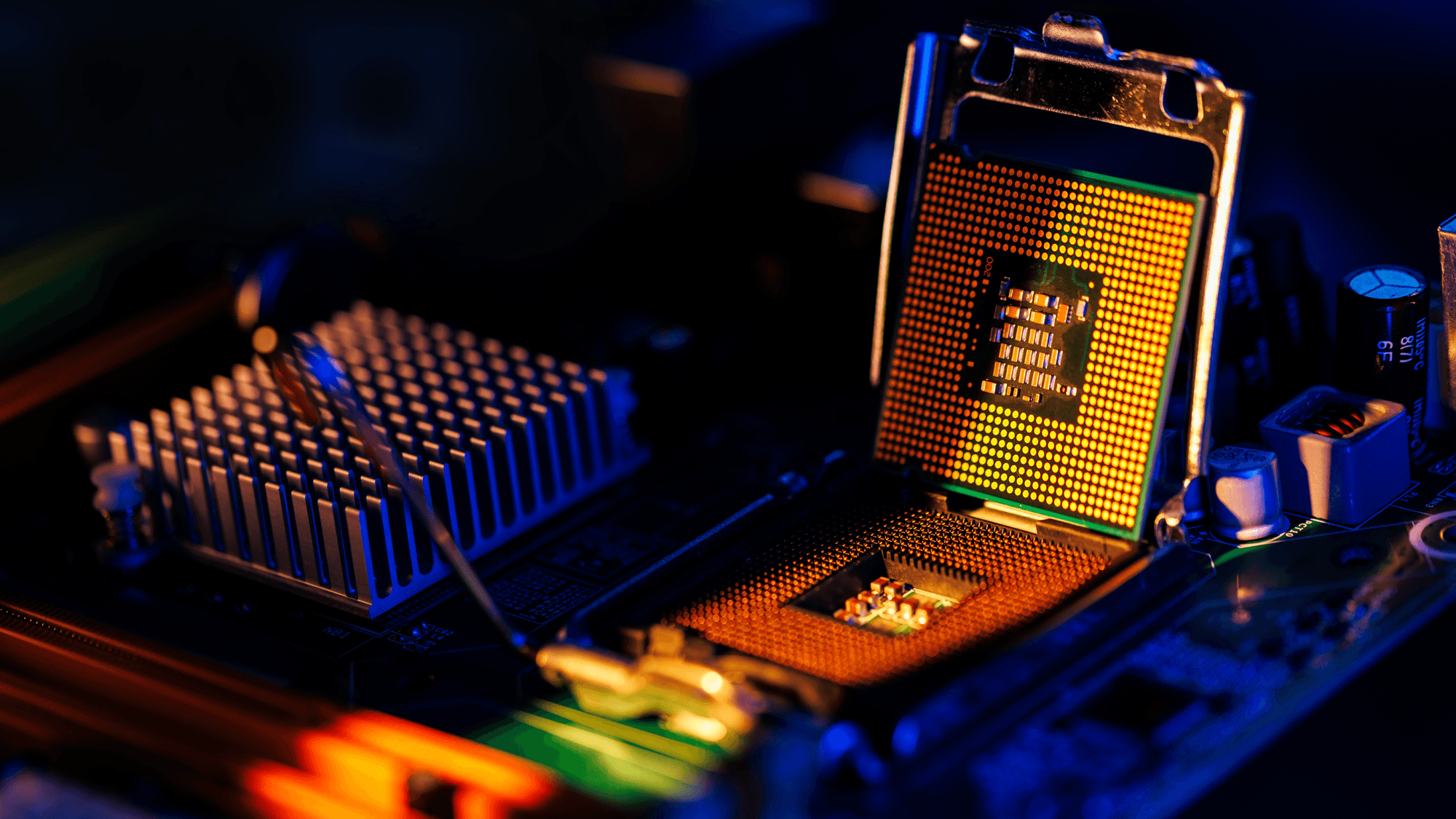
A CPU, short for central processing unit, is the chip that executes the commands and processes your computer and operating system need. Arm calls it the core engine of a computing system. It performs calculations, executes instructions and manages the flow of data between memory, storage and peripherals.
How a CPU works
Arm's CPU glossary describes an instruction cycle with four main stages. The CPU fetches an instruction, decodes it, executes the operation and stores the result.
AMD describes the CPU's strength as low-latency processing for serial instructions. In plain terms, a CPU is built to finish each individual operation quickly, one after another.
Cores, threads, clock speed and cache
Intel and Arm define these four terms this way.
- Cores: Intel defines processing cores as the physical units of compute within a processor.
- Threads: Arm describes a thread as a logical stream of instructions, separate from the physical core that runs it. A core can support one or more threads. Intel's Hyper-Threading Technology, for example, lets a single core handle two threads at the same time by sharing that core's execution resources.
- Clock speed: Intel defines it as the number of cycles a CPU executes per second, measured in gigahertz (GHz). A 3.2 GHz CPU runs 3.2 billion cycles per second.
- Cache: Arm describes L1, L2 and L3 cache as high-speed memory near a processor core that stores frequently accessed instructions and data. It holds copies of recently accessed items from main memory and can be accessed much faster than main memory.
Intel's clock speed guide says a cycle is not the same as one finished instruction. Several instructions can complete in a single cycle, and one instruction can take several cycles. Intel adds that different CPU designs handle instructions differently, which limits what a GHz figure alone can tell you.
CPU vs GPU vs NPU
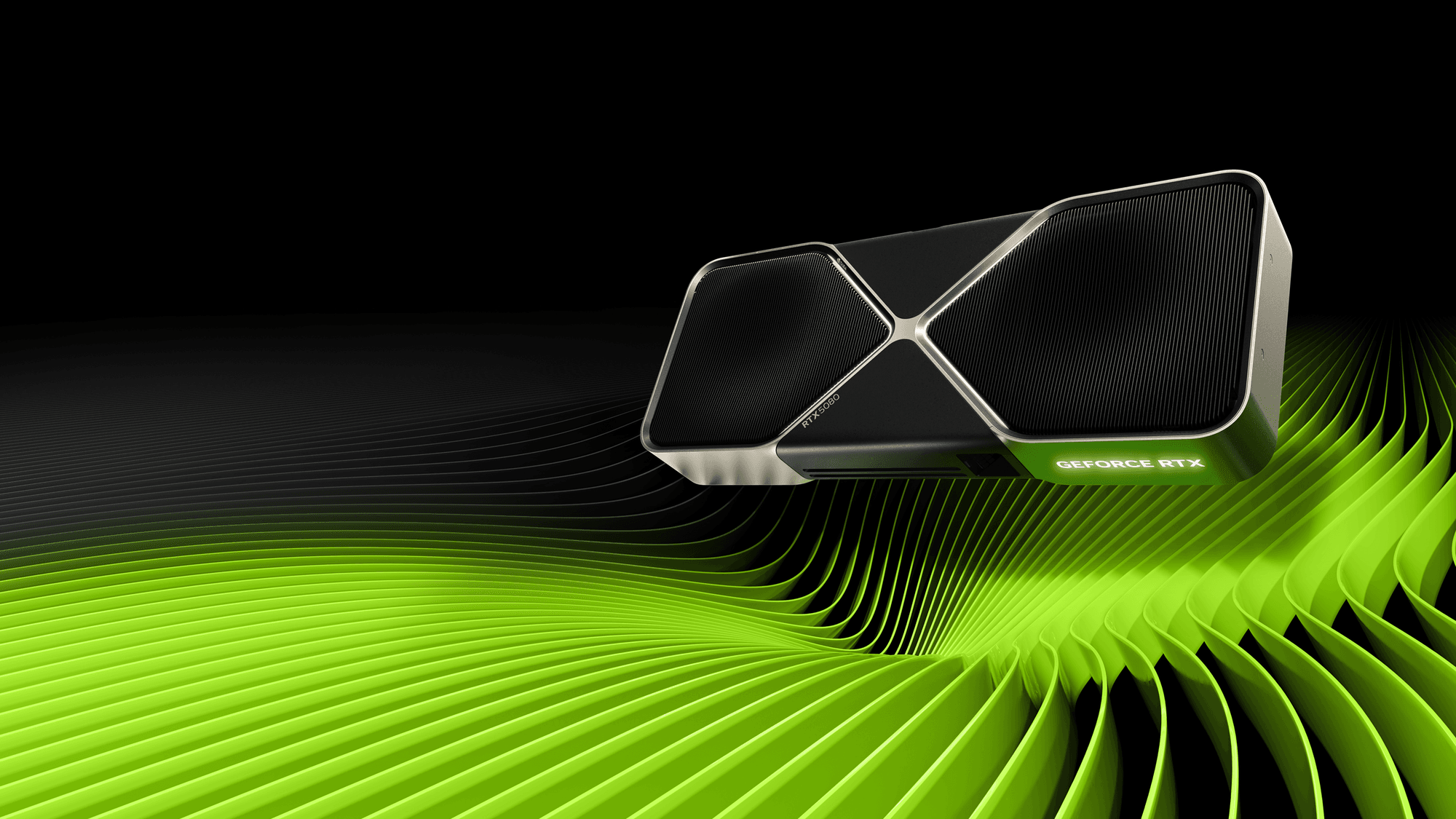
A GPU takes a different approach. Intel describes it as having many smaller, more specialized cores that work in parallel on graphics rendering, video processing and intensive AI workloads. AMD draws the same line: the CPU handles serial instructions with low latency, while the GPU executes many similar commands, or threads, in parallel. Intel says some processors include a GPU on the same chip, which gives a PC built-in graphics without a separate graphics processor.
An NPU is the third piece. Intel defines it as a dedicated hardware accelerator designed to handle AI workloads on a PC at low power. Arm says it handles the matrix and tensor operations behind neural-network inference, taking that work off the CPU. AMD notes that AI inference can run on all three, and describes the NPU as particularly well suited to sustained, low-power inference.
The CPU families makers list in November 2026
- Intel: Intel lists Core Ultra Series 2 for performance-oriented desktops and laptops, including 200S Plus desktop and 200HX Plus laptop processors. The 200S Plus desktop family, announced in March 2026, includes the Core Ultra 7 270K Plus and Core Ultra 5 250K/KF Plus. Intel positions Core Ultra Series 3 for thin-and-light laptops.
- AMD: AMD's desktop page lists Ryzen 9000, 8000, 7000, 5000 and 4000 series, and AMD announced Ryzen AI 400 desktop processors on March 2, 2026. Its laptop page lists Ryzen AI Max, Ryzen AI 400, Ryzen AI 300, Ryzen 400, Ryzen 200, Ryzen 9000, Ryzen 8000 and Ryzen 7000.
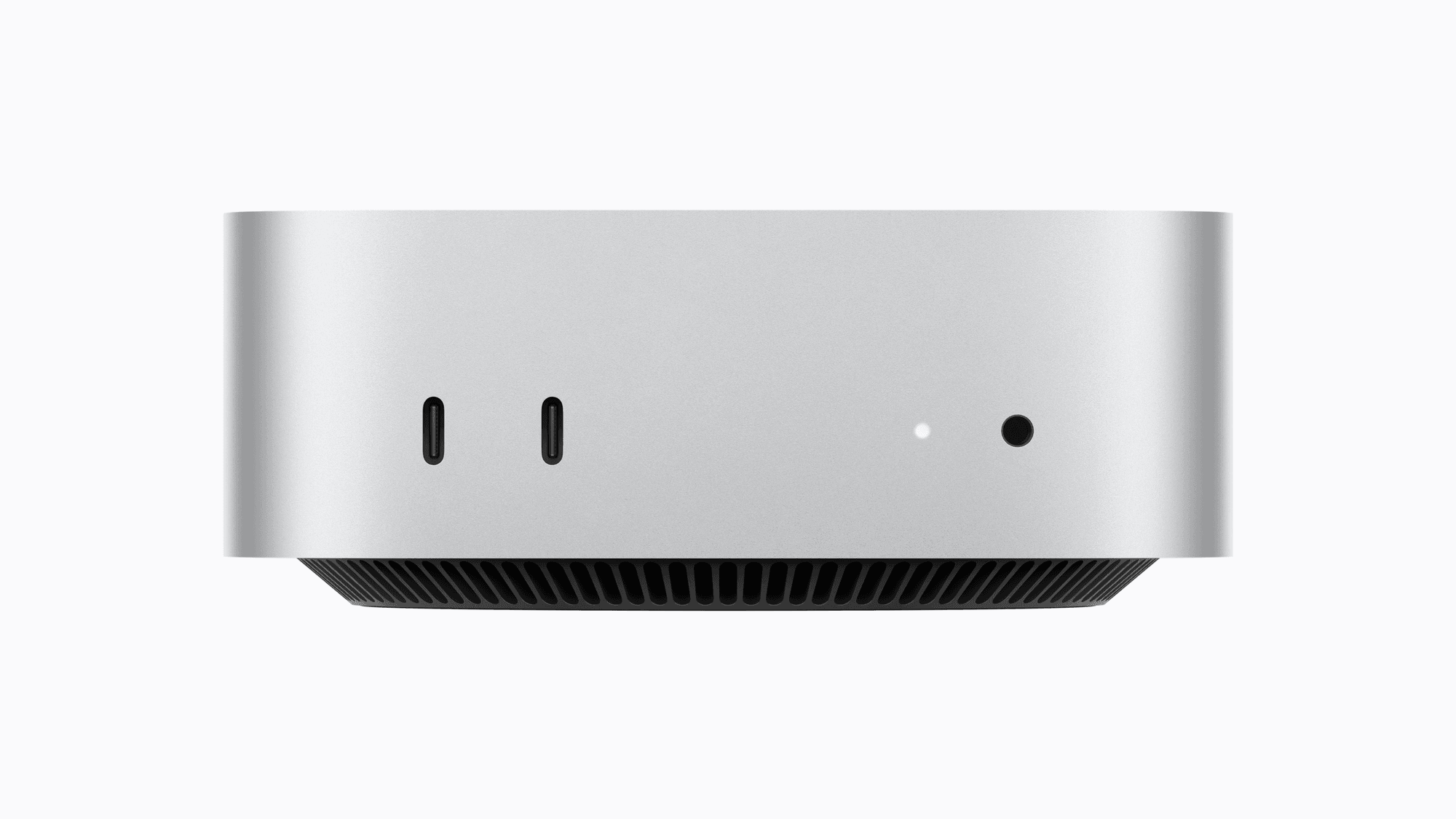
- Apple: Apple lists the Mac mini with M6 or M5 Pro and the Mac Studio with M5 Max or M5 Ultra. The MacBook Air specs list M5 with a 10-core CPU, and Apple announced a 14-inch MacBook Pro with a 12-core M6 on October 27, 2026. Apple describes M6 as a system on a chip that combines a 12-core CPU, a 12-core GPU and a Dual 16-core Neural Engine.
- Qualcomm: Qualcomm lists Snapdragon X2 Elite Extreme with an 18-core CPU, Snapdragon X2 Elite with 18 or 12 cores, and Snapdragon X2 Plus with 10 or six cores. The X2 Plus platform pairs a third-generation Oryon CPU with an Adreno GPU and a Hexagon NPU.
What to check when you compare CPUs
If you are comparing two chips from different makers or generations, treat GHz as one clue and not the whole answer, because Intel says different designs handle instructions differently. If you do not plan to add a separate graphics card, check whether the processor has a GPU on the same chip. If on-device AI features matter to you, look at the NPU as well, since AMD ties it to sustained, low-power inference.
To find the chip in a Windows PC, see How to Check CPU on Windows in 2026. For high CPU usage on a Windows 11 PC, see Windows 11 High CPU Usage.