Choosing the right smart thermostat can cut your heating and cooling costs while keeping your home comfortable. Our top pick, the Ecobee Smart Thermostat Premium, delivers the best balance of features and energy savings for most homes. This list helps you find the right model whether you want maximum automation, simple scheduling, or tight budget control.
Technobezz is supported by its audience. We may get a commission from retail offers.
6 Best Smart Thermostats for 2026
Ecobee Smart Thermostat Premium leads our picks for 2026. Compare top models for energy savings, smart features, and budget-friendly options.
T
Technobezz
Senior Editor
Updated September 5, 2026Sep 5, 2026
•8 min read

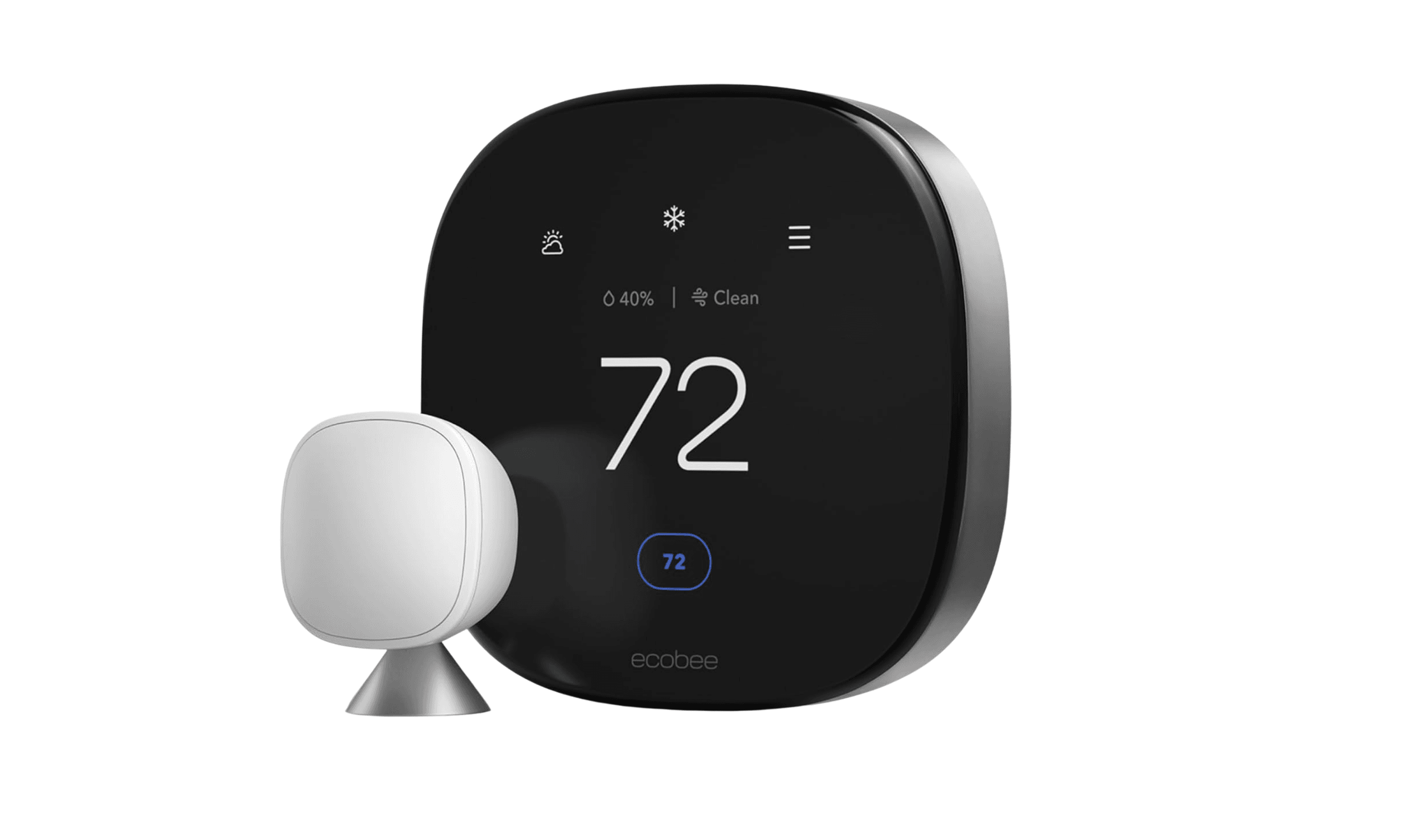
Get Deals Like These in Your Inbox
The best prices, reviewed weekly.
At a Glance
| Category | Product | Why We Picked It |
|---|---|---|
| Best overall | Ecobee Smart Thermostat Premium | Excellent room sensors and energy reports |
| Best for video doorbell integration | Honeywell Home X8S Smart Thermostat | Included room sensor and compatible video doorbell viewing |
| Best for Google homes | Google Nest Learning Thermostat | Seamless integration with Google ecosystem |
| Best budget option | Amazon Smart Thermostat | Basic smart features at entry price |
| Best for simple touchscreen control | Ecobee Smart Thermostat Essential | Color touchscreen with app control and optional room sensors |
| Also recommended | Nest Thermostat E | A budget-friendly pick with smart learning features |
How we chose and tested
We evaluated smart thermostats based on installation ease, compatibility with different HVAC systems, energy saving features, and smart home integration. Models were assessed for their learning capabilities, remote sensor support, and overall user experience. Price and long-term value were also key factors in our recommendations.
The best smart thermostats right now
Ecobee Smart Thermostat Premium - Best overall
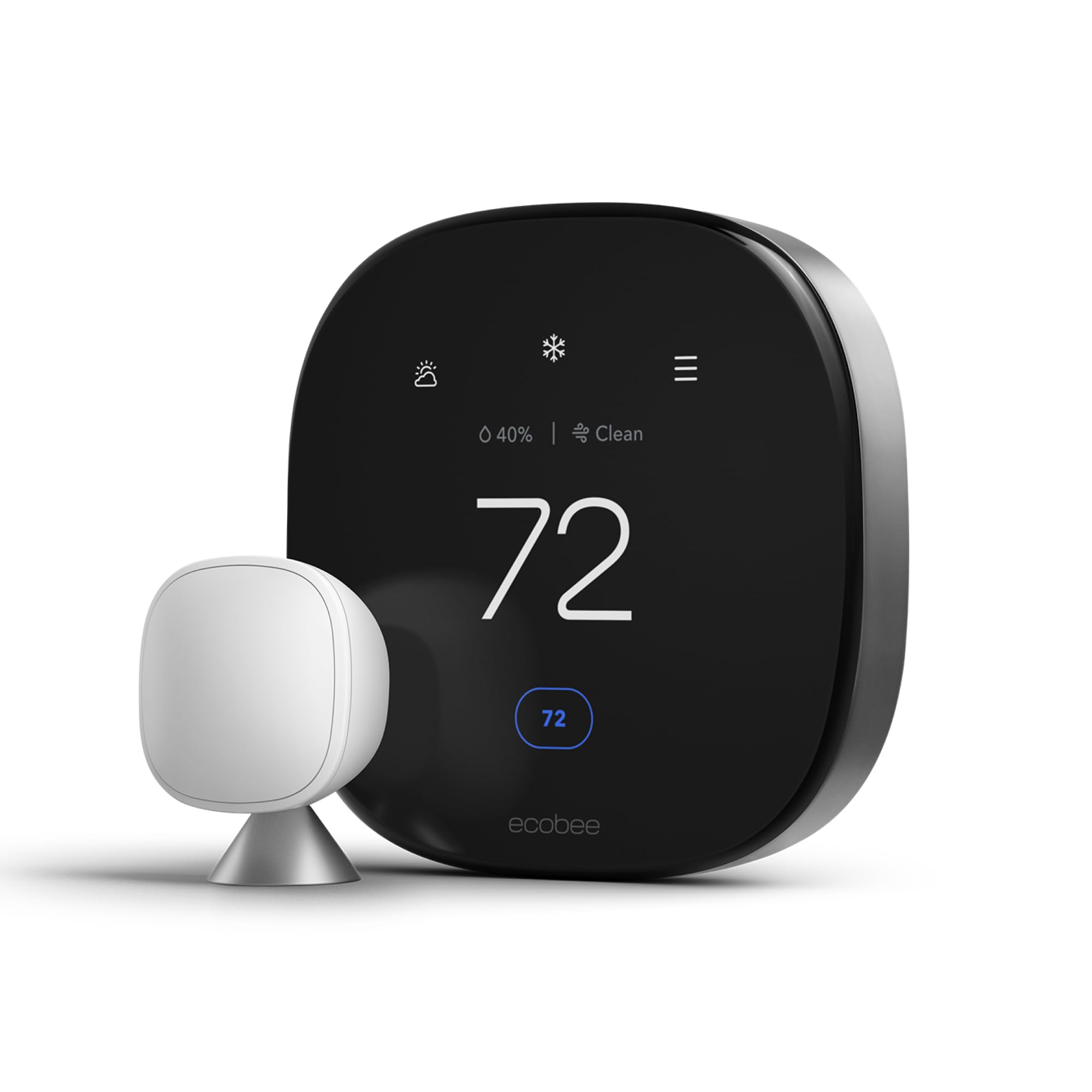
The Ecobee Premium keeps homes consistently comfortable while providing detailed energy insights that can save you money. It comes with a remote sensor that helps balance temperatures throughout different rooms.
Key highlights
- Includes remote room sensor for multi-room temperature monitoring
- Provides monthly energy usage reports with savings suggestions
- Works with Alexa, Google Assistant, and Apple HomeKit
- Features built-in air quality monitoring
- Offers humidity-based temperature adjustments for better comfort
Pros
- Excellent room-by-room temperature control
- Detailed energy tracking helps identify savings opportunities
- Broad smart home compatibility
- Helpful humidity adjustments improve comfort
Cons
- More expensive than basic models
- Setup can be complex for some users
- Remote sensors sold separately for additional rooms
Who it is for: Homeowners who want detailed energy insights and multi-room temperature control, especially those with uneven heating or cooling throughout their home.
Skip if
You only need basic scheduling or have a very simple single-zone system.
Honeywell Home X8S Smart Thermostat - Best for video doorbell integration
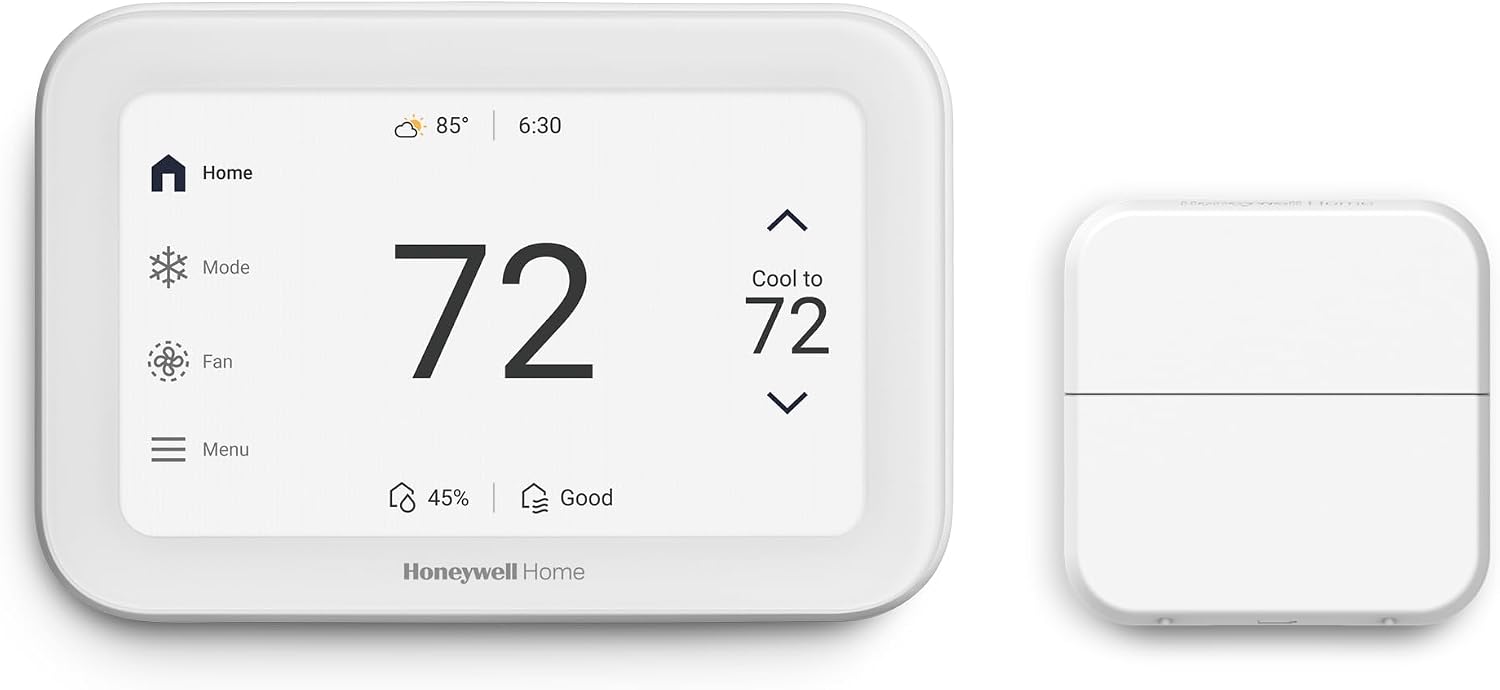
The Honeywell Home X8S combines an included room sensor with a customizable 5-inch touchscreen. It can show the view from compatible First Alert VX1 and Ring video doorbells and lets you speak to visitors from the thermostat.
Key highlights
- Includes a wireless room sensor
- Customizable 5-inch touchscreen
- Supports compatible First Alert VX1 and Ring video doorbells
- Matter certified; works with Alexa, Google Assistant, and Apple Home
- Remote control through the First Alert app
Pros
- Room sensor included for prioritizing living spaces
- Doorbell viewing and two-way talk on the thermostat
- Broad smart home compatibility
Cons
- Requires a C-wire or compatible adapter
- Compatible video doorbell sold separately
- Humidity and ventilation control may require additional HVAC equipment
Who it is for: Homeowners who want room sensing and compatible video doorbell access from one touchscreen.
Skip if
Your heating system uses 120-240V electric baseboards.
Google Nest Learning Thermostat - Best for Google homes
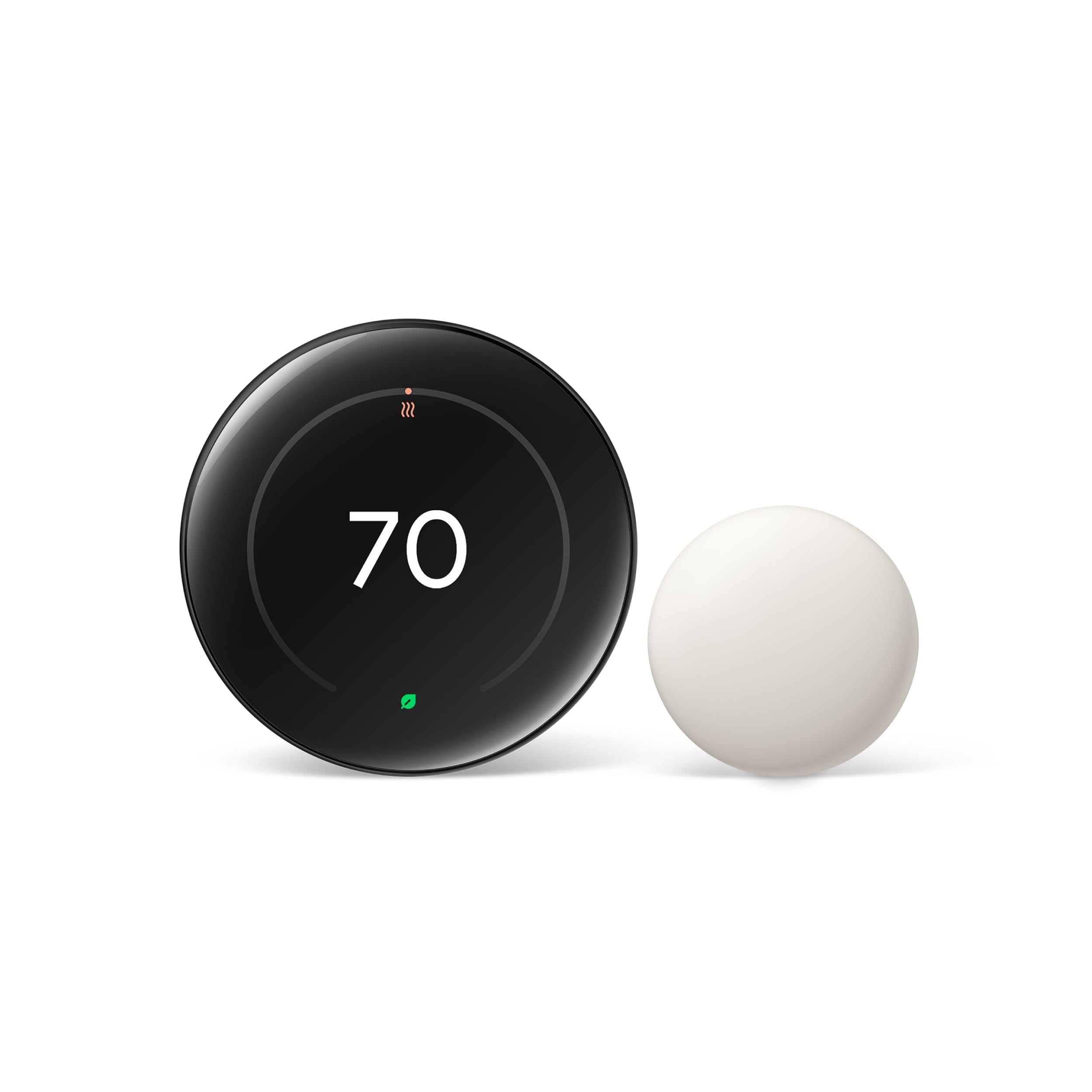
Google's premium thermostat learns your schedule and preferences over time, offering seamless integration with Google Home devices. Its distinctive circular design and intuitive dial make it pleasant to use daily.
Key highlights
- Learns your temperature preferences and schedule automatically
- Works seamlessly with Google Home and Assistant
- Includes Matter support for future compatibility
- Includes one Nest Temperature Sensor (2nd gen)
- Provides energy history and savings tips
Pros
- Excellent learning capabilities reduce manual programming
- Great Google ecosystem integration
- Sleek, premium design
- Good energy saving suggestions
Cons
- More expensive than basic Nest models
- No touch screen interface
- Apple HomeKit support requires additional hardware
Who it is for: Google Home users who want a thermostat that learns their habits and integrates tightly with their existing smart home setup.
Skip if
You prefer touch screen controls.
Amazon Smart Thermostat - Best budget option
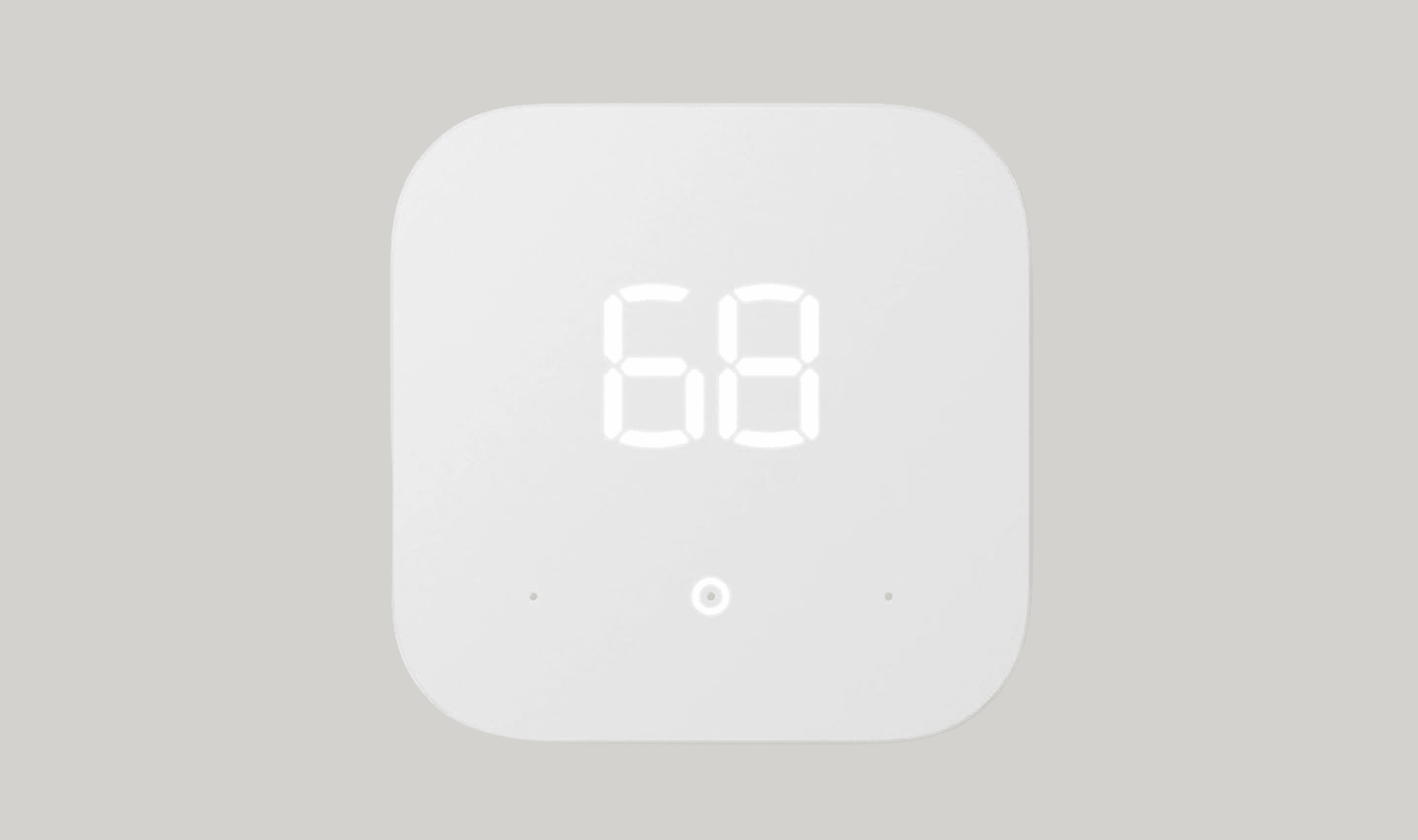
Amazon's entry-level thermostat offers basic smart features at an affordable price, making smart temperature control accessible to more households. It provides reliable scheduling and Alexa integration without unnecessary complexity.
Key highlights
- ENERGY STAR certified
- Works with Alexa voice commands
- Provides basic energy usage reports
- Requires a C-wire or a separately purchased compatible power adapter
- Simple scheduling through the app
Pros
- Very affordable entry point
- Easy to install and set up
- Reliable Alexa integration
- Basic energy tracking included
Cons
- Doesn't work with Google Assistant or HomeKit
- Remote room sensing requires compatible Echo devices or an Amazon Smart Air Quality Monitor
- Limited advanced features
- Basic app interface
Who it is for: First-time smart thermostat buyers or budget-focused homeowners who want basic scheduling and Alexa control.
Skip if
You need Google/Apple integration or detailed energy analytics.
Ecobee Smart Thermostat Essential - Best for simple touchscreen control
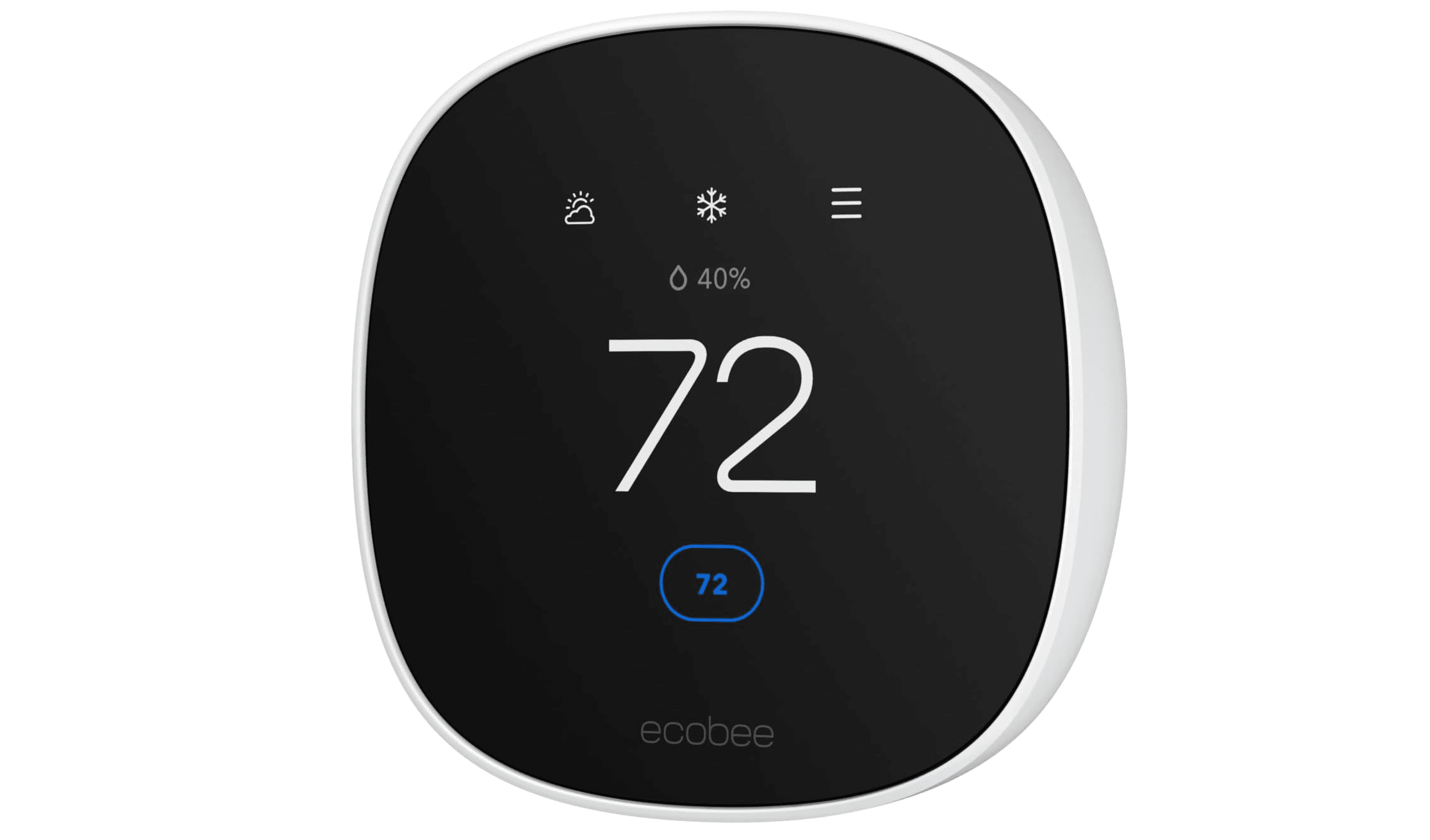
The Ecobee Essential offers a color touchscreen, app control, and scheduling for compatible 24-volt systems. Ecobee advertises savings of up to 23% on heating and cooling compared with holding a constant 72°F.
Key highlights
- Color touchscreen and ecobee app control
- Conventional systems up to 2H/1C or 1H/2C; heat pumps up to 2H/1C
- Hardwired 24VAC power
- Works with Alexa, Google Assistant, and Apple HomeKit
- Supports optional SmartSensor room sensors
Pros
- Simple touchscreen temperature adjustments
- Scheduling and remote app control
- Supports major voice assistants
Cons
- Power Extender Kit and trim kit sold separately
- Room sensors sold separately
- Does not support conventional systems needing both two heating and two cooling stages
Who it is for: Homeowners who want straightforward touchscreen scheduling and app control.
Skip if
Your HVAC system exceeds its supported heating and cooling stages.
Also Good
- Nest Thermostat E - a budget-friendly pick with smart learning features.
How to Choose
Consider these factors when selecting your smart thermostat:
HVAC compatibility: Check if the thermostat works with your specific heating and cooling system. Some models support multi-stage systems, heat pumps, or radiant heating while others are more limited.
Room sensors: If you have temperature variations between rooms, models with remote sensors can provide more consistent comfort. Consider how many sensors you might need and their cost.
Smart home ecosystem: Choose a thermostat that works with your existing voice assistants and smart home platforms. Google users might prefer Nest, while Alexa households have more options.
Energy reporting: Detailed energy insights can help you save money, but basic models may only offer simple usage tracking. Decide how much data you want about your consumption.
Installation complexity: Some thermostats are DIY-friendly with detailed guides, while others might benefit from professional installation, especially if your wiring is complex.
FAQ
How much can a smart thermostat save me?
Savings vary by home and usage, but many users report 10-23% reductions in heating and cooling costs. The exact amount depends on your climate, existing habits, and how well you use the thermostat's features.
Do I need a C-wire for installation?
Many modern smart thermostats require a C-wire (common wire) for constant power. Some models include adapters for systems without one, but check compatibility with your specific wiring setup before purchasing.
Can smart thermostats work with heat pumps?
Yes, most quality smart thermostats support heat pumps, including multi-stage systems. Check the manufacturer's compatibility list to ensure proper support for your specific heat pump model.
What's the difference between learning and programmable thermostats?
Learning thermostats automatically create schedules based on your behavior over time, while programmable models require you to set schedules manually. Learning models offer more convenience but often cost more.
Are smart thermostats worth it for apartments or rentals?
They can be if you plan to stay long enough to recoup the investment through energy savings. Consider portable options or check with your landlord about installation permissions first.
Published February 18, 2026 Last updated September 5, 2026
Share this article
More in News
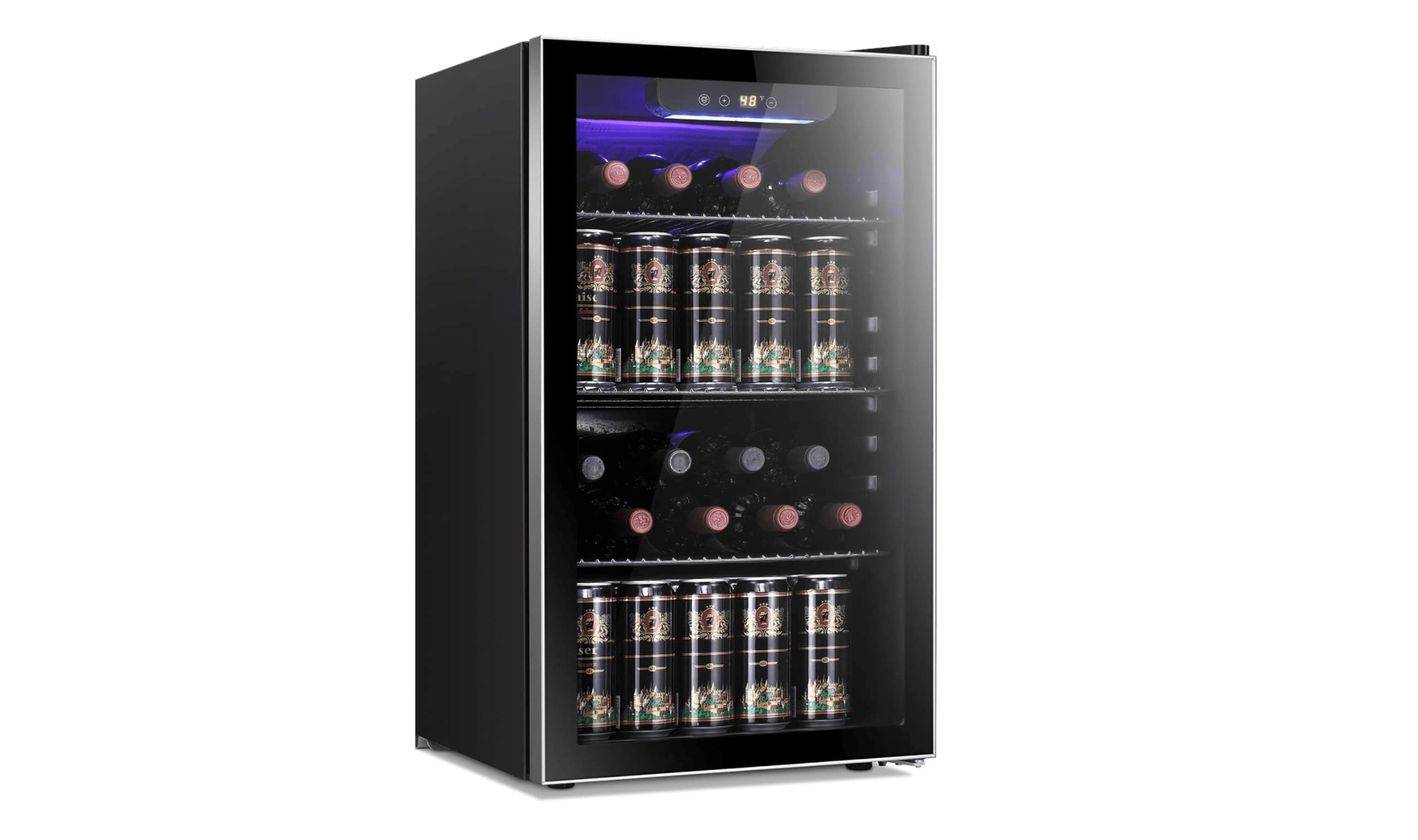
6 Best Beverage Coolers for Your Home (2026)
The hOmeLabs Beverage Refrigerator (~$310) leads our picks, with quiet 6 beverage coolers from $199 to $550 covering small spaces, big capacity, and glass-door visibility.
5 min read
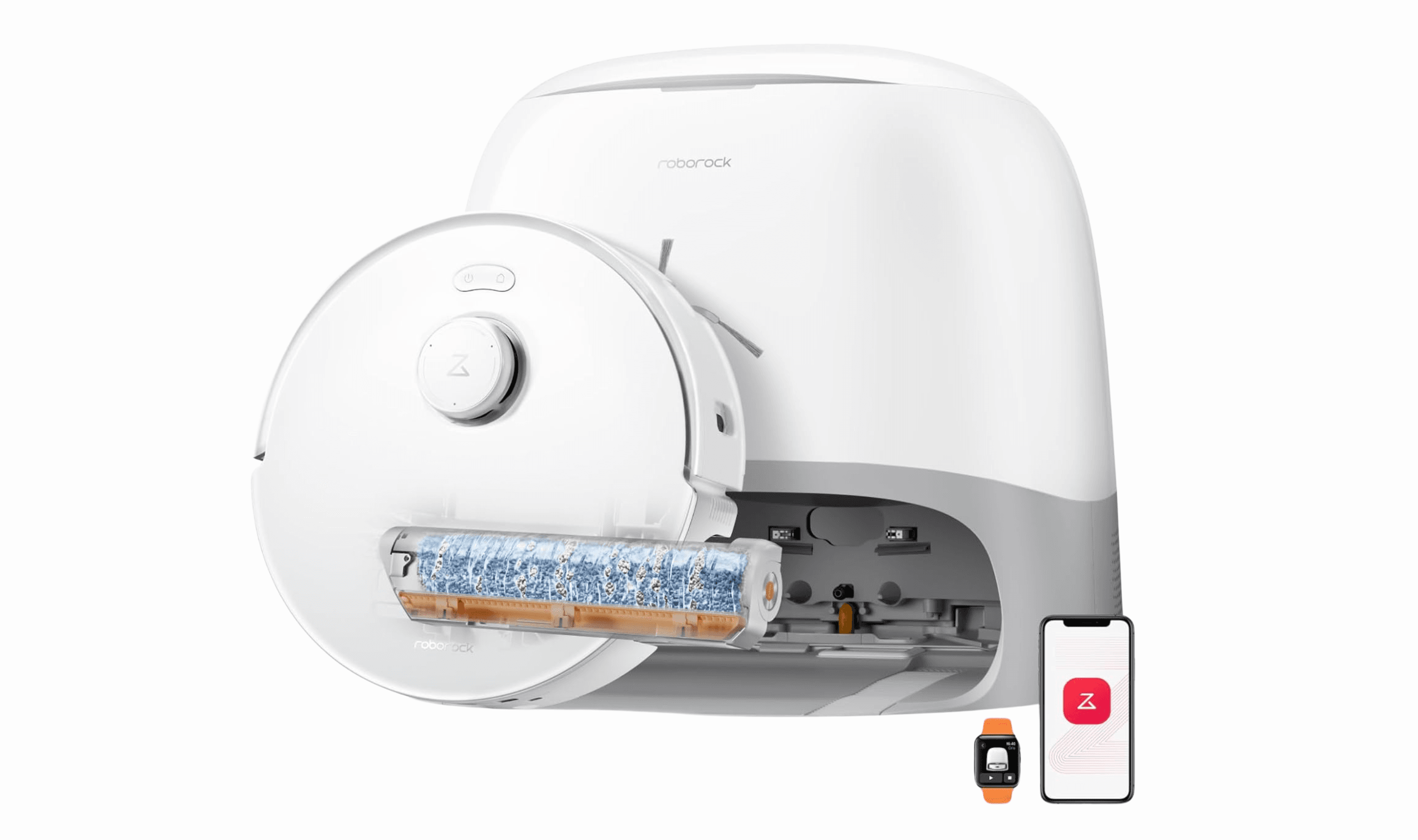
Best Robot Mops for 2026
Roborock Qrevo Curv 2 Flow leads our picks for the best robot mops. See our top 8 models for 2026, including budget-friendly and mixed-flooring options.
4 min read
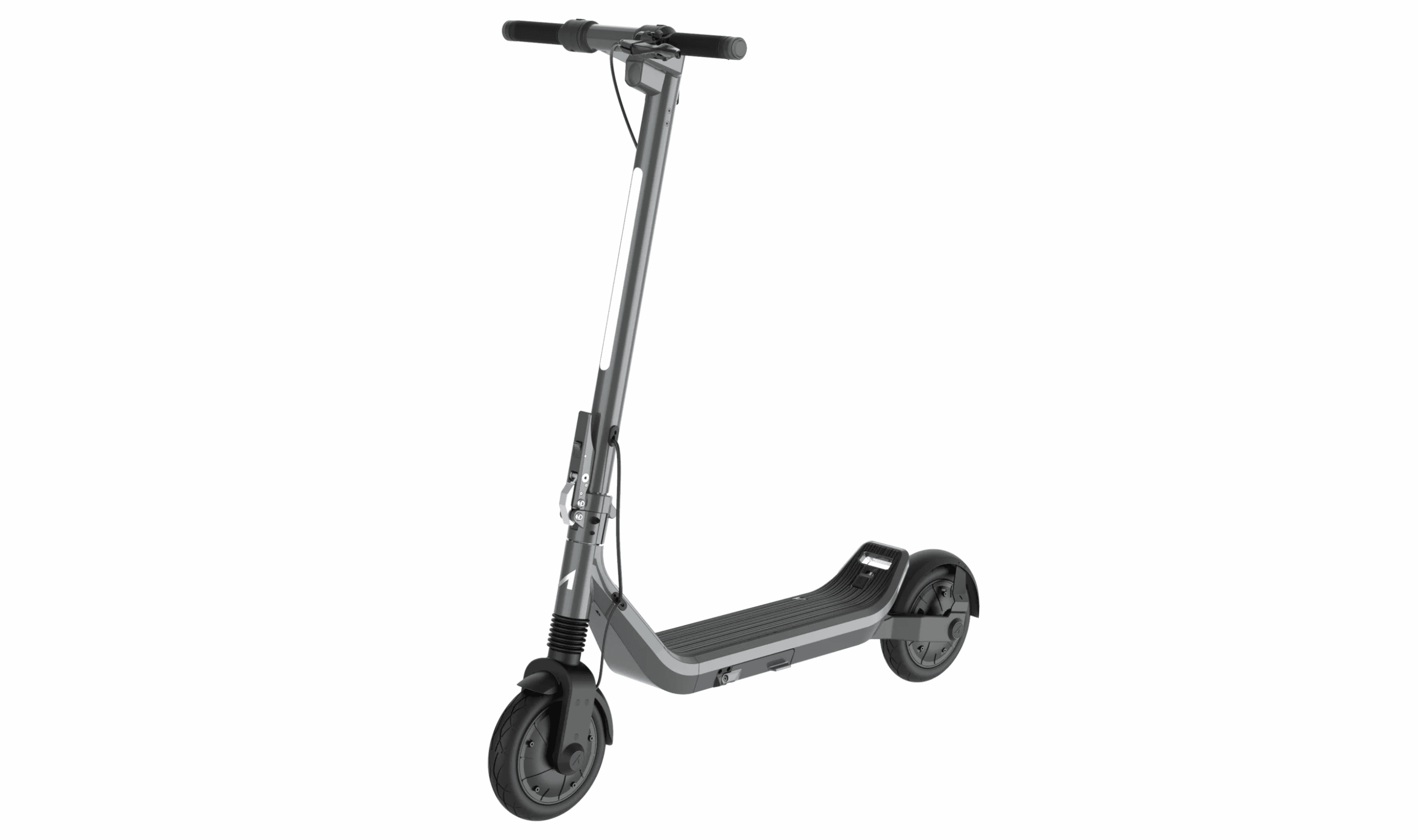
7 Best Electric Scooters for 2026
The best electric scooters for 2026, from the well-rounded Apollo Go to the long-range Segway Ninebot Max G3 and budget Segway E3 Pro. Picks for every rider.
3 min read
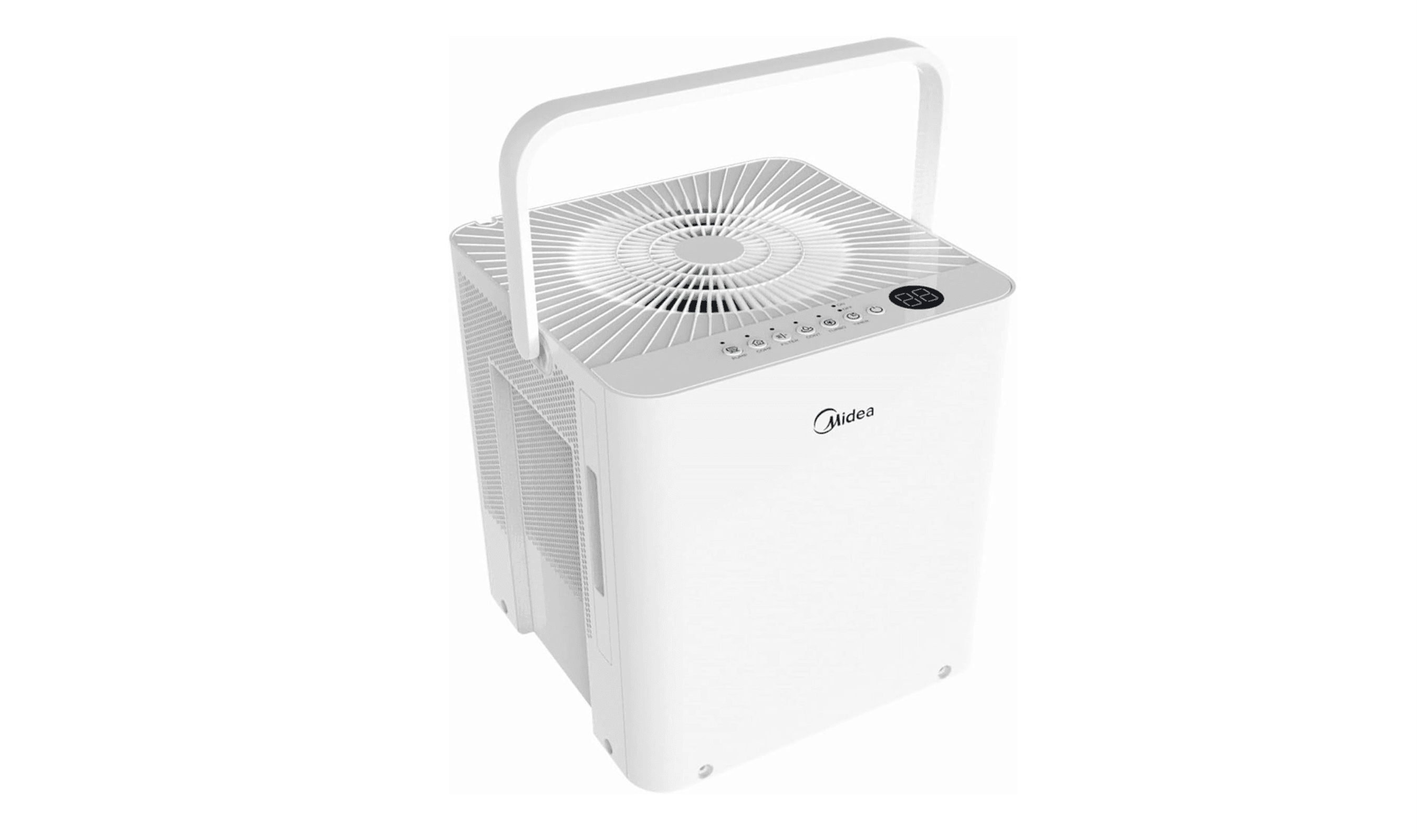
Best Dehumidifiers for Basements and Homes in 2026
The best dehumidifiers for basements and damp rooms in 2026, led by the Midea 50-Pint Cube, with picks for value, large spaces, and built-in pump drainage.
3 min read
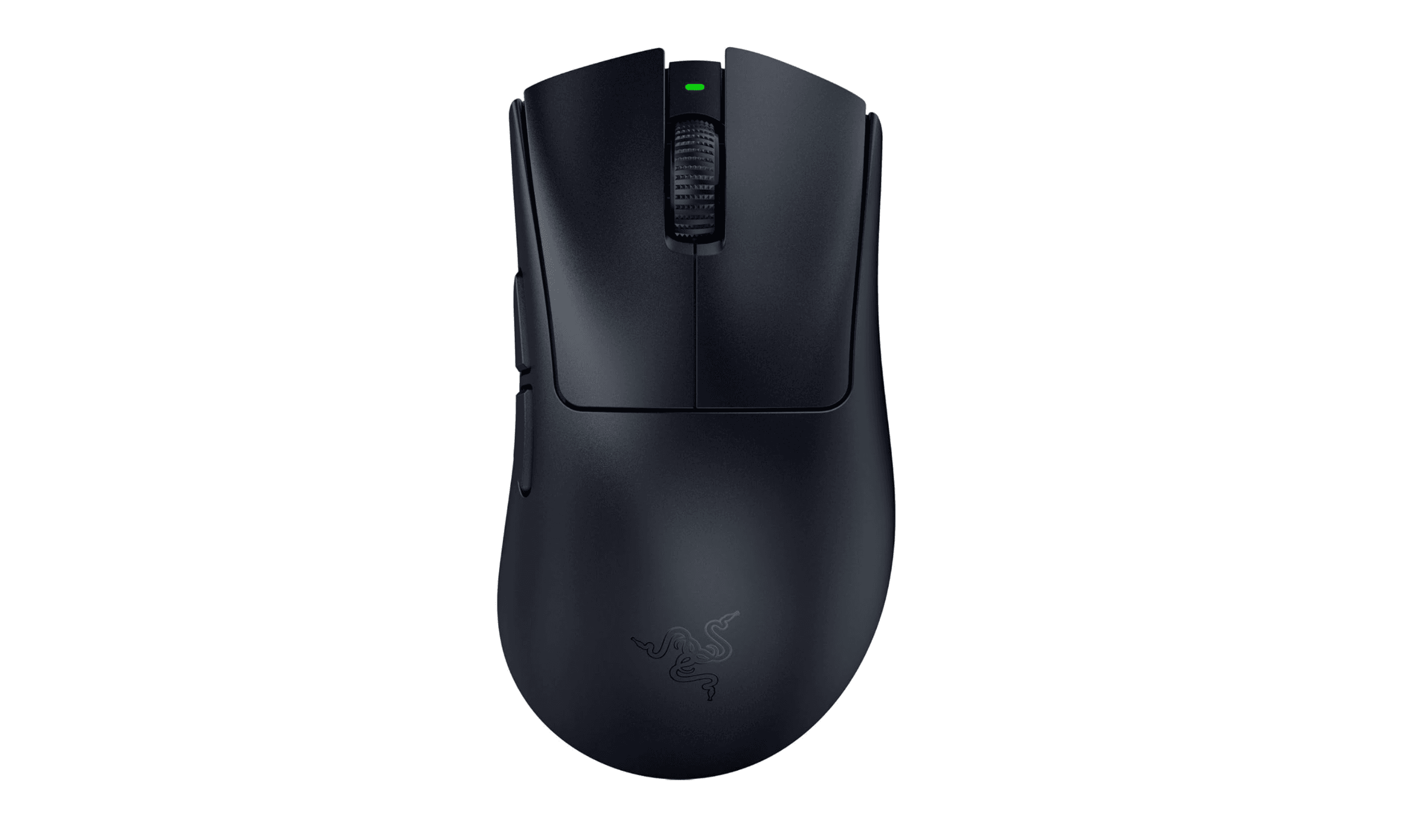
8 Best Gaming Mice to Buy in 2026
5 min read
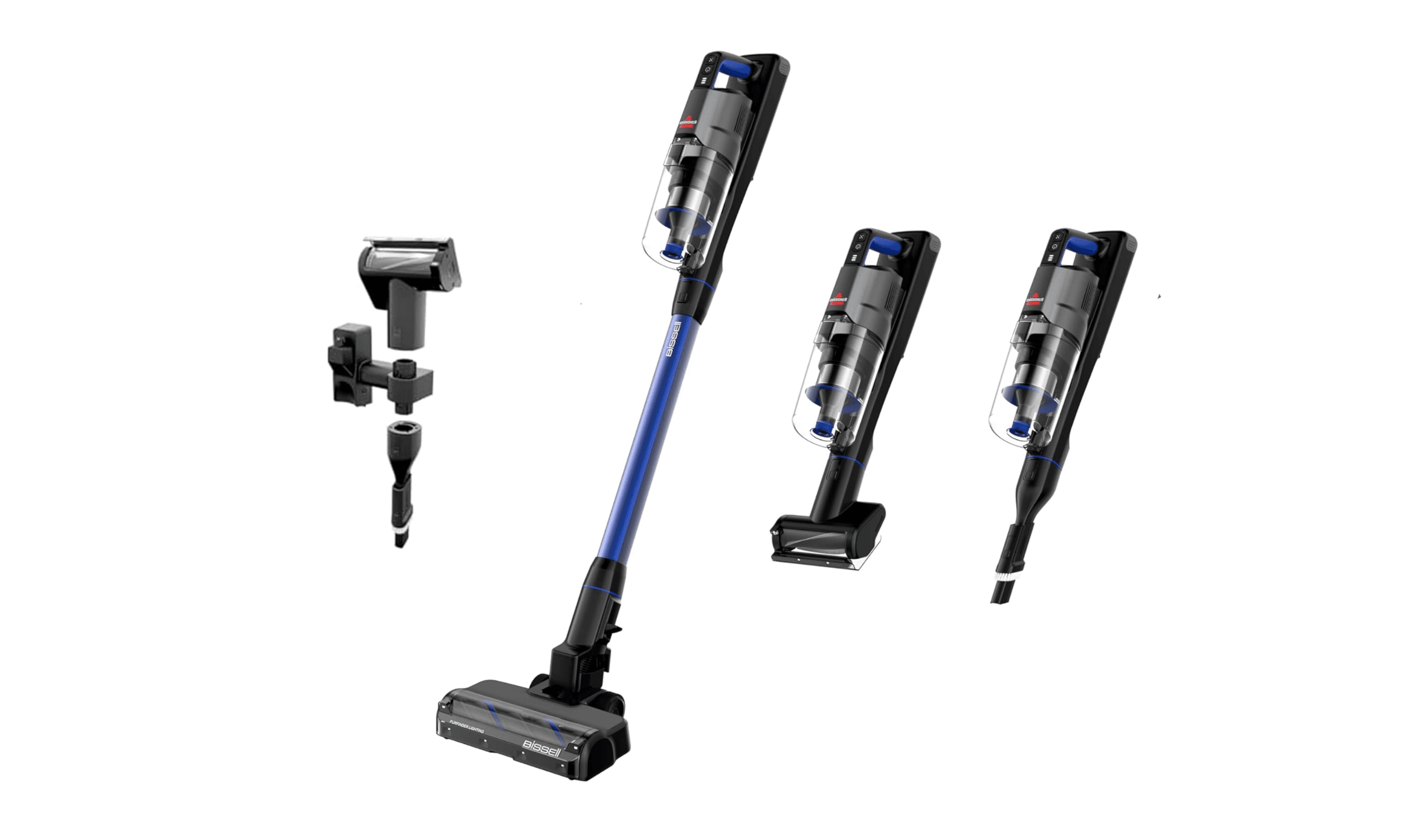
Top 6 cordless vacuums for 2026
4 min read
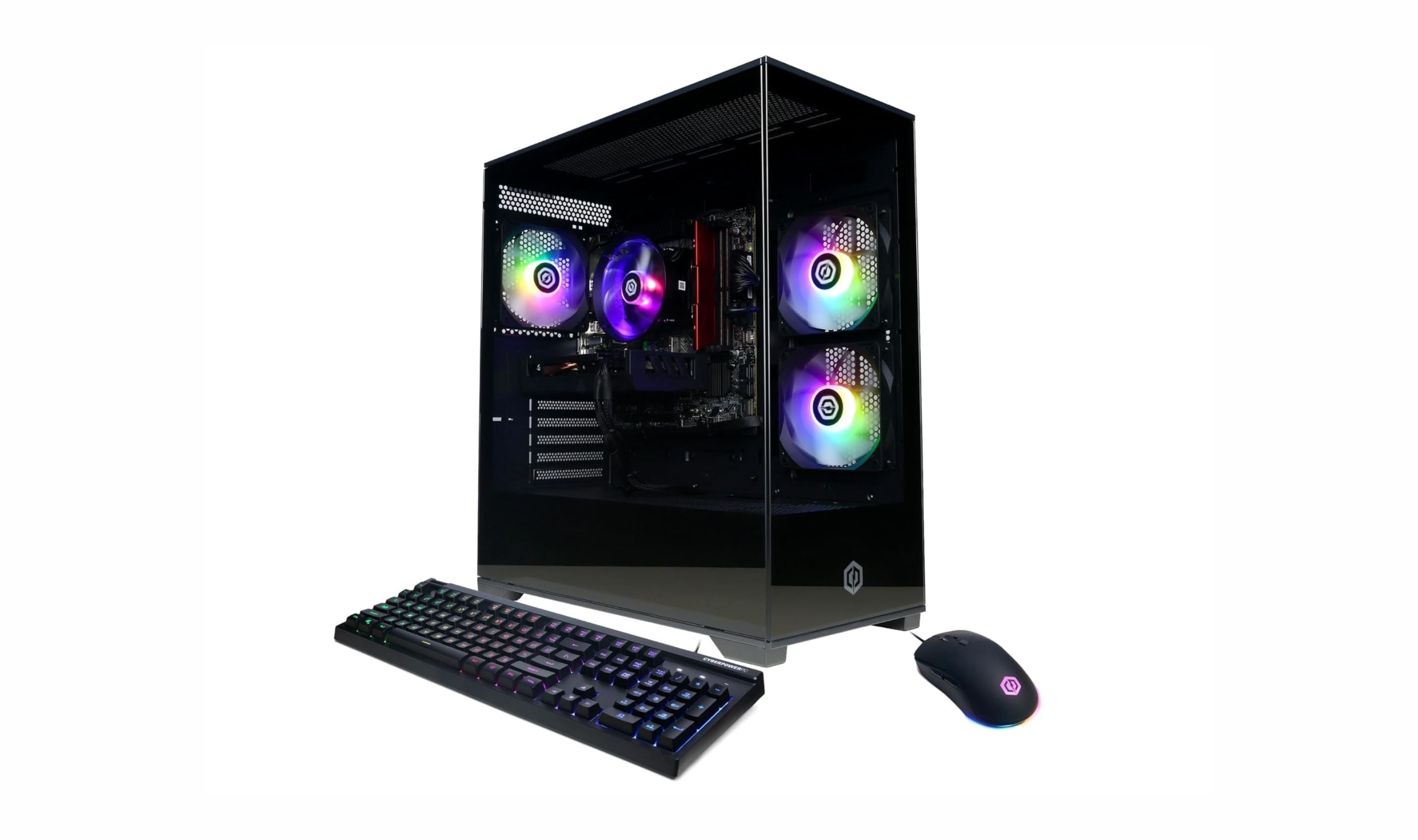
9 Best Desktops Under $1500 for 2026
3 min read

5 Best Cheap Tablets for 2026
3 min read
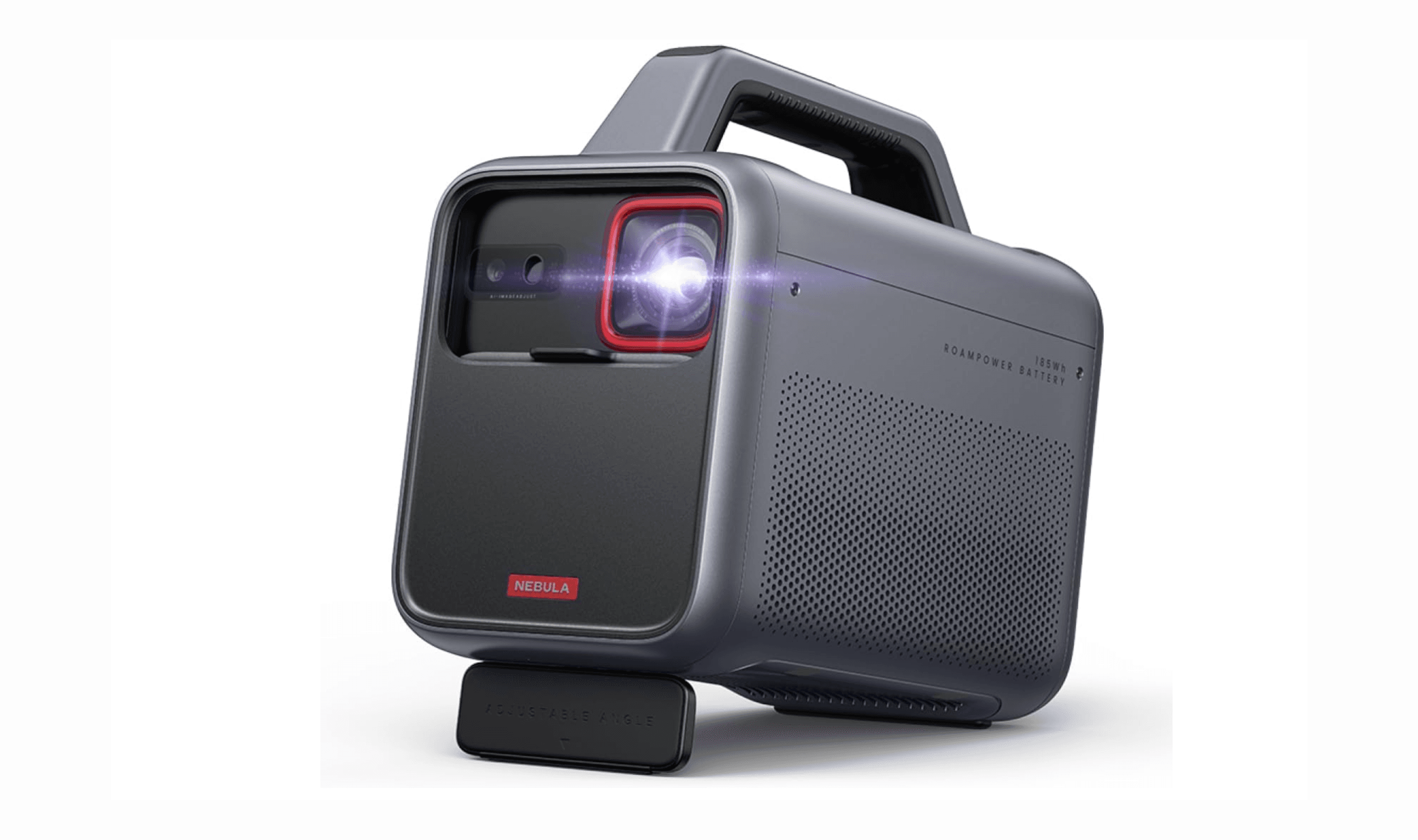
7 Best Outdoor Projectors for 2026
5 min read
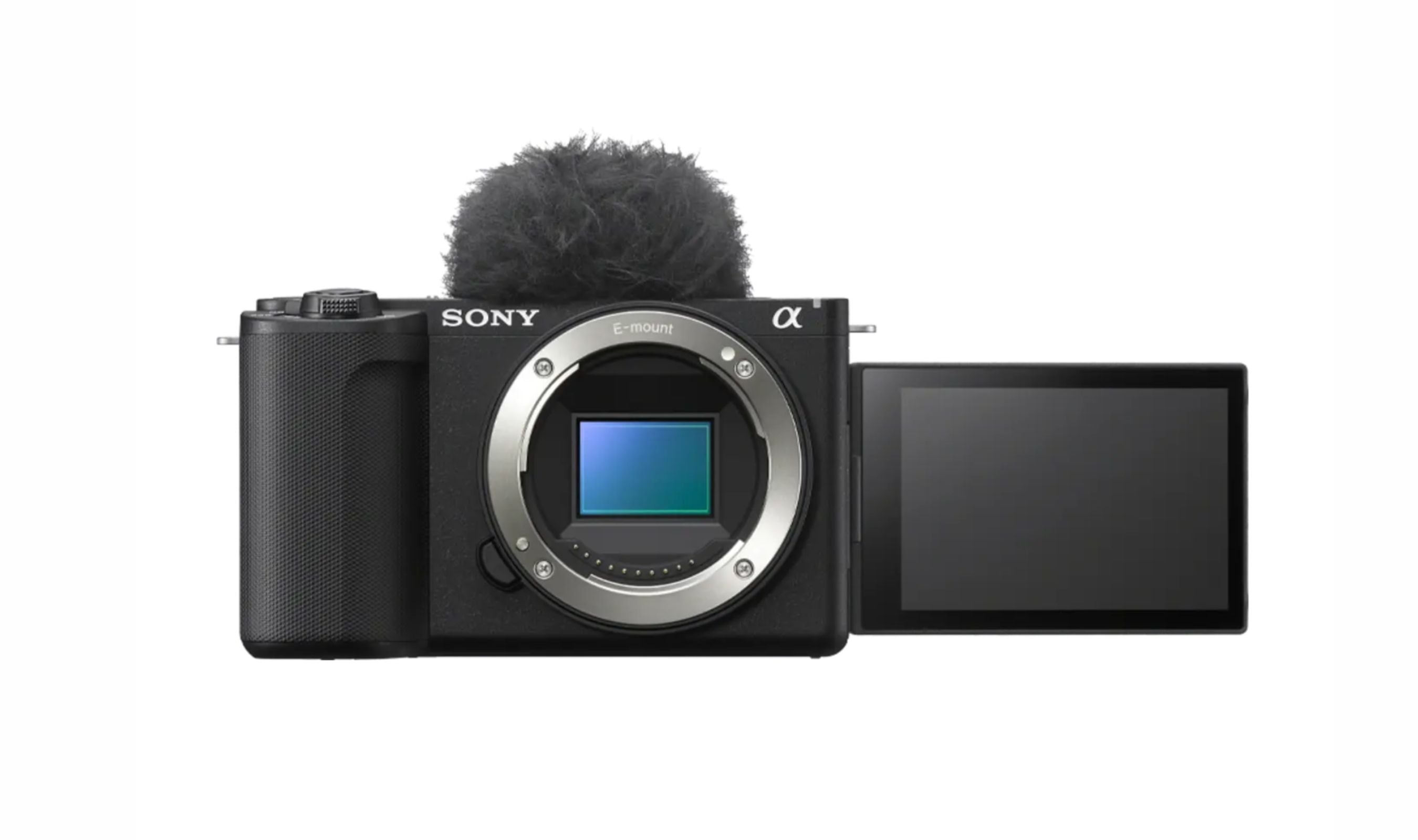
Best Camera for YouTube in 2026
4 min read
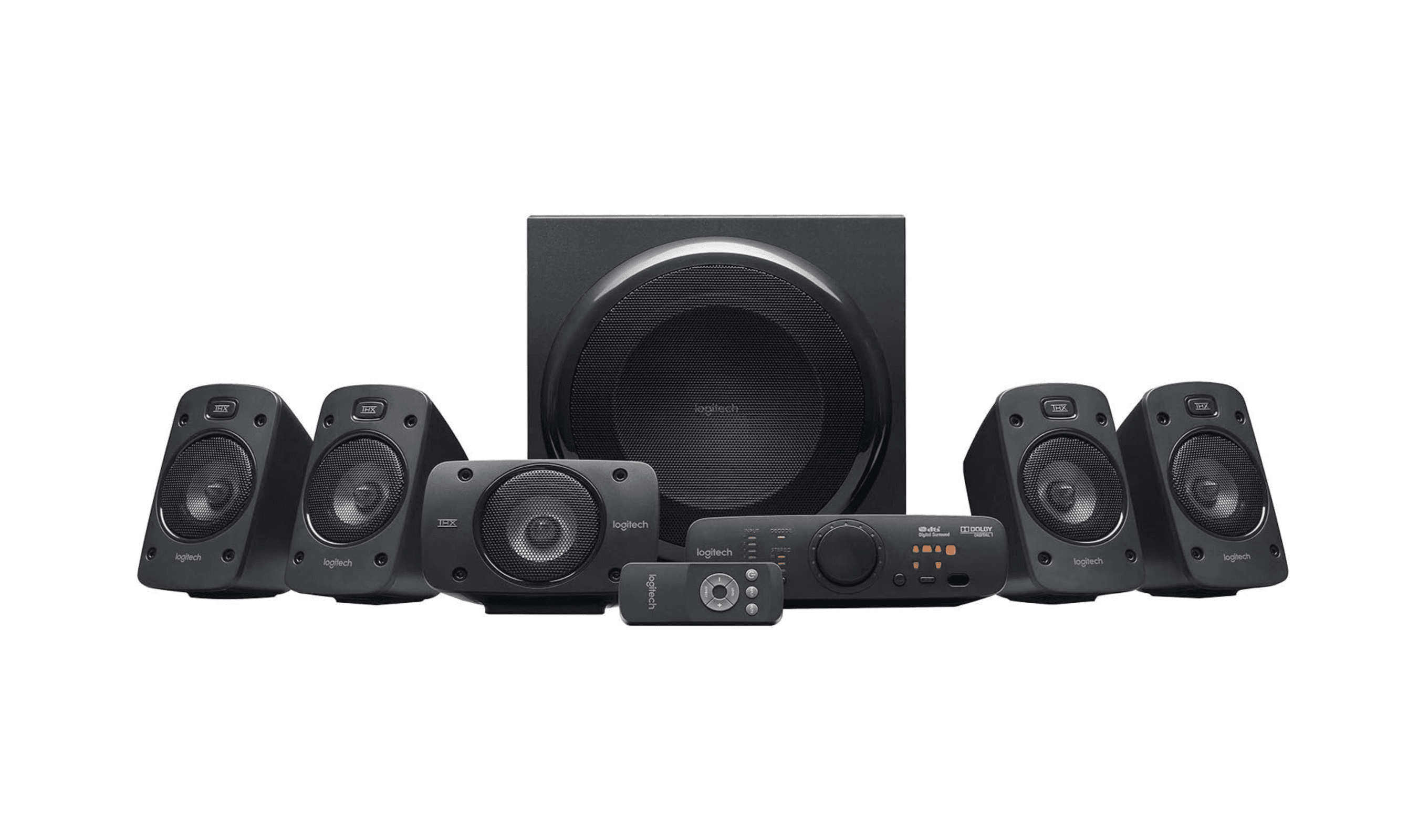
7 Surround Sound Picks for Movies and Gaming in 2026
5 min read
5 Best Solar Power Stations for 2026
3 min read