A vocal microphone has to suit the voice, the room and the rest of the recording chain. Large-diaphragm condensers capture fine detail and need phantom power, while dynamic microphones are a common choice for close-up singing and speech and need no capsule power at all.
Technobezz is supported by its audience. We may get a commission from retail offers.
7 Best Microphones for Recording Vocals in 2026
The Neumann TLM 103 is our top pick for recording vocals, with dynamic, multi-pattern and value condenser options for home and professional studios in 2026.
T
Technobezz
Editorial Team
Updated November 8, 2026Nov 8, 2026
•13 min read

Get Deals Like These in Your Inbox
The best prices, straight to your inbox.
Add Technobezz on Google:Preferred SourceGoogle Discover
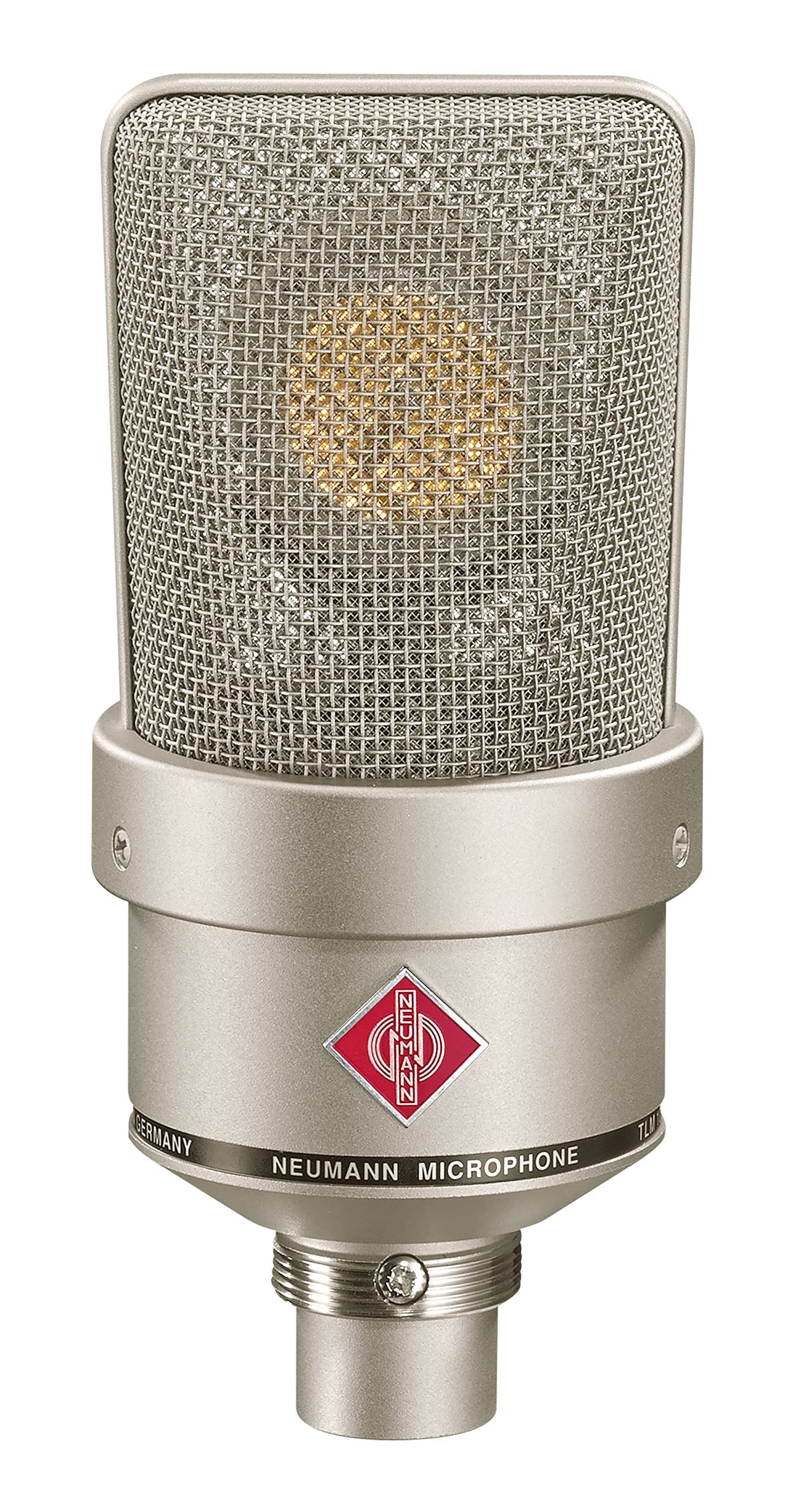
The Neumann TLM 103 is the best overall pick. Neumann derives its large-diaphragm capsule from the U 87, rates its self-noise at only 7 dB-A, and lists a maximum SPL of 138 dB, so it can handle quiet, breathy takes as well as loud belting from one cardioid microphone.
This page is for singers, rappers, voice-over artists and home studio owners who want a clear starting point. The rest of the list covers a dynamic option, a premium multi-pattern classic, a multi-pattern value pick, a value condenser, a project studio condenser and a budget dynamic.
At a Glance
| Category | Product | Why We Picked It |
|---|---|---|
| Best overall | Neumann TLM 103 | U 87-derived capsule, 7 dB-A self-noise and 138 dB max SPL |
| Best dynamic microphone | Shure SM7B | Cardioid dynamic with tone controls and a built-in pop filter |
| Best premium | Neumann U 87 Ai | Three polar patterns, pad and low-cut on a studio classic |
| Best multi-pattern value | Warm Audio WA-87 R2 | Three patterns, -10 dB pad and 80 Hz high-pass filter |
| Best value condenser | LEWITT LCT 440 PURE | 7 dB(A) self-noise, 140 dB max SPL and a pop filter in the box |
| Best for project studios | Sennheiser MK 4 | 1-inch gold-plated diaphragm in a full metal housing |
| Best budget dynamic | Shure SM58 | Vocal-tailored response for both stage and studio |
How we chose
We compared each maker's published specifications and features for microphones suited to vocal recording, including transducer type, polar patterns, self-noise, maximum SPL, onboard switches and included accessories. We then checked that each pick is sold new on Amazon.
The best microphones for recording vocals right now
Neumann TLM 103 - Best overall
The Neumann TLM 103 is a cardioid large-diaphragm condenser whose capsule Neumann derives from the K67/87 capsule of the U 87. Neumann describes its sound as direct yet refined and says it is perfect for vocals, with a wide presence boost above 5 kHz.
The numbers back up its all-round appeal. Neumann rates self-noise at 7 dB-A and maximum SPL at 138 dB, and its transformerless output stage runs on 48 V phantom power. The mount and case vary by set: the standard version comes with an SG 2 swivel mount, while the EA 1 shock mount comes in the studio and stereo sets.
Key highlights
- Cardioid large-diaphragm condenser
- Capsule derived from the U 87
- 7 dB-A self-noise
- 138 dB maximum SPL (0.5% THD)
- 20 Hz to 20 kHz frequency range
- Transformerless output, 48 V phantom power
Pros
- Very low self-noise for quiet, detailed vocal takes
- High maximum SPL leaves room for loud singers
- Presence boost above 5 kHz adds definition
Cons
- Cardioid only, with no other polar patterns
- No pad or low-cut switch in its spec list
- Shock mount only comes with the studio and stereo sets
Who it is for: Vocalists and home studio owners who want one premium, very quiet cardioid condenser for lead vocals and solo instruments.
Skip if
You need omni or figure-8 patterns, or your setup cannot supply 48 V phantom power.
Shure SM7B - Best dynamic microphone
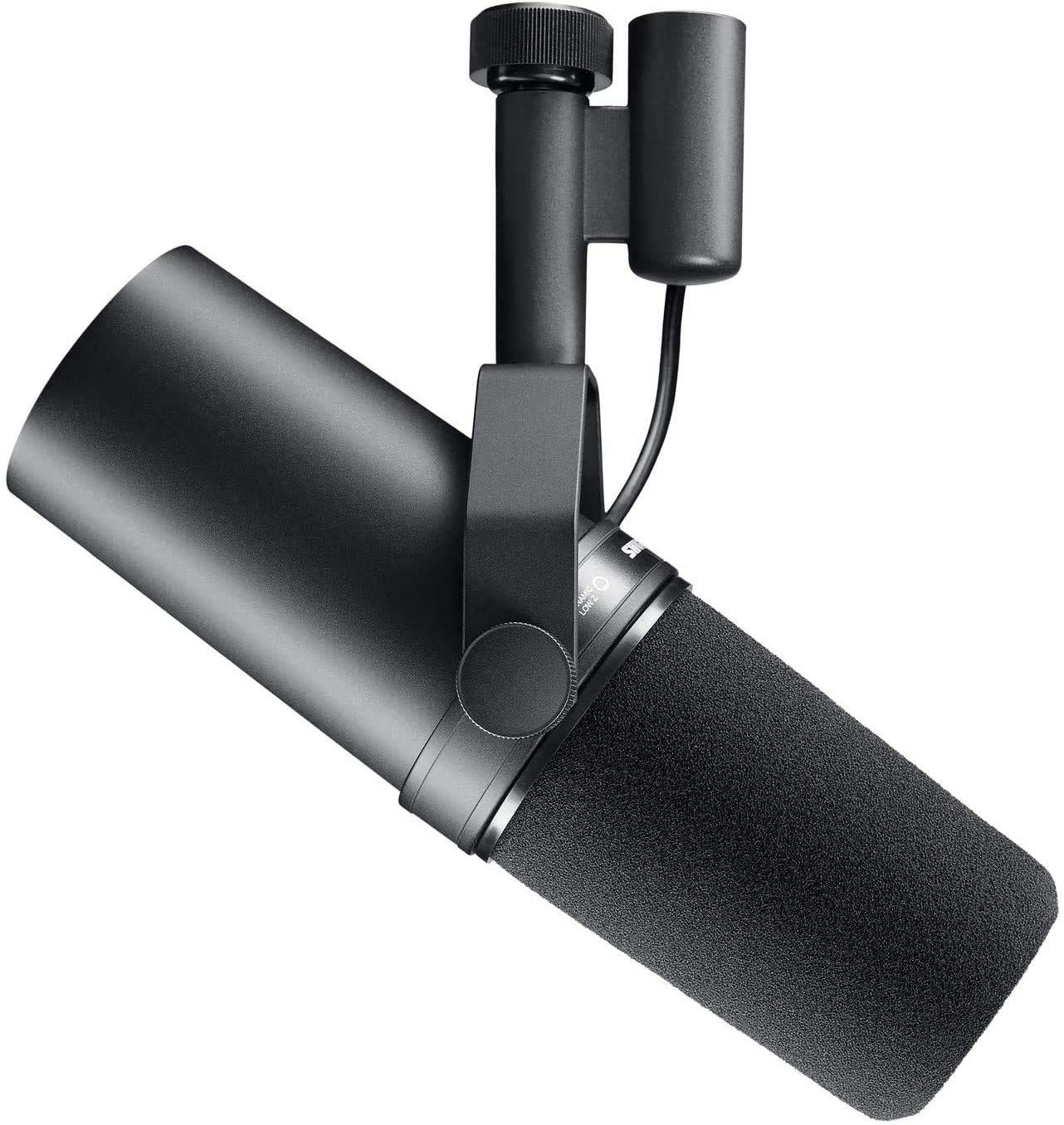
The Shure SM7B is a dynamic vocal microphone with a classic cardioid pattern that Shure says is uniform with frequency and symmetrical about its axis. Shure gives it a flat, wide-range frequency response for both music and speech.
It has bass rolloff and presence boost controls with a graphic display of the setting, internal air suspension shock isolation, and shielding against hum from computer monitors. It ships with the A7WS detachable windscreen, and Shure says its pop filter removes the need for add-on protection, even for close-up vocals.
Key highlights
- Dynamic cardioid vocal microphone
- Bass rolloff and presence boost controls
- Internal air suspension shock isolation
- Built-in pop filter plus A7WS detachable windscreen
- Shielding against computer monitor hum
- Yoke mount with captive stand nut
Pros
- Tone controls let you shape bass and presence at the source
- Pop protection is built in for close-up singing
- Shock isolation cuts mechanical noise
- Rugged construction with cartridge protection
Cons
- Cardioid only, with no other polar patterns
- The product page gives no numeric frequency response or sensitivity figures
Who it is for: Singers and voice artists who record close to the microphone and want a rugged dynamic with built-in tone shaping.
Skip if
You want the airy detail and published low self-noise figures of a large-diaphragm condenser.
Neumann U 87 Ai - Best premium
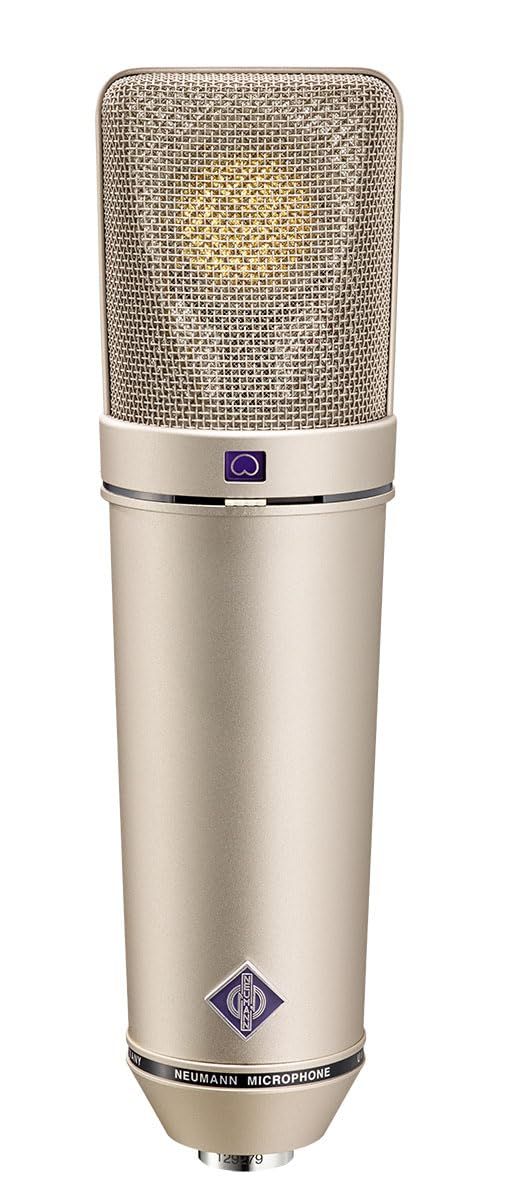
Neumann calls the U 87 Ai the ultimate vocal microphone and the most widely used studio microphone for 50 years. It is a large dual-diaphragm condenser with omnidirectional, cardioid and figure-8 patterns, a switchable pad and a switchable low-cut filter.
Its specs vary by pattern: self-noise is 12 dB-A in cardioid, 14 dB-A in figure-8 and 15 dB-A in omni. Maximum SPL is 117 dB in cardioid, rising to 127 dB with the pad engaged. It runs on P48 phantom power, and the included shock mount and case depend on whether you buy the studio set or the stereo set.
Key highlights
- Large dual-diaphragm condenser
- Omnidirectional, cardioid and figure-8 patterns
- Switchable pad and low-cut filter
- 12 dB-A self-noise in cardioid (varies by pattern)
- 117 dB max SPL in cardioid, 127 dB with pad
- Transformer-balanced output, P48 phantom power
Pros
- Three patterns cover solo vocals, duets and room sound
- Pad and low-cut are built in
- Neumann pitches it as its ultimate vocal microphone
Cons
- 117 dB cardioid max SPL without the pad is well below the TLM 103's 138 dB
- 12 dB-A cardioid self-noise is higher than the TLM 103's 7 dB-A
Who it is for: Professional and serious project studios that want a multi-pattern vocal microphone with a long studio pedigree.
Skip if
You only need cardioid, where the TLM 103 has lower self-noise and higher max SPL on paper.
Warm Audio WA-87 R2 - Best multi-pattern value
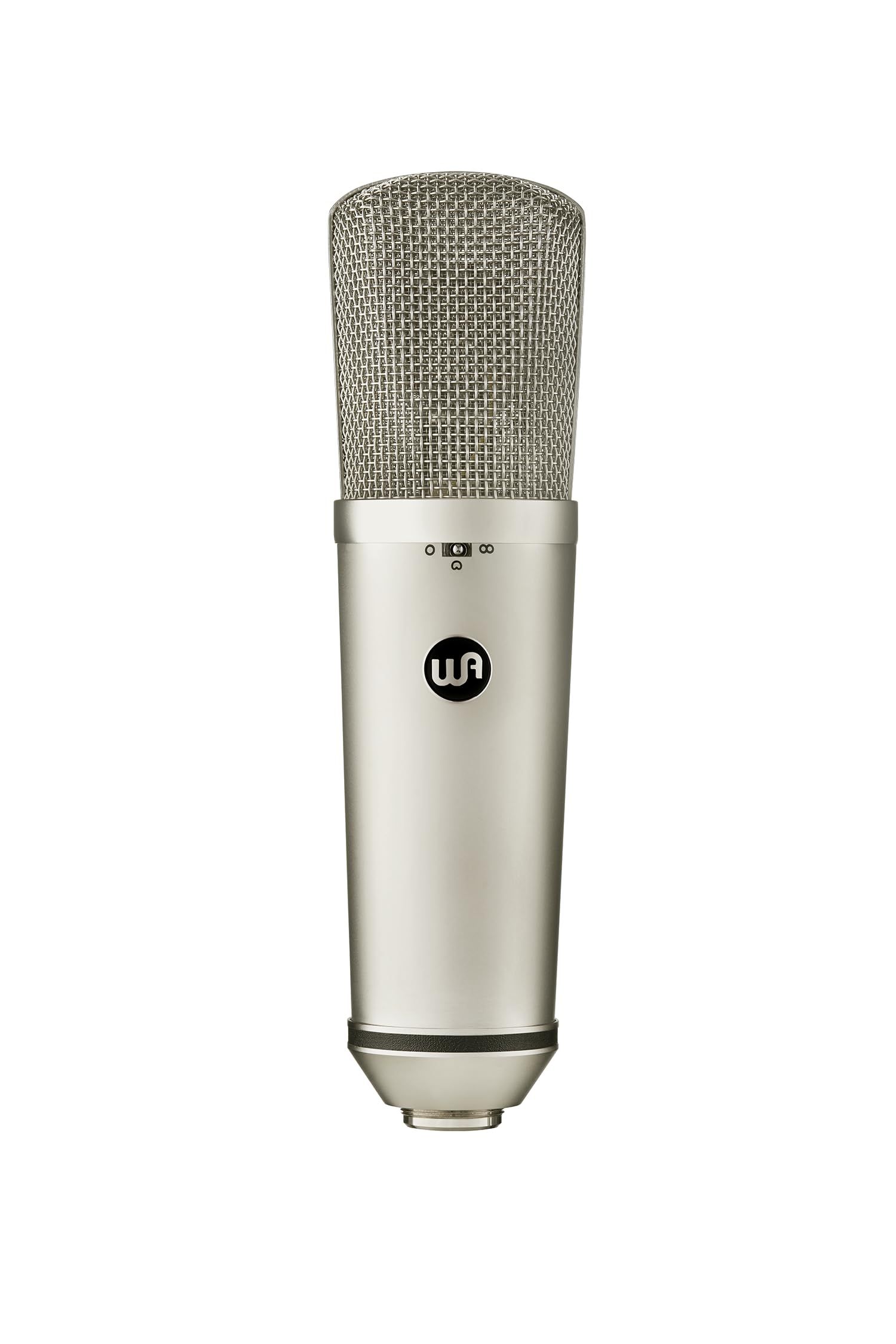
Warm Audio describes the WA-87 R2 as an authentic reproduction of the most popular studio vocal mic of all time. It is a large-diaphragm, transformer-balanced condenser built around a K87-style capsule.
Like the U 87 Ai, it offers cardioid, omni and figure-8 patterns. It adds a -10 dB pad and a switchable 80 Hz high-pass filter, and Warm Audio says its 7-10kHz bump adds a radio-friendly edge to lead vocals. The product page does not publish self-noise, maximum SPL or a list of included accessories.
Key highlights
- Large-diaphragm, transformer-balanced condenser
- K87-style capsule
- Cardioid, omni and figure-8 patterns
- -10 dB pad
- Switchable 80 Hz high-pass filter
- Nickel, black and titanium pair finishes
Pros
- Three patterns on a value-minded vocal condenser
- Pad and high-pass filter handle loud sources and low rumble
- Upper-mid presence lift aimed at lead vocals
Cons
- No published self-noise, max SPL or frequency response figures
- Included accessories are not listed on the product page
Who it is for: Home studio owners who want a multi-pattern large-diaphragm condenser with a pad and filter without stepping up to the U 87 Ai.
Skip if
You want to compare full published specs before you buy.
LEWITT LCT 440 PURE - Best value condenser
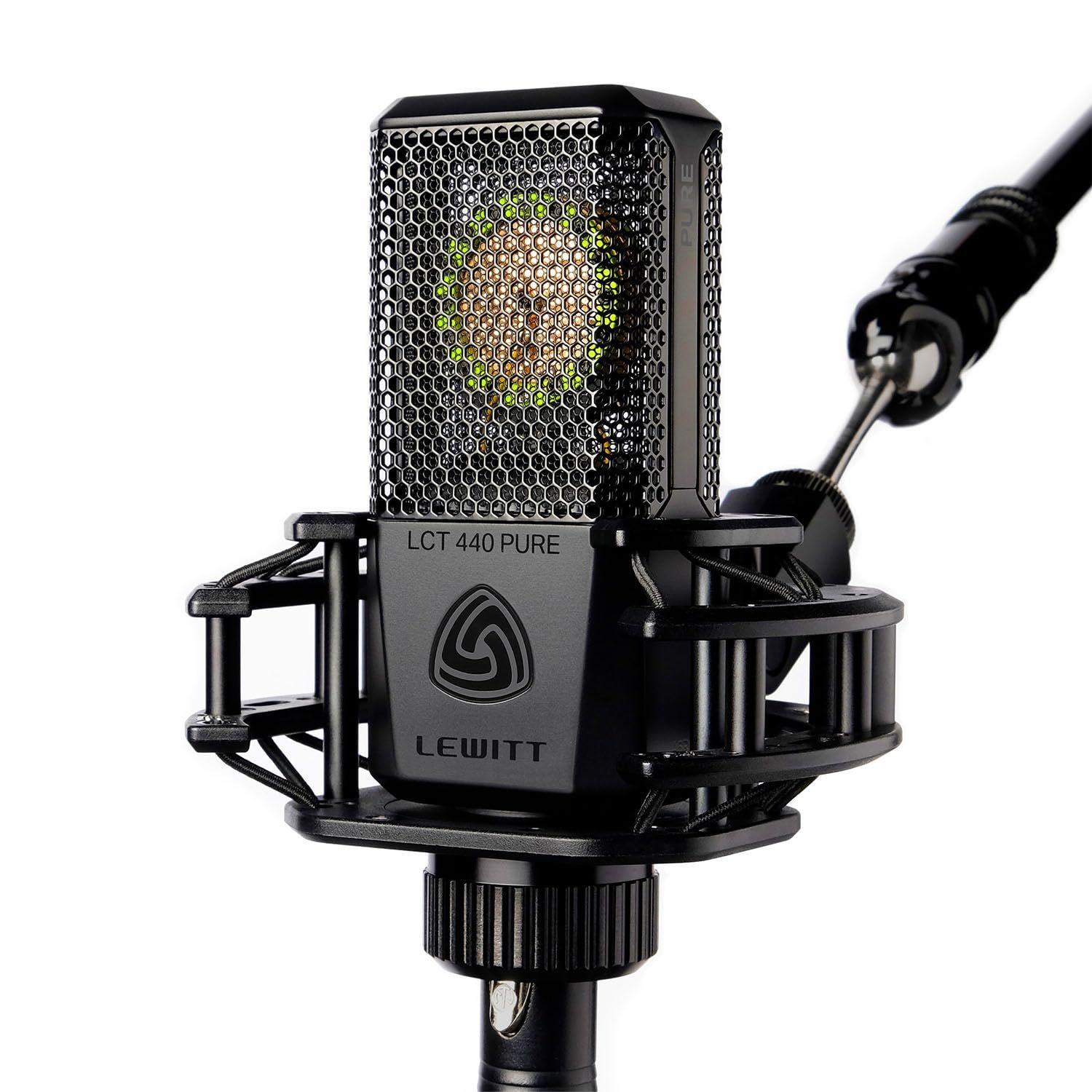
The LEWITT LCT 440 PURE is a 1-inch true condenser cardioid microphone that LEWITT pitches for vocals, podcasts and instruments. It uses a gold-sputtered 3-micron Mylar diaphragm in a zinc die-cast housing.
On paper it is strong: 7 dB(A) self-noise, 140 dB maximum SPL and 133 dB(A) dynamic range, on 48 V phantom power. The box includes a shock mount, a magnetic pop filter, a foam windscreen and a transport bag, so it is ready for vocal sessions without extra purchases.
Key highlights
- 1-inch true condenser capsule
- Cardioid pattern with rear rejection
- 7 dB(A) self-noise
- 140 dB maximum SPL (0.5% THD)
- 48 V phantom power
- Shock mount, magnetic pop filter, foam windscreen and bag included
Pros
- Self-noise matches the TLM 103's rating
- Highest max SPL figure in this list
- Pop filter and shock mount come in the box
- Compact, camera-friendly design at 310 g
Cons
- Cardioid only, with no other polar patterns
- No pad or low-cut switch in its spec list
Who it is for: First-time studio buyers and vocalists who want low-noise condenser specs and the key vocal accessories in one box.
Skip if
You need multiple patterns or onboard filtering.
Sennheiser MK 4 - Best for project studios
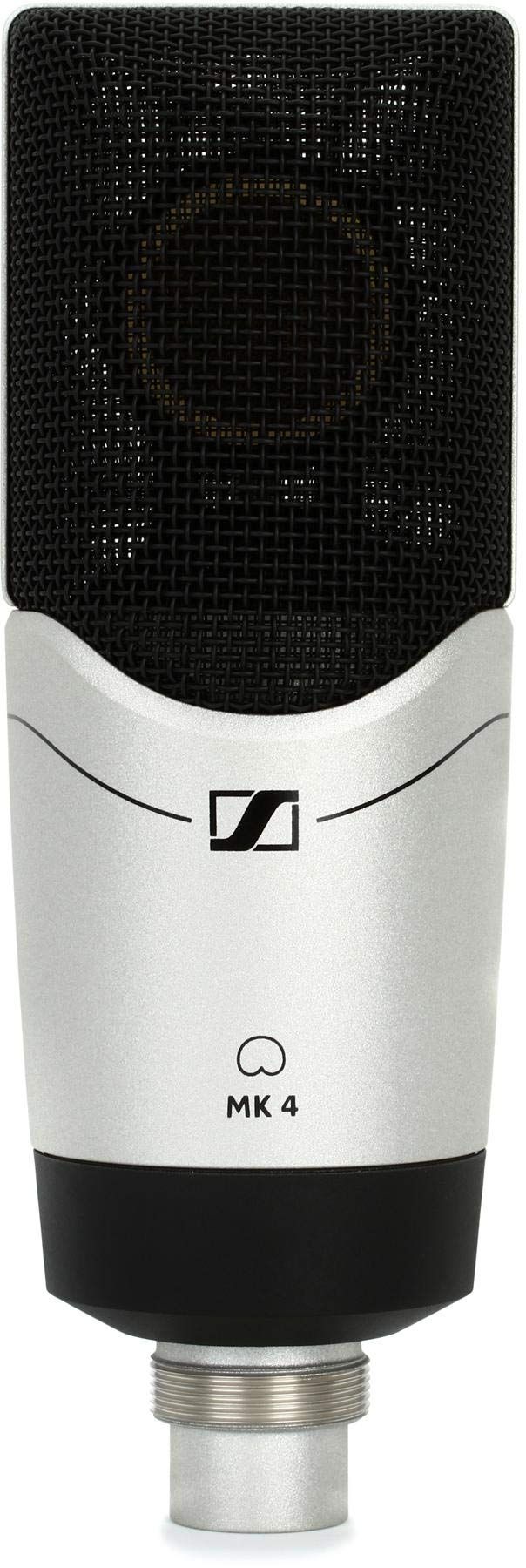
Sennheiser describes the MK 4 as a professional quality cardioid condenser for home, project and professional studios, and calls it ideal for vocals and acoustic instruments. Its 1-inch true condenser capsule is based on the acoustics of the e 965 vocal microphone.
The 24-carat gold-plated diaphragm sits in a full metal housing. Sennheiser lists 10 dB(A) equivalent noise, 25 mV/Pa sensitivity and more than 130 dB dynamic range on P48 phantom power. It ships with an MZQ 4 microphone clip and a pouch rather than a shock mount.
Key highlights
- 1-inch true condenser capsule
- 24-carat gold-plated diaphragm
- Cardioid pattern
- 10 dB(A) equivalent noise level
- 20 Hz to 20,000 Hz frequency response
- Full metal housing, 485 g
Pros
- Built for home and project studio vocals
- Capsule based on a Sennheiser vocal microphone
- Sturdy full metal construction
- Includes a clip and pouch
Cons
- No shock mount in the box
- No maximum SPL figure on the product page
- Cardioid only, with no other polar patterns
Who it is for: Project studio owners who want a solid, single-pattern condenser for vocals and acoustic instruments.
Skip if
You want a shock mount and pop filter included, as with the LEWITT LCT 440 PURE.
Shure SM58 - Best budget dynamic
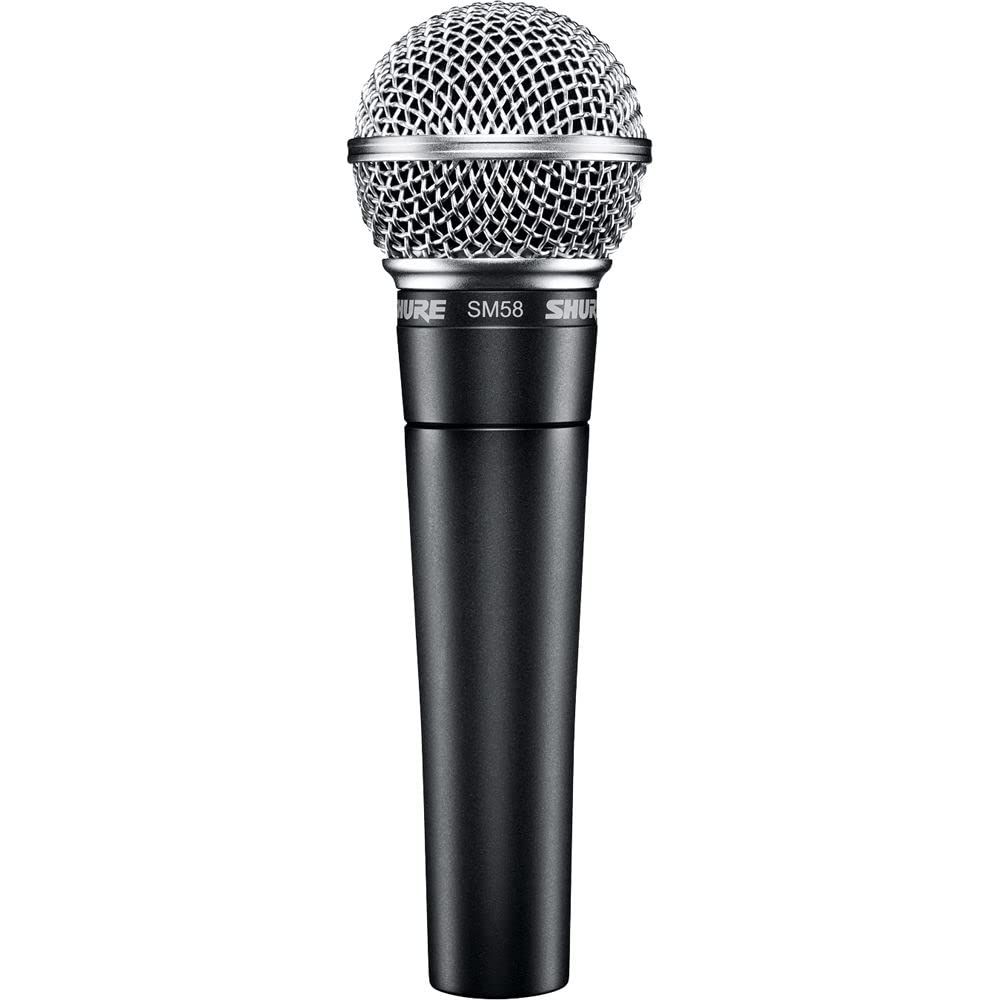
Shure designs the SM58 for professional vocal use in live performance, sound reinforcement and studio recording. Its cardioid dynamic design has a frequency response tailored for vocals, with a brightened midrange and bass rolloff.
A pneumatic shock-mount system cuts handling noise, and a built-in spherical wind and pop filter helps with close singing. Shure lists a 50 to 15,000 Hz frequency response, and it comes with an A25D swivel stand adapter and a storage bag. Shure sells it with or without an on/off switch, so check which version a listing ships.
Key highlights
- Cardioid dynamic vocal microphone
- Brightened midrange and bass rolloff
- 50 to 15,000 Hz frequency response
- Pneumatic shock-mount system
- Built-in spherical wind and pop filter
- A25D stand adapter that rotates 180 degrees
Pros
- One microphone for both stage and studio vocals
- Built-in pop filter for close-up singing
- Shure highlights its ruggedness and reliability
- Affordable entry point to a vocal dynamic
Cons
- 50 to 15,000 Hz range is narrower than the 20 Hz to 20 kHz the TLM 103 and MK 4 list
- Cardioid only, with no other polar patterns
- No sensitivity or weight figures on the product page
Who it is for: Budget-minded singers who want one rugged dynamic microphone for gigs and home recording.
Skip if
Studio detail matters most, where a condenser such as the TLM 103 or LCT 440 PURE fits better.
How to Choose
- Pick dynamic or condenser first. Dynamics such as the SM7B and SM58 need no phantom power, while condensers such as the TLM 103 and LCT 440 PURE need 48 V phantom power from your interface or preamp.
- Check self-noise for quiet vocals. A lower dB(A) self-noise figure means less hiss on soft passages. The TLM 103 and LCT 440 PURE both list 7 dB(A).
- Match max SPL to your voice. Loud singers benefit from high maximum SPL ratings or a pad. Max SPL ranges here from 117 dB on the U 87 Ai in cardioid without its pad to 140 dB on the LCT 440 PURE.
- Decide if you need more than cardioid. Omni and figure-8 patterns on the U 87 Ai and WA-87 R2 help with duets, group vocals and room sound. Cardioid is enough for most solo vocal recording.
- Look at what comes in the box. A shock mount and pop filter matter for vocals. The LCT 440 PURE includes both, the MK 4 comes with a clip, and Neumann accessories vary by set.
FAQ
Is a condenser or dynamic microphone better for vocals?
Both work. Condensers list wider frequency ranges and very low self-noise for detailed studio vocals, while dynamics such as the SM7B and SM58 need no phantom power and build in pop filtering for close-up singing.
Do these microphones need phantom power?
The TLM 103, U 87 Ai, LCT 440 PURE and MK 4 all list 48 V phantom power. The SM7B and SM58 are dynamic microphones.
Do I need a multi-pattern microphone for vocals?
Not for most solo vocals, where cardioid is standard. Multi-pattern models such as the U 87 Ai and WA-87 R2 add omni and figure-8 options for duets, groups and room recording.
Do I still need a pop filter?
The SM7B and SM58 have built-in pop filters, and the LCT 440 PURE includes a magnetic pop filter. For the other condensers here, an external pop filter is worth adding for close vocals.
What does self-noise mean on a spec sheet?
Self-noise is the hiss the microphone itself produces, shown in dB(A). Lower is better, which is why figures such as 7 dB(A) on the TLM 103 and LCT 440 PURE stand out for quiet vocal recording.
Published November 8, 2026 Last updated November 8, 2026
Add Technobezz on Google:Preferred SourceGoogle Discover
More on microphones
Buying guide
Best Lavalier Microphones for iPhones in 2026
Deal
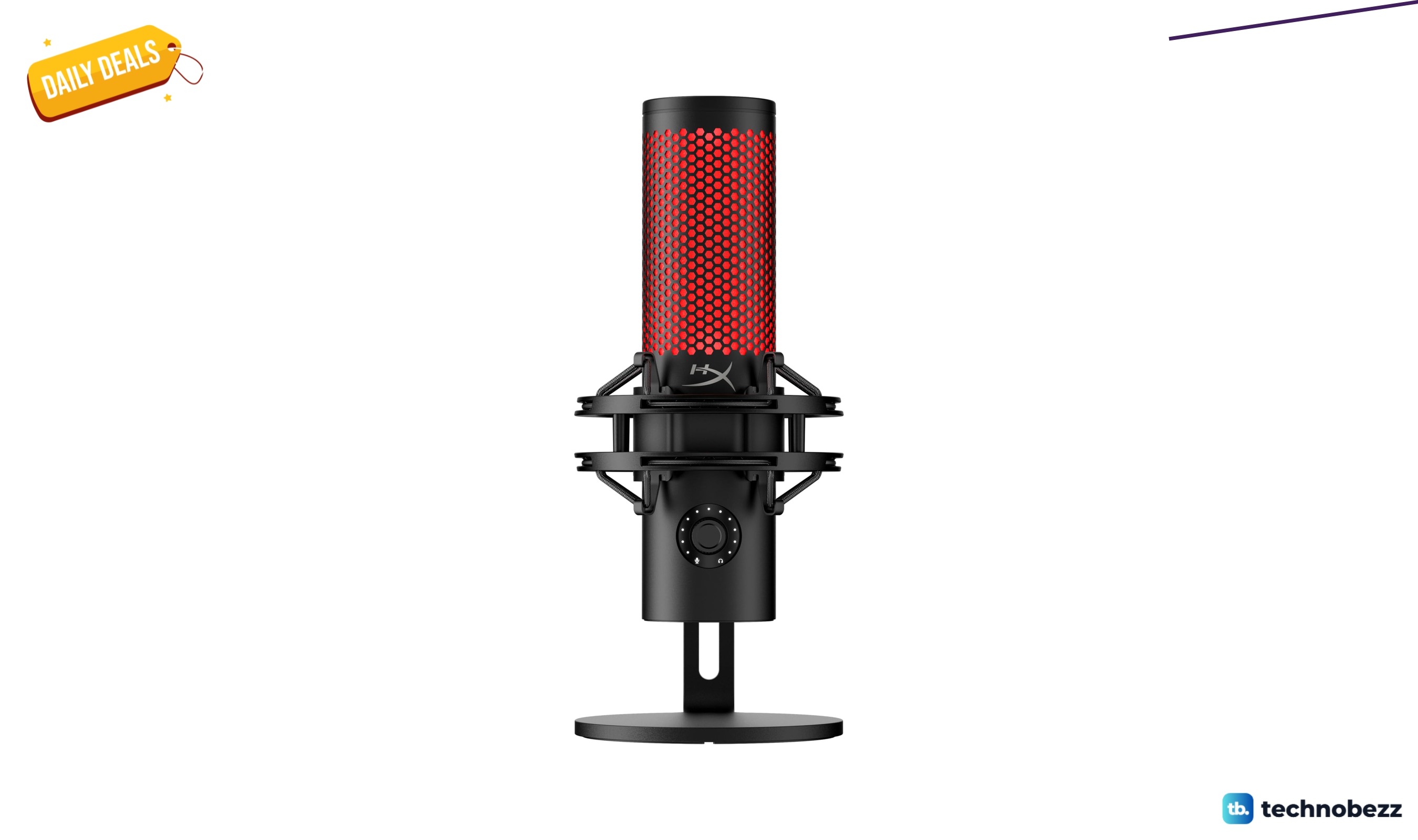
HyperX QuadCast 2 USB Microphone gets a Prime Big Deal Days price cut to $99.24
Deal
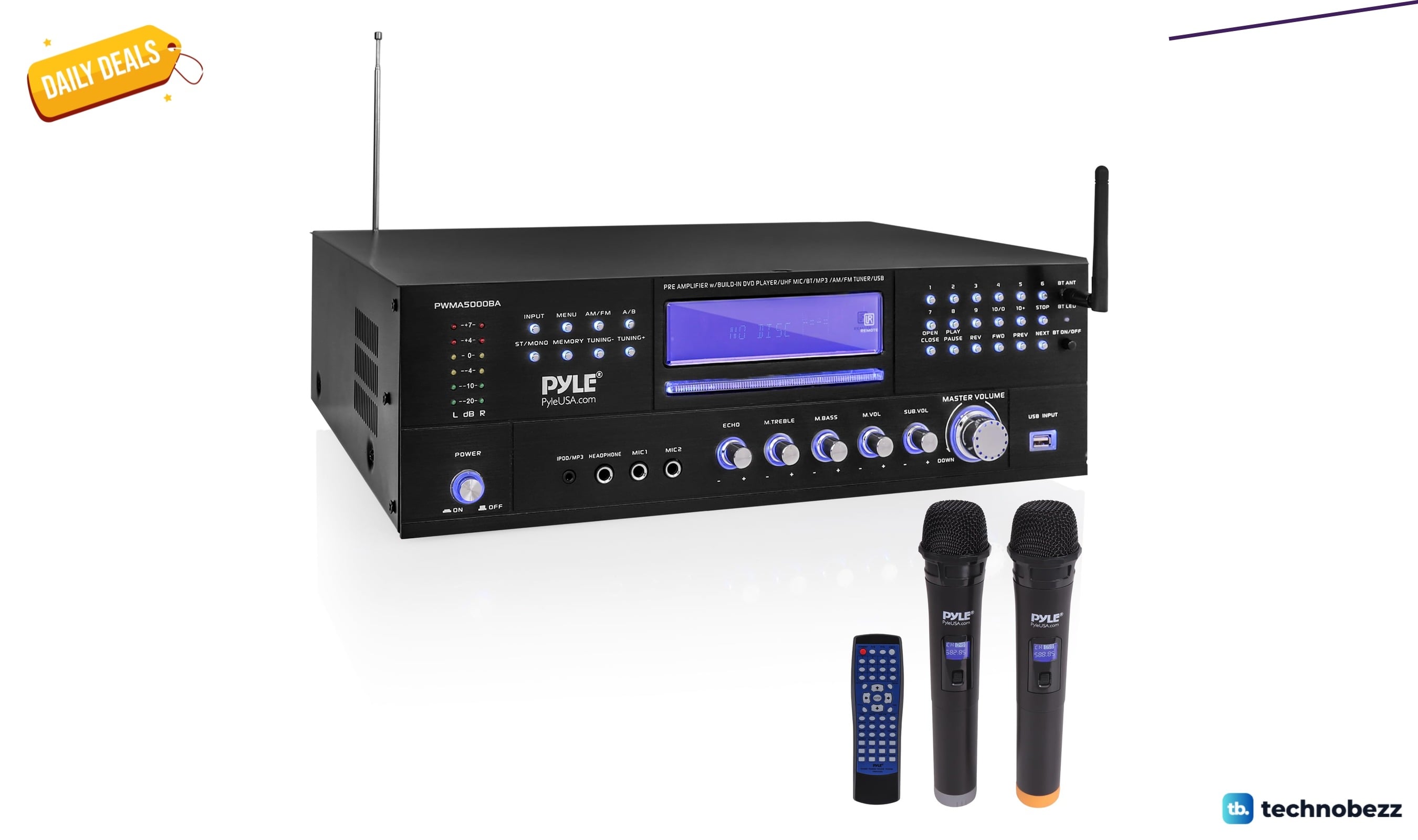
Pyle 4-Channel Wireless Microphone Amplifier System drops to $182.59
Deal
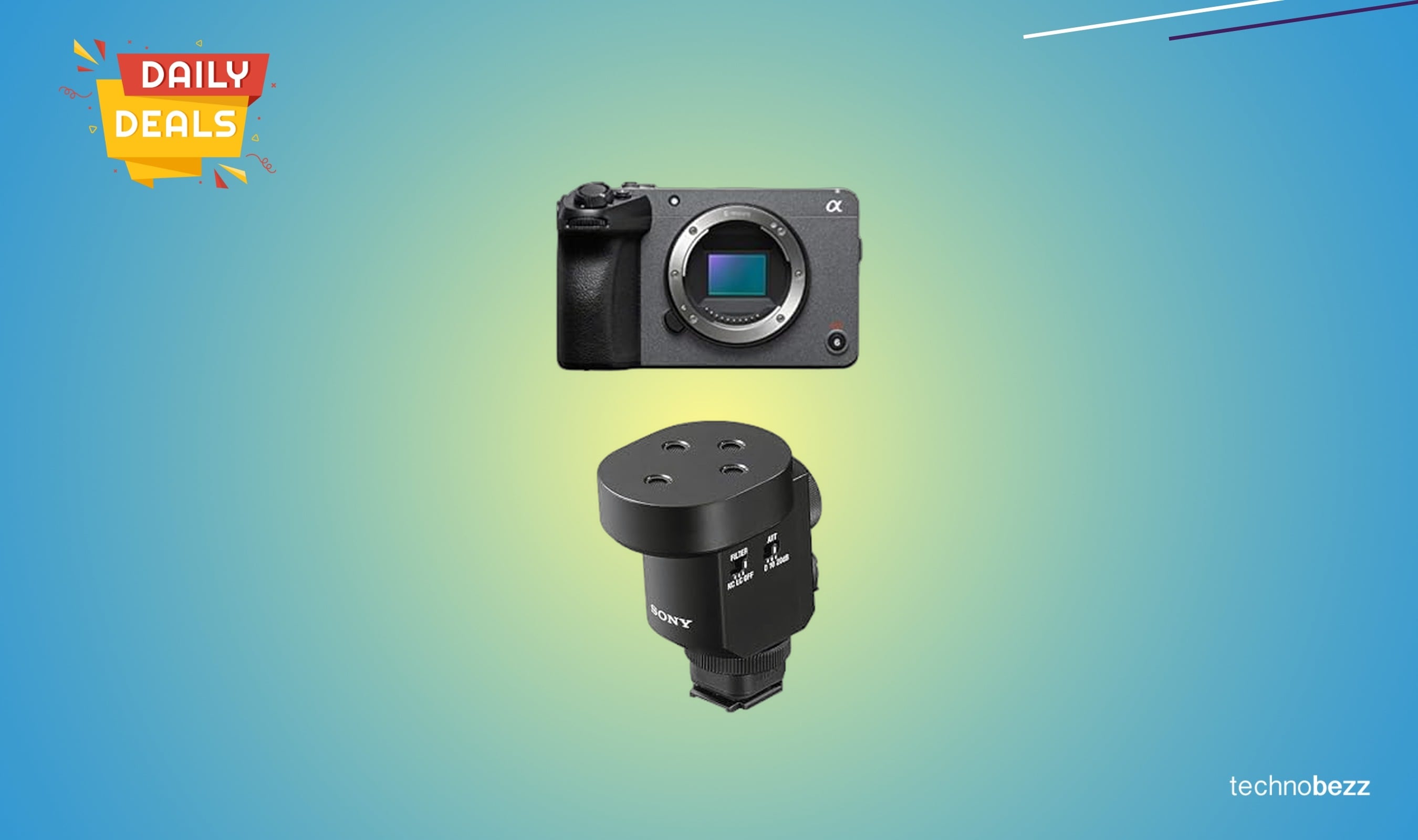
Sony FX30 Cinema Line bundle with microphone drops to $2136
More buying guides
Buying guide6 Best Microwaves in 2026Buying guide7 Best Samsung Phones in 2026Buying guide6 Best In-Ceiling Speakers in 2026Buying guide7 Best Headsets for Work in 2026Buying guide6 Best 85-Inch TVs in 2026Buying guide7 Best Tablets in 2026Buying guide4 Best Tablets for Kids in 2026Buying guide9 Best Bookshelf Speakers for 2026