
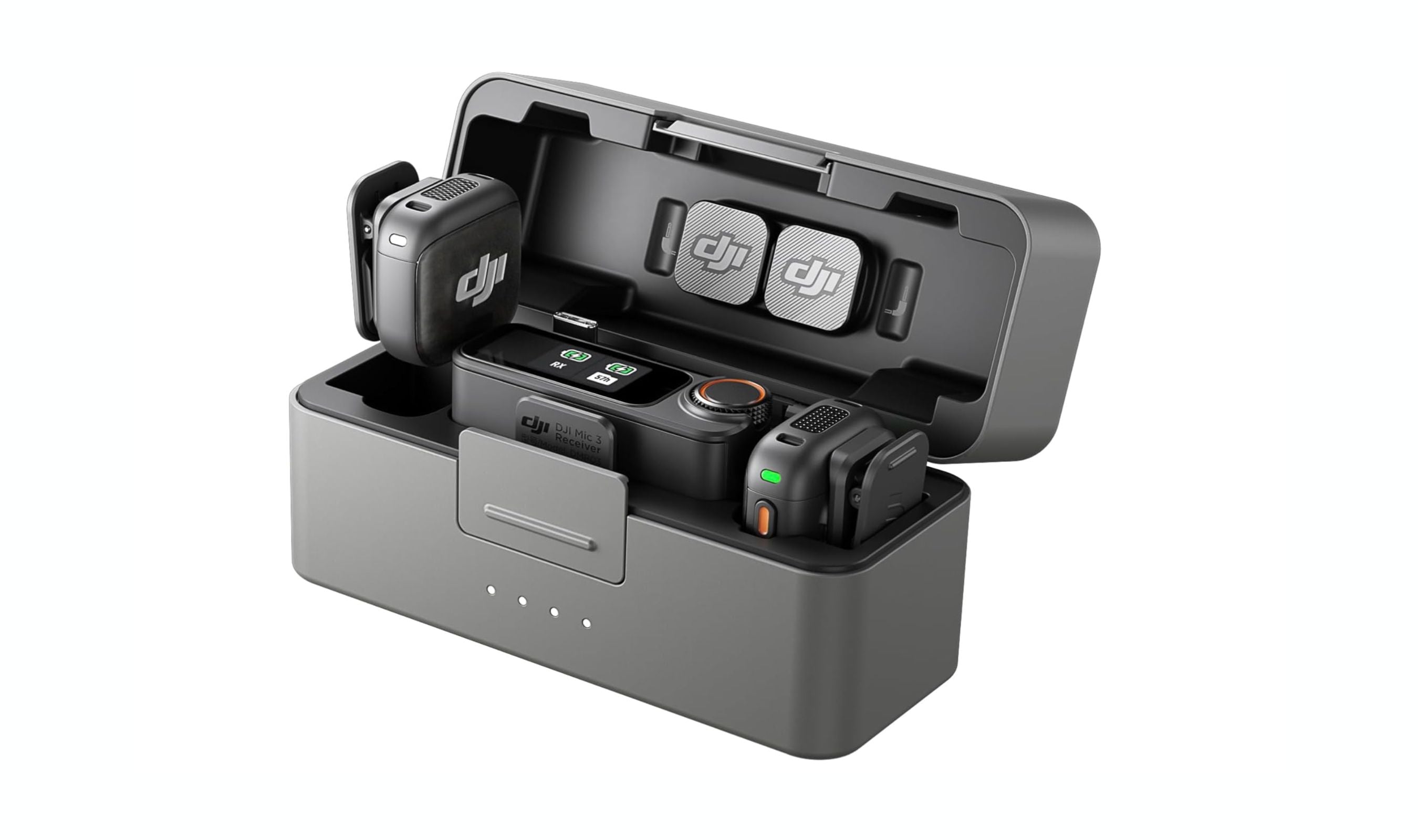
The DJI Mic 3 is the best lavalier mic for iPhone overall, combining 32-bit float recording, excellent noise cancellation, and a robust build that serious creators need. But not everyone needs that level of pro gear, so we have picks for budget buyers, smartphone-first shooters, and anyone who wants a mic that disappears on camera.
Technobezz is supported by its audience. We may get a commission from retail offers.
Best Lavalier Microphones for iPhones in 2026
The DJI Mic 3 tops our list of the best lavalier microphones for iPhone in 2026, with pro-grade 32-bit float recording and noise cancellation, plus budget and smartphone-friendly alternatives.
T
Technobezz
Editorial Team
Updated October 26, 2026Oct 26, 2026
•10 min read

Get Deals Like These in Your Inbox
The best prices, straight to your inbox.
At a Glance
| Category | Product | Why We Picked It |
|---|---|---|
| Best overall | DJI Mic 3 | Pro-grade audio with 32-bit float recording and 8-hour battery |
| Best value | Boya Mini 2 | Impressive 24-bit sound at a fraction of the cost |
| Best for smartphones | Rode Wireless Micro | Plugs directly into your iPhone with no fuss |
| Most discreet | Hollyland Lark M2S | 7g transmitters with titanium clips and a USB-C phone receiver |
| Best compact | DJI Mic Mini | Ultralight 10g transmitters with 48-hour total battery |
| Also recommended | Saramonic Blink500 ProX B2R | Two-person interviews with monitoring; iPhone audio adapter sold separately |
| Also recommended | Maono Wave T5 | Clever magnetic clips and swappable receivers |
| Also recommended | Godox Virso S M2 | Two transmitters with microSD backup recording; iPhone cable sold separately |
How we chose
We evaluated wireless lavalier microphones based on audio quality, connection reliability, ease of use with iPhones, battery life, and value. Our assessment considers real-world recording conditions including indoor interviews, outdoor shoots, and noisy environments. We prioritize products that deliver consistent wireless performance, effective noise reduction, and straightforward setup with iPhone's Lightning and USB-C ports. Each recommendation is backed by cross-referencing multiple sources and user experiences.
The best lavalier microphones for iPhone right now
DJI Mic 3 - Best overall
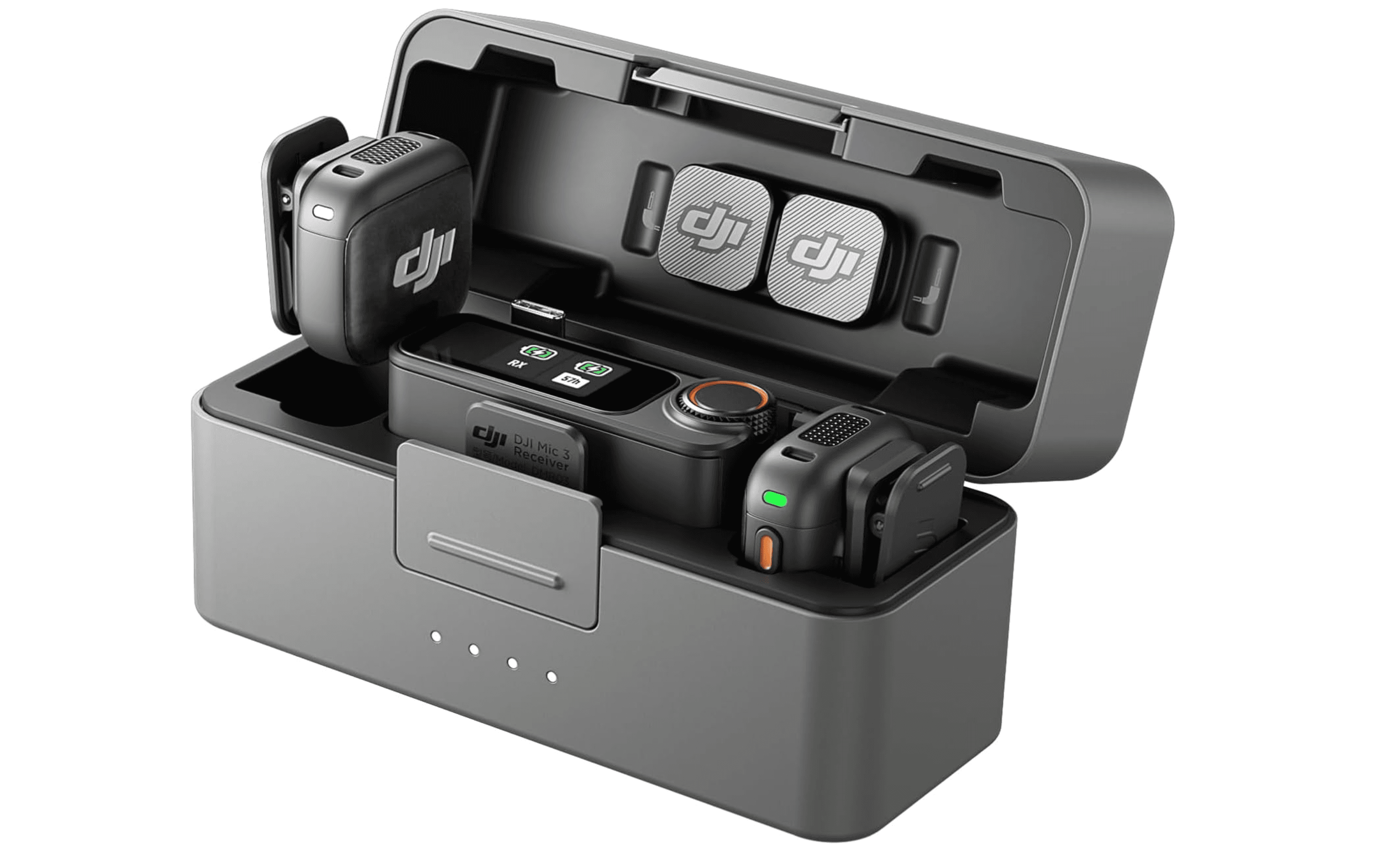
The DJI Mic 3 sets the standard for iPhone lavalier mics in 2026. It captures lossless 48kHz 24-bit audio with 32-bit float internal recording, which means you can recover audio that would be ruined on lesser mics. The dual-level active noise cancellation handles busy streets and windy conditions without making voices sound processed. Each transmitter holds 32GB of storage for up to 57.3 hours of single-file 24-bit recording or 43 hours of single-file 32-bit float recording, and the charging case delivers 28 hours total runtime.
Key highlights
- 32-bit float onboard recording provides more flexibility to adjust levels in editing
- 32GB internal storage per transmitter
- Dual-level active noise cancellation
- Detachable magnetic clip for quick mounting
- 8-hour transmitter battery, 28 hours total with case
Pros
- Sound quality is consistently excellent across environments
- Backup recording saves you if the wireless signal drops
- Feels premium and durable for daily use
Cons
- More expensive than most alternatives
- Overkill if you only record casual content at home
- No external lav input for wired mics
Who it is for: Professional content creators, YouTubers, and filmmakers who need flawless audio and can't risk losing a take.
Skip if
You are on a tight budget or only need a mic for occasional Zoom calls and quick social clips.
Boya Mini 2 - Best value
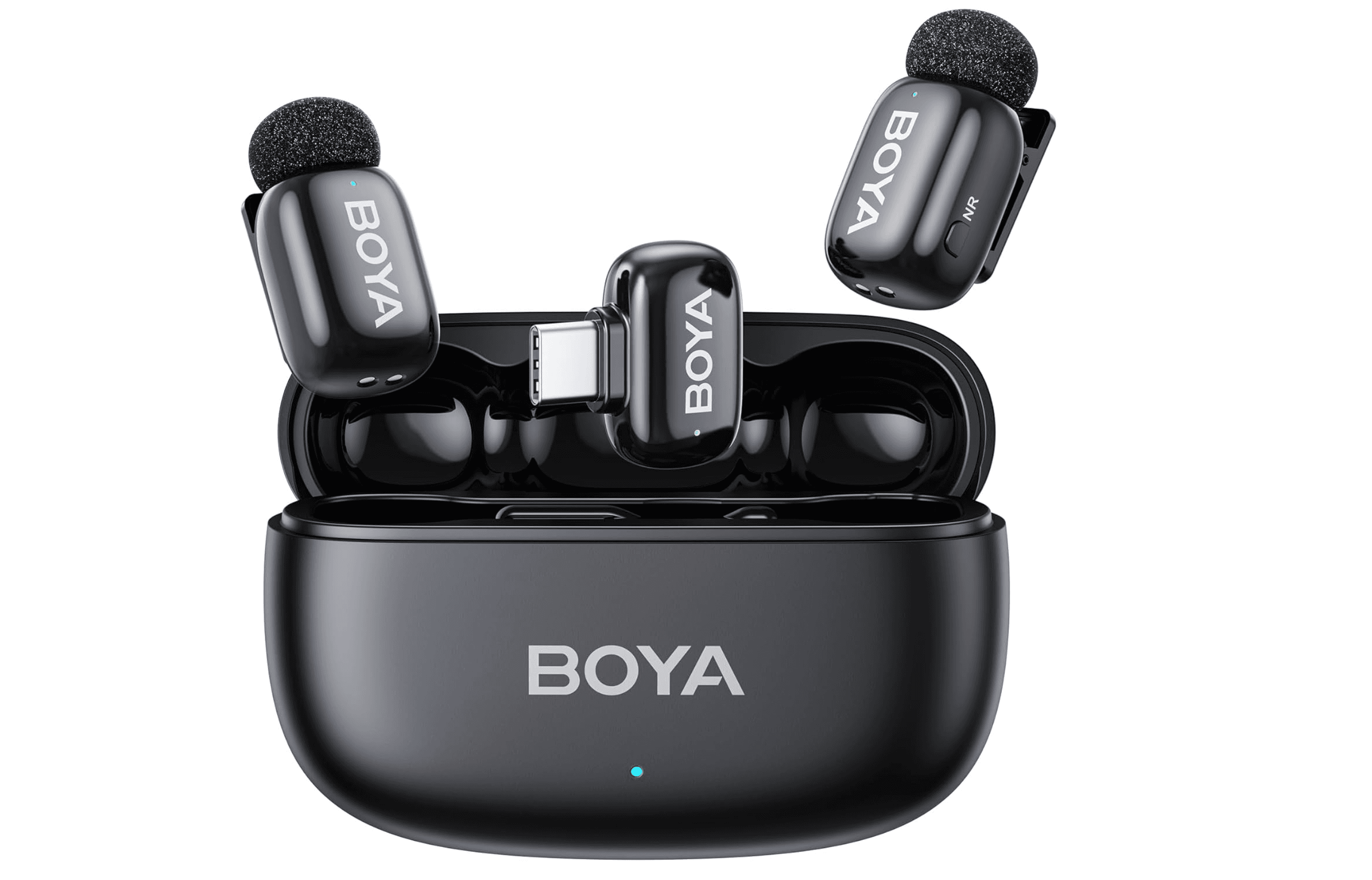
The Boya Mini 2 delivers professional 24-bit audio at roughly half the price of premium competitors. The transmitters weigh just 5 grams each, making them the lightest option here, and they work with thin fabrics easily. AI noise cancellation offers two levels: strong mode suppresses up to -40dB, while light mode keeps some natural ambiance at -15dB. The linked kit includes a USB-C receiver for iPhone 15 and later and compatible Android phones; Lightning receivers are offered in other configurations.
Key highlights
- 24-bit audio quality matches mid-range competitors
- 5g transmitters are barely noticeable on clothing
- USB-C receiver included; choose a different kit for Lightning
- AI noise cancellation with two adjustable levels
- Charging case provides 30 hours total battery
Pros
- Excellent audio for the price point
- Works with USB-C iPhones and compatible Android phones out of the box
- Tiny and discreet for on-camera use
Cons
- Range is shorter than premium models
- No onboard recording backup if signal drops
- Build quality feels lighter than metal-bodied alternatives
Who it is for: Budget-conscious creators, TikTokers, and vloggers who want clear audio without spending big.
Skip if
You need long-range wireless performance or internal recording for critical shoots where retakes are not possible.
Rode Wireless Micro - Best for smartphones
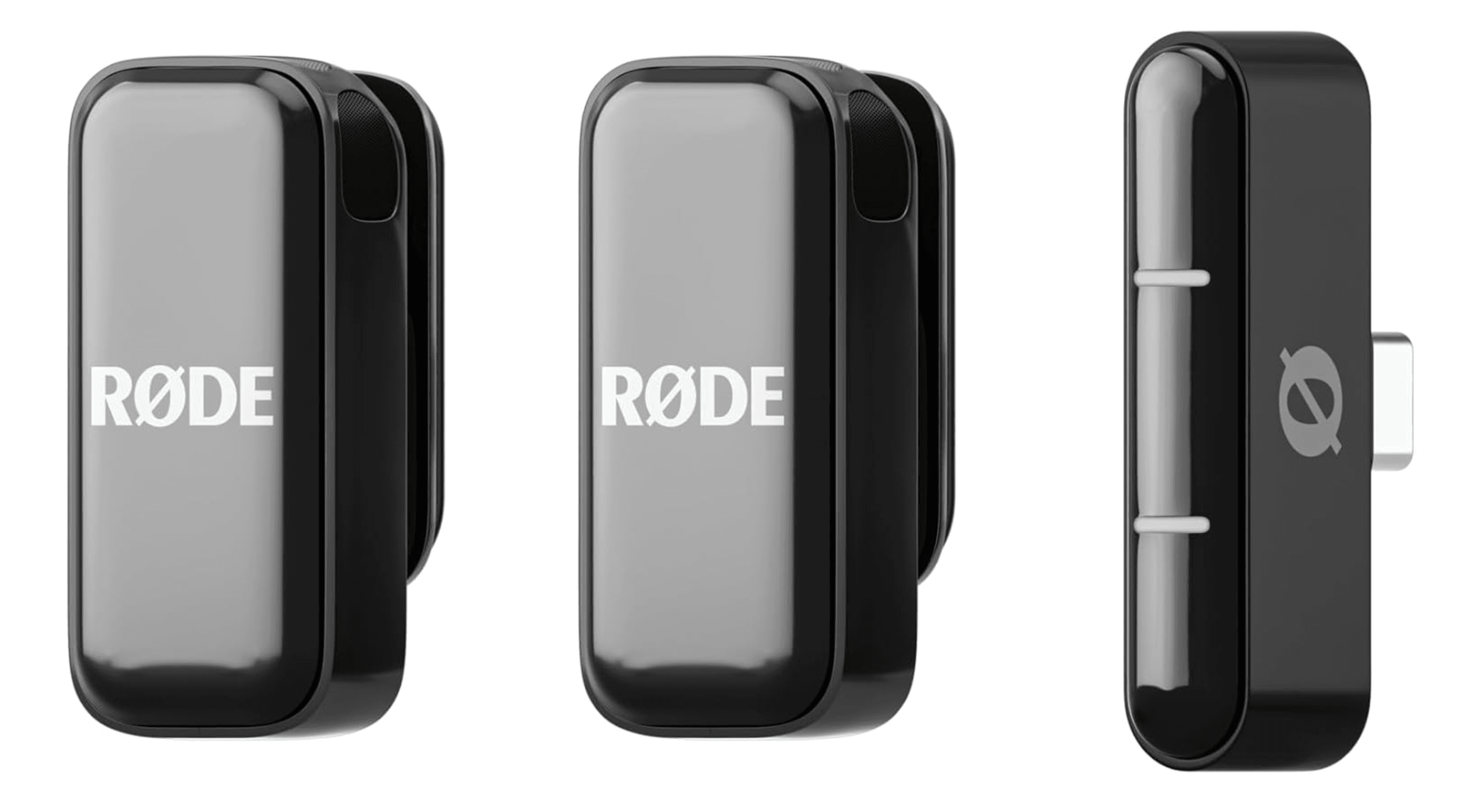
The Rode Wireless Micro is built specifically for iPhone users who want the simplest possible setup. The receiver plugs directly into your phone's port and sits flush against the device. Choose the USB-C version for iPhone 15 and newer, or the Lightning version for older models. The transmitters weigh 12 grams and use Rode's GainAssist auto-leveling to handle volume spikes automatically. Battery life hits 7 hours per transmitter, and the charging case adds two full recharges.
Key highlights
- Receiver plugs directly into iPhone port, no cables needed
- GainAssist auto-leveling prevents audio distortion
- 24-bit recording with warm, natural vocal sound
- Splash-resistant transmitters for outdoor use
- 7-hour battery per transmitter, 21 hours total with case
Pros
- Genuinely plug-and-play, your iPhone recognizes it instantly
- Compact design won't get in the way during shoots
- Reliable wireless connection for typical vlogging distances
Cons
- Must pick USB-C or Lightning version, not both
- Obstacles and interference reduce the rated 100-meter wireless range
- No internal recording for backup
Who it is for: iPhone vloggers, social media creators, and anyone who wants professional sound without dealing with adapters or settings.
Skip if
You need onboard backup recording or a camera receiver included in the kit.
Hollyland Lark M2S - Most discreet
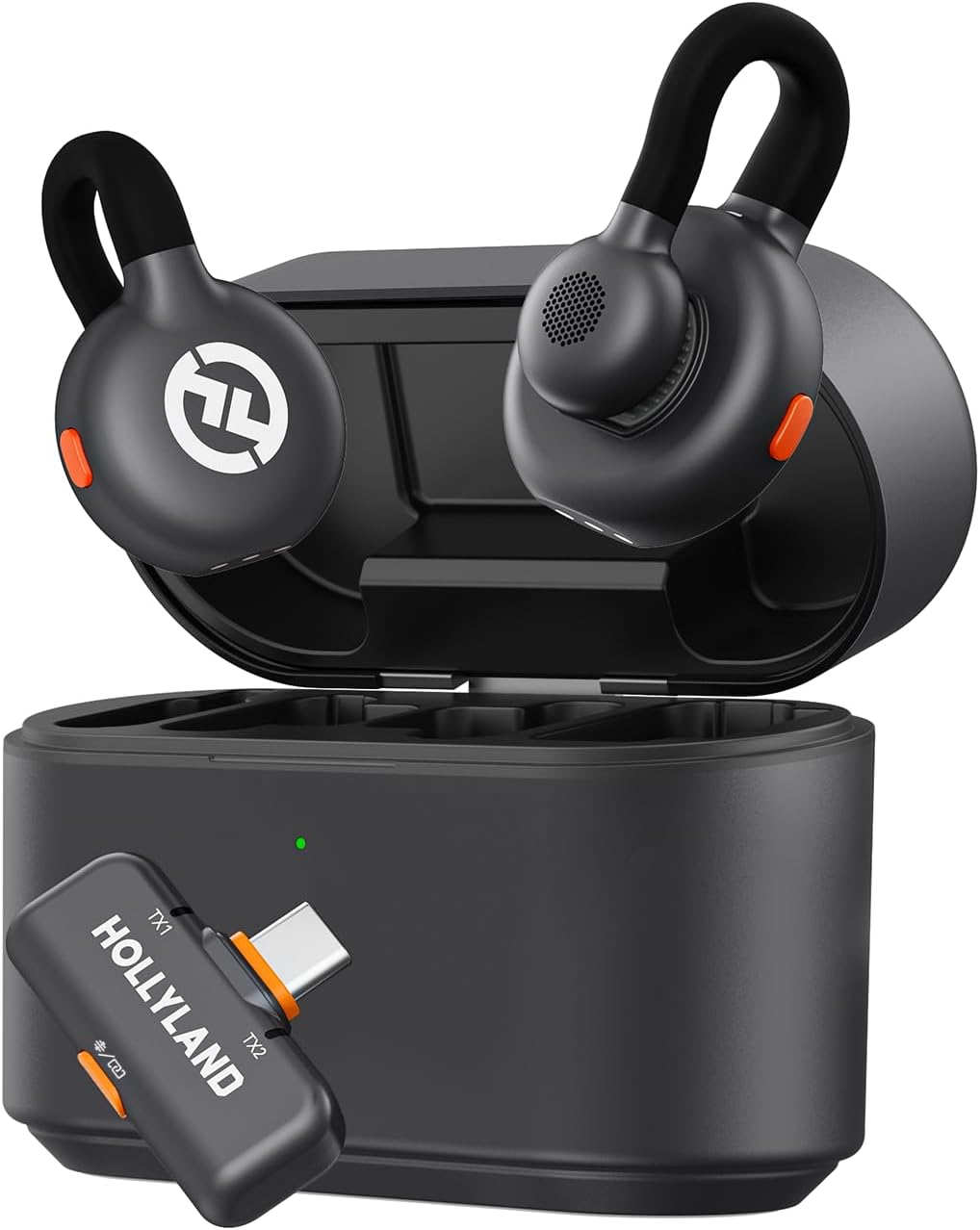
The Hollyland Lark M2S keeps microphones discreet with 7g transmitters, a logo-free design, and titanium clips. This USB-C kit connects directly to iPhone 15 and later and compatible Android phones. It captures 48kHz/24-bit audio and offers two adjustable noise cancellation levels. The mobile charging case provides up to 27 hours of total use.
Key highlights
- 7g transmitters with titanium clips
- 48kHz/24-bit audio
- Up to 300 meters of range in open, unobstructed conditions
- Two adjustable noise cancellation levels
- Up to 9 hours per transmitter with noise cancellation off, 27 hours with the mobile case
Pros
- Small, logo-free microphones for discreet placement
- USB-C receiver plugs directly into compatible phones
- Playback without unplugging the receiver
Cons
- This kit does not include a Lightning receiver
- This kit does not include a camera receiver
- Maximum range requires an unobstructed environment without interference
Who it is for: Interviewers and mobile creators using USB-C phones who want discreet microphones.
Skip if
You need a Lightning or camera receiver included in the kit.
DJI Mic Mini - Best compact
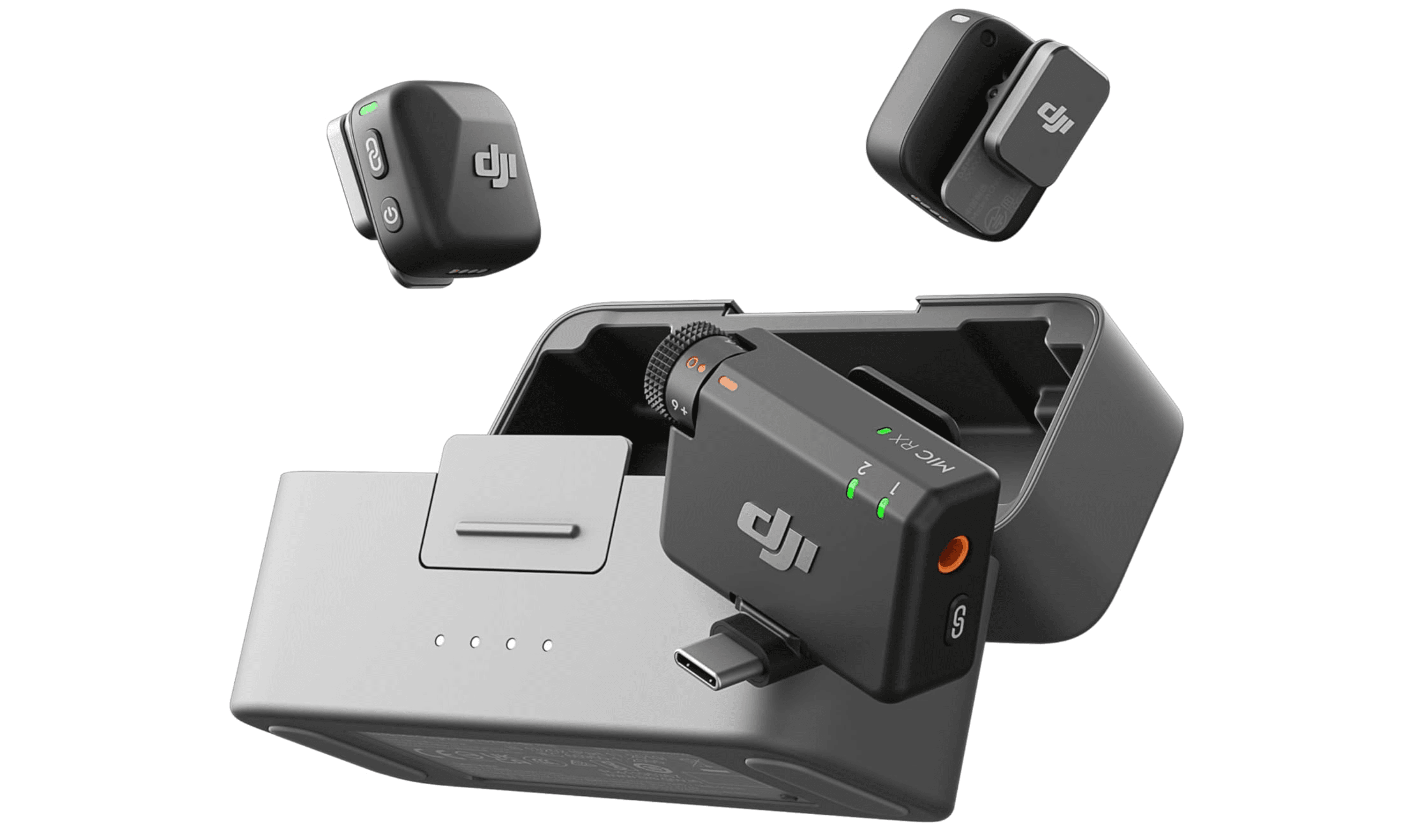
The DJI Mic Mini packs impressive features into a transmitter weighing approximately 10 grams without the clip magnet. Despite the smaller size, it delivers 48kHz audio with automatic limiting to prevent clipping at up to 120 dB SPL. The rated transmission range reaches 400 meters in open, unobstructed conditions without interference. Battery life is standout at 11.5 hours per transmitter, and with the charging case the system runs for up to 48 hours in total.
Key highlights
- 10g transmitters are ultralight and comfortable
- 400-meter wireless range
- 11.5-hour battery per transmitter, 48 hours with case
- Two noise cancellation levels (Basic and Strong)
- Direct pairing with DJI Osmo devices, no receiver needed
Pros
- Tiny size makes it easy to wear and conceal
- Exceptional battery life for all-day shoots
- Works without a receiver on compatible DJI gear
Cons
- Noise cancellation is limited to two fixed levels
- Lightning connection requires a separate adapter
- No 32-bit float recording like the Mic 3
Who it is for: Travel creators, action camera users, and anyone who values portability above all else.
Skip if
You need 32-bit float recording or prefer having a Lightning adapter included in the box.
Also Good
- Saramonic Blink500 ProX B2R - great for two-person interviews with monitoring. USB-C and Lightning iPhones require a compatible audio adapter or interface, sold separately.
- Maono Wave T5 - clever magnetic clips and swappable receivers.
- Godox Virso S M2 - two clip-on transmitters with microSD backup recording and a Sony Multi Interface shoe receiver. The receiver's 3.5mm output connects to an iPhone through a 3.5mm-to-Lightning or 3.5mm-to-USB-C cable; that cable and the microSD card are sold separately.
How to Choose
- Audio quality and bit depth. Entry-level mics record 16-bit audio, while most good options hit 24-bit. Premium models like the DJI Mic 3 offer 32-bit float recording, which gives you more flexibility to fix audio levels in editing without distortion. If you edit your own videos, 24-bit is plenty. If you shoot live events where you cannot control audio levels, 32-bit float is worth the upgrade.
- Wireless range vs. real-world use. Most manufacturers advertise ranges of 200 to 400 meters, but those numbers assume clear line of sight. In practice, walls, your body position, and radio interference cut that down significantly. For typical vlogging and interviews, 50 to 100 feet of reliable range is enough. Do not pay extra for extreme range claims unless you actually shoot in large open spaces.
- Battery life and charging. Look for at least 6 hours of transmitter battery for a full day of shooting. Charging cases are a game changer because they keep everything topped up and stored together. Check whether the case is compact enough to carry in a pocket or bag, and whether windshields fit inside it.
- iPhone compatibility and connectors. Newer iPhones (iPhone 15 and later) use USB-C, while older models use Lightning. Some mics include both adapters, others require you to pick one version. A few systems use Bluetooth, but direct plug-in receivers are more reliable and have lower latency. If you also shoot with a camera, look for kits that include a 3.5mm TRS cable.
- Noise cancellation type. Basic noise cancellation cuts background hum but can make voices sound thin. Better systems use multi-level or AI-driven processing that preserves vocal quality. If you record outdoors often, prioritize mics with adjustable noise cancellation and physical windshields rather than relying solely on digital processing.
FAQ
Do I need a wireless lav mic or can I use a wired one?
Wired lav mics cost less and never have battery or signal issues, but they tether you to your iPhone. If you move around while recording or want to keep your phone at a distance, go wireless. For sit-down interviews or desk recordings, a wired mic works fine.
Will these work with my iPhone if I have a case on?
Most wireless lav receivers plug directly into the charging port, so a thick case can block the connection. Some receivers have elongated plugs designed to clear cases, but many require you to remove the case. Check product photos and reviews for case compatibility before buying.
How do I connect a wireless lav receiver to my iPhone?
Most systems use a small receiver that plugs into your iPhone's Lightning or USB-C port. The transmitter pairs automatically. Some mics also support Bluetooth, but plug-in receivers offer lower latency and more reliable audio. No apps or extra setup is needed for most models.
Can I record two people at once with these mics?
Yes, many kits include two transmitters. The receiver captures both audio channels separately or as a mixed stereo track. If you do interviews regularly, look for dual-transmitter kits rather than buying two separate single-mic systems.
What is 32-bit float recording and do I need it?
32-bit float captures so much audio information that you can fix volume problems in post without adding noise or distortion. It is useful for live events, weddings, or any situation where you cannot monitor audio levels during recording. For planned shoots where you control the environment, 24-bit is sufficient.
Published May 3, 2026 Last updated October 27, 2026
Share this article
More on microphones
Deal
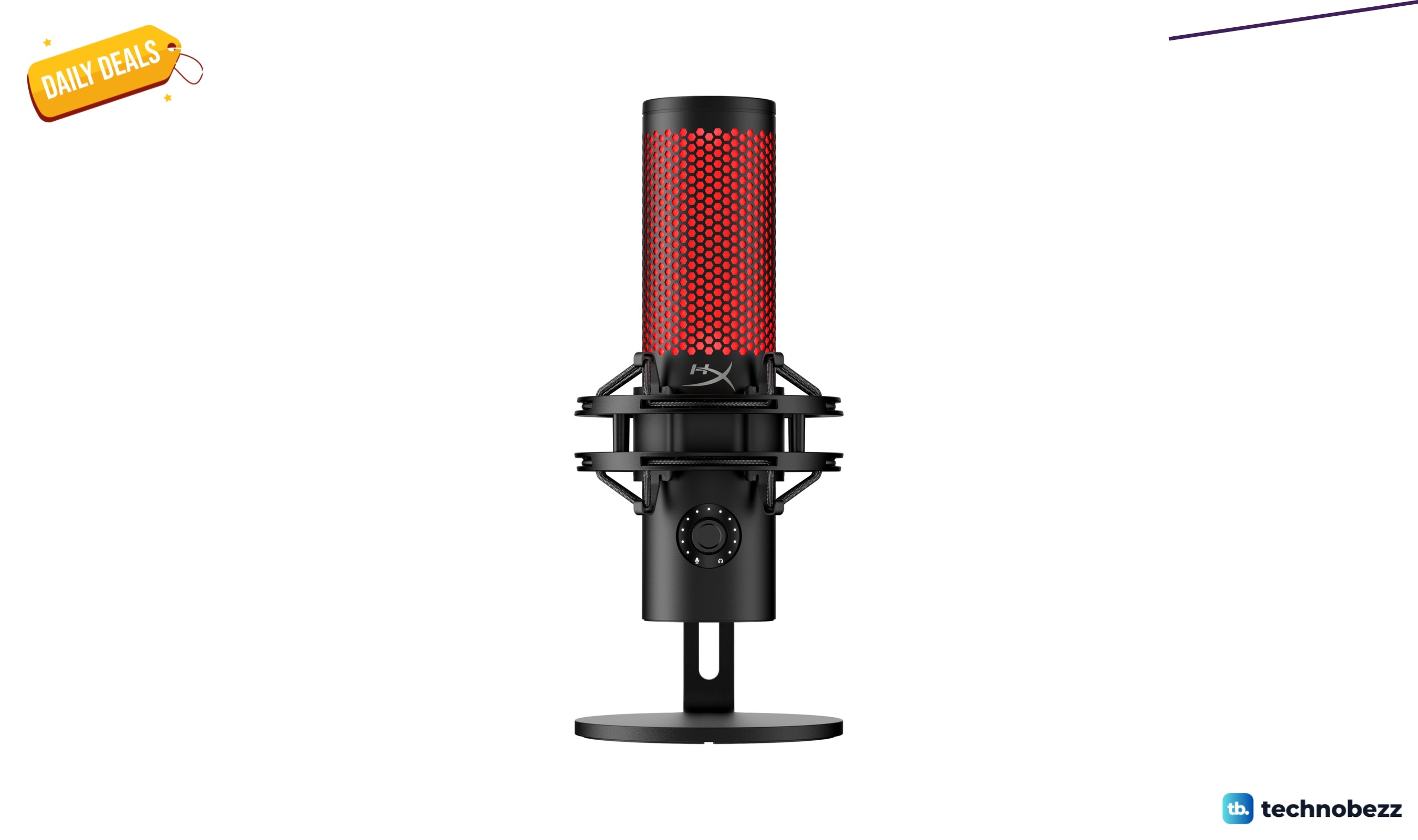
HyperX QuadCast 2 USB Microphone gets a Prime Big Deal Days price cut to $99.24
Deal
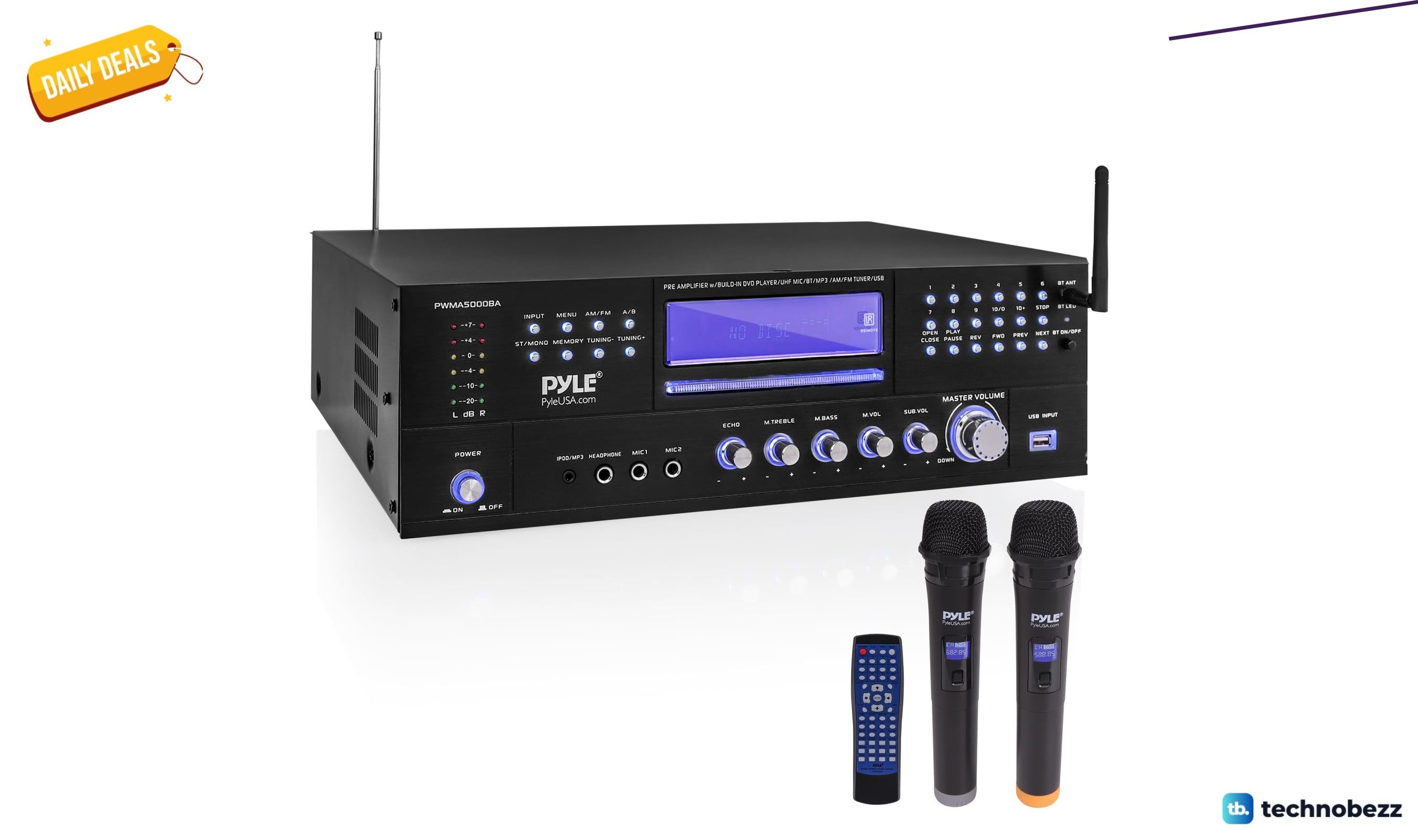
Pyle 4-Channel Wireless Microphone Amplifier System drops to $182.59
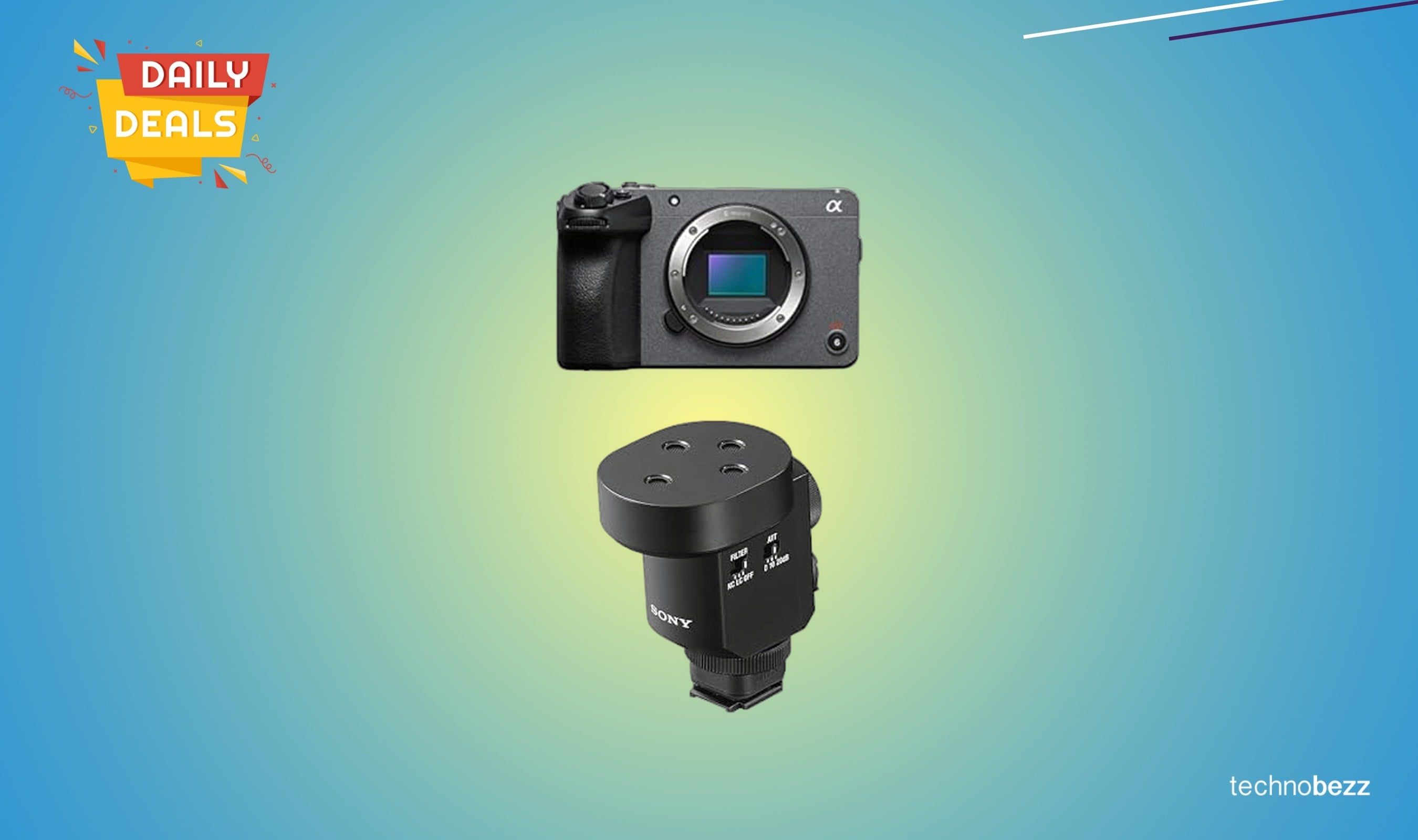
Deal
Sony FX30 Cinema Line bundle with microphone drops to $2136
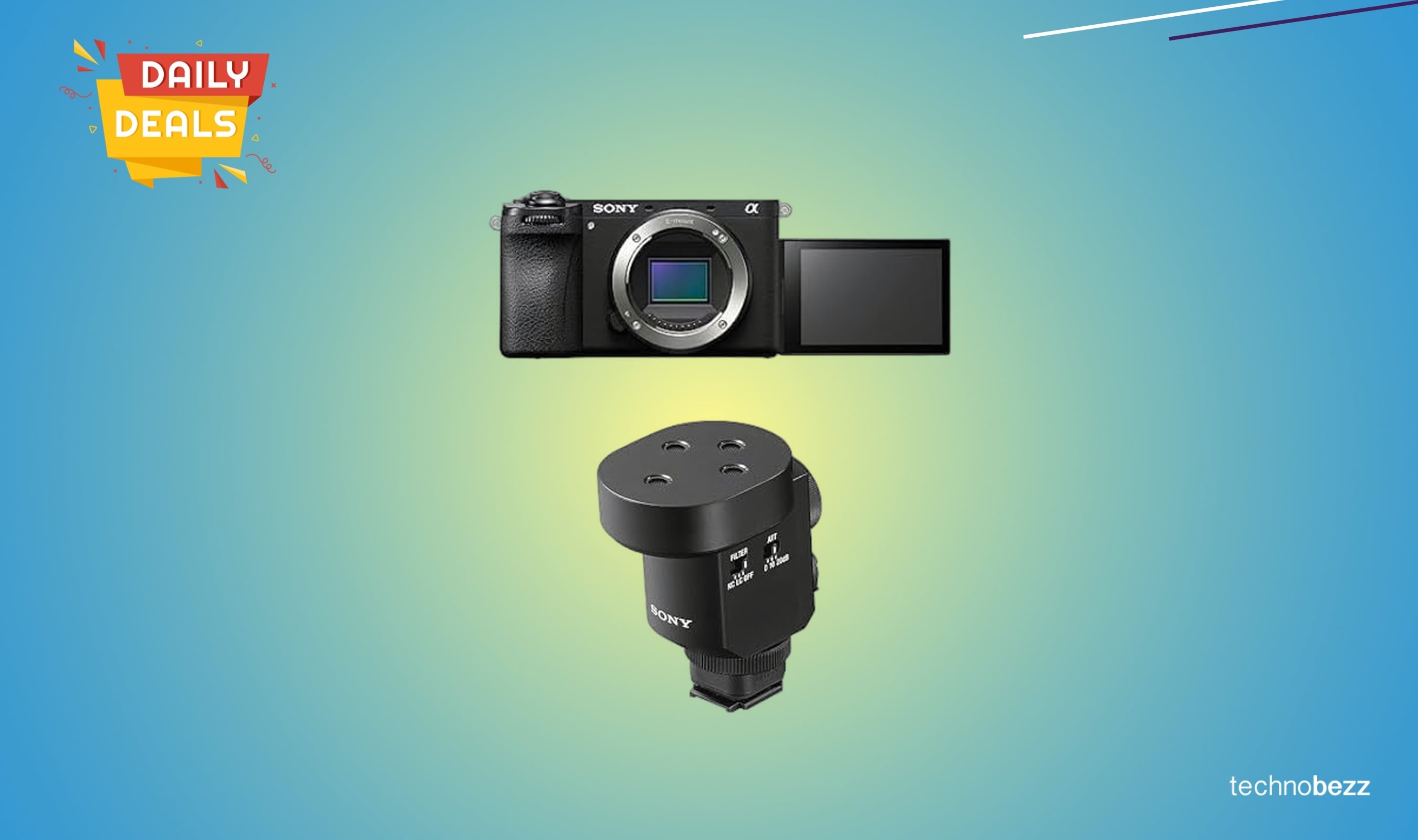
Deal
Sony Alpha 6700 bundle with microphone drops to $1886
More buying guides
Buying guide6 Best SSDs for PS5 in 2026Buying guideBest Multi-Port Wall Chargers for 2026Buying guide5 Best Detachable Laptops and 2-in-1s for 2026Buying guide4 Best Smartphones With the Longest Battery Life for 2026Buying guideBest Laptops with CD Drives in 2026Buying guide4 Best Smartphones for Gaming in 2026Buying guide8 Best Anti-Glare TVs for 2026Buying guide9 Best Gaming Steering Wheels for 2026