A compact camera earns its place by doing something a camera bag full of lenses cannot: covering a trip, a concert, or a dive with one small body and a built-in lens. The right one depends on what matters most to you, whether that is sensor size, zoom reach, toughness, or simplicity.
Technobezz is supported by its audience. We may get a commission from retail offers.
5 Best Compact Cameras in 2026
The Panasonic LUMIX ZS300 leads our compact camera picks with a 1-inch sensor and 15x zoom, plus full-frame, long-zoom, waterproof and budget alternatives.
T
Technobezz
Editorial Team
Updated November 8, 2026Nov 8, 2026
•10 min read

Get Deals Like These in Your Inbox
The best prices, straight to your inbox.
Add Technobezz on Google:Preferred SourceGoogle Discover
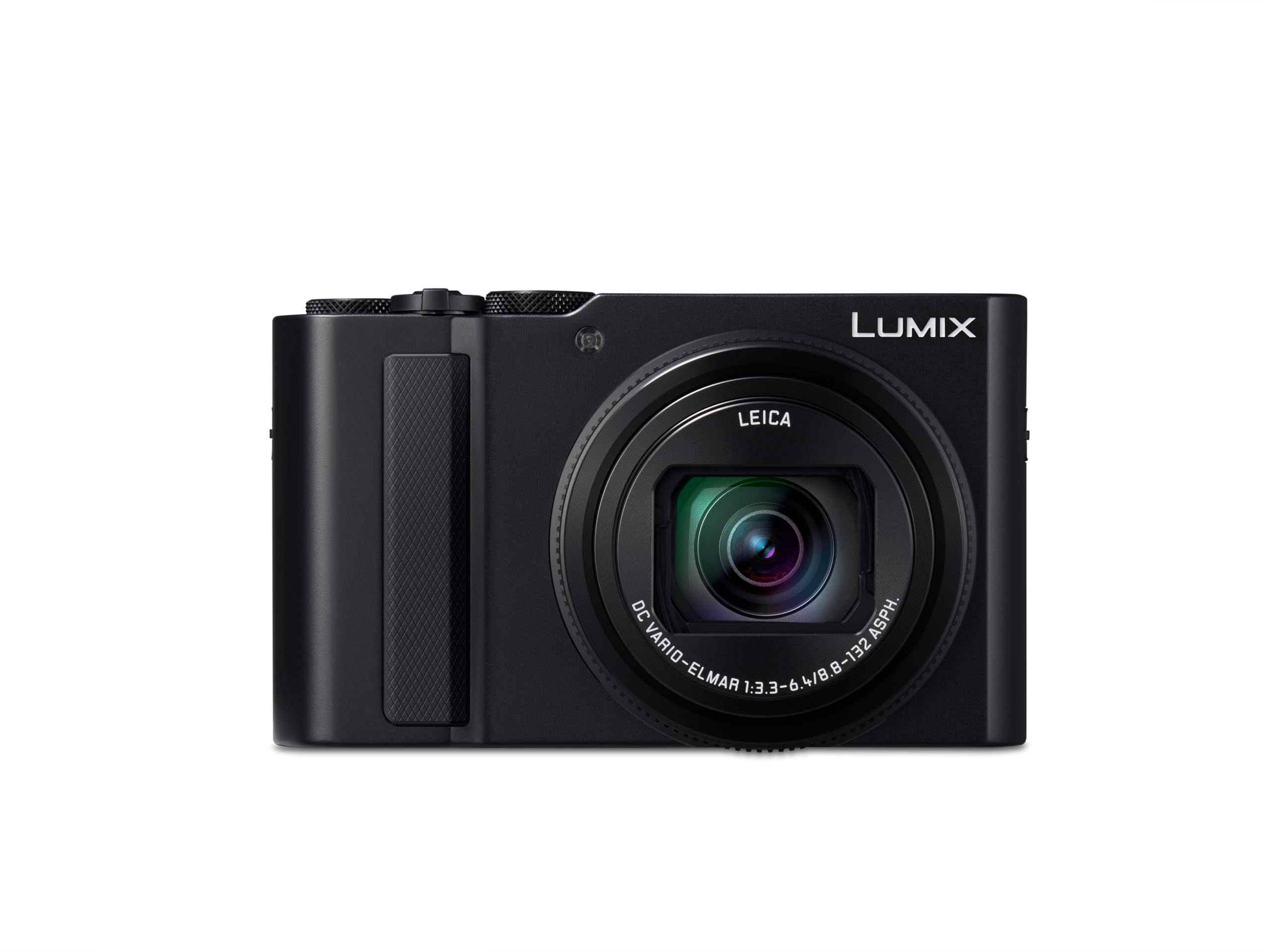
The Panasonic LUMIX ZS300 is the best overall pick because it pairs a 1-inch sensor with a 15x optical zoom, 4K video, and USB-C charging in a compact travel body. It is the most balanced choice here for travelers who want better image quality than a basic point-and-shoot without giving up zoom range.
This page is for buyers who want a dedicated fixed-lens camera. The rest of the list covers a premium full-frame option, a 30x long-zoom model, a waterproof camera for rough conditions, and a simple budget pick.
At a Glance
| Category | Product | Why We Picked It |
|---|---|---|
| Best overall | Panasonic LUMIX ZS300 | 1-inch sensor, 15x optical zoom, and 4K video |
| Best premium full-frame | Sony RX1R III | 61MP full-frame sensor with a ZEISS 35mm F2 lens |
| Best long zoom | Panasonic LUMIX ZS99 | 30x optical zoom reaching 720mm equivalent |
| Best waterproof | OM SYSTEM Tough TG-7 | Waterproof to 15 m with 1 cm macro focusing |
| Best budget | Kodak PIXPRO FZ55 | Slim, light body with a 5x zoom and simple controls |
How we chose
We compared each maker's published specifications for fixed-lens compact cameras, looking at sensor size, lens range and aperture, stabilization, video, size, and battery ratings. We also checked that every pick is sold new on Amazon.
The best compact cameras right now
Panasonic LUMIX ZS300 - Best overall
The Panasonic LUMIX ZS300 is the most well-rounded travel camera in this group. It pairs a 1-type back-illuminated CMOS sensor with 20.1 effective megapixels and a LEICA DC VARIO-ELMAR lens with 15x optical zoom. Panasonic rates the range at 24-360mm equivalent in the 3:2 aspect ratio; the equivalent range changes with aspect ratio, reaching 26-390mm in 4:3.
Video records in 4K at 30p and 24p, with Full HD high-speed recording at 120fps, and 5-Axis HYBRID O.I.S. handles stabilization, although Panasonic notes that 5-axis compensation does not apply during 4K video recording. A 3.0-inch touchscreen, Wi-Fi, Bluetooth 5.0, USB-C charging, and a CIPA rating of about 360 images per charge come in a body that weighs about 337 g (0.75 lb) with battery and card.
Key highlights
- 1-type BSI CMOS sensor, 20.1 effective megapixels
- 15x optical zoom, 24-360mm equivalent in 3:2 (varies by aspect ratio)
- F3.3-6.4 aperture
- 4K 30p/24p video and 120fps Full HD high-speed recording
- 5-Axis HYBRID O.I.S. (5-axis not available in 4K video)
- 3.0-inch 1,840k-dot touchscreen
- About 360 images per charge (CIPA)
Pros
- Largest sensor among the zoom cameras on this list
- 15x zoom covers wide scenes through long telephoto
- USB-C charging simplifies travel
- Macro focusing from 3 cm at the wide end
Cons
- Aperture narrows to F6.4 at full zoom
- 5-axis stabilization does not work in 4K video
- Panasonic's spec sheet lists no viewfinder, so framing is on the rear screen
Who it is for: Travelers who want one compact camera with a larger sensor and a long zoom for everything from street scenes to distant landmarks.
Skip if
You need zoom reach beyond 360mm equivalent or prefer shooting through a viewfinder.
Sony RX1R III - Best premium full-frame
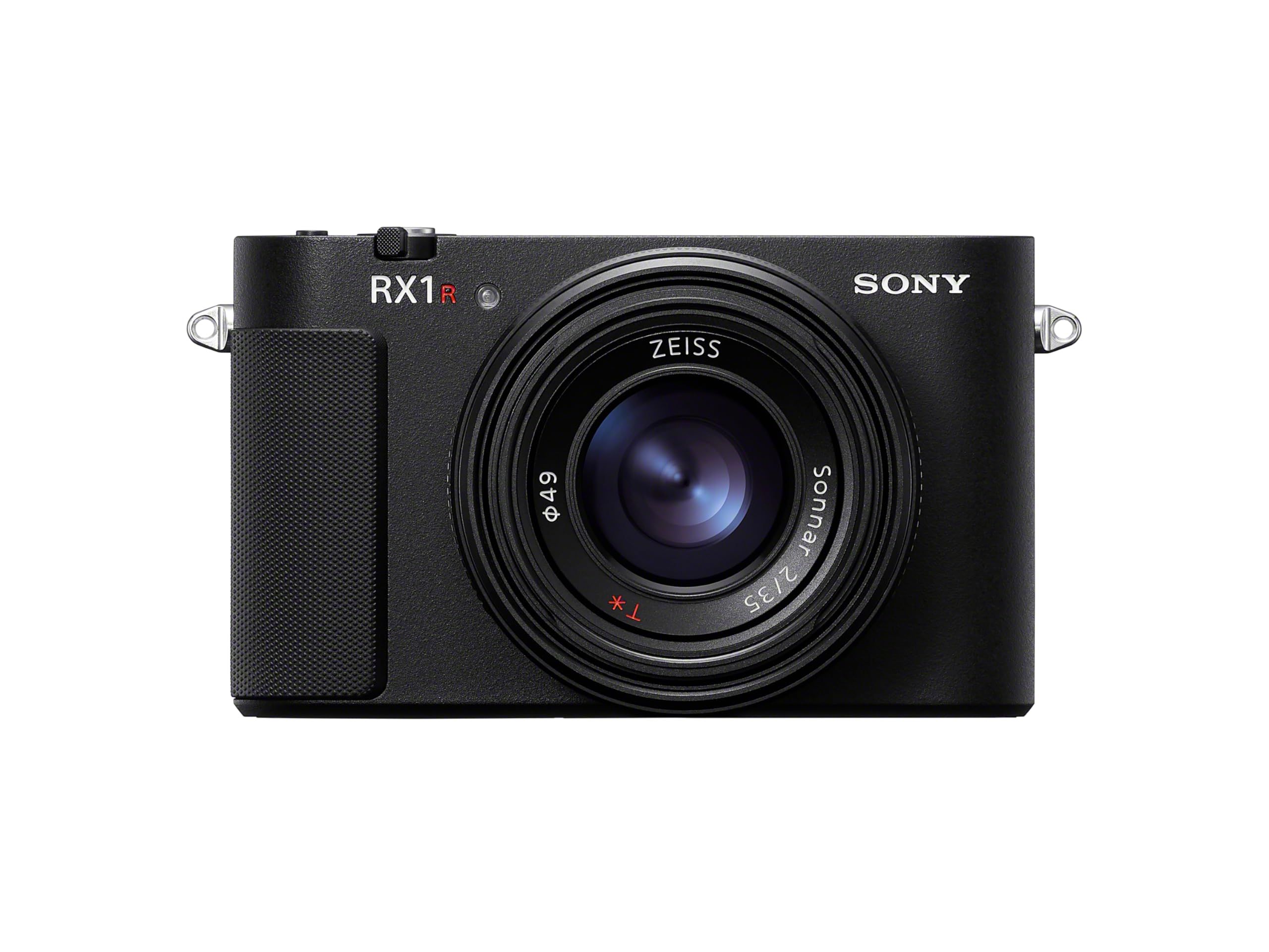
The Sony RX1R III puts a 61-megapixel 35 mm full-frame Exmor R CMOS sensor behind a fixed ZEISS Sonnar T* 35 mm F2 lens, in a body made of magnesium alloy. It is the only full-frame camera in this roundup and is aimed at photographers who value image detail and a bright prime lens over zoom range.
Sony pairs the sensor with its BIONZ XR image processing engine and an AI-processing unit that recognizes subjects, bodies, heads, and eyes in both stills and video. Autofocus uses up to 693 phase-detection points covering about 78% of the frame for stills, and Step Crop Shooting switches between 35 mm, 50 mm, and 70 mm equivalent framing. A 2.36 million-dot XGA OLED electronic viewfinder is built in, and Sony rates battery life at up to 300 still images.
Key highlights
- 61MP 35 mm full-frame Exmor R CMOS sensor
- ZEISS Sonnar T* 35 mm F2 lens
- BIONZ XR processing engine
- Up to 693 phase-detection AF points
- AI subject recognition for stills and video
- Step Crop Shooting at 35, 50, and 70 mm equivalents
- 2.36 million-dot XGA OLED electronic viewfinder
Pros
- Highest resolution and largest sensor on this list
- Bright F2 lens
- Built-in electronic viewfinder
- Magnesium alloy body
Cons
- Fixed 35 mm lens with no optical zoom
- Step Crop framing crops the sensor, so it records fewer pixels
- 300-shot battery rating is lower than the ZS300's 360 images
Who it is for: Experienced photographers who want full-frame image quality and a high-grade prime lens in a fixed-lens body.
Skip if
You want optical zoom, or a camera you can hand to anyone without worrying about it.
Panasonic LUMIX ZS99 - Best long zoom
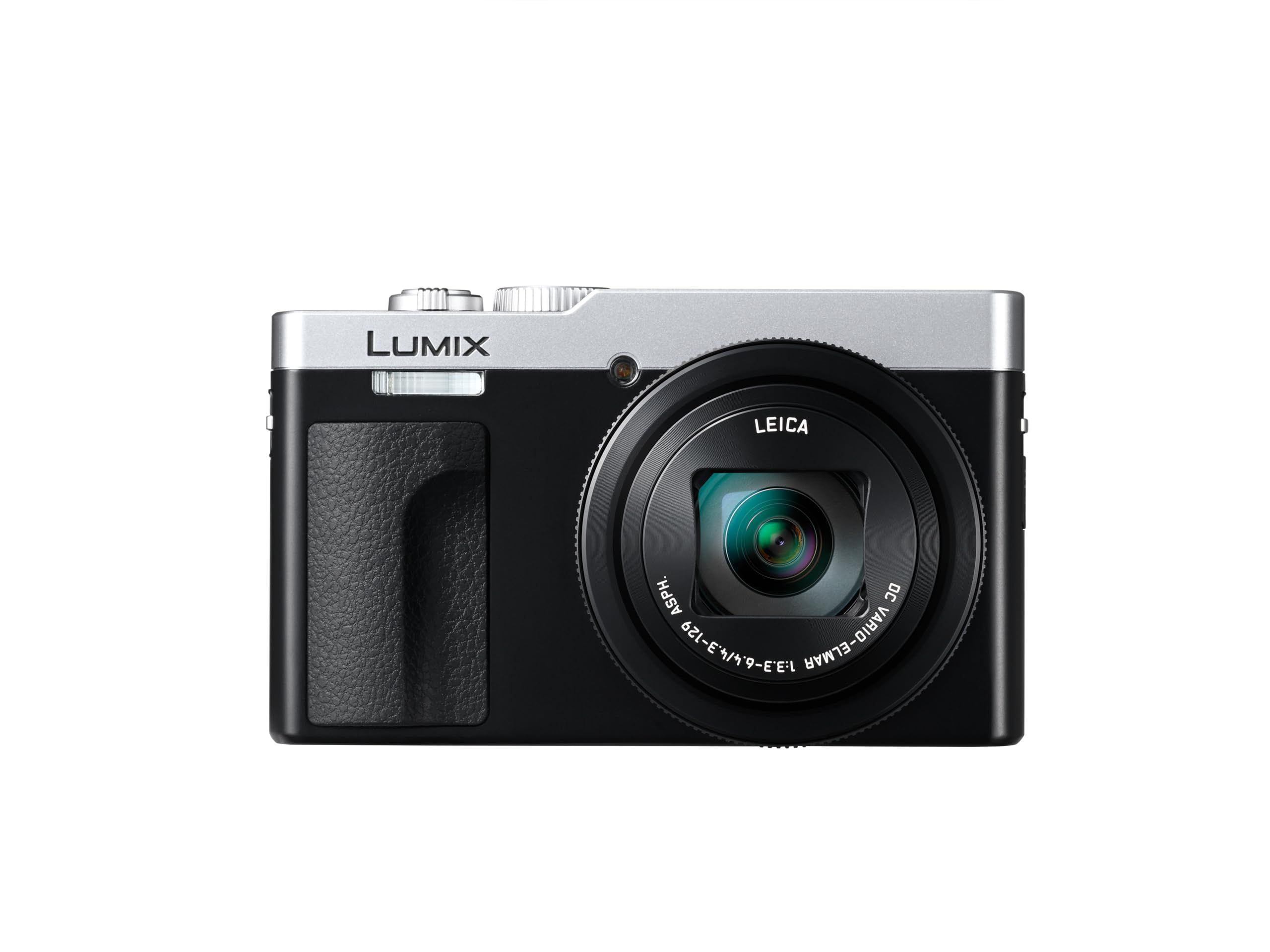
The Panasonic LUMIX ZS99 carries the longest lens in this group: an optical 30x zoom covering 24-720mm equivalent, from 4.3-129mm actual focal length. That reach suits distant subjects at events, on safari-style trips, or across a city skyline.
It uses a 1/2.3-inch MOS sensor with about 20.3 effective megapixels, optical image stabilization, and a 3.0-inch touchscreen with about 1,843,200 dots. Wi-Fi, Bluetooth 5.0 Low Energy, and a USB Type-C port are built in, and the camera weighs about 322 g (11.4 oz) with battery and card. The tradeoff is sensor size, which is much smaller than the 1-inch sensor in the ZS300.
Key highlights
- Optical 30x zoom, 24-720mm equivalent
- 1/2.3-inch MOS sensor, about 20.3 effective megapixels
- F3.3 at wide, F6.4 at telephoto
- Optical image stabilization
- 3.0-inch touchscreen, about 1,843,200 dots
- Wi-Fi and Bluetooth 5.0 Low Energy
- USB Type-C port
Pros
- Twice the zoom range of the ZS300
- Optical stabilization helps at long focal lengths
- Macro focusing from 3 cm at the wide end
- Slightly lighter than the ZS300
Cons
- Much smaller sensor than the ZS300
- Aperture narrows to F6.4 at telephoto
- Panasonic's spec sheet lists no viewfinder
Who it is for: Travelers and event-goers who care most about pulling in faraway subjects with a compact camera.
Skip if
Low-light image quality matters more to you than reach, in which case the 1-inch ZS300 is the better fit.
OM SYSTEM Tough TG-7 - Best waterproof
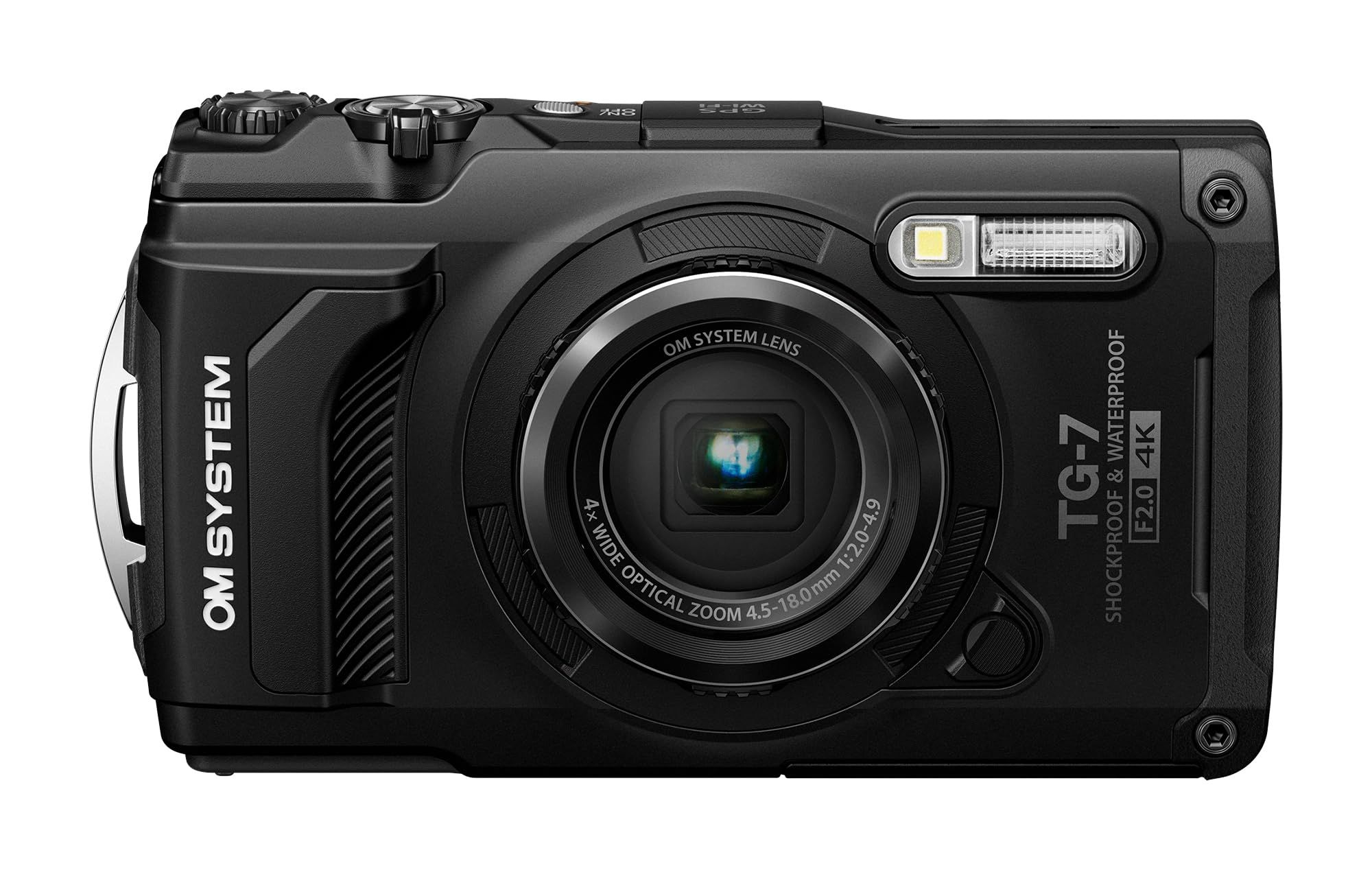
The OM SYSTEM Tough TG-7 is built for conditions that would end most compact cameras. OM SYSTEM rates it waterproof to 15 m (about 49 feet), shockproof from 2.1 m (about 7 feet), crushproof to 100 kg (about 220 lb), freezeproof to -10°C (14°F), and dustproof.
Inside is a 12-megapixel 1/2.33-inch CMOS sensor behind a 25-100mm equivalent 4x optical zoom with an F2.0-4.9 aperture. It focuses as close as 1 cm for macro shots, records 4K at 30p and 25p plus high-speed clips up to 480fps at SD resolution, shoots RAW, and adds GPS and an electronic compass. It weighs 249 g with battery and card.
Key highlights
- Waterproof to 15 m, shockproof from 2.1 m
- Crushproof to 100 kg, freezeproof to -10°C, dustproof
- 12MP 1/2.33-inch CMOS sensor
- 4x optical zoom, 25-100mm equivalent, F2.0-4.9
- 1 cm closest focusing distance
- 4K 30p/25p video and high-speed modes
- GPS and electronic compass
Pros
- Can go underwater and survive drops without a housing
- Very close macro focusing
- Bright F2.0 aperture at the wide end
- RAW capture and location data built in
Cons
- 12MP is the lowest resolution on this list
- 4x zoom is the shortest among the zoom cameras here
- Small sensor, like the ZS99 and FZ55
Who it is for: Snorkelers, hikers, families at the beach, and anyone who needs a camera that can get wet, cold, or dropped.
Skip if
You stay on dry land and want more zoom or a larger sensor.
Kodak PIXPRO FZ55 - Best budget
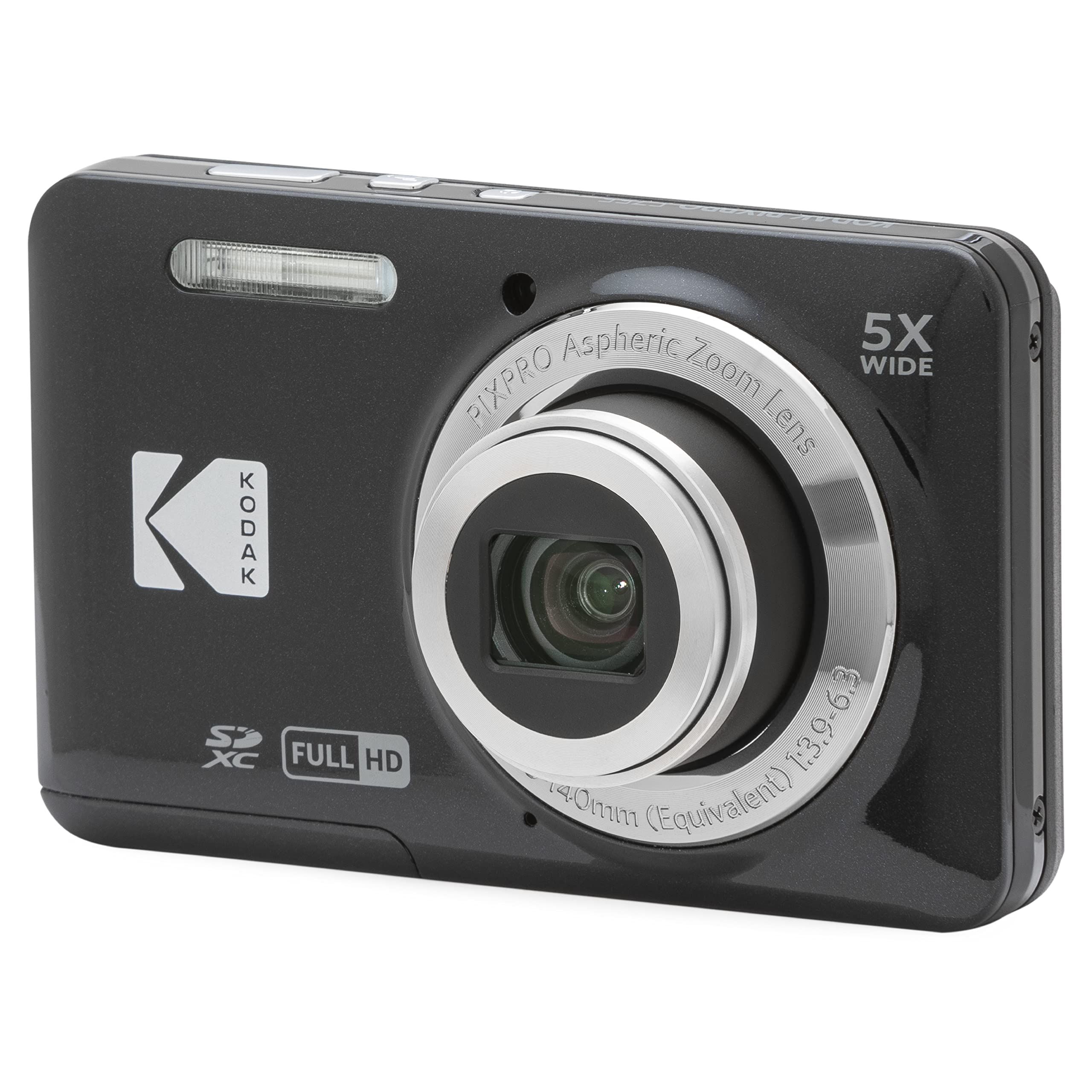
The Kodak PIXPRO FZ55 is a slim, simple point-and-shoot that weighs about 106 g (3.7 oz) body only and measures about 0.90 inches thick. It uses a 16.35-megapixel 1/2.3-inch CMOS sensor and a 5x optical zoom covering 28-140mm equivalent at F3.9-6.3.
Video is 1080p Full HD at 30fps, framed on a 2.7-inch LCD with 230K pixels. Stabilization is digital rather than optical, and Kodak rates the battery at about 200 shots under CIPA standards. Face, smile, and blink detection, cat and dog detection, and a panorama mode keep it approachable for casual shooters.
Key highlights
- 16.35MP 1/2.3-inch CMOS sensor
- 5x optical zoom, 28-140mm equivalent, F3.9-6.3
- 1080p Full HD video at 30fps
- 2.7-inch LCD
- Digital image stabilization
- About 106 g body only
- SD/SDHC/SDXC support up to 512GB
Pros
- Thin and light enough for a jacket pocket
- Simple point-and-shoot operation
- Face and pet detection modes
- Budget-friendly way into a dedicated camera
Cons
- Digital, not optical, image stabilization
- Video tops out at 1080p
- About 200 shots per charge, below the ZS300's 360
- Low-resolution 230K-pixel screen
Who it is for: Kids, casual shooters, and anyone who wants a basic, light camera for everyday snapshots.
Skip if
You want 4K video, optical stabilization, or a longer zoom.
How to Choose
- Start with sensor size. A 1-inch or full-frame sensor has far more surface area than a 1/2.3-inch sensor, which generally helps with dim light and background blur.
- Match the zoom to your subjects. A 15x zoom handles most travel, a 30x zoom reaches distant subjects, and a fixed prime lens trades reach for a brighter aperture.
- Check the stabilization type. Optical stabilization moves lens or sensor elements to counter shake, while digital stabilization works on the image after capture. Some cameras also limit stabilization modes in 4K video.
- Decide if you need a viewfinder. A viewfinder helps in bright sun and steadies the camera against your face. Of the picks here, only the Sony RX1R III lists one.
- Look at the battery rating. Where makers list it, rated battery life runs from about 200 shots on the FZ55 to about 360 on the ZS300, so a spare battery is worth considering for long days.
- Buy rugged only if you need it. A waterproof, shockproof camera like the TG-7 is ideal for water and rough trips, but it gives up zoom and resolution.
FAQ
What does 35mm equivalent focal length mean?
It describes a lens's field of view as if it were on a full-frame camera, so cameras with different sensor sizes can be compared directly. On some cameras, such as the ZS300, the equivalent figure shifts with the aspect ratio you choose.
Which camera here can go underwater?
The OM SYSTEM Tough TG-7 is the only waterproof pick, rated to 15 m (about 49 feet) without a separate housing.
What does Step Crop Shooting do on the Sony RX1R III?
It lets you switch between 35 mm, 50 mm, and 70 mm equivalent framing with the fixed 35 mm lens. Because it crops the sensor, the tighter settings record fewer pixels than the full 61MP frame.
Is a 30x zoom always better than a 15x zoom?
Not always. The ZS99's 30x zoom reaches much farther, but it uses a smaller 1/2.3-inch sensor, while the ZS300's 15x zoom sits in front of a larger 1-inch sensor.
Do these cameras charge over USB-C?
Panasonic lists USB Type-C charging for the ZS300 and a USB Type-C port for the ZS99. Kodak lists in-camera charging for the FZ55's rechargeable Li-ion battery.
Published November 8, 2026 Last updated November 8, 2026
Add Technobezz on Google:Preferred SourceGoogle Discover
More on cameras
Review
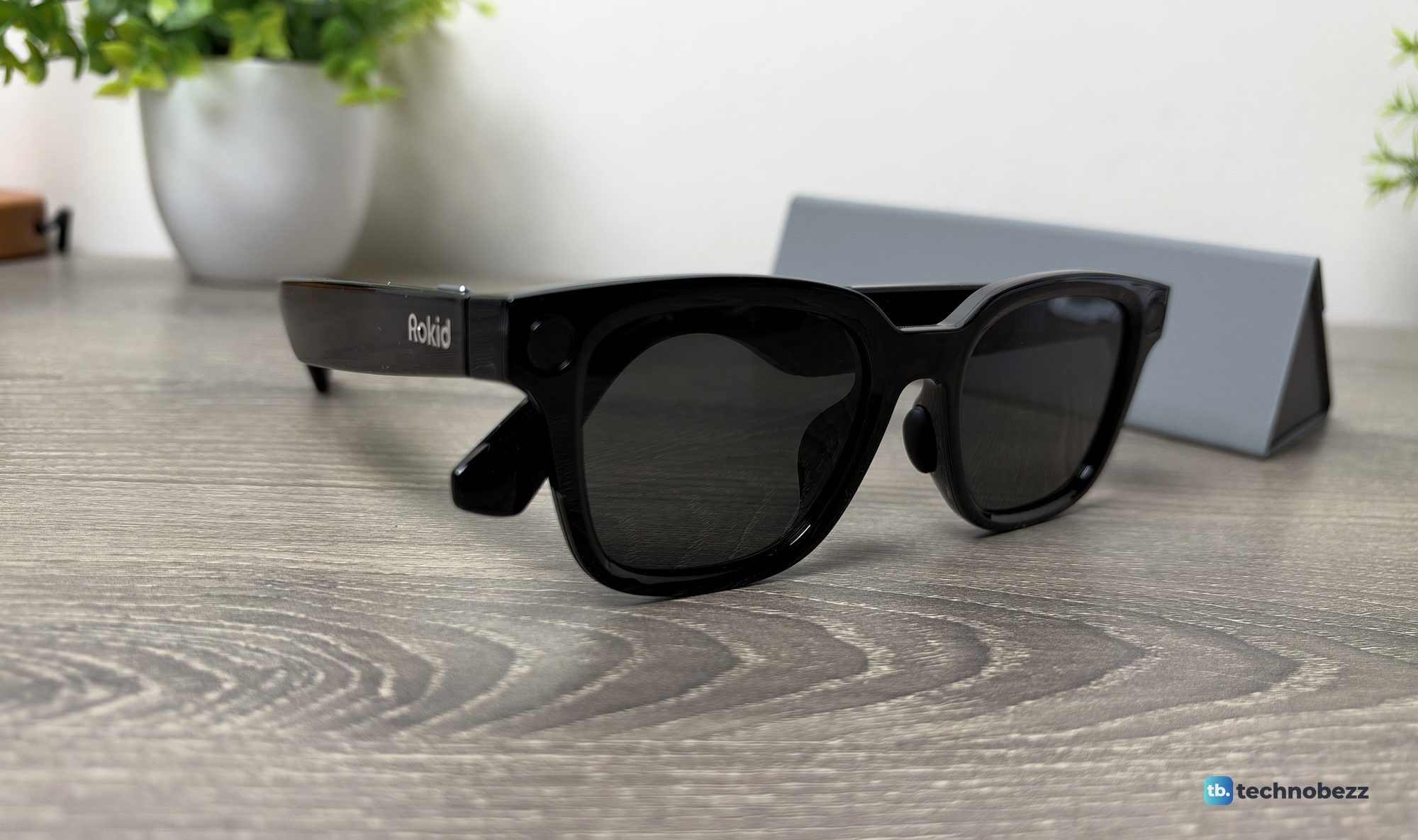
Rokid AI Glasses Style Review, Light Camera Glasses That Let You Choose Your AI
Deal
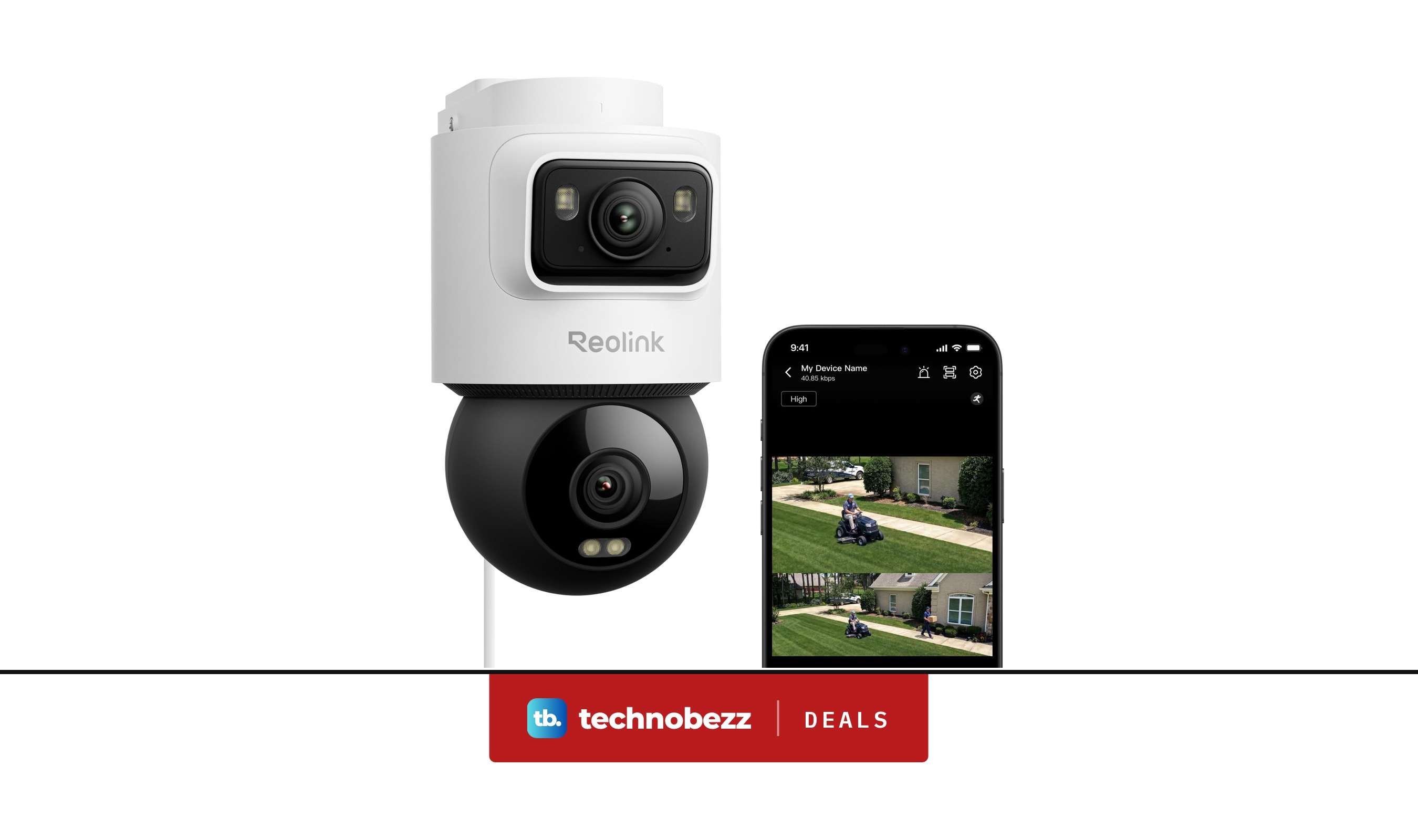
REOLINK 5MP+5MP PT Dual-Lens Security Camera Outdoor dips to $144.49
Deal
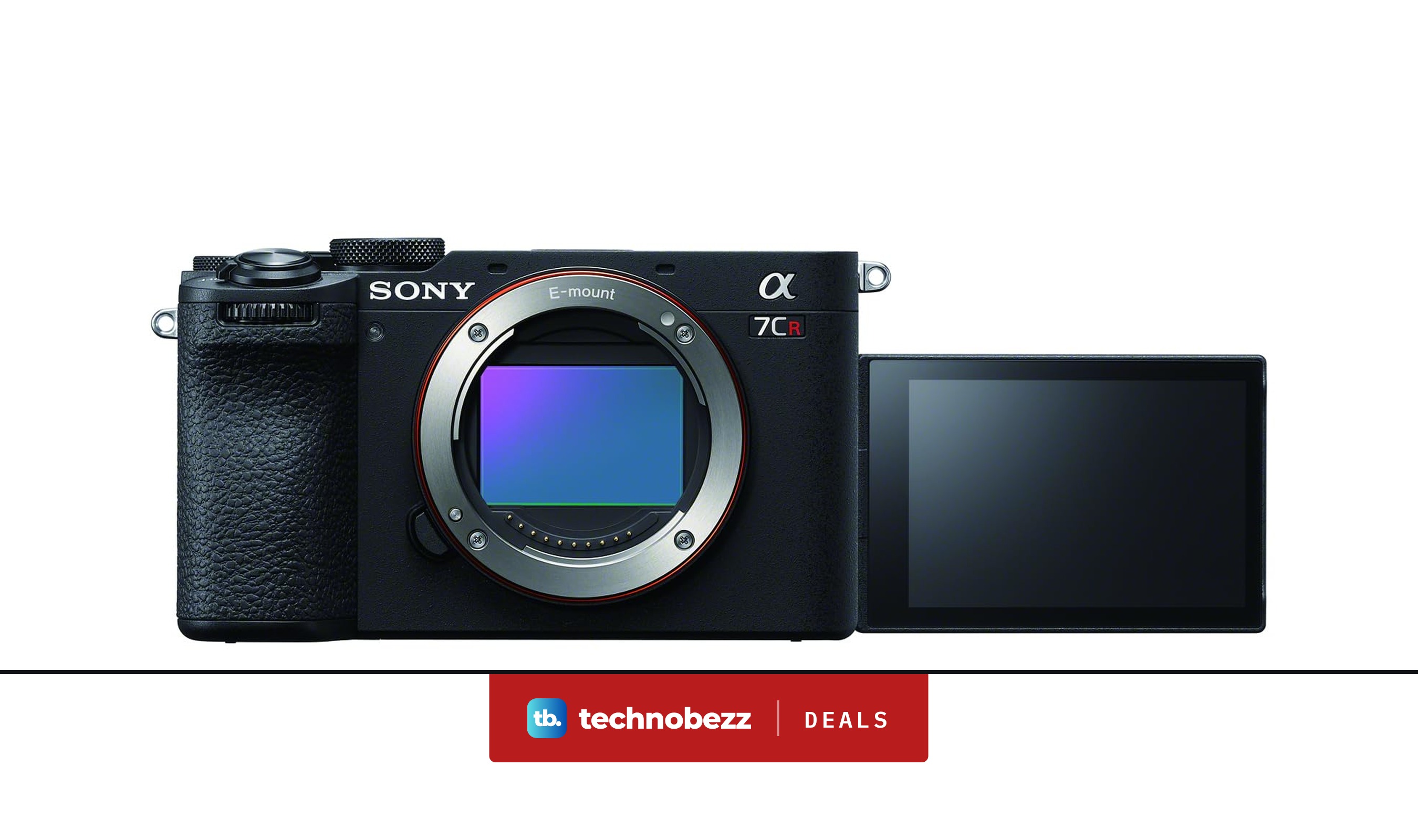
Sony Alpha 7CR Full-Frame Interchangeable Lens Hybrid Camera price drops to $2998
Deal
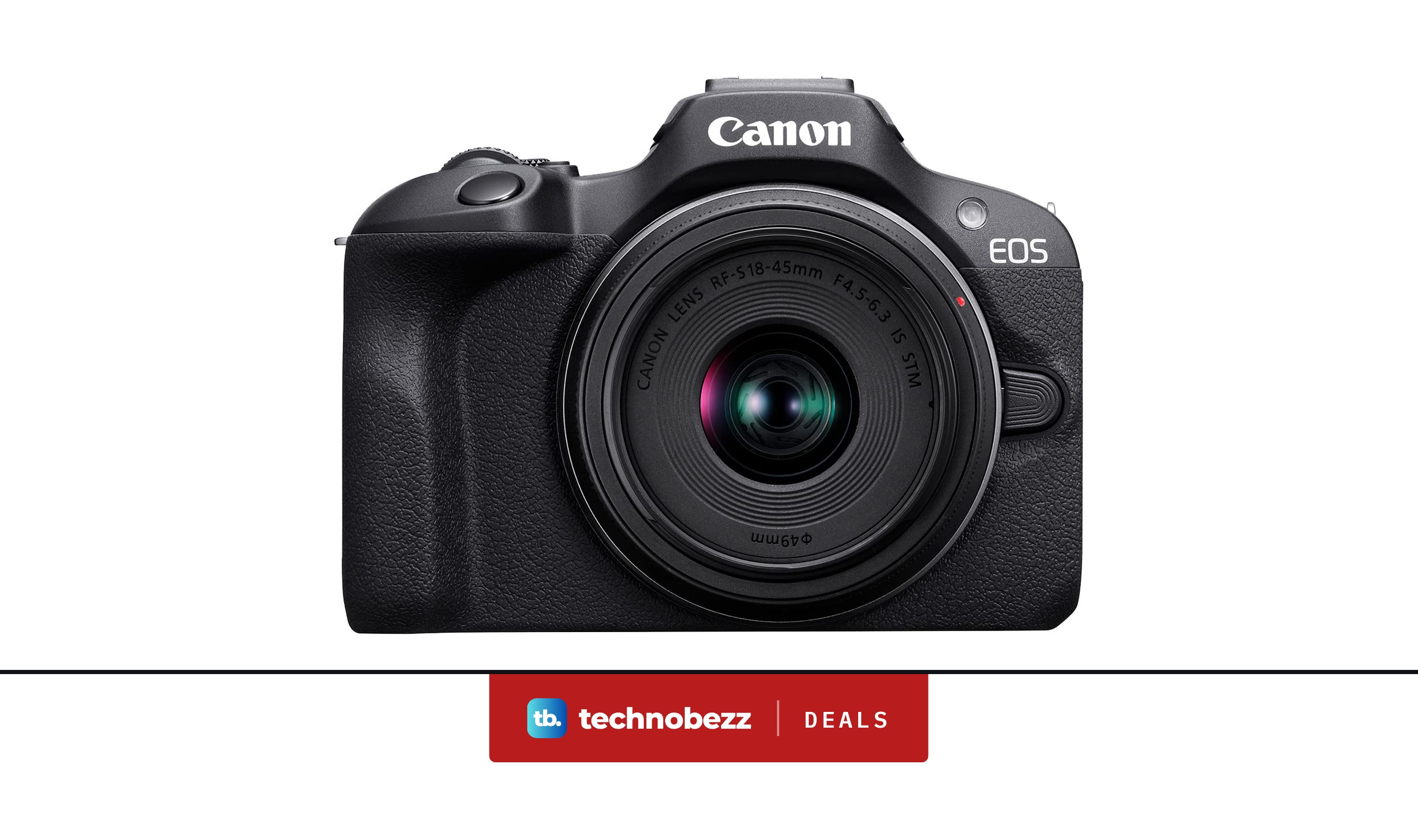
Canon EOS R100 Mirrorless Camera RF-S18-45mm F4.5-6.3 falls to $499
More buying guides
Buying guide6 Best Microwaves in 2026Buying guide7 Best Microphones for Recording Vocals in 2026Buying guide7 Best Samsung Phones in 2026Buying guide6 Best In-Ceiling Speakers in 2026Buying guide7 Best Headsets for Work in 2026Buying guide6 Best 85-Inch TVs in 2026Buying guide7 Best Tablets in 2026Buying guide4 Best Tablets for Kids in 2026