Finding the right anti-glare TV can transform your viewing experience in sunlit rooms. The Samsung QN90F delivers the best balance of glare reduction and picture quality, reducing reflections while maintaining vibrant colors. This list helps you choose a TV that works with your room's lighting, not against it.
Technobezz is supported by its audience. We may get a commission from retail offers.
8 Best Anti-Glare TVs for 2026
Samsung QN90C Neo QLED leads our 2026 picks for the best anti-glare TVs, balancing reflection reduction with vibrant picture quality for bright rooms.
T
Technobezz
Senior Editor
Updated September 5, 2026Sep 5, 2026
•7 min read

Get Deals Like These in Your Inbox
The best prices, reviewed weekly.
At a Glance
| Category | Product | Why We Picked It |
|---|---|---|
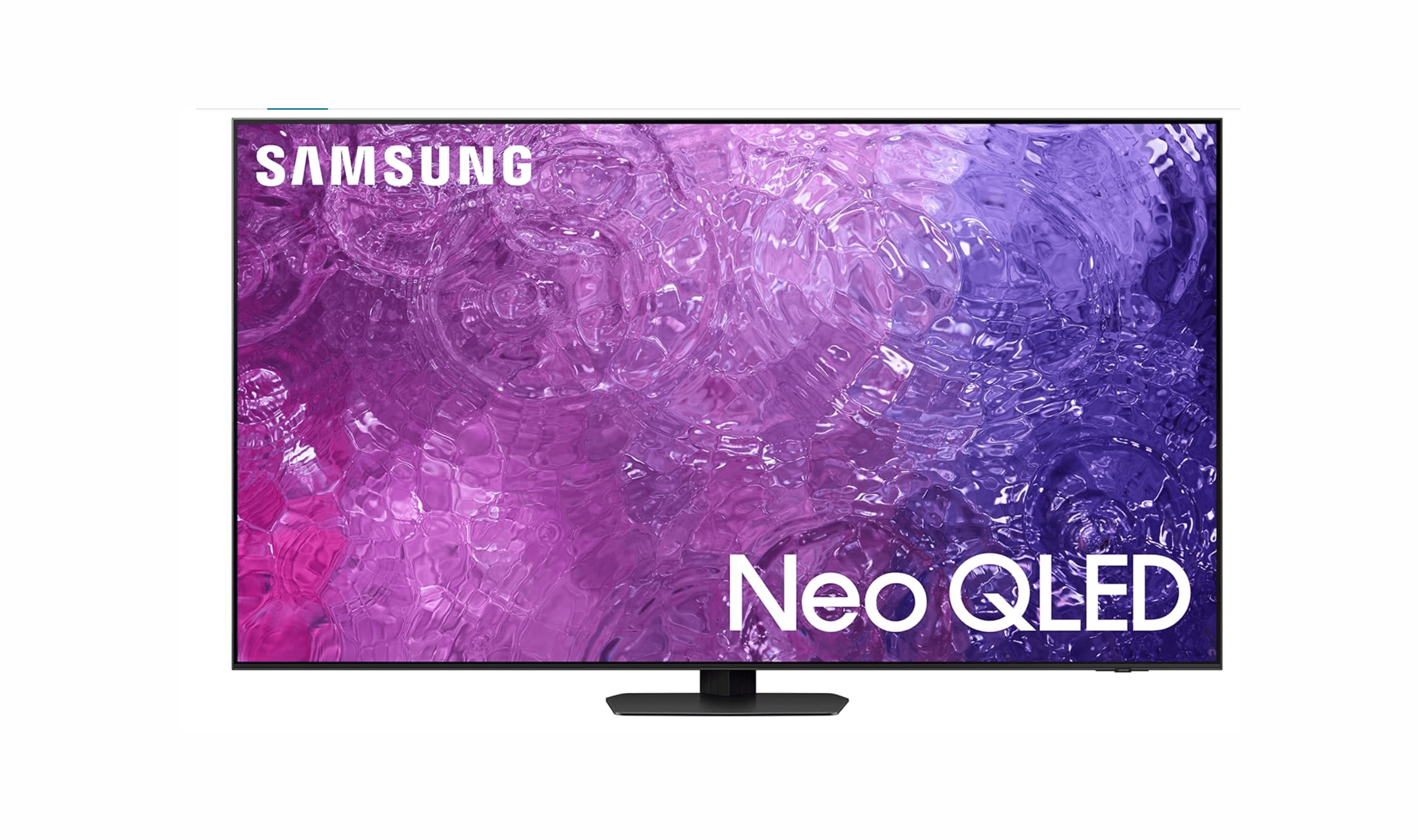
| Best overall | Samsung QN90F | Glare Free Mini-LED with Vision AI processing for bright-room viewing |
| Best value | TCL QM6K Series | QD-Mini LED and native 144Hz; best with indirect room lighting |
| Best for premium viewing | Sony Bravia 9 | XR processing, Mini-LED local dimming, and X-Anti Reflection |
| Best OLED option | LG C6 OLED | OLED black levels, Brightness Booster, and up to 165Hz PC gaming |
| Best design-conscious spaces | Samsung The Frame | Matte display that mimics artwork when turned off |
| Also recommended | Hisense U8 Series | Bright display with solid anti-glare for the price |
| Also recommended | Samsung QN80F | Neo QLED Mini LED with NQ4 AI Gen2 processing; direct reflections remain visible |
| Also recommended | LG G5 OLED | Gallery-style oled with improved brightness and glare handling |
How we chose and tested
We started with screen finishes that keep windows and lamps from washing out the picture, then weighed daytime brightness, black levels, and off-angle color. Gaming support, smart platform, and available sizes settled the close calls.
The best anti-glare TVs right now
Samsung QN90F - Best overall
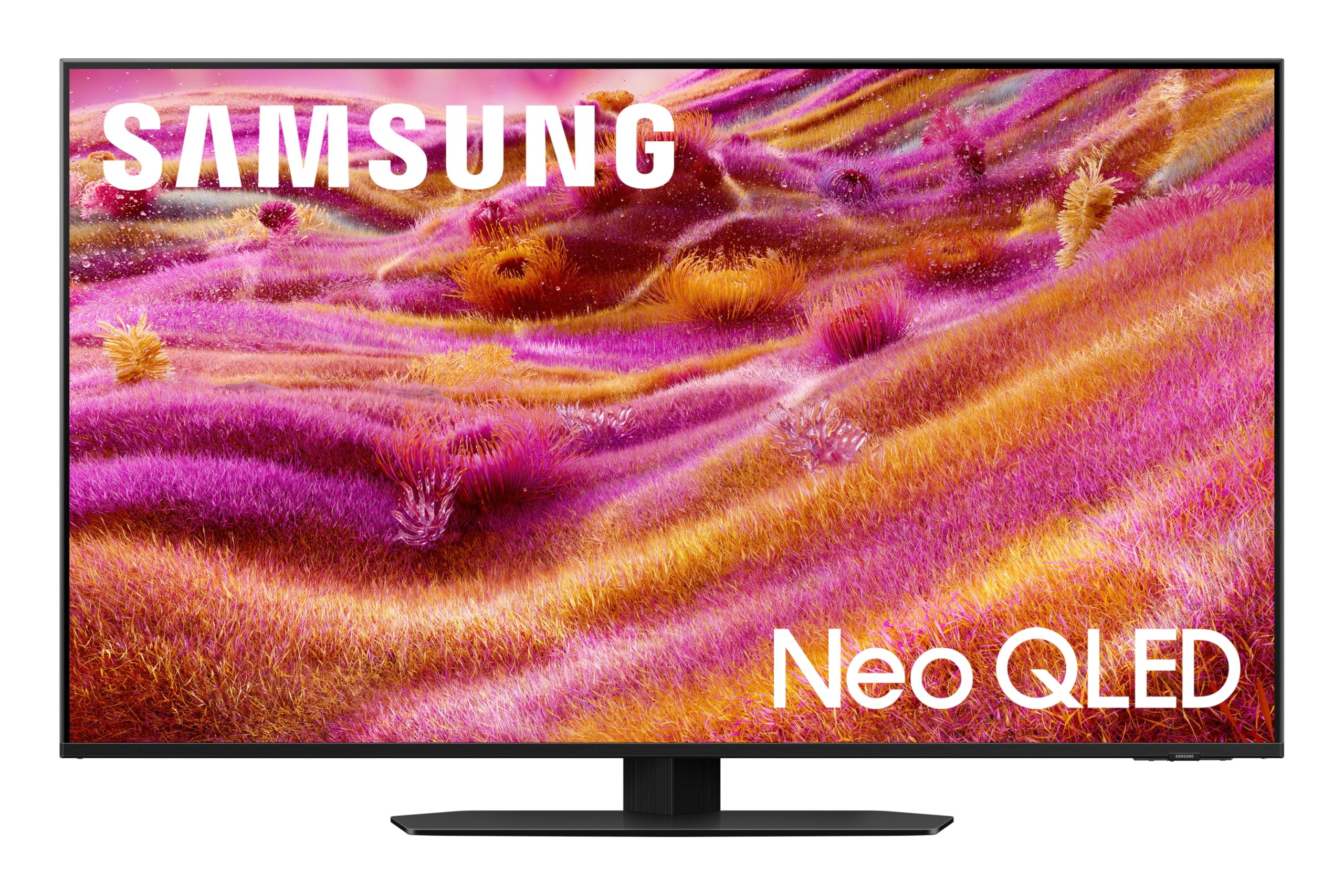
Samsung's 2025 flagship Neo QLED brings Glare Free technology and precision Mini-LED backlighting to bright-room viewing, making it the top choice for sunlit living rooms. The NQ4 AI Gen3 processor drives Vision AI enhancements for intelligent upscaling, motion handling, and HDR tone mapping, while Object Tracking Sound+ with Dolby Atmos delivers an immersive audio experience to match its vivid display.
Key highlights
- Mini-LED backlight with Glare Free technology for bright-room viewing
- NQ4 AI Gen3 processor with Vision AI for intelligent upscaling and HDR enhancement
- Neo Quantum HDR+ for precise brightness control and wide color accuracy
- Gaming Hub with HDMI 2.1 and up to 165 Hz refresh rate for smooth, responsive gameplay
- Object Tracking Sound+ with Dolby Atmos for immersive audio
Pros
- Glare Free technology reduces distracting reflections in bright rooms
- High peak brightness keeps images vivid even under direct light
- AI-driven processing elevates lower-resolution and SDR content
- Strong gaming credentials with low input lag and VRR support
- Clean AirSlim design with a well-stocked smart TV platform
Cons
- Represents a higher investment compared to non-flagship Mini-LED options
- Cannot fully replicate the absolute black levels of OLED panels
- Very high peak brightness can occasionally produce slight haloing near bright highlights
Who it is for: Buyers with bright living rooms who want a balance of glare resistance, peak brightness, and AI-enhanced picture quality in a flagship Neo QLED.
Skip if
You watch primarily in dark rooms where maximum black depth matters more than glare resistance, or need the most budget-friendly option available.
TCL QM6K Series QLED - Best value
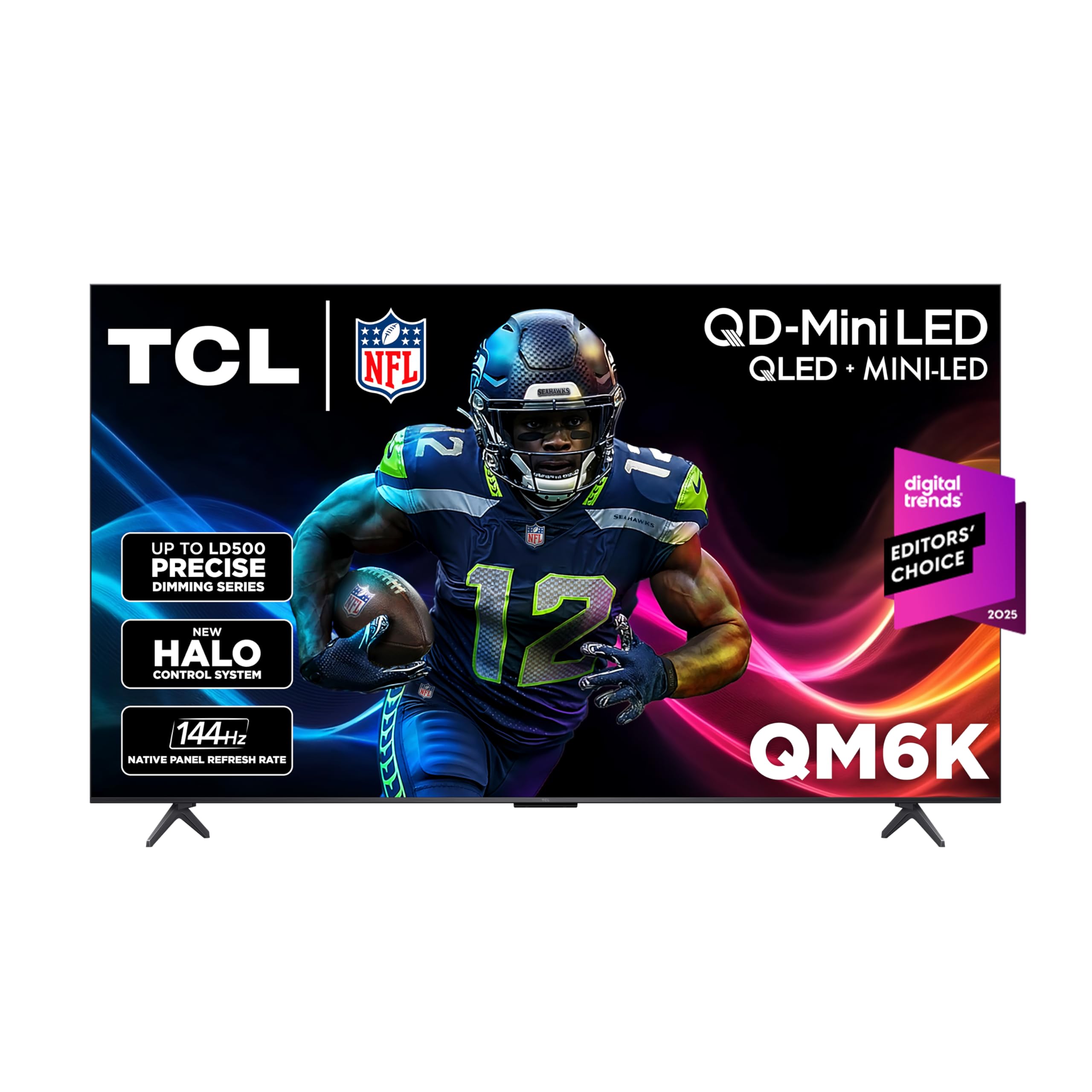
This QD-Mini LED TV combines local dimming, quantum-dot color, and a native 144Hz refresh rate. Its daytime SDR brightness helps with indirect light, but windows or lamps directly opposite the screen can produce distracting reflections.
Key highlights
- QLED technology with wide color gamut for vibrant images
- QD-Mini LED technology for brightness and color
- Google TV smart platform with extensive app selection
- Multiple HDMI ports with gaming-friendly features
- Slim design with minimal bezels
Pros
- SDR brightness helps with indirect room lighting
- Good color reproduction for the price
- User-friendly smart TV interface
- Lightweight and easy to mount
- Solid brightness for daytime viewing
Cons
- Lower peak brightness than premium models
- Viewing angles somewhat limited
- Build quality feels less premium than higher-end options
Who it is for: Budget-conscious buyers who can position the screen away from directly reflected windows and lamps.
Skip if
You require maximum brightness for very bright rooms or want the absolute best picture quality available.
LG C6 OLED - Best OLED option
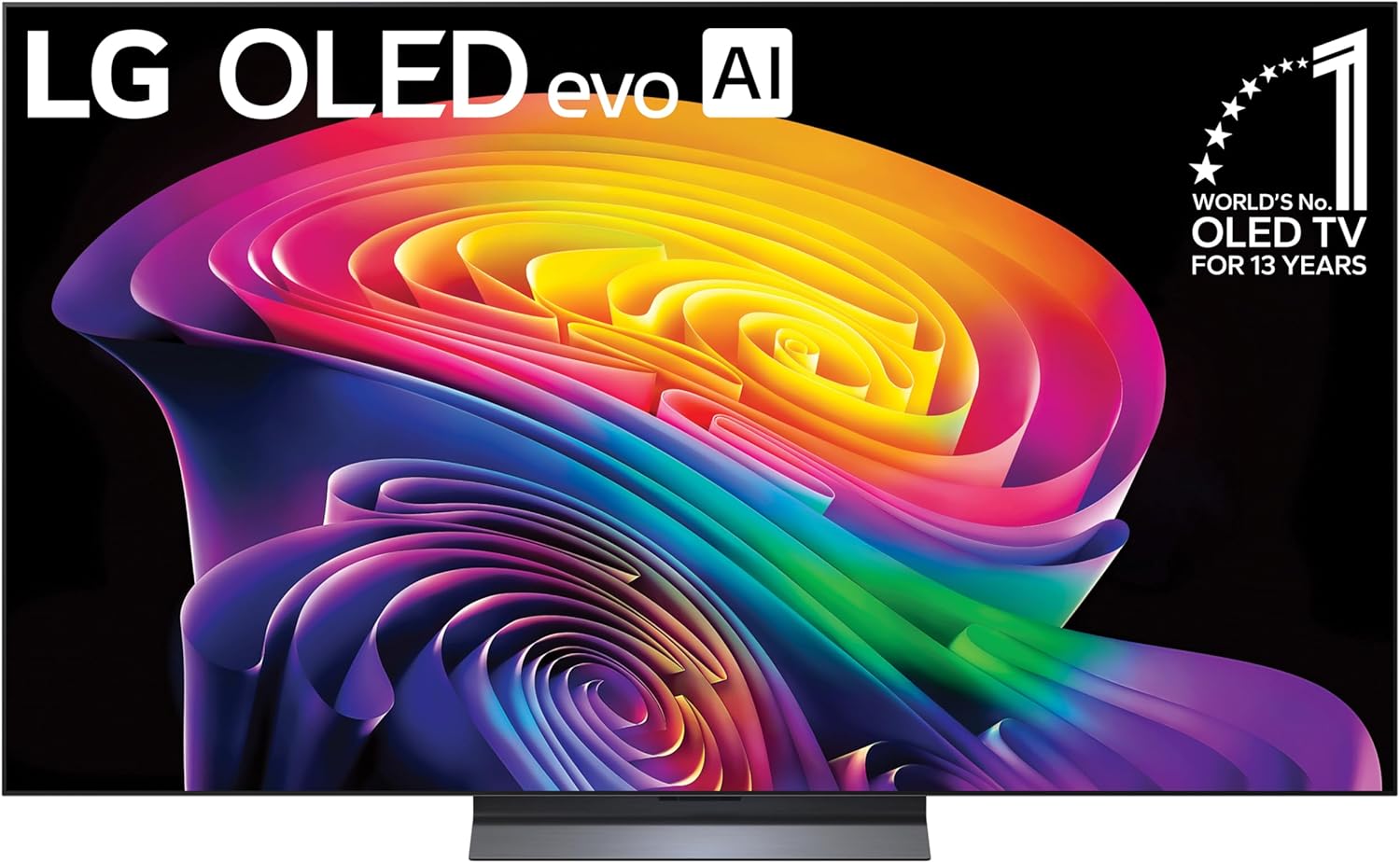
LG's 2026 C6 combines self-lit OLED pixels and Brightness Booster with the Alpha 11 AI Gen3 processor. Dolby Vision and up to 165Hz gaming suit movie enthusiasts and PC gamers, though bright windows directly opposite the screen can still be distracting.
Key highlights
- 4K OLED with over 8.3 million self-lit pixels
- Brightness Booster and Alpha 11 AI Gen3 processing
- Up to 165Hz with a compatible PC
- NVIDIA G-SYNC and AMD FreeSync Premium support
- Dolby Vision, Dolby Atmos, and webOS streaming
Pros
- Self-lit pixels deliver deep black levels
- Variable refresh rate support for compatible gaming hardware
- Filmmaker Mode with Ambient Light Technology
Cons
- 165Hz requires a compatible PC graphics card
- Network-based smart services require an internet connection and LG account
Who it is for: Movie enthusiasts and gamers who want perfect blacks and wide viewing angles with decent glare reduction.
Skip if
Your room has direct sunlight or extremely bright conditions that require maximum brightness.
Sony Bravia 9 - Best for premium viewing
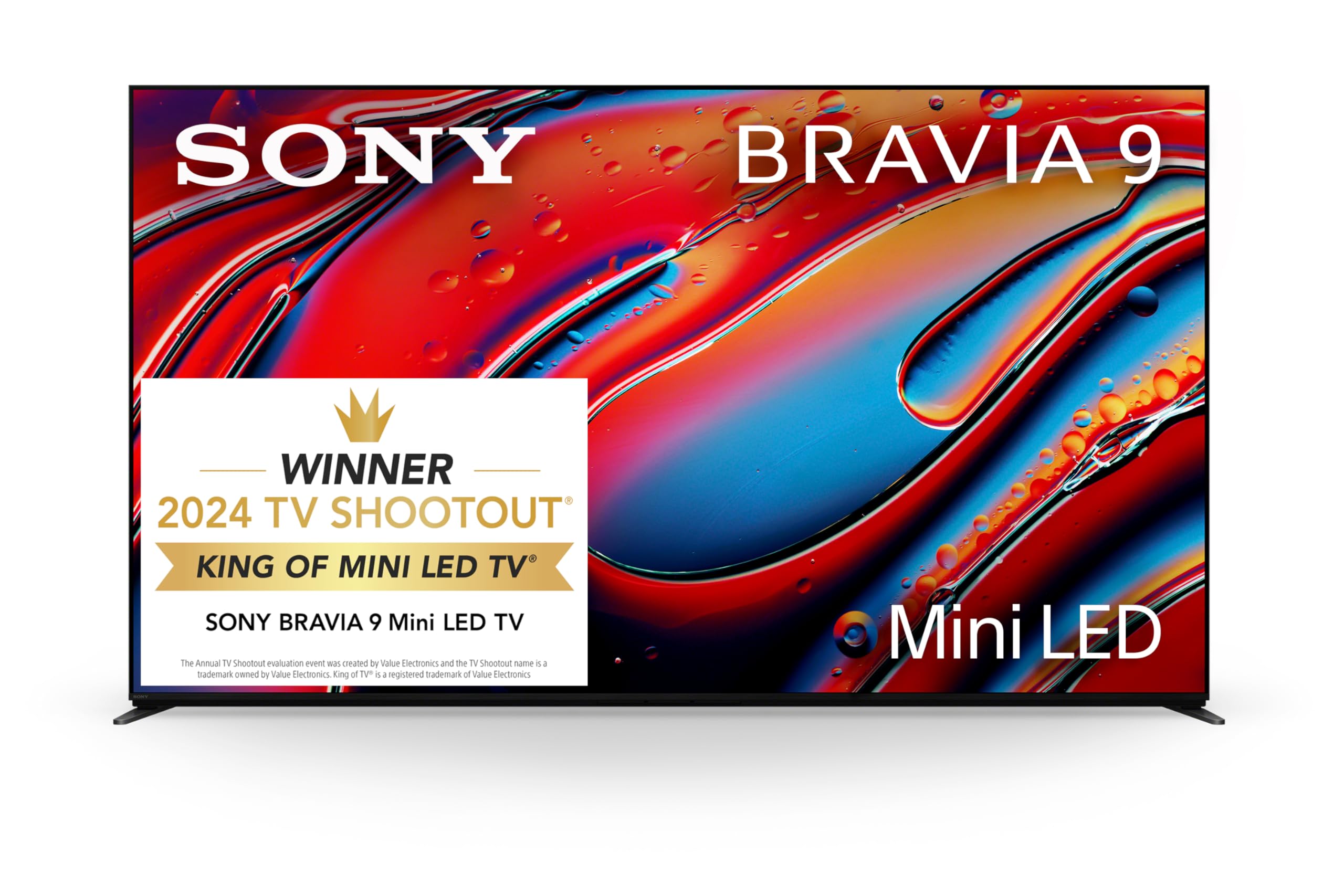
Sony's premium Mini-LED TV combines XR Backlight Master Drive with XR Processor picture processing. X-Anti Reflection reduces glare, while X-Wide Angle helps preserve the picture for viewers seated off-center.
Key highlights
- XR Processor for real-time picture optimization
- Mini-LED backlight with precise local dimming
- Professional picture mode for accurate color reproduction
- Google TV with access to favorite streaming apps
- Comprehensive smart features with Google TV
Pros
- Outstanding picture quality with accurate colors
- Effective glare reduction in bright conditions
- Professional calibration options
- Excellent motion handling
- Premium build quality
Cons
- Heavier than comparable models
- Smart interface can feel complex for some users
Who it is for: Home theater enthusiasts who want professional-grade picture quality with effective glare management.
Skip if
You're on a tight budget or prefer simpler smart TV interfaces.
Samsung The Frame - Best for design-conscious spaces
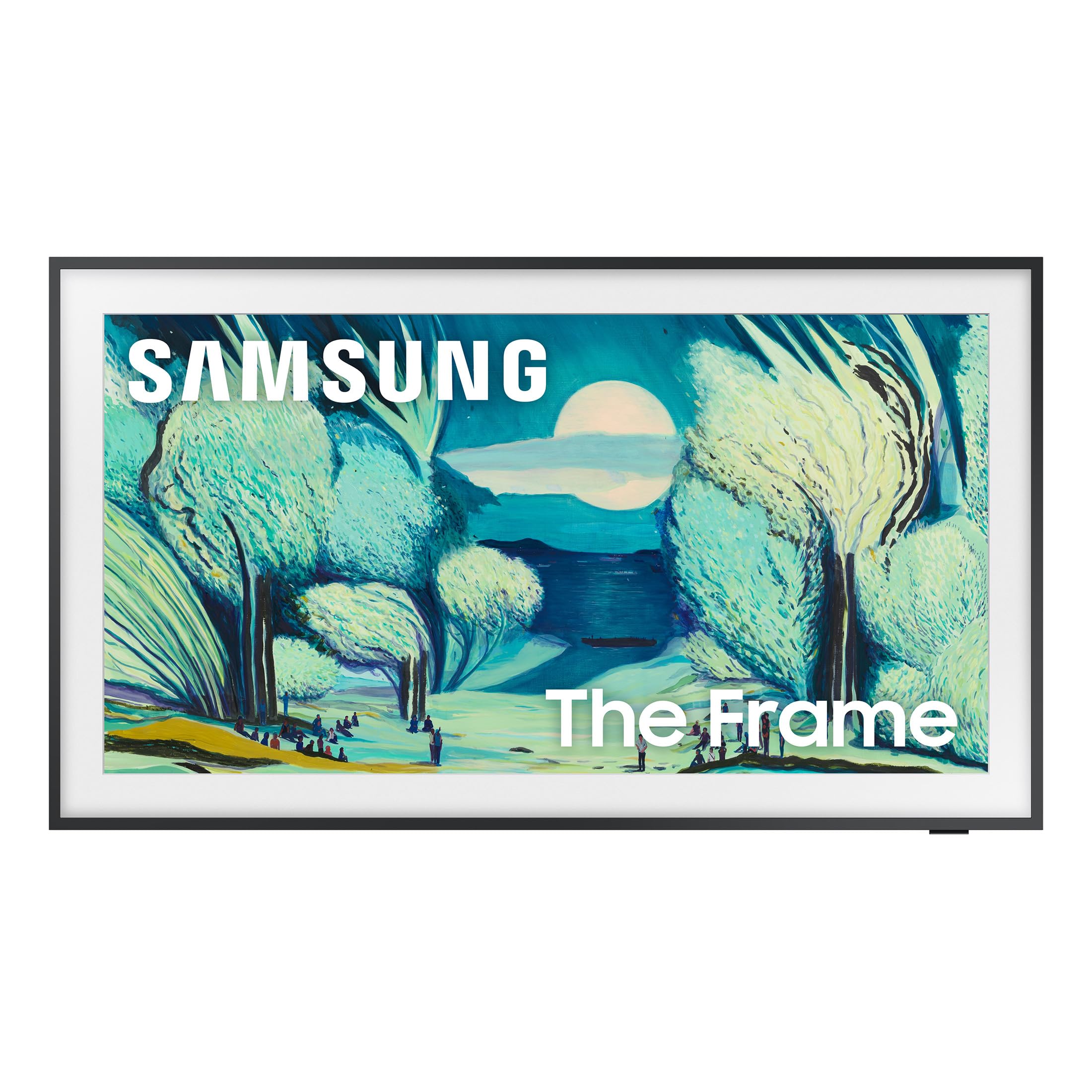
This lifestyle TV doubles as artwork when not in use, with a matte display that significantly reduces reflections. Its anti-glare properties make it ideal for brightly lit rooms where the TV is always visible.
Key highlights
- Matte display that mimics artwork when turned off
- Customizable bezels to match room decor
- Art Mode with rotating gallery of artwork
- QLED technology with decent brightness
- Slim, gallery-style design
Pros
- Excellent glare reduction with matte finish
- Discreet design that blends with decor
- Art Mode adds aesthetic value
- Good color reproduction for artwork display
- Multiple size options
Cons
- Picture quality not as good as dedicated viewing TVs
- Premium price for the design features
- Limited gaming features compared to other models
Who it is for: Design-focused buyers who want a TV that disappears into their decor when not in use.
Skip if
Maximum picture quality is your primary concern or you need advanced gaming features.
Also Good
- Hisense U8 Series - bright display with solid anti-glare for the price.
- Samsung QN80F - a Neo QLED Mini LED with Vision AI processing, best positioned away from directly reflected windows and lamps. Check Price on Samsung
- LG G5 OLED - gallery-style oled with improved brightness and glare handling. Check Price on LG
How to Choose
Consider these factors when selecting an anti-glare TV:
Room brightness: Consider both daytime SDR brightness and reflection handling. Avoid placing the screen directly opposite a bright window or lamp.
Viewing angles: If people watch from different positions, choose TVs that maintain color accuracy at off-center angles. Some anti-glare coatings reduce viewing angle quality.
Content type: Gamers should prioritize high refresh rates and low input lag. Movie enthusiasts may prefer OLED's perfect blacks despite slightly lower brightness.
Budget vs performance: Premium Mini-LED TVs offer the best glare reduction but cost significantly more. Budget QLED options provide good value with acceptable performance.
Smart features: Consider which streaming platforms you use regularly and choose a TV with a compatible, user-friendly interface.
FAQ
Do anti-glare TVs sacrifice picture quality?
Anti-glare performance varies by screen finish and lighting. Compare reflection handling alongside black levels and color performance in a bright room; a coating does not guarantee that every reflection disappears.
How much brightness do I need for a bright room?
There is no single brightness threshold for every room. Check measured SDR brightness for daytime viewing and reflection tests for windows or lamps facing the screen; peak HDR brightness alone does not describe either.
Are OLED TVs good for bright rooms?
OLEDs have improved their anti-glare performance, but they're still not as bright as Mini-LED options. They work well in moderately lit rooms but may struggle in very bright conditions compared to high-brightness Mini-LED TVs.
Can I add anti-glare to an existing TV?
While anti-glare screen protectors exist, they typically reduce picture quality more than built-in coatings. For best results, choose a TV with factory-applied anti-glare technology designed specifically for that display.
How important is the anti-glare coating for gaming?
Very important for daytime gaming. Reflections can distract during competitive play, and glare reduction helps maintain visibility in bright rooms. Look for gaming-focused models with both anti-glare coatings and high refresh rates.
Published February 23, 2026 Last updated September 5, 2026
Share this article
More in News
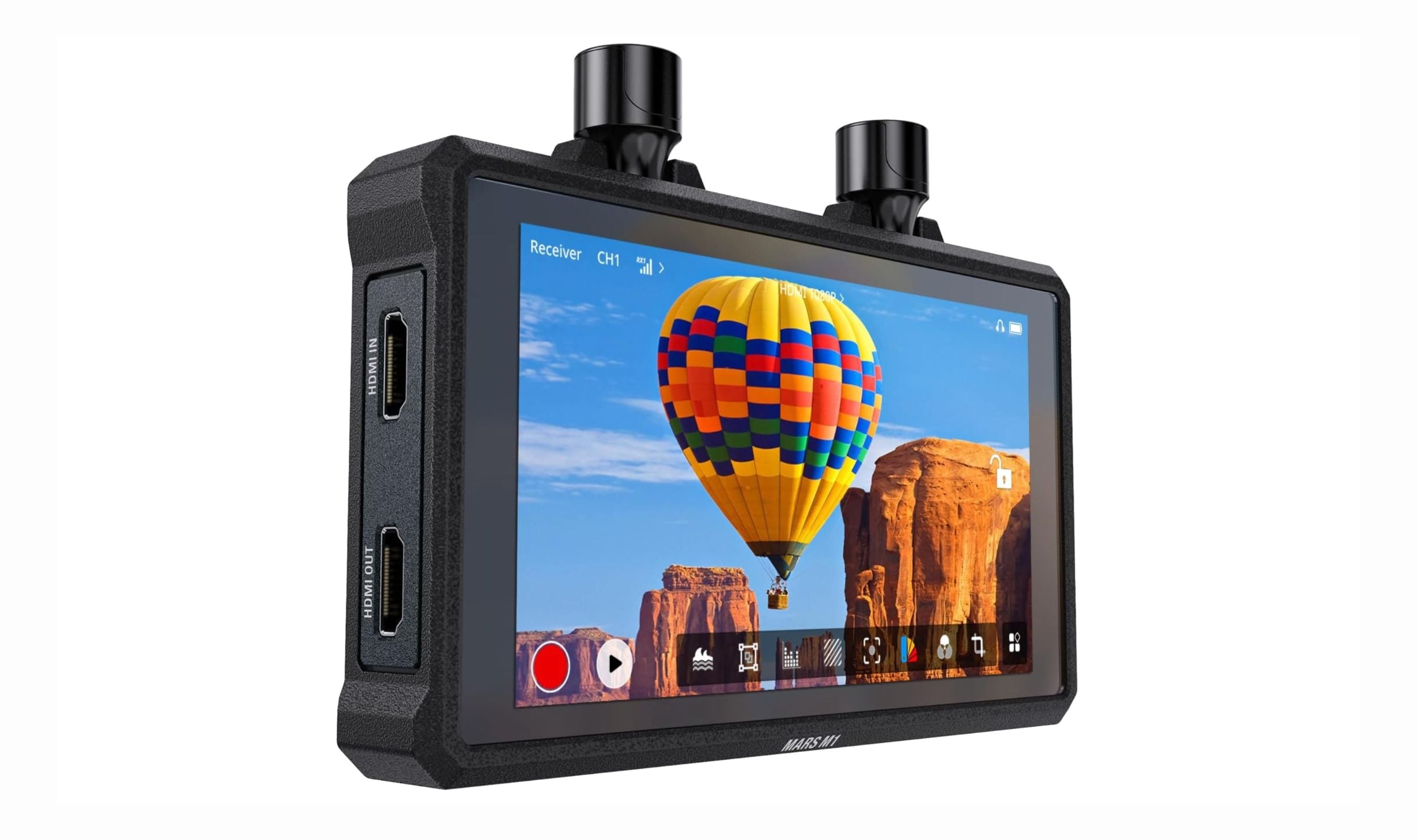
Best Wireless and Wired Camera Monitors for 2026
The Hollyland Mars M1 tops our list of the 3 best wireless camera monitors in 2026, combining TX, RX, and a bright 5.5-inch display for cable-free video.
5 min read
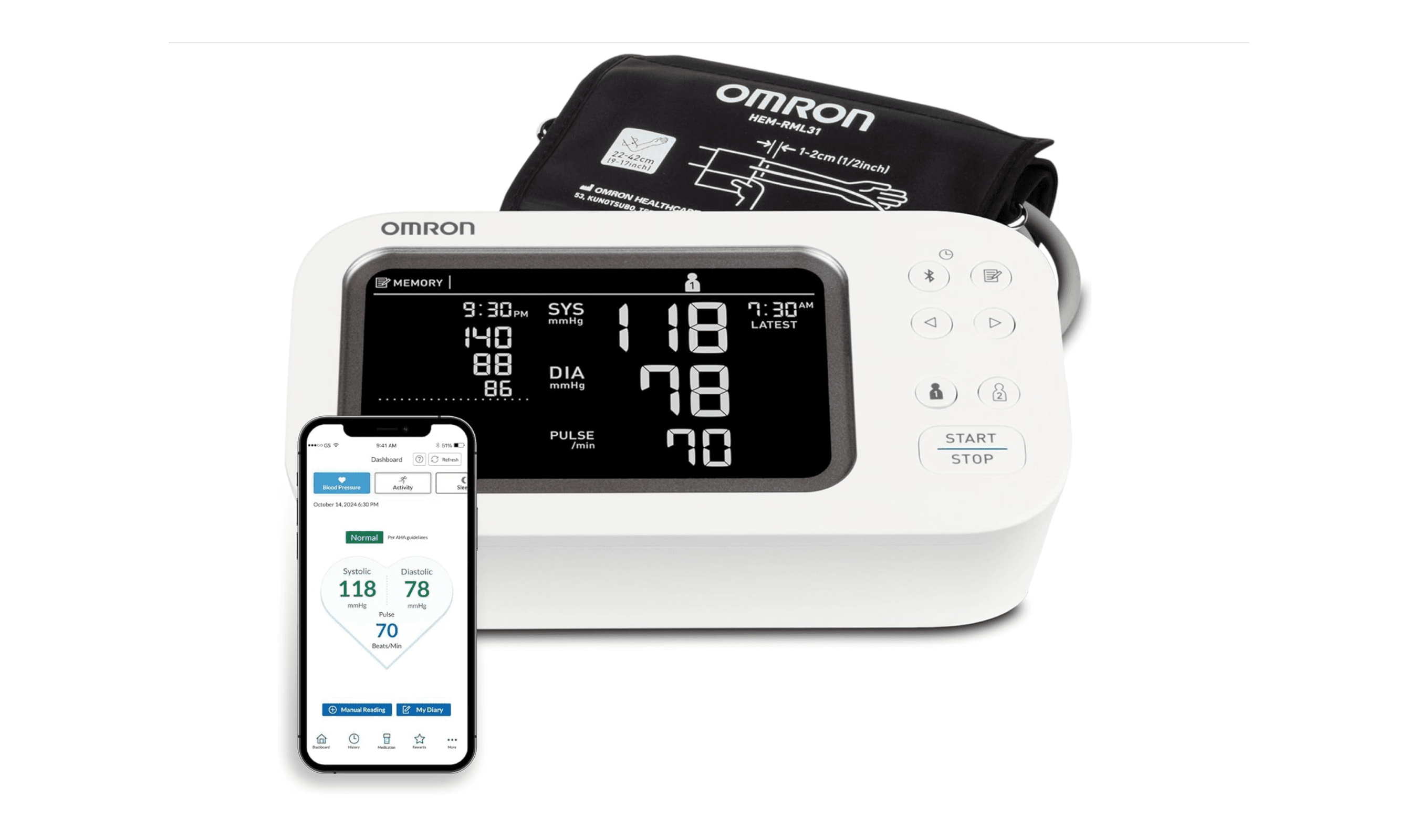
8 Best Blood Pressure Monitors for Home Use in 2026
We tested clinically validated blood pressure monitors from Omron, Withings, and more. The Omron Platinum leads our picks, with options from $40 to $140.
3 min read
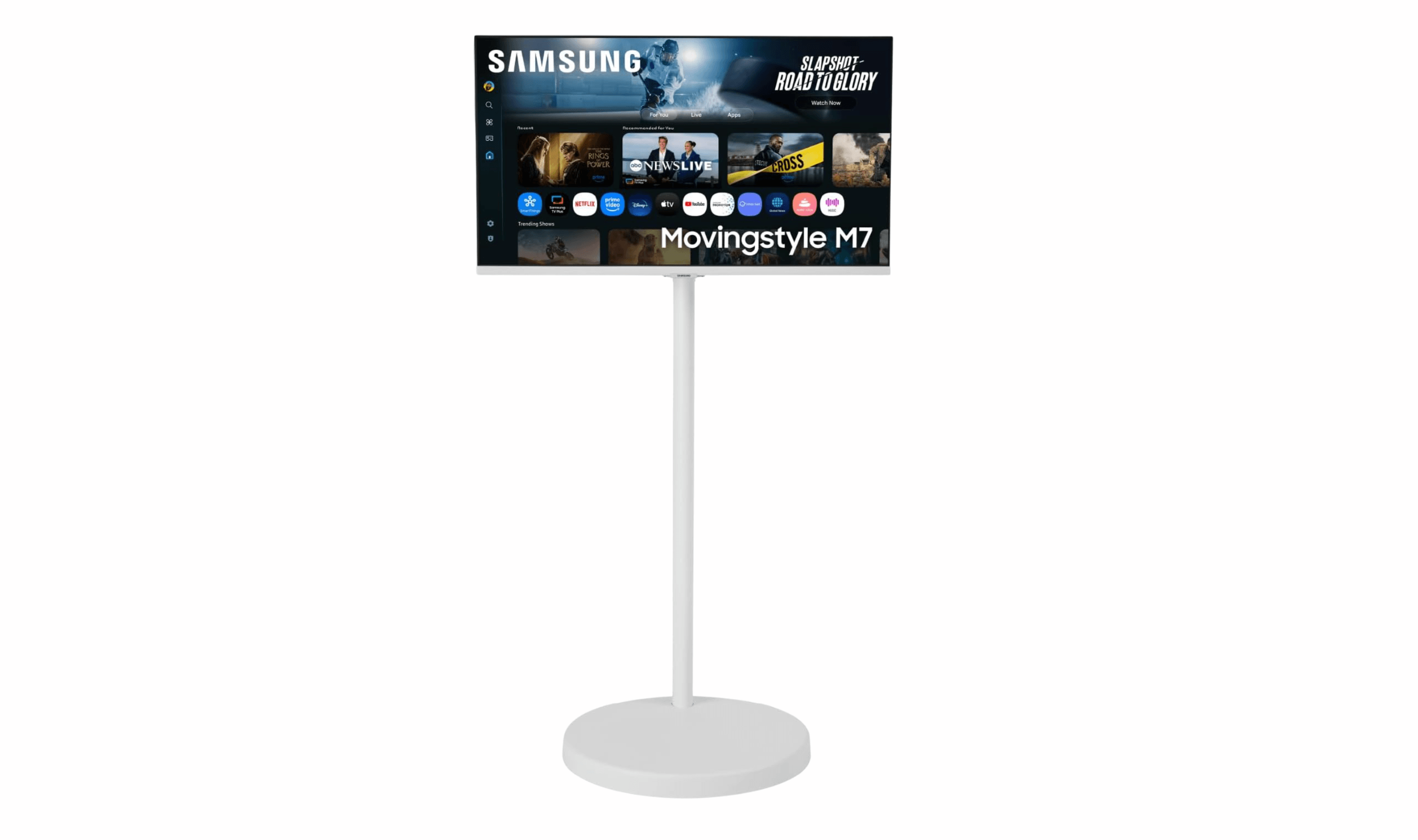
3 Best Rolling TV Monitors You Can Buy Right Now
LG Swing leads our picks for the best rolling TV monitors. See top models for medical use, multi-monitor setups, and budget-friendly options.
3 min read
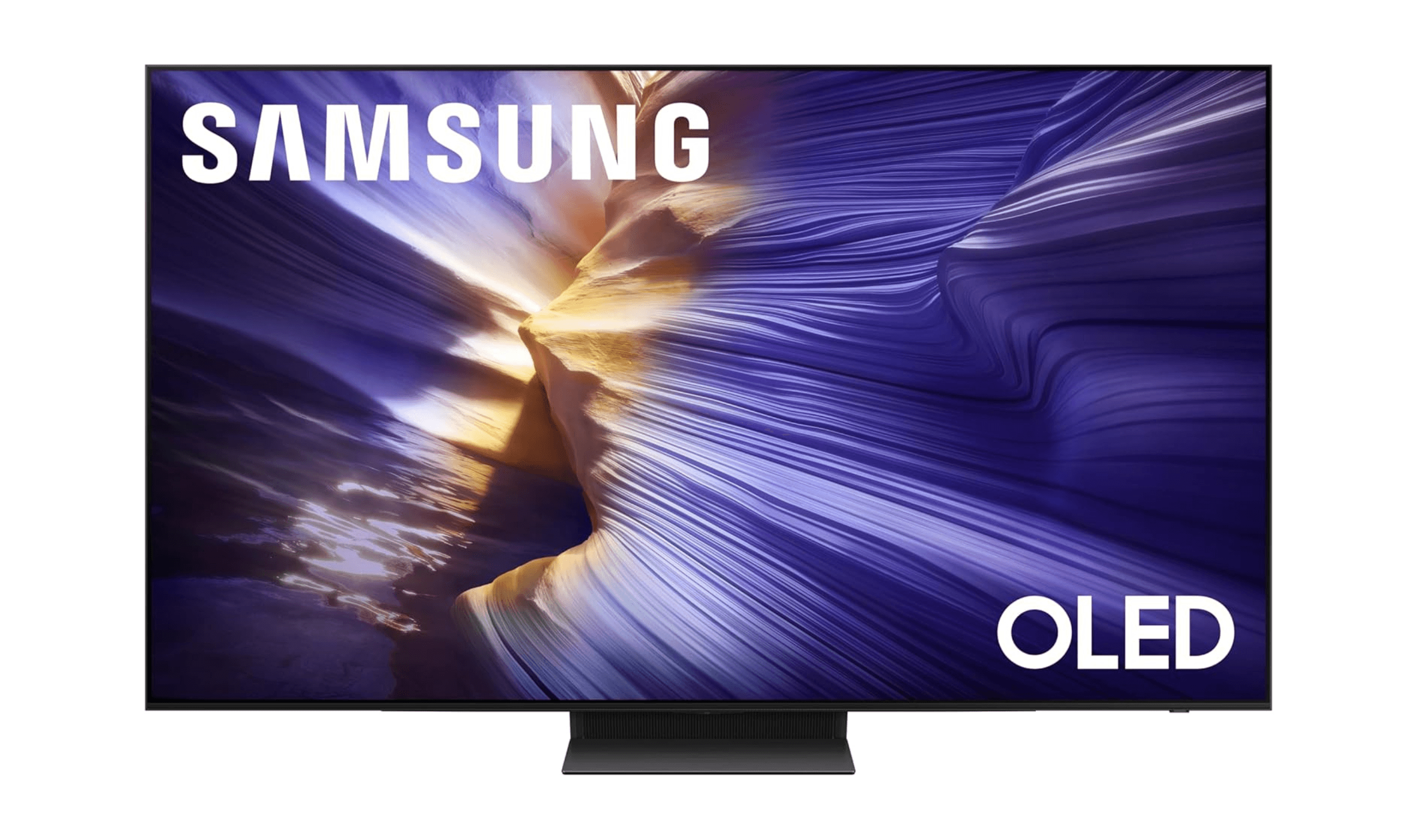
The 8 Best Smart TVs of 2026
Samsung S90F leads our picks for the best smart TVs of 2026. Compare top models for picture quality, gaming, and value to find your perfect screen.
3 min read

7 Best Monitor Arms for 2026
4 min read
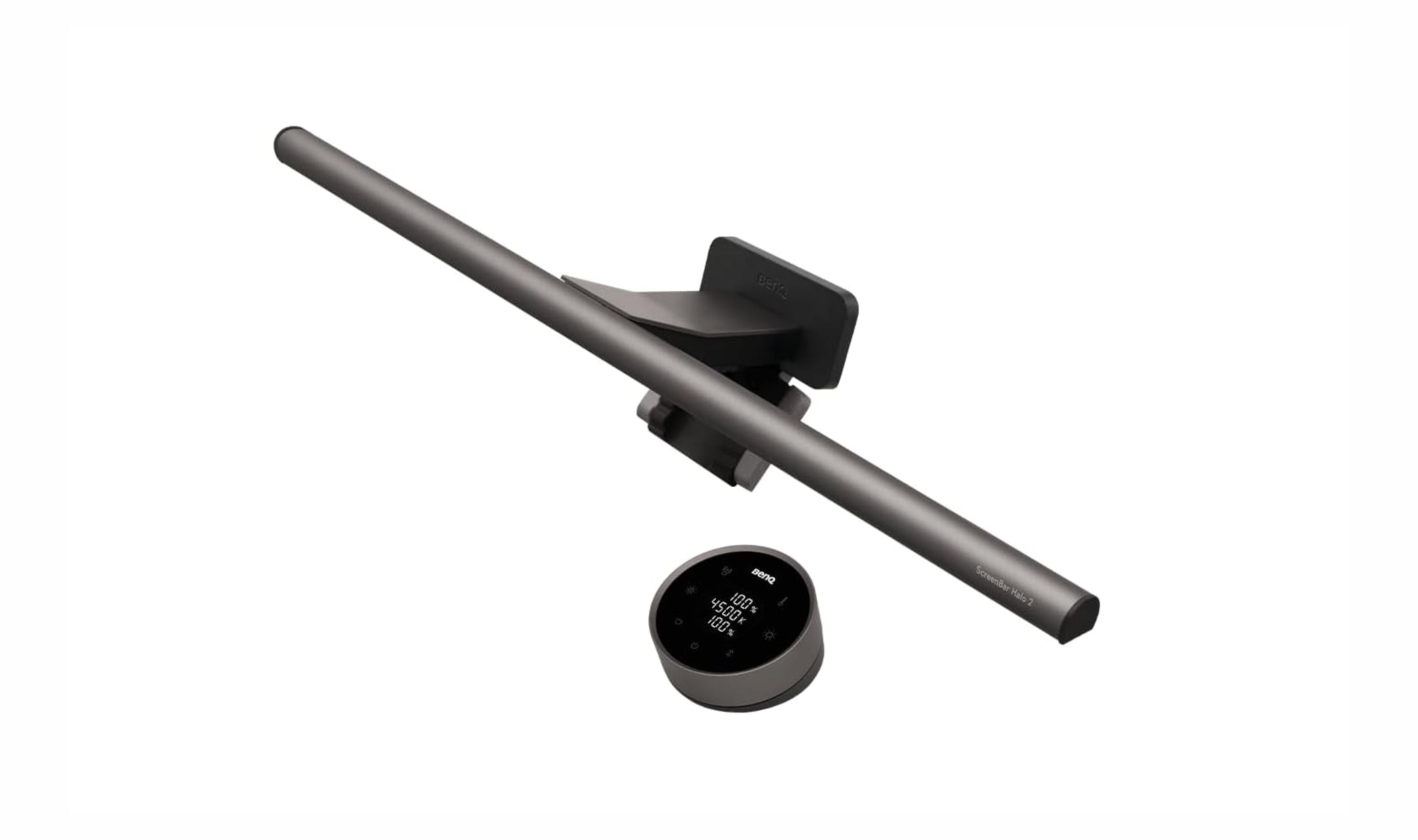
6 Best Monitor Light Bars for 2026
4 min read

Lenovo coupon codes and deals
5 min read

LG coupon codes and deals
4 min read

Woot coupon codes and deals
3 min read

Samsung coupon codes and deals
5 min read

Best tech coupon codes and online deals
4 min read
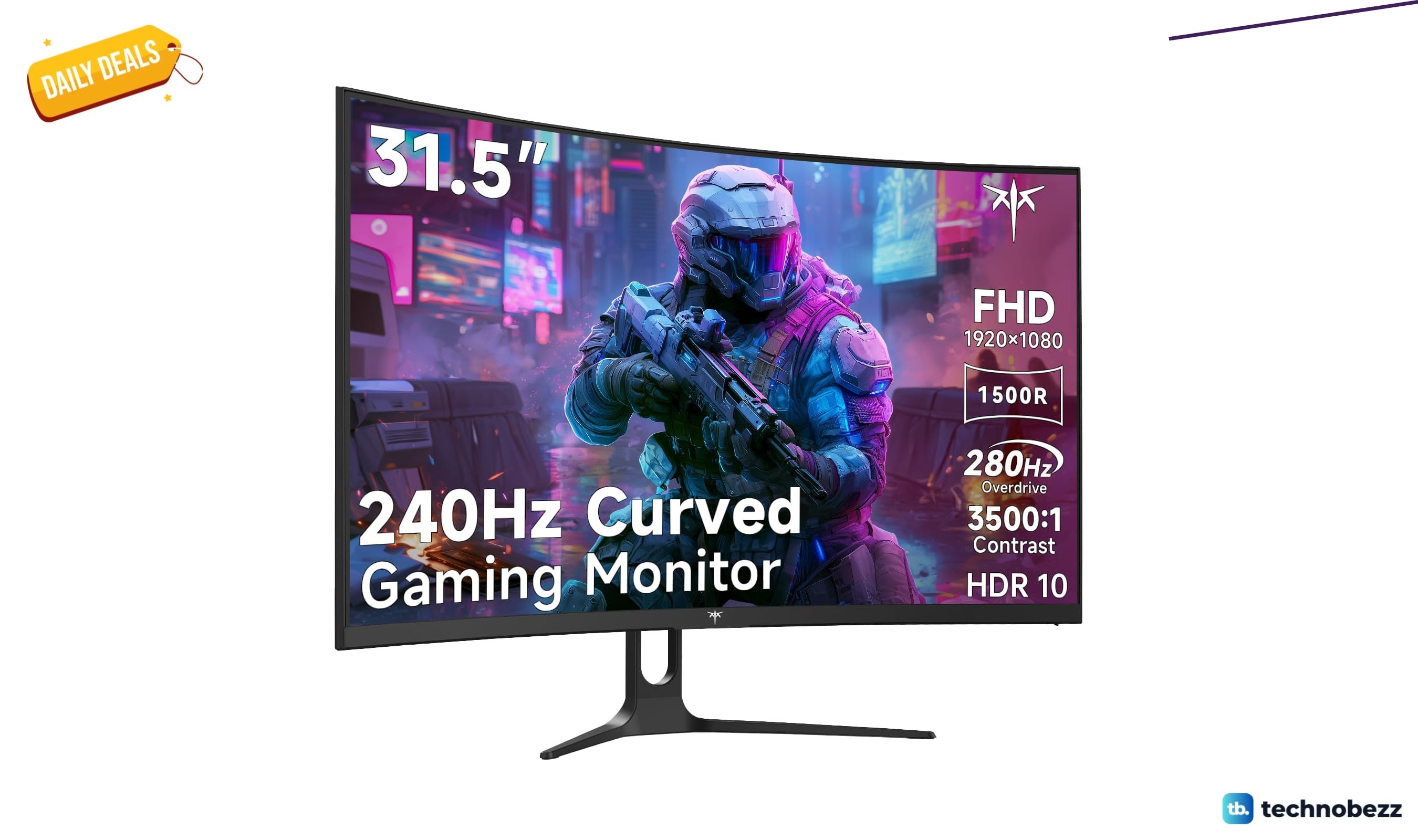
KTC Curved Gaming Monitor now selling for $180.47
5 min read