If battery life is your top priority, the OnePlus 15 is the phone to beat with a 7,300mAh battery that lasts well over two days on a charge. But not everyone needs that much endurance or wants to spend flagship money, so this list covers the longest-lasting phones across every price range and use case.
Technobezz is supported by its audience. We may get a commission from retail offers.
9 Best Smartphones With the Longest Battery Life for 2026
We tested the longest-lasting phones of 2026, from the two-day OnePlus 15 with its 7,300mAh battery to the Moto G under $200. Find the best pick for your budget.
T
Technobezz
Editorial Team
Updated September 4, 2026Sep 4, 2026
•9 min read

Get Deals Like These in Your Inbox
The best prices, checked by our editors.
At a Glance
| Category | Product | Why We Picked It |
|---|---|---|
| Best overall | OnePlus 15 | Two-day battery with lightning-fast 80W charging |
| Best value | OnePlus 15R | Nearly the same endurance for $200 less |
| Best iPhone | iPhone 17 Pro Max | Unbeatable efficiency from a modest battery |
| Best large-battery Android | Xiaomi Poco X8 Pro Max | Massive 8,500mAh at a mid-range price |
| Best budget | Moto G (2026) | 5,200mAh battery and a 120Hz display |
| Also recommended | Samsung Galaxy S26 Ultra | Gaming option with a 5,000mAh battery and 60W wired charging |
| Also recommended | Realme P4 Power | Mid-range option with over 25 hours of Active Use Score and power bank functionality |
| Also recommended | Moto G Play (2026) | 5,200mAh battery and 18W wired charging |
| Also recommended | Xiaomi 15 Ultra | Premium camera phone with 5,410mAh battery and 90W charging |
How we chose
We evaluated phones based on published battery test results, real-world usage reports, and charging speed data from multiple independent sources. Our assessment considers battery capacity (mAh), processor efficiency, display power management, and charging technology. We prioritize products that deliver consistent all-day or multi-day endurance without sacrificing core features like display quality and camera performance.
The best smartphones with longest battery life right now
OnePlus 15 - Best overall
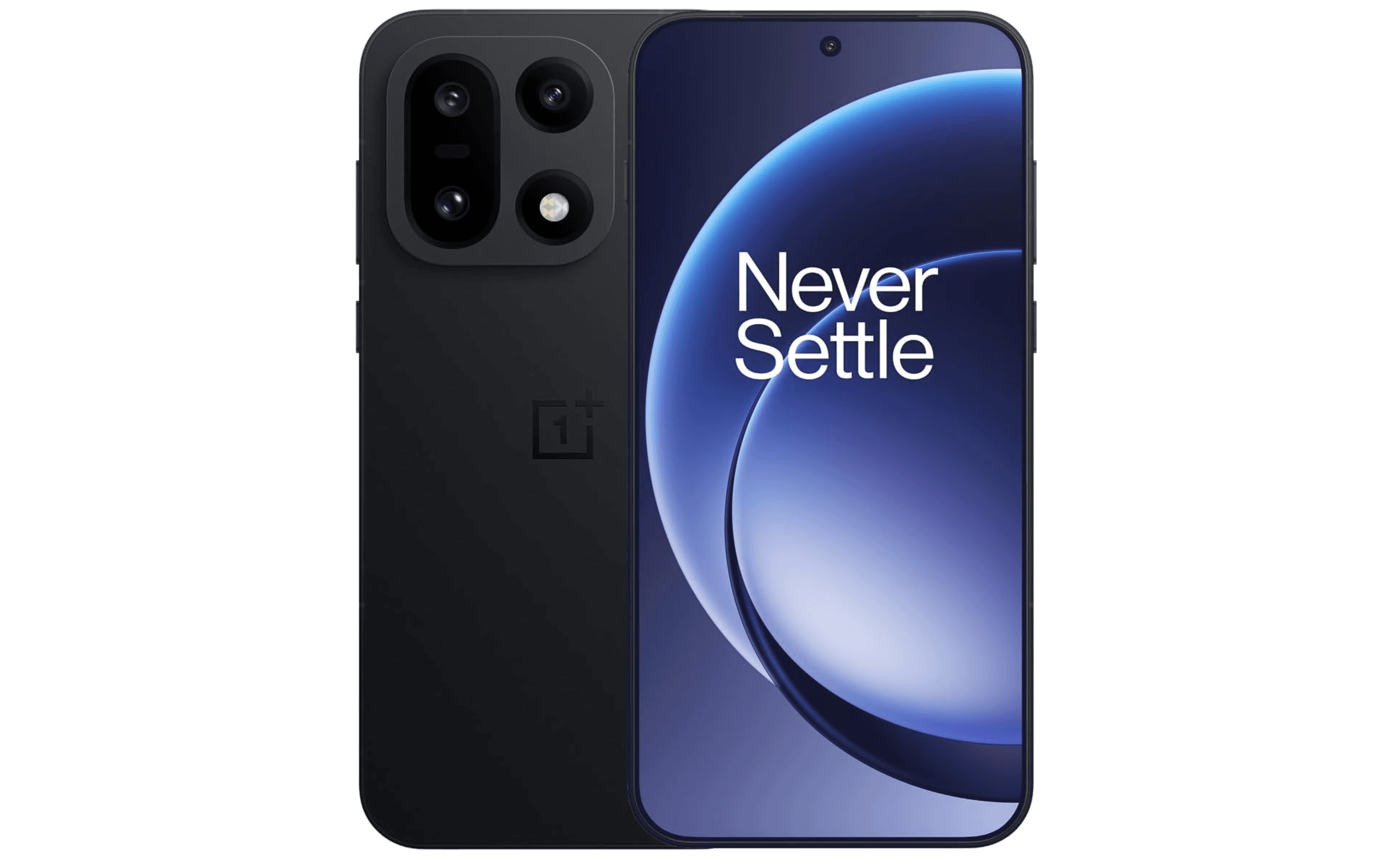
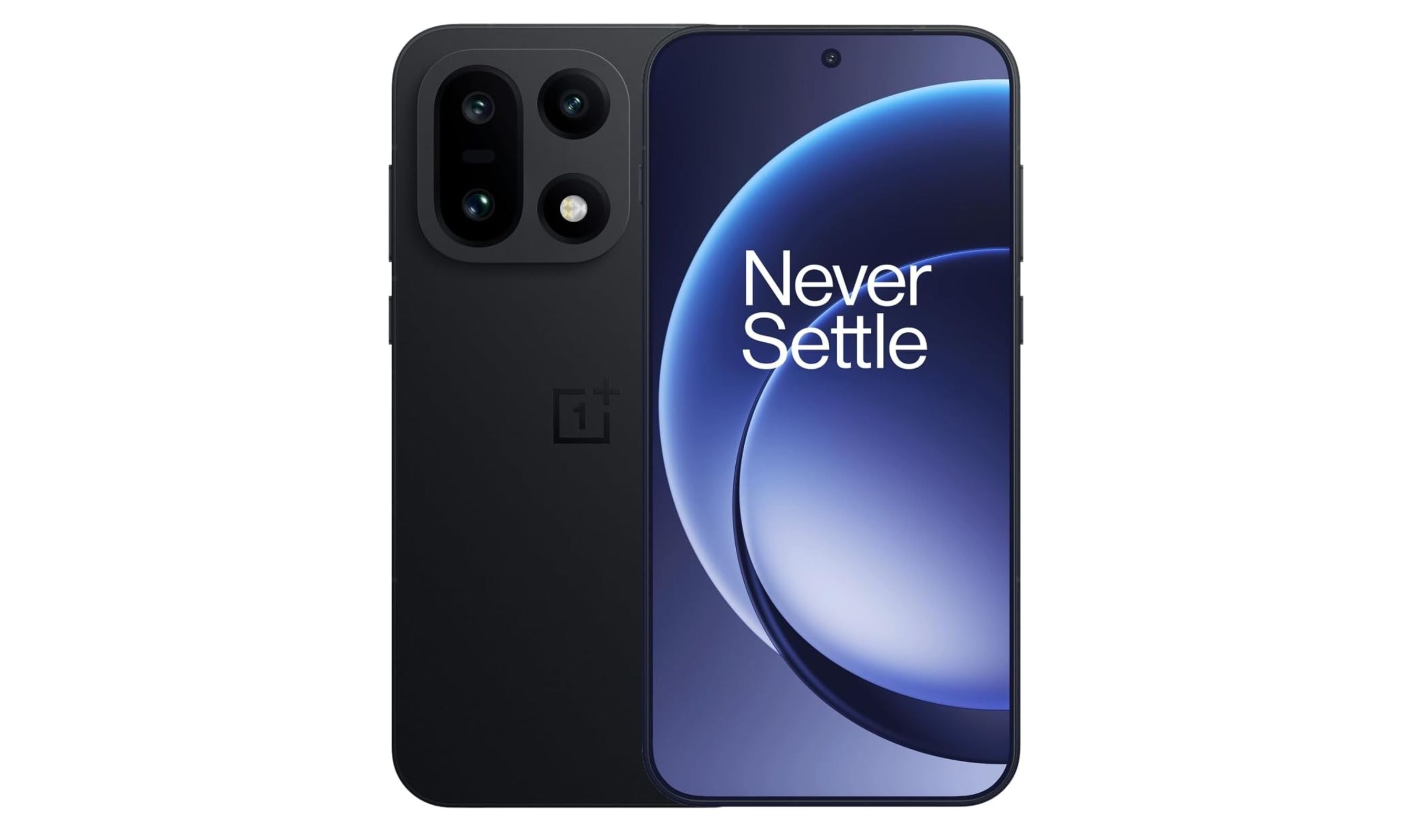
The OnePlus 15 sets a new standard for phone battery life. With a 7,300mAh silicon-carbon battery, it averaged over 25 hours on web browsing tests, making it the first phone widely available in the US that comfortably lasts two full days. The Snapdragon 8 Elite Gen 5 chip keeps power draw low, and 80W SUPERVOOC charging gets you to 45% in just 15 minutes. It also supports 50W wireless charging.
Key highlights
- 7,300mAh silicon-carbon battery for record endurance
- Snapdragon 8 Elite Gen 5 processor for top performance and efficiency
- 80W wired charging (45% in 15 minutes)
- 50W AIRVOOC wireless charging support
- IP68/IP69K dust and water resistance rating
Pros
- Truly two-day battery life even with heavy use
- Fast charging is among the quickest available
- Strong overall flagship performance and build quality
Cons
- Camera system is good but not class-leading
- Magnetic Qi2 charging requires a separate case
- Premium pricing at the top of the OnePlus lineup
Who it is for: Heavy users, travelers, and anyone who wants to stop thinking about charging. If you regularly end the day below 20%, this phone changes your habits.
Skip if
Camera quality is your absolute priority or you prefer a more compact phone. The Oppo Find X9 Pro (not available in the US) edges it out slightly on battery and cameras.
OnePlus 15R - Best value
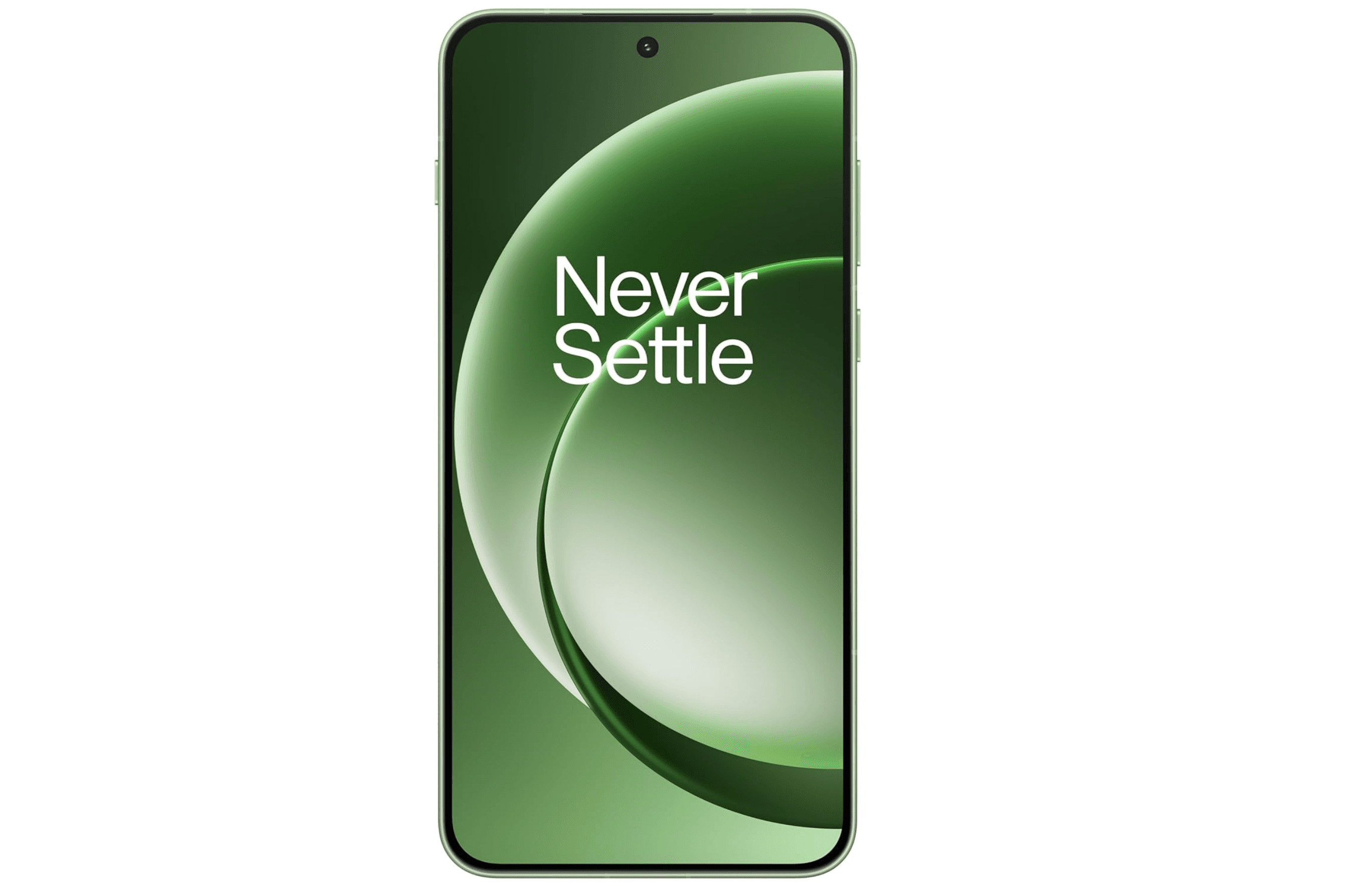
The OnePlus 15R proves you don't need the flagship model for flagship battery life. It packs a 7,400mAh battery (larger than the OnePlus 15) and delivers over 21 hours of web browsing time. The Snapdragon 8 Gen 5 chip is slightly less powerful, which actually helps keep power draw in check. You get the same 80W wired charging speed, but there is no wireless charging support.
Key highlights
- 7,400mAh silicon-carbon battery
- Over 21 hours of battery test performance
- 80W SUPERVOOC wired charging
- Durable design with solid build quality
- Bright OLED display with HDR10+
Pros
- Nearly the same battery life as the flagship for $200 less
- Fast charging matches the top-tier model
- Great value for a long-lasting phone
Cons
- No wireless charging
- No dedicated telephoto camera
- 165Hz refresh rate has limited real-world benefit
Who it is for: Budget-minded buyers who want two-day battery endurance without paying for extras like wireless charging or a telephoto lens.
Skip if
Wireless charging is a must-have or you want the absolute best camera performance in this price range.
iPhone 17 Pro Max - Best iPhone
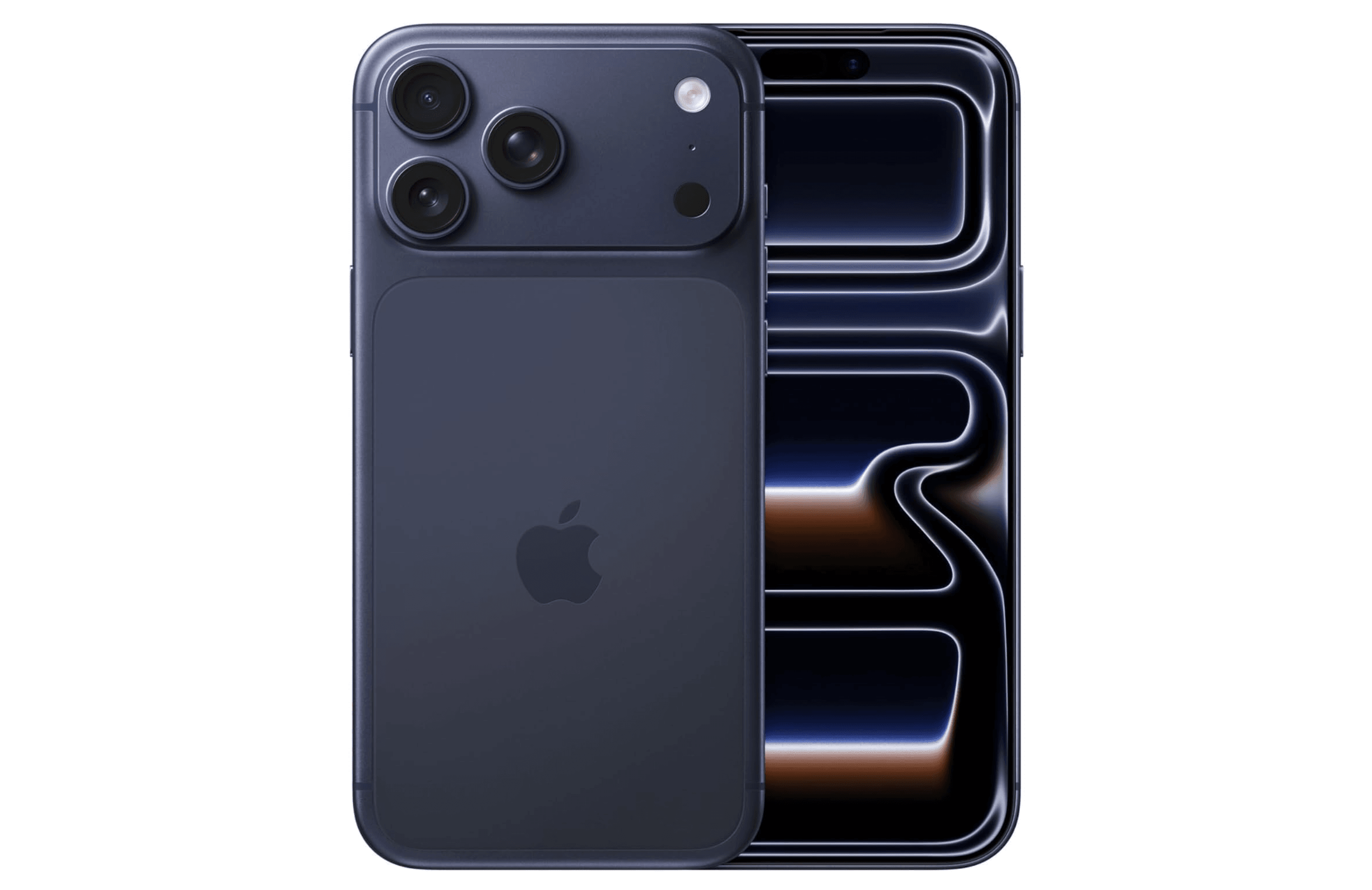
The iPhone 17 Pro Max proves that battery size isn't everything. Its 5,088mAh battery is modest compared to Android competitors, but the A19 Pro chip and iOS 26 deliver efficiency that outlasts many phones with larger batteries. In combined video streaming and stress tests, it performed better than any other phone tested. Video playback is rated at up to 39 hours. Apple rates fast charging at up to 50% in 20 minutes with a 40W or higher USB-C adapter, sold separately.
Key highlights
- 5,088mAh battery with exceptional software optimization
- A19 Pro chip for industry-leading power efficiency
- Up to 39 hours of video playback
- Up to 50% charge in 20 minutes with a 40W or higher USB-C adapter
- Aluminum unibody construction
Pros
- Best-in-class efficiency from tight hardware and software integration
- Excellent standby time with minimal overnight drain
- Outstanding camera system across all lenses
Cons
- Expensive starting at $1,199
- Charger sold separately
- Charging speeds still trail the fastest Android phones
Who it is for: iPhone users who want the longest possible battery life in the Apple ecosystem. It consistently gets through a full day of heavy use with 20% or more remaining.
Skip if
You are on a budget or prefer Android. The iPhone 17 (starting at $829) offers similar efficiency in a smaller package.
Xiaomi Poco X8 Pro Max - Best large-battery Android
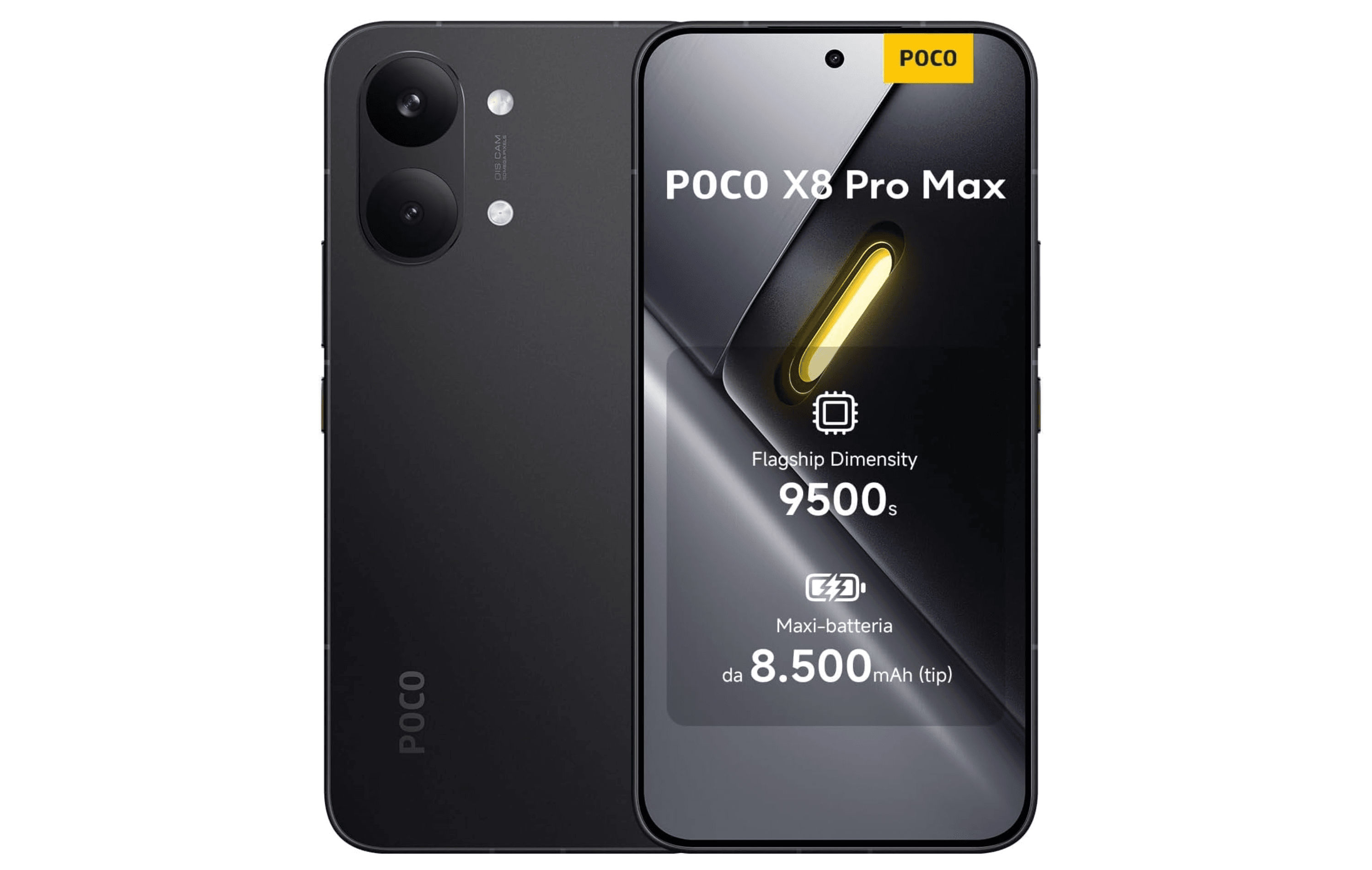
The Poco X8 Pro Max packs an enormous 8,500mAh battery. It scored over 21 hours in PCMark battery testing and over 25 hours in Active Use Score tests. The MediaTek Dimensity 9500s chip handles daily tasks smoothly, and 100W wired charging tops up that massive battery fast. It offers flagship killer value at a mid-range price.
Key highlights
- 8,500mAh battery
- 100W wired charging for quick top-ups
- 120Hz AMOLED display with Dolby Vision and HDR10+
- Dimensity 9500s chipset for strong real-world performance
- Ultrasonic fingerprint reader and Wi-Fi 7 support
Pros
- Absurdly long battery life even for heavy users
- Fast 100W charging refills quickly
- Excellent value for the features offered
Cons
- Ultrawide camera is basic
- No dedicated telephoto lens
- HyperOS includes some bloatware
Who it is for: Users who want maximum battery capacity without spending flagship money. Ideal for media consumers and people who hate charging daily.
Skip if
Camera quality matters a lot or you want guaranteed software updates beyond four years.
Moto G (2026) - Best budget
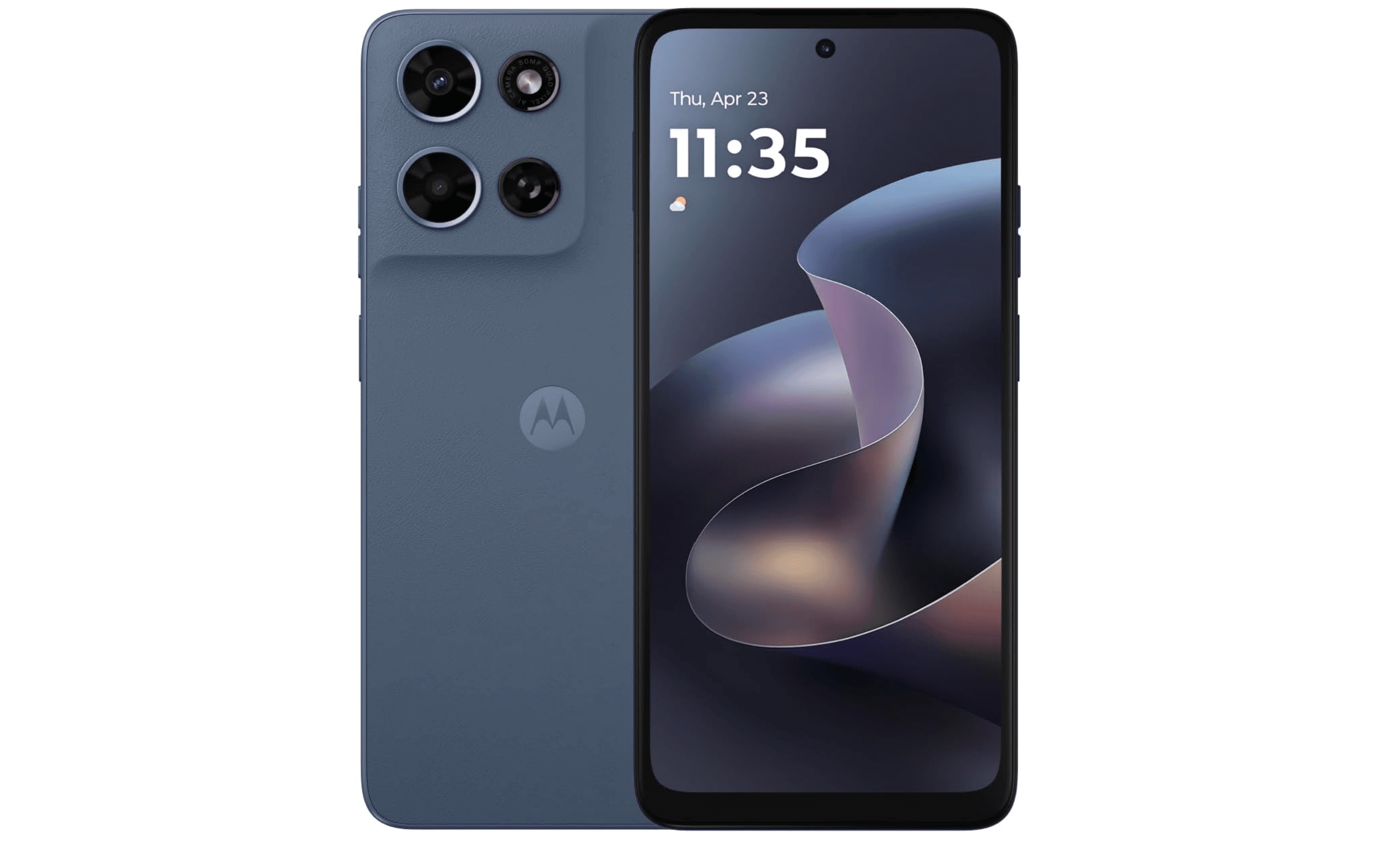
Motorola continues to dominate the budget battery category. The Moto G (2026) delivers 19 hours and 11 minutes on battery tests, beating many phones that cost five times as much. It has a 5,200mAh battery and uses an efficient chipset that sips power. The 120Hz display is smooth. There is no wireless charging, and wired charging tops out at 30W, but the endurance more than makes up for it.
Key highlights
- 5,200mAh battery with over 19 hours of battery life
- 120Hz adaptive display
- 4GB RAM and 128GB storage
- Clean near-stock Android experience
- 30W wired charging
Pros
- Incredible battery life for the price
- Smooth 120Hz display at a budget cost
- Lightweight and practical design
Cons
- Slow charging (27% in 30 minutes)
- No wireless charging
- Camera quality is basic
Who it is for: Budget shoppers and anyone who needs a reliable phone that lasts. Great as a backup device or for light users who want multi-day battery life.
Skip if
You need fast charging, strong camera performance, or premium features like wireless charging.
Also Good
- Samsung Galaxy S26 Ultra - gaming option with Snapdragon 8 Elite Gen 5 for Galaxy, a 5,000mAh battery, and 60W wired charging.
- Realme P4 Power - mid-range option with over 25 hours of Active Use Score and power bank functionality.
- Moto G Play (2026) - budget option with a 5,200mAh battery and 18W wired charging.
- Xiaomi 15 Ultra - premium camera phone with 5,410mAh battery and 90W charging.
How to Choose
- Silicon-carbon battery tech. This is the biggest shift in phone batteries in years. Phones using silicon-carbon anodes pack more capacity into the same physical space without adding bulk. The OnePlus 15, OnePlus 15R, and Poco X8 Pro Max all use this technology. If you want the longest battery life, prioritize phones with silicon-carbon batteries.
- Capacity versus efficiency. A bigger battery (mAh) helps, but processor efficiency and software optimization matter just as much. The iPhone 17 Pro Max proves this with a 5,088mAh battery outlasting many 6,000mAh+ Android phones. Look at real-world test results, not just the mAh number.
- Charging speed matters. Fast charging can compensate for moderate battery capacity. For example, POCO rates the X8 Pro Max's 100W charging at 50% in 24 minutes under lab conditions. If you can top up during short breaks, battery size becomes less critical. Check whether a charger is included in the box, since many brands no longer ship one.
- Display impact on battery. OLED screens with adaptive refresh rates (LTPO) save significant power by dropping to 1Hz for static content. High refresh rates (120Hz and above) drain battery faster, so phones that intelligently scale refresh rates offer the best balance of smoothness and endurance.
- Watch for regional availability. Some of the best battery performers like the Oppo Find X9 Pro and Realme P4 Power are not sold in the US. Always confirm that your top pick works with your carrier and is available in your region before buying.
FAQ
Which phone has the longest battery life in 2026?
The OnePlus 15 leads with over 25 hours in web browsing tests and a 7,300mAh silicon-carbon battery. For raw capacity, the Realme P4 Power has a 10,001mAh battery, compared with the Poco X8 Pro Max's 8,500mAh. The Oppo Find X9 Pro (not available in the US) edges both slightly.
Does a bigger battery always mean longer battery life?
No. The iPhone 17 Pro Max has a relatively small 5,088mAh battery but outperforms many phones with larger batteries thanks to the A19 Pro chip and iOS 26 optimization. Processor efficiency and software management are just as important as raw capacity.
How much does 5G affect battery life?
5G can use 15 to 20 percent more battery than 4G, especially in areas with weak signal. Most phones automatically switch between networks to save power, and you can manually disable 5G in settings to extend battery life when needed.
Is fast charging bad for battery health?
Fast charging generates more heat, which can accelerate battery degradation over time. However, modern phones include thermal management and optimized charging features that minimize the impact. If you plan to keep a phone for more than three years, using slower overnight charging can help preserve battery health.
What is silicon-carbon battery technology?
Silicon-carbon batteries are lithium-ion batteries with anodes that combine silicon and carbon. This can increase energy density over conventional graphite-anode designs, allowing more capacity in the same space.
Published May 18, 2026 Last updated September 5, 2026
Share this article
More in News
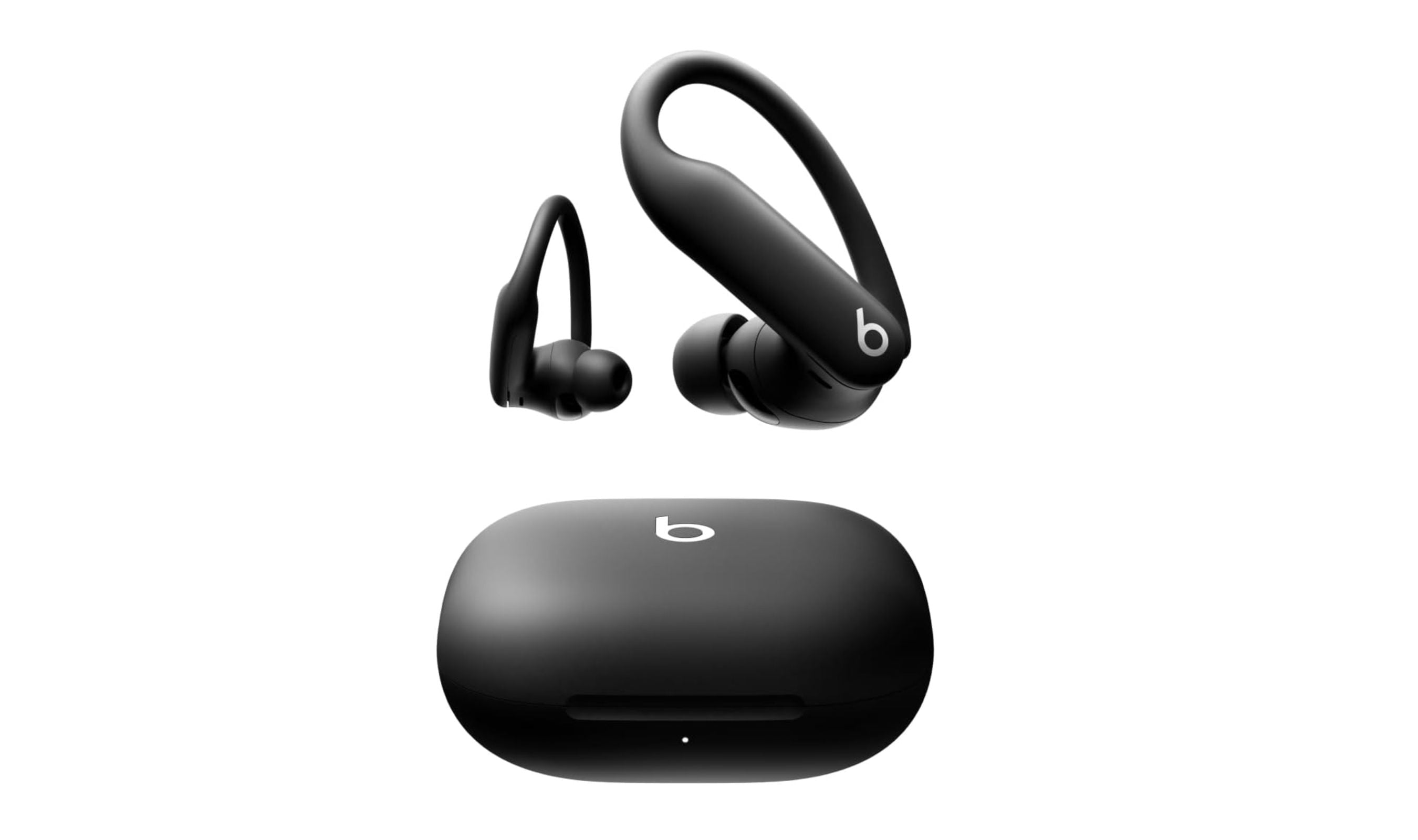
Best Workout Earphones for 2026
Beats Powerbeats Pro 2 leads our picks for 2026. Find secure-fit headphones for gym workouts, running with Shokz, or swimming.
5 min read
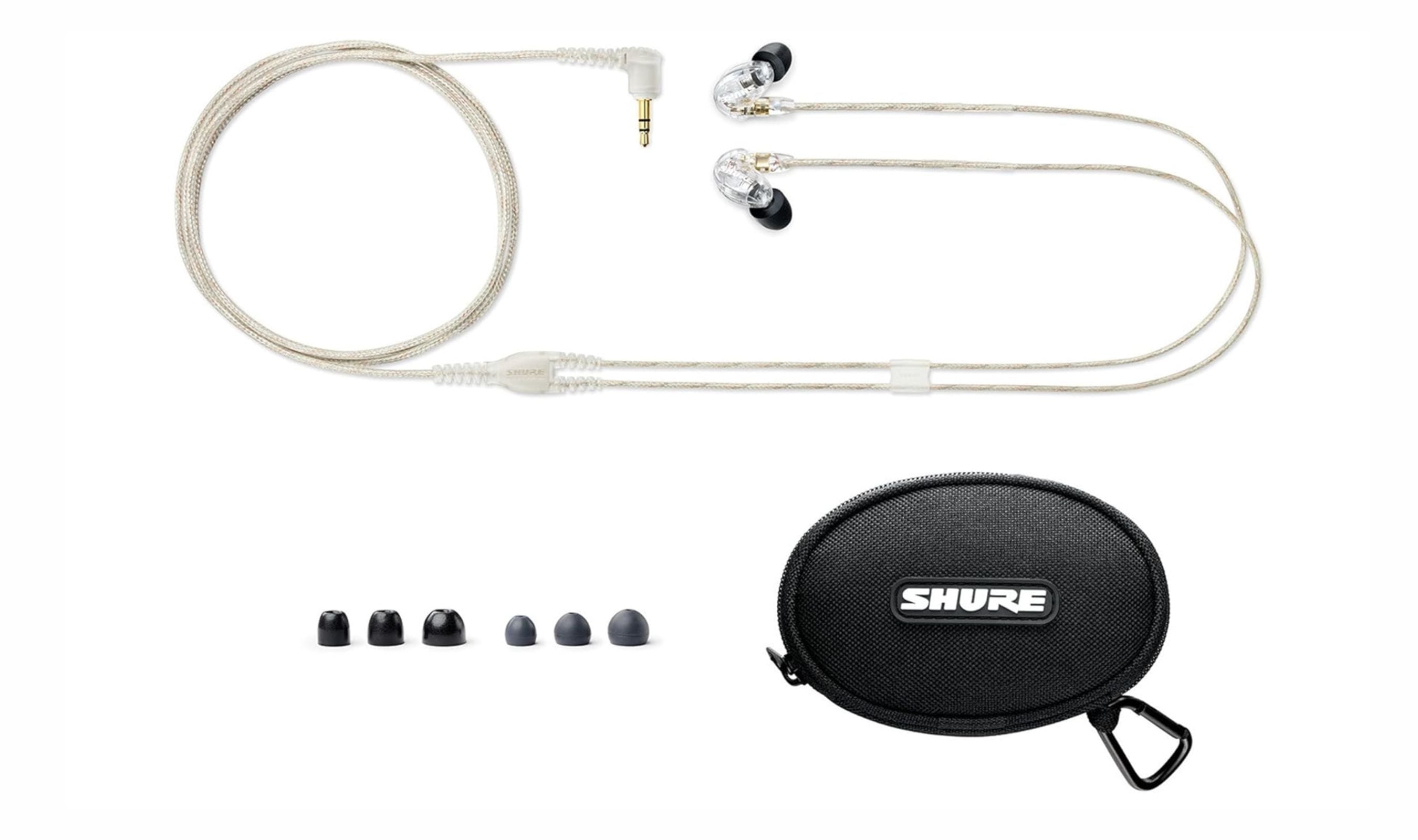
Best Wired Earphones for 2026
From the Shure SE215 PRO to the budget-friendly SoundMagic E11C, our 8 tested picks deliver great audio without the battery hassle.
3 min read
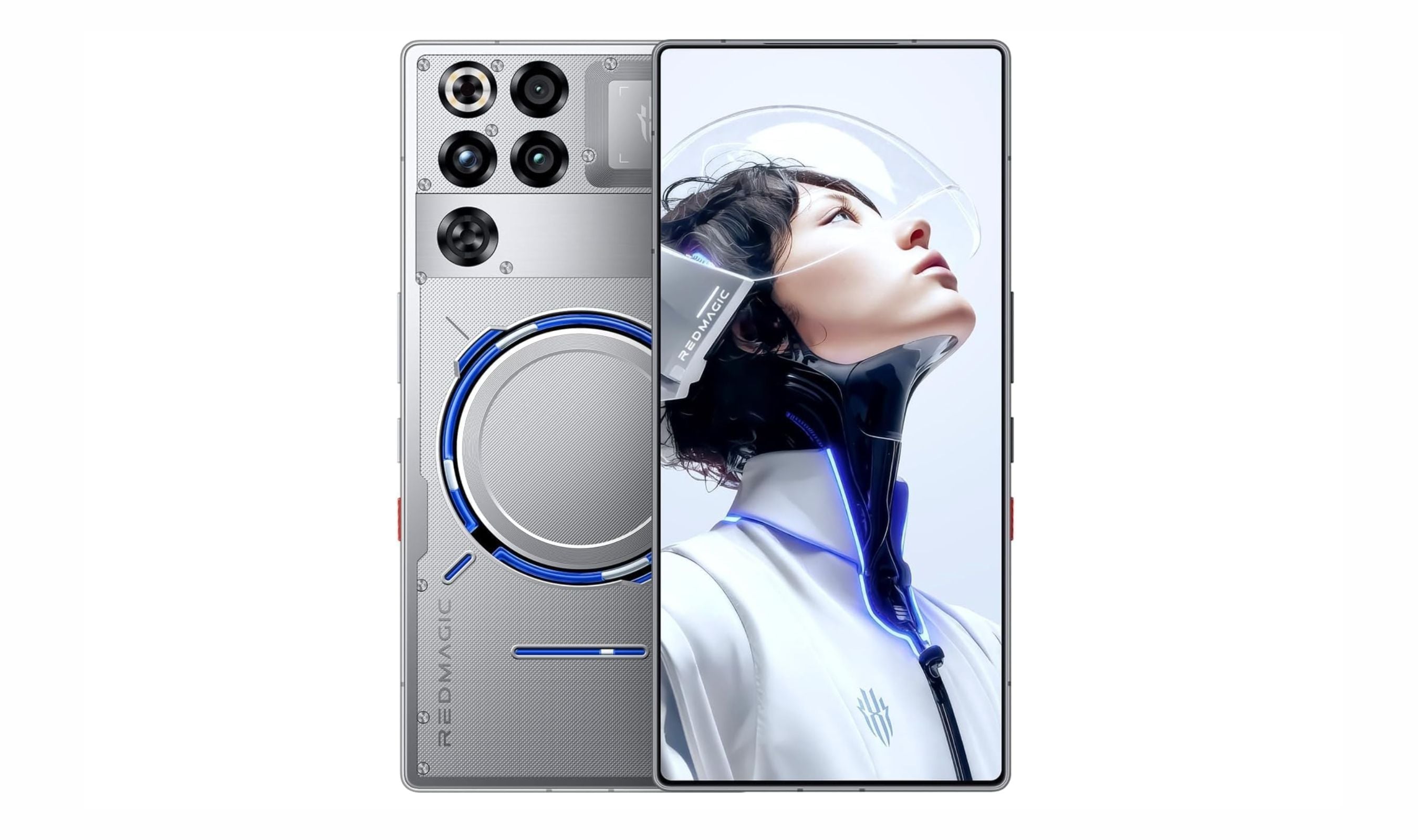
Best Smartphones for Gaming in 2026
The RedMagic 11 Pro tops our list for 2026, but we tested the best gaming phones from Samsung, Apple, and OnePlus to find your perfect match.
4 min read
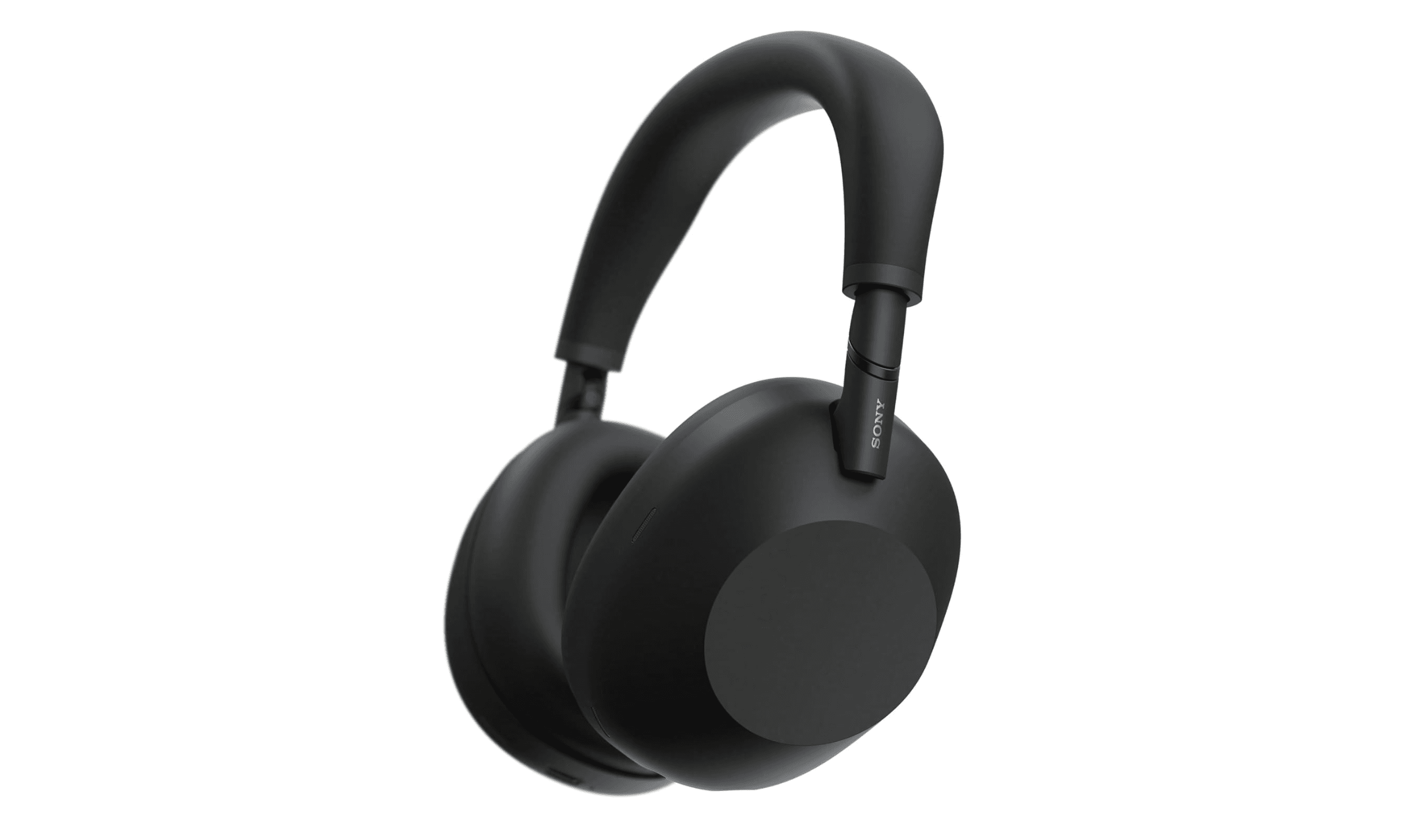
7 Best Noise Cancelling Headphones to Buy in 2026
Sony WH-1000XM6 leads our 2026 list of best noise cancelling headphones, from premium Bose to budget Soundcore picks.
4 min read
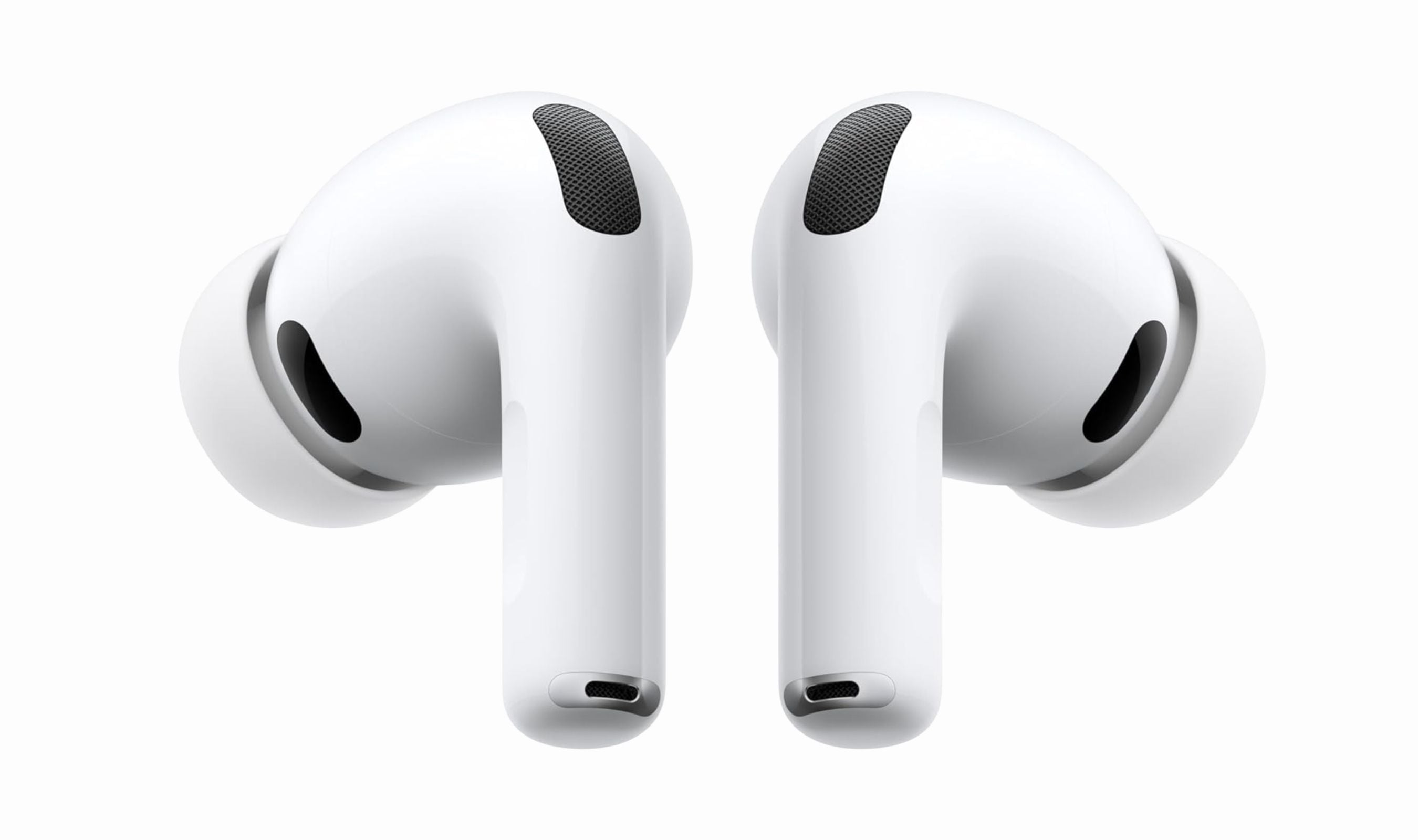
9 Best Earbuds for iPhone in 2026
4 min read
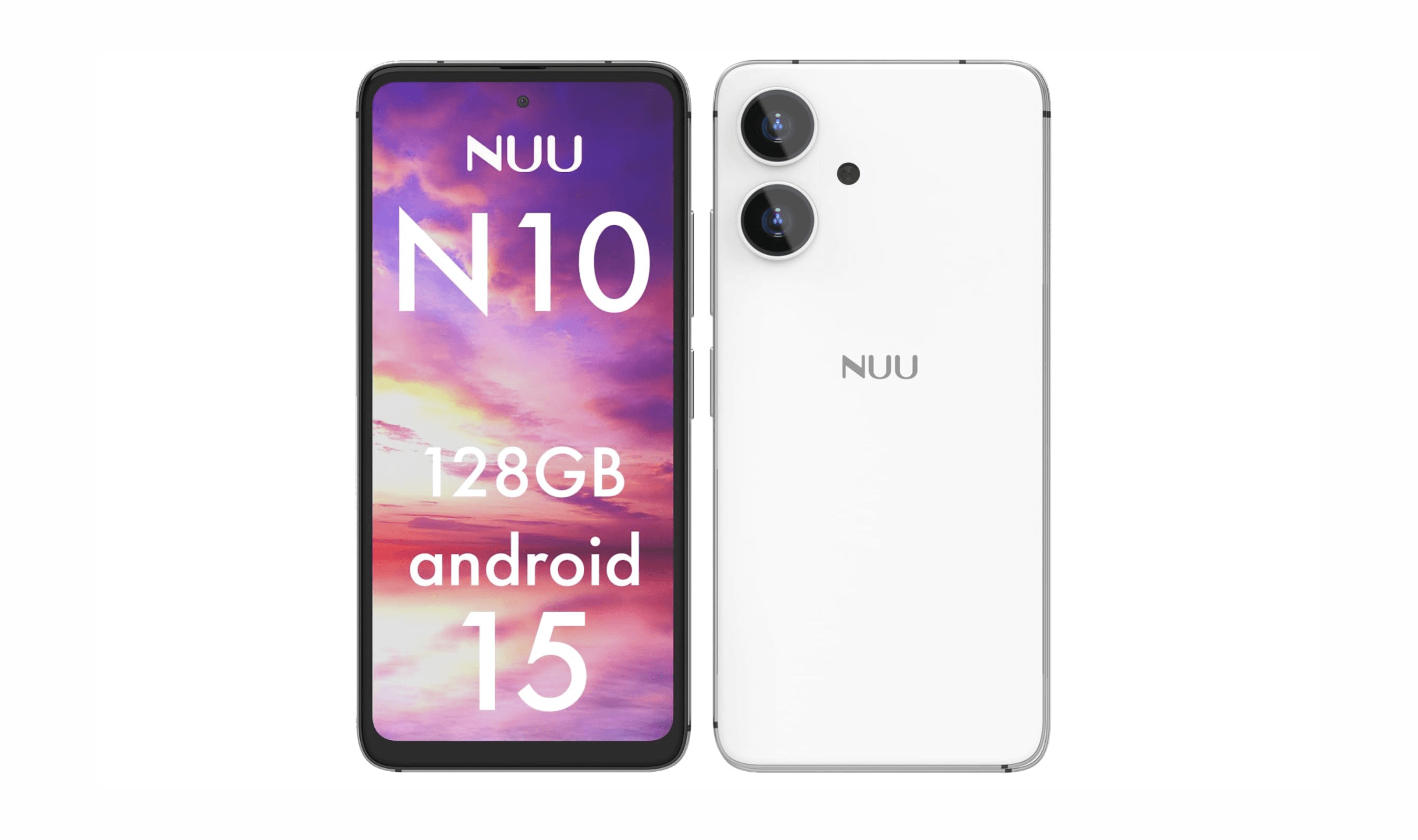
Best Smartphones Under $150 for Everyday Use
3 min read
AKG K 701 Ultra Reference Class Stereo discounted to $247.37
5 min read
Apple Watch SE 3 GPS 40mm Smartwatch discounted to $189.97
5 min read
Cleer Audio Enduro ANC Noise Canceling Headphones price drops to $94.99
3 min read

Lenovo coupon codes and deals
5 min read

Woot coupon codes and deals
3 min read
Samsung coupon codes and deals
5 min read