The GPS Apple Watch SE 3 costs $150 less than the GPS Series 12 at the smaller size, and it keeps the basics, including an Always-On display, heart and temperature sensors and sleep apnea notifications. The Series 12 adds the ECG and Blood Oxygen apps and hypertension notifications. It also has a brighter screen, a newer chip, longer battery claims and faster charging. If those health tools matter to you, that is what the higher price buys.
What they cost
Apple's current lineup is the Series 12, the Ultra 4 and the SE 3. The Series 11 still appears on Apple's comparison page, but the Series 12 is the current Series watch. As of November 2026, Apple lists these starting prices in the US, before tax and without a trade-in:
- SE 3, 40mm: $249 GPS, $299 GPS + Cellular.
- SE 3, 44mm: $279 GPS, $329 GPS + Cellular.
- Series 12 aluminum, 42mm: $399 GPS, $499 GPS + Cellular.
- Series 12 aluminum, 46mm: $449 GPS, $549 GPS + Cellular.
- Series 12 titanium and ceramic: from $699 and $899, both with cellular built in.
The Ultra 4 starts at $799, according to Apple's September 2026 announcement and its US configuration page.
Health features
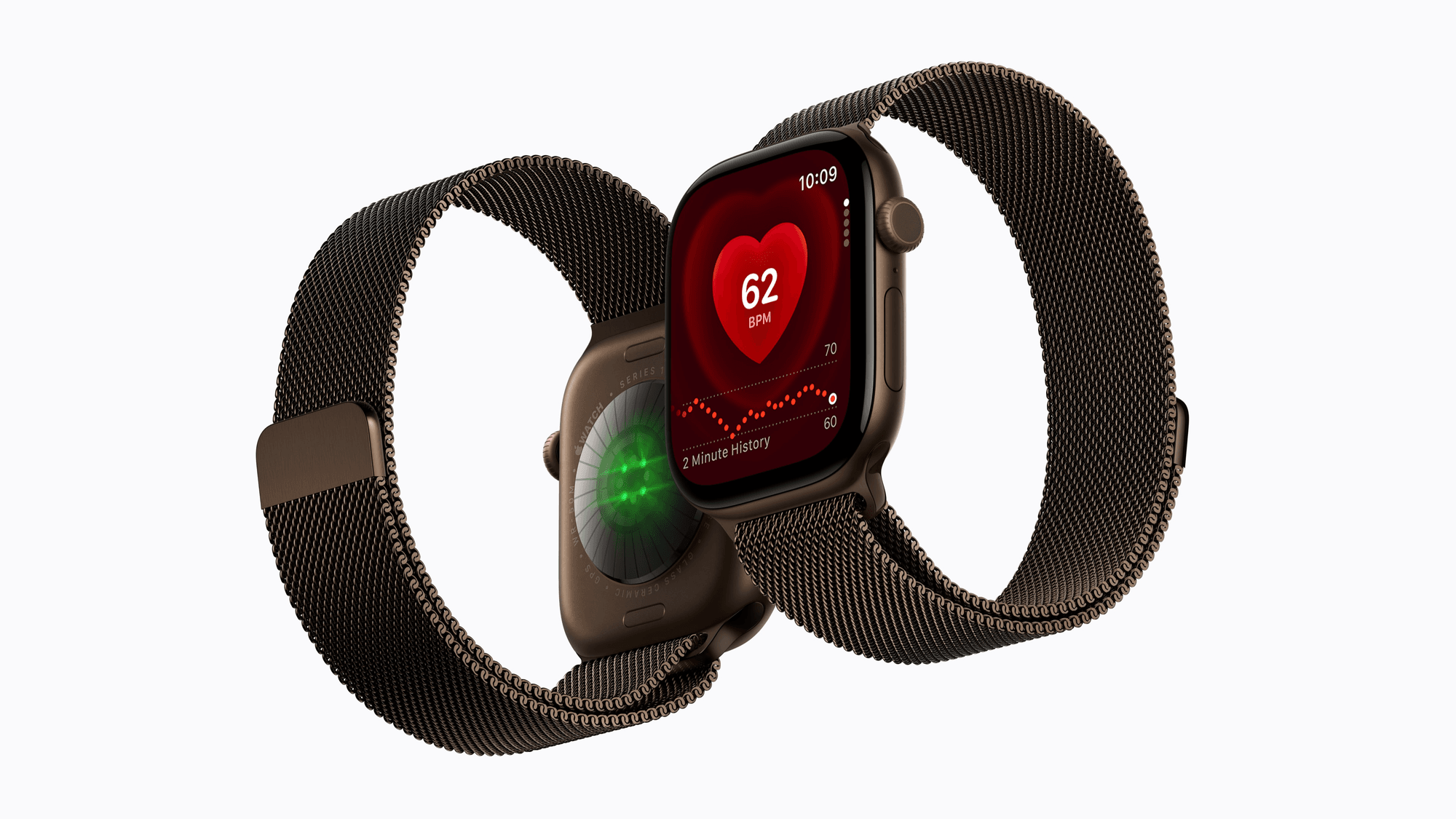
Both watches have a temperature sensor and an optical heart sensor. The SE 3 supports high and low heart rate notifications, irregular rhythm notifications and sleep apnea notifications. Apple's support pages say the SE does not support the ECG app, the Blood Oxygen app or hypertension notifications.
The Series 12 adds an electrical heart sensor and a blood oxygen sensor, plus the ECG and Blood Oxygen apps. It also lists hypertension notifications, which analyze optical heart sensor data over 30-day periods to spot patterns linked to possible hypertension. Apple lists the United States among the places that feature is available, though it says regional availability can lag while regulatory clearances are pending.
Each tool has conditions. Apple says the ECG app is not intended for anyone under 22, and the Blood Oxygen app is designed for people 18 or older. Hypertension notifications require you to be at least 22, not pregnant and not previously diagnosed with hypertension. On US watches bought on or after January 18, 2024, with part numbers ending in LW/A or LS/A, blood oxygen readings are analyzed on the iPhone and show up in its Health app.
Screen, chip and size
Both have Always-On Retina OLED displays. The SE 3 peaks at 1,000 nits, while the Series 12 reaches 2,000 nits with a wide-angle OLED panel and goes down to 1 nit. The SE 3 runs the S10 chip, the Series 12 the S11, and both list 64GB of storage.
The SE 3 comes in 40mm and 44mm aluminum cases, 10.7mm deep. The Series 12 comes in 42mm and 46mm in aluminum or titanium, 9.7mm deep, while Apple's detailed specs list the ceramic model at 43mm and 47mm. Cellular models of both support 5G RedCap and LTE.
Battery and charging
Apple claims up to 18 hours of normal use for the SE 3, 32 hours in Low Power Mode and seven hours of workout tracking. The Series 12 claims 24 hours, 38 hours in Low Power Mode and ten hours of workouts.
Fast charging also differs. Apple says the SE 3 reaches 80% in about 45 minutes and the Series 12 in about 30. Fifteen minutes on the charger gives up to eight hours of normal use on the SE 3 and up to 12 hours on the Series 12.
Which one fits
If you want an Apple Watch for notifications, workouts, sleep tracking and heart rate alerts at the lowest price, the SE 3 starts at $249. If you want ECG readings, blood oxygen or hypertension notifications, only the Series 12 of these two offers them, starting at $399. If battery life matters, the Series 12 carries the longer battery and faster charging claims of the two. If you need still more battery, the Ultra 4 claims up to 50 hours of normal use from $799.
For the bigger question of whether an Apple Watch is worth buying at all, see Is an Apple Watch Worth It? Fitness buyers weighing other brands can read Apple Watch vs Garmin.