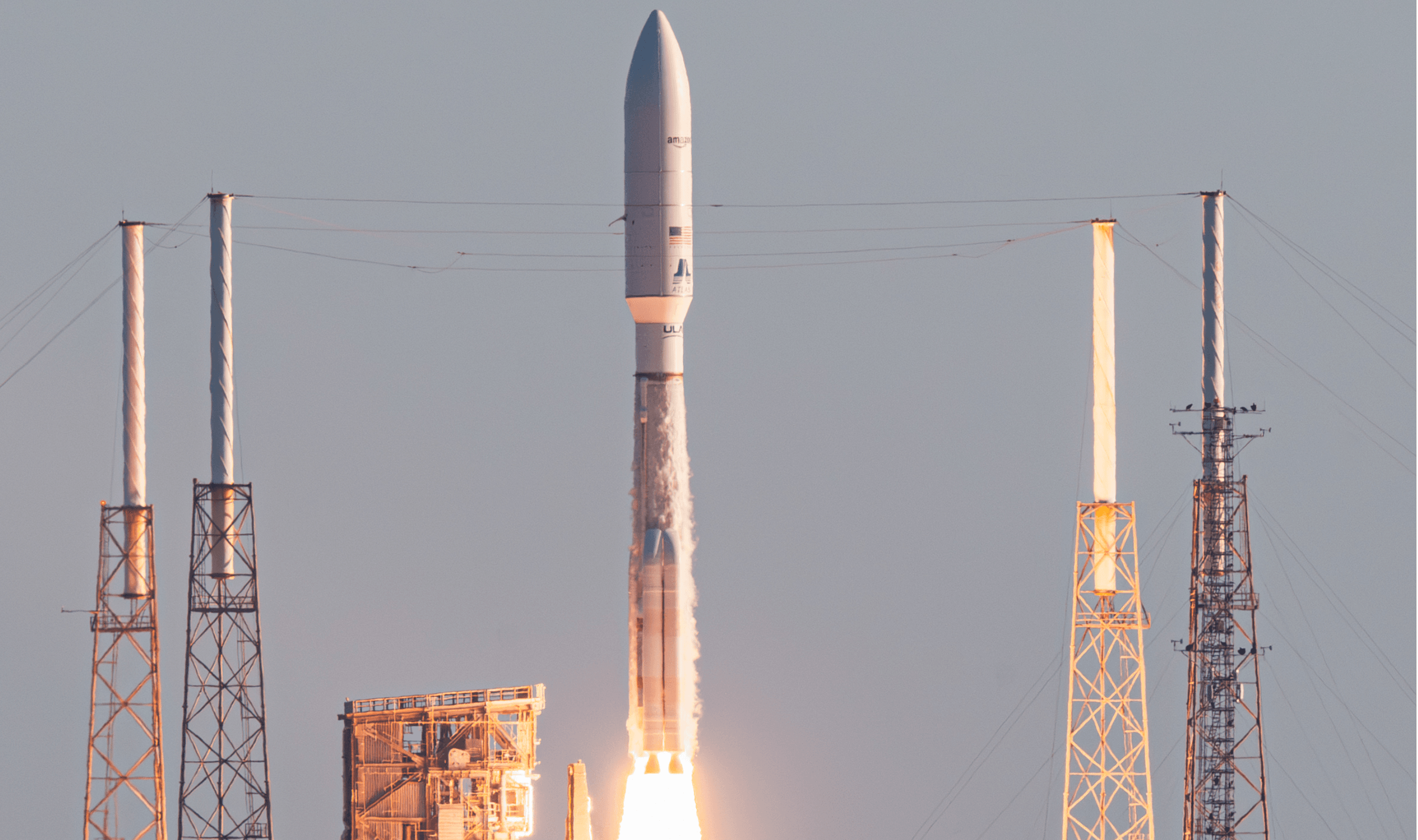
A United Launch Alliance Vulcan rocket failed on November 15, 2026, destroying 40 satellites intended for Amazon Leo's internet network, The Verge reported. The flight opened a series of 38 launches Amazon had purchased from ULA to help build its constellation.
The mission, LV-01, failed roughly 10 minutes into its flight from Cape Canaveral Space Force Station in Florida. ULA attributed the unsuccessful orbital delivery to an anomaly and said the underlying cause was still unknown. Amazon nevertheless voiced confidence in the launch provider after losing the satellites.
Trouble After Liftoff
The launch followed a canceled Friday attempt that had encountered a problem during refueling. The replacement attempt was scheduled for Sunday, November 15, at approximately noon ET, but controllers stopped the countdown with 20 seconds remaining because of another unidentified technical issue.
That issue was resolved before the launch window closed, allowing Vulcan to lift off at 12:40 PM ET. Its solid boosters appeared to function normally, following booster problems on two earlier flights.
After the first stage separated, the Centaur upper stage ignited its engines. ULA said the anomaly appeared to develop while the upper stage was operating. Engineers will examine Vulcan, and the rocket could be grounded while that work proceeds.
Amazon's Launch Schedule Faces Delays
Vulcan was assigned to carry more than 1,500 Amazon Leo satellites, giving it a larger share of the network's satellite launch assignments than any other rocket. Many of Amazon's planned Vulcan flights are now likely to be delayed. Before this loss, Amazon had completed eight successful missions using Atlas V rockets.
Amazon Leo is competing against SpaceX's Starlink broadband service. Engadget put Amazon's operating satellite fleet at only around 390, while the FCC had required the company to place 1,600 Leo satellites in orbit by July 31, 2026. Amazon continued to target a constellation of 3,232 satellites by July 2029.
Amazon had expected to begin commercial Leo service before the end of 2026, using dedicated receivers on the ground to provide internet access. ULA has committed to being transparent as it investigates the failure. The investigation is expected to take considerable time and could halt Vulcan launches for months.