

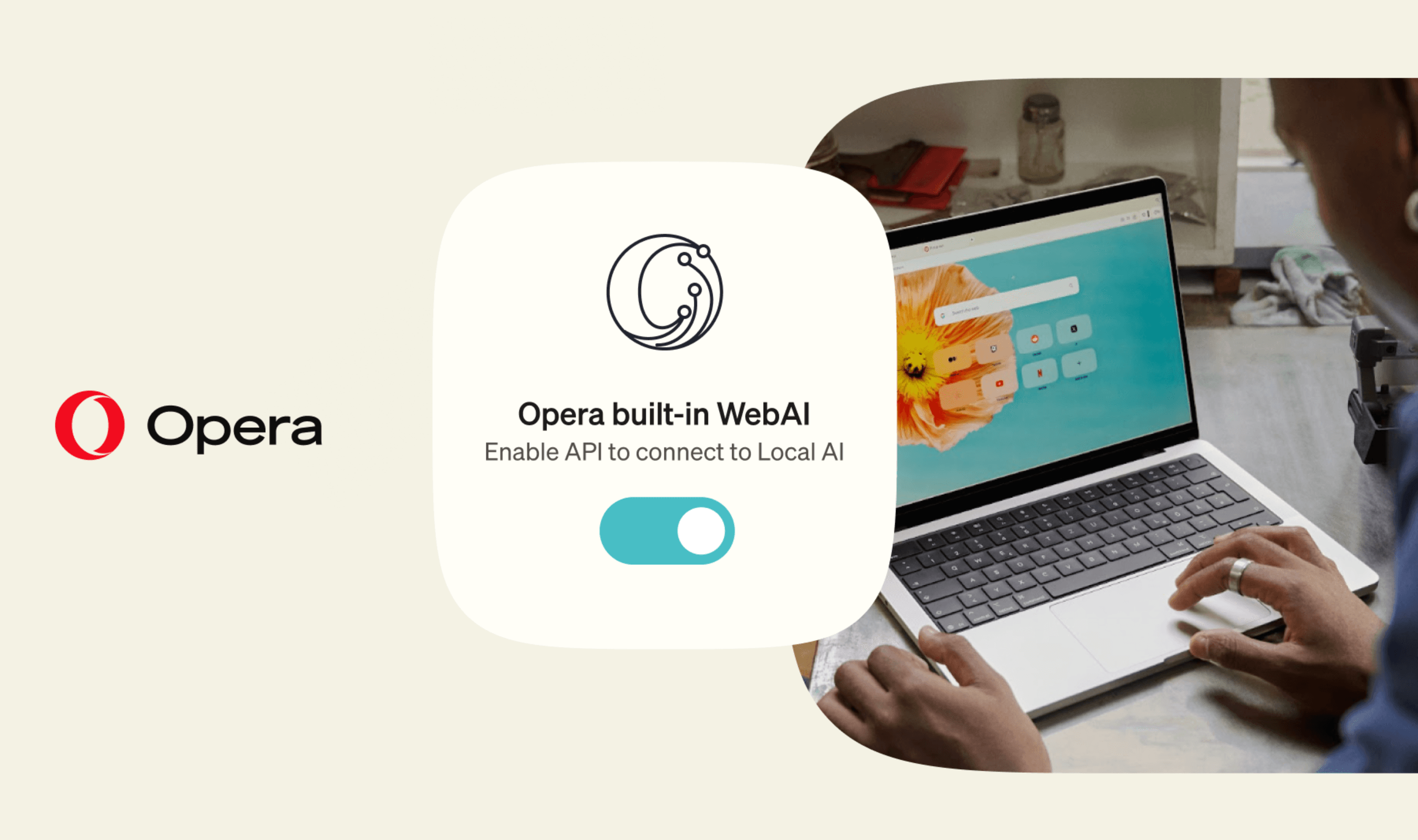
Opera has introduced WebAI in early preview for Opera One, Opera GX and Opera Neon, letting websites and extensions tap AI models running on the user's computer. The preview supports Windows PCs with 64-bit Intel or AMD processors and Macs with Apple silicon. Opera says local processing lets AI work with page content without needing to send that content to a cloud AI provider.
Users must enable WebAI themselves, and model downloads begin only after they switch it on in Settings. Opera's setup instructions direct Opera One users to update or download the browser, open Opera AI in Settings and activate Enable Web AI API. Downloading the compatible model may need a few minutes, and users can disable WebAI whenever they choose.
Support for Apple silicon does not extend to Intel-based Macs, and the preview also excludes Linux and Windows on Arm. Response speed depends on the computer because local inference consumes its processing resources. Opera says it plans further work to reduce resource demands and improve speed.
Developers get three interfaces, the Semantic Embeddings, Prompt and Decision APIs, for tasks including identifying relationships in content, producing text and classifying information. Opera says developers can use these capabilities without operating AI infrastructure or incurring cloud charges for each request. It also describes personal extensions built with AI coding tools, such as tools that identify useful job listings or make saved material searchable.
The browser handles inference internally, removing the setup steps of installing another AI application, configuring a local server or obtaining an API key. Compatible models can come through Opera or already reside on the user's device. Opera's implementation supports multiple models, including open-weight options using its inference engine.
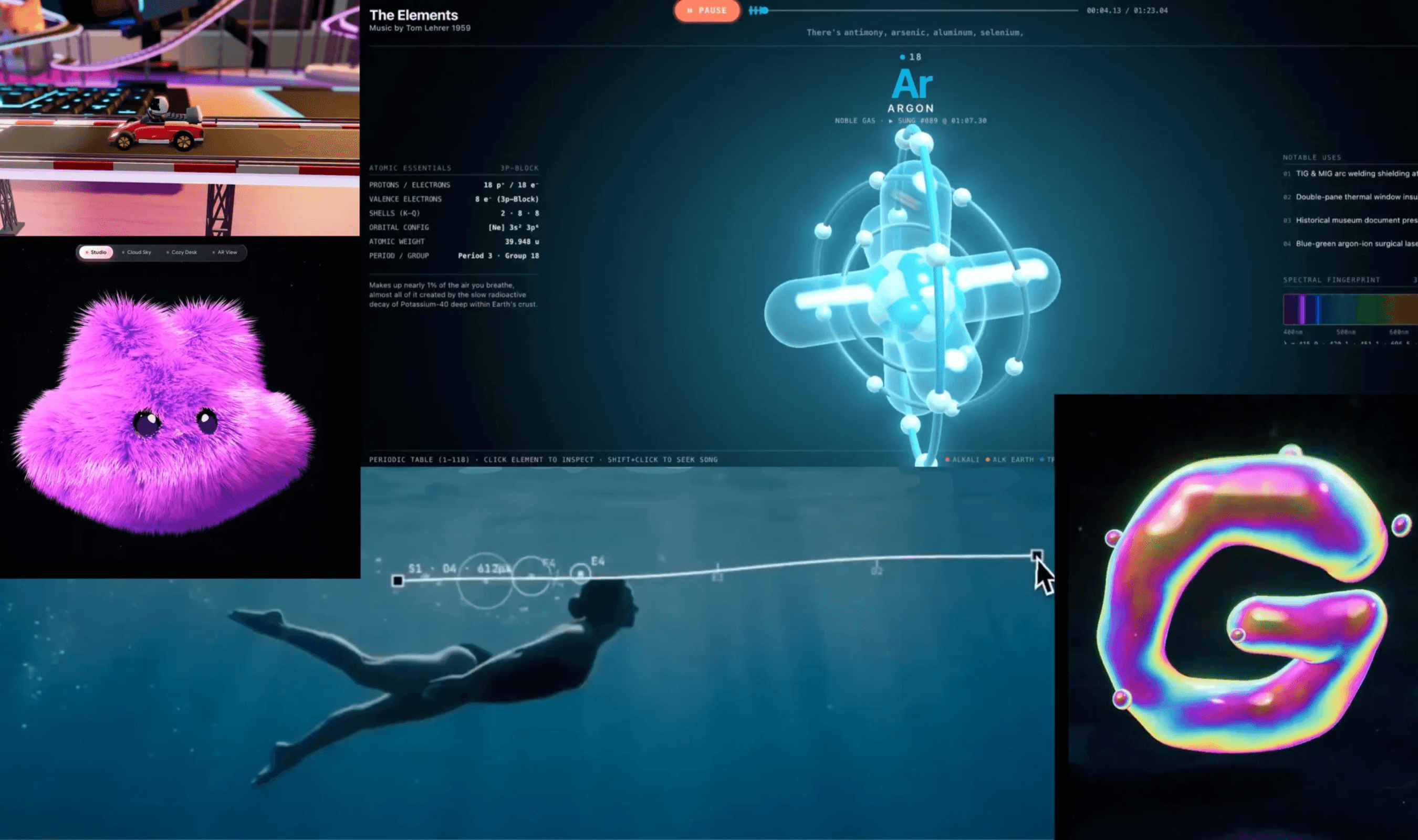
Opera has built six experimental extensions as demonstrations, rather than browser features. Among them, Got It? generates an article-based quiz, while Project Lens marks paragraphs according to their relevance to a project the user describes. Semantic Art creates moving artwork from articles and places sentences with related meanings near one another.
WebAI is a proposed standard with backing from companies including Microsoft and Google. Opera previously offered access to local models through an experimental developer browser build in 2024. The company says additional models and tools are planned.