
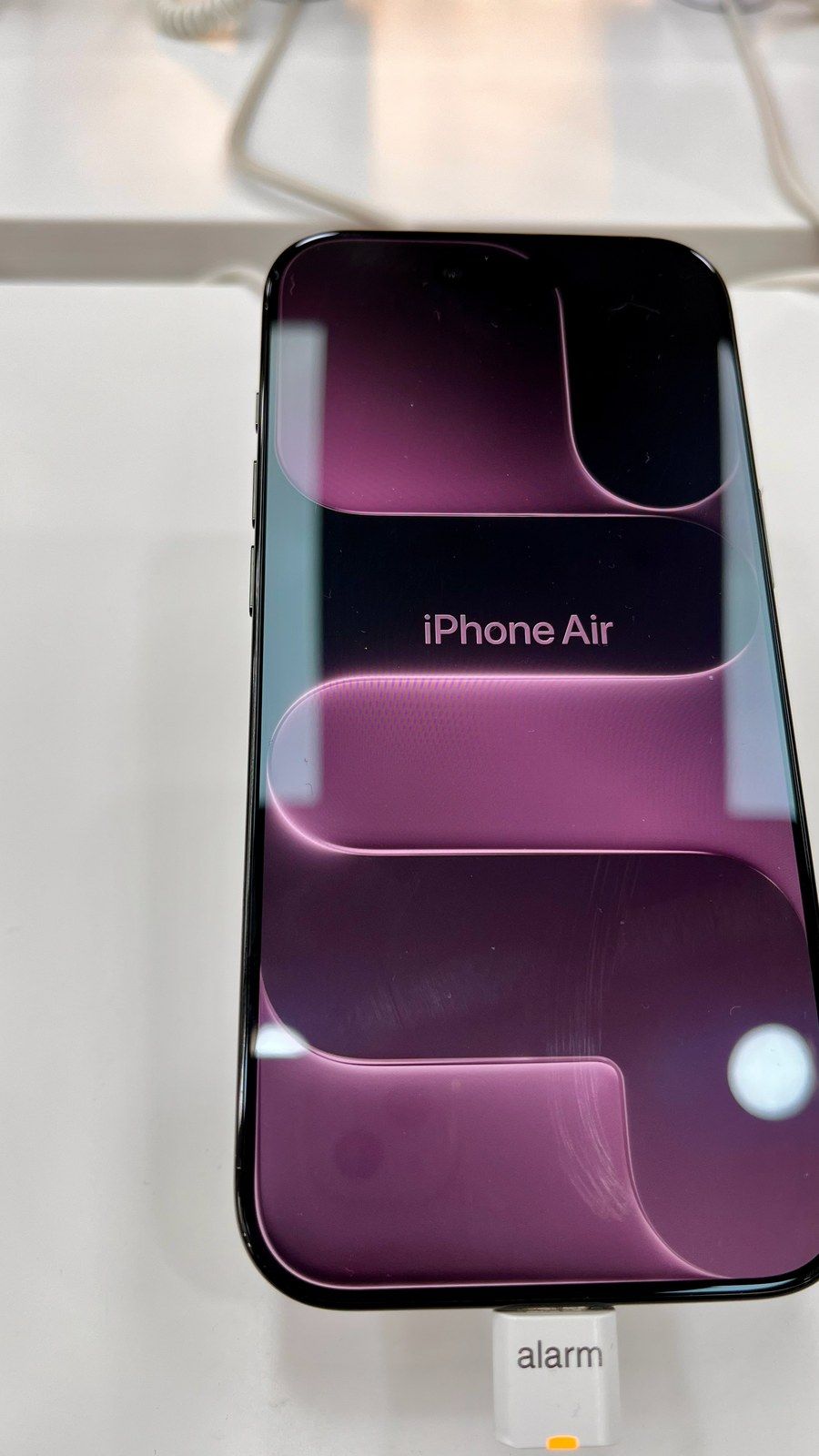
The iPhone Air is most likely to be worth it if a thin, light phone with a big screen matters more to you than camera range and battery life. Apple lists it at $1,099 for 256GB in the US. If you want longer rated battery life or more than one rear camera, the iPhone 17 costs less and is rated for more video playback, and the iPhone 17 Pro adds a telephoto camera.
What the iPhone Air costs
Bought to connect to a carrier later, the iPhone Air costs $1,099 for 256GB, $1,299 for 512GB and $1,699 for 1TB on Apple's US store. Apple announced it at $999 for 256GB in September 2025.
What you get
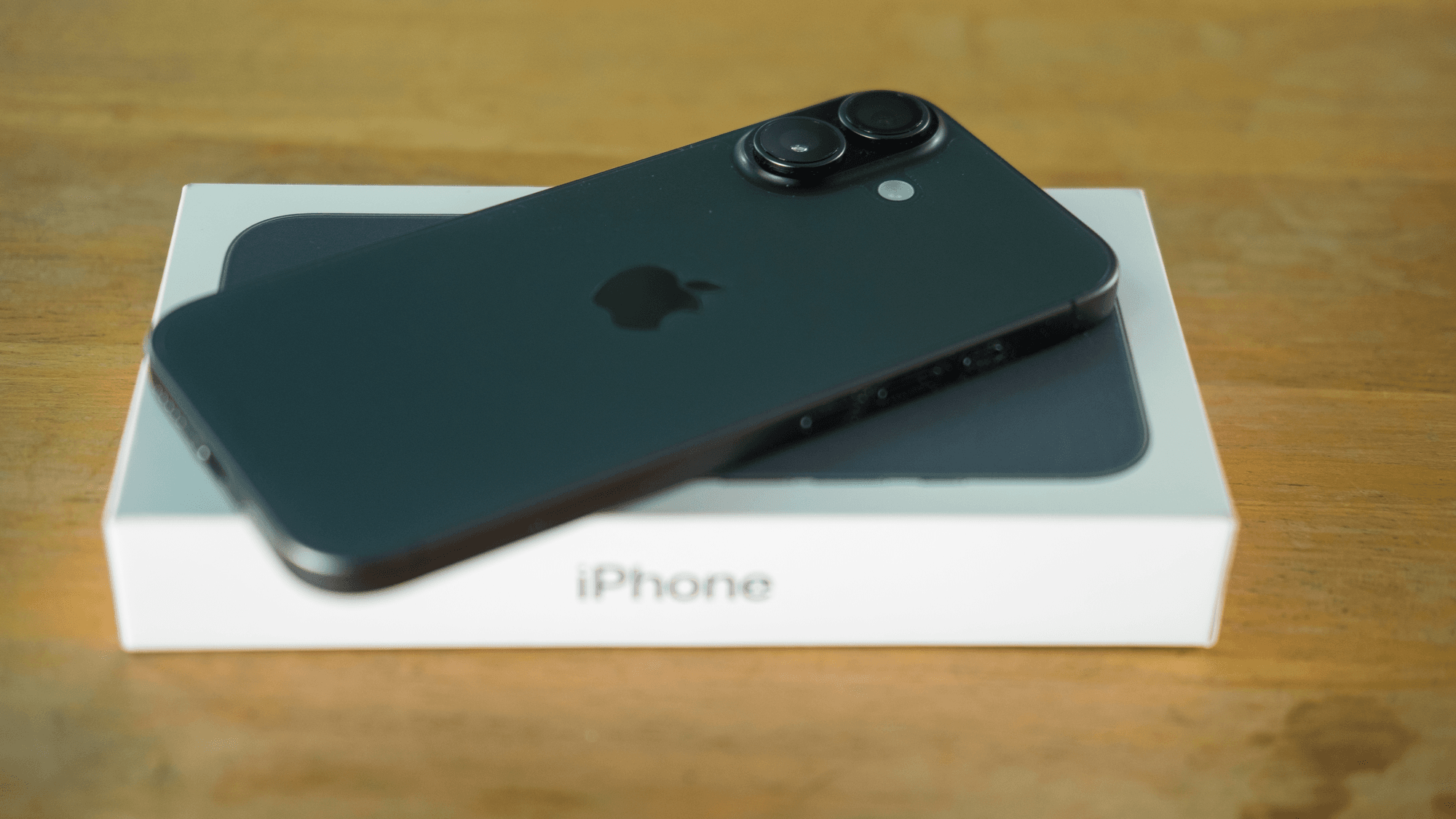
- Size: 5.64mm thick and 165g, against 7.95mm and 177g for the iPhone 17 and 8.75mm and 206g for the iPhone 17 Pro.
- Display: a 6.5-inch OLED, larger than the 6.3-inch iPhone 17 and 17 Pro, with ProMotion up to 120Hz and Always-On.
- Chip: the A19 Pro with a five-core GPU. The iPhone 17 Pro's A19 Pro has a six-core GPU.
- Rear camera: one 48MP main camera, with a 2x optical-quality option and digital zoom up to 10x.
- Front camera: the same 18MP Center Stage camera as the iPhone 17 and iPhone 17 Pro.
The catches
- Battery: Apple claims up to 27 hours of video playback, against 30 hours for the iPhone 17 and 33 hours for the iPhone 17 Pro. The iPhone Air MagSafe Battery, $99 and made only for this phone, raises that to up to 40 hours.
- One rear camera: there is no ultra wide camera and no telephoto camera.
- eSIM only: US models have no SIM tray, so your carrier has to support eSIM.
- Slower USB: like the iPhone 17, its USB-C port runs at USB 2 speeds. The iPhone 17 Pro supports USB 3 at up to 10Gb/s.
Who should skip it
If you take a lot of wide group shots or zoomed photos, the single rear camera will feel limiting. If you are often away from a charger, the iPhone 17 and iPhone 17 Pro are rated for more video playback without an add-on battery.