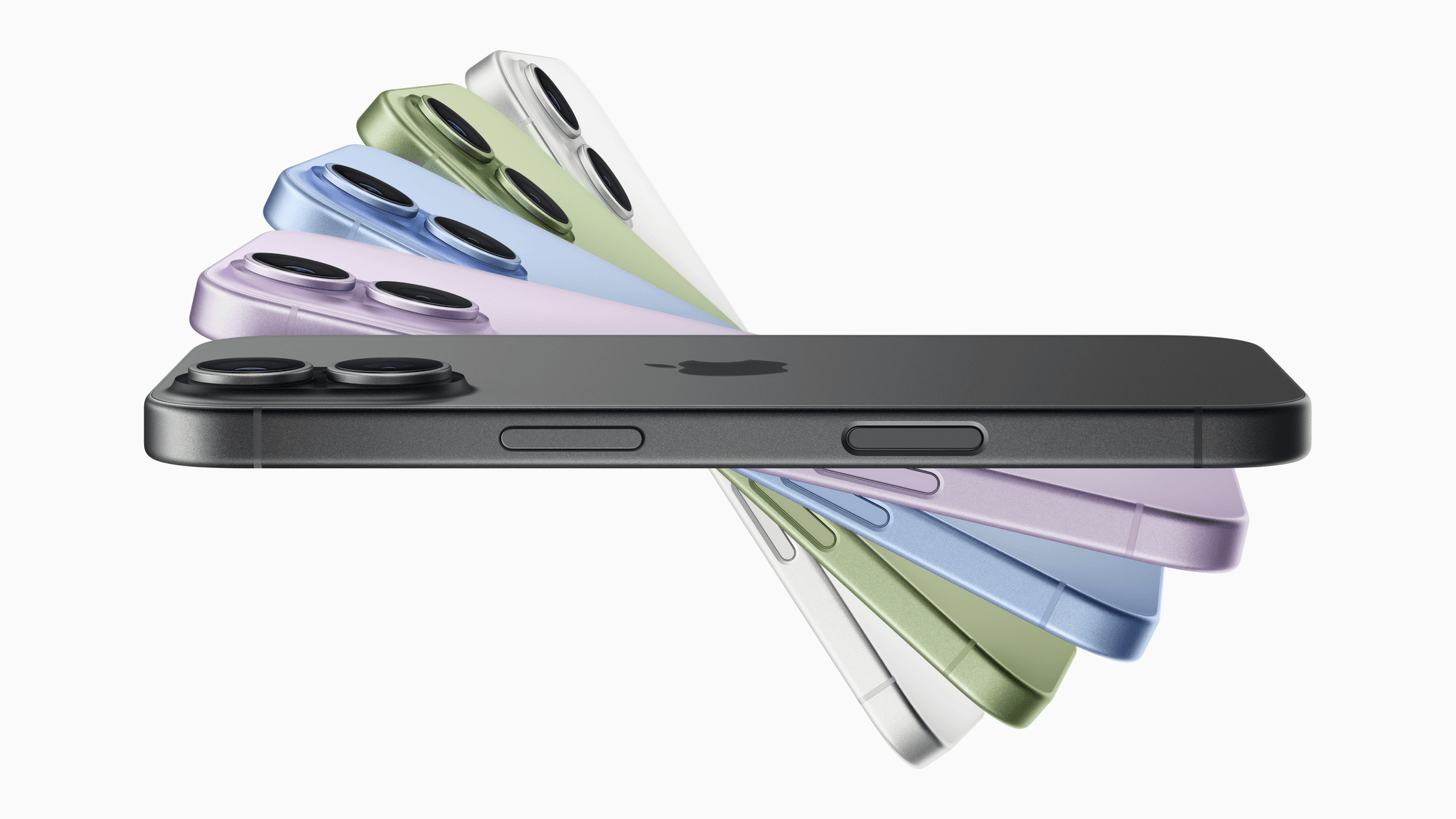
Apple still sells the iPhone 17 new in its US online store, at a regular price of $929 for 256GB without carrier activation. Apple no longer sells the iPhone 17 Pro in its own US store, and its old purchase page now redirects to the general iPhone store. Apple's spec pages list the same display and charging figures for both phones, and the differences Apple lists for the Pro include a dedicated telephoto camera, the A19 Pro chip, a longer video playback claim and a 1TB option.
What Apple sells now
Apple's US store listed the iPhone 17 for new purchase when checked on November 16, 2026. The iPhone 17 Pro did not appear among the new iPhones on that date, and its former purchase link led back to the main iPhone store page.
The Pro has a successor. Apple announced the iPhone 18 Pro and iPhone 18 Pro Max on September 9, 2026, with availability beginning September 18, 2026. That announcement describes the iPhone 17 Pro as the previous generation.
The iPhone 17 is a current new model in Apple's US store. For the iPhone 17 Pro, Apple's comparison page gives the purchase status as "Available at authorized resellers."
What the iPhone 17 costs
As of November 2026, Apple's regular price for the iPhone 17 without carrier activation is $929 for 256GB and $1,129 for 512GB, before tax. The "from $899" figure on Apple's store includes a $30 connectivity discount that requires carrier activation. With that discount, the 512GB model is $1,099.
Key differences at a glance
- Chip: the iPhone 17 has the A19 with a six-core CPU and five-core GPU. The iPhone 17 Pro has the A19 Pro with a six-core CPU and six-core GPU. Both have a 16-core Neural Engine.
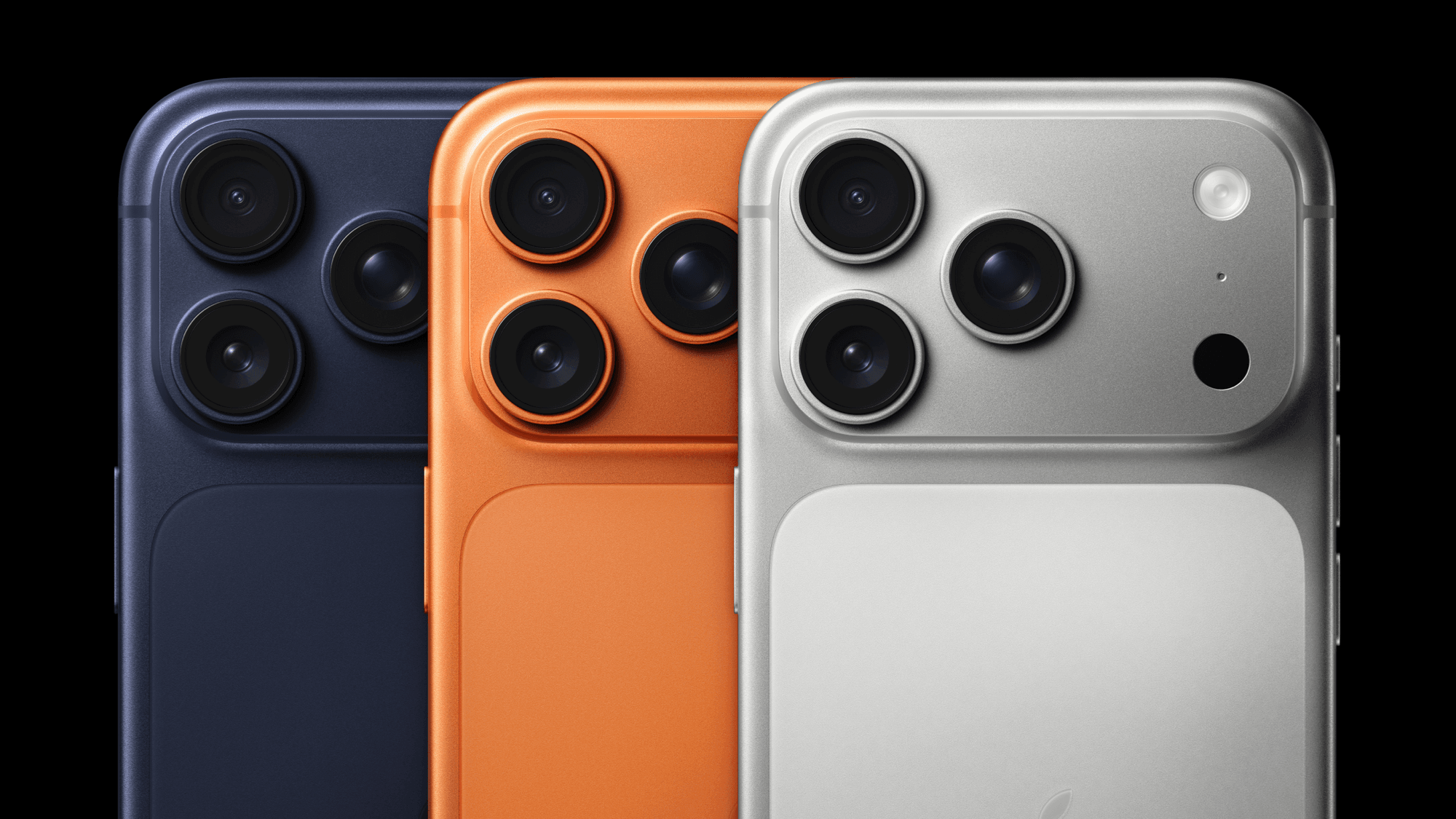
- Rear cameras: the iPhone 17 has two, a 48MP Main and a 48MP Ultra Wide. The iPhone 17 Pro has three 48MP cameras, adding a dedicated 100mm 4x Telephoto.
- Zoom: digital zoom reaches 10x on the iPhone 17 and 40x on the iPhone 17 Pro.
- Battery claim: Apple lists up to 30 hours of video playback for the iPhone 17 and up to 33 hours for the US iPhone 17 Pro.
- Storage: 256GB and 512GB on the iPhone 17. The iPhone 17 Pro adds a 1TB option.
- Build: Apple describes the iPhone 17 as an aluminum design and the iPhone 17 Pro as an aluminum unibody design with a Ceramic Shield back.
Cameras and zoom
Apple's iPhone 17 specs list a 48MP Dual Fusion system, where the Main camera also enables a 12MP optical-quality 2x telephoto. The page lists two rear cameras, and neither is a separate telephoto.
The iPhone 17 Pro specs list a 48MP Pro Fusion system with a dedicated 4x Telephoto at 100mm. It also supports 12MP optical-quality telephoto at 2x and 8x. On the front, Apple lists an 18MP Center Stage camera for both phones.
Where the two phones match
The screens are identical on paper. Both are 6.3-inch OLED displays at 2622 by 1206, with Always-On and adaptive ProMotion up to 120Hz. Apple lists the same brightness for both: 1,000 nits typical, 1,600 nits HDR peak and 3,000 nits outdoor peak.
Charging matches too. Both use USB-C and reach up to 50% in 20 minutes with a 40W or higher adapter, or in 30 minutes over MagSafe with a 30W or higher adapter. MagSafe and Qi2 wireless charging go up to 25W on both, and chargers are sold separately.
On battery, the streamed video claims are up to 27 hours for the iPhone 17 and up to 30 hours for the US iPhone 17 Pro. Apple notes that actual battery results vary with network configuration and other factors, and that charging times vary with the adapter, settings, usage and environment.
Which one fits
If you want to buy new from Apple's US store, the iPhone 17 fits, because it is the one of the two that the store lists, at a regular $929 for 256GB without carrier activation. Apple's pages also show the same display and charging figures for both.
If you want a dedicated telephoto camera, the iPhone 17 Pro fits, because Apple lists a 4x Telephoto at 100mm and digital zoom up to 40x, against 10x on the iPhone 17. If you need 1TB of storage, the iPhone 17 Pro is the one of the two that lists it, since the iPhone 17 stops at 512GB. Apple's comparison page lists the iPhone 17 Pro as available at authorized resellers, not in Apple's own new-iPhone lineup.