
Seeing a "Not Registered on Network" message on your iPad means it can't connect to your cellular carrier. You won't be able to make calls, send texts, or use mobile data. This usually happens when the iPad's software has a hiccup communicating with cell towers, or when there's a problem with your SIM card or account.
Before you do anything complicated, start with the simplest fix. Turn Airplane Mode on and off. Swipe down from the top-right corner to open Control Center and tap the airplane icon. Wait about 15 seconds, then tap it again to turn it off. This forces your iPad to drop its current network connection and re-register from scratch, which often clears up the error immediately.
Restart Your iPad
If toggling Airplane Mode didn't work, a full restart is the next logical step. This clears out any temporary software glitches in iPadOS that might be interfering with the cellular modem. The method depends on your model. For iPads without a Home button, quickly press and release the Volume Up button, then the Volume Down button, then press and hold the Top button until you see the Apple logo.
For iPads with a Home button, just press and hold both the Home button and the Top button until the screen goes black and the Apple logo appears. Let it boot up completely, then check for the network error again.
Check Your SIM Card
A loose or dirty SIM card is a common culprit. First, power your iPad off completely. Use the SIM eject tool (or a small paperclip) to open the SIM tray on the side of your device. Carefully remove the SIM card and take a look at the gold contacts. If you see any dust or debris, gently wipe them with a soft, dry cloth.
Blow gently into the SIM tray slot to clear it out as well. Reinsert the SIM card, making sure it's seated firmly and correctly in the tray, then push the tray back into the iPad. Power it back on and see if it connects.
Verify Your Carrier Account Status
Sometimes the issue isn't with your iPad at all. If your cellular plan has expired, if there's an unpaid bill, or if your carrier has suspended the line for any reason, your iPad will show this error. I'd recommend checking your account status first before digging deeper into the iPad itself.
You can usually do this by logging into your carrier's website or app from another device, or by calling their customer support from a different phone. Confirm that the line associated with your iPad's SIM is active and in good standing.
Update iPadOS
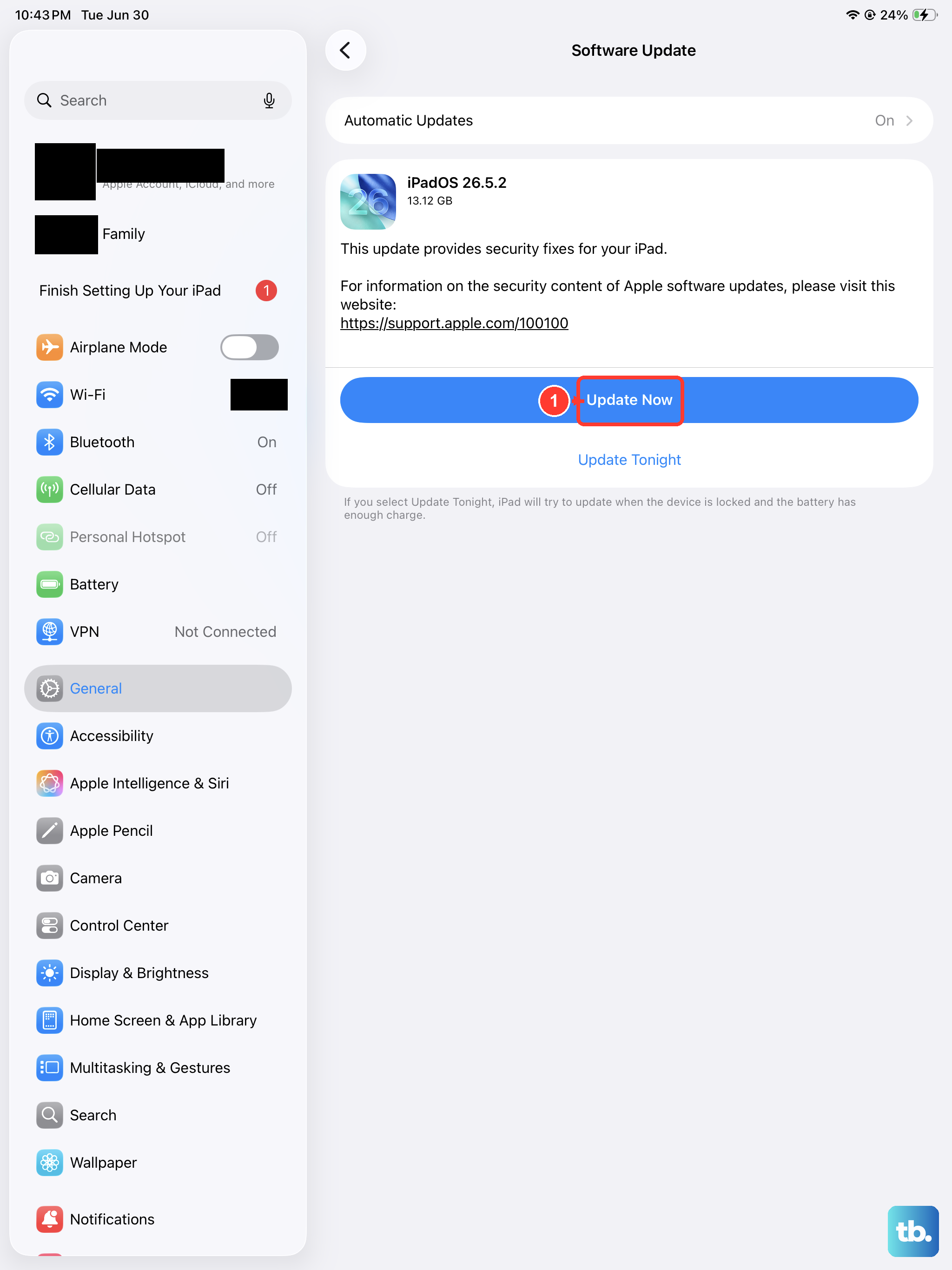
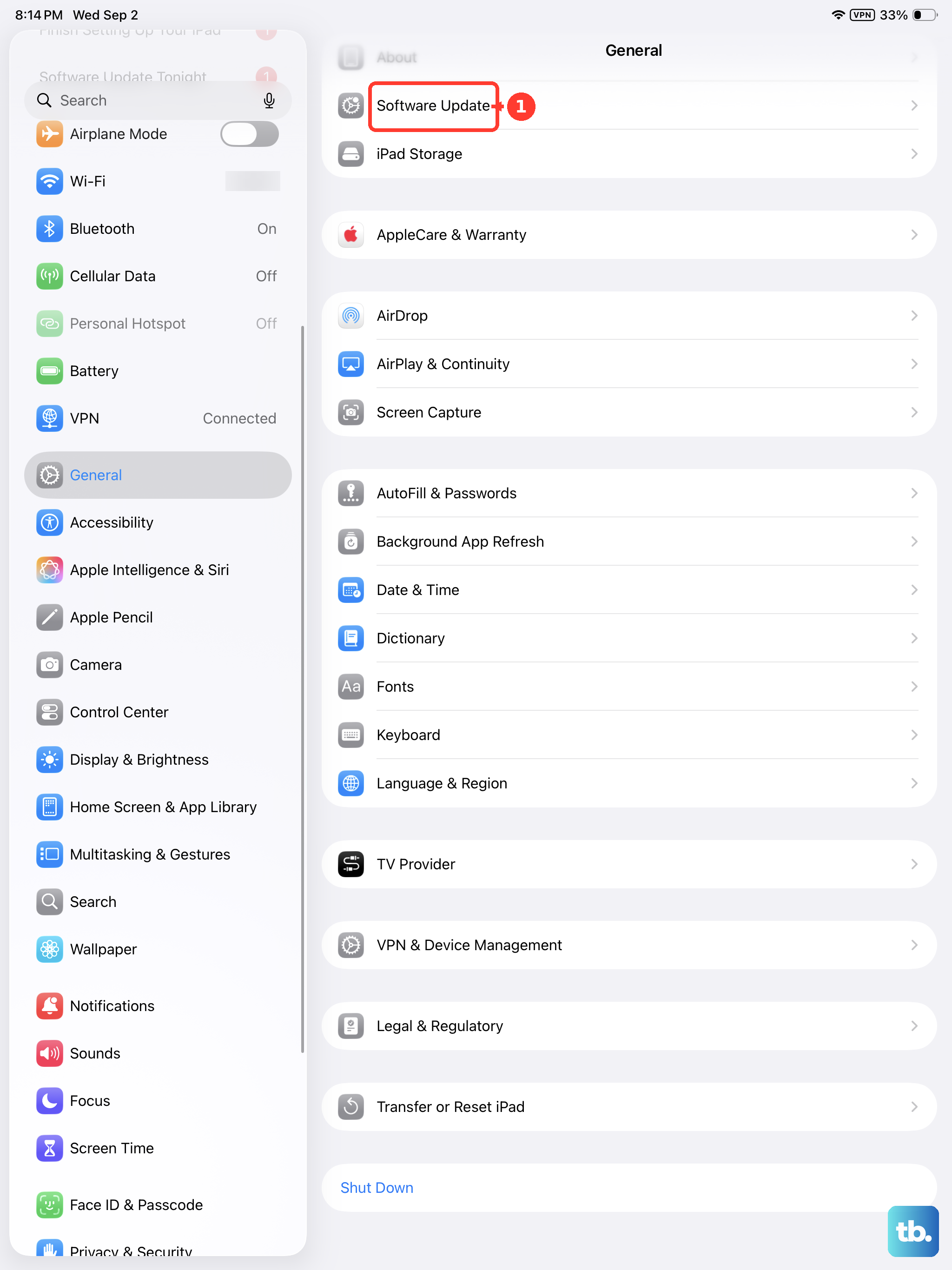
Apple regularly releases iPadOS updates that include fixes for cellular connectivity bugs. An outdated version might have a known issue that's already been patched. Go to Settings > General > Software Update. If an update is available, tap "Download and Install." Make sure your iPad is connected to Wi-Fi and has sufficient battery life, or plug it into power. After the update installs and your iPad restarts, test the cellular connection again.
Reset Network Settings
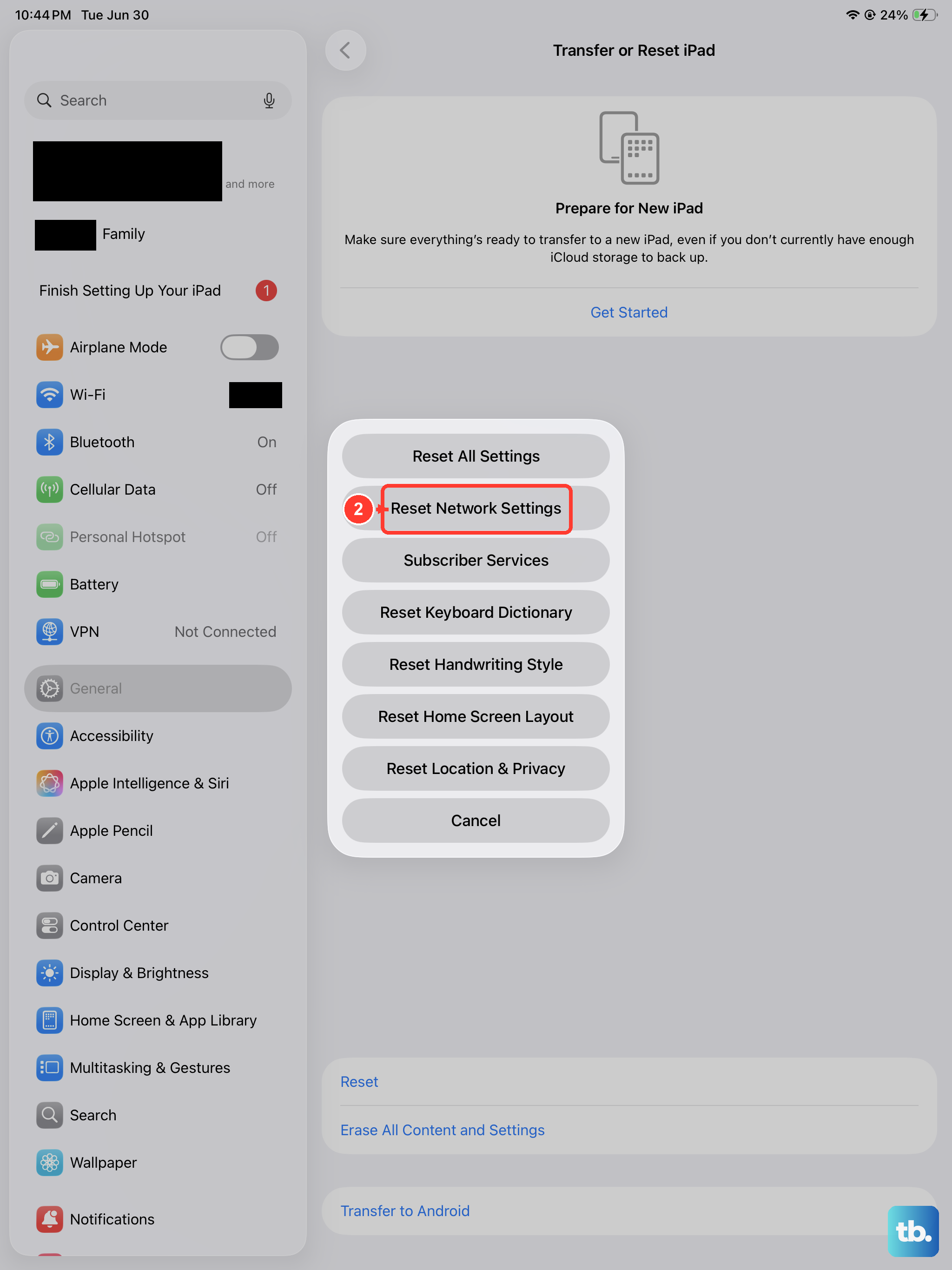
This step clears all network-related configurations on your iPad, including Wi-Fi passwords, Bluetooth pairings, VPN settings, and cellular network preferences. It's a very effective way to fix persistent registration errors caused by corrupted settings. You will need to re-enter Wi-Fi passwords afterward.
To do this, go to Settings > General > Transfer or Reset iPad. Tap Reset at the bottom, then choose Reset Network Settings. Enter your passcode if prompted and confirm. Your iPad will restart. Once it's back on, you'll need to reconnect to Wi-Fi and see if the cellular error is gone.
Try a Different SIM Card
At this point, if the error persists, the SIM card itself might be faulty. The best way to test this is to try a known-working SIM card from another device in your iPad. If the new SIM card connects to the network without any issues, then your original SIM is likely damaged or deactivated.
You'll need to contact your carrier to get a replacement SIM card. If the borrowed SIM card also fails to register on your iPad, then the problem is almost certainly with the iPad's hardware or a deeper software issue.
Restore Your iPad
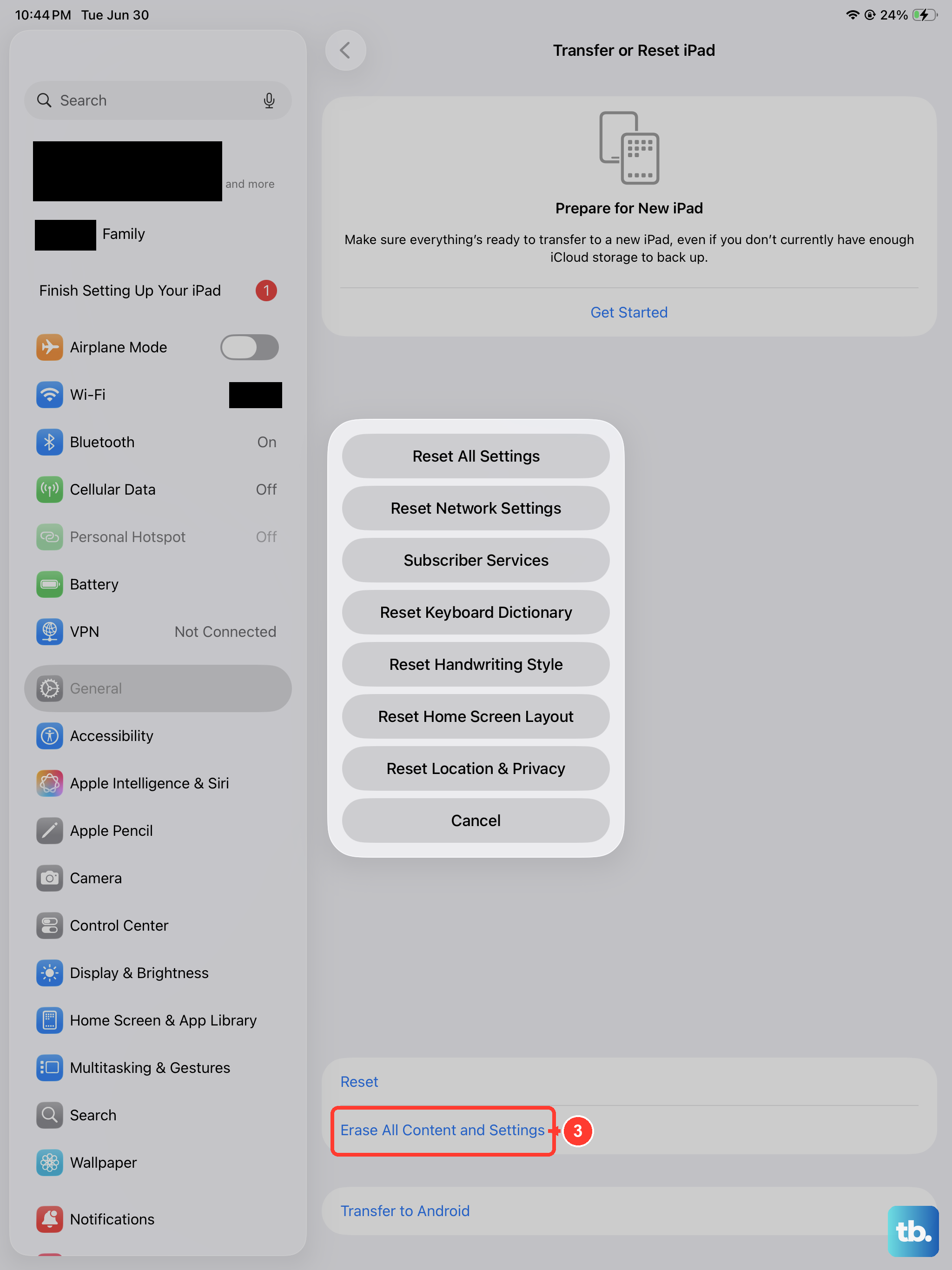
A full restore is the most comprehensive software fix. This erases all content and settings from your iPad and installs a fresh copy of the latest iPadOS. It's crucial to back up your iPad to iCloud or your computer first via Finder (on Mac) or iTunes (on Windows).
After backing up, go to Settings > General > Transfer or Reset iPad and tap Erase All Content and Settings. Follow the prompts to completely wipe the device. Once it's erased, you can set it up as new to test the cellular connection immediately, or restore from your backup during the setup process.