
Your phone number is a powerful gateway to your digital identity, essential for communication but also a significant vulnerability. If misused, it can expose you to numerous risks that compromise your privacy and security.
With just this single piece of information, bad actors can generate spam, access your social profiles, and approximate your location. They can also conduct reverse lookups, perform SIM swapping, and engage in caller ID spoofing.
Further threats include cloning your number and executing targeted phishing attempts. Each action represents a direct method to exploit the access your phone number provides.
Generate Spam Calls and Messages
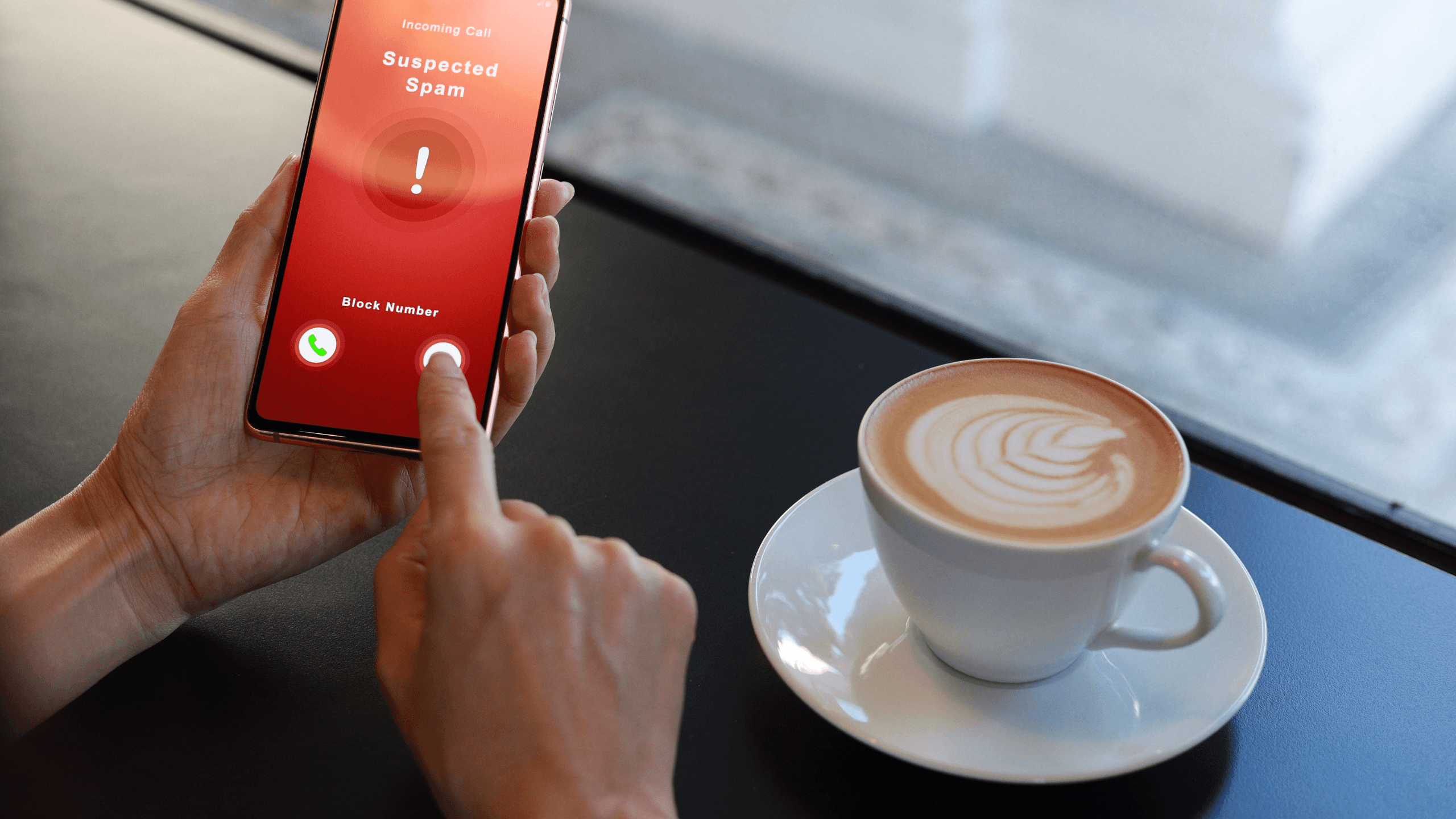
Your number may become a target for telemarketers and scammers, leading to an influx of unsolicited calls and texts. This can range from annoying sales pitches to more malicious phishing attempts, potentially compromising your personal information.
Access Social Media Profiles
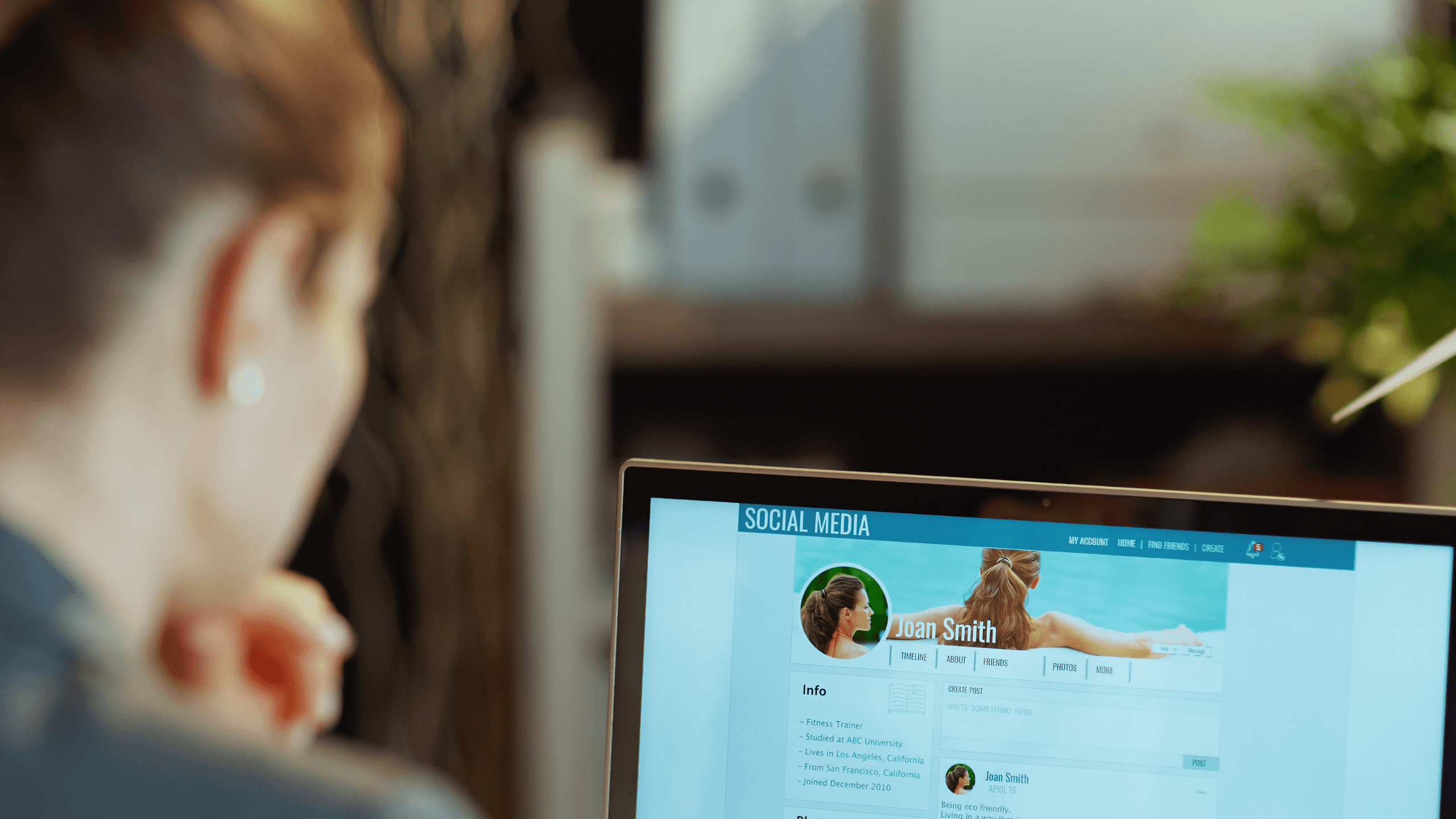
Many social platforms use phone numbers as identifiers. A determined individual could use your number to locate your profiles across various networks, potentially accessing personal posts, photos, and connections that you may prefer to keep private.
Approximate Location
While not precise, your phone number can indicate your general geographic area. This information could be used to tailor scams or, in extreme cases, aid in physical stalking attempts.
Conduct Reverse Phone Lookups
Online services aggregate publicly available data linked to phone numbers. A simple search could reveal your name, address, and even family members' information, creating a full profile that could be misused.
See also - If Any of These 22 Texts Are on Your Phone, Delete Them Immediately
Perform SIM Swapping
In this sophisticated attack, criminals convince your mobile carrier to transfer your number to a new SIM card. They can then receive your calls, texts, and password reset links, potentially gaining access to your email, social media, and even financial accounts.
See also - What is a SIM swap?
Engage in Caller ID Spoofing
Scammers can make calls appear to come from your number, potentially damaging your reputation or involving you in their schemes. Victims of these spoofed calls might unwittingly direct their frustrations at you.
See also - What is Caller ID Spoofing?
Clone Your Number
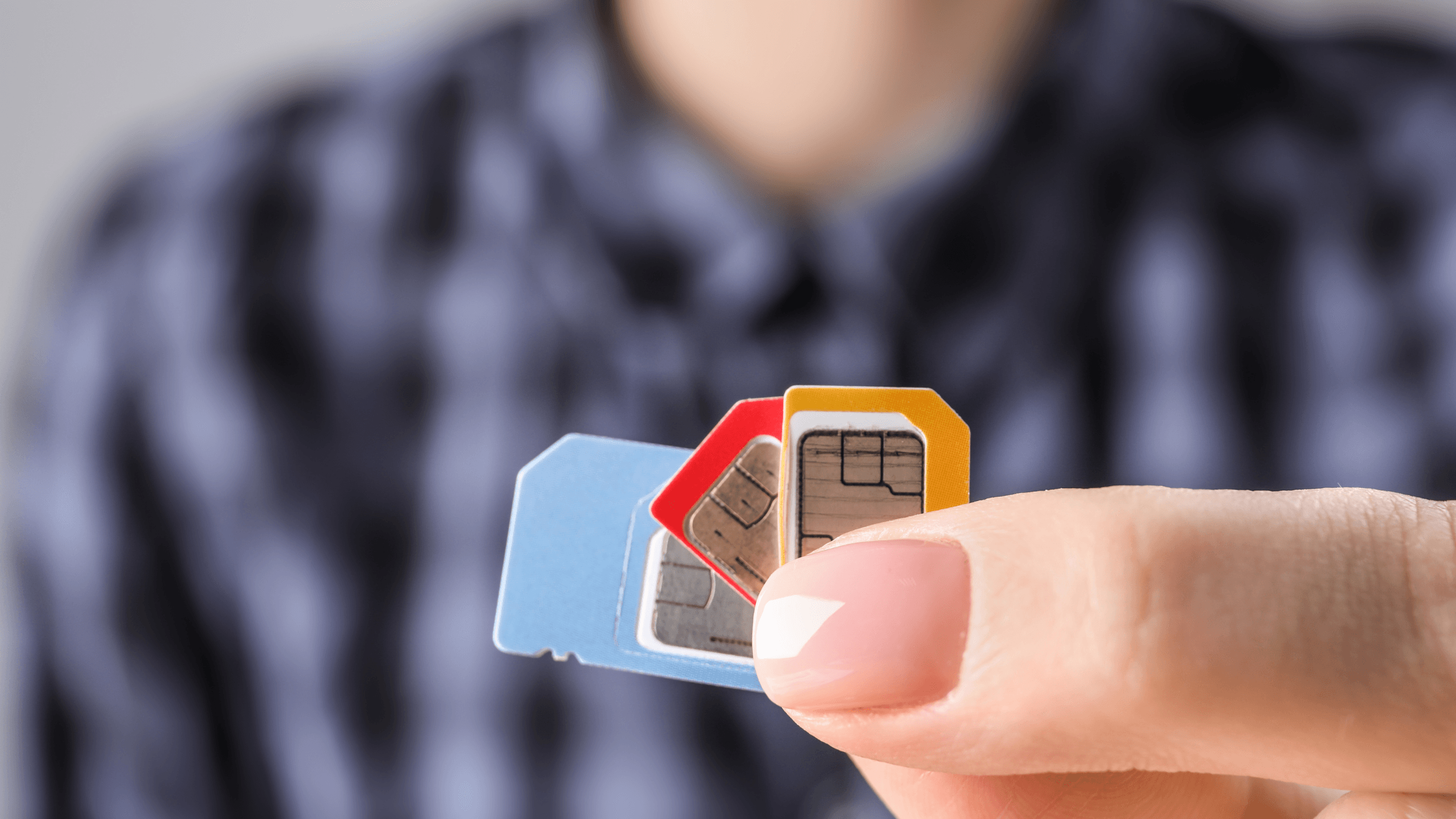
Through various methods, criminals can clone your SIM card, essentially creating a duplicate of your phone number. This can lead to unauthorized charges, interception of your calls and texts, and severe privacy breaches.
See also - 11 Clever Ways to Find Out Who’s Behind an Unknown Number
Execute Phishing Attempts

With your phone number, scammers can craft personalized phishing attempts. They might impersonate your bank, government agencies, or trusted contacts, trying to trick you into revealing sensitive information or clicking on malicious links.
If you liked this story, please follow us.
Bypass Two-Factor Authentication
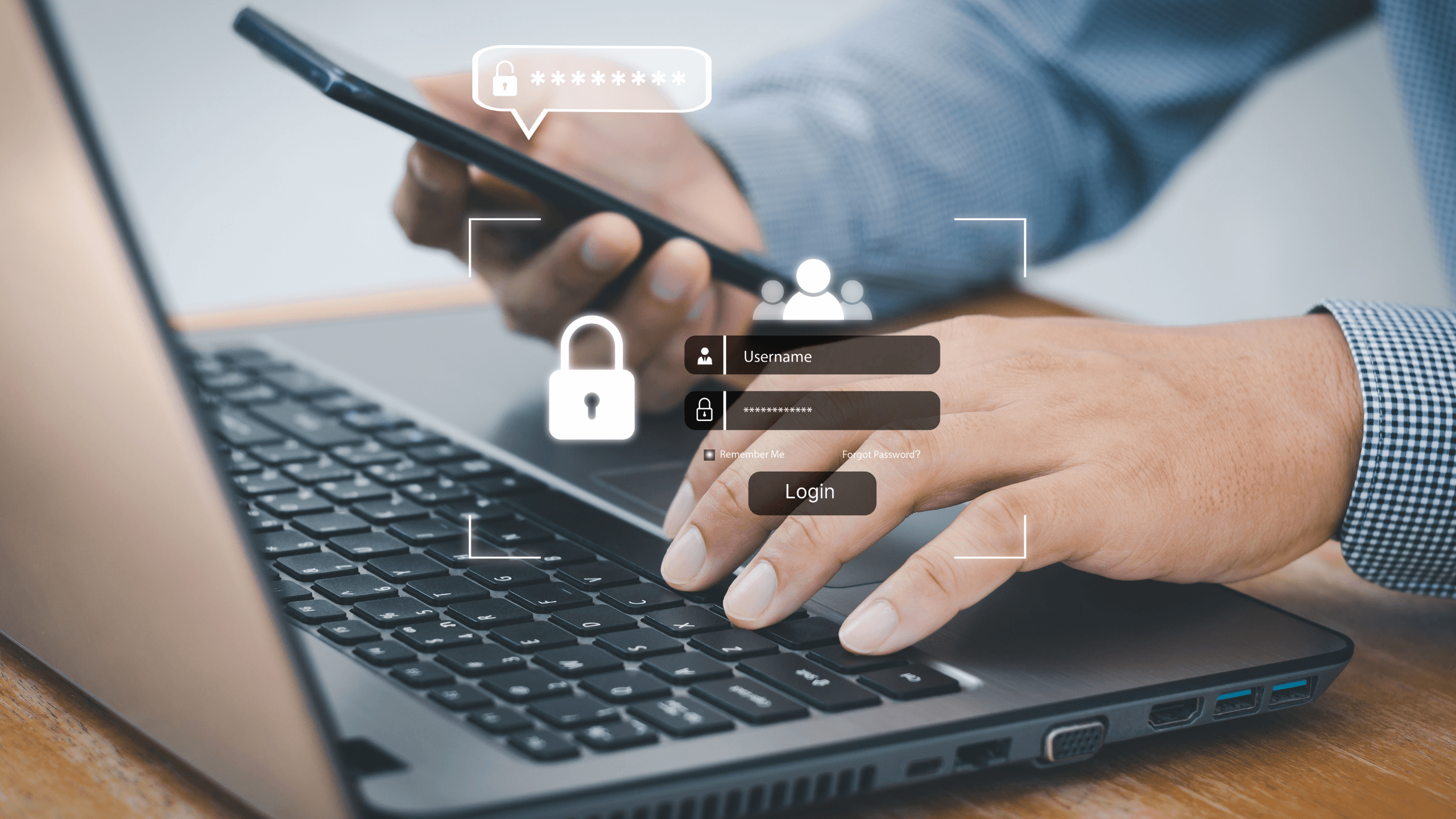
If an attacker already has your password, your phone number could be the final piece they need to access your accounts. By intercepting SMS verification codes, they can bypass this critical security measure.
Exploit Data Breaches

If your number is part of a data breach, it could be sold on the dark web along with other personal details. This information package makes it easier for criminals to impersonate you or target you with intricate scams.
Conduct Social Engineering
Your phone number can be a starting point for elaborate social engineering attacks. Scammers might use it to gather more information about you, eventually building enough trust or leverage to manipulate you into compromising actions.
Commit Financial Fraud
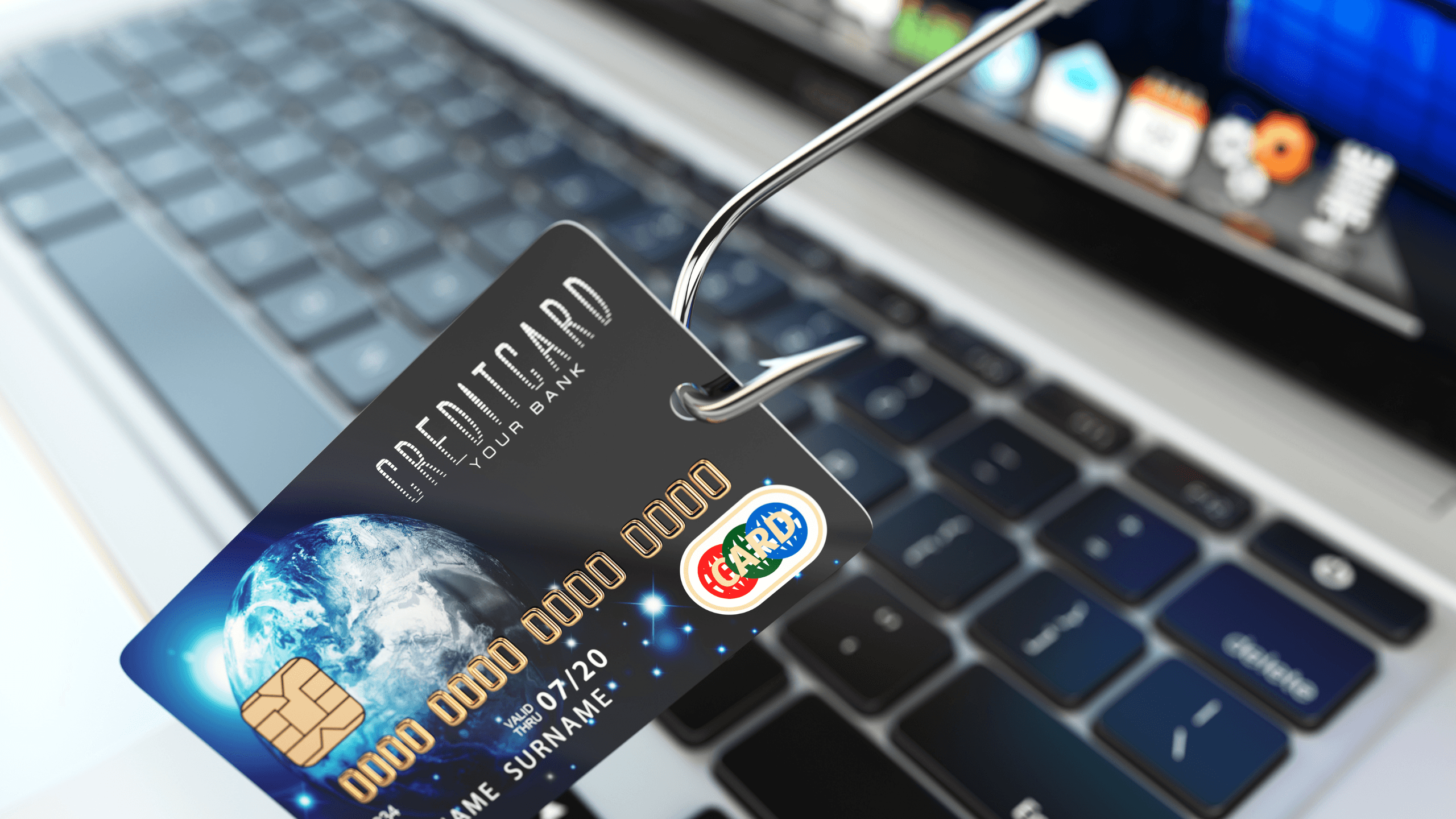
Some financial institutions use phone numbers for account verification or password resets. If a fraudster has your number and additional personal details, they might attempt to gain unauthorized access to your financial accounts or open new ones in your name.
Deploy Robocalls
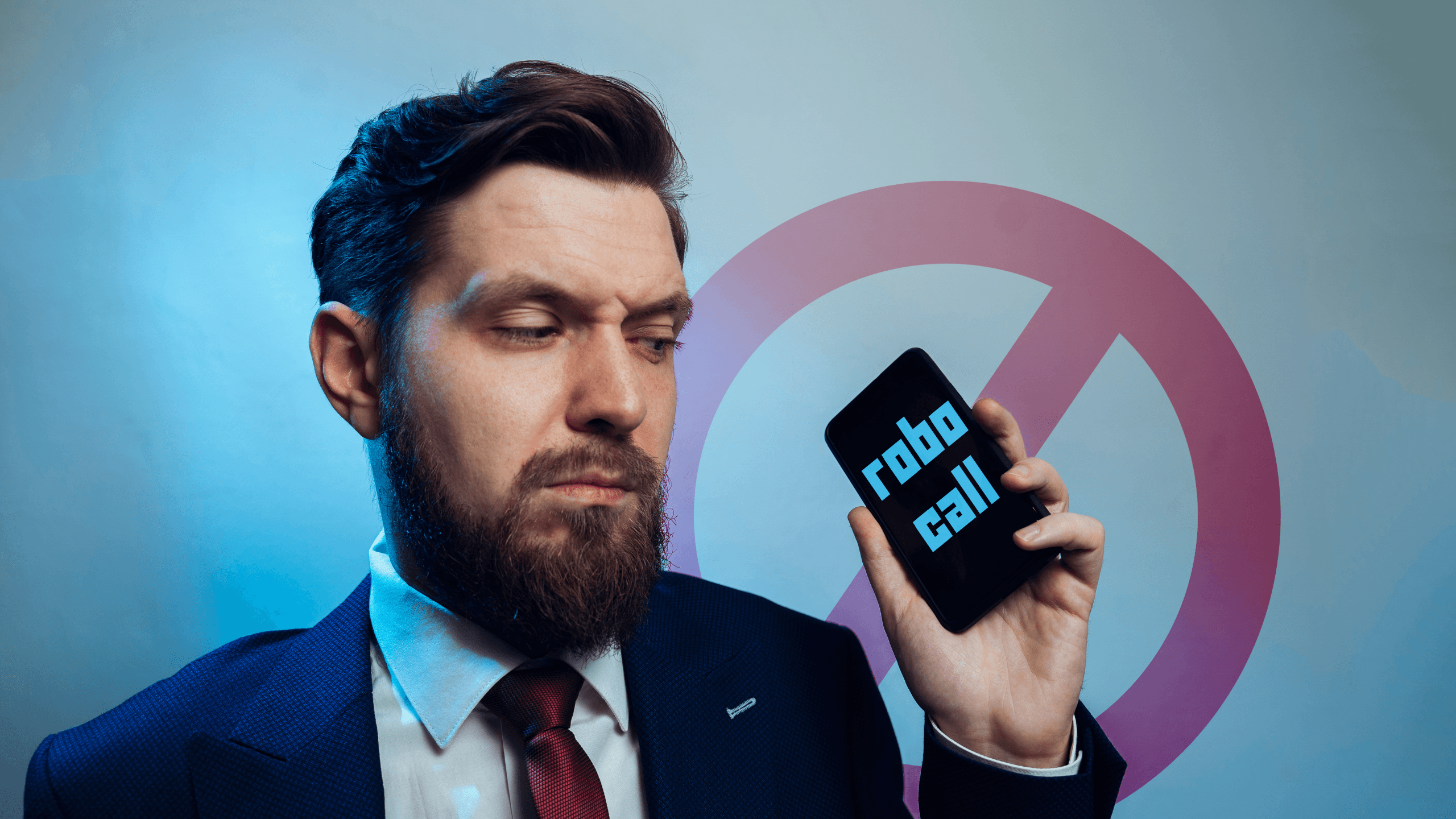
Automated systems can use your number in large-scale robocall campaigns. This not only floods your phone with unwanted calls but can also lead to your number being flagged as spam by call-blocking services.
Facilitate Identity Theft
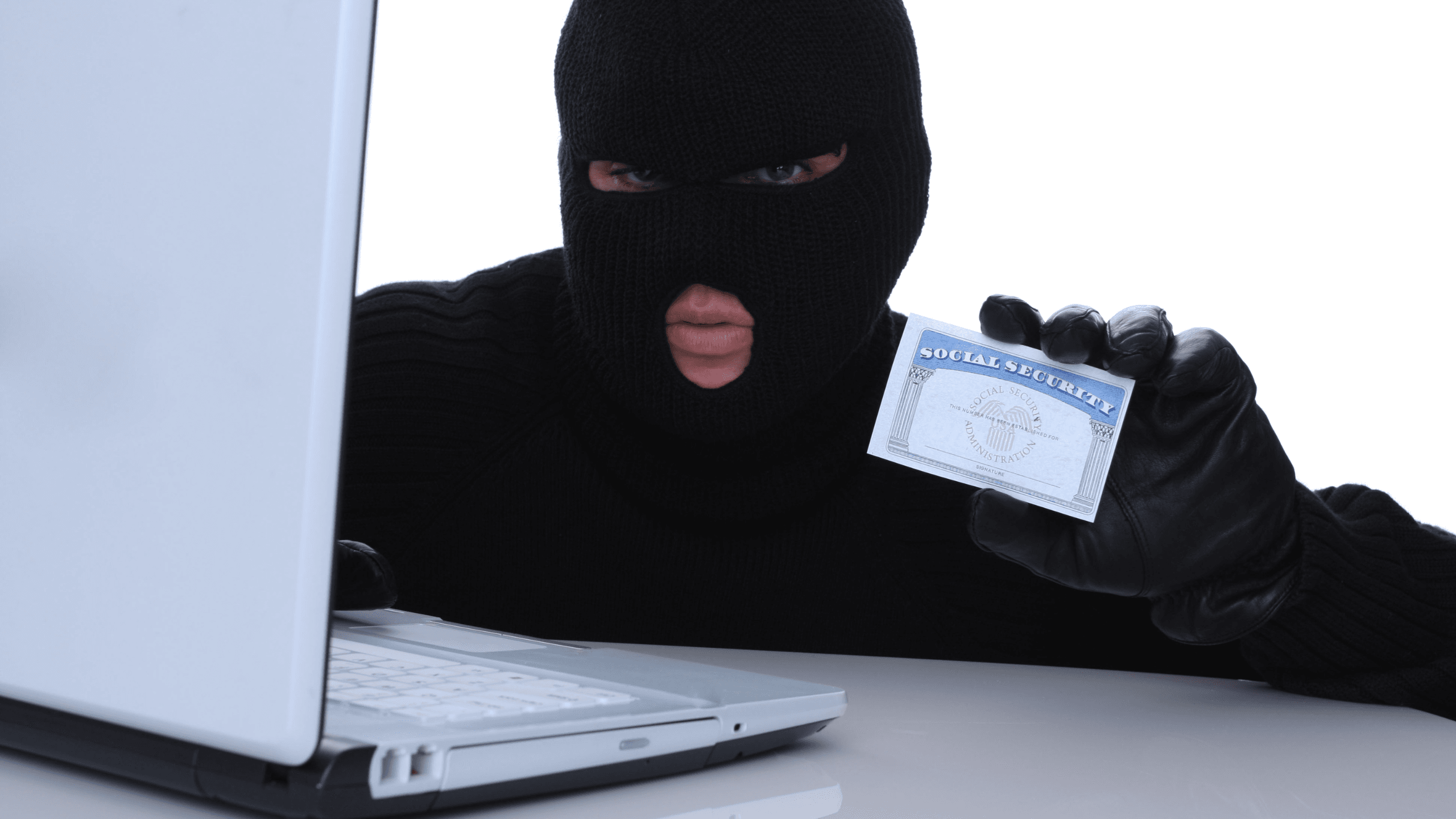
Combined with other pieces of personal information, your phone number can be a crucial element in identity theft. Criminals can use it to verify or recover accounts, open new lines of credit, or even commit crimes under your name.
Implement Targeted Advertising

Marketers can use your phone number to create detailed consumer profiles, leading to hyper-targeted ads across various platforms. While not inherently malicious, this can feel invasive and may expose you to manipulative marketing tactics.
Enable Harassment and Stalking

In the wrong hands, your number can become a tool for persistent harassment. This can range from annoying pranks to serious stalking behavior, potentially impacting your peace of mind and personal safety.
Register Fake Accounts
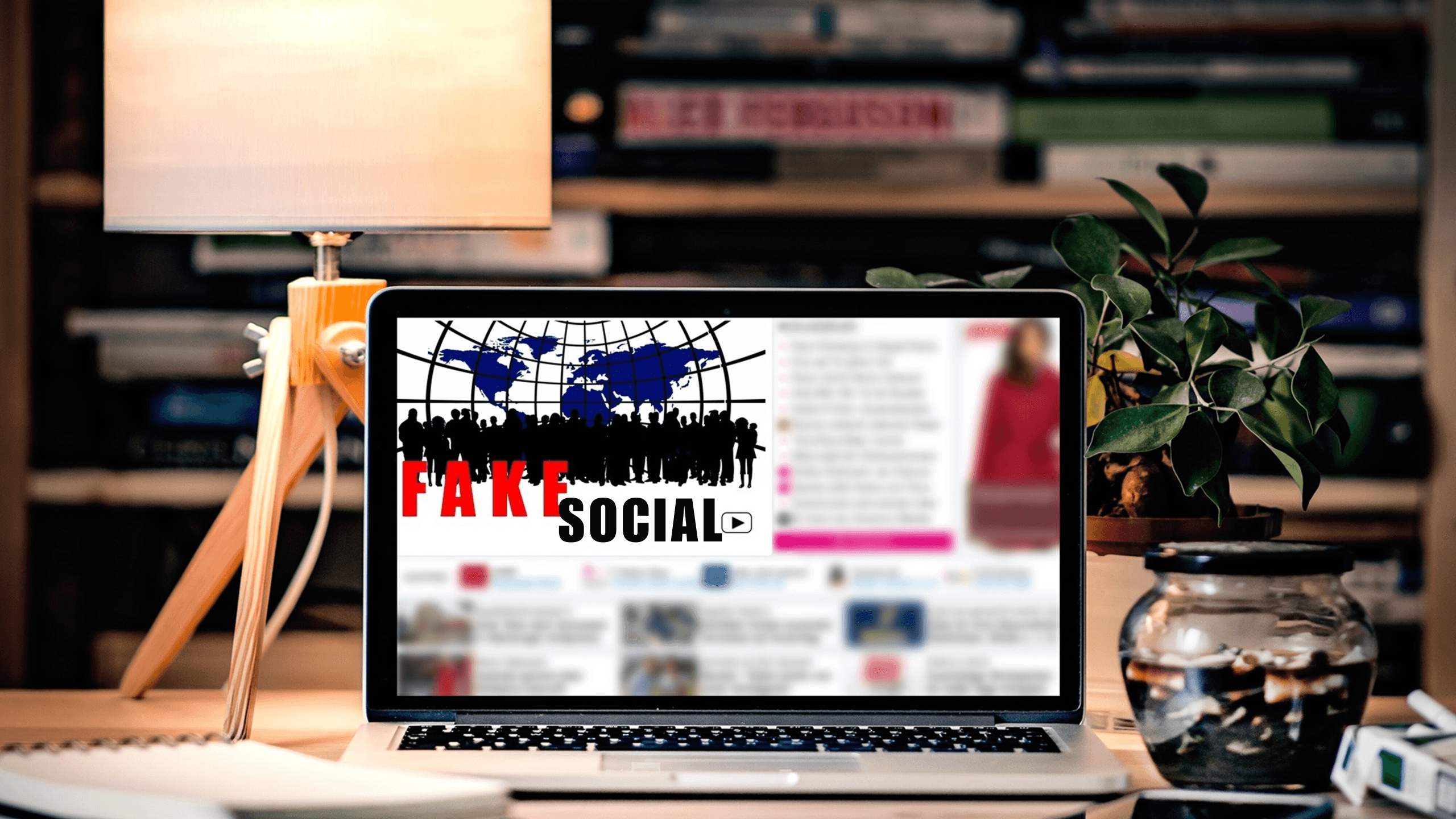
Your phone number could be used to create fraudulent accounts on various platforms. These could be used for spam, scams, or other malicious activities, potentially implicating you or damaging your online reputation.
If you liked this story, please follow us and subscribe to our free daily newsletter.