
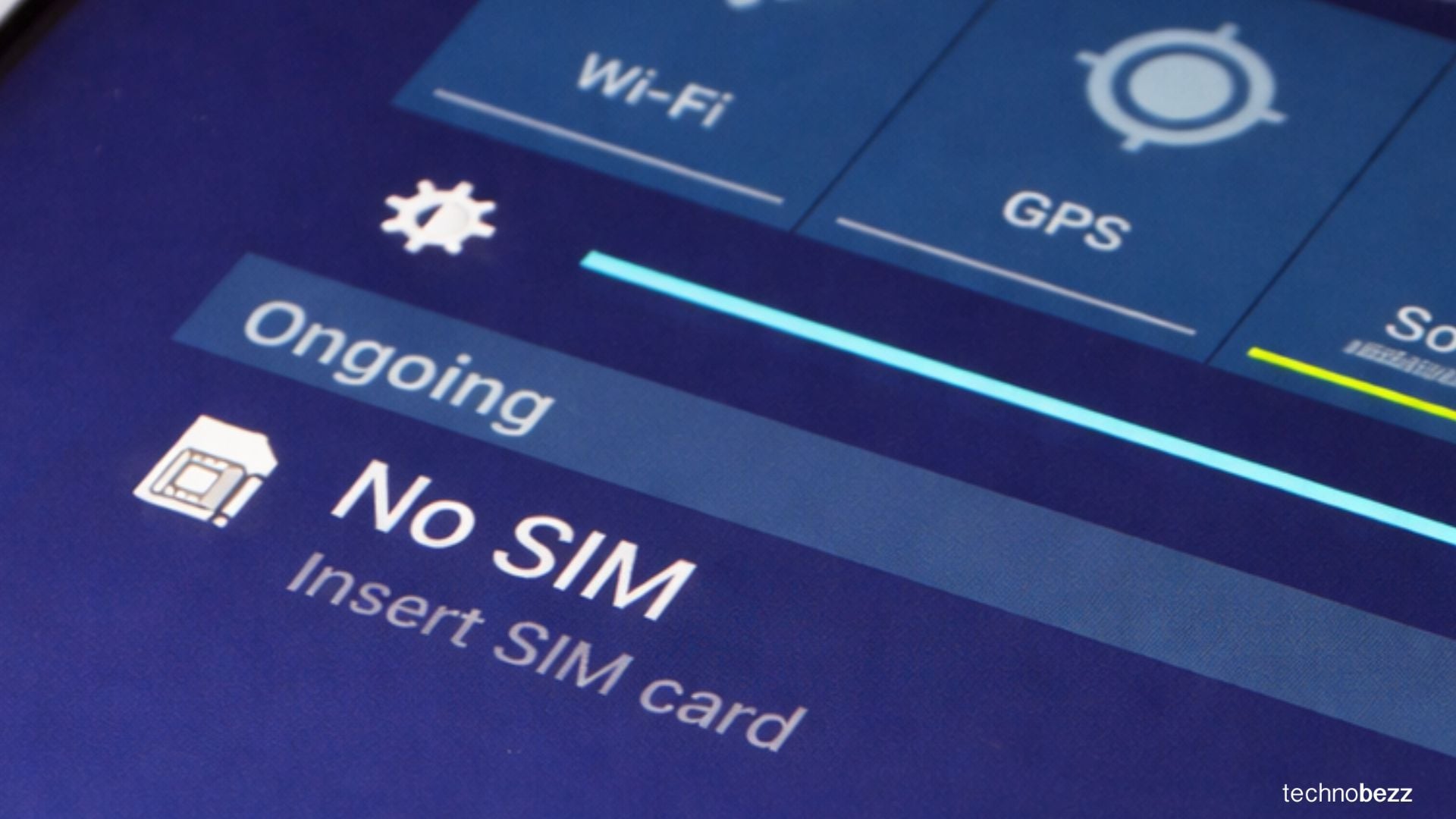
Seeing a "No SIM Card Detected" error on your Android phone can be frustrating, especially when you can't make calls or send texts. This common issue usually stems from simple hardware or software problems that you can often fix yourself.
Quick Answer
To fix the "No SIM Card Detected" error on Android:
- 1.Restart your phone
- 2.Toggle Airplane Mode on and off
- 3.Remove, clean, and reinsert the SIM card
- 4.Check if the SIM card is enabled in Settings
- 5.Reset network settings
- 6.Test your SIM in another phone
If these don't work, the issue may be with the SIM card itself (requiring replacement) or your phone's hardware (requiring professional repair).
Read more - Why Your Android Phone Shows No Service and How to Fix It
What Causes the "No SIM Card" Error?
Hardware-related causes:
- SIM card not inserted correctly or sitting loosely in the tray
- Dirty or damaged SIM card contacts
- Bent or damaged SIM card tray
- Damaged internal SIM card reader
- Incompatible SIM size (standard, micro, or nano)
Software-related causes:
- Temporary software glitch
- Outdated phone software or firmware
- Corrupted network settings
- Third-party app conflicts
- Incorrect APN configuration
Account-related causes:
- SIM card deactivated by carrier
- Phone locked to a different carrier
- 5G phones requiring updated SIM cards
Quick Fixes to Try First
Start with these basic troubleshooting steps that solve most SIM card detection issues:
Restart Your Phone
A simple restart often resolves temporary glitches. Press and hold the Power button until the power options appear, then tap "Restart" or "Power off" and turn your phone back on.
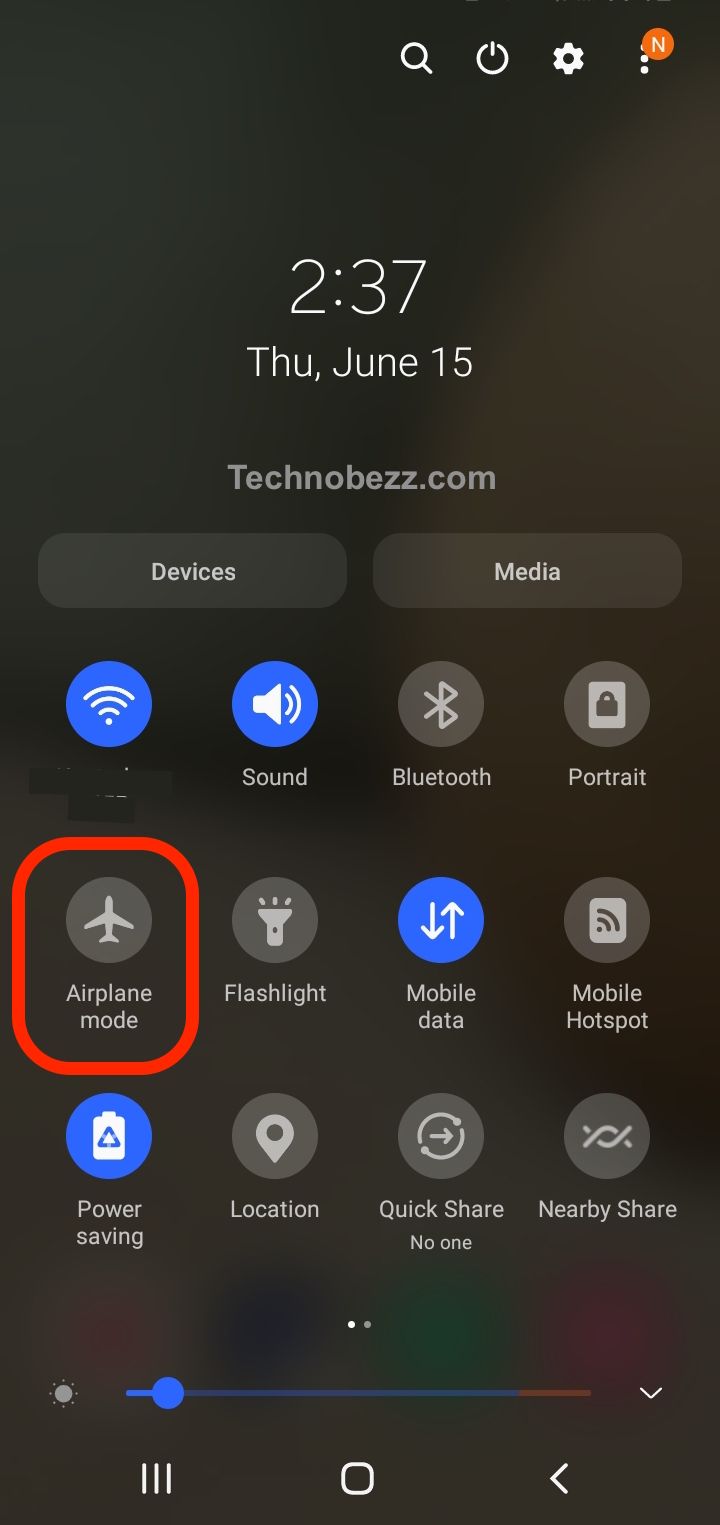
Check Airplane Mode
Swipe down from the top of your screen to open the notification panel. Tap the Airplane mode icon to enable it, wait 10-15 seconds, then disable it. This refreshes your phone's network connection and forces it to re-establish a connection with your carrier.
Verify SIM Card Activation
Make sure your SIM card is actually turned on in your phone's settings:
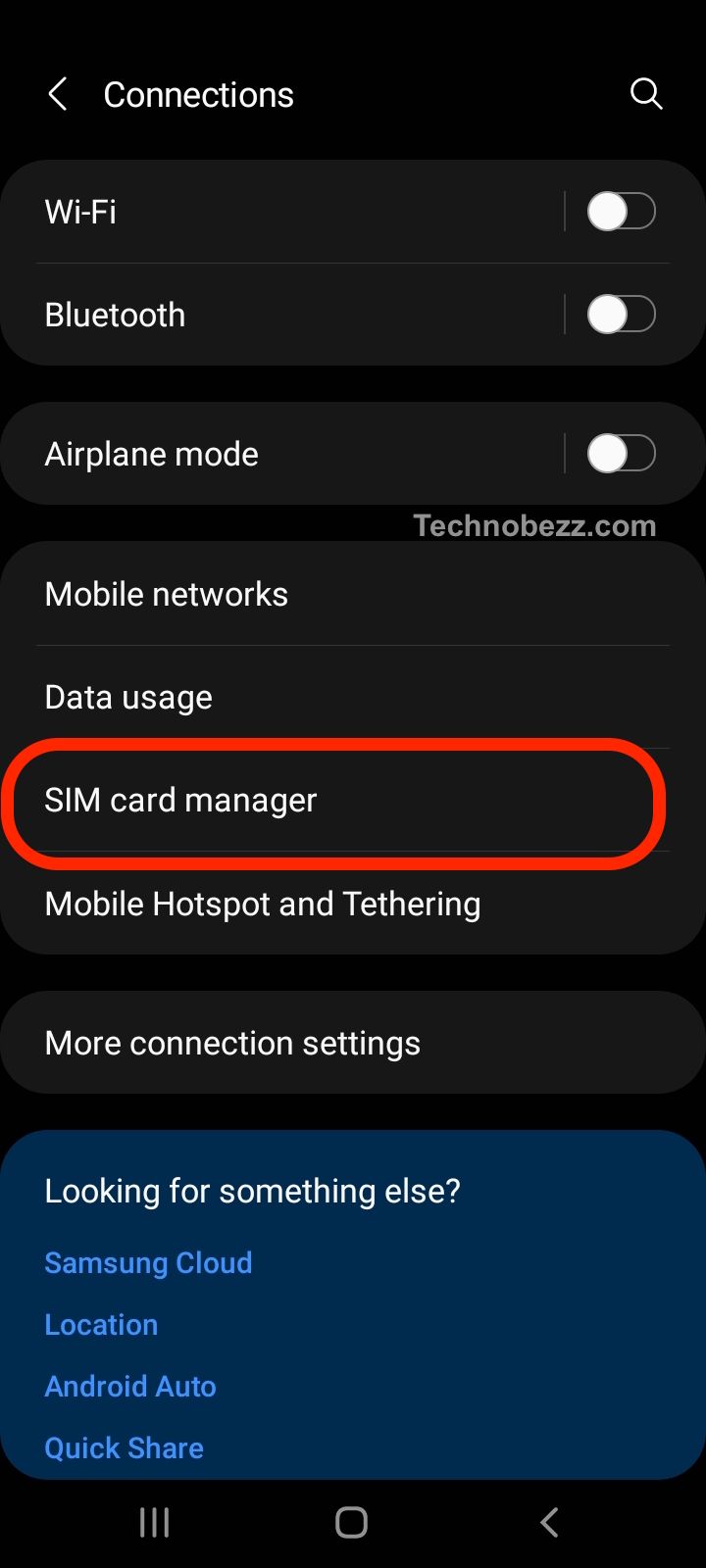
- Open Settings
- Tap Connections or Network & Internet
- Go to SIM card manager or SIM cards
- Toggle on the switch for your SIM card
If you have a dual SIM phone, ensure you've enabled the correct SIM slot.
Read more - Fix Not Registered On Network on Samsung Galaxy
Physical SIM Card Inspection
If the quick fixes don't work, check your SIM card and tray for physical issues:
- 1.Power off your phone completely
- 2.Remove the SIM card from its tray using the SIM ejector tool or a paperclip
- 3.Inspect for damage - look for scratches, corrosion, or stains on the gold contacts
- 4.Clean the SIM card - use a clean, dry microfiber cloth to gently wipe the contacts. For stubborn dirt, slightly dampen the cloth with isopropyl alcohol and let it dry completely before reinserting
- 5.Check the SIM tray - ensure it's not bent or damaged
- 6.Blow out the SIM slot - use compressed air to remove dust or debris from the phone's SIM slot
- 7.Reinsert carefully - make sure the SIM card is properly aligned in the tray with the notched corner matching the tray's notch
Test your SIM in another phone: If your SIM card fails in another unlocked device, contact your carrier for a replacement. If it works in another phone, the issue is likely with your phone's hardware or software.
Software and Network Solutions
Update Your Software
Software glitches can cause SIM detection problems. Check for updates:
- Open Settings
- Scroll to Software update or System updates
- Download and install any available updates
- Restart your phone after updates complete
Also update Google Carrier Services from the Play Store, as this app handles carrier connectivity on many Android phones.
Reset Network Settings
This clears any network configuration issues without deleting your personal data:
- Go to Settings → General Management or System
- Tap Reset
- Select Reset network settings
- Confirm the reset
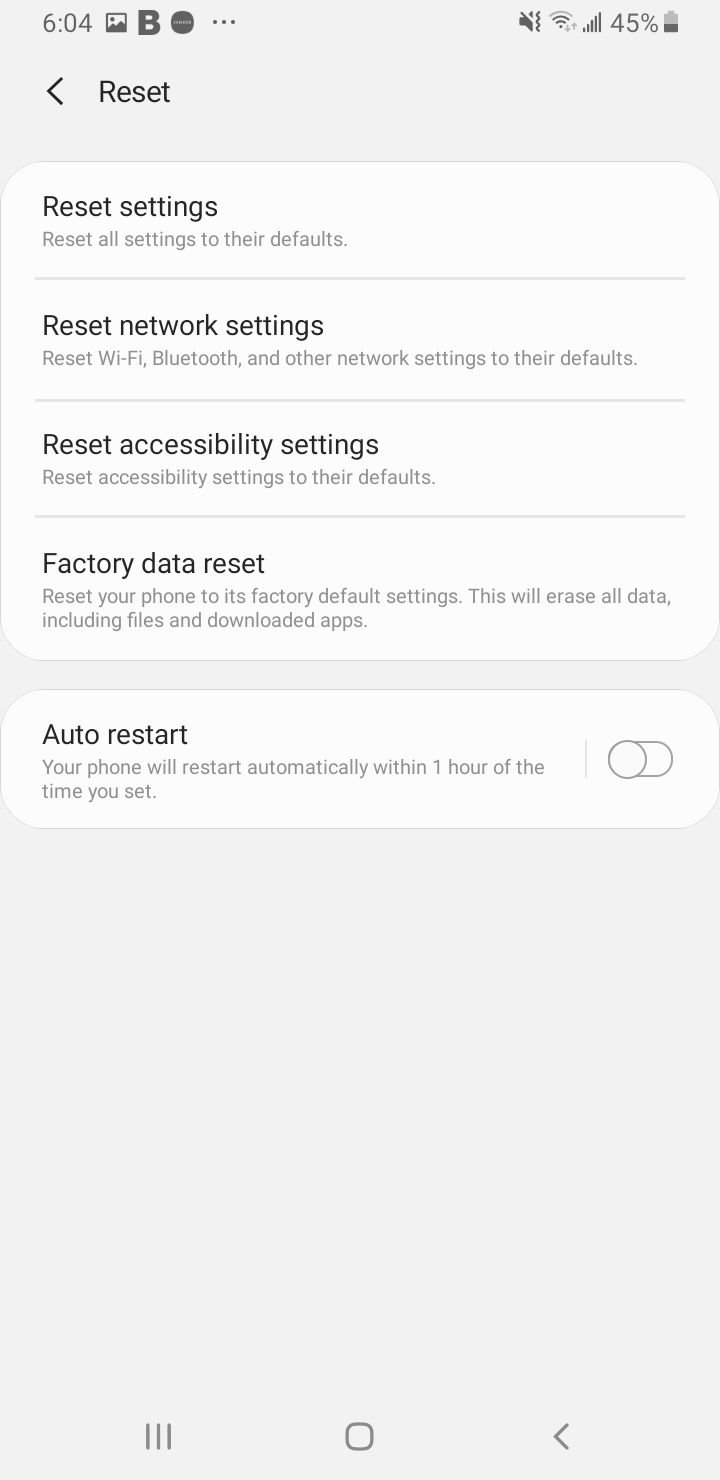
Note: This will reset Wi-Fi passwords, Bluetooth pairings, mobile data, and APN settings to their defaults.
Clear SIM-Related App Cache
Sometimes cached data in SIM management apps causes problems:
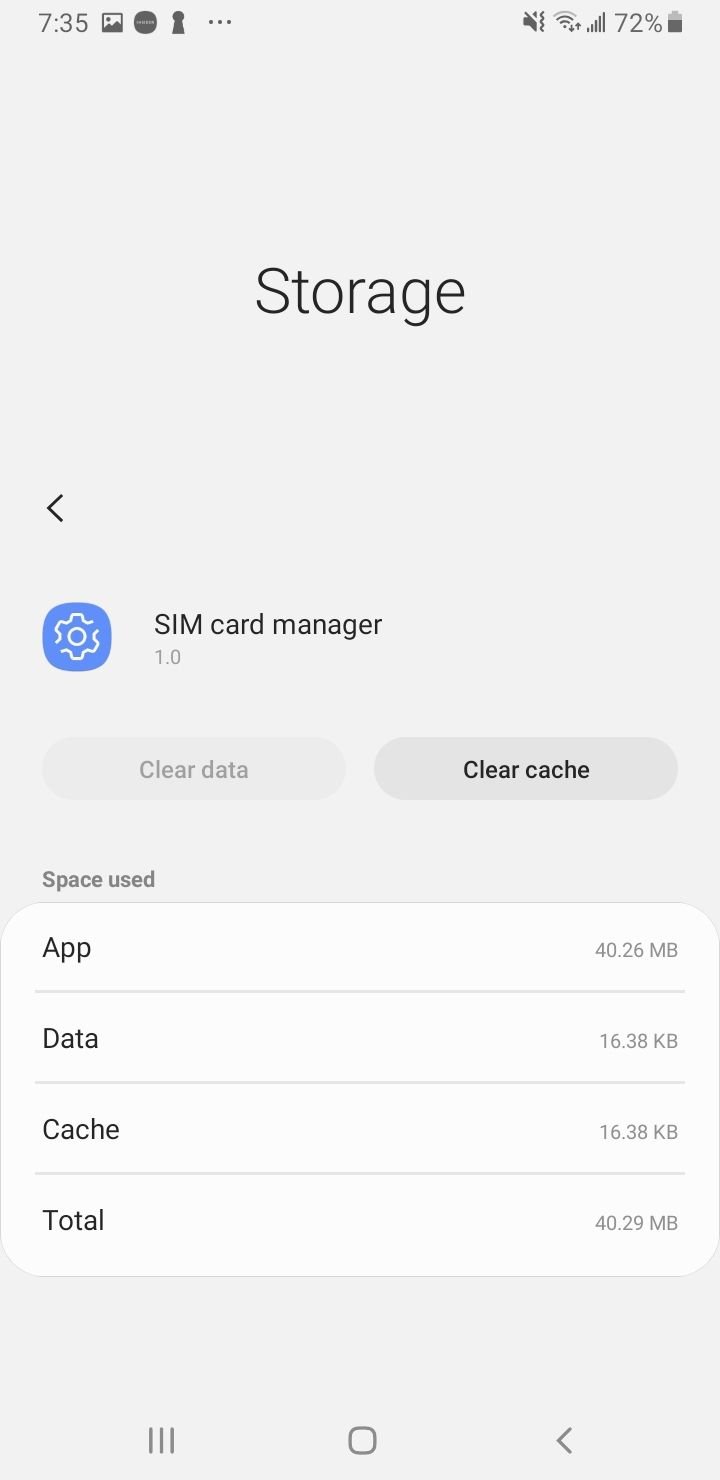
Clear SIM Card Manager Cache:
- Go to Settings → Apps
- Tap the menu (three dots) → Show system apps
- Search for SIM Card manager
- Tap Storage, then Clear Cache
Clear SIM Toolkit Cache:
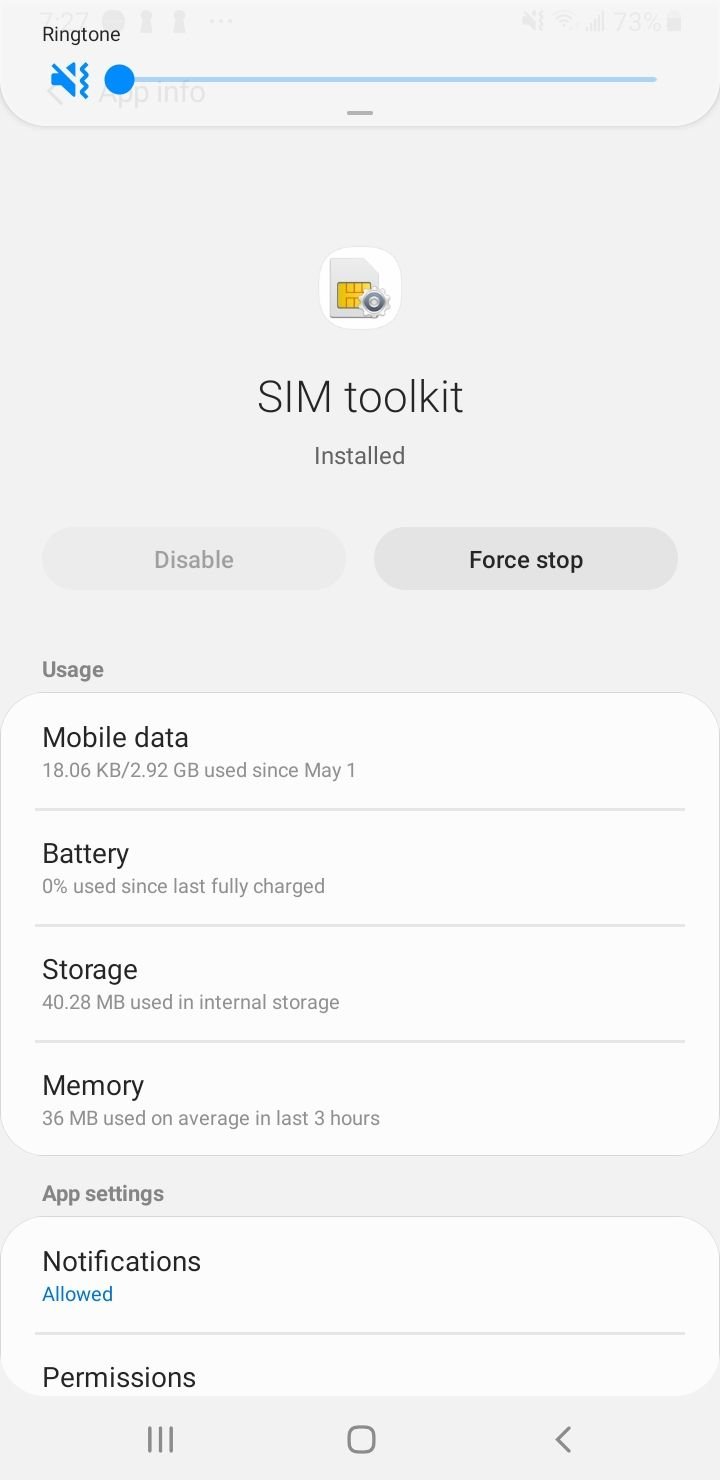
- In Settings → Apps → Show system apps
- Find SIM Toolkit or SIM Application Toolkit
- Tap Storage, then Clear Cache
Change Network Mode
Ensure your phone can automatically switch between network technologies:
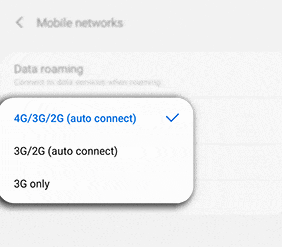
- Open Settings → Connections
- Tap Mobile Networks
- Select Network Mode
- Choose 5G/4G/3G/2G (auto connect) or 4G/3G/2G (auto connect)
Read more - How to Fix Mobile Network Not Available on Android
Reset APN Settings
Incorrect Access Point Name settings can prevent network connection:
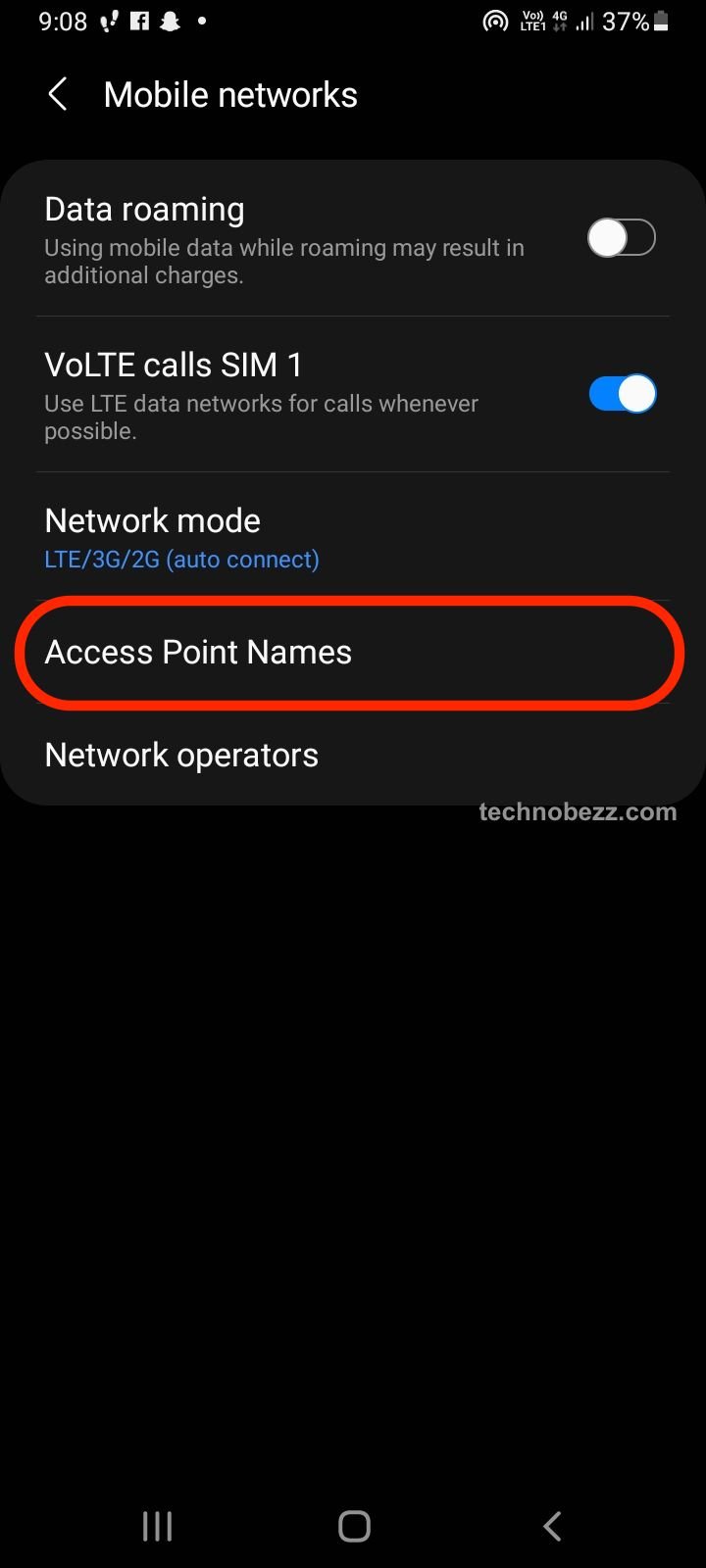
- Go to Settings → Connections → Mobile Networks → Access Point Names
- Tap the menu (three dots) → Reset to default
- If your carrier provided custom APN settings, re-enter them
Read more - Updated APN Settings for AT&T Verizon T-Mobile and Other US Carriers
eSIM Troubleshooting
If you're using an eSIM (embedded SIM) instead of a physical SIM card, the troubleshooting steps are slightly different:
Check eSIM Activation Status
- Go to Settings → Connections → SIM card manager
- Look for your eSIM profile listed
- If it shows as "Not activated" or "Activating," wait a few minutes or try restarting your phone
Re-download Your eSIM Profile
If your eSIM isn't working:
- 1.Go to Settings → Connections → SIM card manager
- 2.Delete the existing eSIM profile (if possible)
- 3.Re-scan the QR code from your carrier or re-enter the activation code
- 4.Ensure you have a stable Wi-Fi connection during activation
Enable Data Roaming for eSIM
Many eSIM profiles require data roaming to be enabled:
- Go to Settings → Connections → Mobile Networks
- Toggle on Data roaming
Check Carrier Lock Status
Your phone might be locked to a specific carrier, preventing eSIM activation from other providers:
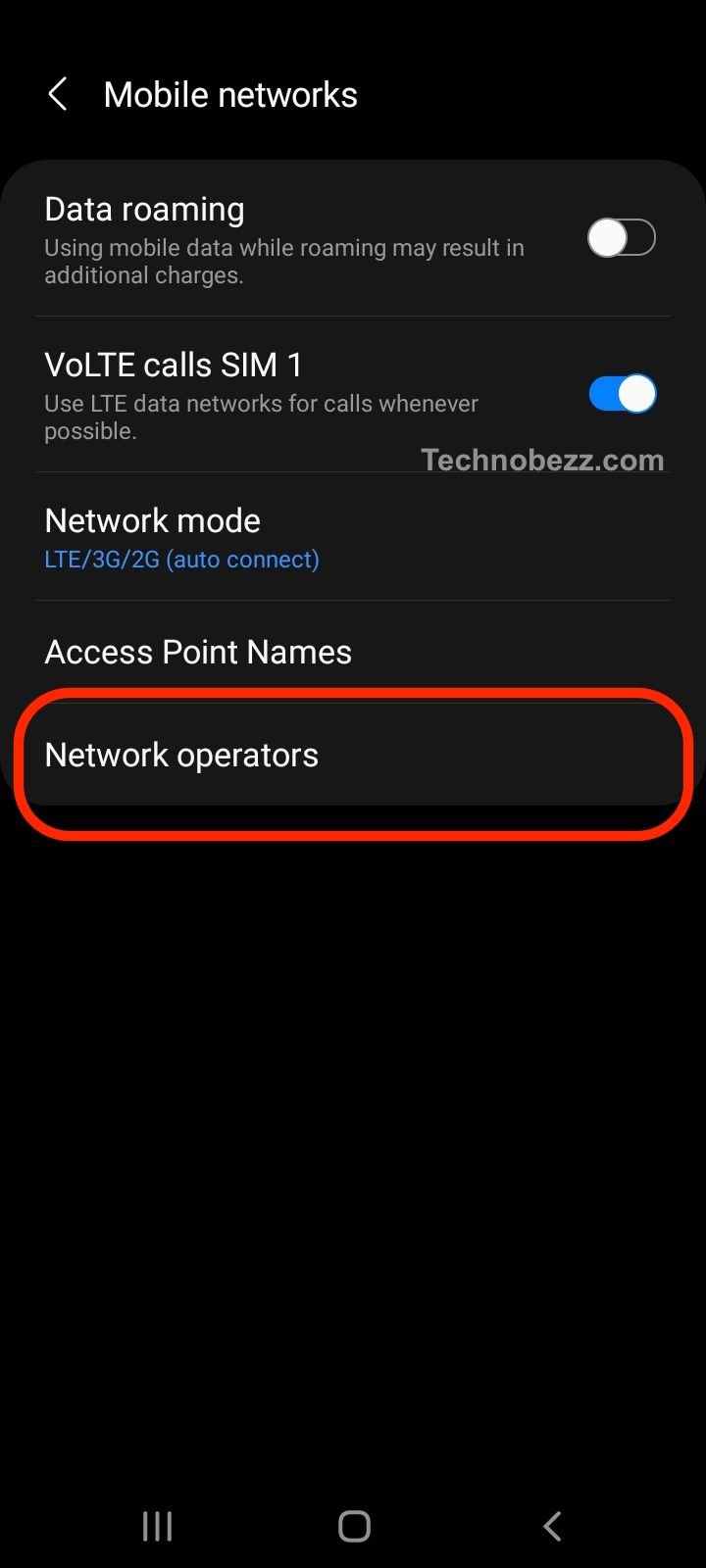
- Go to Settings → Connections → Mobile Networks → Network Operators
- If you only see one carrier, your phone may be locked
- Contact your current carrier to unlock your device
Manual Network Selection
Sometimes automatic network selection fails:
- Go to Settings → Connections → Mobile Networks
- Tap Network Operators → Search Now
- Select your carrier from the list
Boot into Safe Mode
Safe Mode disables all third-party apps, helping you determine if an app is causing the SIM detection issue:
For most Samsung phones:
- 1.Press and hold the Power button
- 2.When "Power off" appears, tap and hold it
- 3.Tap Safe mode when prompted
For other Android phones:
- 1.Press and hold the Power button
- 2.When the power menu appears, press and hold Power off
- 3.Tap OK to restart in Safe Mode
If your SIM works in Safe Mode, a recently installed app is likely causing the problem. Uninstall apps one by one to identify the culprit.
Verify Your IMEI Number
A corrupted or invalid IMEI can prevent your phone from connecting to cellular networks:
- 1.Open your phone's dialer
- 2.Type *#06# and press call
- 3.Your IMEI number should appear
- 4.If the IMEI shows as "null," "unknown," or contains invalid characters like "0000000000," your phone's software may be corrupted
A valid IMEI should be a 15-digit number. If your IMEI is corrupted, you may need professional service or a factory reset.
Check for 5G SIM Compatibility
If you recently upgraded to a 5G phone, your older SIM card might not support 5G networks. Contact your carrier to get a 5G-compatible SIM card, or ask about converting to an eSIM.
Consider eSIM
If your physical SIM keeps failing and your phone supports eSIM, ask your carrier about converting to a digital SIM. Many users have resolved persistent "No SIM" issues this way, and eSIM eliminates physical connection problems entirely.
Factory Reset
If nothing else works and the problem appears to be software-related, a factory reset may help. Back up all your data first:
- Go to Settings → General Management
- Tap Reset
- Select Factory data reset
- Follow the prompts to complete the reset
Common Questions
Why is my SIM card not being recognized?
It could be dust in the tray, a software glitch, physical SIM damage, or a carrier issue. Start by cleaning the SIM card and tray, then restart your phone. Test the SIM in another device to determine if the card or your phone is the problem.
Do I need a new SIM if I see "No SIM" errors?
Only if the SIM is physically damaged or doesn't work in any phone. Test your SIM card in another unlocked phone first. If it fails there too, contact your carrier for a free or low-cost replacement.
Will a factory reset fix SIM card issues?
A factory reset can resolve software-related SIM detection problems, but it won't fix hardware issues. Always back up your data before resetting, as this erases all content and settings.
How do I enable my SIM card on Android?
Go to Settings → Connections → SIM card manager, and toggle the switch next to your SIM card to enable it. On dual SIM phones, ensure you're enabling the correct slot.
Why does my phone say "No SIM" after a drop?
Dropping your phone can dislodge the SIM card from its slot or damage the SIM tray. Remove and reinsert the SIM card, ensuring it's properly seated. If the tray is bent, you may need a replacement tray.
Can a third-party app cause "No SIM" errors?
Yes, some apps can interfere with network connectivity. Boot your phone into Safe Mode to disable all third-party apps. If the SIM works in Safe Mode, uninstall recently installed apps to find the culprit.
What should I do if my eSIM is stuck on "Activating"?
Restart your phone, ensure you have a stable Wi-Fi connection, enable data roaming, and clear the cache for Google Carrier Services. If the problem persists, delete the eSIM profile and re-add it using your carrier's QR code.