If your laptop battery dies when you're nowhere near an outlet, a good power bank can save your workday. The right portable charger gives you extra hours of productivity without hunting for wall sockets. Our top pick, the Anker Prime Power Bank, delivers serious power for demanding laptops while staying compact enough for travel.
Technobezz is supported by its audience. We may get a commission from retail offers.
8 Best Power Banks for Laptops in 2026
The best laptop power banks of 2026, from the 300W Anker Prime to UGREEN's 145W value pick. Fast-charge MacBooks and more on the go, all TSA-friendly.
T
Technobezz
Editorial Team
Updated June 15, 2026Jun 15, 2026
•9 min read

Get Deals Like These in Your Inbox
The best prices, reviewed weekly.
At a Glance
| Category | Product | Why We Picked It |
|---|---|---|
| Best overall | Anker Prime Power Bank (26K, 300W) | Combines high capacity with fast charging for multiple devices |
| Best value | UGREEN Nexode 25,000mAh (145W) | Offers laptop charging at a reasonable price |
| Best for slim design | Baseus Blade Pro (20K, 100W) | Ultra-thin profile that fits in laptop sleeves |
| Best for multi-device charging | BioLite Charge 100 Max | Handles laptops, phones, and accessories simultaneously |
| Best compact | Anker Nano Power Bank (10K, 45W) | Pocket-sized with built-in cable convenience |
| Also recommended | INIU 65W 20,000mAh | Solid budget pick |
| Also recommended | Anker Laptop Power Bank (25K) | Two built-in cables for ultimate convenience |
| Also recommended | Goal Zero Sherpa 100AC | Rugged with an ac outlet for specialty gear |
How we chose
We evaluated power banks based on real-world performance metrics and user feedback. Our assessment considers charging speed, capacity relative to size, port selection, and travel compatibility. We prioritize products that deliver reliable power to laptops while maintaining reasonable portability and safety features. Our evaluation focuses on models that meet airline carry-on regulations while providing meaningful battery life extensions for mobile work.
The best power banks for laptops right now
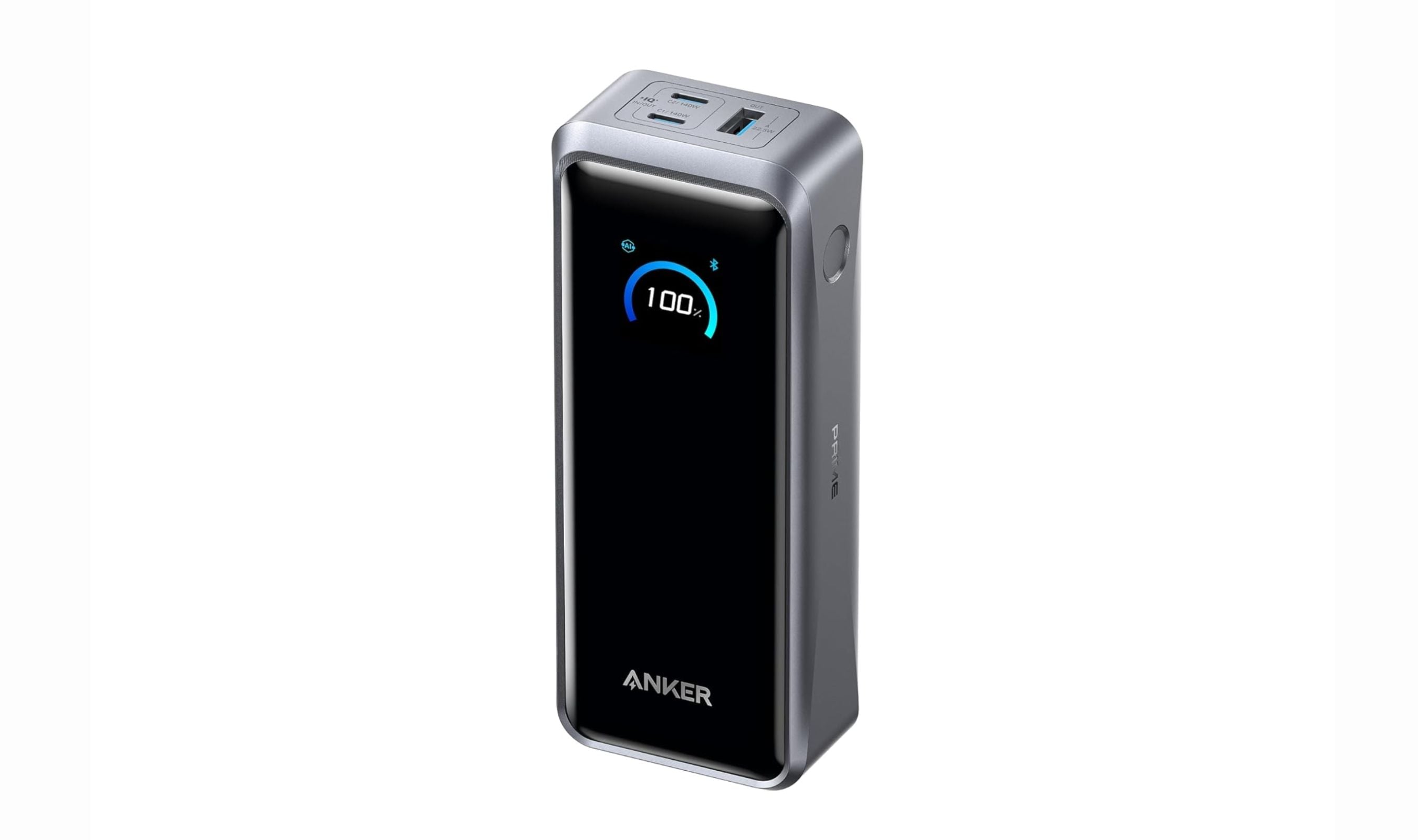
Anker Prime Power Bank (26K, 300W) - Best overall
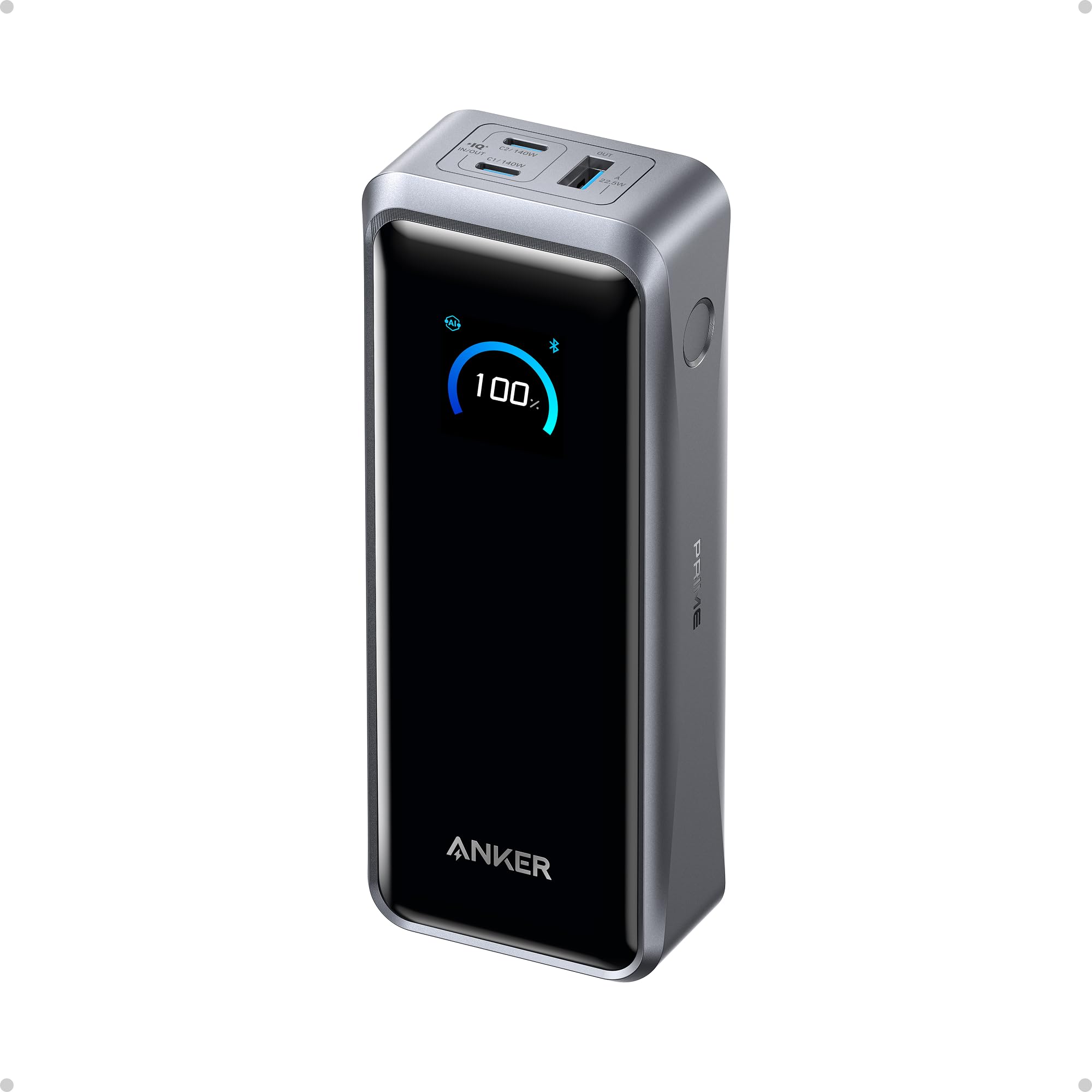
This power bank delivers professional-grade charging in a travel-friendly package. With 300 watts of total output, it can fast-charge multiple high-power devices simultaneously while staying under airline limits.
Key highlights
- 26,250mAh capacity provides multiple laptop charges
- 300W total output across three ports for simultaneous charging
- Smart display shows real-time power data and battery health
- 140W USB-C ports handle demanding laptops at full speed
- Compact design meets TSA carry-on requirements
Pros
- Charges multiple power-hungry devices at once
- Fast recharging capability reduces downtime
- Informative display provides useful charging metrics
- Build quality feels premium and durable
Cons
- Premium price reflects high-end features
- Heavier than basic phone-only power banks
- Optional charging base adds to total cost
Who it is for: Professionals who need to charge laptops, tablets, and phones simultaneously during travel or remote work sessions.
Skip if
You only need occasional phone charging or want the absolute lightest option available.
UGREEN Nexode 25,000mAh (145W) - Best value
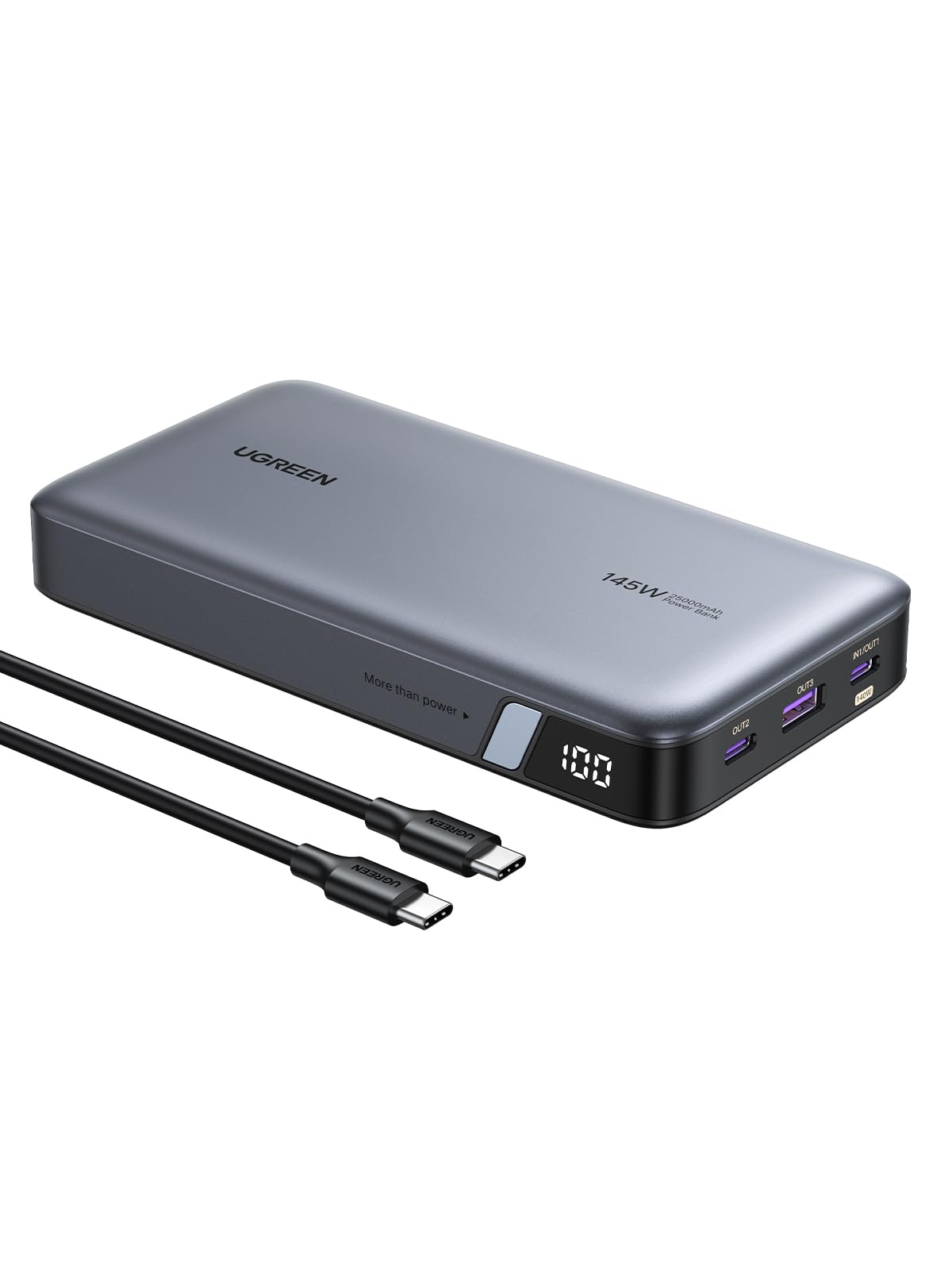
This power bank delivers impressive laptop charging capability at a reasonable price point. It provides enough power for most workdays away from outlets without breaking the bank.
Key highlights
- 25,000mAh capacity offers multiple device charges
- 145W total output handles laptops efficiently
- Three-port design supports simultaneous charging
- Compact form factor for its capacity
- Basic but functional display shows battery status
Pros
- Excellent price-to-performance ratio
- Charges laptops at meaningful speeds
- Multiple ports for family or team use
- Reliable performance for daily commuting
Cons
- Display lacks advanced metrics of premium models
- Slightly heavier than phone-focused power banks
- Design is functional rather than stylish
Who it is for: Budget-conscious travelers and students who need reliable laptop charging without premium features.
Skip if
You require the fastest possible charging speeds or advanced monitoring features.
Baseus Blade Pro (20K, 100W) - Best for slim design
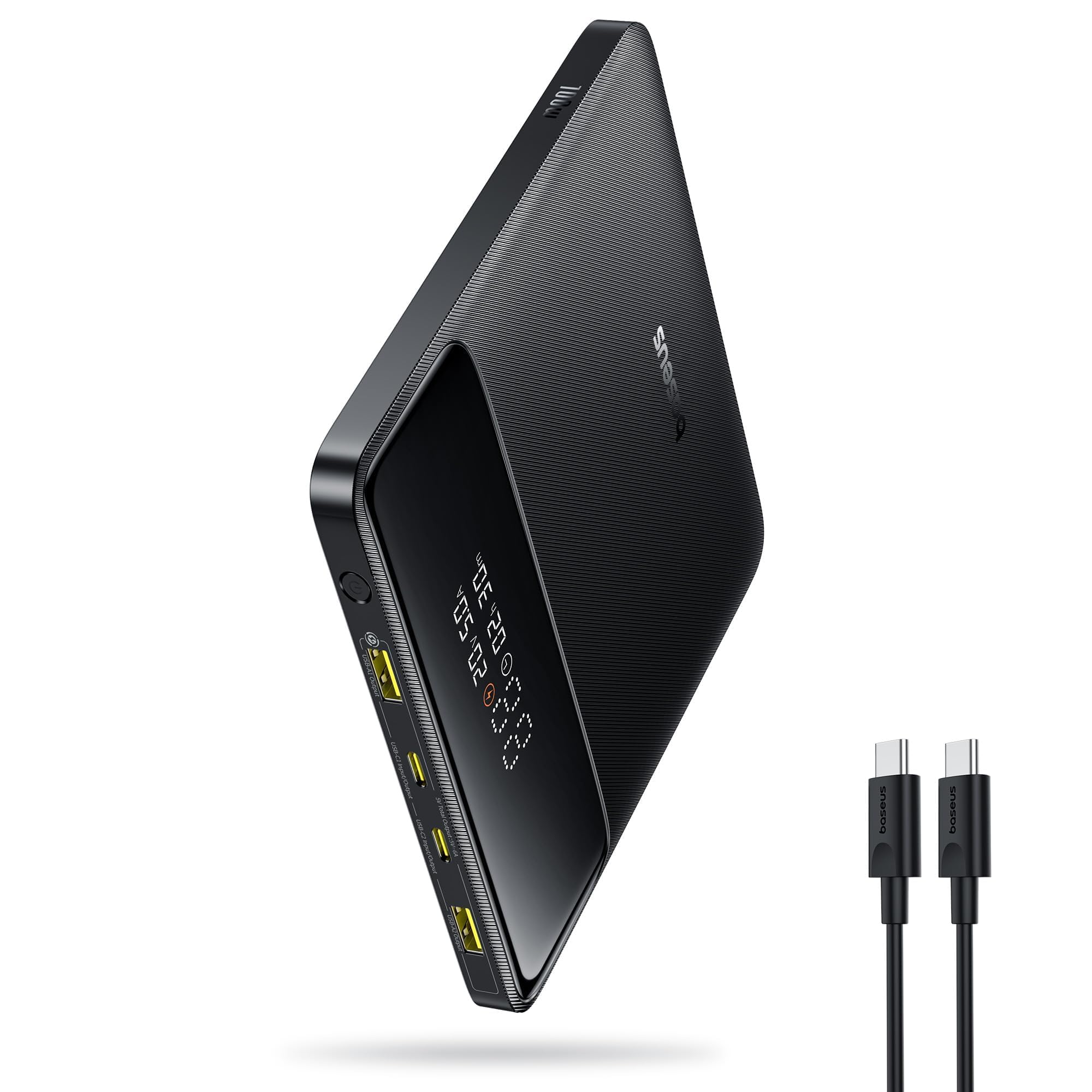
This remarkably thin power bank slides easily into laptop bags without adding bulk. Its flat profile makes it ideal for professionals who prioritize portability alongside charging capability.
Key highlights
- Ultra-thin 0.8-inch profile fits in tight spaces
- 20,000mAh capacity provides useful laptop boosts
- 100W USB-C output charges most laptops effectively
- Premium metal construction feels durable
- HD display shows detailed charging information
Pros
- Exceptionally slim design for easy packing
- Premium build quality with metal chassis
- Fast charging for laptops and phones
- Informative display with real-time data
Cons
- Higher price than some thicker alternatives
- 100W maximum may not satisfy power-hungry workstations
Who it is for: Professionals who want a power bank that disappears in their laptop bag or sleeve.
Skip if
You need maximum power output or multiple device charging ports.
BioLite Charge 100 Max - Best for multi-device charging
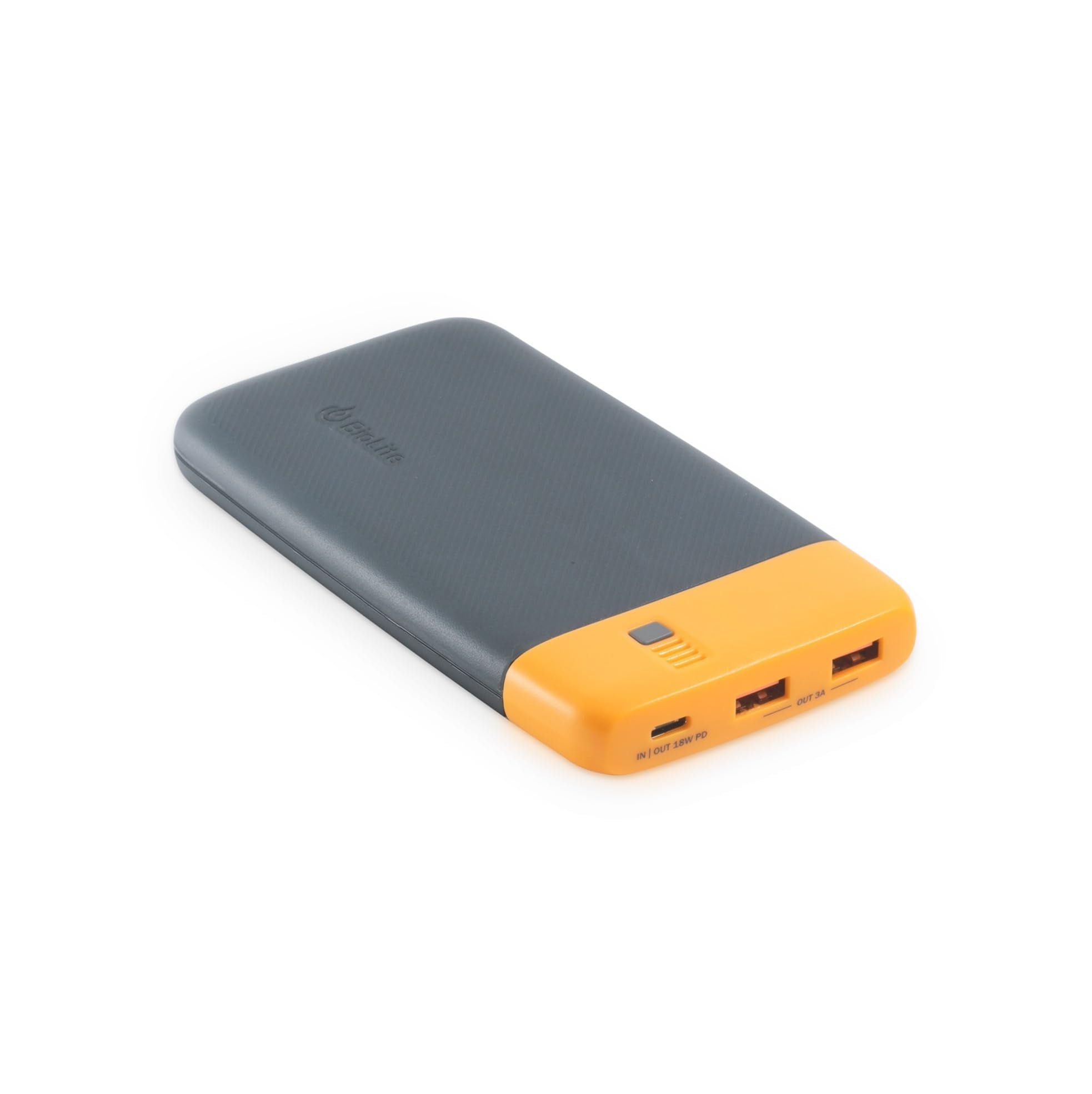
This versatile power bank handles entire device ecosystems with multiple charging options. It's particularly useful for travelers carrying laptops, phones, and accessories.
Key highlights
- 25,000mAh capacity provides multiple laptop charges
- 100W USB-C output charges most laptops effectively
- Rugged construction suitable for outdoor use
- Company focuses on sustainable practices
Pros
- Charges up to three devices simultaneously
- Durable build quality for travel
Cons
- Bulkier than single-purpose power banks
- No digital display for battery monitoring
Who it is for: Travelers who need a rugged multi-device charger for laptops, phones, and accessories.
Skip if
You prioritize minimal size or only need to charge one device at a time.
Anker Nano Power Bank (10K, 45W) - Best compact
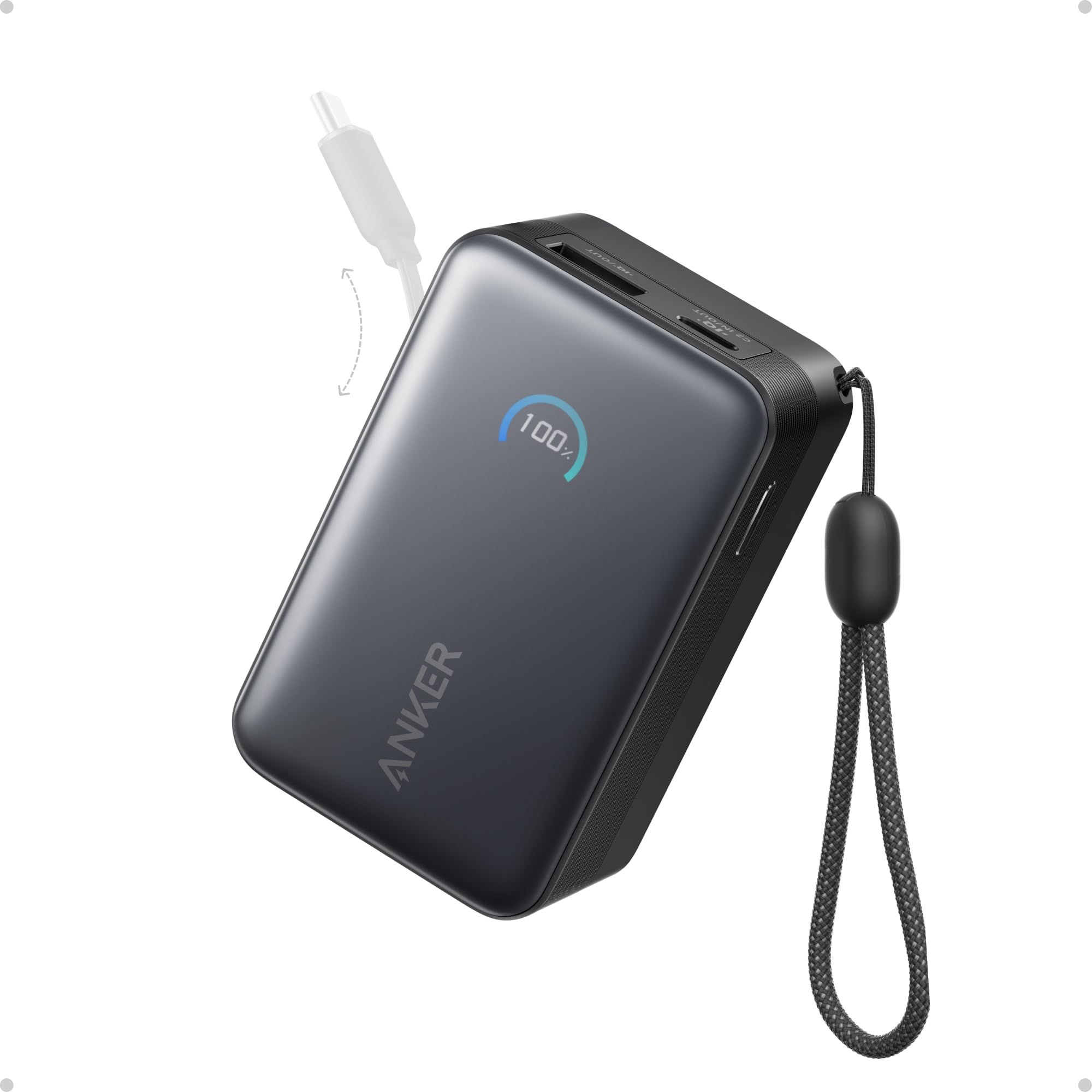
This tiny power bank provides emergency laptop charging in a pocket-friendly package. Its built-in cable makes it perfect for grab-and-go situations when you need just enough power to finish your work.
Key highlights
- Extremely compact 10,000mAh design
- Built-in retractable USB-C cable
- 45W output provides useful laptop boosts
- Lightweight for everyday carry
- Flight-approved for travel
Pros
- Tiny size makes it easy to always have with you
- Built-in cable eliminates accessory hunting
- Fast charging for phones and light laptops
- Affordable price for daily convenience
Cons
- Limited capacity for full laptop charges
- Single port restricts simultaneous charging
- Not suitable for power-hungry workstations
Who it is for: Commuters and casual users who need occasional laptop boosts in a tiny package.
Skip if
You need all-day laptop power or multiple device charging.
Also Good
- INIU 65W 20,000mAh - solid budget pick.
- Anker Laptop Power Bank (25K) - two built-in cables for ultimate convenience. Check Price on Anker
- Goal Zero Sherpa 100AC - rugged with an ac outlet for specialty gear.
How to Choose
Consider these factors when selecting a laptop power bank:
Output wattage matters most: Match or exceed your laptop's charger wattage. Most ultrabooks need 45–65W, while powerful laptops require 100W+. Check your laptop's power adapter for its wattage rating.
Capacity determines runtime: 20,000mAh is the practical minimum for meaningful laptop charging. Higher capacity means more charges but adds weight and size. Consider how many full charges you realistically need between outlet access.
Port selection affects convenience: Multiple USB-C ports let you charge laptops and phones simultaneously. USB-A ports support older devices. Some models include wireless charging pads for accessory convenience.
Size and weight impact portability: Slim designs fit in laptop sleeves, while higher-capacity models belong in backpacks. Balance the power you need against what you're willing to carry daily.
Travel regulations apply: Stay under 100Wh (about 27,000mAh) for hassle-free airline carry-on. Most quality power banks display their watt-hour rating for easy verification.
FAQ
Can I bring a laptop power bank on a plane?
Yes, power banks under 100 watt-hours (about 27,000mAh) are allowed in carry-on luggage. They must not be placed in checked bags due to safety regulations. Always check specific airline policies as some have additional restrictions.
How many times can a power bank charge my laptop?
It depends on both capacities. A 25,000mAh power bank typically provides 1–1.5 charges for a modern laptop. Smaller laptops get more charges, while power-hungry workstations get fewer. Real-world results are always less than theoretical calculations due to conversion losses.
Do I need special cables for fast laptop charging?
Yes, use USB-C cables rated for your power bank's maximum output. Standard phone cables often limit charging speed. Look for cables marked with their wattage rating (like 100W) to ensure full performance.
How long do power banks last?
Quality power banks maintain useful capacity for 2–3 years with regular use. Lithium-ion batteries gradually lose capacity over time. Store at partial charge (50–70%) during extended non-use to maximize lifespan.
Can I charge the power bank while using it to charge my laptop?
Some models support pass-through charging, but performance varies.
Published April 25, 2026 Last updated June 15, 2026
Share this article
More in News
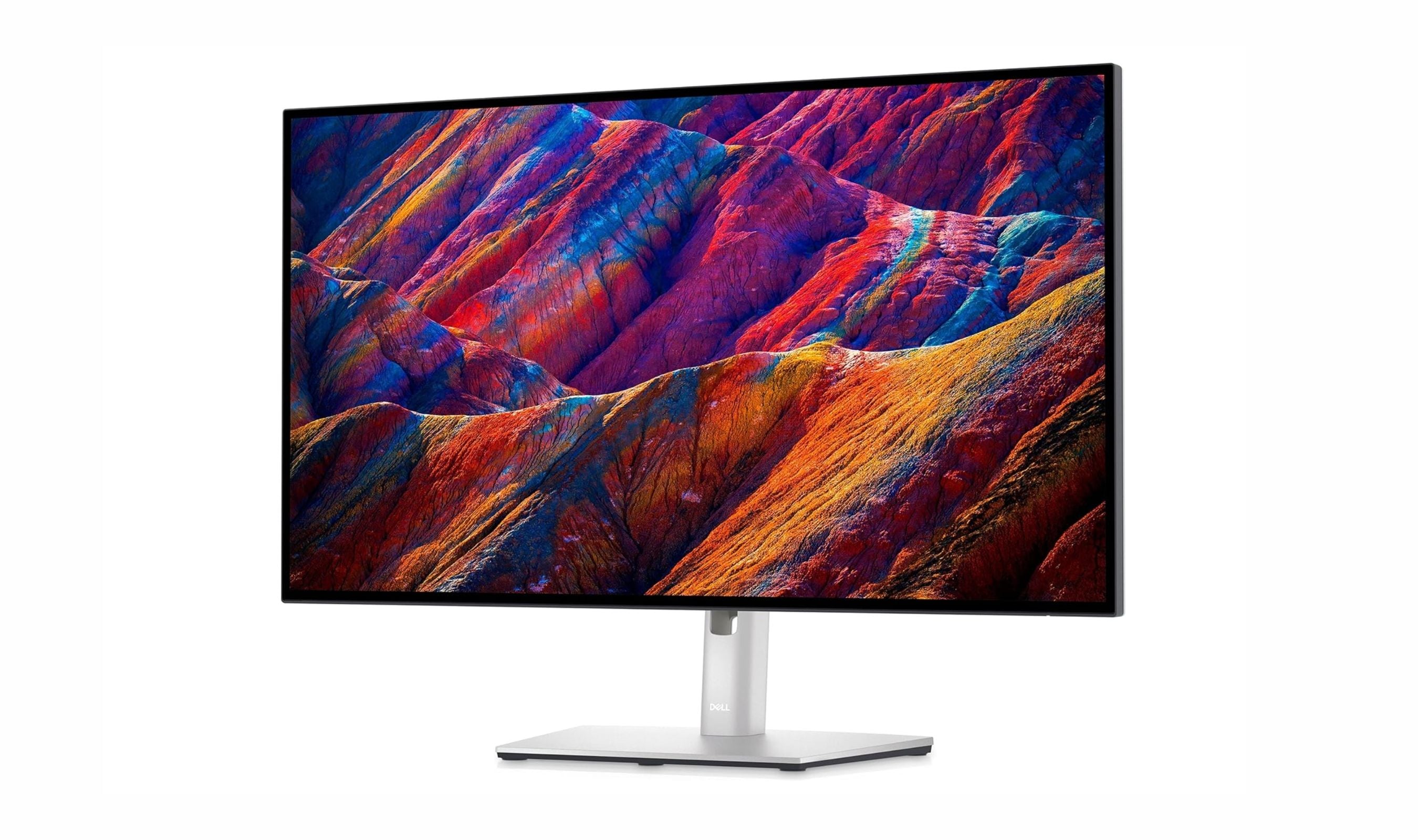
8 Best Monitors for MacBook in 2026
Dell UltraSharp U2723QE leads our 2026 picks for MacBook monitors. Get 4K clarity, USB-C charging, and seamless macOS integration from budget to premium displays.
4 min read
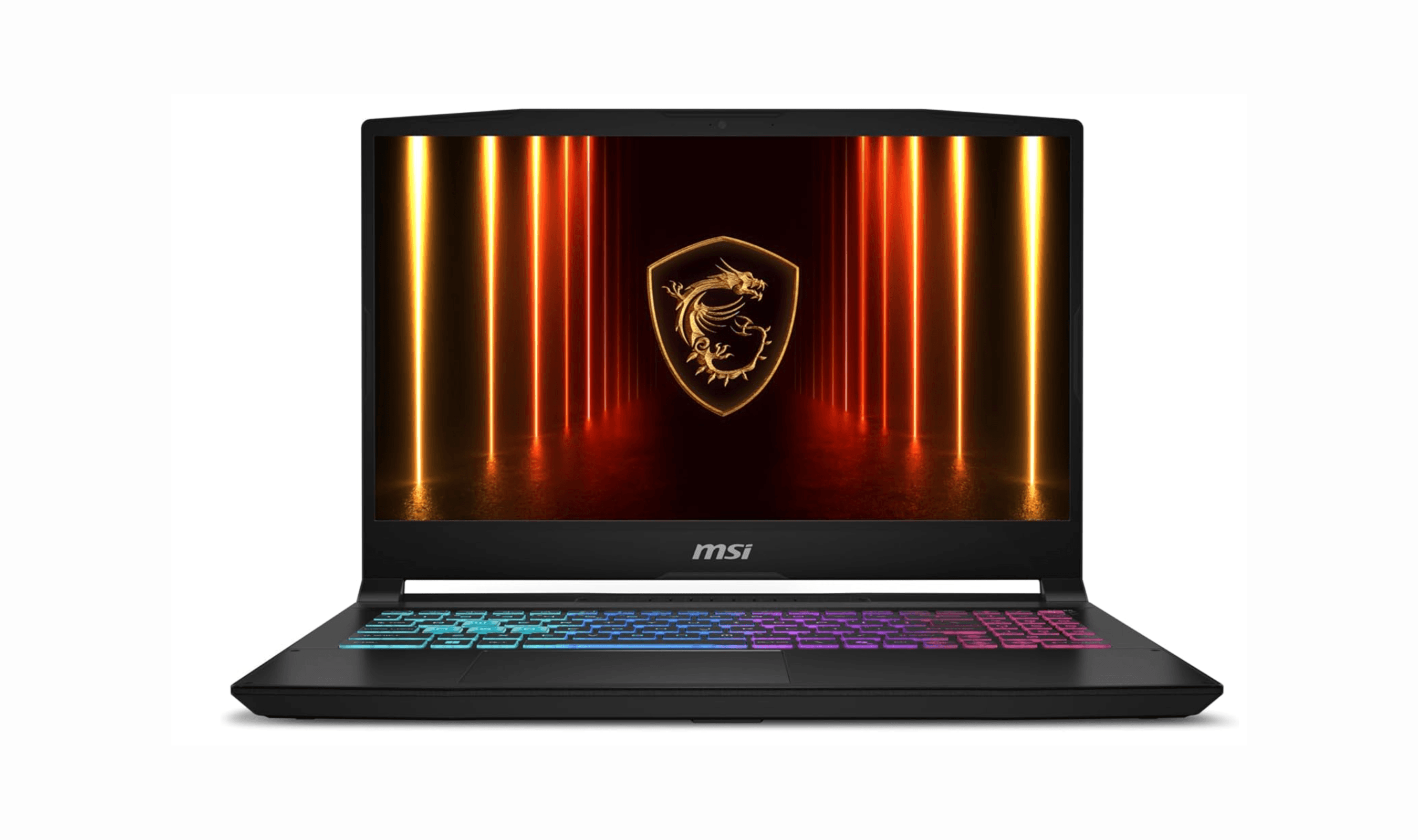
8 Best Budget Gaming Laptops for 2026
We rank the 8 best budget gaming laptops for 2026, from the $799 Acer Nitro V 15 to the RTX 5070 MSI Katana 15 HX, our top pick, plus an OLED Lenovo Legion 5i.
5 min read
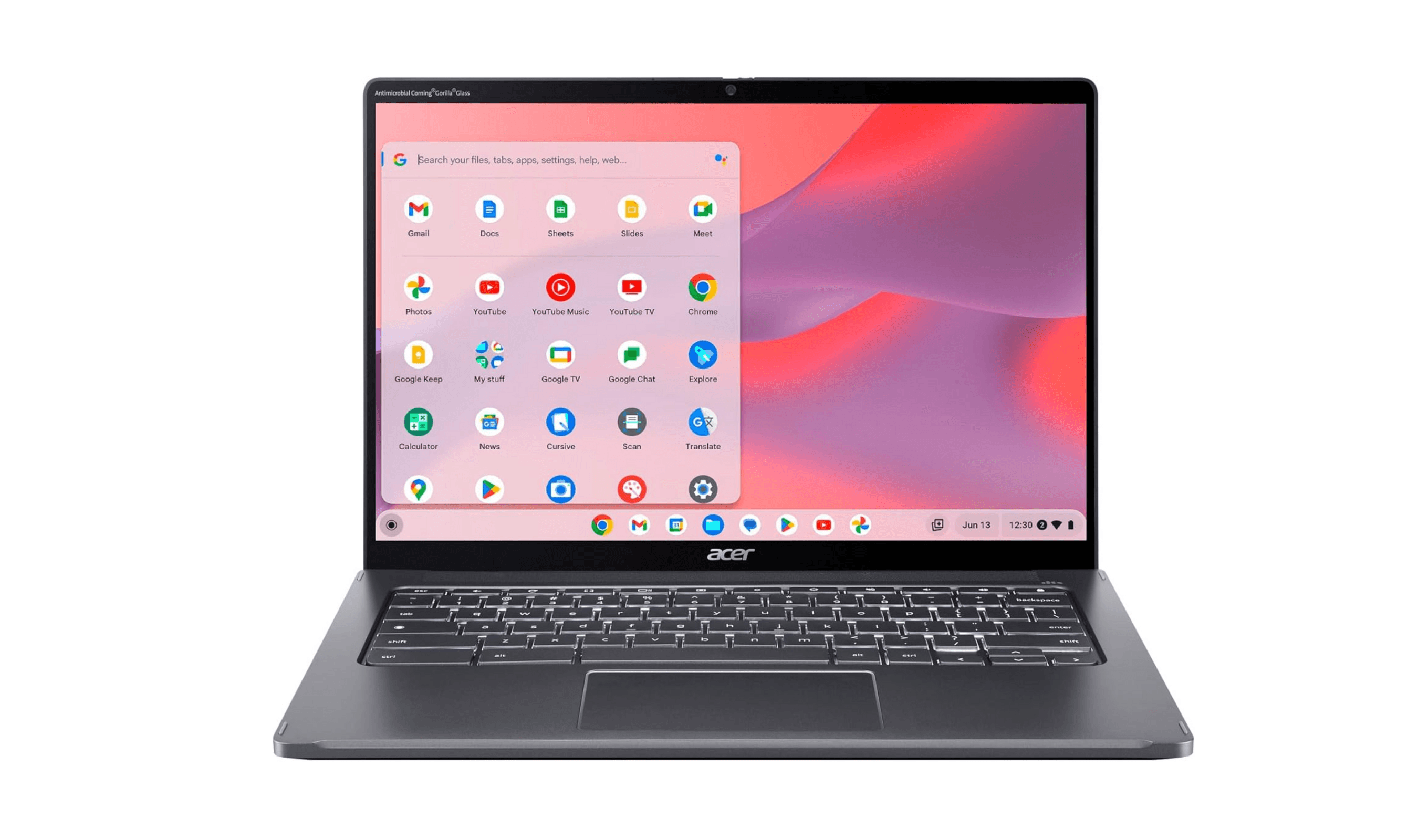
The 7 Best Laptops for High School Students of 2026
Discover the best laptops for high school in 2026. Our top pick, the Apple MacBook Air M4, leads for power, battery, and durability.
5 min read
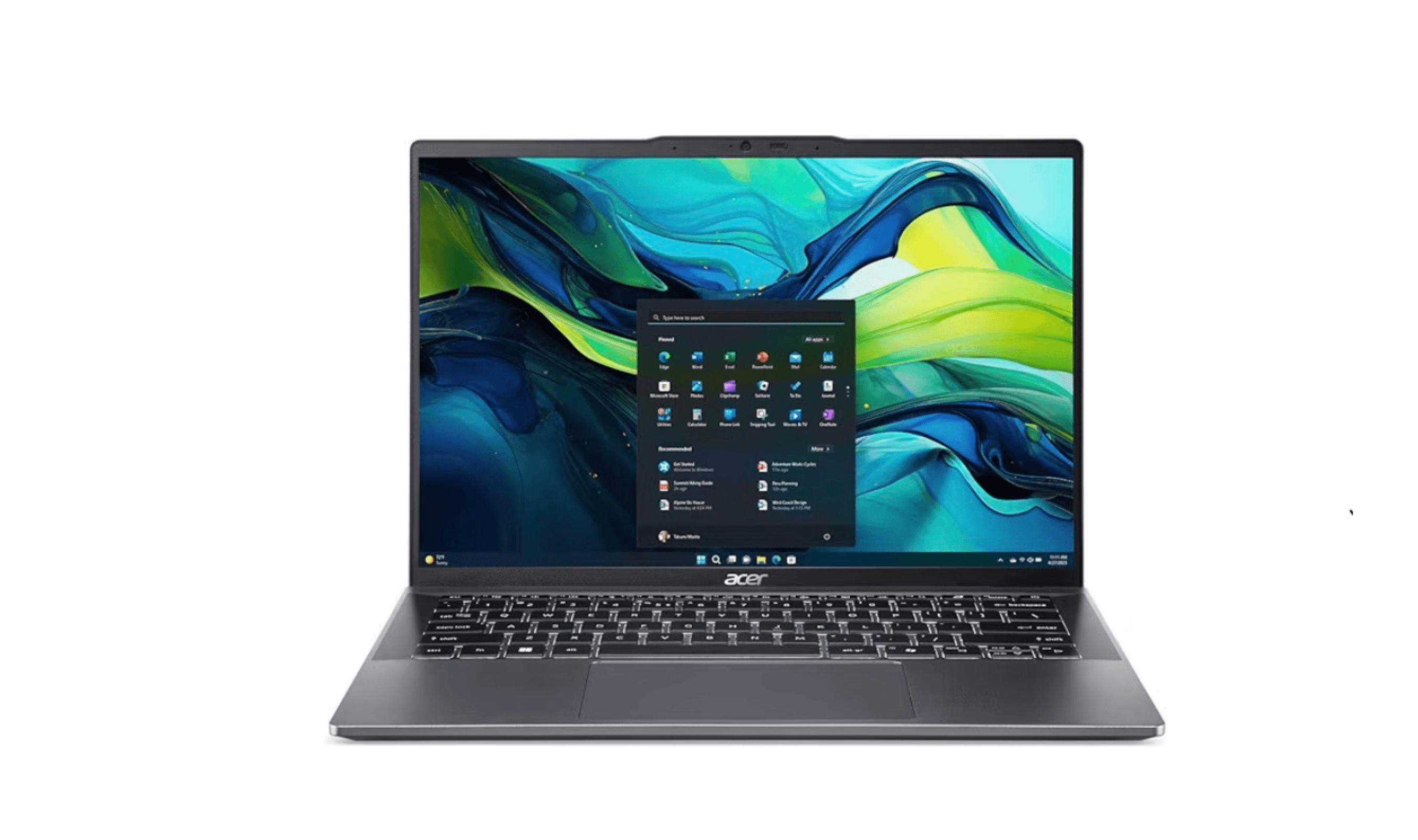
8 Best Laptops for Home Use in 2026
Discover the best laptops for home use in 2026. Our top pick is the Dell 14 Plus for its balanced performance and excellent battery life.
4 min read
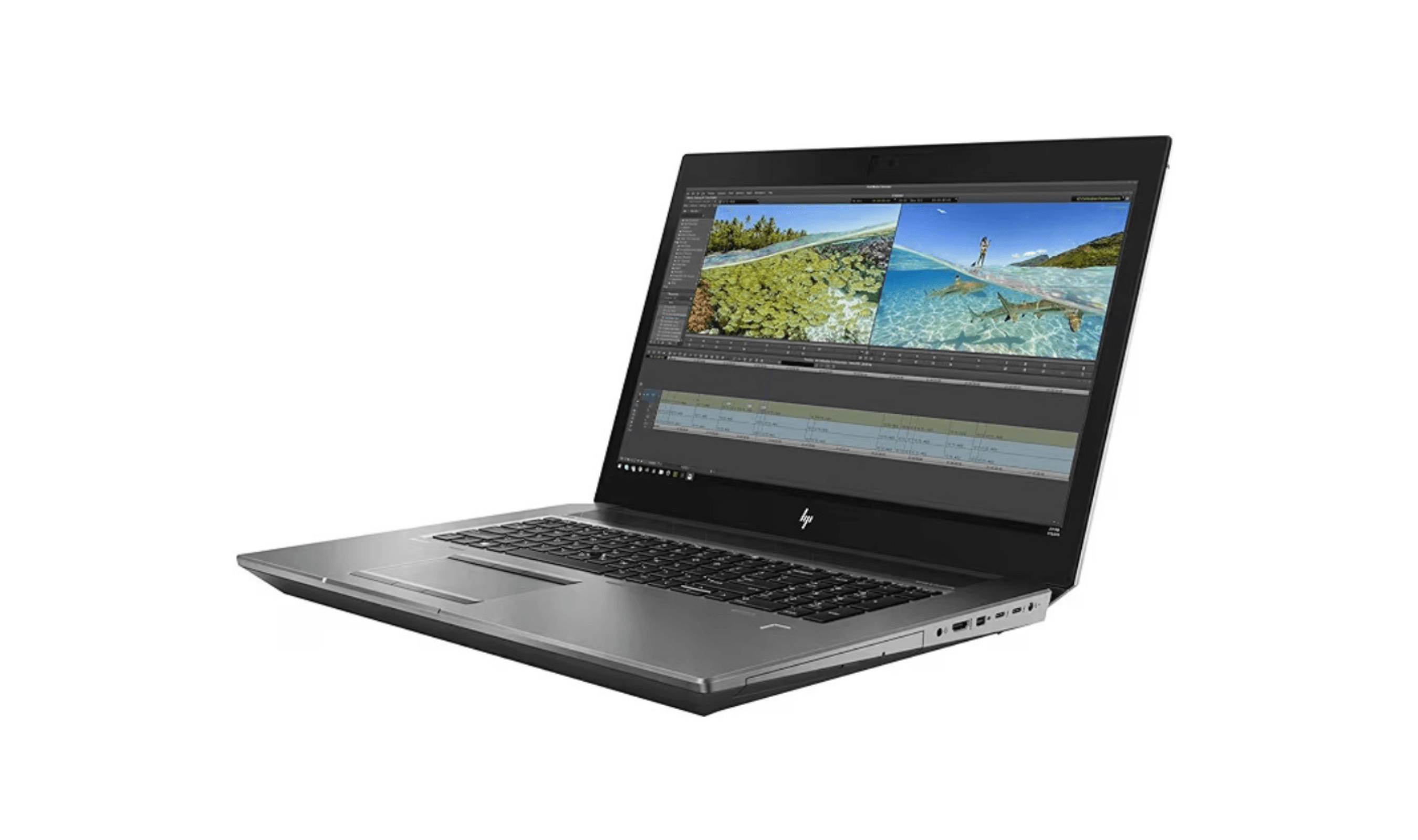
Best Laptops with CD Drives in 2026
5 min read
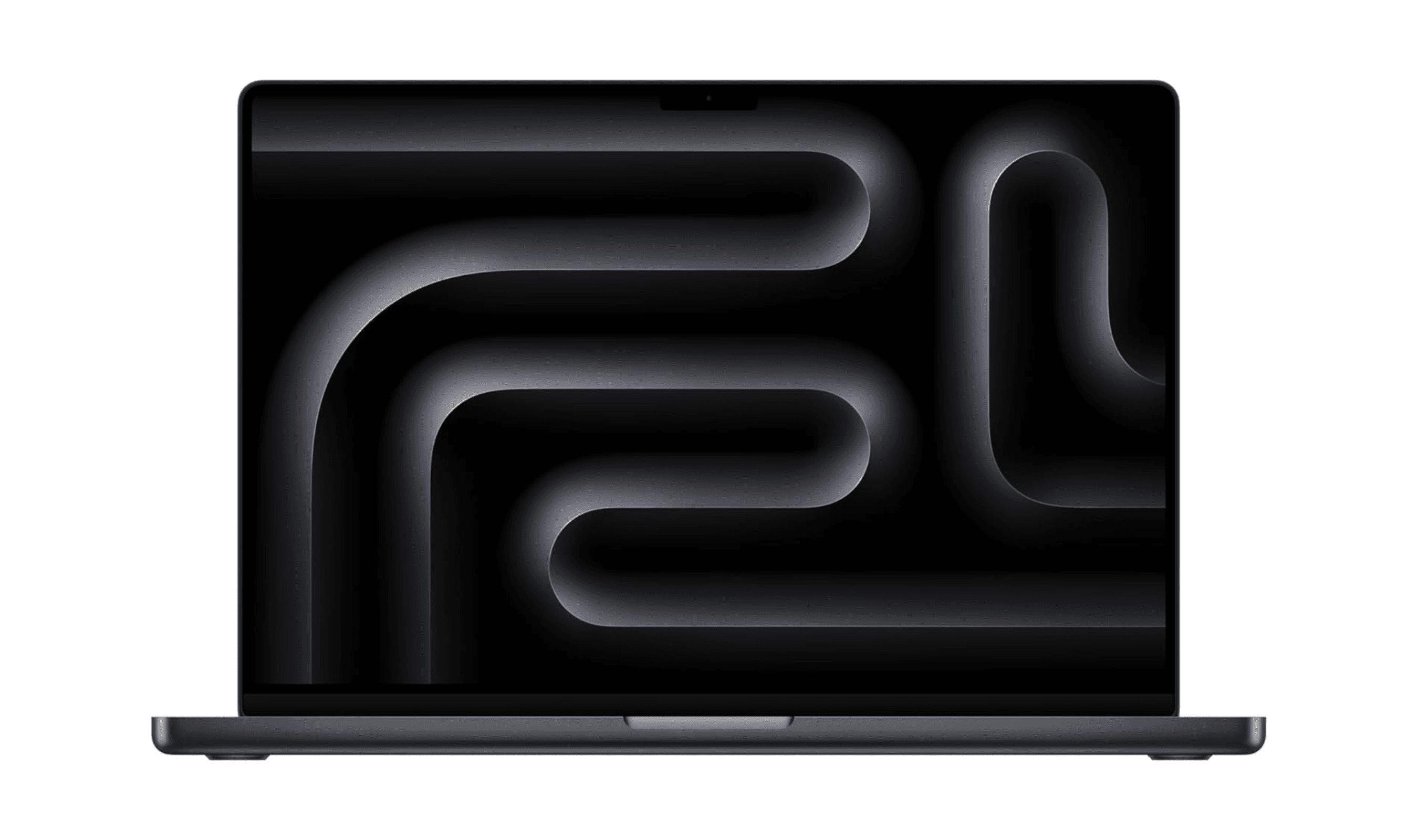
8 Laptops with the Best Battery Life to Buy in 2026
4 min read
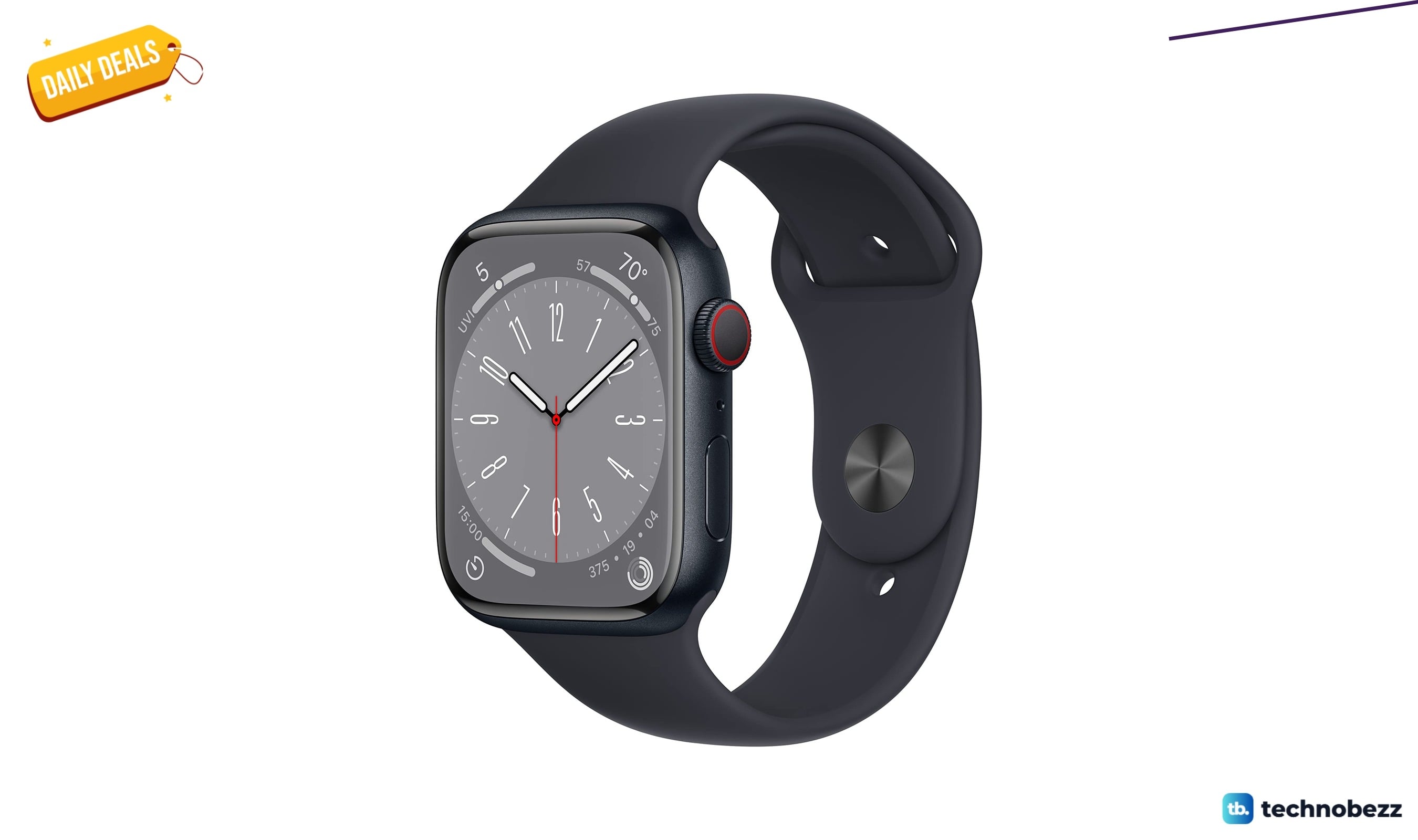
Apple Watch Series 8 [GPS + Cellular slips to $437.69
5 min read
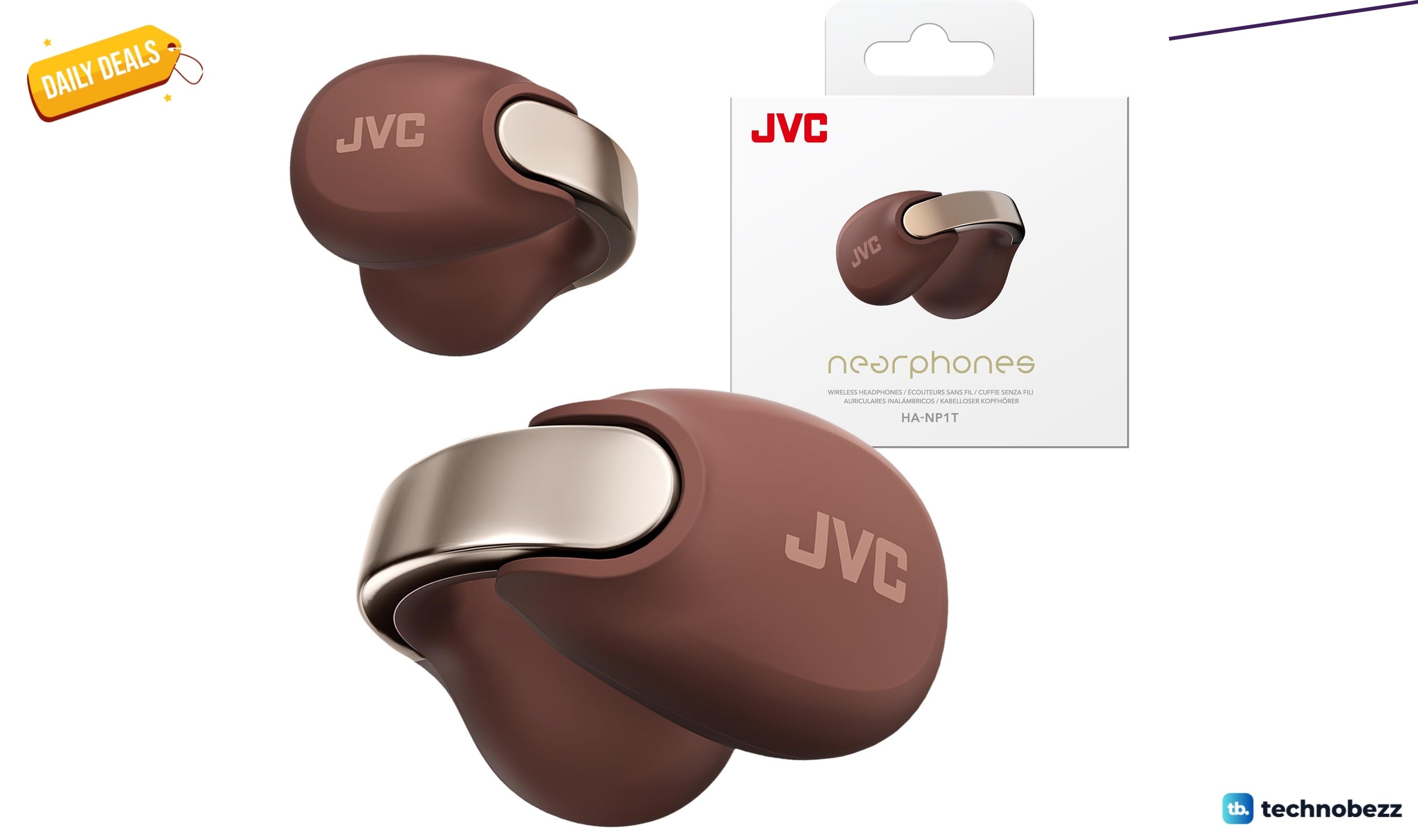
JVC Nearphones Open Ear True Wireless Headphones on sale for $99.99
4 min read

LG 55-inch QNED evo AI Mini LED on sale for $699.99
3 min read
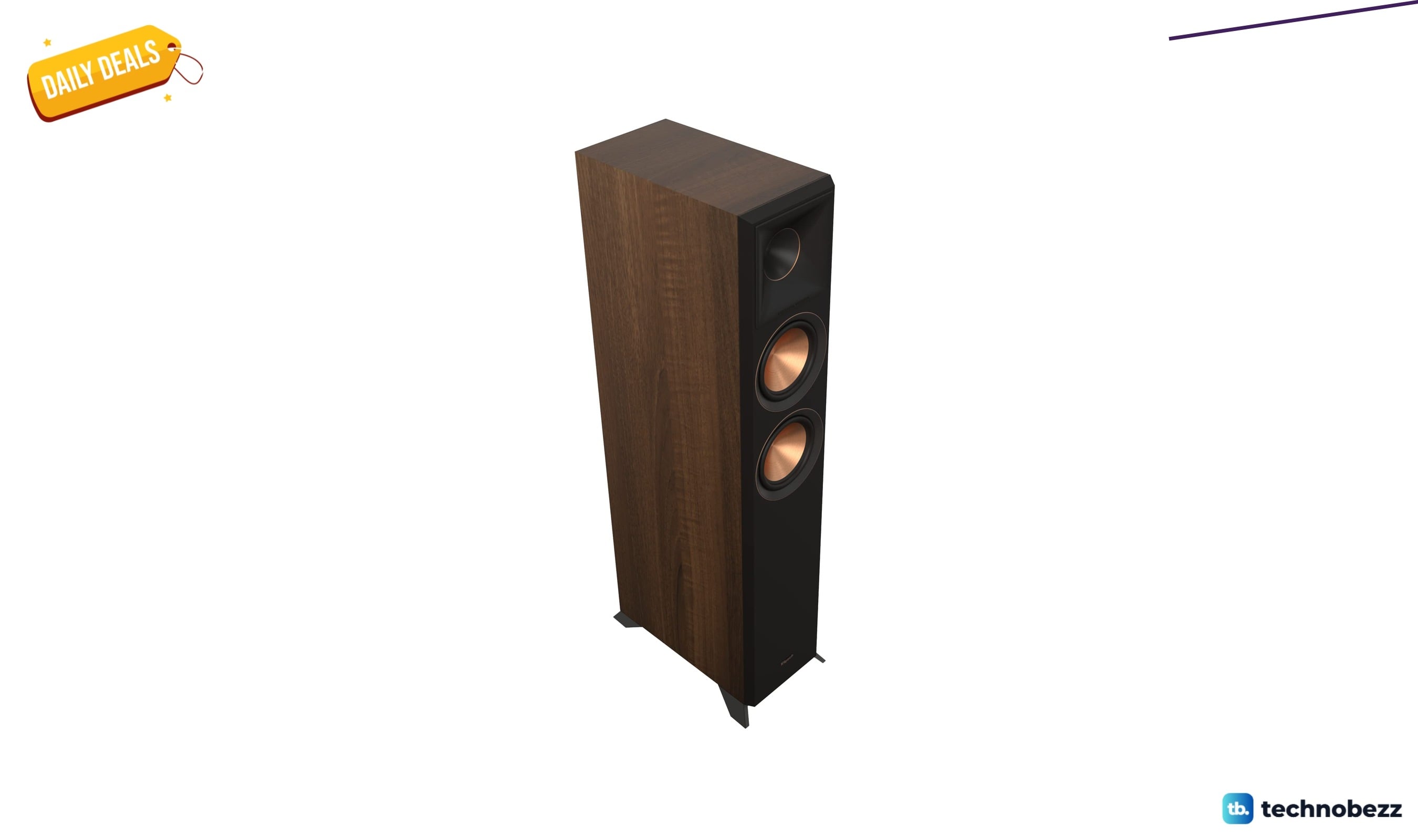
Klipsch Reference Premiere RP-8060FA II Home Theater slips to $899.99
5 min read
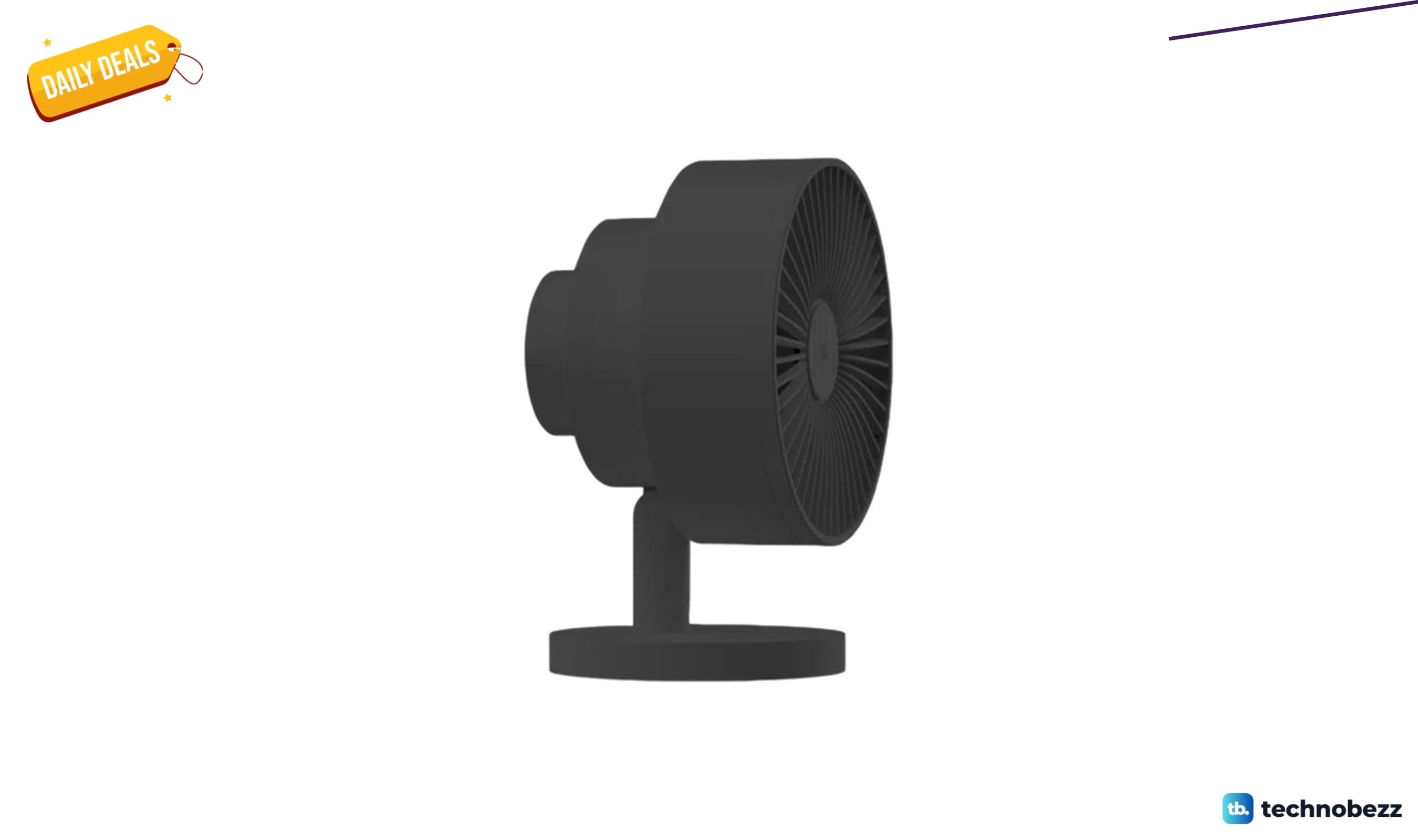
Windmill smart air circulator fan for $59.00 at Wayfair
5 min read
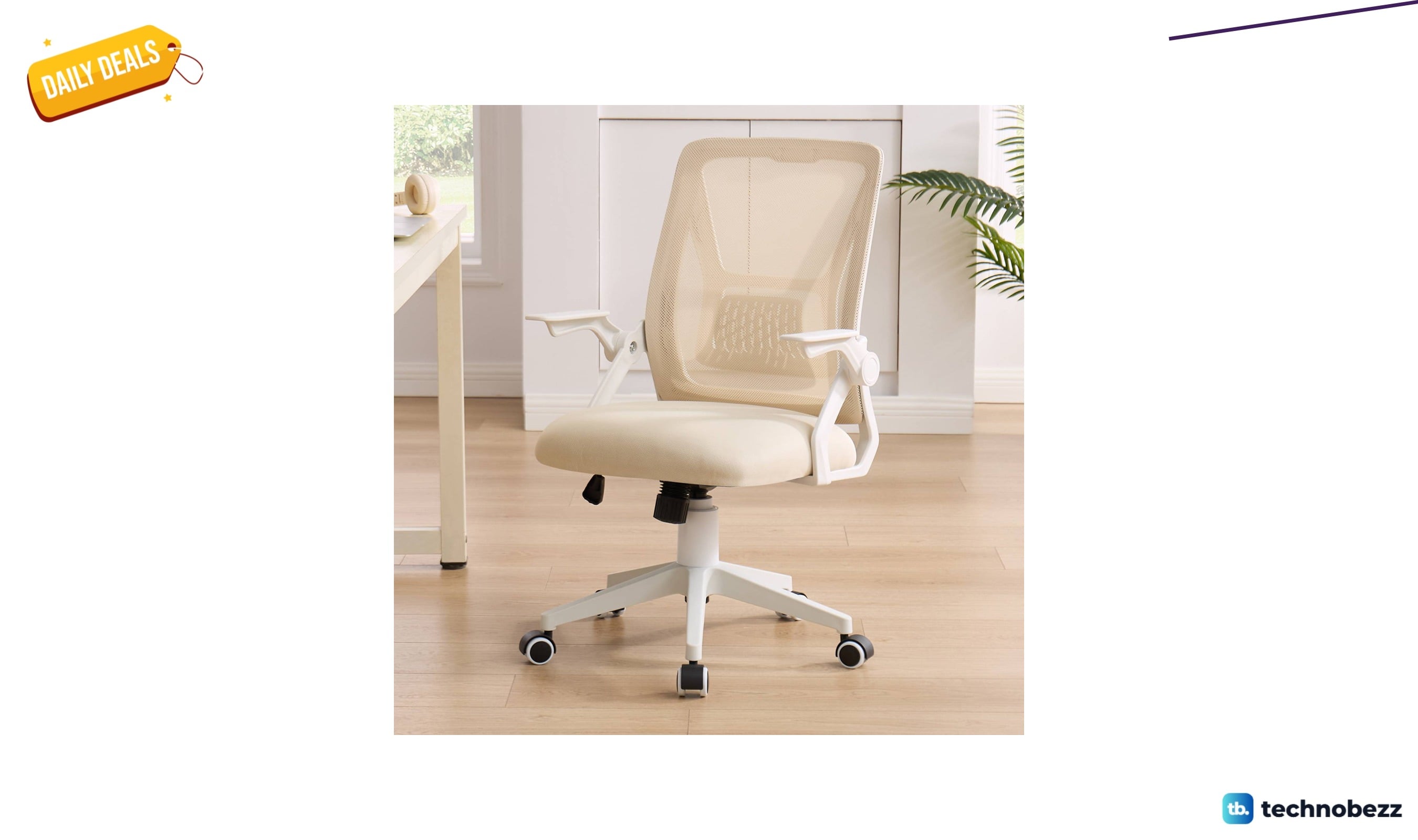
Inbox Zero Norrin mesh office chair for $88.99 at Wayfair
4 min read