Finding the right espresso machine means balancing your budget, kitchen space, and how much control you want over your coffee. The Breville Bambino Plus stands out as our top pick because it delivers cafe-quality espresso in a compact package without overwhelming beginners. Whether you're making your first latte or dialing in your tenth shot of the morning, this list covers machines that actually work in real kitchens.
Technobezz is supported by its audience. We may get a commission from retail offers.
6 Best Espresso Machines for 2026
Breville Bambino Plus leads our picks for 2026. We tested top models for quality, value, and ease of use in real kitchens.
T
Technobezz
Editorial Team
Updated June 16, 2026Jun 16, 2026
•7 min read

Get Deals Like These in Your Inbox
The best prices, checked by our editors.
At a Glance
| Category | Product | Why We Picked It |
|---|---|---|
| Best overall | Breville Bambino Plus | Compact size with professional features |
| Best value | Breville Bambino | Similar performance at a lower price point |
| Best for beginners | De'Longhi La Specialista Opera | Guided brewing with cold extraction |
| Best high-end | Diletta Bello+ Espresso | Commercial-grade control for serious enthusiasts |
| Best pod system | Nespresso Vertuo Pop+ | Fastest setup with consistent results |
| Also recommended | Gaggia Classic | Legendary starter machine for home baristas |
How we chose
Our selection prioritized machines that deliver excellent espresso and are a pleasure to use daily. We evaluated critical performance factors like temperature stability, steam power, and build quality across various price points. Our final list balances manual control for enthusiasts with automated convenience, ensuring a great match for different users.
The best espresso machine right now
Breville Bambino Plus - Best overall
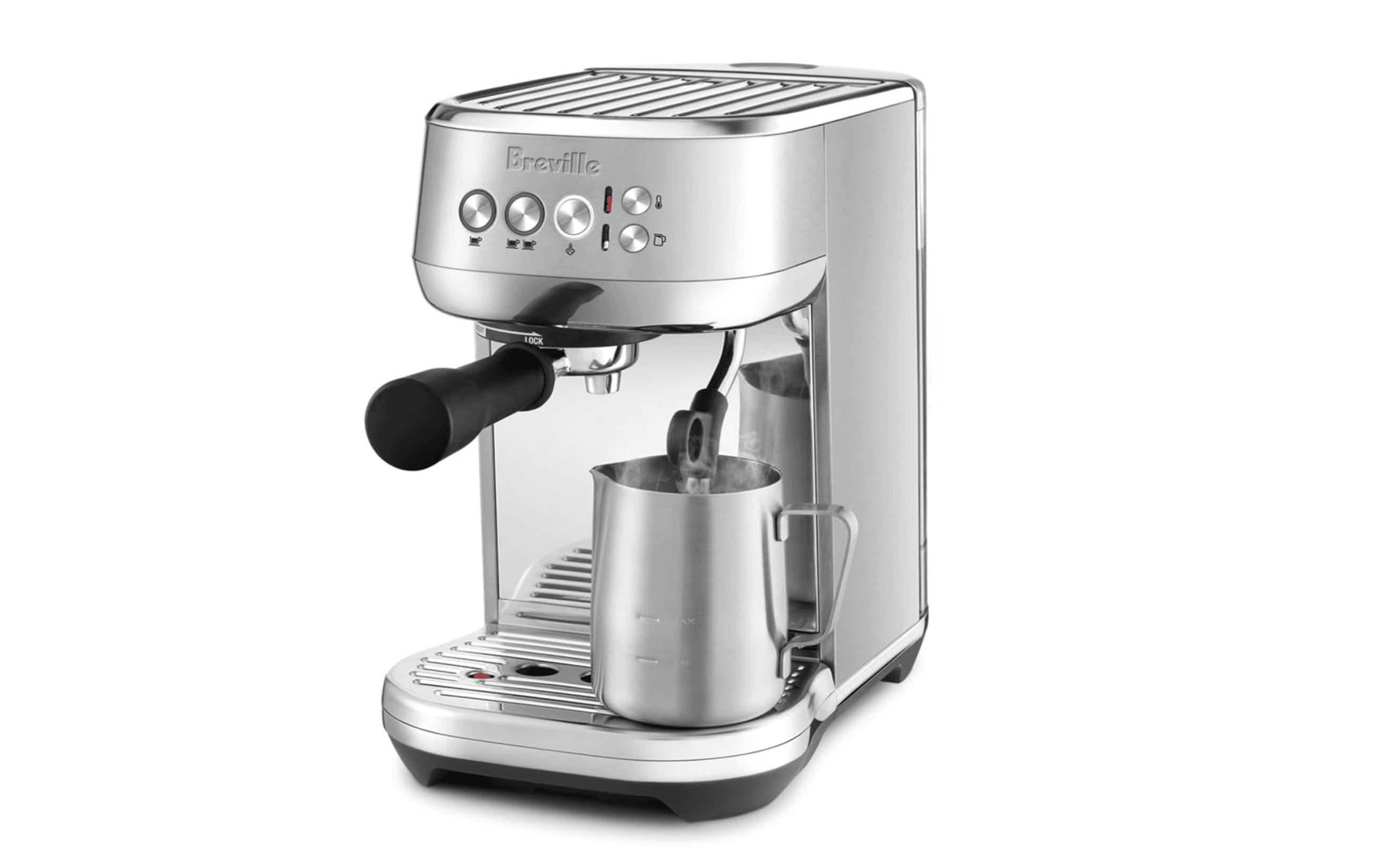
This compact machine punches above its weight with professional features like PID temperature control and automatic milk frothing in a footprint that fits small kitchens. It heats up in seconds, not minutes, making it perfect for busy mornings.
Key highlights
- 3-second heat-up time gets you brewing immediately
- PID temperature controller maintains consistent brew temps
- Automatic milk frothing with adjustable temperature settings
- Compact design fits easily on countertops
- Includes both single and double wall filter baskets
Pros
- Surprisingly fast heat-up means no waiting
- Consistent temperature control improves shot quality
- Auto-purge feature cleans the steam wand automatically
- Compact size works in apartments and small kitchens
Cons
- Portafilter feels lighter than professional models
- Limited programmability compared to higher-end machines
- Requires separate grinder for best results
Who it is for: Anyone who wants cafe-quality espresso without a massive machine taking over their kitchen. It's especially good for apartment dwellers or those with limited counter space.
Skip if
You want extensive programmability or plan to make drinks for large groups regularly.
Breville Bambino - Best value
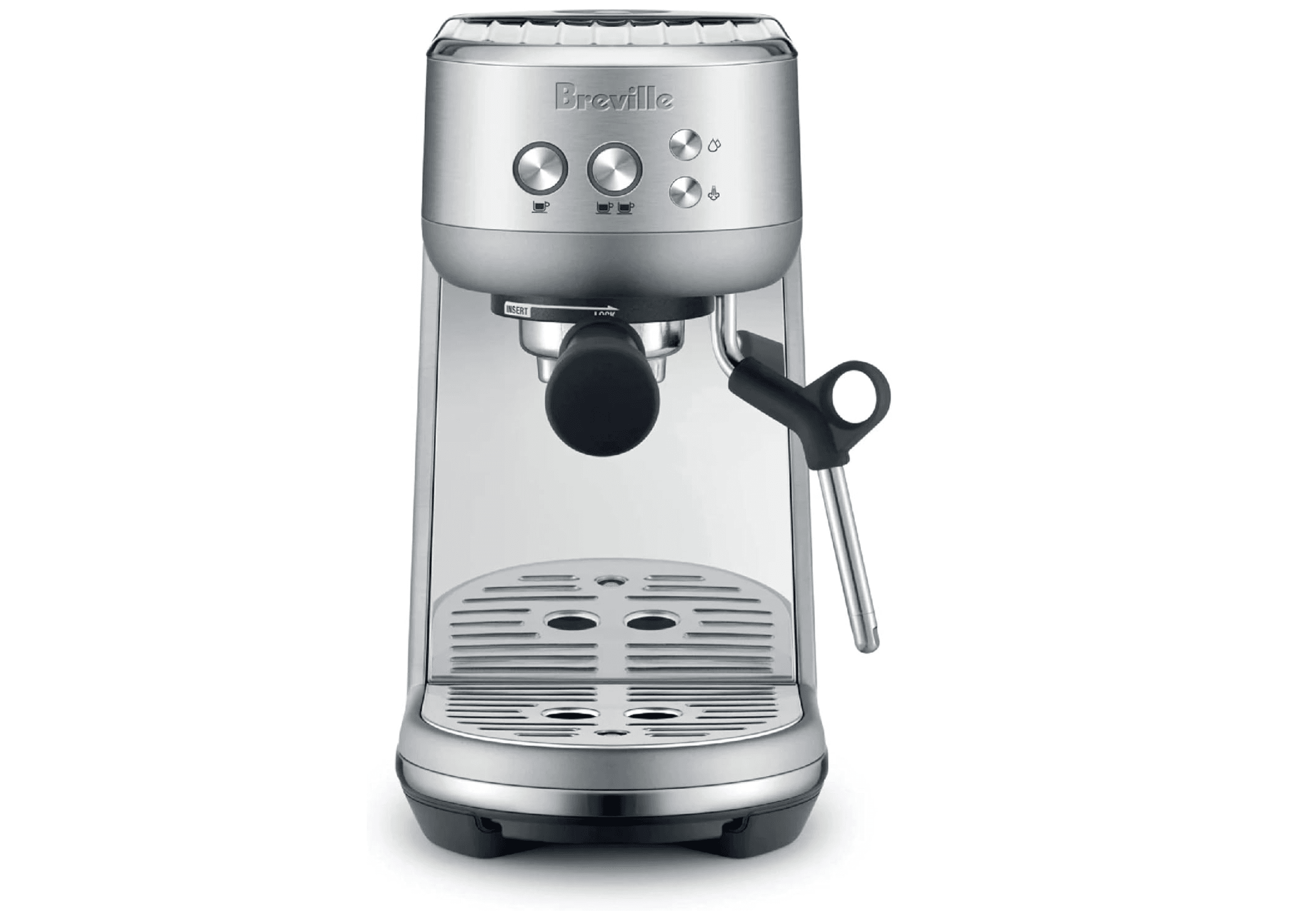
The standard Bambino offers nearly identical performance to the Plus model at a more accessible price point, making it the smart choice for budget-conscious coffee lovers who still want quality.
Key highlights
- Same fast 3-second heat-up as the Plus model
- Compact footprint identical to the more expensive version
- Includes basic milk frothing capability
- Uses same 54mm portafilter system
- Lower price without sacrificing core performance
Pros
- Excellent value for the performance
- Same compact design as the Plus
- Quick heat-up saves time every morning
- Good entry point into espresso making
Cons
- Manual milk frothing requires practice to master
- Fewer automated features than the Plus
- Basic accessories included
Who it is for: First-time espresso machine buyers or anyone on a tighter budget who still wants quality results.
Skip if
You want automated milk frothing or plan to make multiple milk drinks daily.
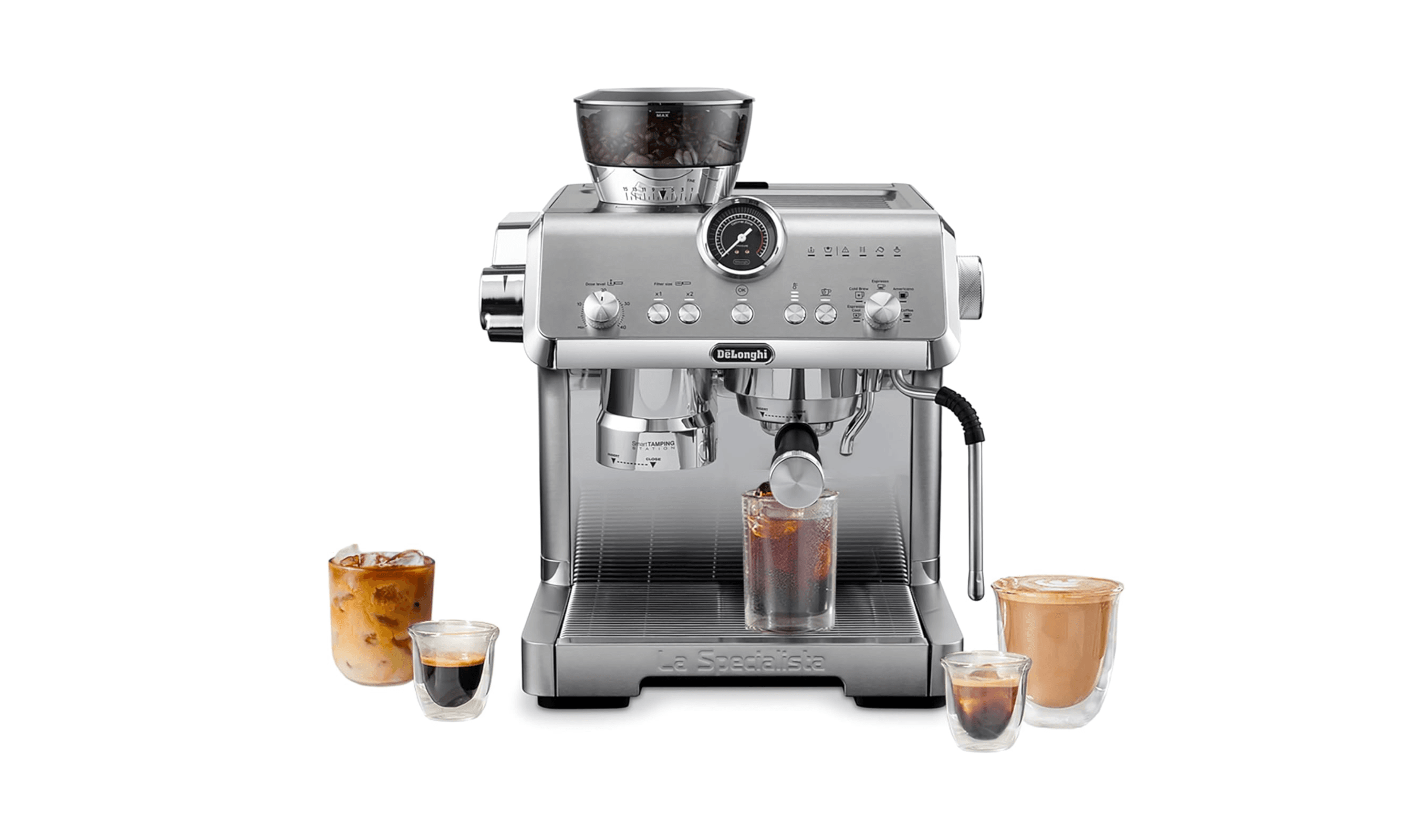
De'Longhi La Specialista Opera - Best for beginners
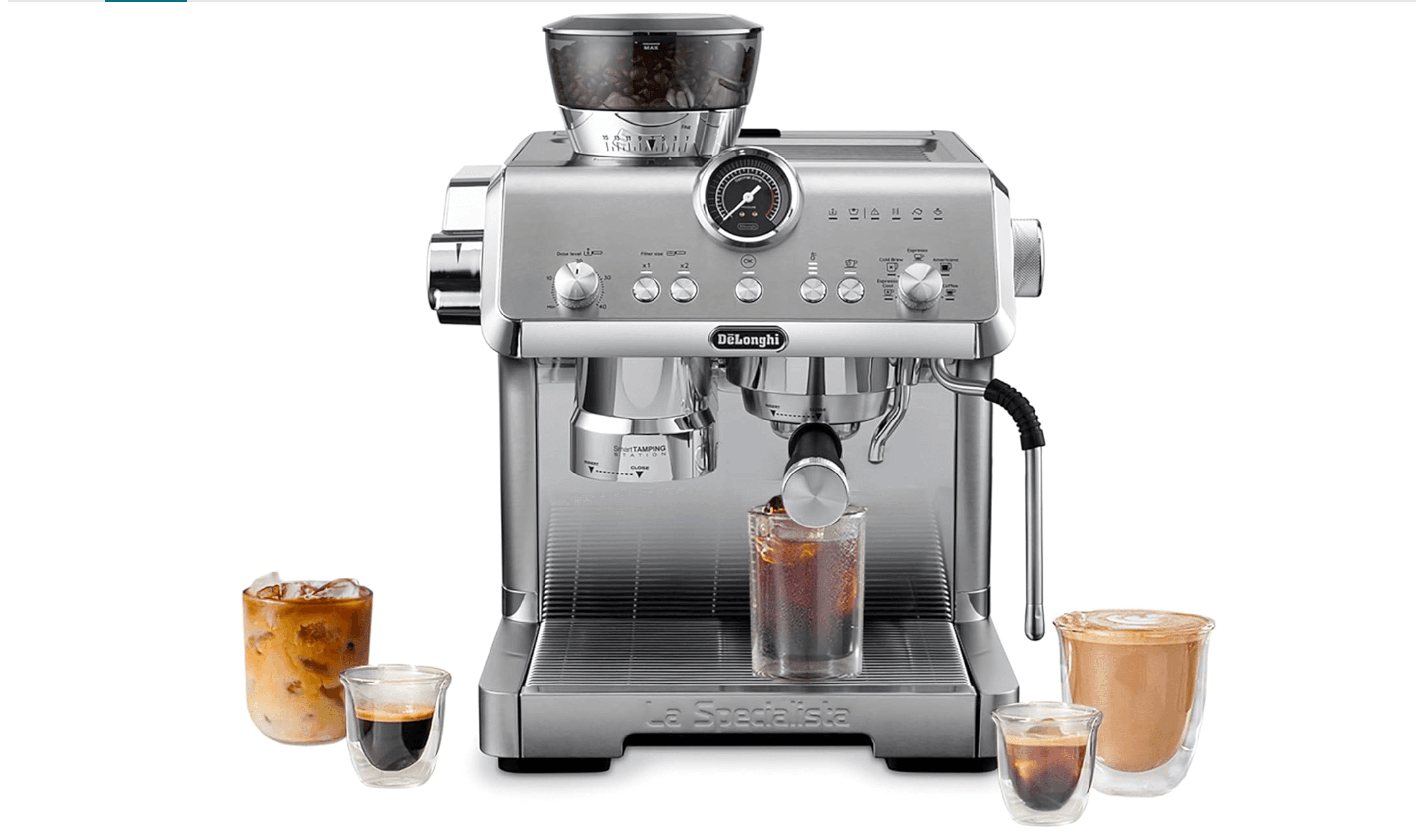
This machine guides you through the espresso-making process with built-in tutorials and automated features, while the cold extraction technology opens up new brewing possibilities beyond traditional espresso.
Key highlights
- Cold extraction technology for iced coffee drinks
- Integrated tamper ensures consistent puck preparation
- Intuitive touchscreen interface with guided brewing
- Improved grinder over previous models
- Can make both hot and cold specialty drinks
Pros
- Excellent guidance for beginners learning the process
- Cold brew capability expands drink options
- Consistent tamping takes guesswork out of preparation
- Good build quality for the price range
Cons
- Larger footprint than compact machines
- More complex interface has a learning curve
- Higher price point than basic entry-level options
Who it is for: Beginners who want guidance through the espresso-making process or anyone interested in both hot and cold specialty coffee drinks.
Skip if
You prefer manual control or have limited counter space.
Diletta Bello+ Espresso - Best high-end
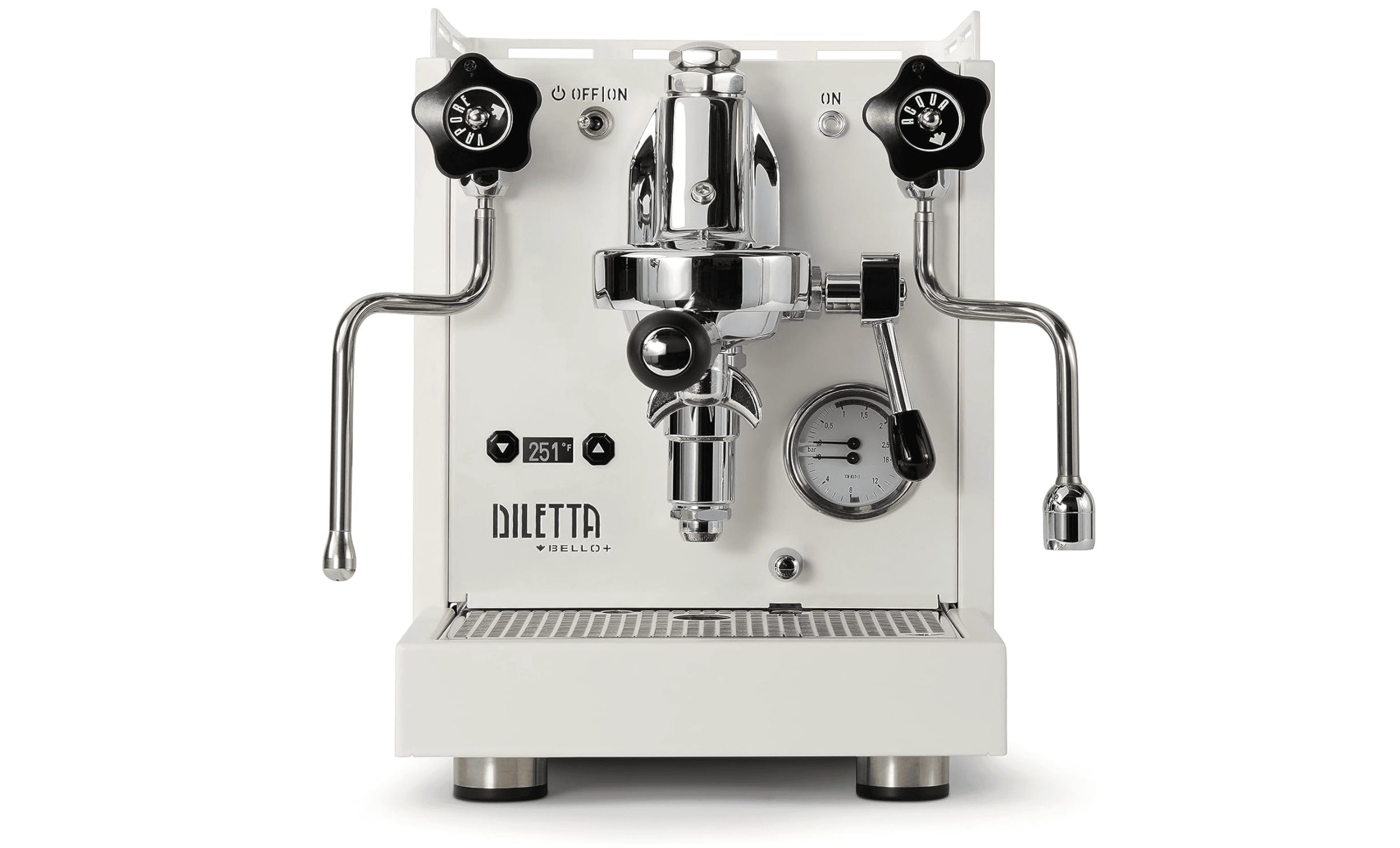
For serious home baristas who want commercial-grade control without commercial space requirements, the Bello+ offers an E61 group head, a heat exchanger boiler, and build quality that approaches professional equipment.
Key highlights
- Programmable pre-infusion (up to 10 seconds) for repeatable shots
- Heat exchanger boiler allows simultaneous brewing and steaming
- Commercial E61 group head with 58mm stainless steel portafilter
- PID temperature control
- Commercial-grade components throughout
Pros
- Unmatched control over every aspect of extraction
- Handmade in Italy with a stainless steel case, frame, and boiler
- Excellent temperature stability for consistent shots
- Professional build quality should last for years
Cons
- Significant investment at around $1,900
- Large footprint requires dedicated space
- Steep learning curve for all the features
- Requires serious commitment to the hobby
Who it is for: Serious espresso enthusiasts who want maximum control and are willing to invest both money and time into mastering their machine.
Skip if
You're new to espresso or want something simple for daily convenience.
Nespresso Vertuo Pop+ - Best pod system
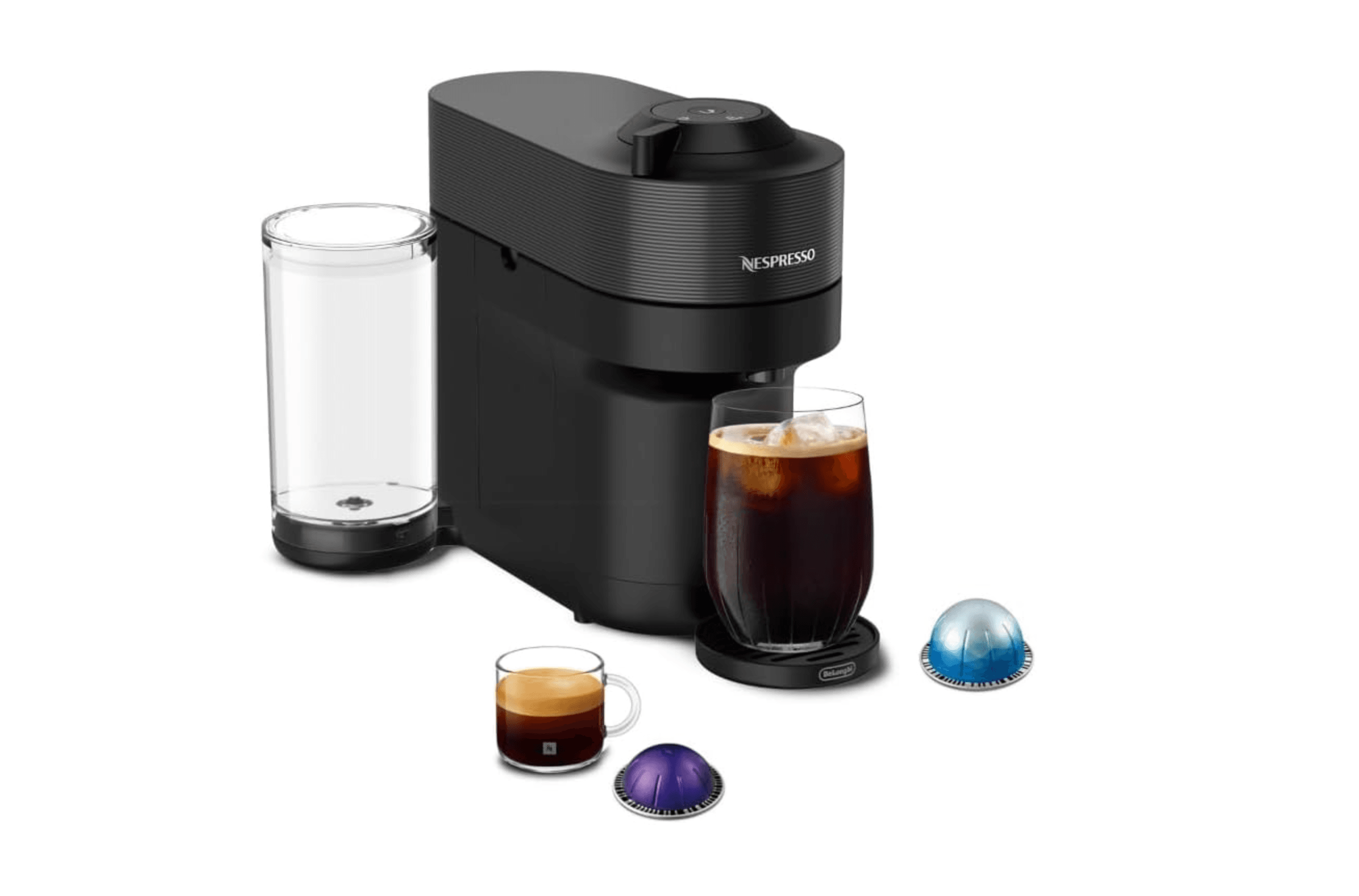
When convenience matters most, this pod system delivers consistent coffee with minimal effort. It automatically reads each pod to brew the right amount and creates a foamy crema layer without any skill required.
Key highlights
- Automatic pod recognition adjusts brewing parameters
- Creates foamy crema layer automatically
- Compact size fits easily in any kitchen
- Fastest setup and cleanup among pod systems we tested
- Wide variety of pod options available
Pros
- Extremely consistent results every time
- Virtually no learning curve or skill required
- Fastest from unboxing to first drink
- Easy cleanup with no coffee grounds to handle
Cons
- Ongoing cost of pods adds up over time
- Limited customization compared to traditional machines
- Environmental concerns with single-use pods
- Can't use freshly ground coffee
Who it is for: Busy people who want decent coffee with absolute minimal effort, or those who don't want to learn espresso-making techniques.
Skip if
You enjoy the process of making espresso or want to use freshly ground beans.
Also Good
- Gaggia Classic - legendary starter machine for home baristas.
How to Choose
Consider these factors before buying your espresso machine:
Your budget determines your options more than anything else. Machines range from under $300 to over $3,000, with noticeable jumps in capability at each price tier. Remember to factor in the cost of a good grinder, which is equally important for quality espresso.
Available counter space matters more than you might think. Some machines are surprisingly compact while others need dedicated space. Measure your available area before falling in love with a machine that won't fit.
How many drinks you make affects which type of machine makes sense. Single boilers work fine for one or two drinks but struggle with back-to-back lattes. Dual boilers or heat exchangers handle volume better but cost more.
Your skill level and interest in learning matters. Some machines do most of the work for you while others require you to learn proper technique. Be honest about how much time you want to invest in the process.
Milk drink frequency should guide your choice. If you mostly drink straight espresso, milk frothing capability matters less. If you love lattes and cappuccinos, prioritize machines with good steam power and, potentially, automated frothing.
FAQ
Do I really need a separate grinder?
Yes, for traditional espresso machines. Pre-ground coffee loses freshness quickly and won't produce good crema. Even modestly priced grinders make a noticeable difference in shot quality compared to pre-ground coffee.
How important is PID temperature control?
Very important for consistency. Machines without PID can have temperature swings that affect extraction. PID maintains stable temperatures shot after shot, which is especially noticeable when making multiple drinks.
What's the difference between single boiler, heat exchanger, and dual boiler?
Single boilers heat water for both brewing and steaming, requiring a wait between functions. Heat exchangers use one boiler with a heat exchange system to provide steam and brew water simultaneously. Dual boilers have separate boilers for brewing and steaming, offering the best performance but at higher cost.
How often do espresso machines need maintenance?
Regular cleaning after each use (rinsing portafilter, wiping steam wand) is essential. Backflushing with cleaner should happen weekly if you use daily. Descaling frequency depends on your water hardness, but typically every 2-3 months for most users.
Are pod machines really espresso?
They produce a concentrated coffee with crema, but traditionalists argue it's not true espresso because it uses different pressure and extraction methods. For most people, the convenience and consistency outweigh the technical distinction.
Published February 13, 2026 Last updated June 16, 2026
Share this article
More in News
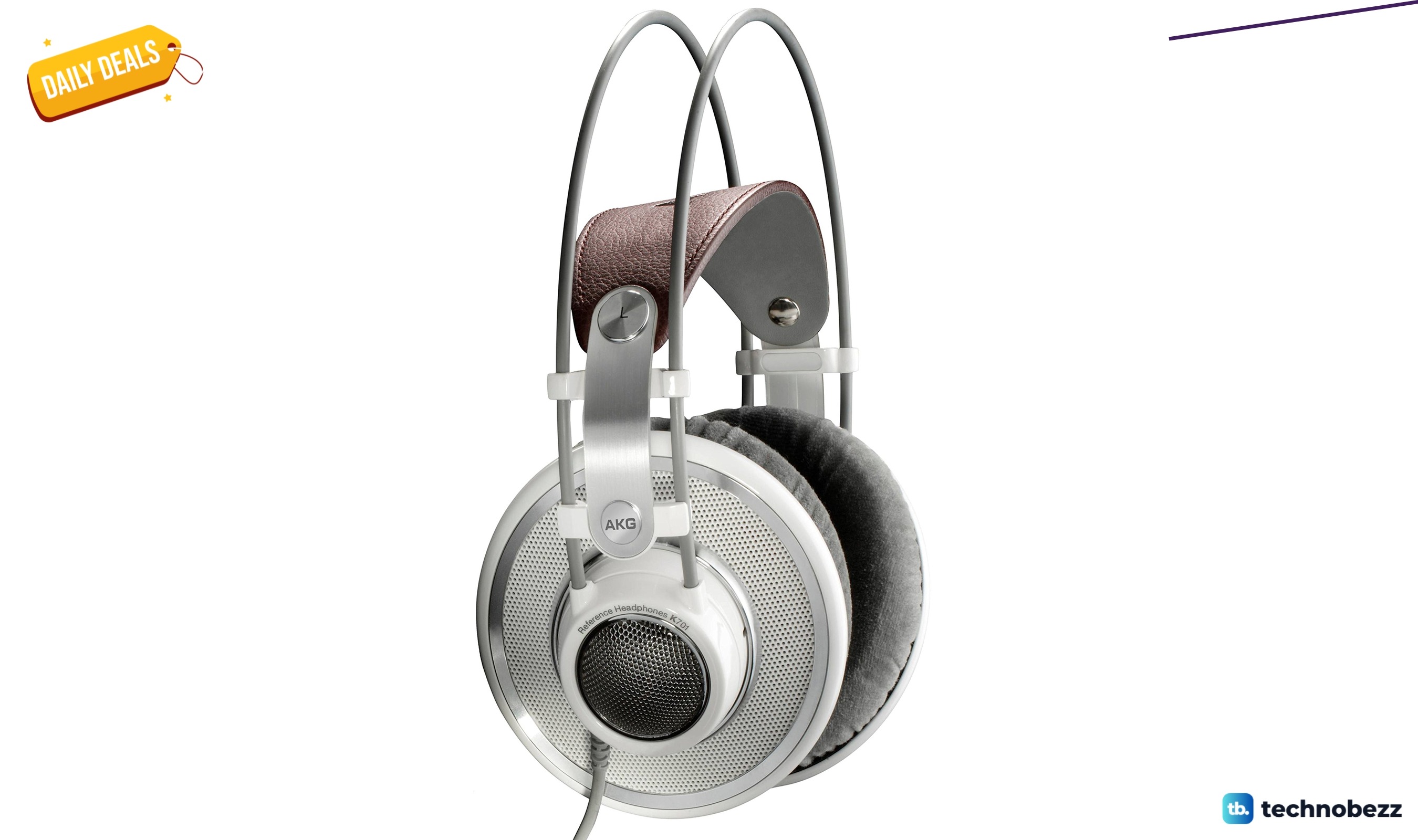
AKG K 701 Ultra Reference Class Stereo discounted to $247.37
AKG K 701 headphones drop to $247.37 on Amazon, a 47% discount that sits below recent 30, 90, and 180-day average prices.
5 min read
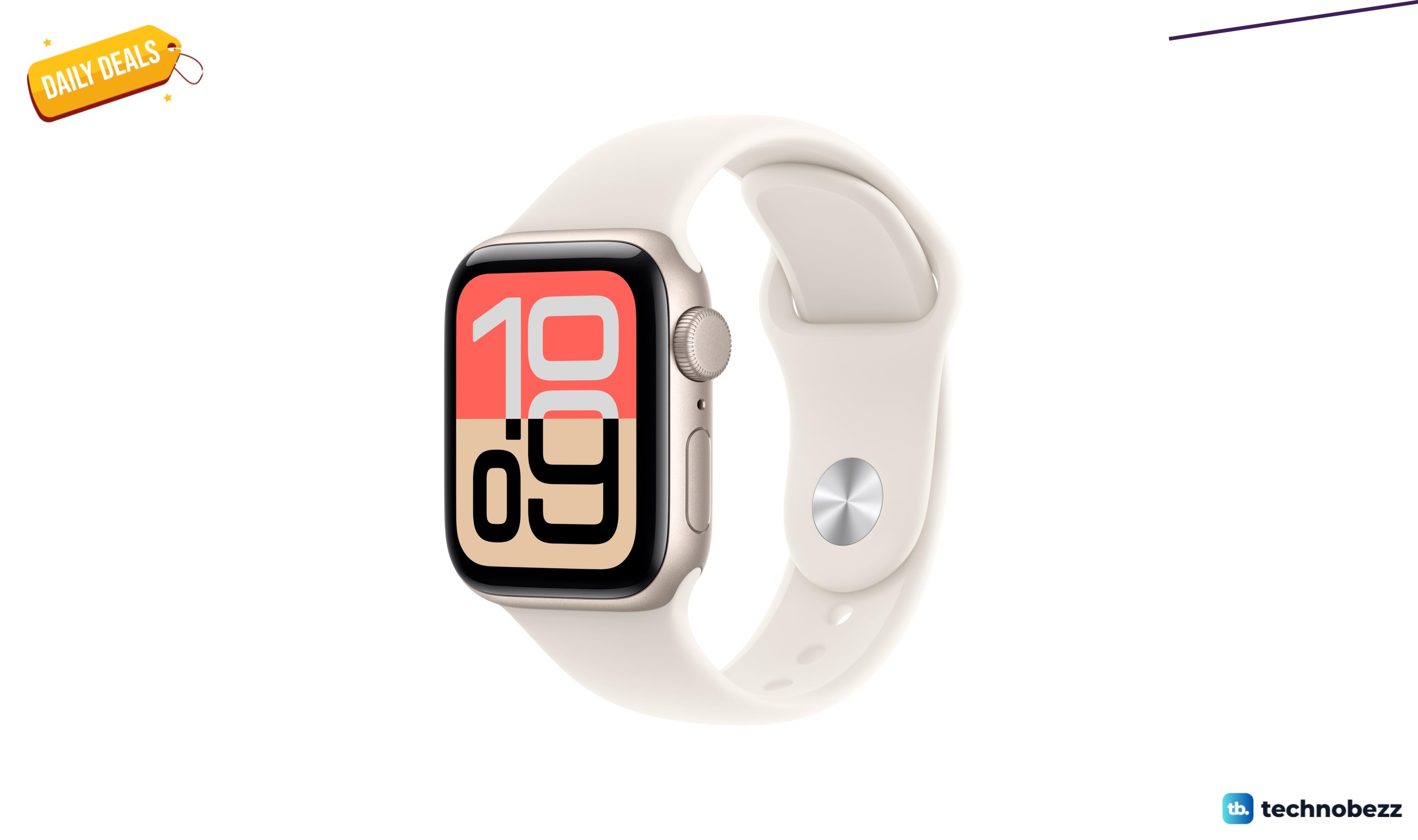
Apple Watch SE 3 GPS 40mm Smartwatch discounted to $189.97
Save $59.03 on the Apple Watch SE 3 GPS 40mm at Amazon, matching its lowest recorded price with health and sleep tracking.
5 min read
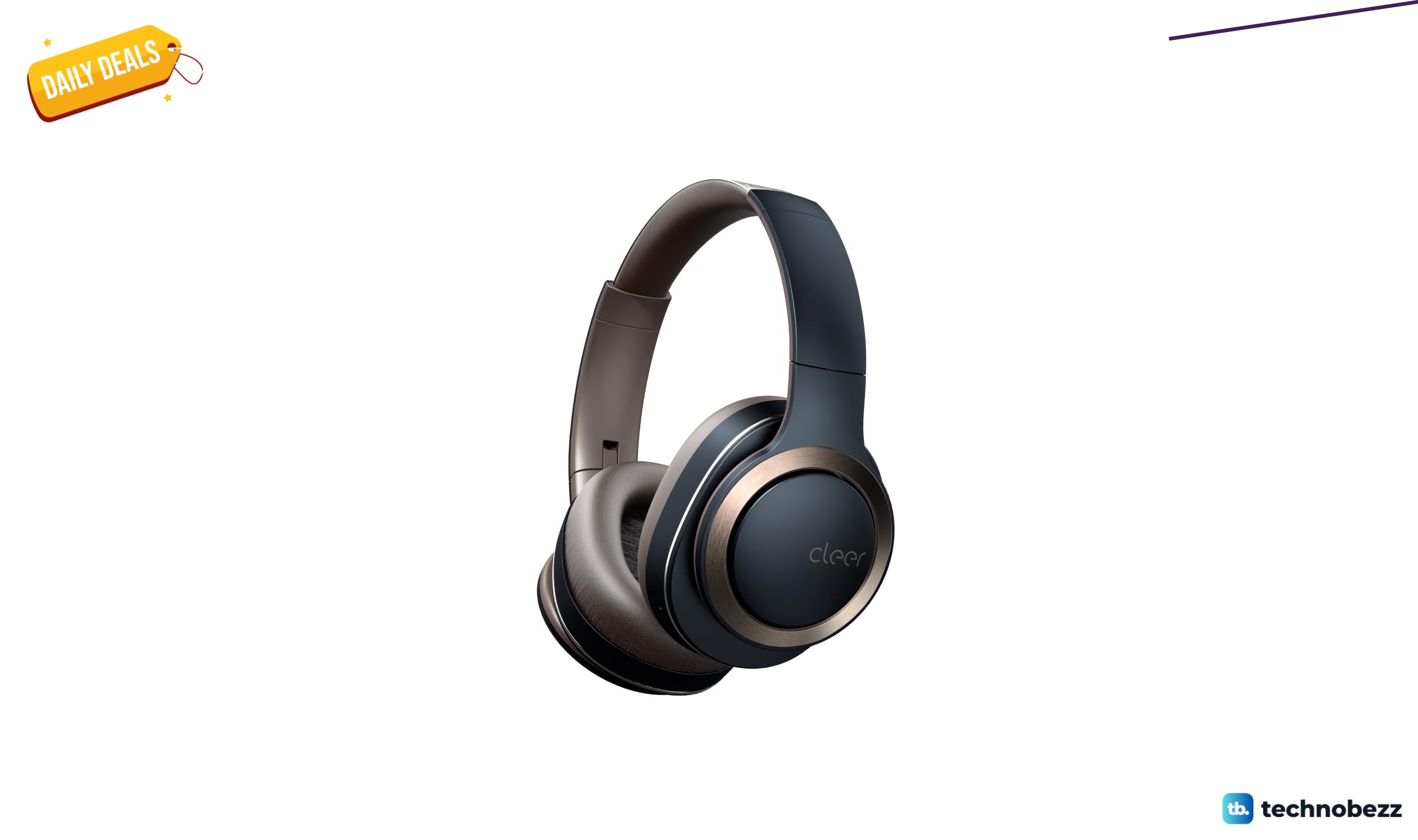
Cleer Audio Enduro ANC Noise Canceling Headphones price drops to $94.99
Save 47% on Cleer Audio Enduro ANC headphones at $94.99, with 60-hour battery, active noise cancellation, and multipoint Bluetooth.
3 min read
Lenovo coupon codes and deals
Browse 5 current Lenovo offers, including 3 coupon codes and 2 online deals.
5 min read

Woot coupon codes and deals
3 min read
Samsung coupon codes and deals
5 min read

Best tech coupon codes and online deals
4 min read
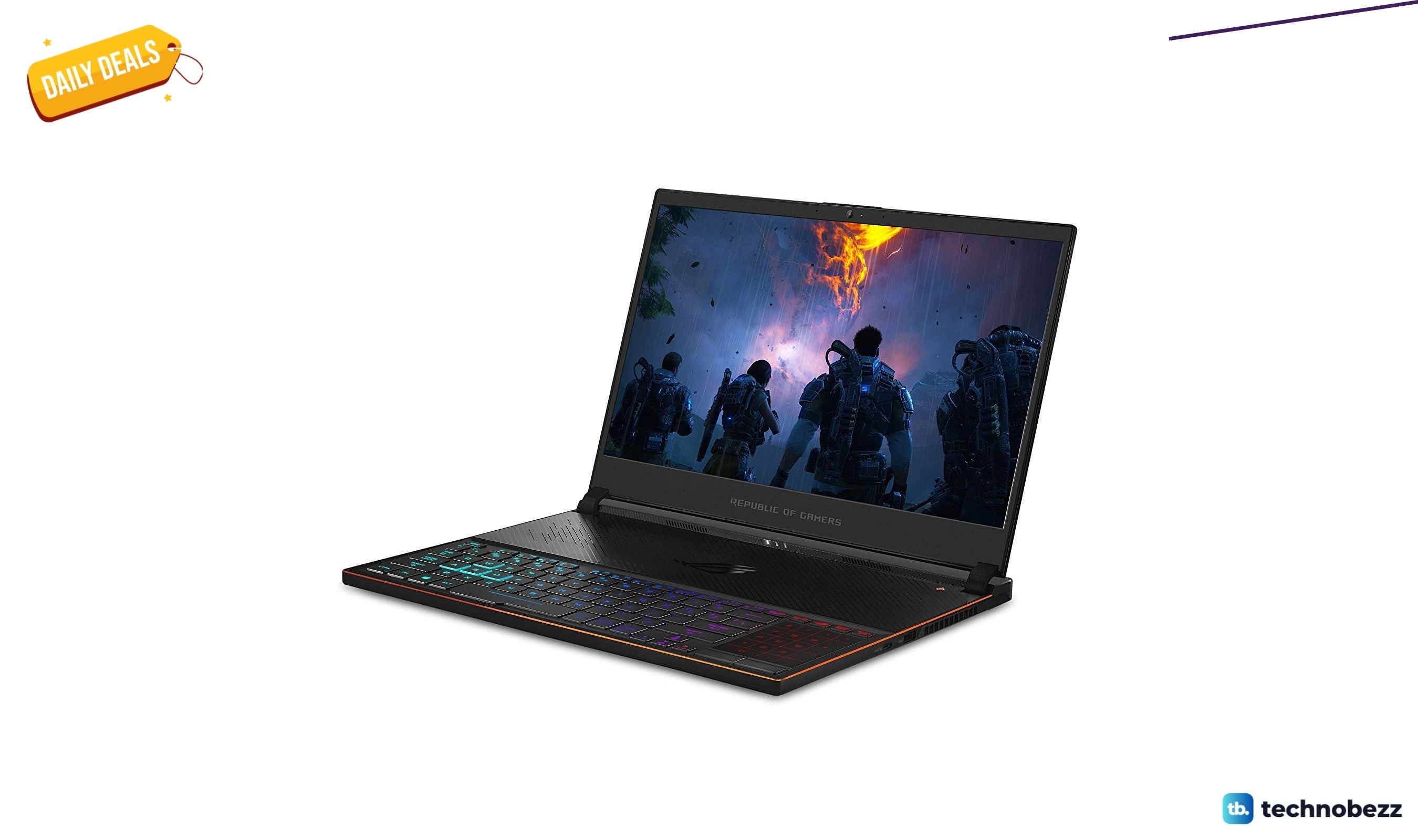
ASUS ROG Zephyrus S Ultra Slim Gaming gets a $660.95 price cut to $1338.05
5 min read
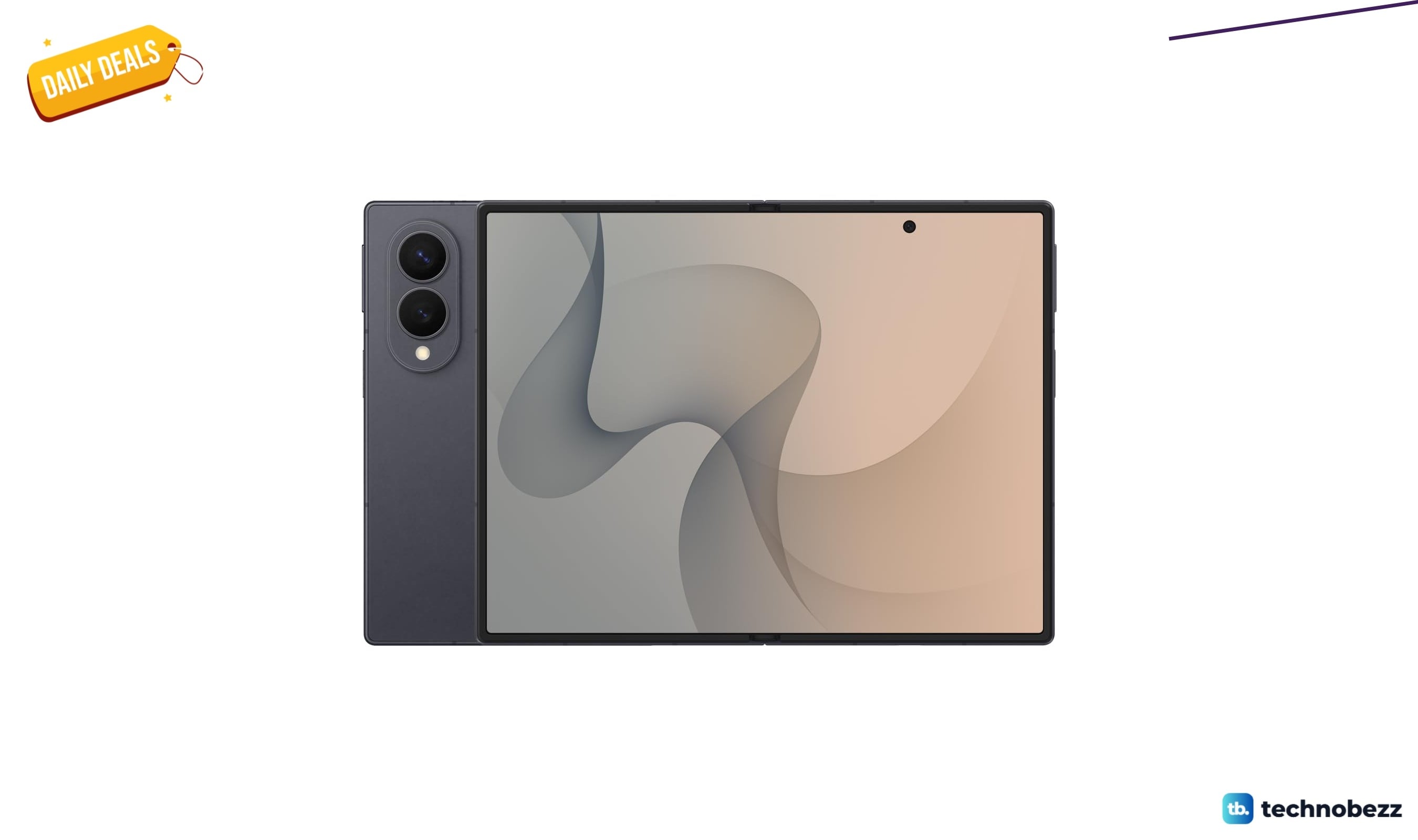
Samsung Galaxy Z Fold8 Unlocked Android Smartphone on sale for $1649.99
3 min read
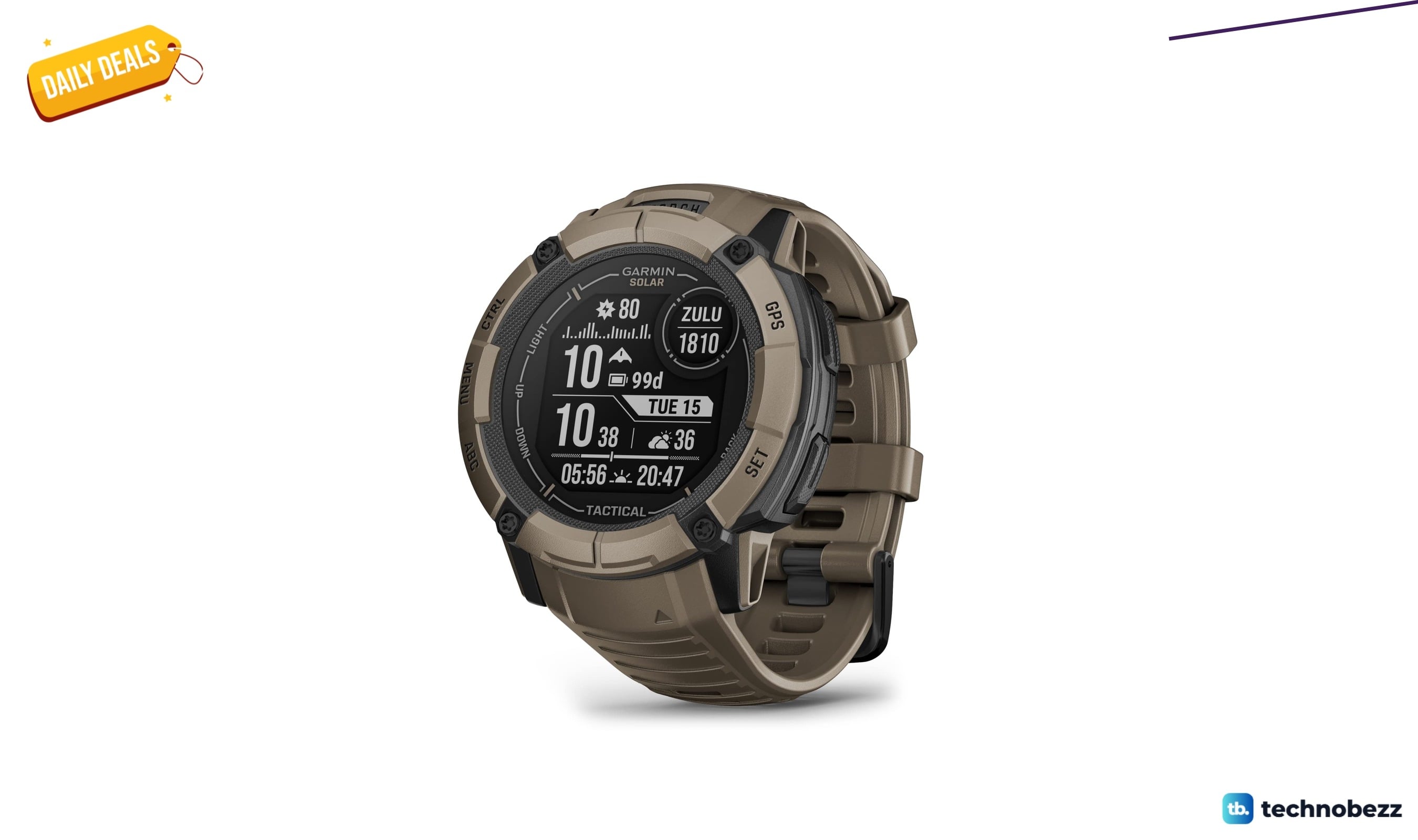
We found 2 smartwatch deals from $219.99 that are actually worth it
5 min read
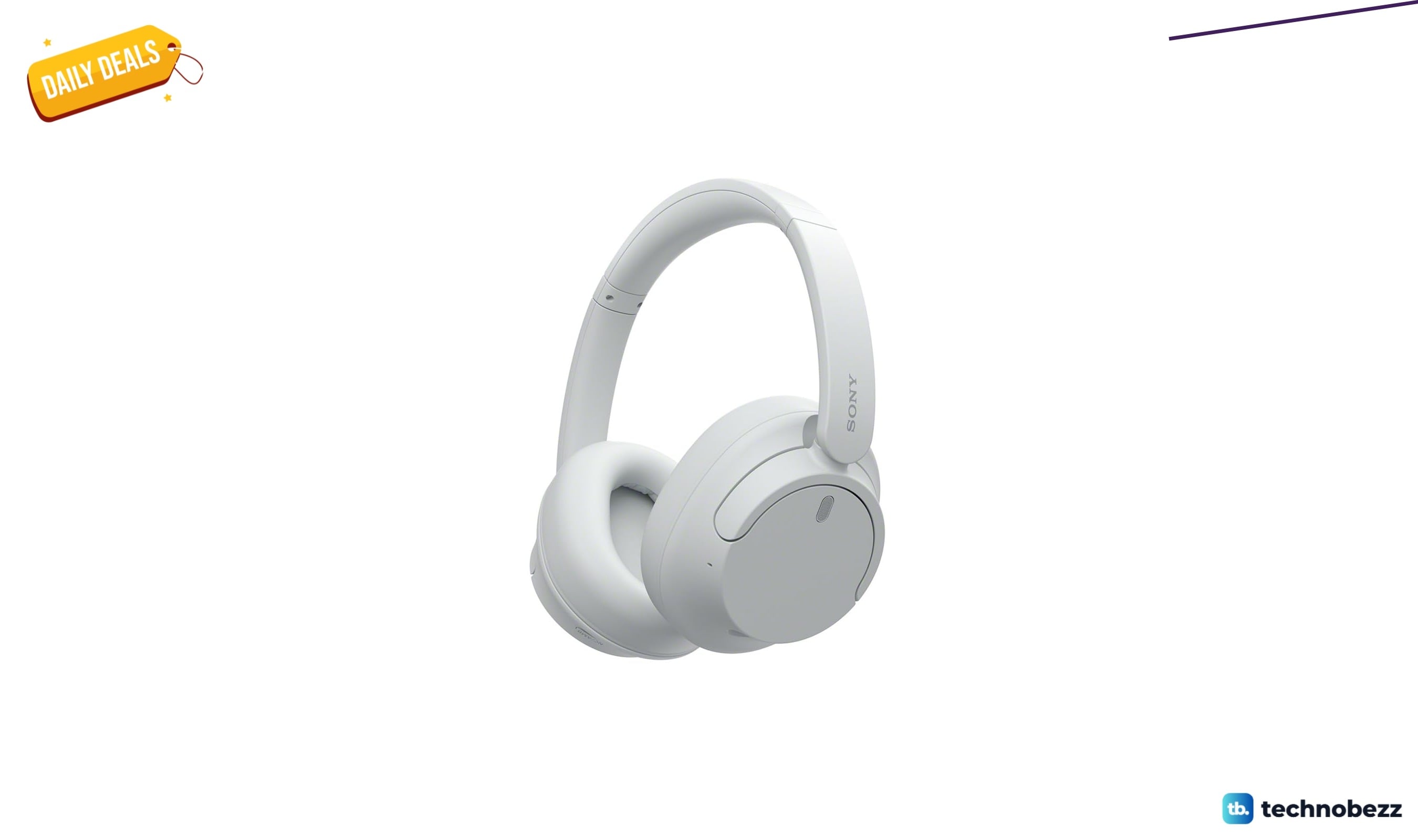
Sony WH-CH720 Noise Canceling Wireless Bluetooth Headphones now $87.94, down from $119.99
3 min read
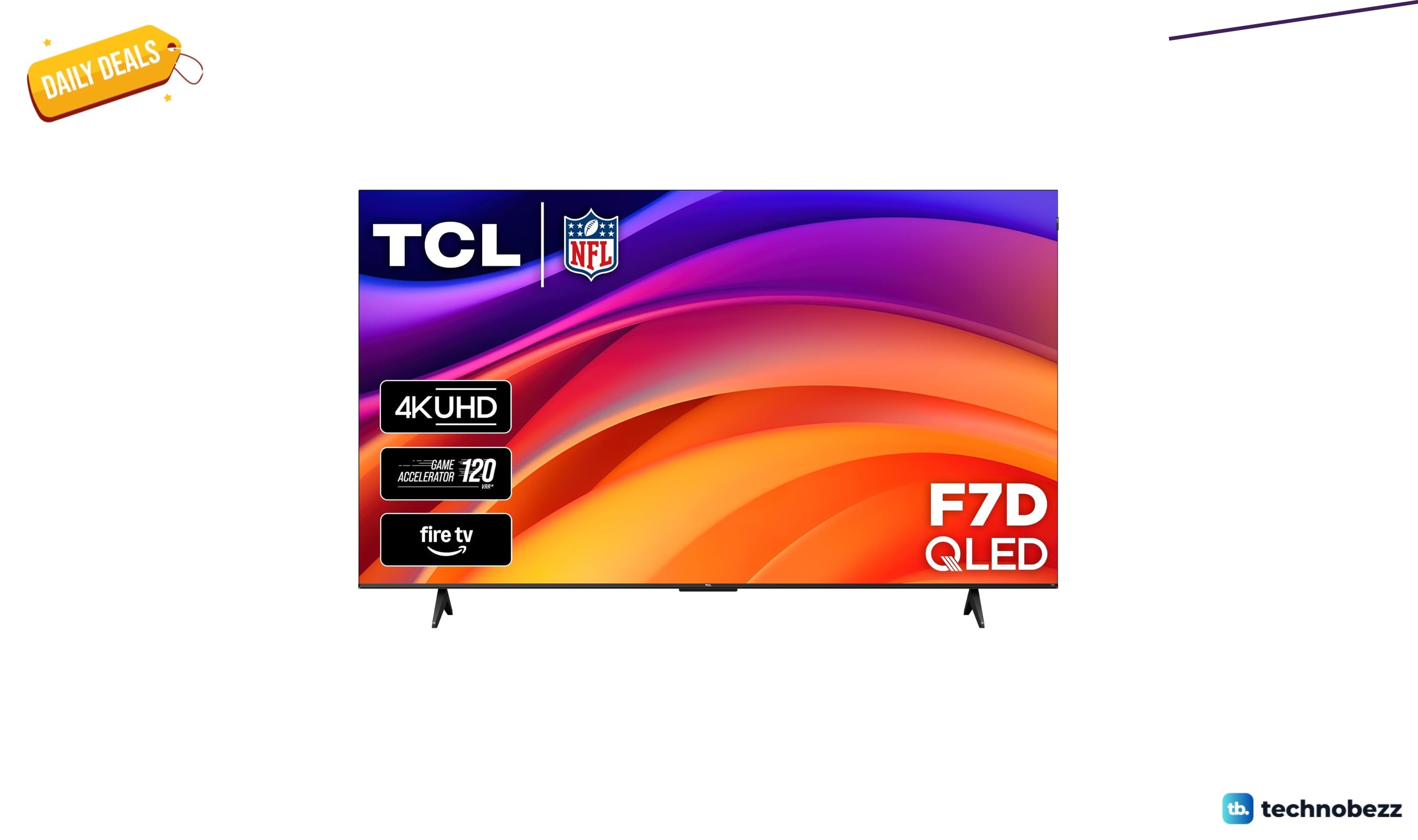
TCL 75-inch F7D QLED 4K TV leads 2 TV deals from $499.99
5 min read